Sky above, science within — your guide to the universe.
- Tweets 6,575
- Following 22,007
- Followers 130,808
- Likes 2,929
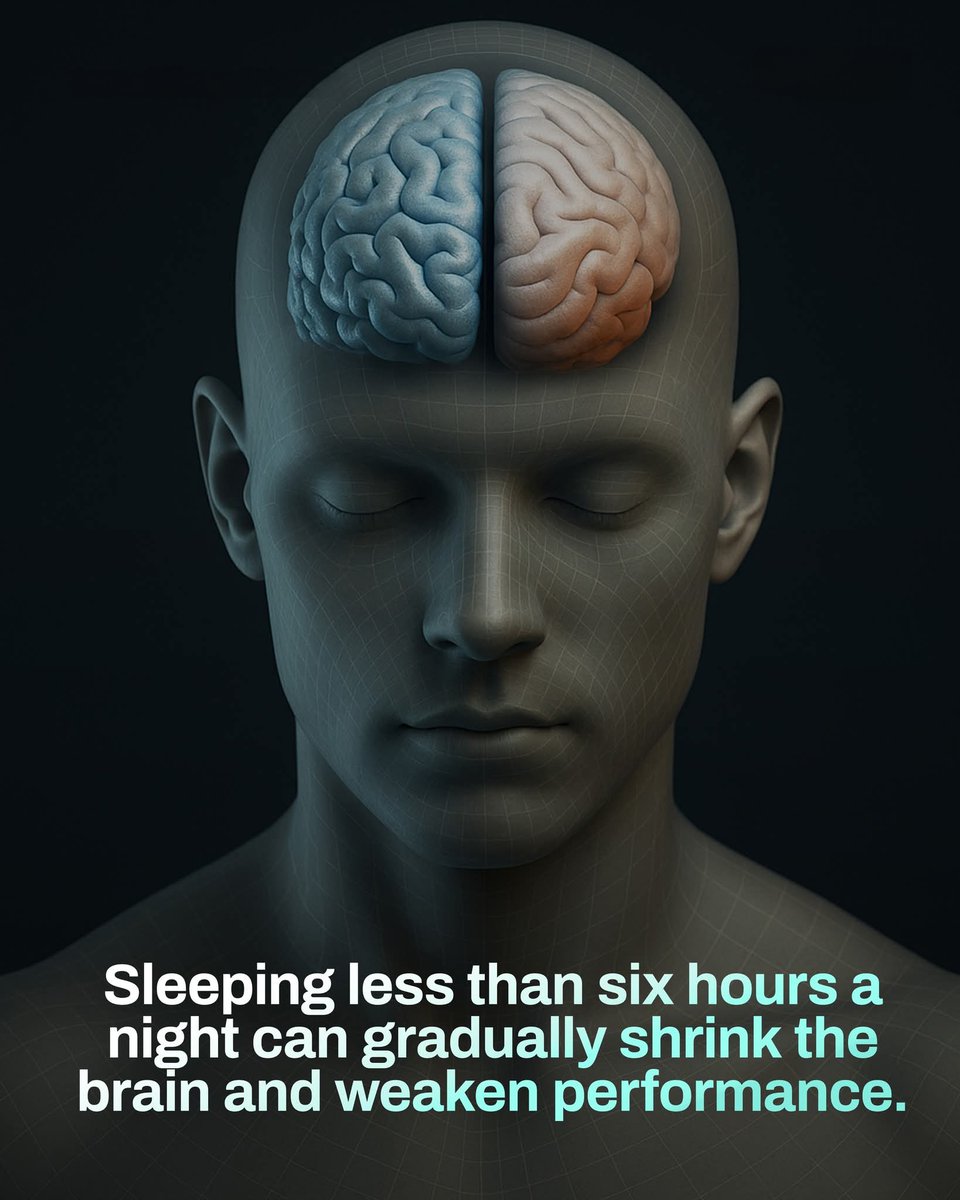





ALT Sleeping less than six hours per night can cause measurable reductions in brain volume, particularly in the frontal regions responsible for focus and decision-making. Chronic sleep deprivation leads to a gradual loss of cortical gray matter, weakening neural connections over time. This reduction affects memory, emotional balance, and cognitive performance. The effects are subtle at first but accumulate with continued lack of rest. Prioritizing consistent, restorative sleep is essential to protect brain structure and maintain mental health.
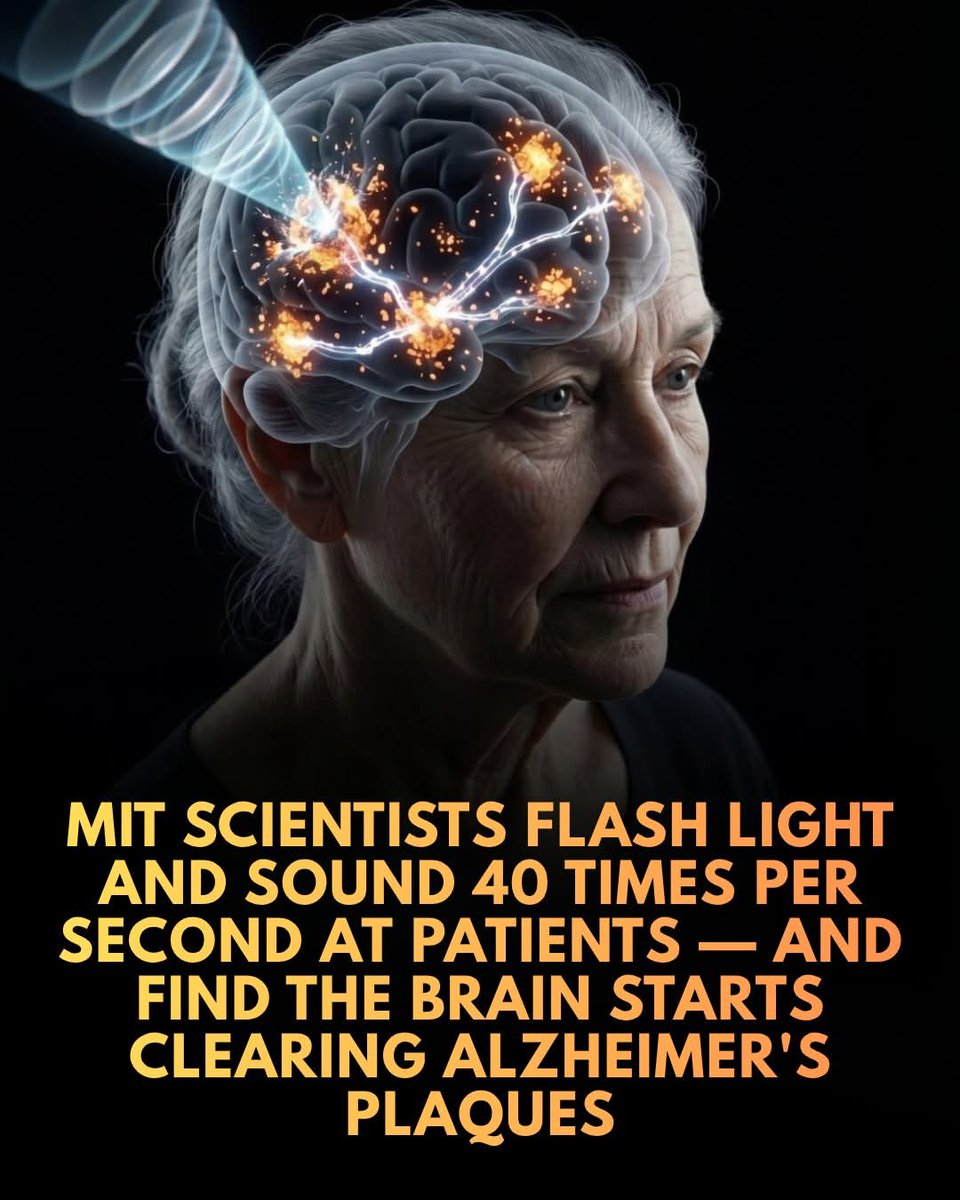
ALT A new Alzheimer’s treatment uses 40 Hz light and sound pulses to trigger the brain’s natural waste-disposal system and flush out toxic proteins. Recent breakthroughs in neuroscience have revealed that exposing the brain to light and sound flashing exactly 40 times per second—a method known as 40 Hz gamma stimulation—can significantly boost natural brain waves associated with memory, attention, and cognitive processing. In numerous animal studies, this rhythmic sensory stimulation successfully prompted the brain to clear away amyloid and tau, the hallmark proteins driving Alzheimer's disease. Rather than relying on traditional pharmaceuticals to target these plaques, this cutting-edge approach activates the glymphatic system—the brain's internal 'plumbing'—to naturally flush out harmful waste and preserve connections between neurons.
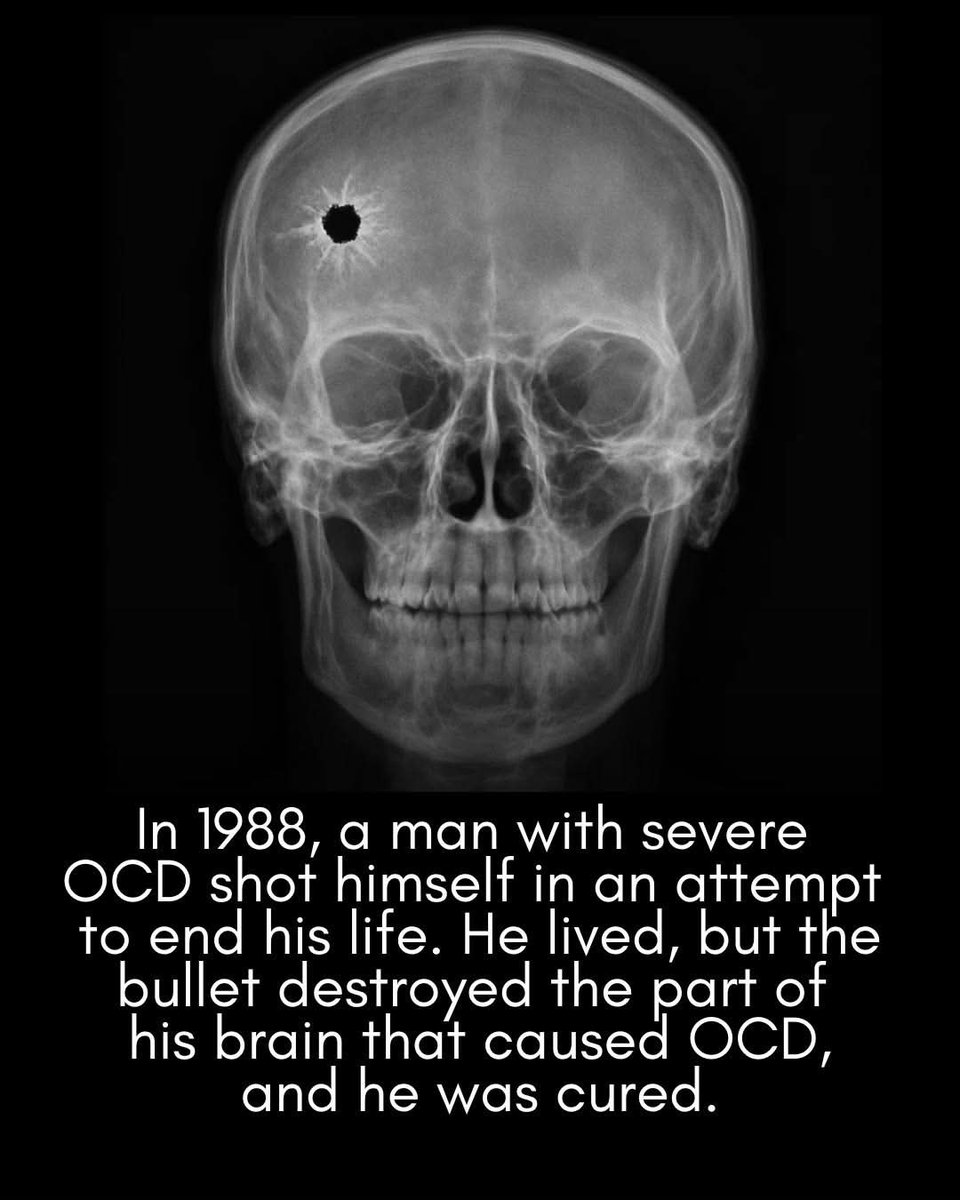
ALT 🚨 A man was shot in the head and cured of mental illness: A 19-year-old man who attempted suicide by shooting himself in the head inadvertently cured his own severe, debilitating obsessive-compulsive disorder. In 1983, a teenager identified only as George was trapped in a relentless cycle of severe obsessive-compulsive disorder (OCD), washing his hands hundreds of times a day and taking endless showers. Unable to cope with the debilitating illness, which had forced him to drop out of school and quit his job, George attempted to end his life by shooting himself in the head with a .22-caliber rifle. Remarkably, he survived. The bullet lodged in his brain's left frontal lobe, and while surgeons managed to remove most of it, some bullet fragments remained permanently embedded. What followed puzzled and amazed his medical team: within three weeks of the incident, George’s obsessive-compulsive behaviors had virtually disappeared.
ALT In an unprecedented push for deregulation, Argentine President Javier Milei has introduced legislation to permit fully autonomous, AI-operated corporations. Argentine President Javier Milei has submitted a groundbreaking legislative proposal to Congress that could make Argentina the first nation to legalize "non-human corporations" run entirely by artificial intelligence. Under this proposed legal framework, these entities would be operated autonomously by AI agents or robots, rendering human shareholders completely optional. Promoted in a high-profile Financial Times op-ed, Milei’s radical pitch aims to transform Argentina into a global tax haven for tech giants by keeping AI entirely unregulated, promising a massive leap in productivity by freeing enterprise from the constraints of the human brain.
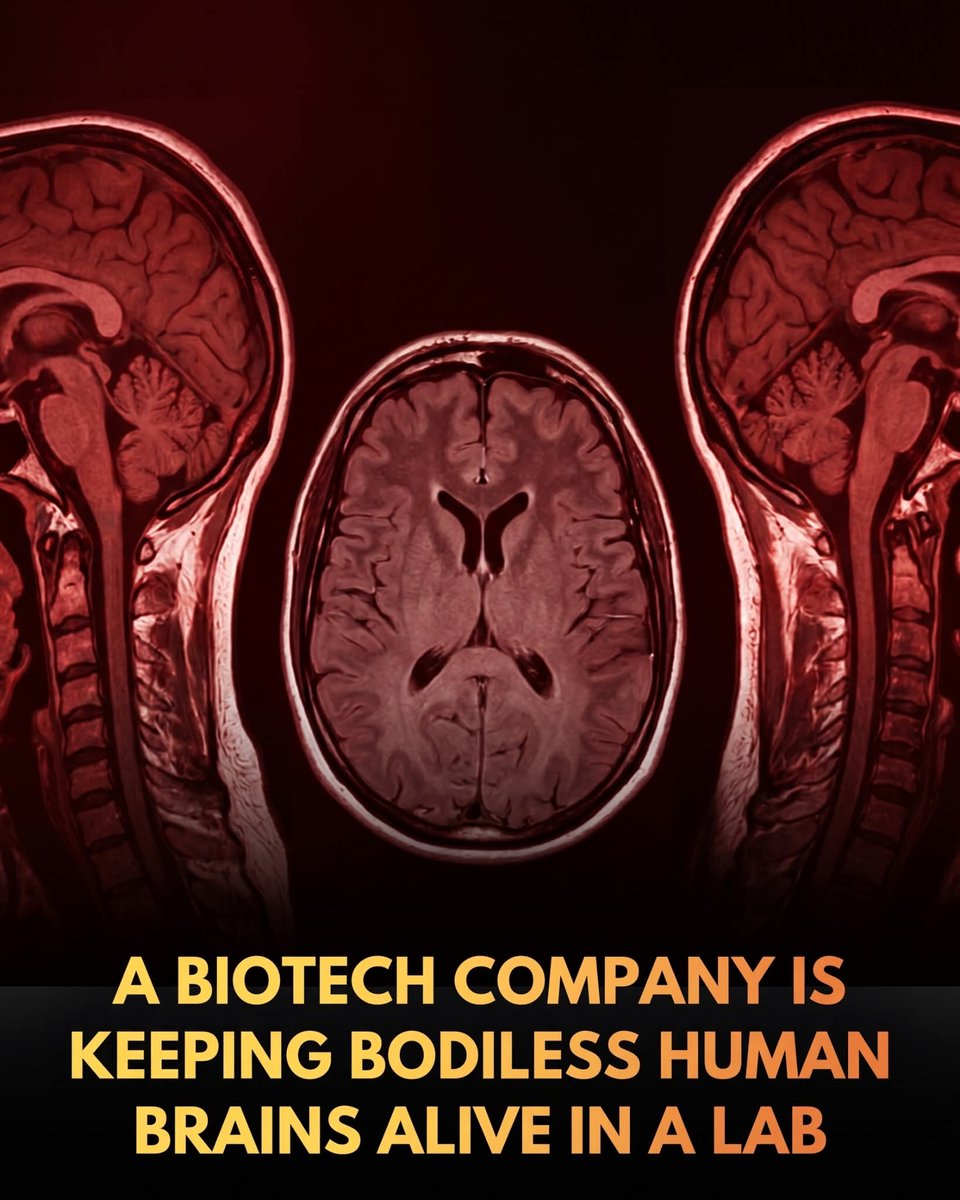
ALT A biotech company is keeping recently deceased human brains active on a high-tech life-support system. The reasons? The company says they want to pave the way for an animal-free era of neurological drug testing. Spun out of Yale University research, biotechnology startup Bexorg is challenging traditional drug testing boundaries by placing donated human brains on an artificial life-support system called BrainEx. Shortly after a donor's death, the company connects the bodiless organ to pumps that circulate an oxygen-rich, nutrient-dense blood substitute to restore cellular and metabolic activity. To address the immediate ethical concerns surrounding consciousness, Bexorg keeps these brains under deep anesthesia using propofol, ensuring there is no organized neural firing or awareness. The organs remain active for just 24 hours—providing researchers with a critical window to test drugs for diseases like Alzheimer's and Parkinson's on actual human tissue—before being dissected.
ALT The world just officially entered a new Cold War. In an unprecedented move signaling a new technological Cold War, the U.S. government has barred foreign nationals from accessing Anthropic's most advanced AI models, forcing the startup to pull them completely offline. The U.S. Commerce Department issued an emergency export-control directive prohibiting foreign nationals—both abroad and inside the United States—from accessing Anthropic’s newly released Fable 5 and Mythos 5 models. Strikingly, the order even banned Anthropic's own foreign-born, U.S.-based employees from using or working on the software. Facing the impossible task of selectively policing its global user base under strict federal compliance, the Silicon Valley AI company chose to abruptly disable both advanced systems for all customers worldwide. While federal officials cited national security risks and potential safeguard bypasses as the rationale, Anthropic publicly disputed the severity of the claims.
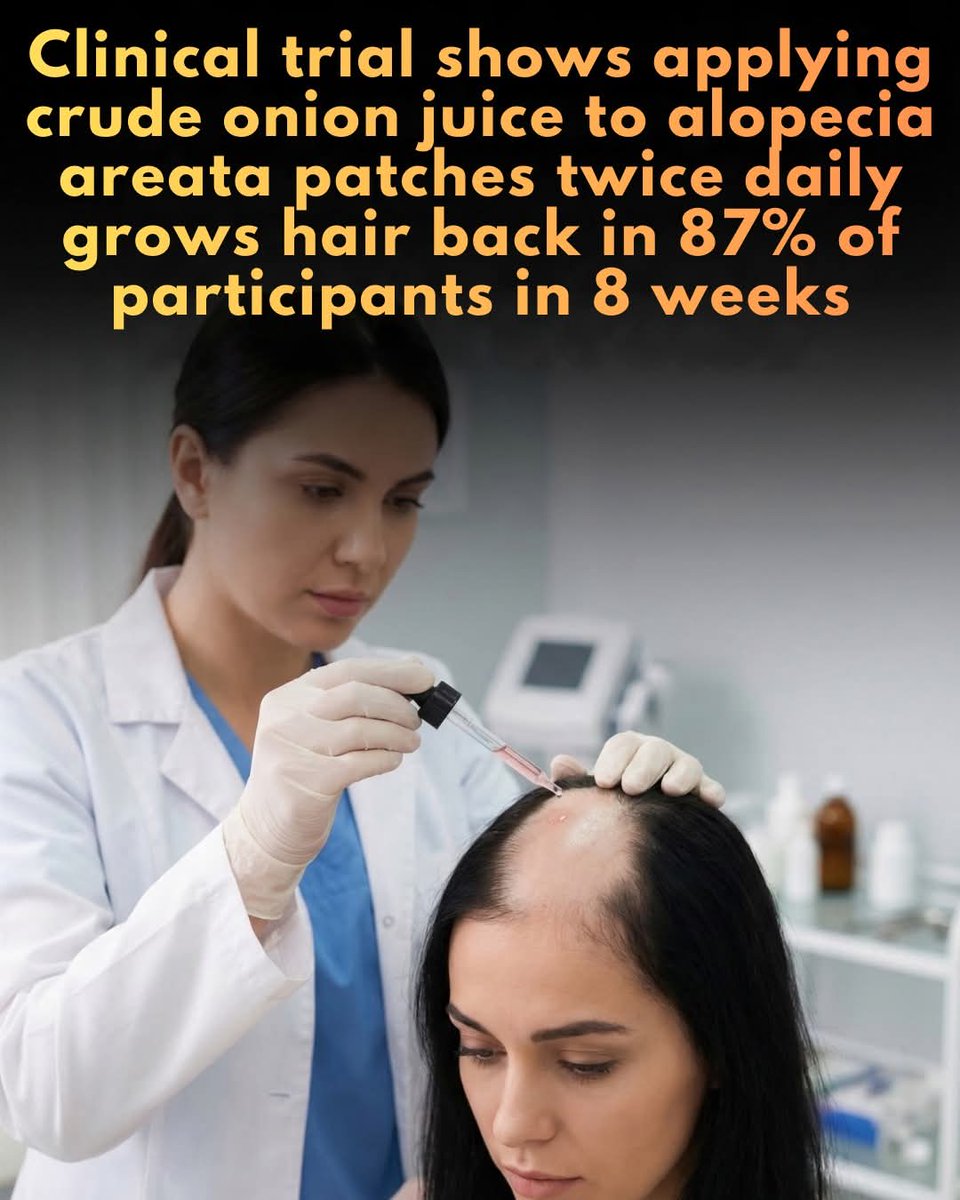
ALT A study had an 87% success rate at reversing hair loss using the method. A landmark study published in The Journal of Dermatology reveals that crude onion juice could be a surprisingly effective natural remedy for patchy alopecia areata. Researchers found that applying the juice twice daily led to significant hair regrowth in nearly 87% of participants within just six to eight weeks. Results were particularly striking among male participants, who saw a 93.7% success rate compared to 71.4% in women. This simple topical treatment significantly outperformed tap water, which served as the control group, marking a potential breakthrough for those seeking accessible, non-pharmaceutical options for hair restoration. The science behind this unconventional method suggests that onion juice acts as a topical irritant. Experts believe this irritation triggers a localized response that diverts the body's autoimmune attack away from hair follicles, effectively allowing them to transition back.

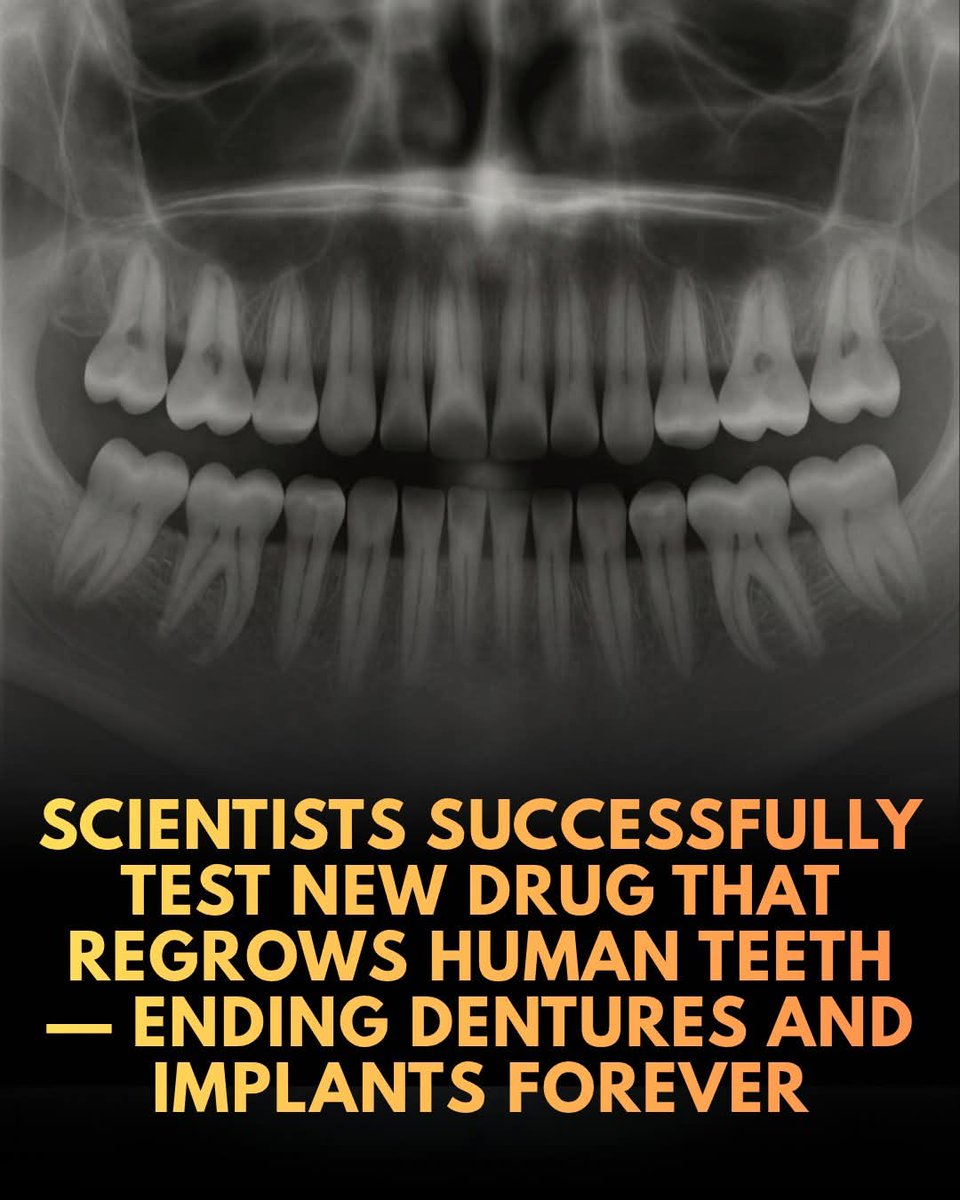
ALT Scientists created a drug that lets humans regrow lost teeth naturally 🦷 Researchers in Japan, led by Dr. Katsu Takahashi at the Medical Research Institute Kitano Hospital, have developed a pioneering medication that stimulates the natural regrowth of teeth. The drug works by blocking a protein called USAG-1, which normally suppresses tooth development in humans. Having already successfully triggered the growth of brand-new teeth in mouse trials, the research team is now preparing to initiate human clinical trials, aiming to make this transformative treatment commercially available within the decade. This innovative therapy builds on decades of regenerative medicine and the discovery that humans possess dormant, 'third set' tooth buds, much like sharks or elephants that naturally grow multiple sets of teeth. When combined with ongoing advances in bone and dental pulp regeneration, scientists believe this approach could eventually reverse tooth loss caused by genetics, injury.
ALT Recent pharmacological research has identified specific non-psychoactive botanical compounds that demonstrate remarkable potential in reversing hepatic lipid accumulation. In laboratory settings, these targeted extracts actively reduced dense fat deposits within vital organs while simultaneously stabilizing erratic blood glucose levels. Medical experts highlight that this metabolic condition currently impacts roughly one-third of the global adult population, yet it entirely lacks formally approved pharmaceutical interventions. If successfully translated to human therapies, this biological mechanism could drastically lower the long-term risk of severe hepatic failure and cardiovascular complications. Unlike recreational applications, these specific isolates do not interact with the central nervous system's traditional receptor pathways. Instead, they function at a microscopic level by enhancing intracellular phosphocreatine concentrations, effectively forcing sluggish metabolic cells.
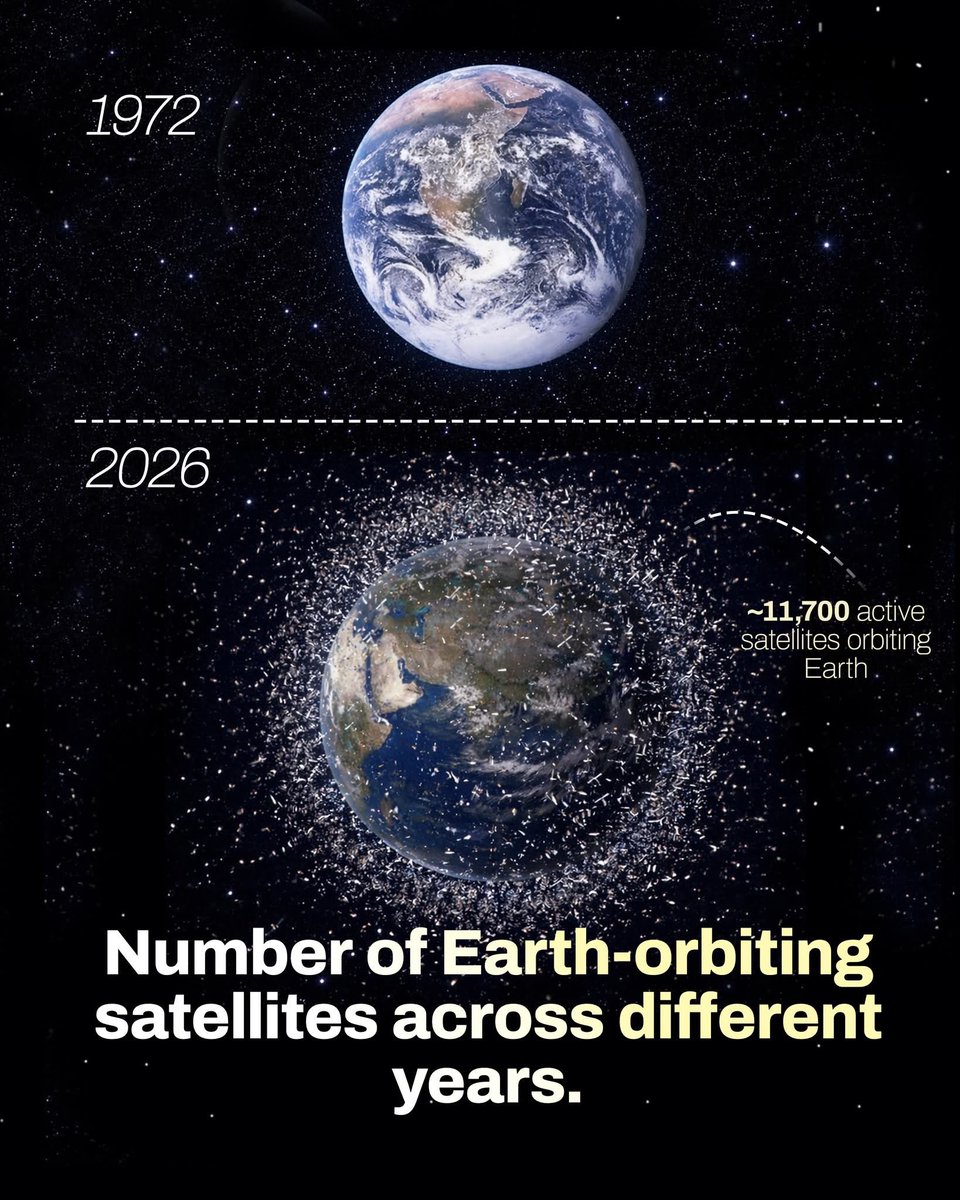
ALT In 1972, Earth’s orbit was still relatively empty, with only a few hundred satellites circling the planet, mostly dedicated to science, weather, and early communications. Over the following decades, advances in technology and lower launch costs steadily accelerated the pace of satellite deployment. By 2026, Earth is surrounded by roughly 11,700 active satellites, forming a dense shell of human-made objects in space. This dramatic growth is driven largely by global communication networks, navigation systems, Earth observation, and massive satellite constellations. The comparison highlights how quickly near-Earth space has transformed from a quiet frontier into one of the most crowded regions humans have ever created.
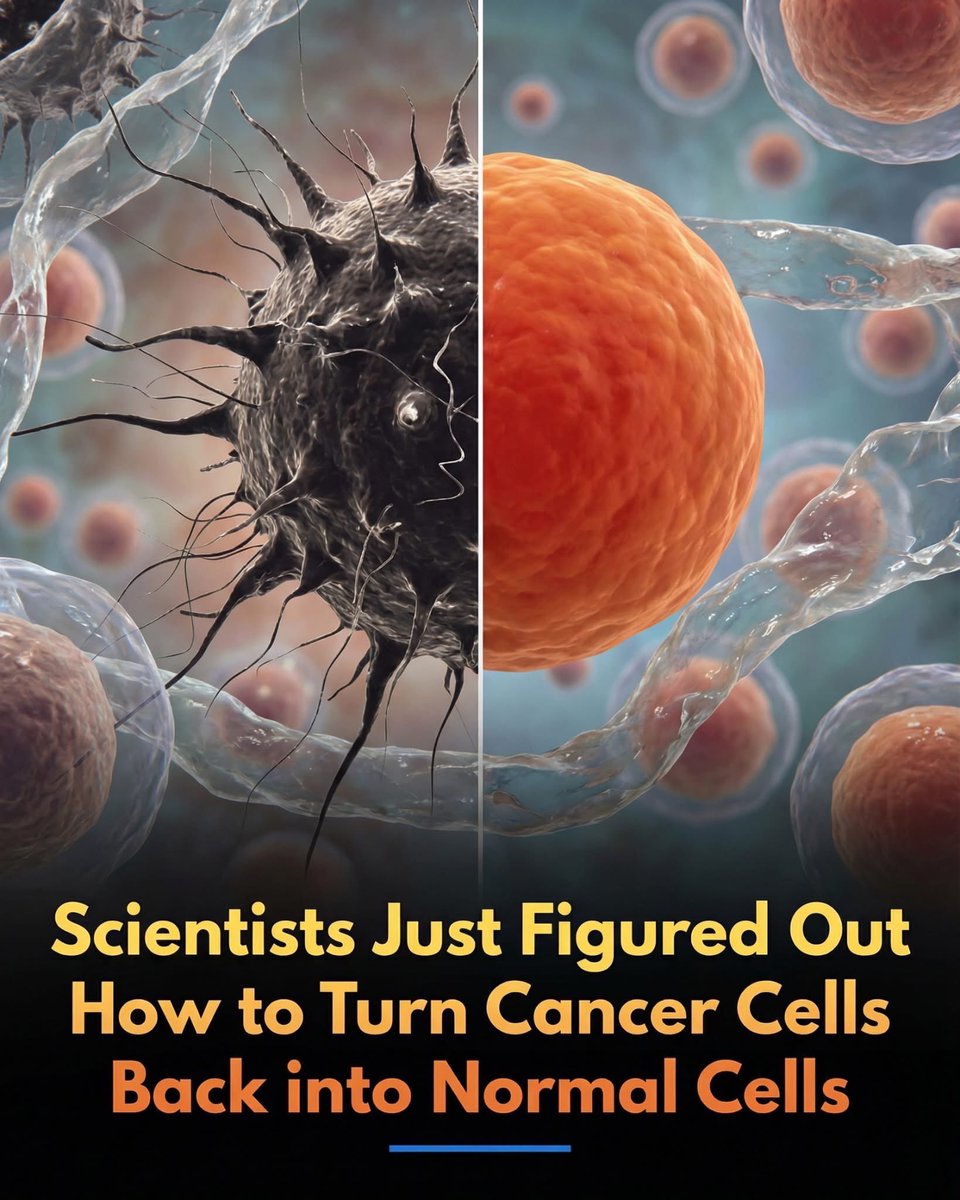
ALT 🚨 Breakthrough treatment flips cancer cells back into normal cells. Researchers at KAIST have pioneered "reversible cancer therapy," a new approach that transforms malignant tumors into healthy tissue without damaging the body. Scientists have reached a new frontier in the fight against cancer, moving away from destruction and toward restoration. Researchers at the Korea Advanced Institute of Science and Technology (KAIST) have successfully reprogrammed colon cancer cells back into their healthy, original state. By identifying and suppressing a specific trio of "master regulators"—MYB, HDAC2, and FOXA2—the team effectively flipped a genetic switch that reverses the cancerous state. This breakthrough avoids the collateral damage typical of traditional therapies, preserving cellular material while neutralizing the threat without harming surrounding tissue.
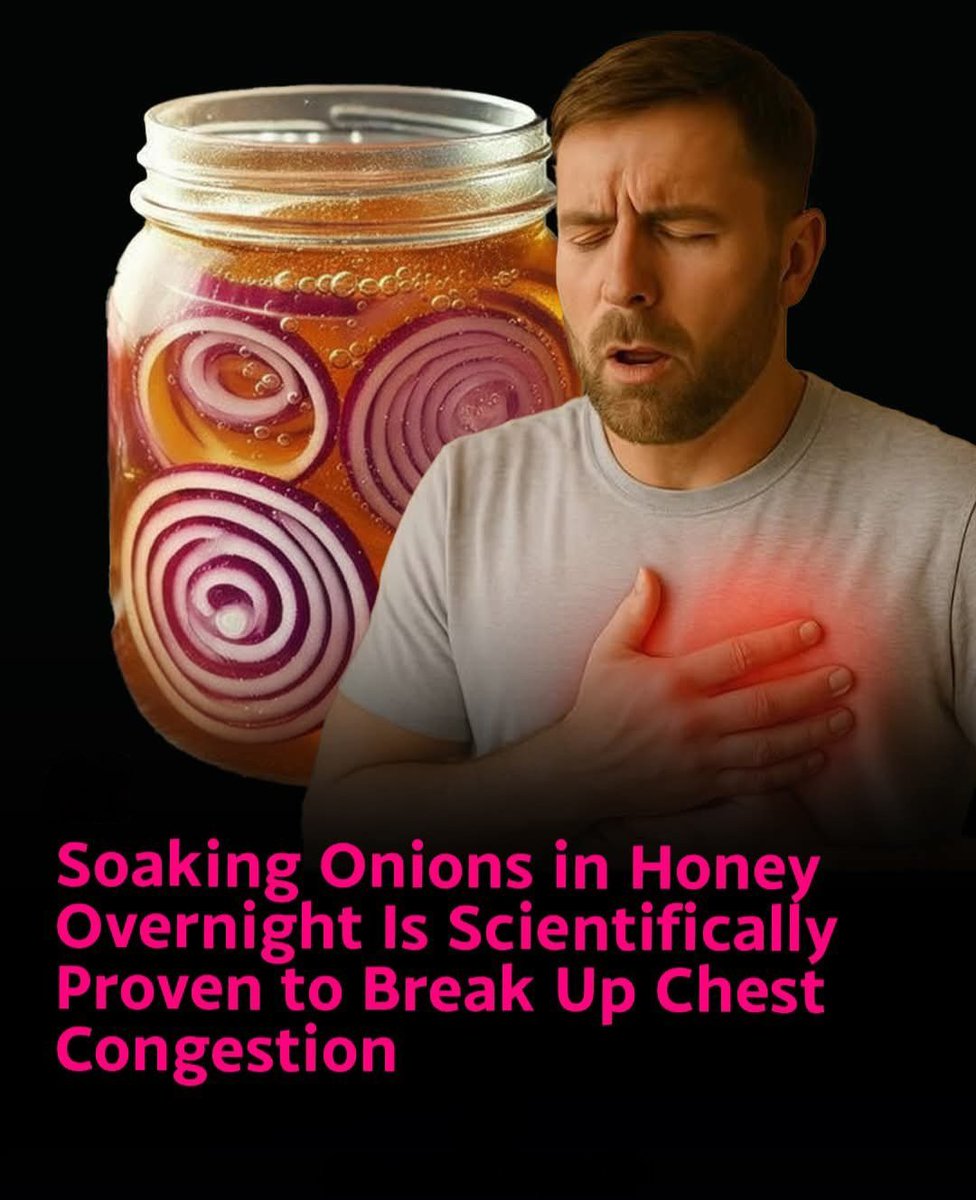
ALT Grandma was right. Layer raw onion slices with honey overnight. The sulfur fights infection. The enzymes loosen mucus. Better than most store-bought syrups. Old remedy. Real science. Safe for kids over one. Source: Journal of Ethnopharmacology
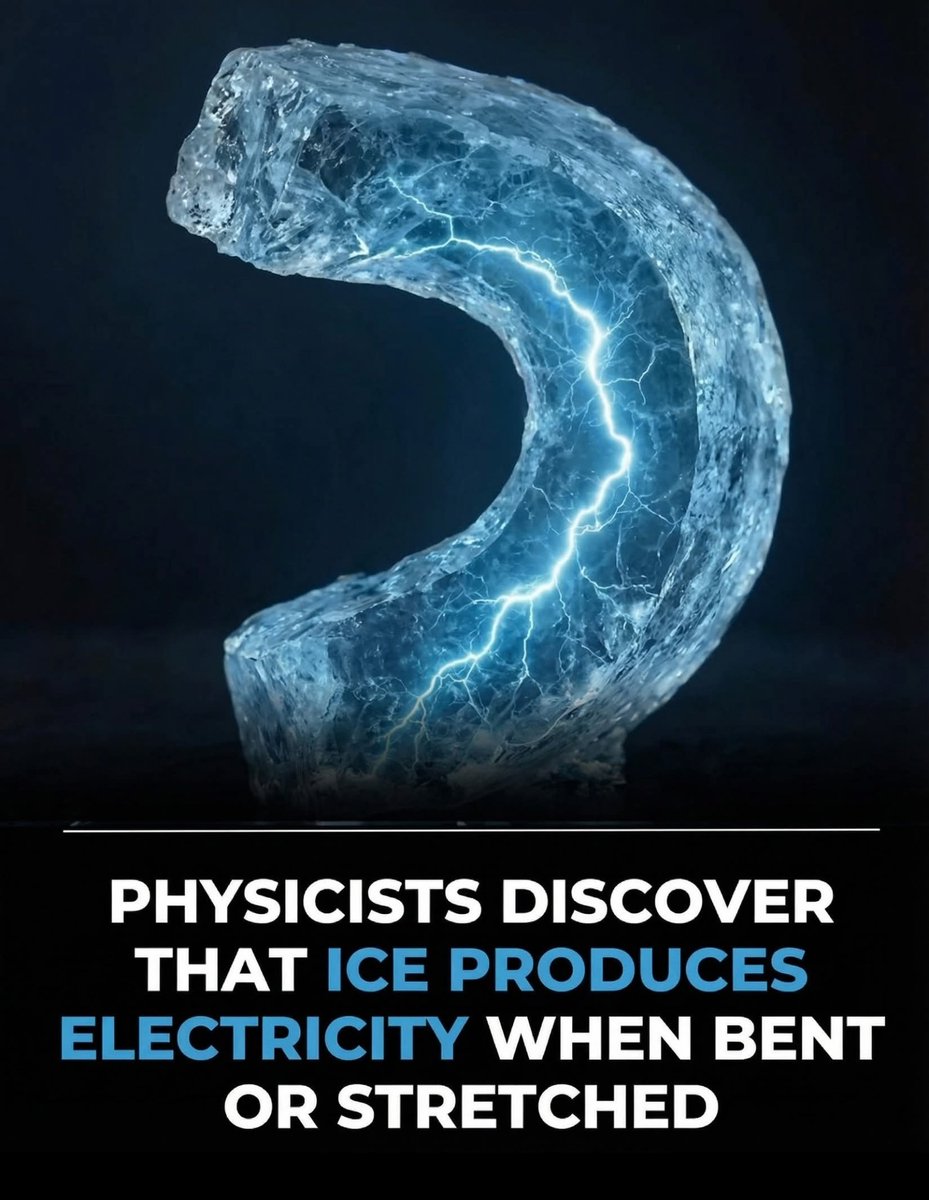
ALT Scientists just discovered that twisting ice literally creates energy. Ice may look cold and quiet—but under pressure, it comes alive electrically. A new study in Nature Physics reveals that when ice is bent, twisted, or stretched, it generates an electric charge through a process called flexoelectricity. Unlike piezoelectricity, which requires special crystal structures, flexoelectricity occurs in all insulators—meaning even ordinary ice can do it. Researchers from Spain, China, and the U.S. found that ice’s electrical behavior not only responds to mechanical stress but also changes with temperature in unexpected ways. At ultra-cold conditions, they observed the formation of a ferroelectric surface layer, capable of flipping its polarity like a magnet. This discovery reshapes our understanding of ice, which has long been considered a passive material. “This paper changes how we view ice,” said lead author Xin Wen, “from a passive material to an active one.”

ALT Crude oil from different countries varies in density, color, and viscosity. Oil produced in the United States is often light crude, meaning it is thinner and flows more easily. Crude oil from Iran and Russia is generally medium to heavy, which makes it darker and thicker than light crude. Venezuela is known for producing extra-heavy crude oil, which is extremely thick and can look similar to tar. According to the Wyoming State Geological Survey, these differences are mainly measured using API gravity, which determines whether crude oil is light or heavy (Wyoming State Geological Survey, Oil and Gas Classification).