
Creators of ShockWallet.app | Run a Lightning.Pub | Monetize your content today with Lightning.Video
Joined March 2018
- Tweets 388
- Following 98
- Followers 1,458
- Likes 441
44 Photos and videos
Pinned Tweet

15 Aug 2025
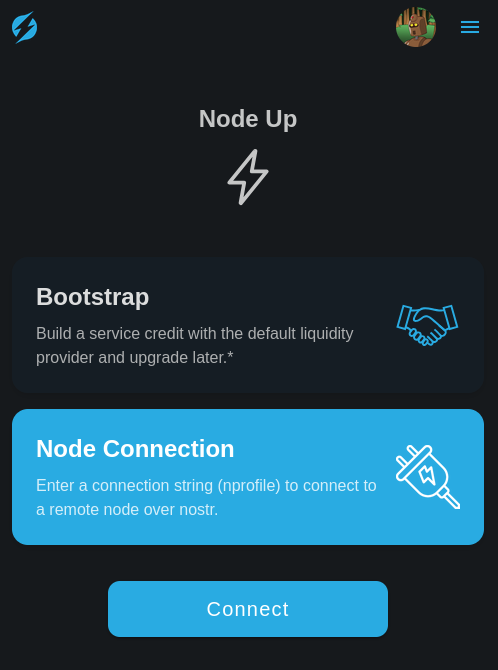
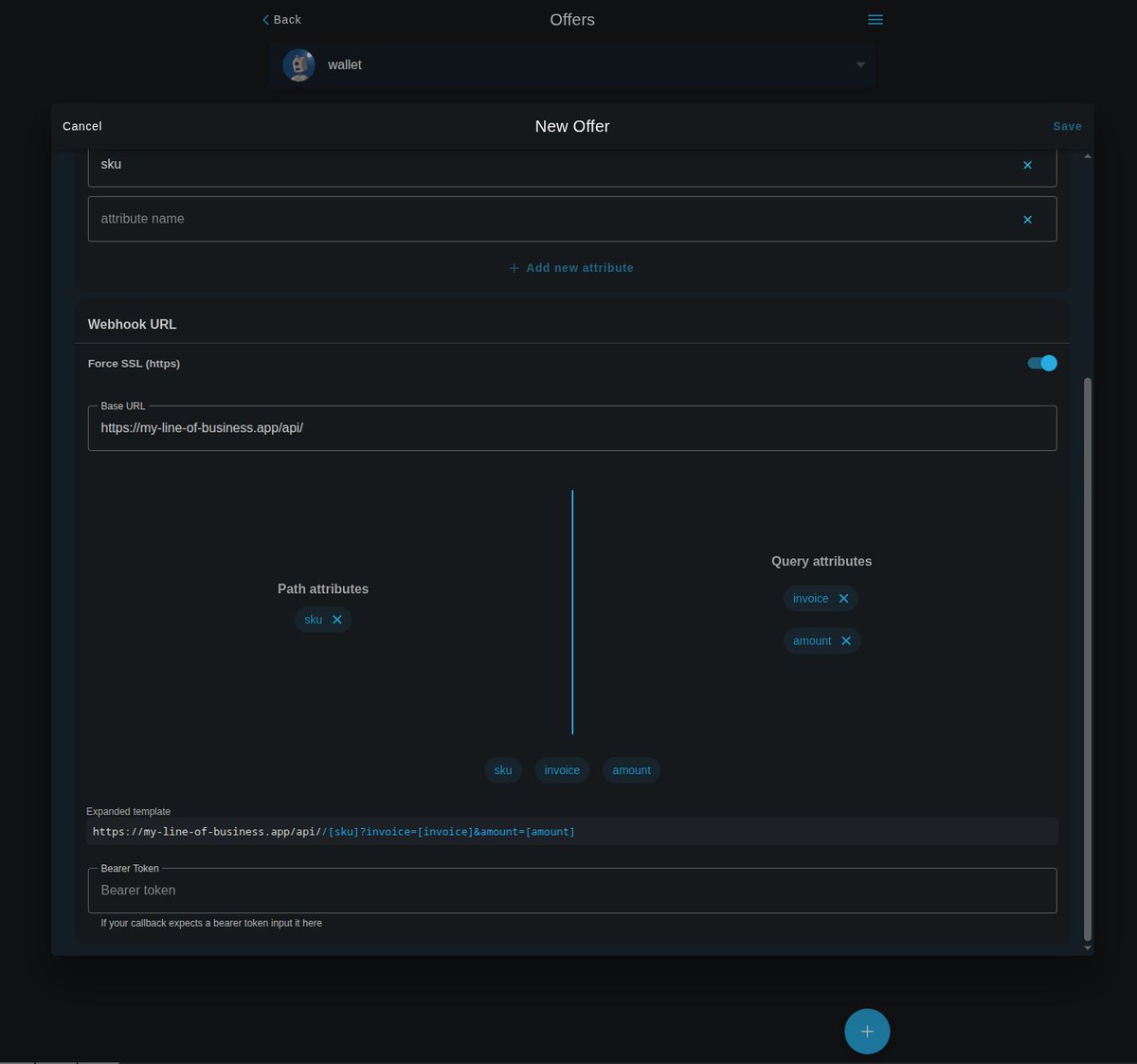
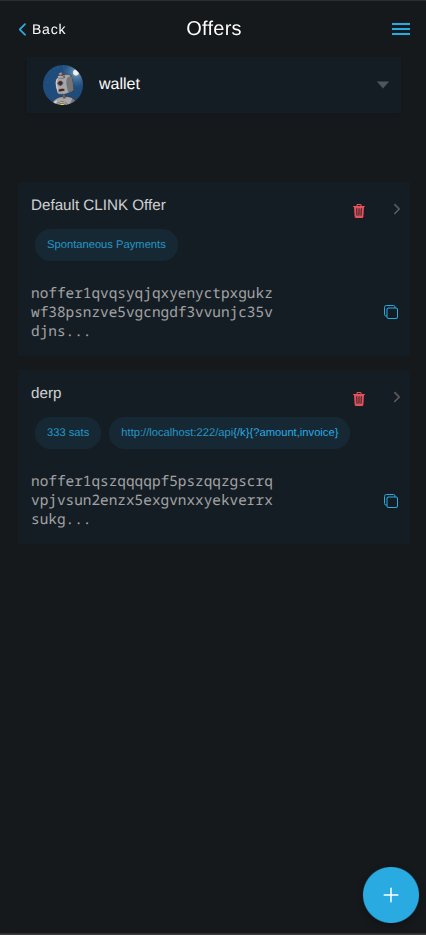
We pushed a major update to ShockWallet with a number of fixes and enhancements ⚡️
Most notably, a callback builder for nostr-based offers 🦤
Easily notify an external application when you receive a payment, vibe-code your heart out. 🫰
1
3
7
934
shocknet ⚡ retweeted
(L)402 is a literal failure code, btw.
With the increased attention now on CLINK (clinkme.dev), several people have asked me how it compares with L402.
Now, I've long been dismissive of L402 for a number of reasons, not just because it's a meme built on resurrecting a forgotten HTTP status (failure) code, but because it never attempted to solve the ingress or identity issues I've been targeting with CLINK. I never considered them as being in the same problem space, but then the agent hype train started.
Agentic payments were not on anyone's radar years ago when I started using socket-based protocols for Lightning (first GUN, which later evolved into Nostr). My thesis has always been a more general machine-to-machine and web-to-node payments future, and the biggest inhibitor to that since the advent of Lightning, is traditional web infrastructure. The desired end state has always been being something anyone can trivially plug in a box at home and use it, not having to deal with domains, ssl, firewall rules, a static IP, p2p unreliability, and all that associated friction.
The constraints on agents themselves were of course not a consideration either. Who could have foreseen "skills" for everyone running an agent with a sandboxed set of default Linux tools?
This was kind of an "oh shit" revelation. L402 can work with curl. Maybe there's something there?
I pondered it a bit more given that, and how a sandboxed tool actually has to interact with with these systems. It didn't take long before the illusion of the curl-and-pay simplicity as portrayed by the L402 bandwagon falls apart.
The lowest hanging fruit is that L402 is a failure-driven protocol. It literally relies on your calls erroring (402 Payment Required) and interrupting the application flow. Once that happens you have to hand the data to an external tool whether that be to manipulate macaroons, connect to a payment source, retry, etc.
The recent release of lnget would seem to acknowledge that you cannot evade shipping a non-standard binary or other external orchestration just to handle that logic. Asking an autonomous agent to download network-client binaries works, with trade-offs (including security ones), but also negates the advantage of being a raw HTTP request.
It reveals the true problem as being "How does the agent connect to YOUR Lightning node?". Receiving an invoice through HTTP is easy (receiving an invoice request, not so much), but paying it still requires access to a wallet.
This is where I believe CLINK has solved the correct problem, the end-to-end connectivity and identity afforded by Nostr.
CLINK is bidirectional. An agent can spend, receive, request an invoice, expose an offer, manage a standing authorization, or respond to a payment request. It is not confined to the merchant-initiated flow where a server rejects a request and tells the client what to pay.
The identity layer then allows the payment relationship to persist above any individual request. A service does not need to rediscover and rechallenge the payer every time its balance reaches zero. It can identify the agent, report its remaining credit, request a top-up before exhaustion, or allow the wallet to replenish automatically within a defined budget. CLINK was built for policy-driven payments rather than failure-driven ones.
Beyond CLINK specifically, remote signing is already a common pattern in Nostr. An application holds an identity and communicates with a separate signer that retains the authority to approve sensitive operations. CLINK just extends that to money.
The agent does not need direct access to the node, its RPC interface, or its wallet secrets. It sends a request to an identity. The wallet receives it, applies policy, performs or rejects the operation, and returns the result. This also means the agent is not tied to a specific Lightning implementation or connection method. The wallet can be local, remote, mobile, self-hosted, or migrated later. The CLINK identity and relationship remain stable while the infrastructure behind them changes.
L402 has had timing on its side. It maps cleanly onto the current AI-agent narrative: give the agent curl, return an invoice, and let internet-native money handle the rest.
But the rest is the entire problem. Those requirements do not disappear because the first interaction fits inside an HTTP response header. L402 looks like a compelling diagram at first, because most of the payment system sits outside its frame. CLINK begins where that diagram ends.
1
5
500
shocknet ⚡ retweeted

Jun 9
⚡️Shocknet pushing Lightning and Nostr to the limits. Ever year in and year out they push the limits of what’s possible. CLINK is one of those innovations.
Excited to see what the GDL builders do with this insane technology.
Jun 8

Proud to sponsor the hackathon, with 500k sats to the best project integrating CLINK⚡️
1
3
105
Jun 8
Proud to sponsor the hackathon, with 500k sats to the best project integrating CLINK⚡️

Hackalajara 2.0 returns this August. 🔥🔥🔥
Stacker Space x Bitcoin y Lightning Guadalajara x PlebLab are bringing Hackalajara 2.0 and Startup Day Guadalajara together for the first time on August 20th – 21st, 2026.
Two days in Guadalajara focused on Bitcoin Lightning builders, payments, demos, startups, and local adoption. ⚡️⚡️⚡️
This is super special because the Bitcoin community in Guadalajara did not appear overnight. @CGuida6 and the great Bitcoin Lightning Guadalajara team have spent the last four years building the foundation through meetups, education, and community focused work.
Now we want to help give that energy a stage.
📅 Thursday: Hackalajara 2.0 at Stacker Space
📅 Friday: Startup Day Guadalajara at Ciudad Creativa Digital
💻 Demos, workshops, startup conversations, and a celebration party at Cervecería Gibbons.
👋 Apply, attend, sponsor, judge, or help amplify the teams.
⚡️Learn more about Hackalajara: hackalajara.pleblab.com
🎫 Get your ticket to Startup Day GDL: pleblab.dev/startup-day-guad…
1
7
11
1,446
Jun 6
The sound you hear is the CLINKing ⚡️ of the mighty Zeus

Featuring:
- Cashu multi-mint sends
- iOS: queue-less NWC payments
- pay to CLINK noffers
- ZEUS Pay: CLINK noffers for every account
- ZEUS Pay: opt out of Nostr Zaps
- Android: enable scanning functionality in stealth QR scanner
Full release notes: github.com/ZeusLN/zeus/relea…
1
1
4
237
Jun 6
CLINK is a successor to LNURL that uses Nostr to eliminate web server requirements
- Ad-hoc interactions unlike NWC
- Static offers
- Blind paths
- No slow/unreliable Bolt12 onion messages
- Web friendly
Read the spec, try the demo, build with the SDK at clinkme.dev
1
2
177
shocknet ⚡ retweeted

The @ShockBTC stack: ShockWallet (Nostr-native Lightning wallet), Lightning.Video (paywalled video), CLINK (Lightning-over-Nostr protocol), and Lightning.Pub (run LN accounts on your own node).
1
1
1
199
shocknet ⚡ retweeted

Jun 2
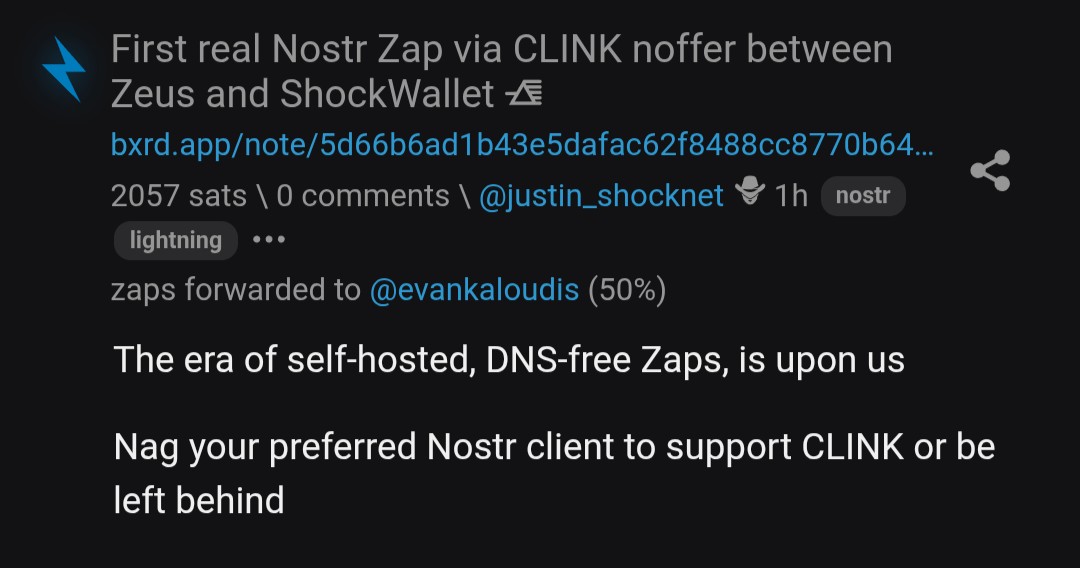
1
5
8
444
shocknet ⚡ retweeted

Latest Strikes is out! In this issue:
- a new Eclair release @acinq_co
- experimental payer proofs in @Core_LN
- qpayd @simulx4
- CLINK coming to @ZeusLN (cc @evankaloudis @shocknet_justin )
- @bitcoinhodlco launching LSP
and more! 👇
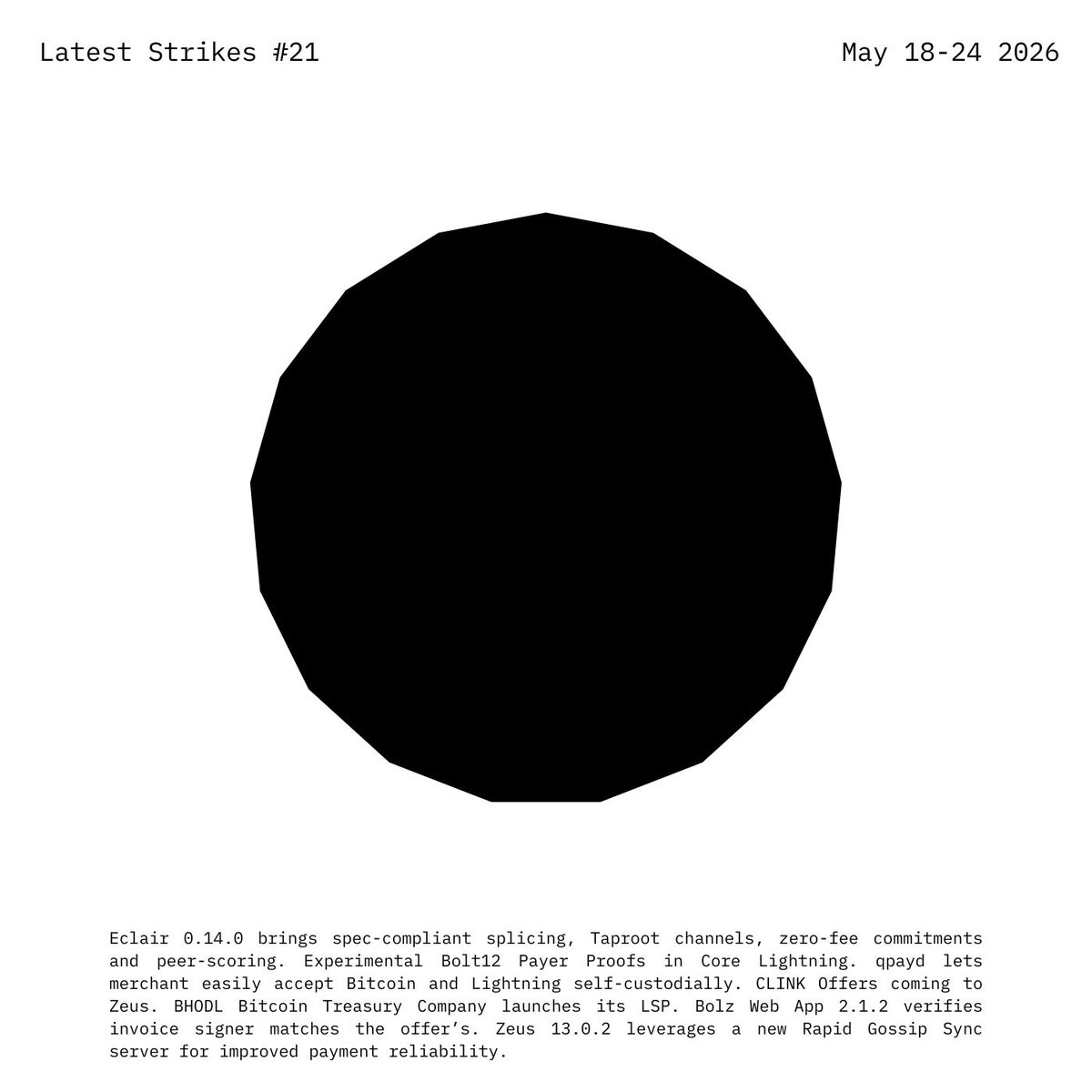
ALT Latest Strikes #21. May 18 - 24 2026. Eclair 0.14.0 brings spec-compliant splicing, Taproot channels, zero-fee commitments and peer-scoring. Experimental Bolt12 Payer Proofs in Core Lightning. qpayd lets merchant easily accept Bitcoin and Lightning self-custodially. CLINK Offers coming to Zeus. BHODL Bitcoin Treasury Company launches its LSP. Bolz Web App 2.1.2 verifies invoice signer matches the offer’s. Zeus 13.0.2 leverages a new Rapid Gossip Sync server for improved payment reliability.
2
11
29
2,392
shocknet ⚡ retweeted

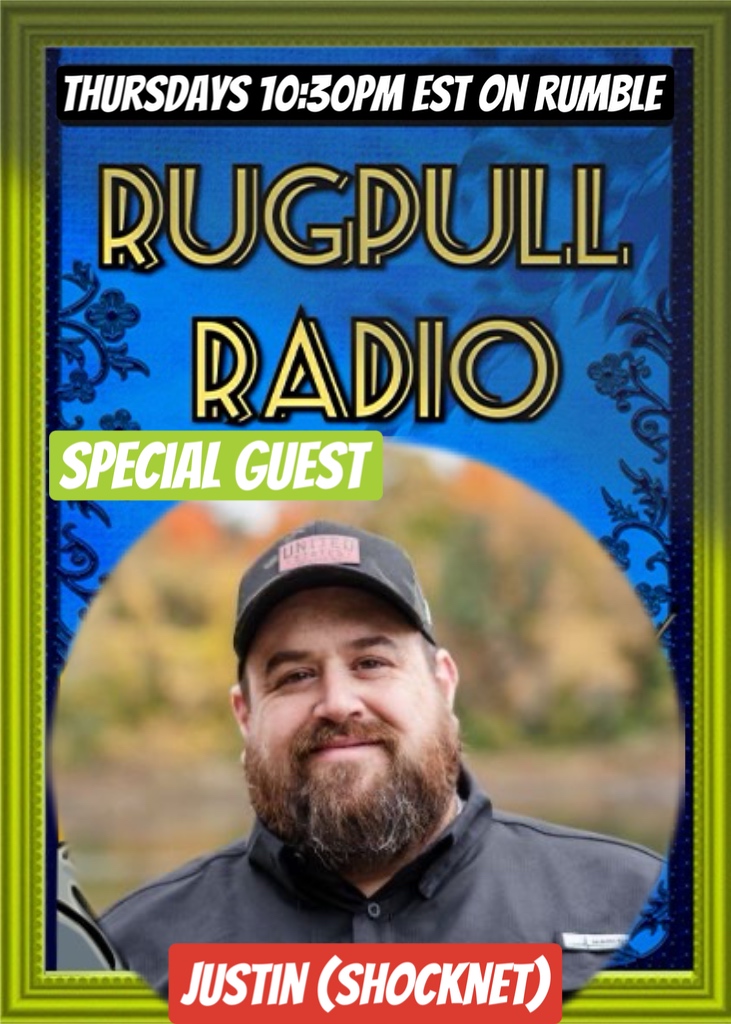
THURSDAY 10:30PM EST! Special Guest
@shocknet_justin Satoshi's True Vision: L2's like Lightning as Peer-to-Peer Electronic Cash the COunterINsurgency connection! Only on @BadlandsMedia_ @rumblevideo
Catch all previous episodes ---> rumble.com/playlists/N6IFHf2…
1
8
31
1,351
shocknet ⚡ retweeted

12 Dec 2025
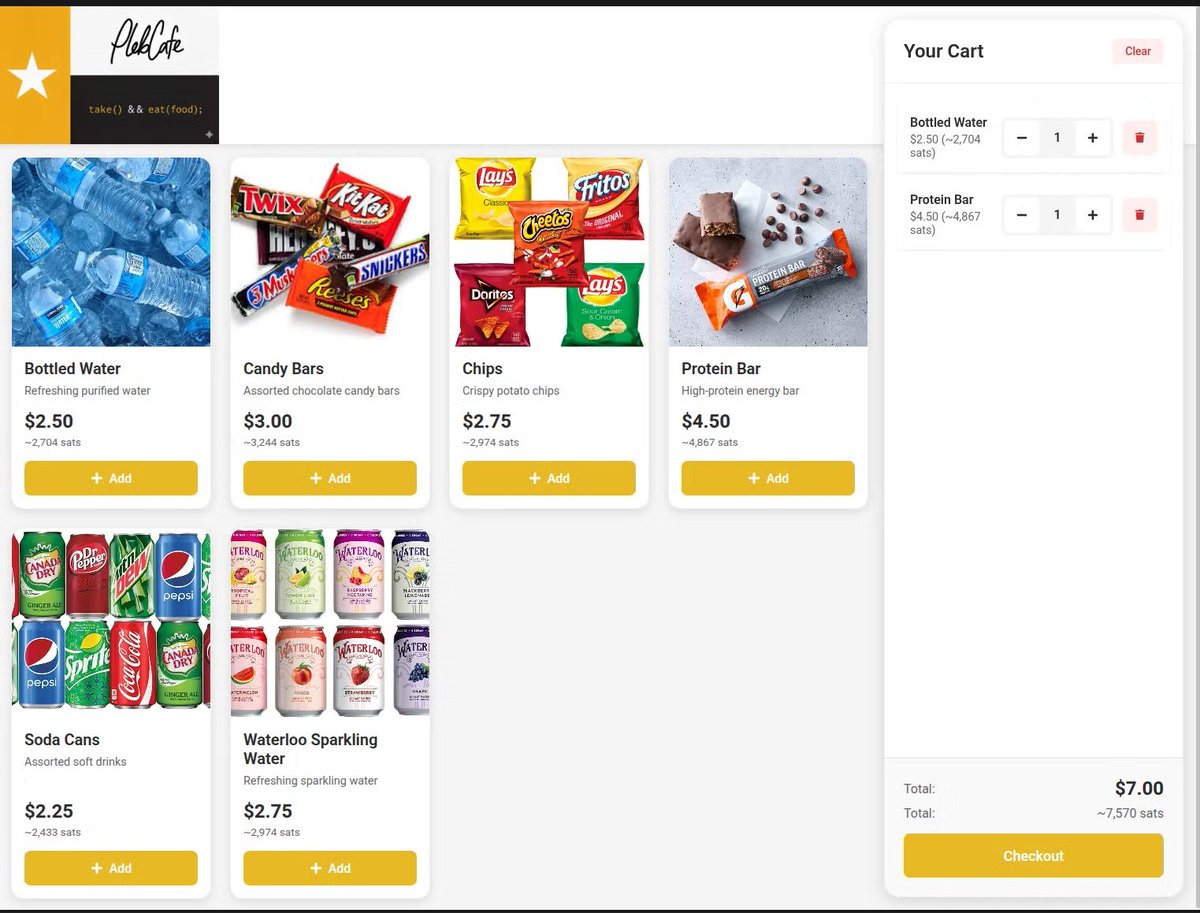
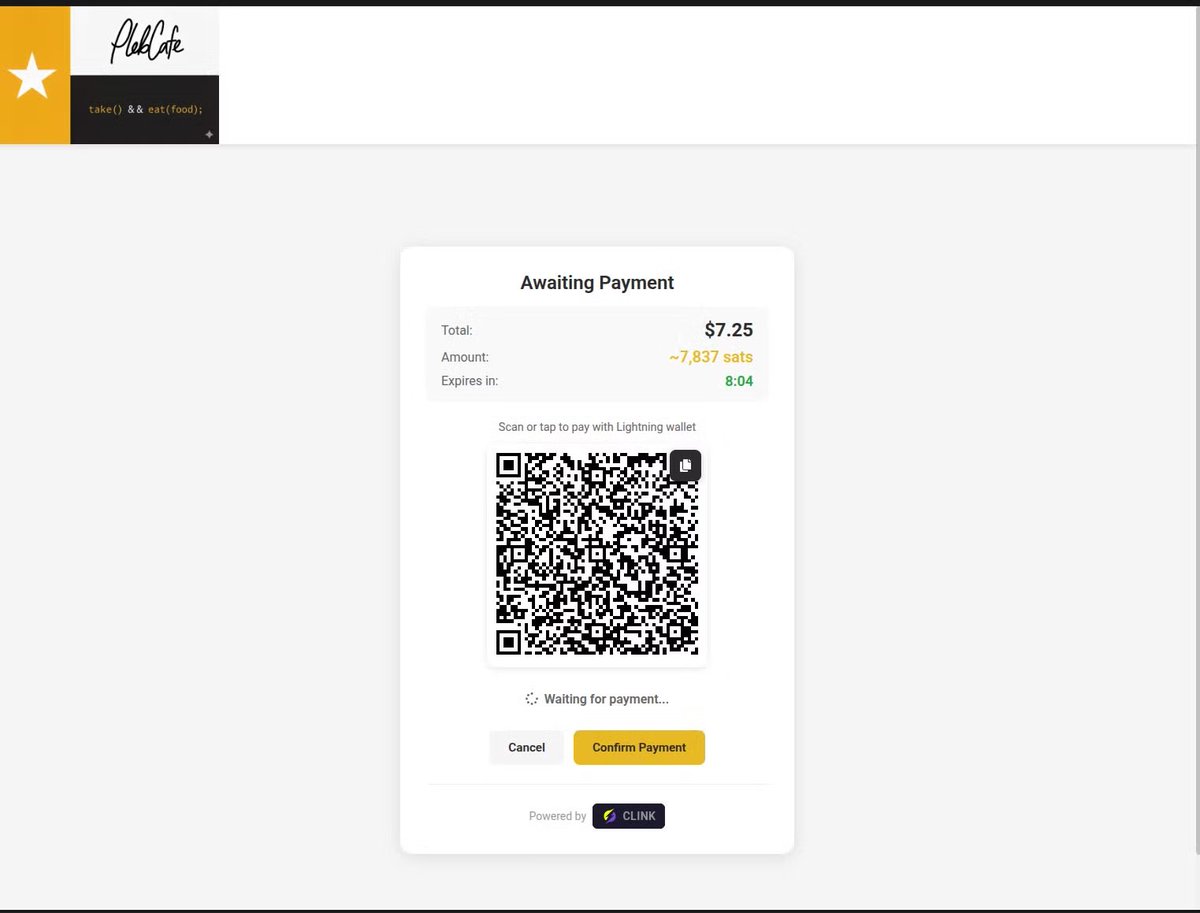
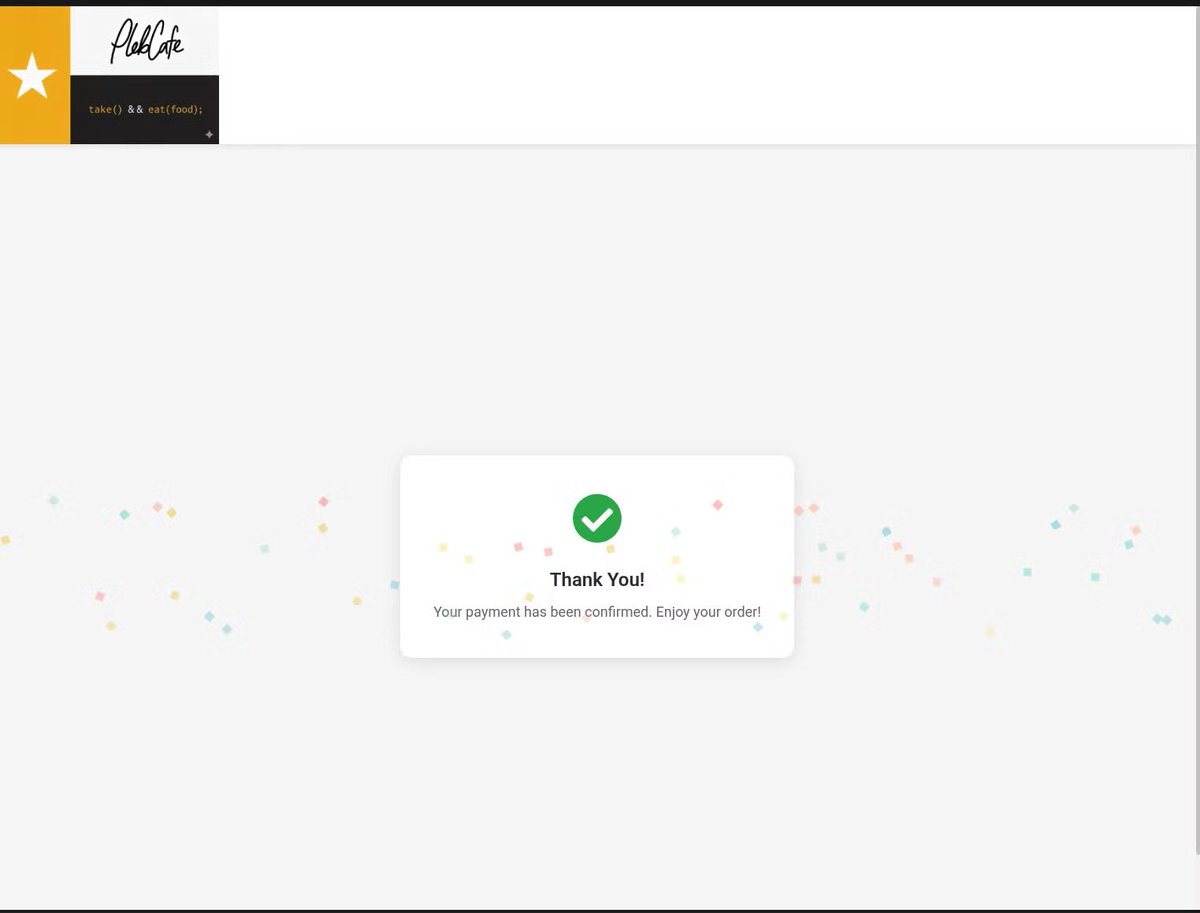
No web-hooks
No LNURL server
No lame etrash or fake L2 shitcoins
Just a static page, with a Nostr static offer embedded, and nostr-native receipts powered by CLINK on a self-hosted Lightning.Pub
💫 PlebCafe coming to a hackerspace near you...very "soon™"
Powered by @ShockBTC
6
17
2,597

shocknet ⚡ retweeted
3 Dec 2025
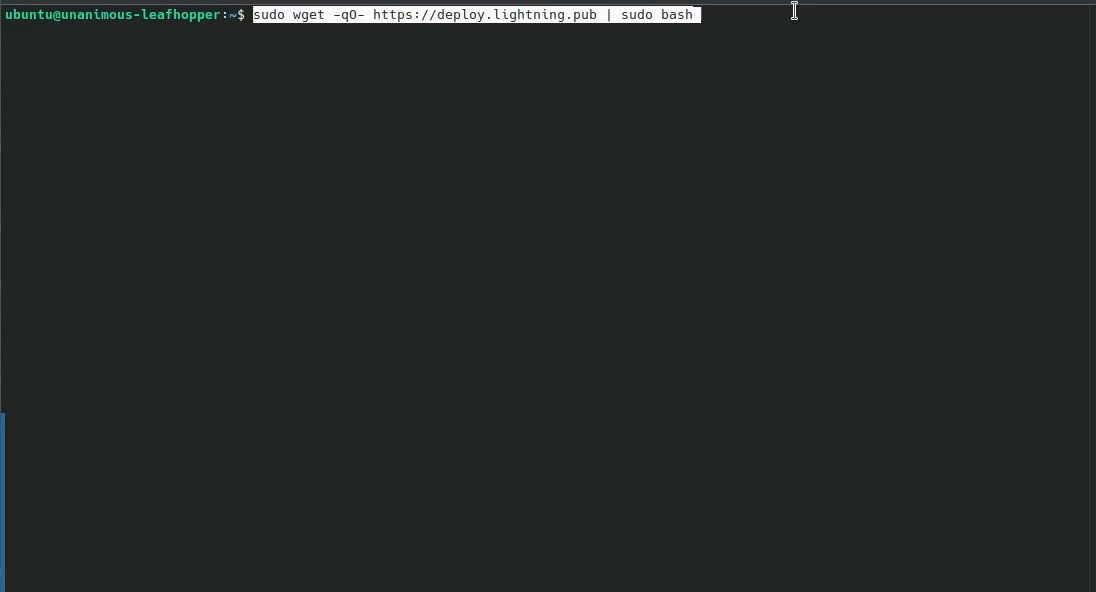
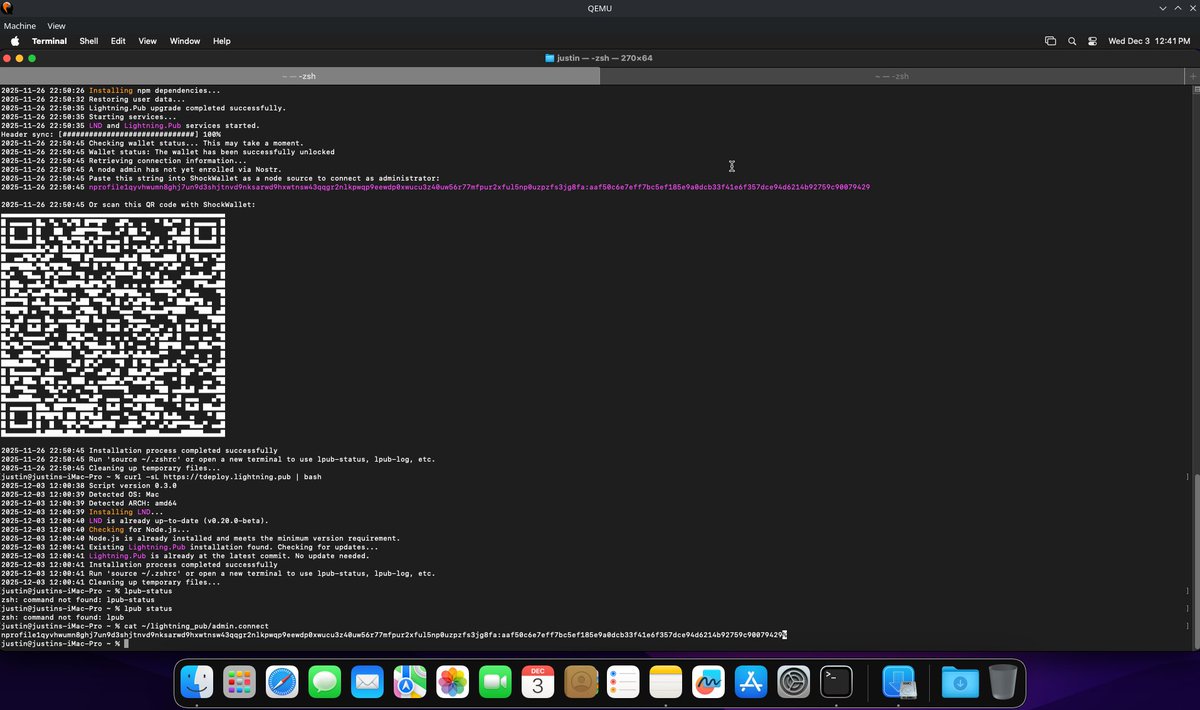
But there's more, just pushed Mac support in the install script.
No excuse anymore not to run your own node, 1-line and its up and going in a minute... Nostr handles all the networking, just scan a QR code to pair your wallet via your nodes nprofile
3 Dec 2025
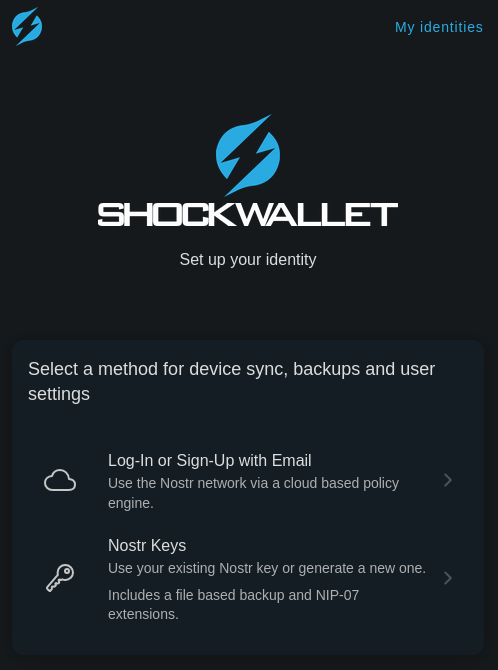
New ShockWallet release pushed to Testflight, Google Play, and the PWA
Includes numerous fixes, UX, reliability and performance enhancements.
1
6
539
3 Dec 2025
New ShockWallet release pushed to Testflight, Google Play, and the PWA
Includes numerous fixes, UX, reliability and performance enhancements.
1
1
565
3 Dec 2025
3 Dec 2025

But there's more, just pushed Mac support in the install script.
No excuse anymore not to run your own node, 1-line and its up and going in a minute... Nostr handles all the networking, just scan a QR code to pair your wallet via your nodes nprofile
88
shocknet ⚡ retweeted
19 Oct 2025
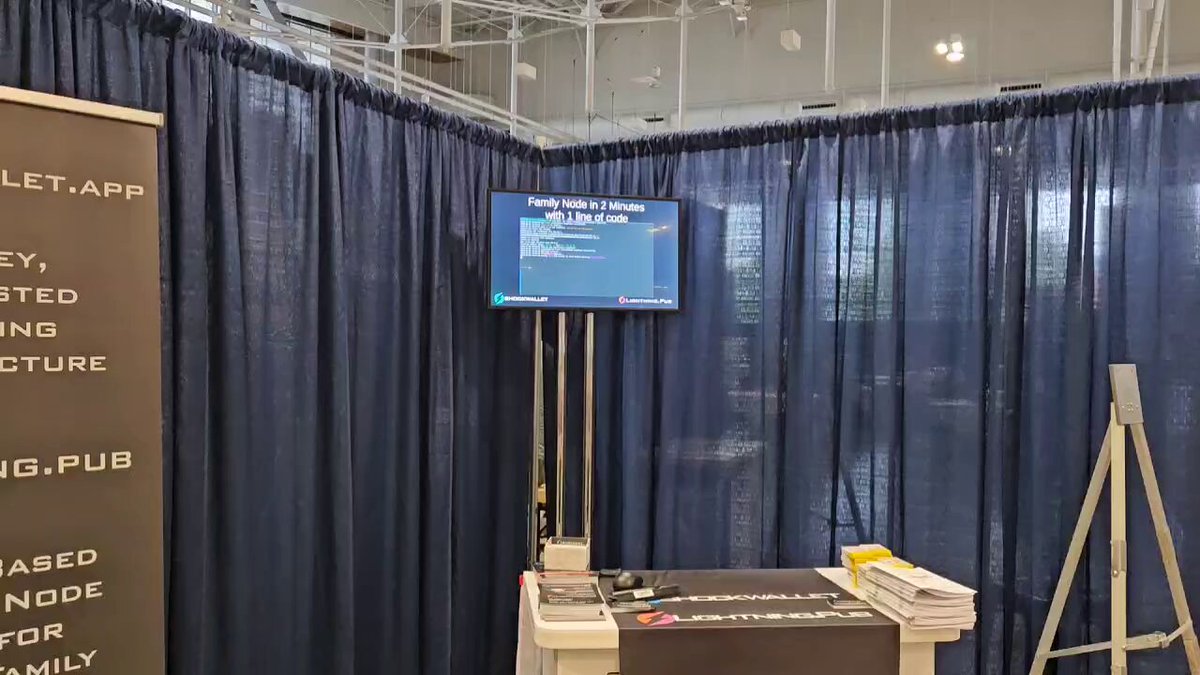
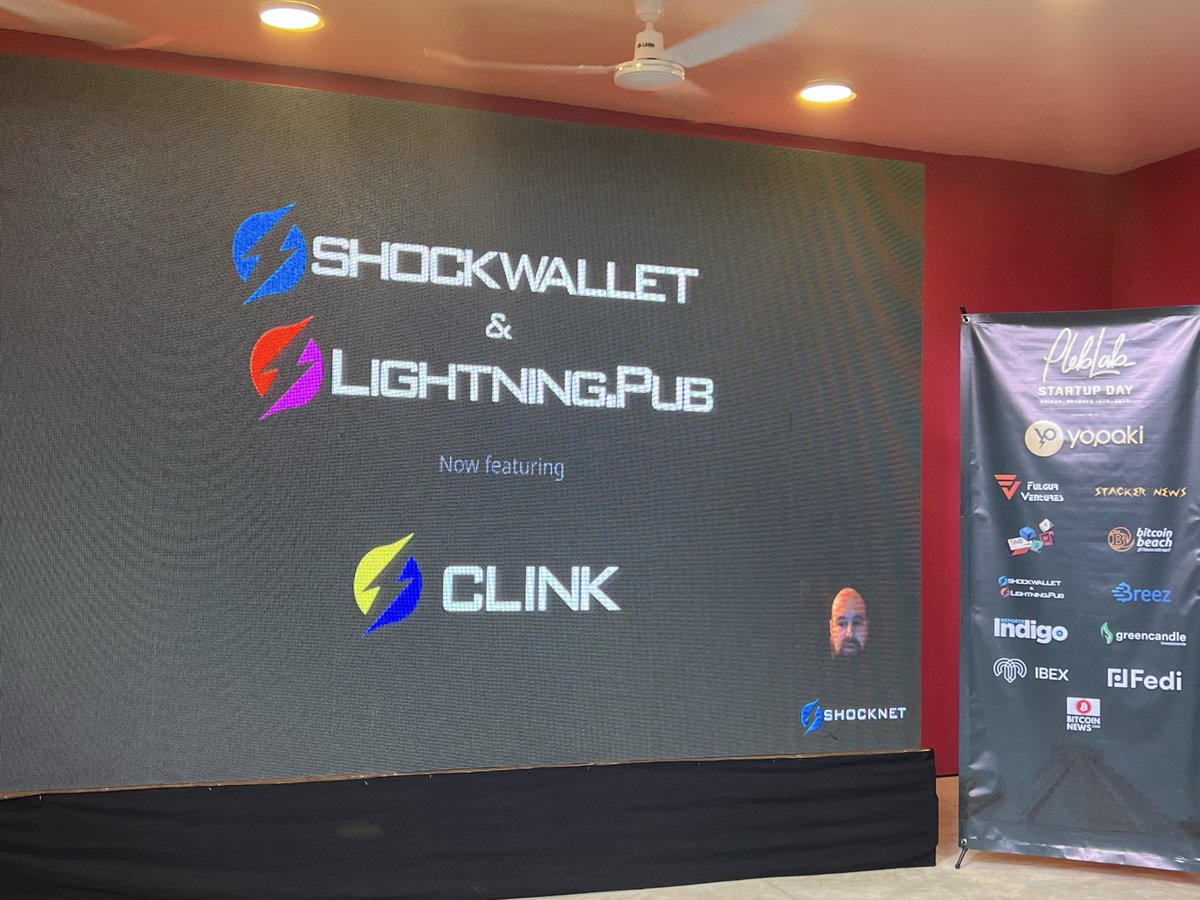
My demo from @PlebLab Mexico, featuring CLINK, ShockWallet and Lightning.Pub one-line sub-minute node install
3
8
22
2,744
Thank you to our Bitcoin Only sponsors! 👌
⚡️We appreciate you supporting builders across LATAM and beyond!
@FulgurVentures @stacker_news @tabconf @Bitcoinbeach @ShockBTC @Breez_Tech @PoweredbyIBEX @fedibtc
2
7
18
1,087
shocknet ⚡ retweeted

4 Oct 2025
Nostr-based static CLINK Offers, now with Blinded Paths on LND
by justin_shocknet in ~lightning
895 sats and 4 comments so far
stacker.news/items/1248472
3
5
342