Shortwave Enthusiast since the last Century: SWL, CB, HAM Radio, QRP Lover. Kt. Zurich, Switzerland 🇨🇭
Joined November 2021
- Tweets 1,000
- Following 256
- Followers 339
- Likes 2,558
110 Photos and videos
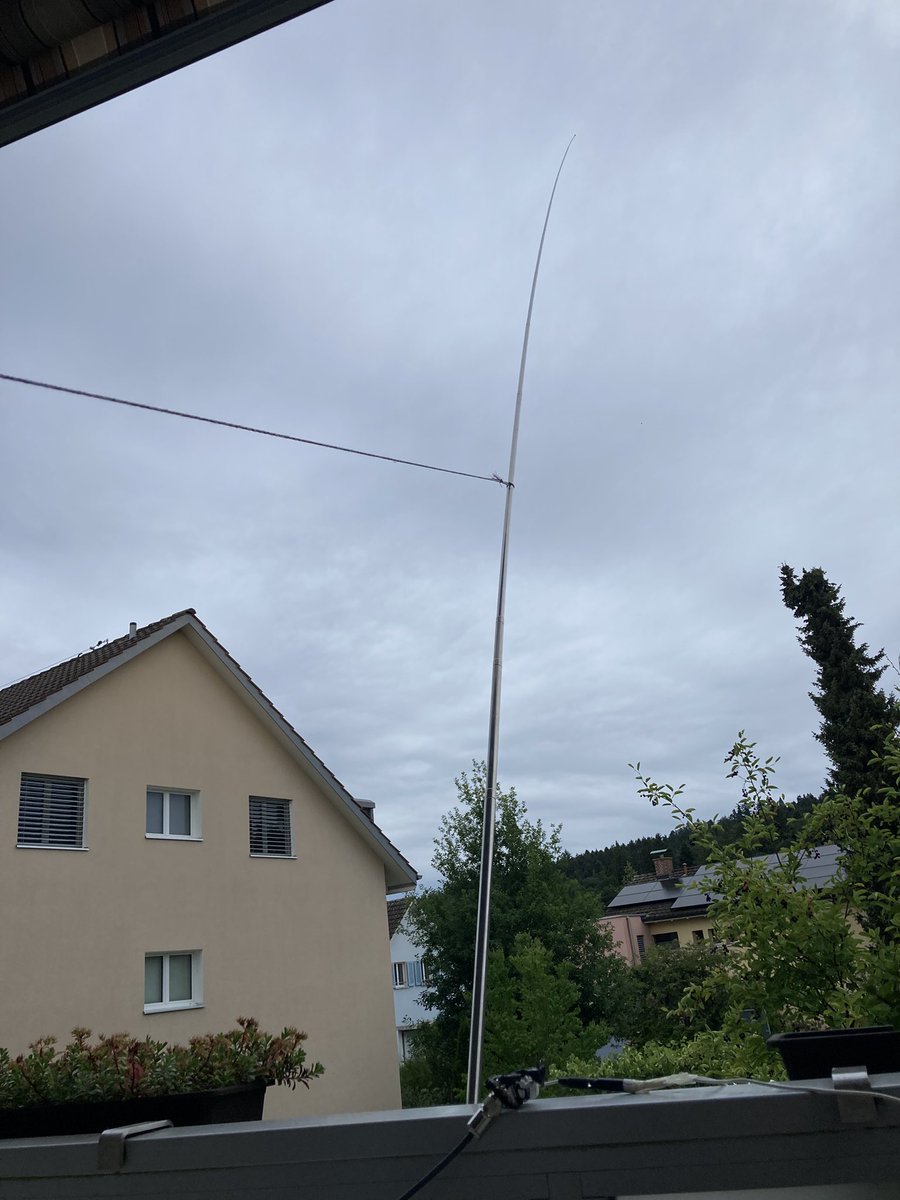
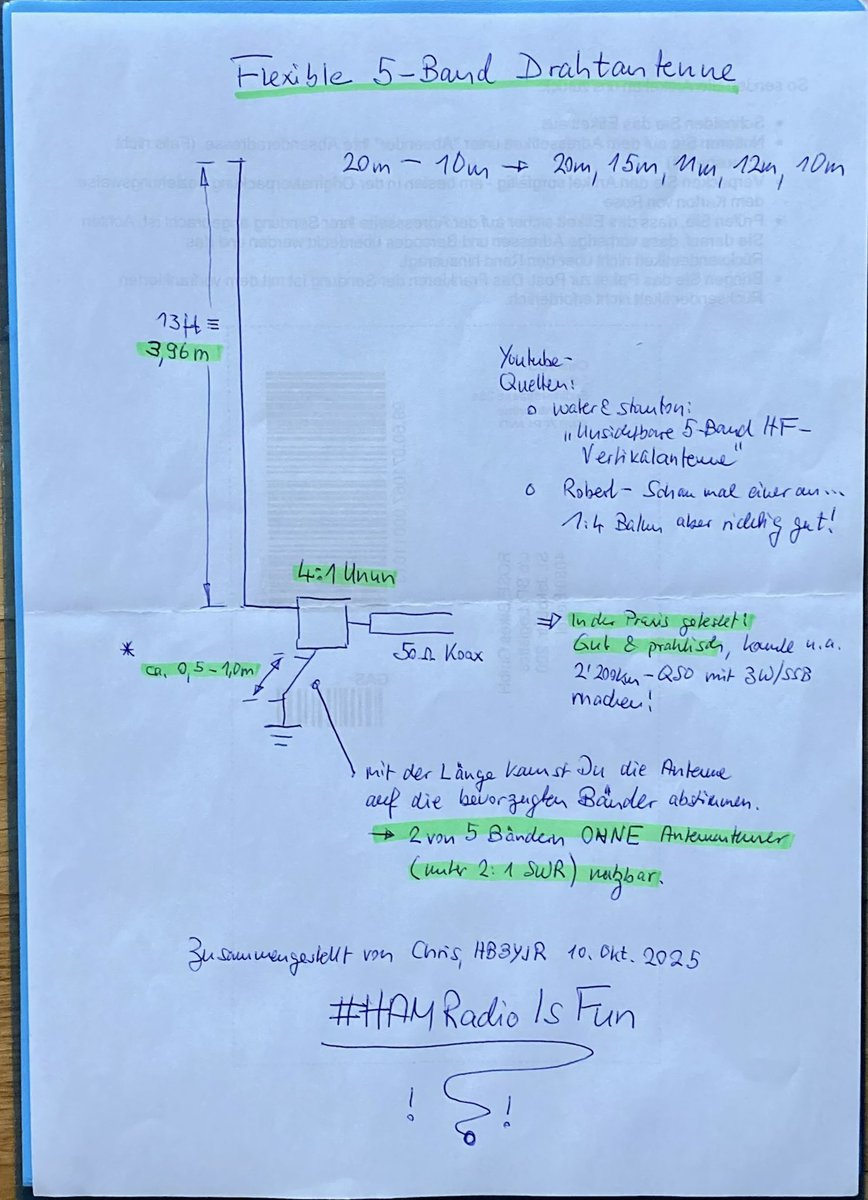


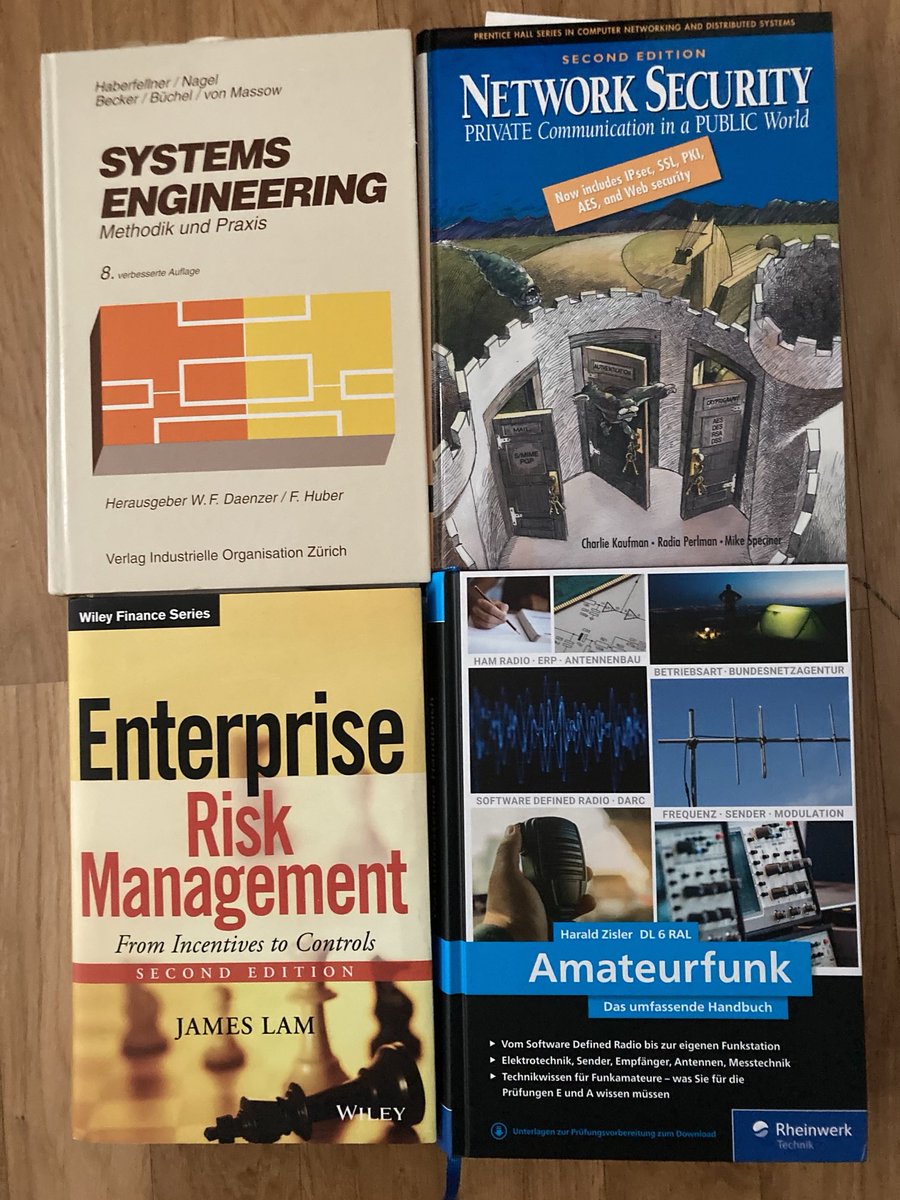
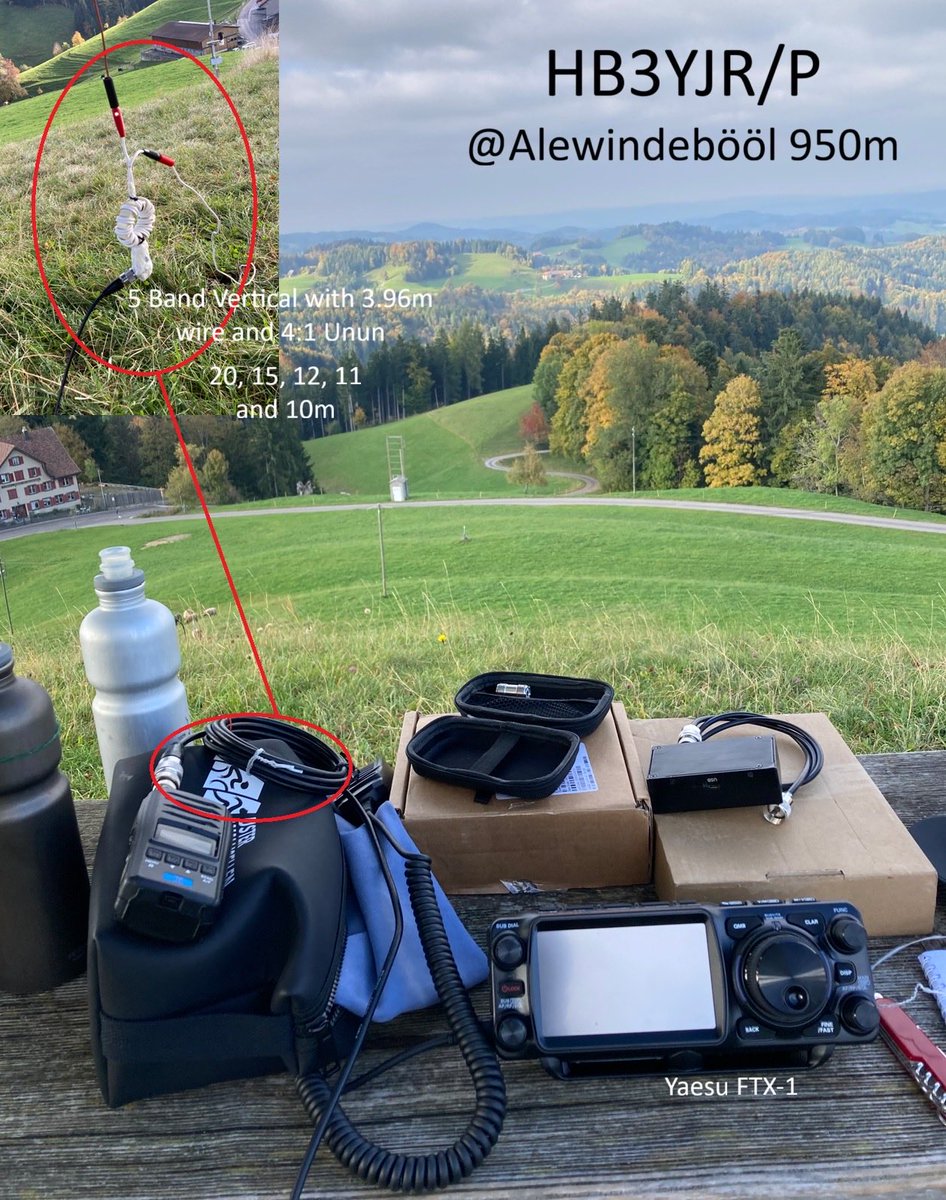
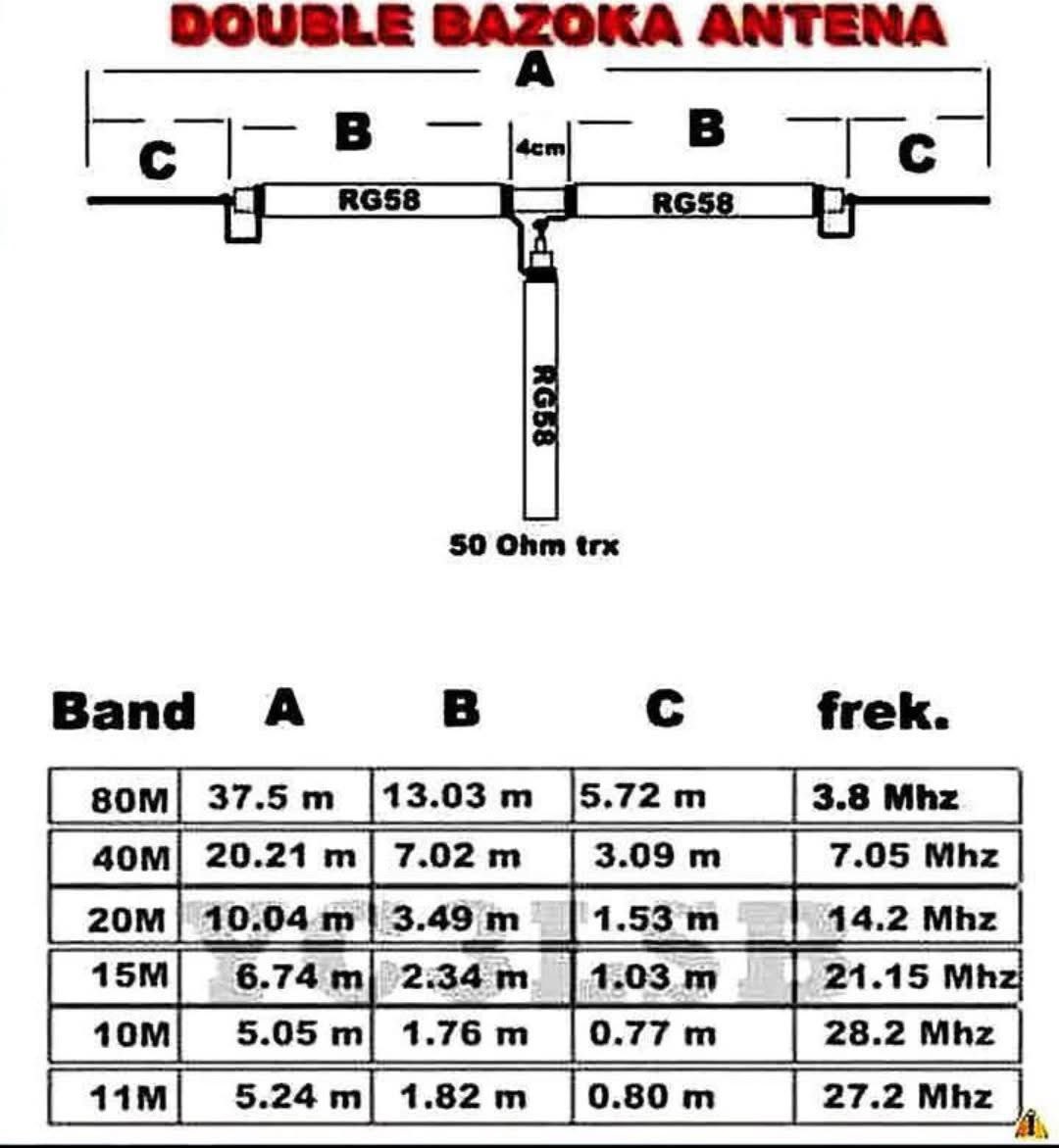
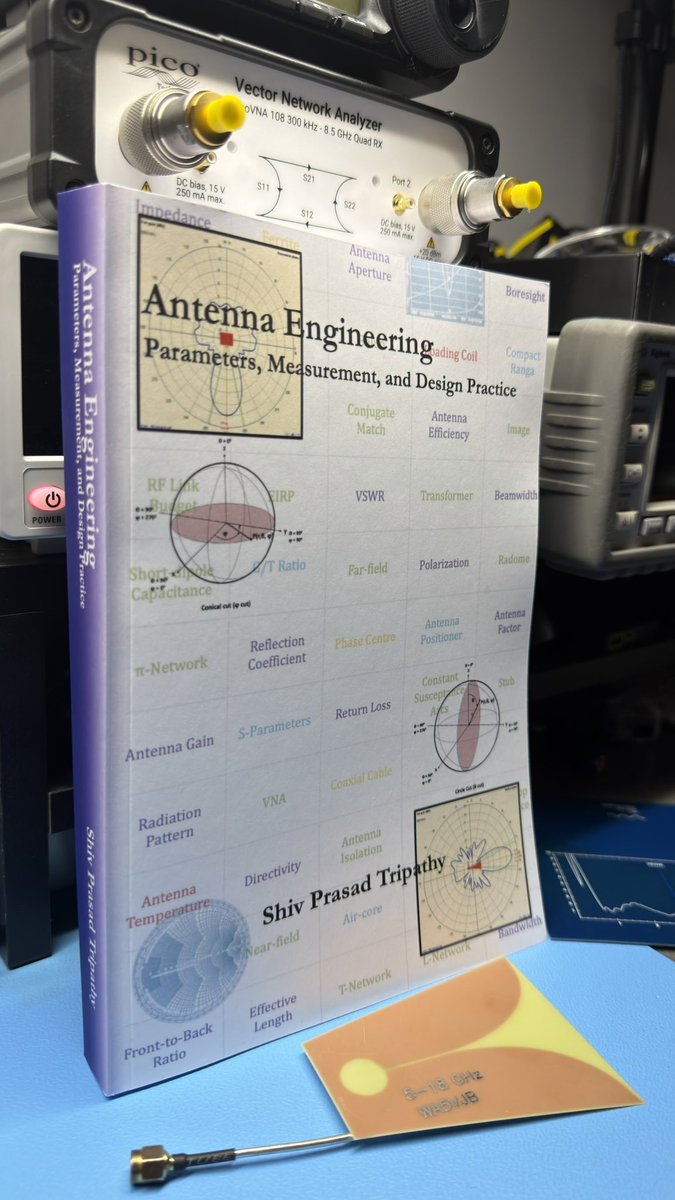
Antenna Engineering Book:

1
13



May 10
Präzis


28
May 9
May 9

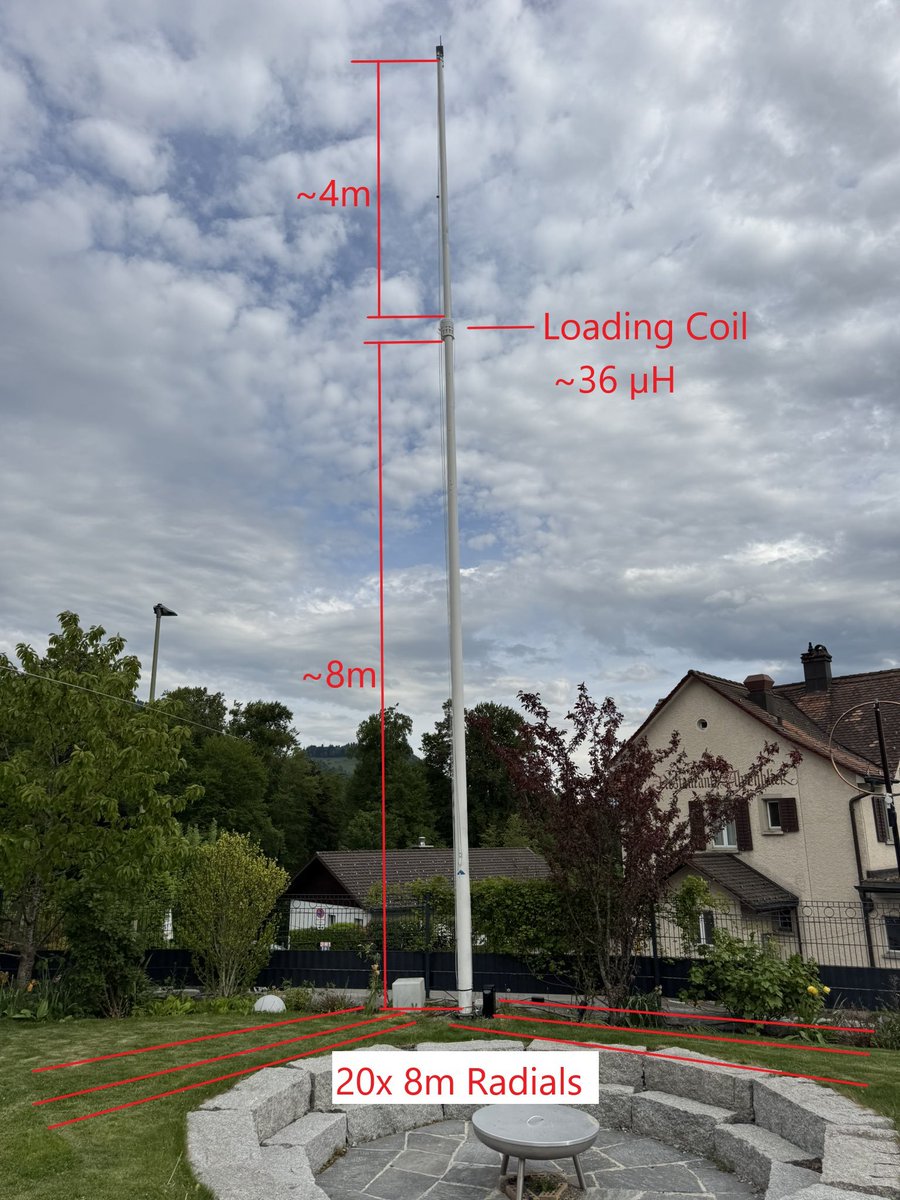
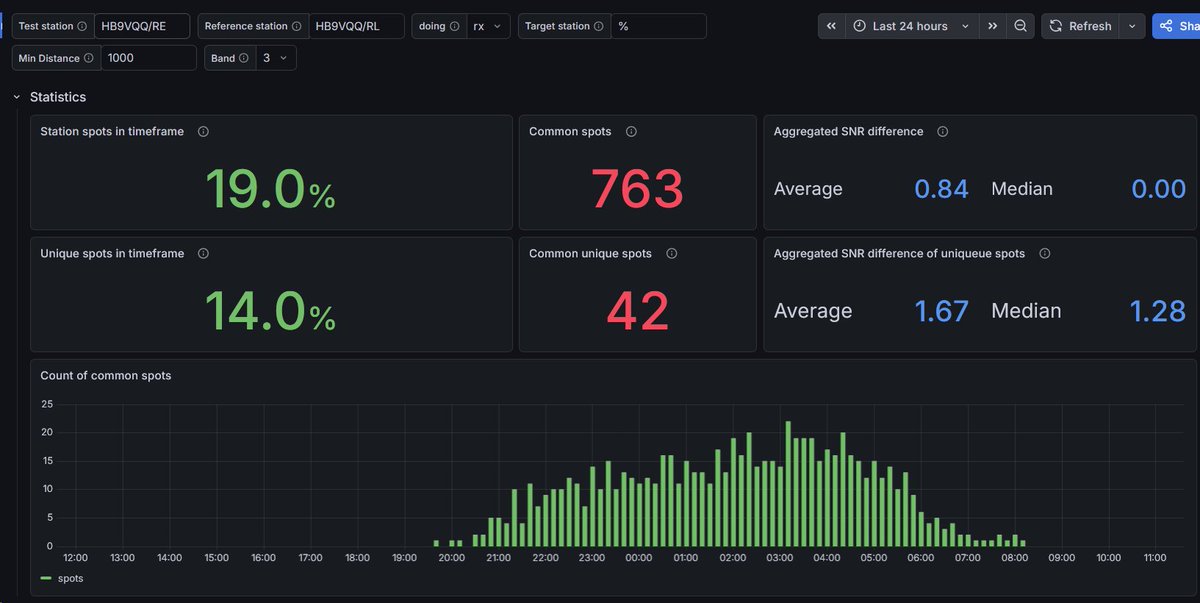
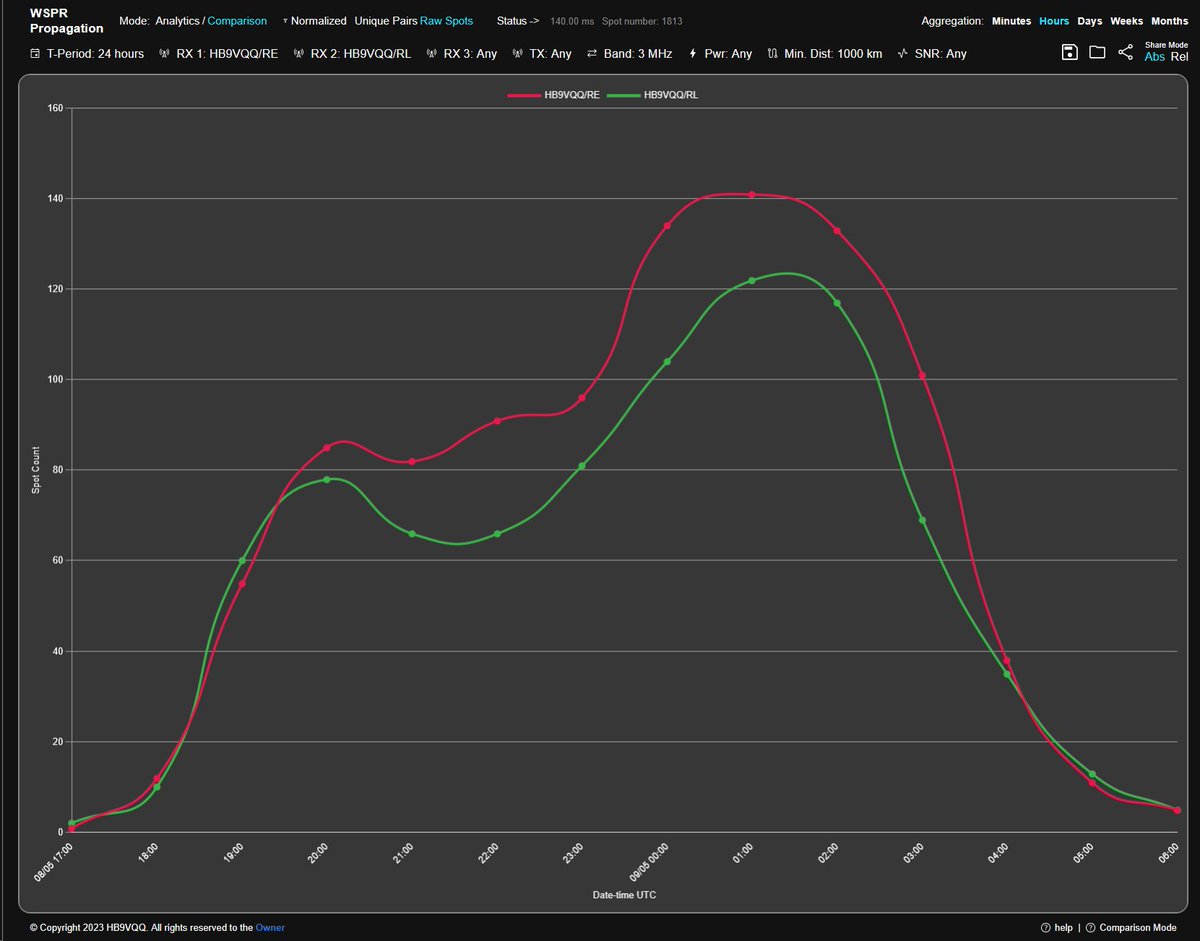
My homemade vertical antenna for the 80-meter band far outperforms the Wellgood loop where distance > 1000 km
1
104
HB3YJR retweeted

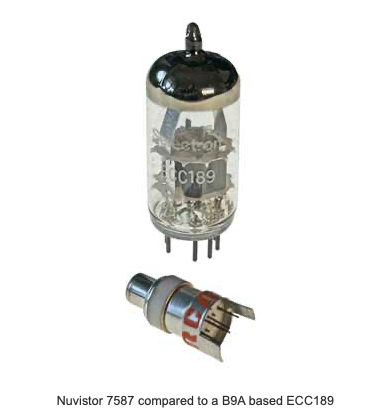
What happens when a mature technology is pushed to its absolute physical limit? You get the Nuvistor—the "final stand" of the vacuum tube.
After my post yesterday with the photo of the Nuvistor, here's the full story.
Introduced by RCA in 1959, the Nuvistor was a masterpiece of miniaturization. It was built to prove that thermionic valves could be just as small, efficient, and reliable as the emerging (but then-flawed) germanium transistors.
While traditional tubes were fragile glass "bottles," the Nuvistor was an all-metal and ceramic thimble, roughly the size of a fingertip. It didn't just look different; it reimagined tube physics from the ground up.
What made the Nuvistor a technical marvel?
🔹 Low Noise & High Frequency: Its concentric, nested-cylinder design was exceptionally "quiet" and stable at VHF and UHF frequencies—areas where early transistors simply couldn't compete.
🔹 Ruggedised Construction: By brazing elements into a rigid ceramic frame, RCA made a tube that was virtually immune to vibration (microphonics).
🔹 Thermal & Radiation Resilience: It could operate at temperatures up to 200°C and was naturally resistant to radiation and EMPs, making it a staple for early aerospace and military hardware.
Where did it leave its mark?
🔹 High-End Audio: Still used today in legendary microphones like the AKG C12VR for its unique "tube warmth."
🔹 Space & Defense: A primary candidate for early satellite technology due to its reliability in harsh environments.
🔹 Test Equipment: Found in the input stages of iconic Tektronix 500-series oscilloscopes.
The Nuvistor eventually lost the war to the Silicon MOSFET, but it remains a poignant chapter in the history of electronics—a reminder that innovation doesn't always go quietly into the night; sometimes, it goes out as a masterpiece.
Want to dive deeper into the physics of the Nuvistor and why it’s still prized by audiophiles and engineers today?
🔗 Read the full story here - The Nuvistor: RCA's Final Masterpiece: electronics-notes.com/articl…
#ElectronicsEngineering #HistoryOfTech #RetroTech #VacuumTubes #AudioEngineering #RF #SpaceTech #EngineeringExcellence #ElectronicsNotes
6
19
107
5,720
Apr 12
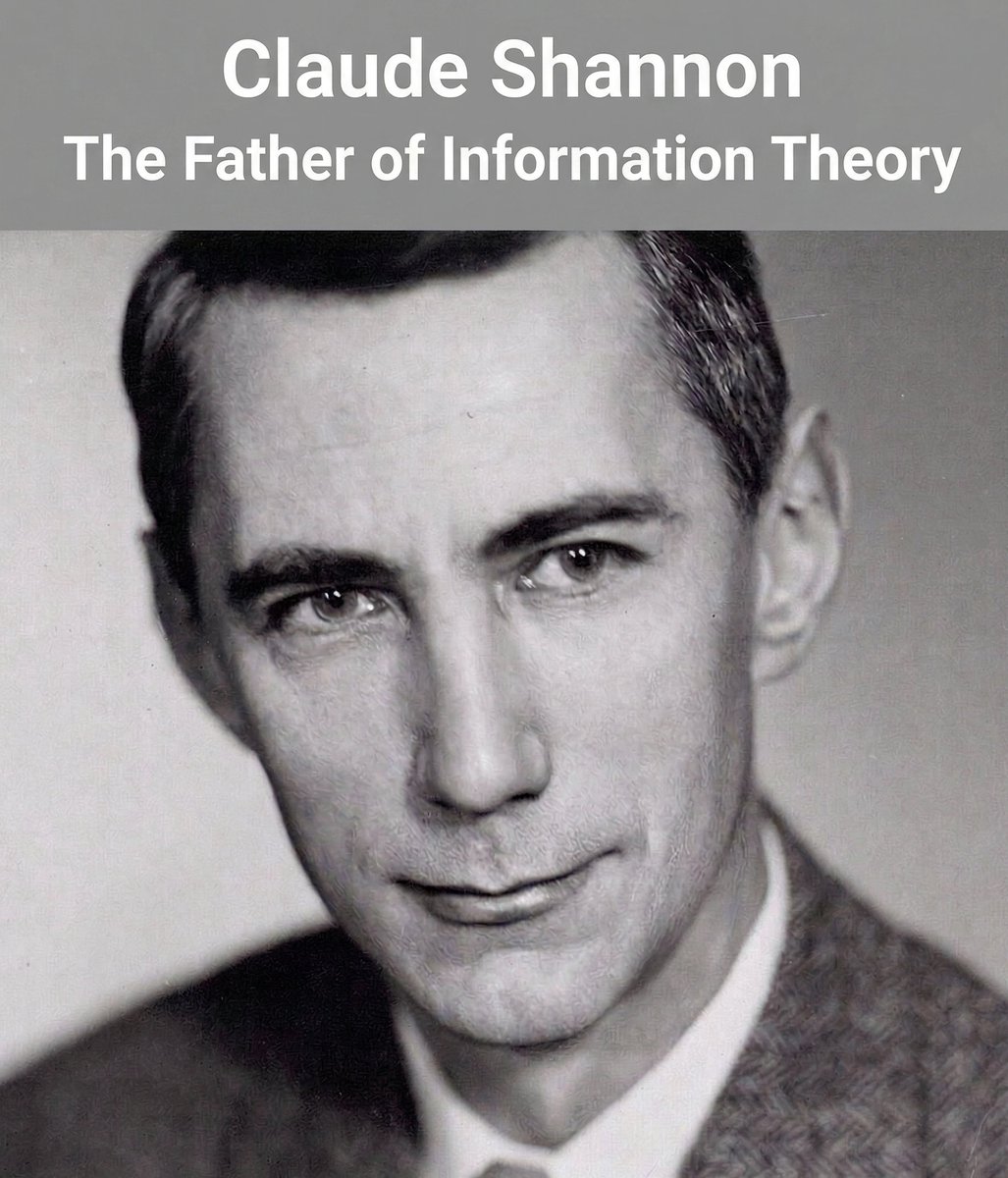
Claude Shannon, a 20th Century Genius
Apr 12

In 1948, a 32-year-old at Bell Labs published a paper nobody fully understood.
Engineers found it too mathematical. Mathematicians found it too engineering-focused. One prominent mathematician reviewed it negatively.
That paper - "A Mathematical Theory of Communication", became the founding document of the digital age.
The man was Claude Shannon. Father of Information Theory.
At 21, he wrote the most important master's thesis of the 20th century.
Working at MIT on an early mechanical computer, Shannon noticed its relay switches had exactly two states - open or closed. He had just taken a philosophy course introducing Boolean algebra, which also operated on two values: true and false.
Nobody had ever connected these two things.
His 1937 thesis proved that Boolean algebra and electrical circuits are mathematically identical, and that any logical operation could be built from simple switches.
Howard Gardner called it "possibly the most important, and also the most famous, master's thesis of the century."
Every digital computer ever built traces back to this insight.
At 29, he proved that perfect encryption exists.
During WWII, Shannon worked on classified cryptography at Bell Labs. His work contributed to SIGSALY, the secure voice system used for confidential communications between Roosevelt and Churchill.
In a classified 1945 memorandum, he mathematically proved the one-time pad provides perfect secrecy, unbreakable not just computationally, but provably, permanently, against an adversary with infinite power.
When declassified in 1949, it transformed cryptography from an art into a science. It laid the foundations for DES, AES, and every modern encryption standard.
At 32, he defined what information is.
His 1948 paper introduced one equation:
H = −Σ p(x) log p(x)
Shannon entropy. The average uncertainty in a probability distribution. The minimum bits required to encode a message.
Three things followed:
> He defined the bit - the fundamental unit of all information. His colleague John Tukey coined the name.
> He proved the channel capacity theorem, every communication channel has a maximum rate of reliable transmission. You can approach it. You can never exceed it.
> He unified telegraph, telephone, and radio into a single mathematical framework for the first time.
Robert Lucky of Bell Labs called it the greatest work "in the annals of technological thought."
Where his equation lives in AI today:
Cross-entropy loss - the function training every classifier and language model, is derived directly from H. Decision tree splits use information gain, which is H applied to data. Perplexity, the standard LLM evaluation metric, is an exponentiation of cross-entropy.
Every time a neural network trains, Shannon's formula runs inside it.
He also built the first AI learning device.
In 1950, Shannon built Theseus, a mechanical mouse that navigated a maze through trial and error, learned the correct path, and repeated it perfectly. Mazin Gilbert of Bell Labs said: "Theseus inspired the whole field of AI."
That same year he published the first paper on programming a computer to play chess. He co-organized the 1956 Dartmouth Workshop, the founding event of AI as a field.
The man:
He rode a unicycle through Bell Labs hallways while juggling. He built a flame-throwing trumpet, a rocket-powered Frisbee, and Styrofoam shoes to walk on the lake behind his house.
He called his home Entropy House.
When asked what motivated him: "I was motivated by curiosity. Never by the desire for financial gain. I just wondered how things were put together."
In 1985, he appeared unexpectedly at a conference in Brighton. The crowd mobbed him for autographs. Persuaded to speak at the banquet, he talked briefly, then pulled three balls from his pockets and juggled instead.
One engineer said: "It was as if Newton had showed up at a physics conference."
He died in 2001 after a decade with Alzheimer's, the cruel irony of information slowly leaving the mind of the man who defined what information was.
Claude, the AI model, is named after Claude Shannon, the mathematician who laid the foundation for the digital world we rely on today.
2
2
90
Apr 12
At 32, he defined what information is.
His 1948 paper introduced one equation:
H = −Σ p(x) log p(x)
Shannon entropy. The average uncertainty in a probability distribution. The minimum bits required to encode a message.
1
40
Apr 3
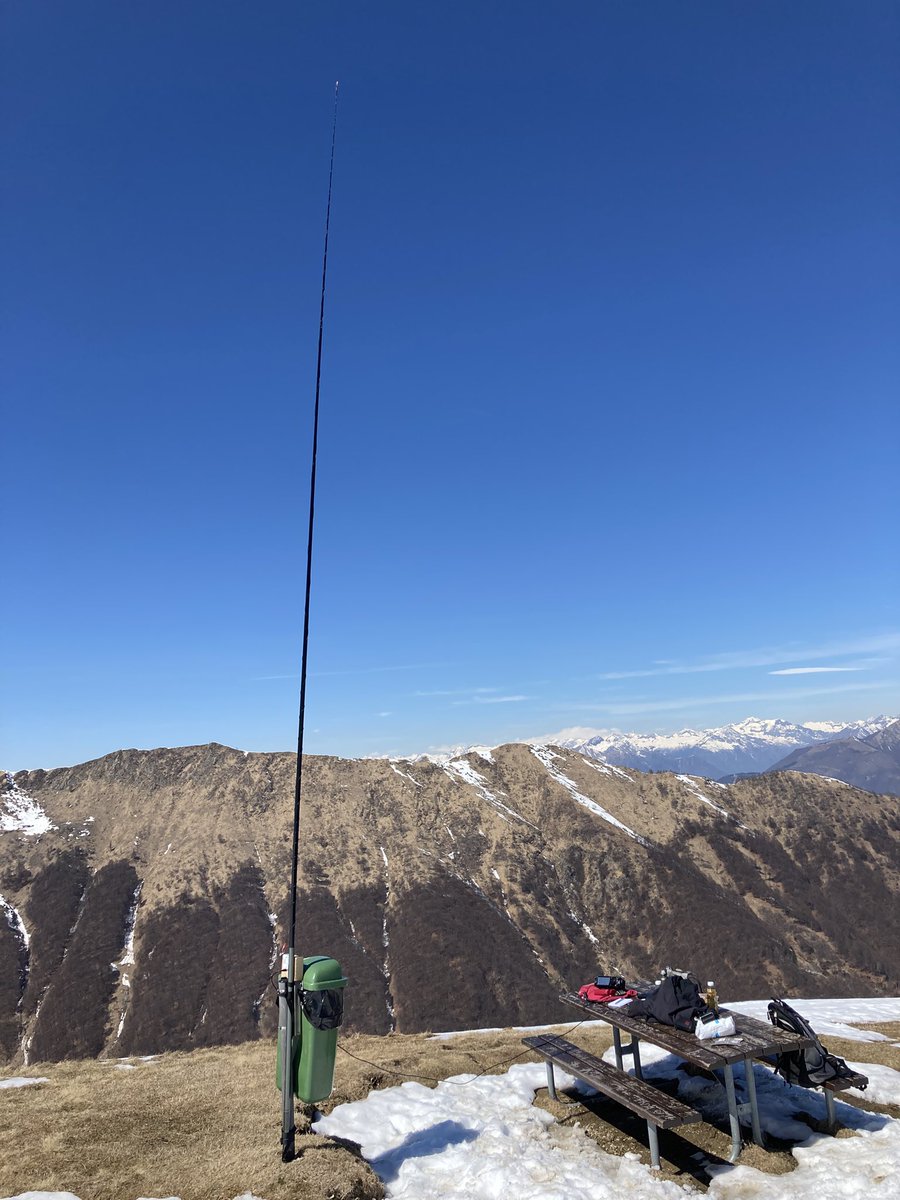
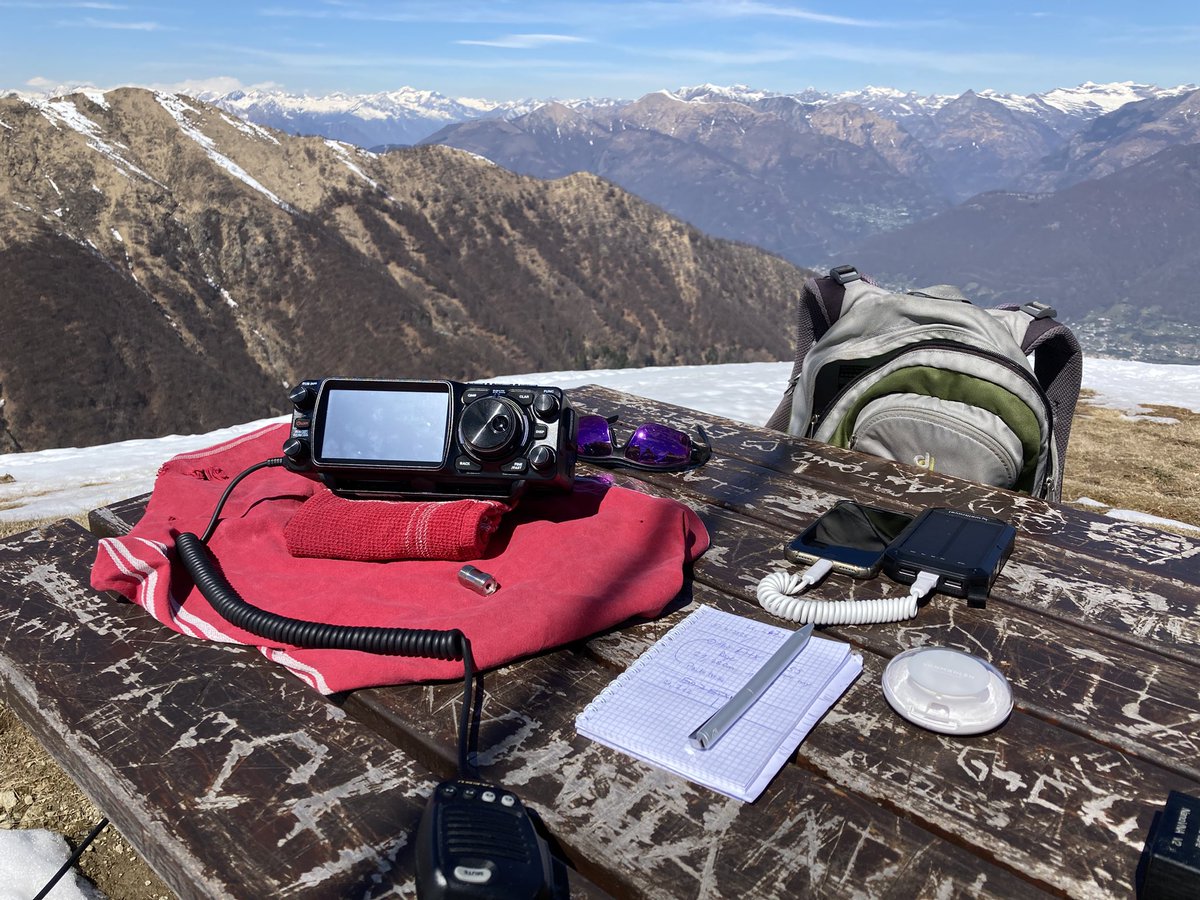
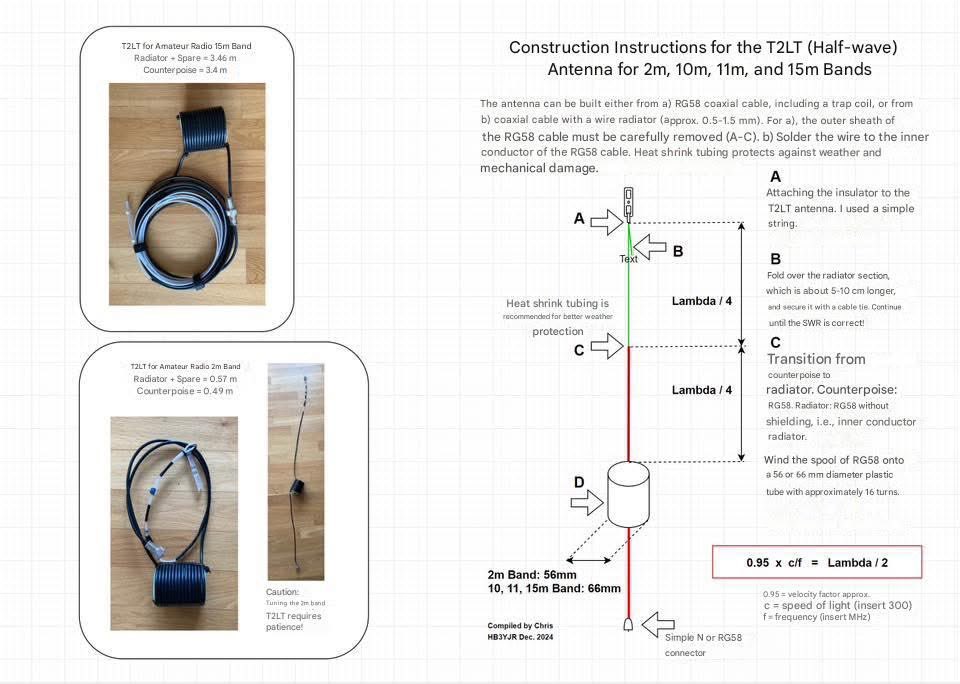
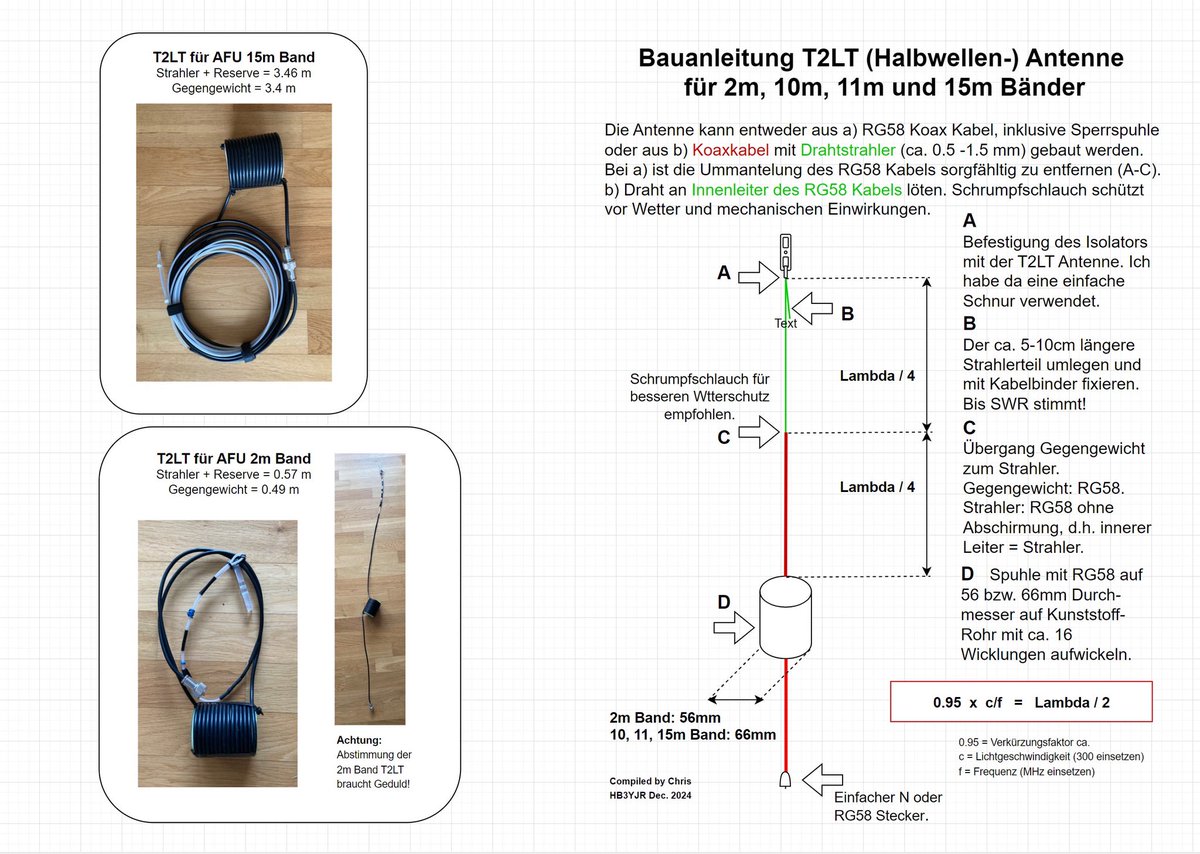
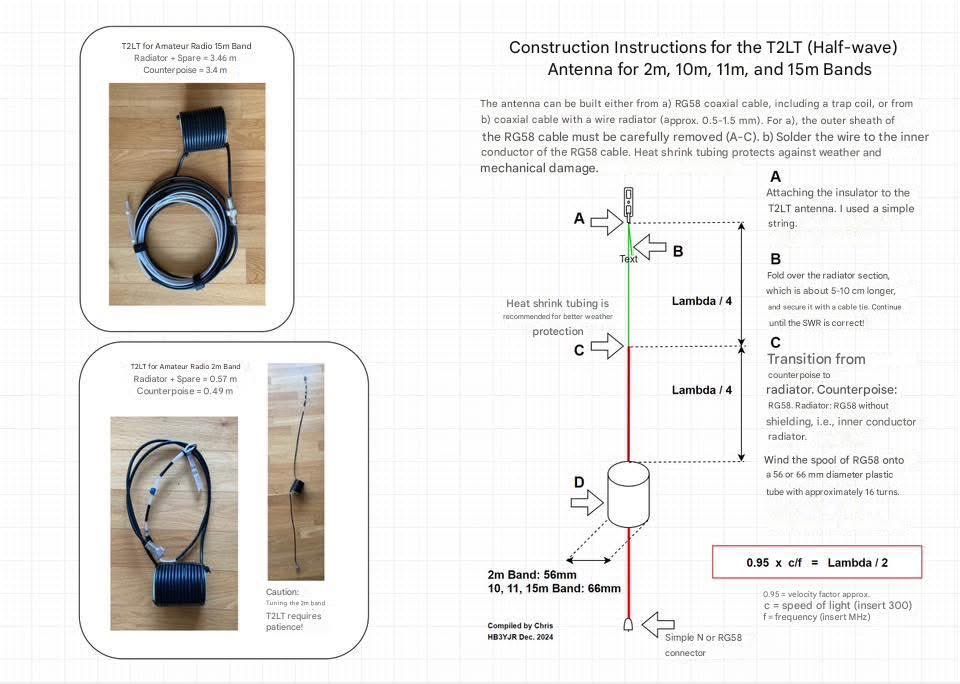
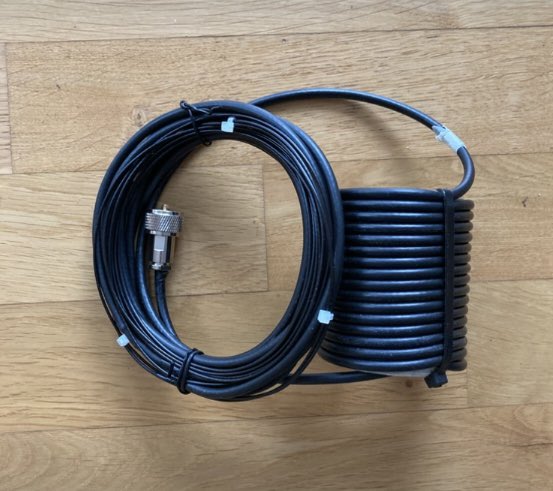
On the way to #QRP Sites here in #Switzerland - FTX-1, built-in ATU & LifePo; T2LT for 10 and 2m; EFHW15/80m. 1st stop Locarno, /p
3
3
170

Mar 11
Look Till The End…

1974年のソ連コメディ映画でTu-134が本物の高速道路に緊急着陸!? 車がパニック横転のカオス…実は滑走路を道路に偽装した超絶スタント!ソ連の即興空港ジョークが神すぎ😂胸熱すぎるスリル!
1
82
Feb 18
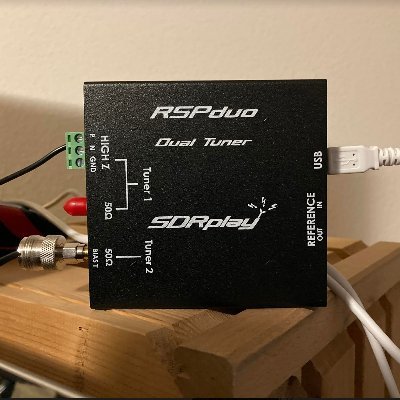
Intro to SDR:
3
237
Feb 9
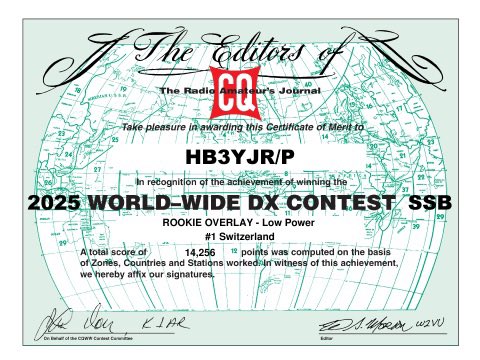
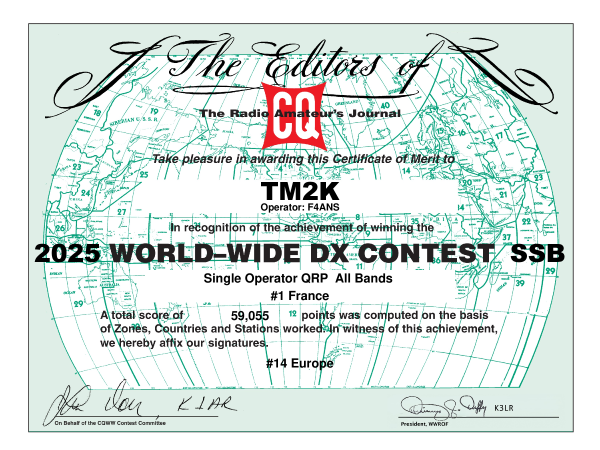
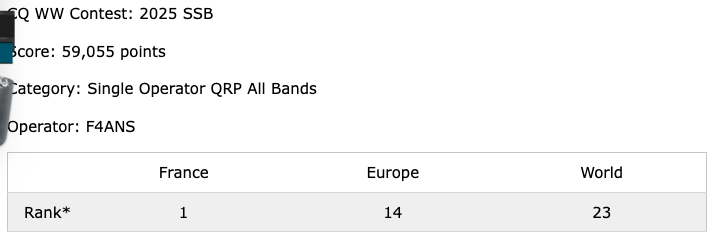
Gratulation, dear OM!

#CQWWSSB 2025 result ... 🥳
#QRP for ever !!
Difficult to enter on the top 10 (ww), this year i will try top 20 ...
During the last CQWW, during the night, i had a lot of QRM, so i must a new place for most chance !!
#hamradio #radioamateur #tm2k
2
113
Feb 8
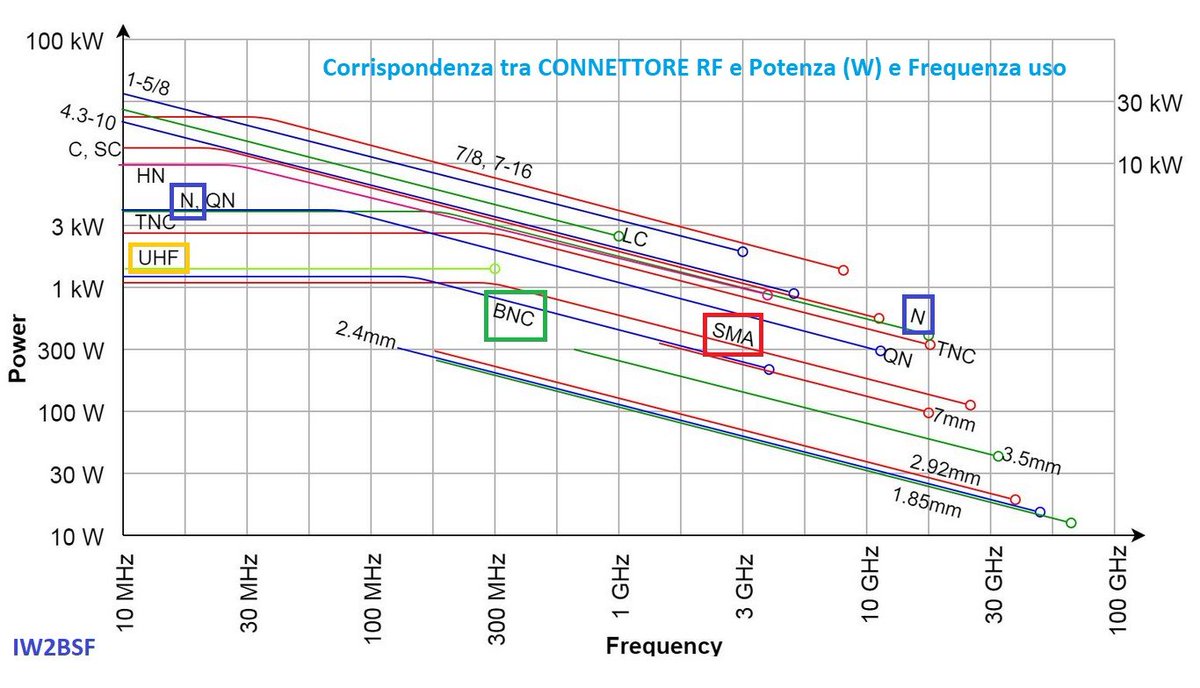
RF Connector Comparison

3
130