
Sr. Incident Response Consultant @Google Public Sector - Views are my own and not affiliated with my employer.
Joined May 2015
- Tweets 1,503
- Following 1,121
- Followers 460
- Likes 3,213
154 Photos and videos








Marcus Edmondson retweeted
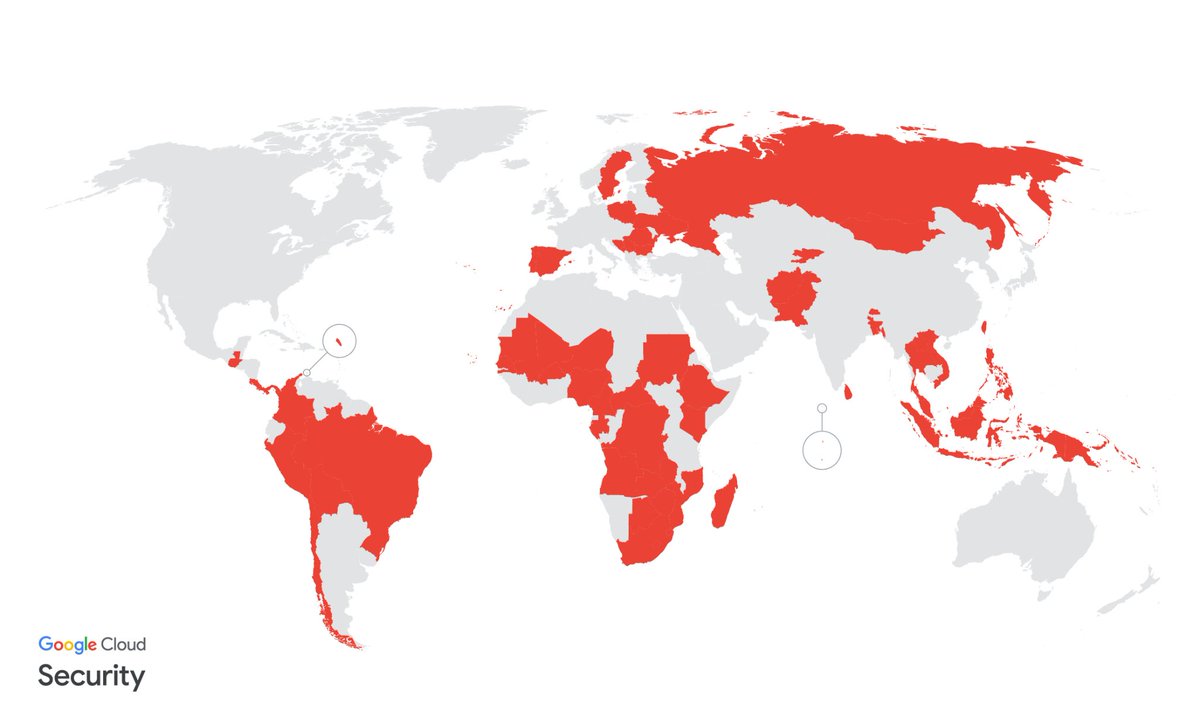
GTIG, Mandiant & partners disrupted a global cyber espionage campaign by suspected PRC-nexus actor UNC2814.
The group used a novel backdoor, GRIDTIDE, abusing Google Sheets API for C2. We dismantled the infrastructure & released IOCs.
Read more: bit.ly/4rVqqnz
4
62
182
34,254
I uploaded a video of my son taking batting practice to Gemini and gave it this prompt:
“You are a Major League Baseball hitting instructor. Dissect the mechanics of this players swing. Suggest drills that will help improve the players swing to maximize efficiency and power. “
It completely blew my mind. As a former baseball player I was impressed by the detailed breakdown and drill suggestions.
1
68
Gemini AI’s Analysis.
Here is a breakdown of the mechanics and a development plan for the hitter, written from the perspective of a pro hitting instructor.
The Scouting Report: Mechanical Breakdown
First off, I love the aggression. He’s not getting cheated on any of these swings—he is swinging with intent, which is something you can’t always teach. He has a solid athletic base and decent hand-eye coordination. However, there are a few mechanical inefficiencies that will expose him as velocity increases or when he faces quality off-speed pitching.
Here is what I am seeing on the film:
1. Casting / "The Long Swing"
This is the biggest issue right now. As soon as he starts his swing, his hands drift away from his body (towards the plate) rather than taking a direct path to the ball.
* The Symptom: You can see his arms fully extended before contact on several swings. This creates a long, sweeping loop around the strike zone.
* The Result: He will be late on fastballs inside and will likely roll over (ground out) on pitches away. He loses power because the bat is traveling a longer distance than necessary.
2. Bat Drag (Barrel Dumping)
Watch his back elbow. It drops straight down to his hip, and the barrel of the bat drops below his hands too early. Ideally, we want the barrel to stay above the hands until the very last moment of the "snap."
* The Result: He is uppercutting excessively. While we want a slight launch angle, he is "scooping" the ball. This makes high fastballs almost impossible to hit.
3. Flying Open
His front shoulder and front hip are leaking open too early. He is trying to pull everything.
* The Symptom: His head pulls off the ball (you can see his eyes looking towards third base/the pull side sometimes before contact).
* The Result: When you fly open, you lose coverage of the outer half of the plate. He is spinning off the ball rather than driving through it.
The Prescription: Drills for Correction
We need to shorten his path and keep him connected. Here is the drill package I would assign him for the next few weeks.
1. The Fence Drill (For Casting)
This provides immediate feedback on the "long swing."
* Setup: Have him stand facing a chain-link fence. He should position his feet so that his belly button is about a bat's length away from the fence.
* Action: Take dry swings (no ball).
* Goal: If he casts his hands out, the bat will hit the fence. He has to learn to keep his hands inside (closer to his chest) and snap the barrel out front rather than behind him.
* Cue: "Knob to the ball."
2. The Connection Drill (Towel/Ball Under Arm)
This fixes the Bat Drag and helps the body rotate as one unit.
* Setup: Place a small deflated ball, a glove, or a rolled-up towel under his back armpit (the right armpit for a righty).
* Action: Have him take swings off a tee.
* Goal: The object under his arm should not fall out until after he has made contact with the ball. If it falls out as soon as he starts his swing, his elbow is flying, and he’s disconnecting.
* Cue: "Pinch the ribcage."
3. High Tee Drill (For Barrel Control)
Since he has a tendency to drop the barrel and loop under, we need to force him to stay on top of the ball.
* Setup: Set the batting tee high—at the top of the strike zone (letters high).
* Action: He needs to drive line drives into the back of the net.
* Goal: If he drops his barrel (dips), he will pop the ball up or swing and miss underneath. To hit this pitch, he must keep his hands above the ball.
* Cue: "Chop the tree." (Think of swinging an ax downwards slightly to level out).
4. The "Stop at Contact" Drill
* Action: Have him swing at 75% effort and freeze exactly at the point of contact.
* Checklist: When he freezes, go check his position:
* Is the front leg firm/straight?
* Is the back "L" shape strong in the legs?
* Crucial: is the palm of his top hand facing the sky, and the palm of the bottom hand facing the ground? Palm up/Palm down
1
53
* Goal: This builds muscle memory for the strongest point of the swing.
Summary for the Player
Tell him to imagine he is fighting in a phone booth. He doesn't have room to swing wide; he has to stay compact and tight. Short to the ball, long through it. Keep up the hard work!
29
Sometimes you’re the objective and sometimes you’re the redirector on the way to the objective.
33
If you’re not stress testing your IR plan in exercises, sooner or later a threat actor is going to hook you up. Prepare now.
35
Marcus Edmondson retweeted

Breaking news: Aldrich Ames, the CIA officer whose spying for Moscow was the most damaging breach in the agency’s history, reportedly causing the deaths of at least 10 recruited CIA or allied intelligence agents, died at 84. wapo.st/4pqR7hw
138
283
824
610,335

25 Dec 2025
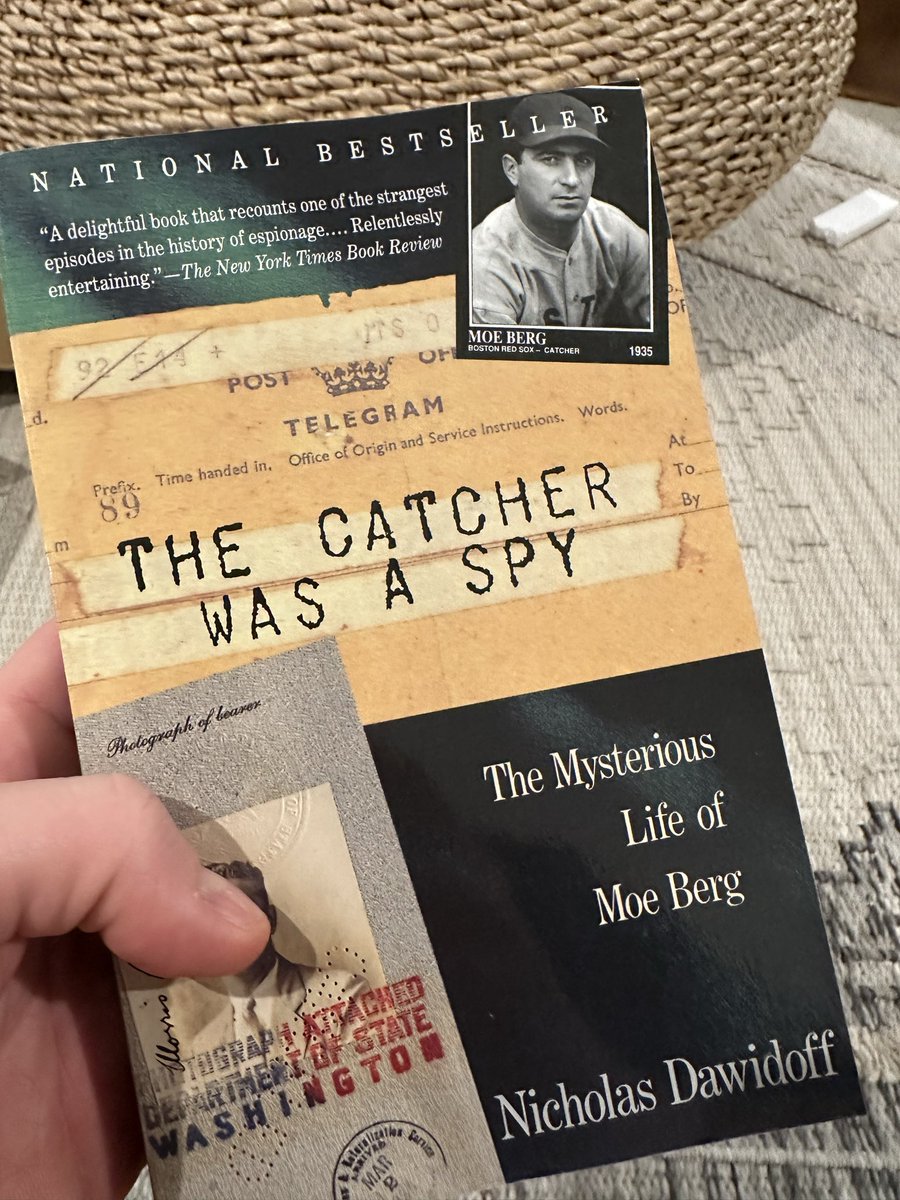
Played in the big leagues and worked for the OSS during WW2. Can a book get any better? Just started this and so far it’s solid.
34
20 Dec 2025
Intel driven threat hunting based off your region and industry is the way.
30
14 Dec 2025
New pre-workout stack
- 10g Creatine
- 3g L-Citrulline
- 2g L-Carnitine
- 1.5g TMG
- 1/2 platter banana pudding
Pumps like gangbusters 😂
54
Marcus Edmondson retweeted

12 Dec 2025
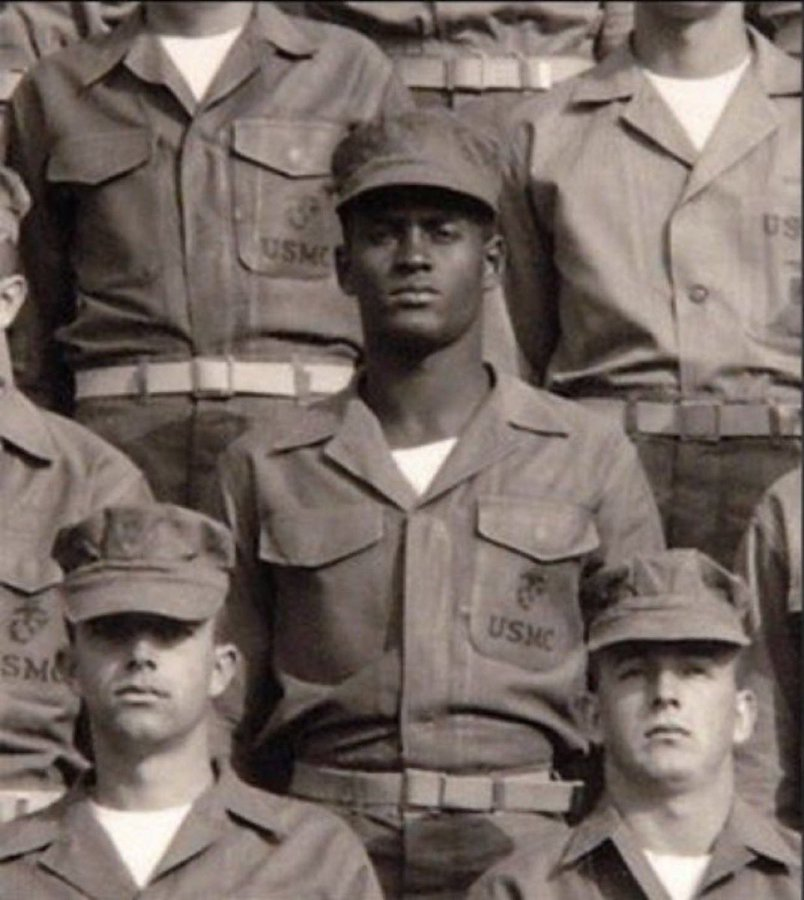
Not only was Roberto Clemente a hell of a baseball player. He also served for the US Marine Corps.
95
452
4,485
45,497
8 Dec 2025
How to become a threat hunting expert…
| summarize count() by <interesting column>
| sort by count_ asc
Follow for more hot takes.
26
Marcus Edmondson retweeted

3 Dec 2025
Less than 24 hours to go before the Cybersecurity Forecast 2026 webinar! ⏱️
Tomorrow, Andrew Kopcienski presents on AI, cybercrime, and nation-state activity in the year ahead.
Register now: bit.ly/48Oy3op

ALT Webinar: Cybersecurity Forecast 2026
3
16
2,669
3 Dec 2025
General Neller retired USMC Commandant was ahead of his time. I remember him talking about on-demand 3D printing of drones and replacing a grunt in every squad with a drone operator. This was close to ten years ago.
2 Dec 2025

The funding provided by the Big Beautiful Bill is ready to be used to mount an effective sprint to build combat power.
We call it Drone Dominance.
At the War Department, we are adopting new technologies with a “fight tonight” philosophy – so our warfighters have the cutting-edge tools they need to prevail.
66
29 Nov 2025
Joining the @USMC will still be a great way to get into defensive and offensive cybersecurity in 2026.
Go see your local recruiter and tell them you want to be a 1721.
2
69
28 Nov 2025
Most online cyber courses could be replaced with a well constructed prompt.
1
42
26 Nov 2025
Pretty sure the USMC media team could make police calling pebbles in an Okinawa motor pool look cool.
youtu.be/tYq6HGNGZq4?si=P_oI…
89
21 Nov 2025
Gemini gems with a good prompt and some knowledge added have definitely sped up my game.
73