
Joined June 2015
- Tweets 1,107
- Following 185
- Followers 147
- Likes 775
474 Photos and videos


Pinned Tweet

Apr 22
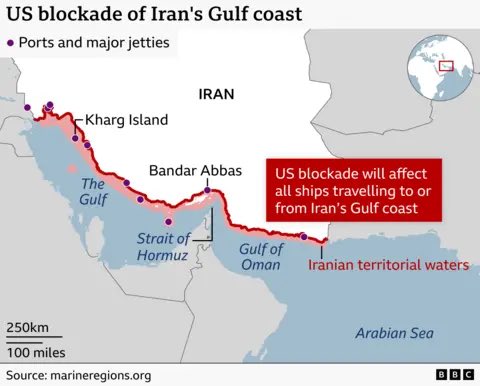
Silent Tehran, Screaming Washington: A Blockade in Name Only
Time favours Tehran; the U.S. naval dragnet barely dents its calculus. Iranian replies stay measured signalling strength, not reflex.
Meanwhile, the “leader of the free world” carpet-bombs Truth Social:
• thanking and then threatening Iran
• praising Xi Jinping, then cursing him
• claiming the blockade works, then calling it a fiasco
• touting a “great” Pakistan deal
• promising bombs on Iran
• rechristening Hormuz the “Strait of Trump,” then the “Strait of Iran”
The stream feels like a sleepless rant, swinging between swagger and alarm.
Meanwhile, Tehran maintains radio silence and still owns the escalation ladder. If it decides the West needs a sharper reminder, it can squeeze the Bab el-Mandeb Strait and that’s when the real shock wave lands.
1
4
1,854
Apr 25
Iran is doing what Democrats couldn’t: splitting MAGA from inside.
2
1,027
Apr 25
A beetle ecologist predicted America’s nervous breakdown.
He was early, not wrong.
1
55
Apr 25
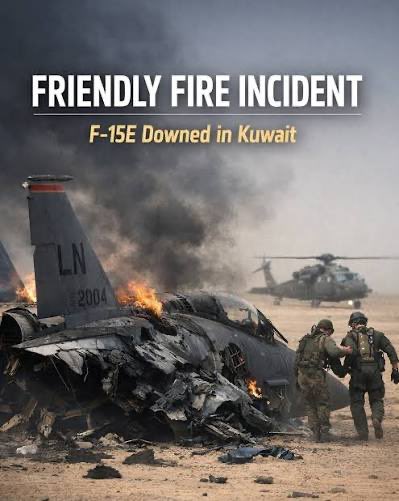
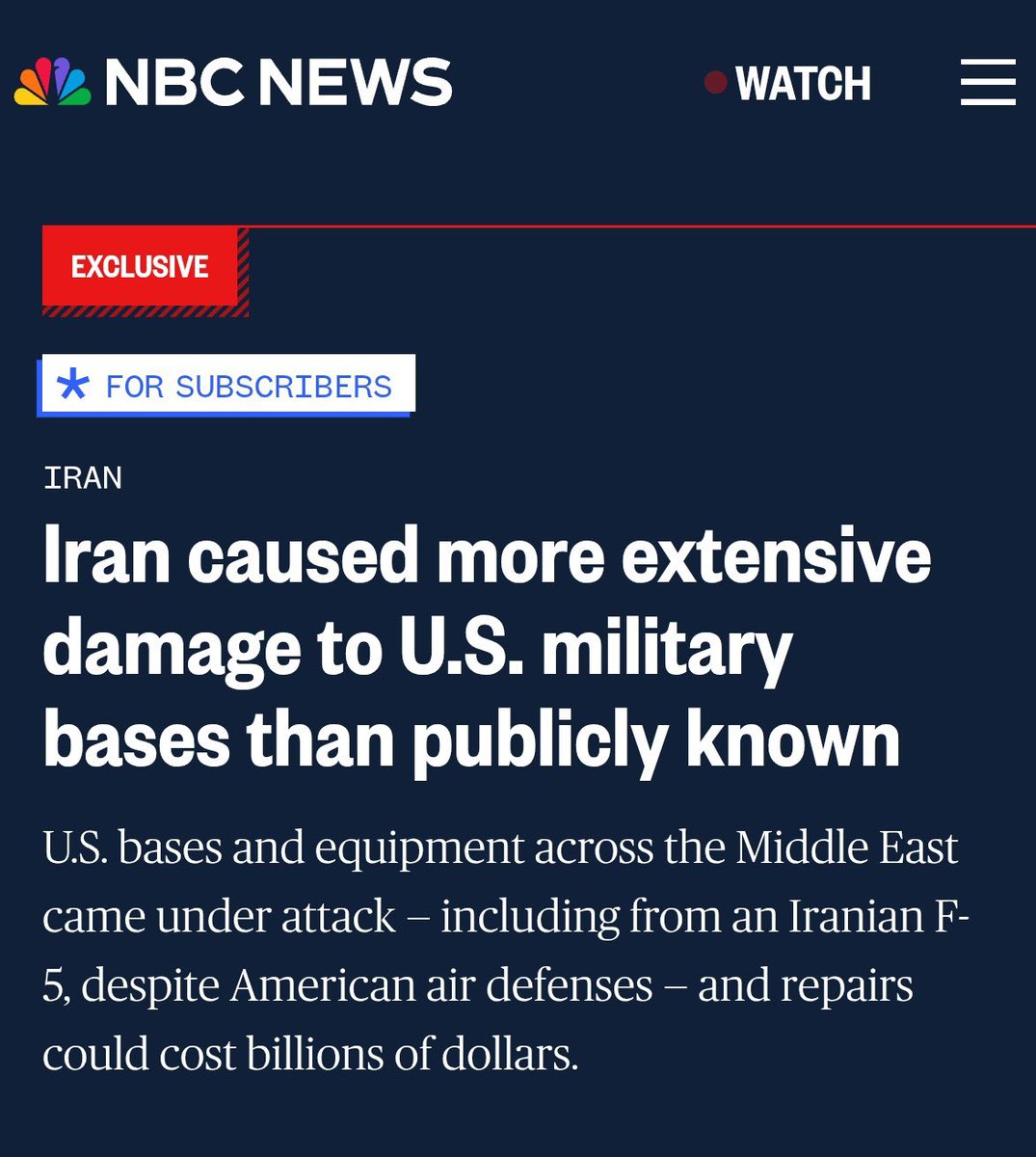
Iranian strikes on Gulf-based US assets were way worse than the press briefings admit—three officials say even an old F-5 slipped past the defences and the repair bill runs into billions. United States quiet, Tehran louder by the day.
1
52
Apr 24
There are growing assessments in Israel that fighting with Iran is imminent and will soon resume
31
Apr 21
America is falling out of love with Israel!

Recent polls confirm the trend: Pew (April 2026) shows 60% of Americans view Israel unfavorably (up from 53% last year, 37% favorable). Gallup (Feb 2026) finds 41% sympathize more with Palestinians vs. 36% with Israelis—a reversal from prior years. Shifts are sharpest among young adults and tied to ongoing regional conflicts. Support remains higher among older Republicans, but overall favorability has declined measurably since 2022.
1
1
78
Apr 21
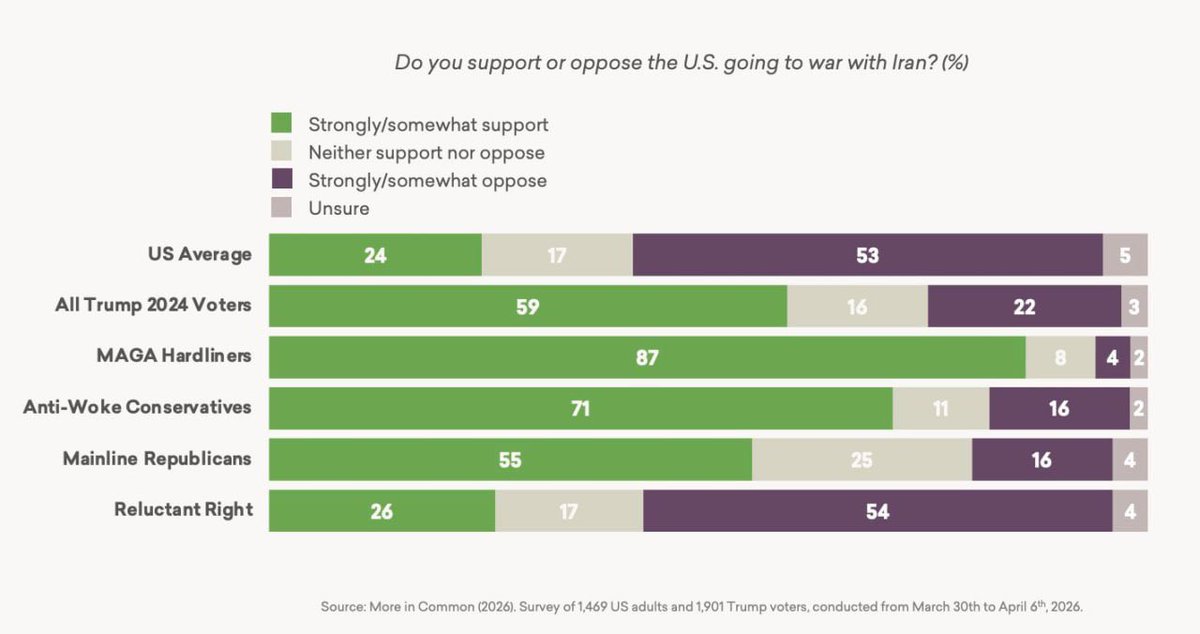
Survey from MoreIn Common US shows that support for the Iran War continues to collapse with only 24% of Americans supporting it.
Major fractures in President Trump's support base are visible as well. Explanations and examples of the categories listed can be read about here: moreincommon.substack.com/p/…
97
Apr 14
🚨 A short interview with the notorious @ExplosiveMediaa , the team behind Tehran’s Lego war videos.
Thank you for the relentless work and timely coverage. In an age of recycled noise, consistency still stands out. Respect. ✊
Apr 14

Do whatever you have to do and make Donald Trump see this otherwise he can't understand the situation 😭🤣😂
2
354
Apr 13
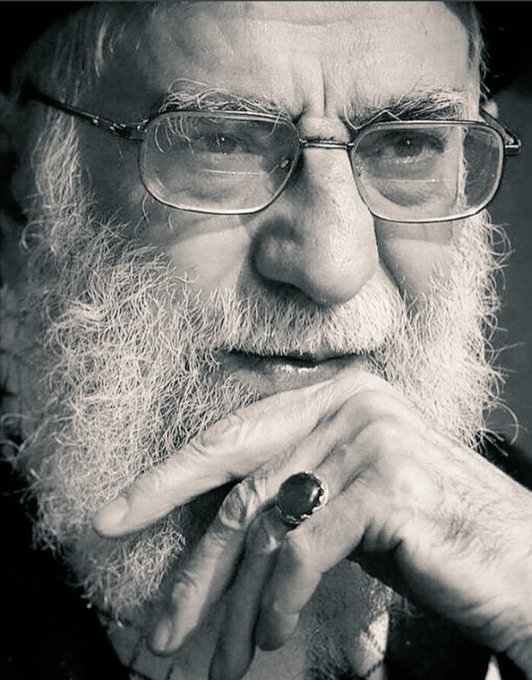
I confess. This guy knew his enemy well:
“The things the President of the United States says, sometimes threatening, sometimes saying that one thing must be done and another must not be done, all carry the same meaning: they are seeking to dominate the Iranian nation.
But the Iranian nation knows its Islamic and Shiite teachings well.
Imam Hussein said:
‘Someone like me will never pledge allegiance to someone like Yazid.’
That is, in essence, what the Iranian nation is saying today:
A nation like ours, with this culture, this history, and these lofty teachings, will never bow in allegiance to corrupt rulers like those in power today.”
Apr 13

The Greatest chess master of the 21st century:
Aytollah Ali Khamenei
1
2
3
191
Apr 13
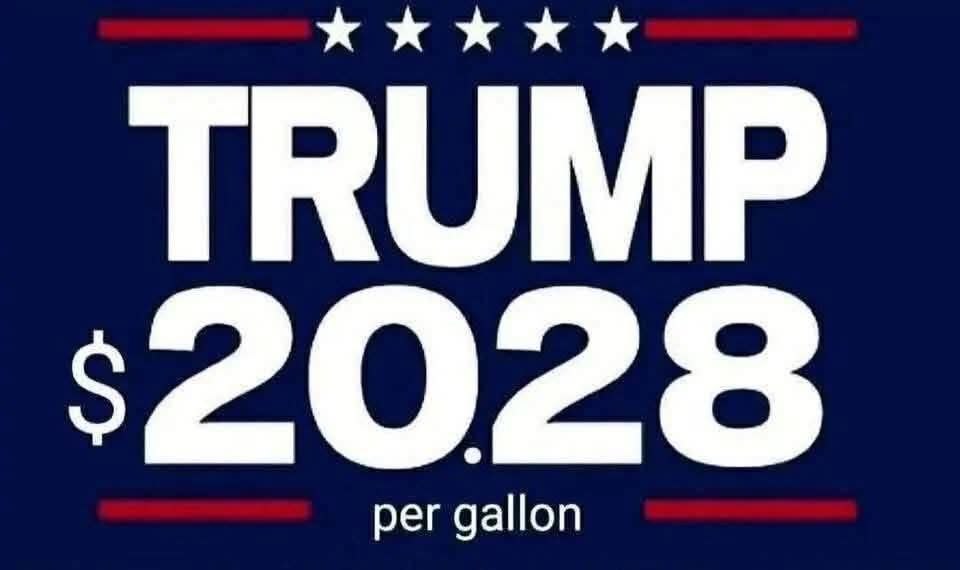
This is hilarious 😂
Iran won the meme war already

1
3
3
143
Apr 13
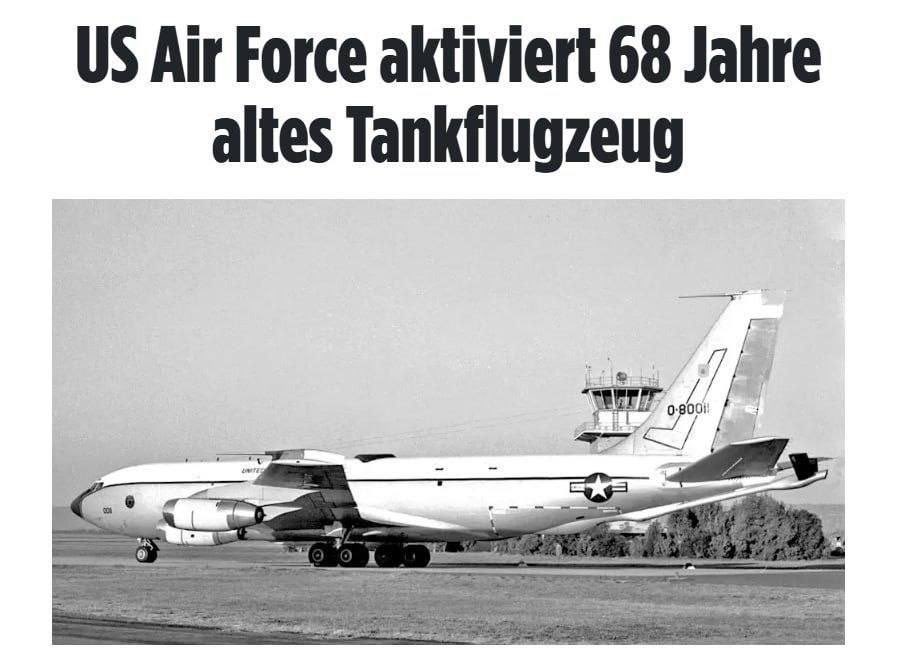
The German newspaper Bild wrote: Following the losses and damage recently sustained by its aerial refueling fleet in operations related to the war with Iran, the U.S. Air Force has taken retired KC-135 refueling aircraft out of storage.
🔹 This includes a 68-year-old Stratotanker, built in 1958, which is currently undergoing maintenance in preparation for a possible return to service.
100
Apr 13
The Wall Street Journal: Gulf states are seeking to establish dialogue between the United States and Iran following the collapse of negotiations.
The monarchies are making strong efforts to resume U.S.-Iran talks.
The newspaper wrote: “A race to influence Trump has already begun.”
These countries are also holding consultations with Washington regarding extending the fragile truce that has lasted for two weeks.
The Trump administration does not intend to make any concessions. Vance has already stated that Washington presented Tehran with its “best and final offer” and does not intend to revise it.
64
Apr 12
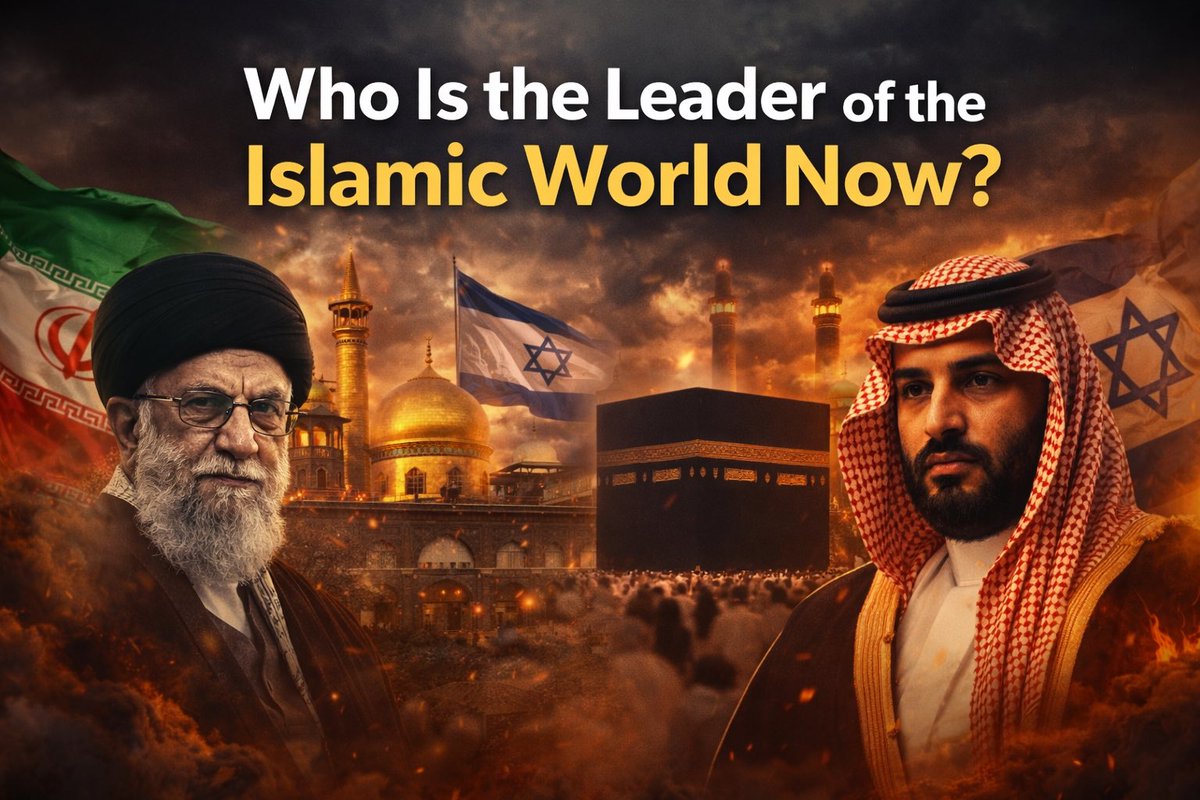
Who Is the Leader of the Islamic World Now?
By:_ Phoenix Ashborn
Did Iran win the Cold War battle with Saudi Arabia over who is more religiously, and otherwise, the leader of the Islamic world and its anchoring voice?
Before all this started, when Imam Khomeini of Iran was becoming a prominent figure among Iranian revolutionaries, and after he succeeded in taking power in Iran, the country had, until 1979, been labeled “the police of the Middle East” and America’s best friend in the region. It now suddenly became a serious threat to Saudi Arabia’s traditional de facto status as the “leader of the Islamic world.”
This was not merely a jurisprudential dispute over an ordinary religious matter. It was about the whole Islamic doctrine, with Shia Islam on one side and Sunni Islam on the other.
The divide is even deeper than many might expect: the succession to the Prophet Muhammad, peace be upon him, has been debated since his passing and remains unresolved to this day.
You might be surprised, but this doctrine war was started by Israel.
In a nutshell, to fill you in, in both the Shia and Sunni worlds, up until two major incidents, 1) the Constitutional Revolution of Iran, and 2) the Constitutional Revolution of the Ottoman Empire (Türkiye), the Sultan, Shah, or King was considered the legitimate “shadow of God on earth” and the “Commander of the Faithful.”
The constitutional revolutions, among many other things, were at their core an objection to this authority that had been bestowed upon the king by the clergymen. For the first time, the king was being stripped of the religious cloak, and this happened primarily at the hands of prominent opposition figures from among the clergy themselves.
However, after World War II, when the dust settled and realities began to manifest themselves, the holy lands of Quds were given to the Jews. This was not an ordinary matter. It was as if a minority claiming descent from pre-Christian Romans were to come back, conquer the Vatican by force, and declare themselves the Roman Pagan Empire, with expansionist agendas, on occupied Christian territory.
Such a great blow to the region, and to Islam, gave birth to what we now call “political Islam.” The Muslim Brotherhood was a direct response to the fall of the caliphate and the loss of the holy lands to a Zionist occupier with extreme apocalyptic ideological beliefs.
Fast forward, and two doctrines were established as a result:
A. The Resistance. First in the form of non-state actors such as the Muslim Brotherhood, and later through new state actors such as Iran, which picked up the banner of resistance. A revealing detail is that Ayatollah Khamenei translated some of Sayyid Qutb’s works from the original Arabic into Persian prior to the 1979 revolution, which helps show how the core idea was formed.
B. The doctrine of continuing the post-collapse order in West Asia. This includes the outcomes of dramatic regional changes such as the fall of the Ottoman Empire, the collapse of the caliphate in the Sunni world, Arab nationalism, Turkish nationalism, the Ba’ath movement, and so on, all of which produced different kinds of political outcomes.
Now, nevertheless, who do you think holds religious authority? The resistance, a mixture of Sunni and Shia forces, or the status quo states under Israeli hegemony?
1
1,394
Apr 11
American analyst Adam Mockler: With the Strait of Hormuz still shut, the war is effectively lost. Iran keeps gaining wealth, Trump backed down, and the result is simple: he lost the war.
2
354
Apr 10
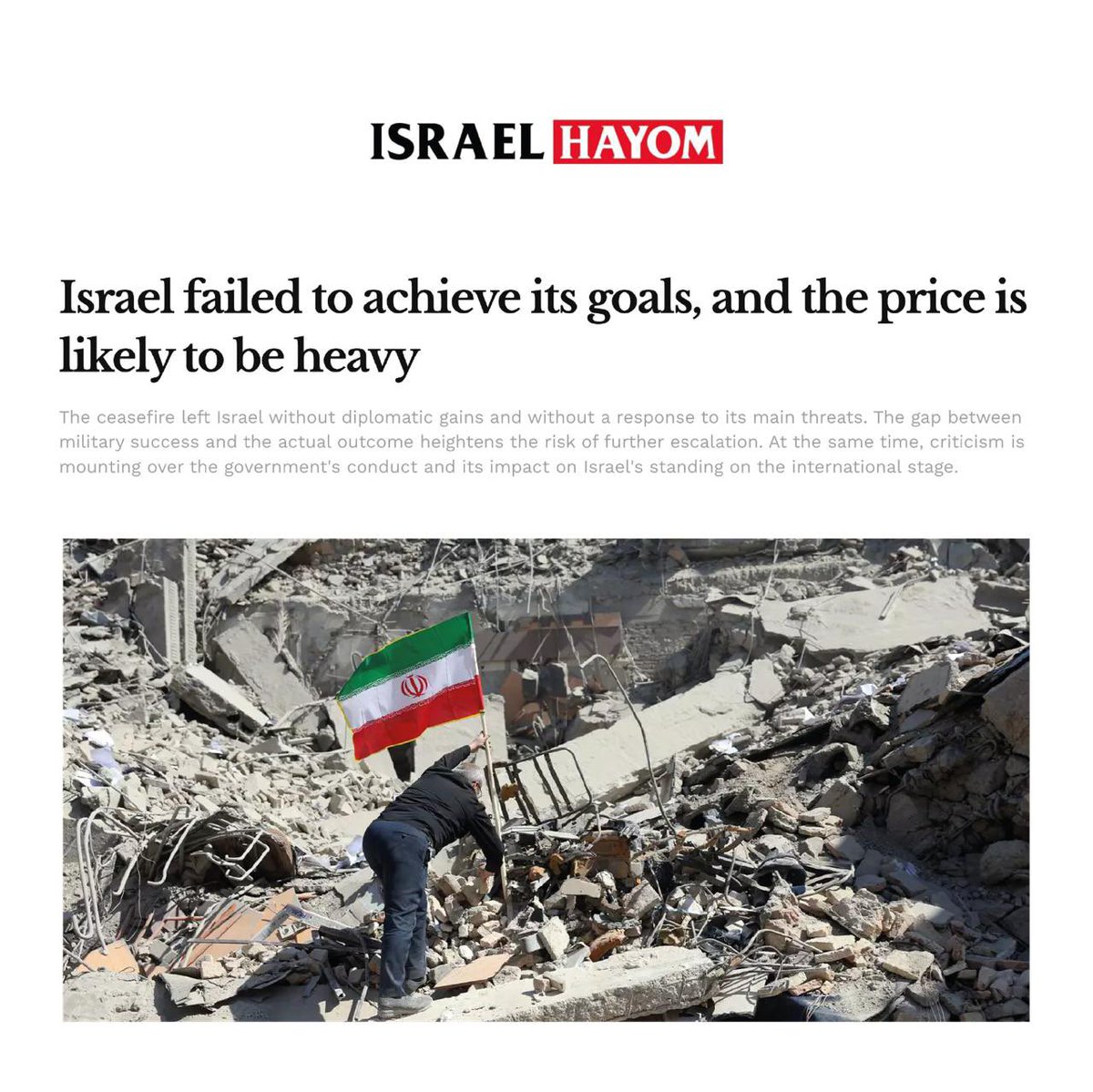
Israel Hayom: Israel failed to achieve its objectives and will likely pay a heavy price.
The ceasefire has left Israel with no diplomatic gains and no real answer to its main threats.
1
2
2
274
Basically the new Iran is an oil rich hegemon. 20% of the world’s oil passes through the strait, and that is:
A. More than USA’s 16% control
B. Twice as much as Russia’s 11% share
Think about that
Apr 8

Survival of the regime alone was a victory — but its demonstration of control over the Strait of Hormuz may be a strategic game-changer. interc.pt/4cw5xtv
1
1
1
233
The war on Iran may go down as the worst strategic defeat in the history of both the U.S. and Israel.
What was meant to break Iran may have done the opposite: strengthened it, increased its leverage over Hormuz, and exposed the limits of American power in a real symmetrical confrontation.
This was not Vietnam or Afghanistan, where a superpower bled against insurgency.
This was different. Iran stood its ground militarily, imposed costs directly, and emerged with greater regional weight.
That is what makes this defeat so devastating:
it told the world the giant is no longer quite a giant.
Read the following article by: Arnaud Bertrand
arnaudbertrand.substack.com/…
2
1
2
130
A desperate Trump is dangerous …

Striking Iranian energy and water-related infrastructure would do little damage to the country’s military capabilities, write @Joe_Webster_CRR and Ginger Matchett.
“However, it would greatly harm Iranian civilians.”
atlanticcouncil.org/blogs/en…
1
3
458
🚨 President Trump told reporters that 8:00 p.m. Tuesday is his final deadline for Iran.
1
295
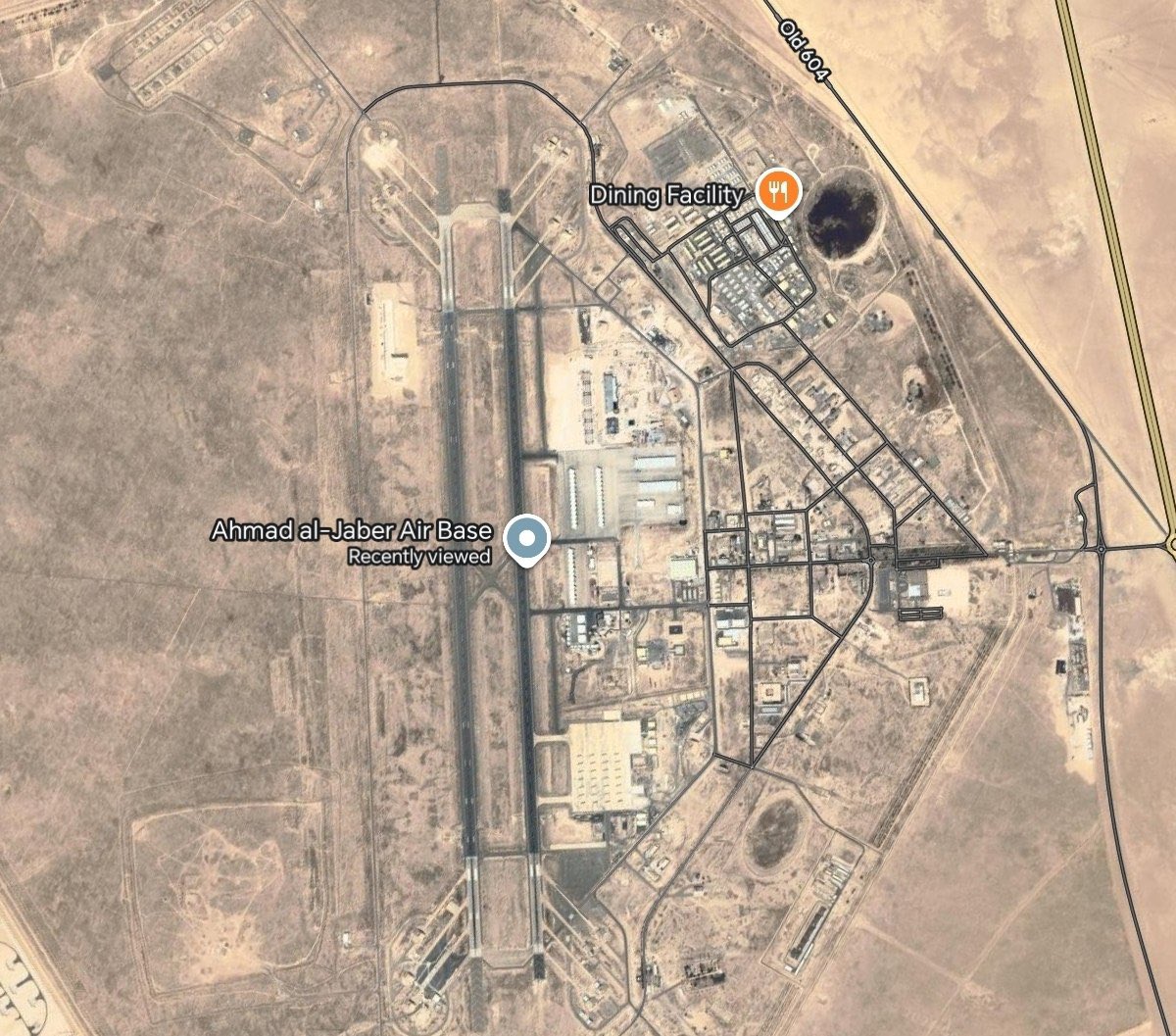
🇰🇼🇺🇸🇦🇪🇮🇱🚫🇮🇷A joint drone production center between the UAE and Israel, along with several drones stationed at Ali Al-Salem Air Base in Kuwait, were targeted via missile and drone attacks. It was confirmed that offensive operations are ongoing and that detailed information will be announced later, noting that maritime traffic in the Strait of Hormuz is under close monitoring and that any hostile movement will be met with a decisive response.
Source:
🔴 @Alsaa_plus_EN
2
415