
The only scientific research organization dedicated to identifying the links between the environment and women’s health, especially breast cancer.
Joined April 2011
- Tweets 4,164
- Following 530
- Followers 3,604
- Likes 1,369
748 Photos and videos


Pinned Tweet

5 Feb 2024
📢Make sure to follow us on other social media platforms for the latest news, science updates, healthy living tips, and more!
💻Instagram: instagram.com/silentspringin…
💻Facebook: facebook.com/silentspringins…
💻LinkedIn: linkedin.com/company/silent-…
💻Threads: threads.net/@silentspringins…
1
2
1,182
Silent Spring Inst retweeted

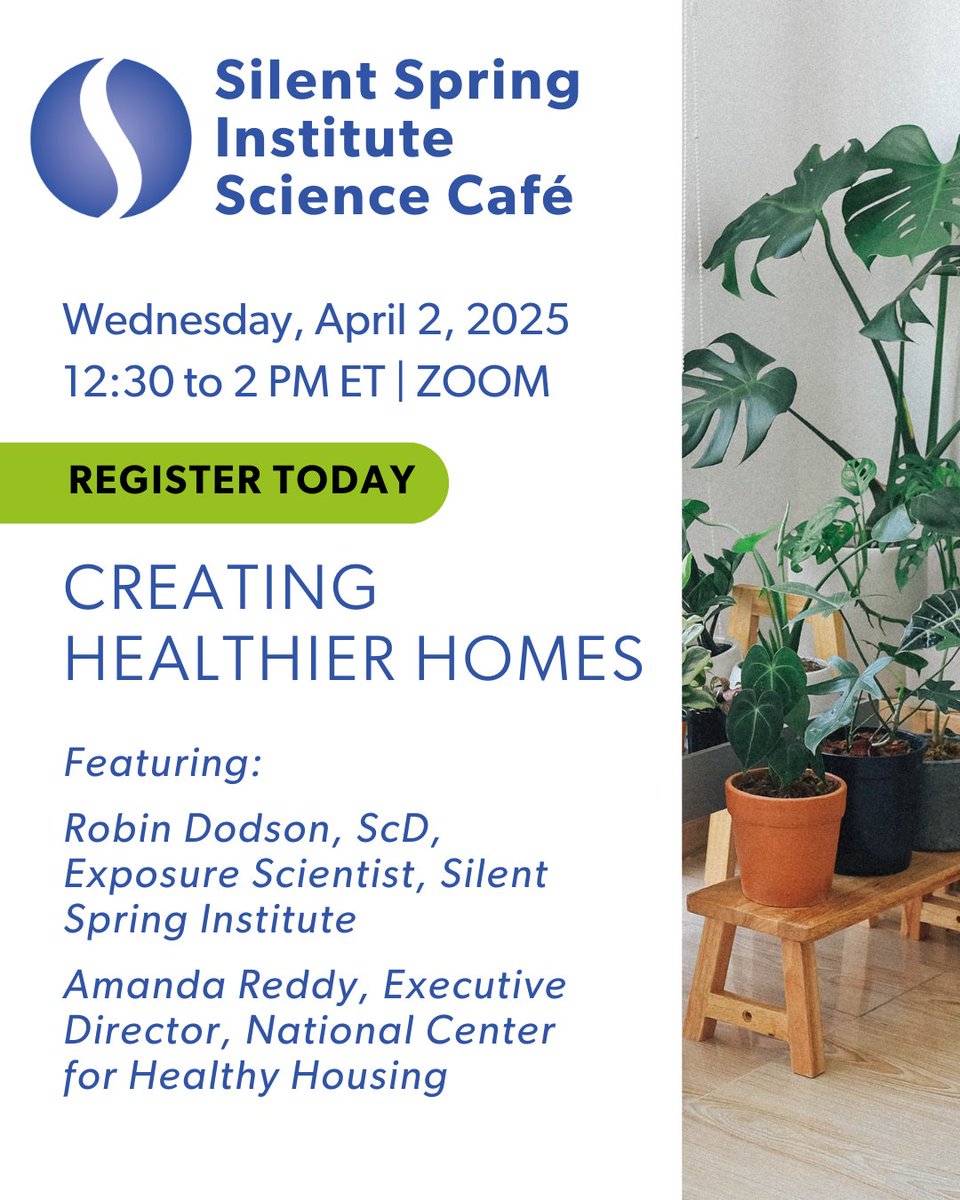
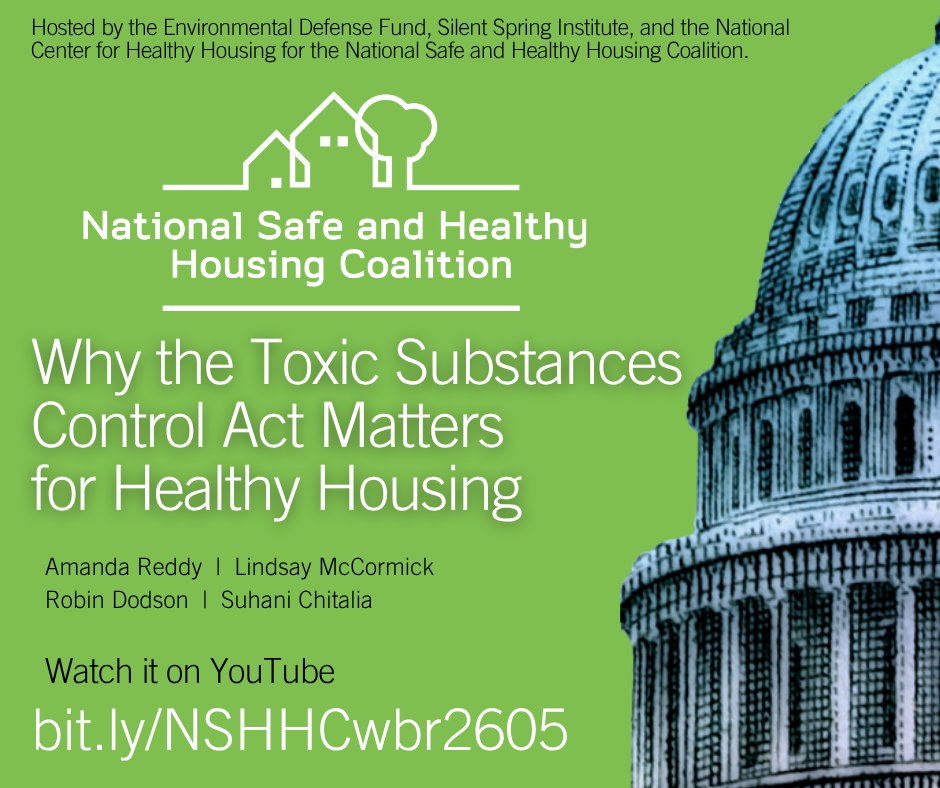
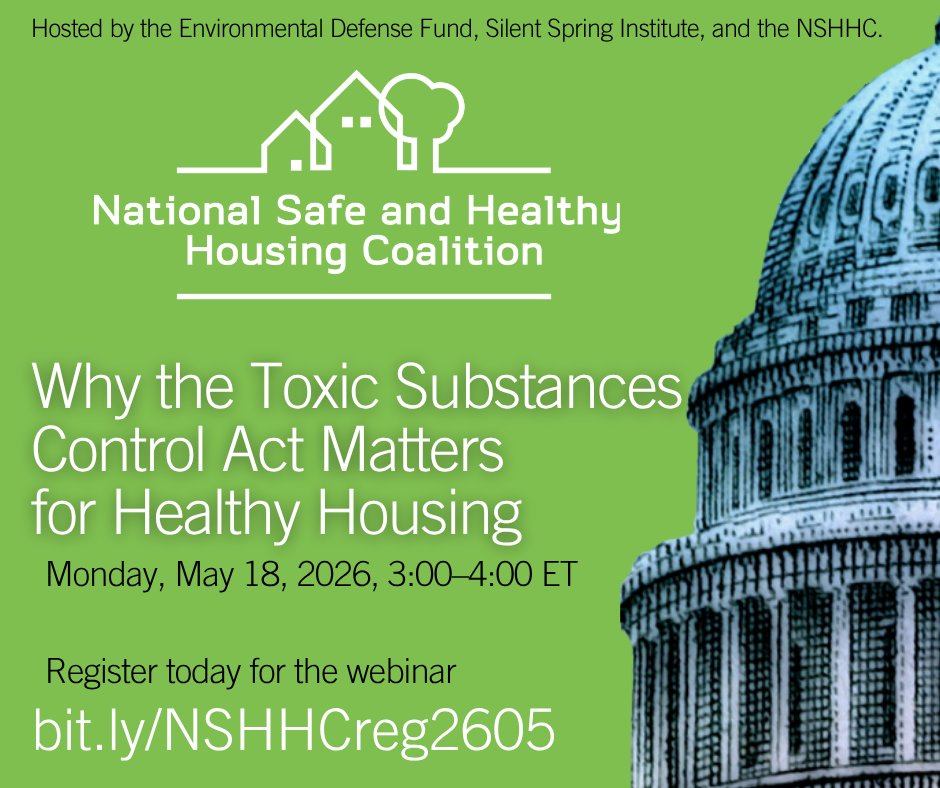
WATCH IT ON YOUTUBE: "Why the Toxic Substances Control Act Matters for Healthy Housing," a webinar hosted by Environmental Defense Fund, Silent Spring Institute, and NCHH for the NSHHC is available here: bit.ly/NSHHCwbr2605
#PublicHealth #HealthyHomes #TSCA #LeadPoisoning
1
2
36
Today at 3pm! With Silent Spring's Dr. Robin Dodson and our colleagues at @EnvDefenseFund and @NCHH.

NEW WEBINAR: Join us Monday, May 18, 3–4 ET for "Why the Toxic Substances Control Act Matters for Healthy Housing," a webinar hosted by Environmental Defense Fund, Silent Spring Institute, and NSHHC. Details: bit.ly/NSHHCreg2605
#PublicHealth #HealthyHomes #LeadPoisoning
1
1
37
Silent Spring Inst retweeted

⚠️Hair extensions are a $14B global market — but researchers warn they may expose wearers to hazardous chemicals sitting directly on the scalp for extended periods.
Calls for transparency are growing!
@SilentSpringIns @BCPPartners @laurelschaider healthpolicy-watch.news/toxi…
1
1
143
Silent Spring Inst retweeted

Feb 11
Our new study found hazardous chemicals in hair extensions, including those made with human hair. Further supporting the need for stronger regulations around beauty products. doi.org/10.1021/envhealth.5c…
2
9
18
323

PFAS, also known as “forever chemicals,” are a large group of synthetic chemicals that break down very slowly over time and are linked to harmful effects on human health. They’re used in a vast array of products, from pots and pans to computers and even dental floss.
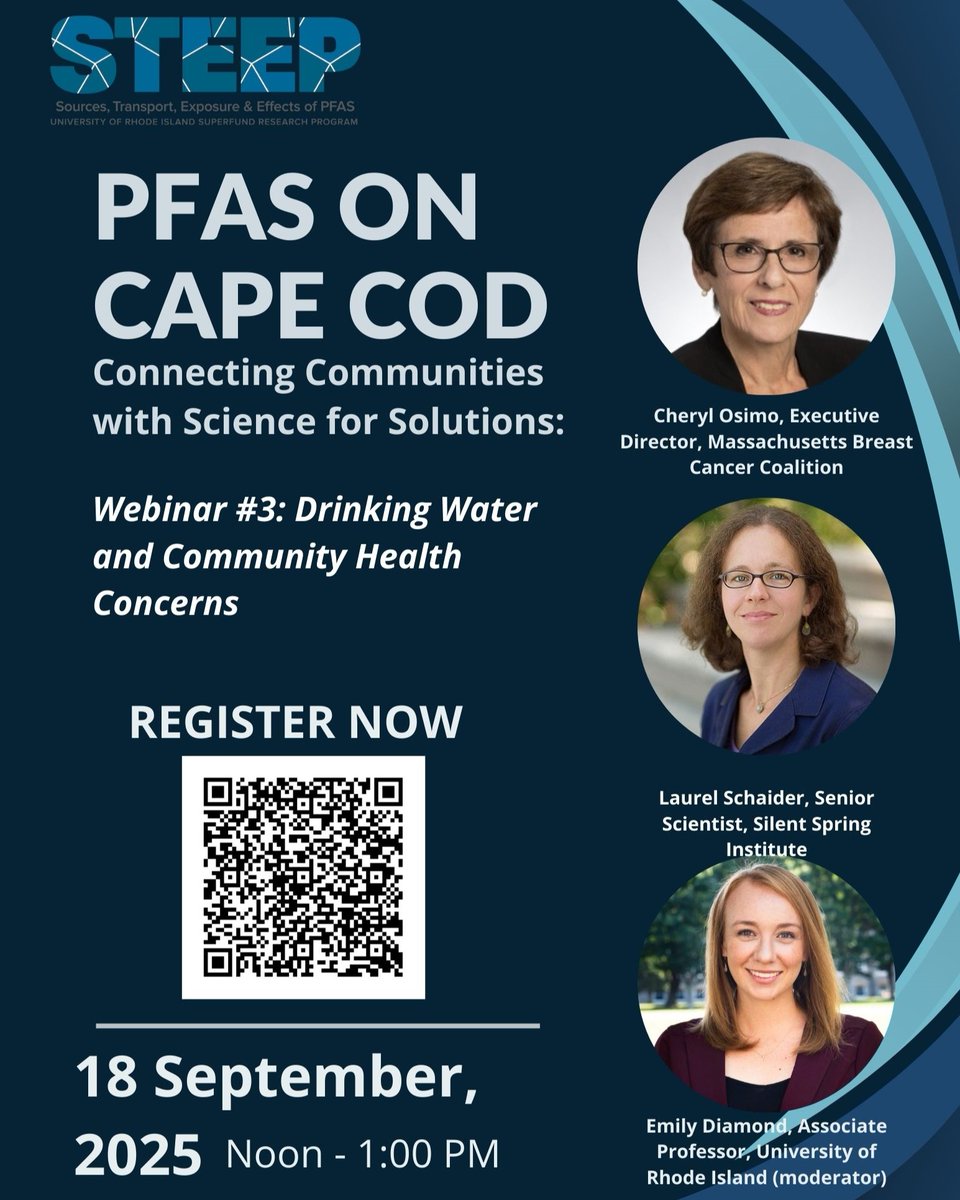
Laurel Schaider, senior scientist at the Silent Spring Institute in Massachusetts, studies the spread of PFAS chemicals in the drinking water and their effects on human health. She discussed ways that people can take steps to reduce exposure to PFAS in their daily lives.
“There are some things that we can do, such as avoiding buying Teflon-coated pans, skipping stain resistant or waterproof items where they're not needed,” she told Horizons host William Brangham.
Schaider noted that, while formulations of food packaging have changed, her past advice has been to avoid microwave popcorn and other types of grease-proof food packaging which might contain PFAS.
“People are surprised to learn that Glide dental floss is made of Teflon," she said. "There are cosmetics with PFAS."
But there is a challenge, Schaider said, because the products don’t include labels that disclose if they contain these chemicals.
Horizons from PBS News, dives into the science, health, technology and environmental issues making headlines each week. Visit the PBS News website to watch this week's episode.
10
214
548
17,215
Silent Spring Inst retweeted

4 Dec 2025
A major Roundup safety paper relied on by regulators worldwide has been pulled after the journal found "serious ethical concerns" and undisclosed corporate involvement.
thenewlede.org/2025/12/citin…
1
11
14
371
Silent Spring Inst retweeted

BREAKING: Incredible work by USRTK and a perfect example of why industry conflict of interest needs to stay out of science.
usrtk.org/pesticides/landmar…
9
16
928
Silent Spring Inst retweeted

12/8/25 at 12pm PST, don't miss "Evaluating the Impacts of the Environment on Pediatric Cancer Risk and Survivorship" w/ Dr. Michael Scheurer, of Emory University School of Medicine: us02web.zoom.us/webinar/regi…

2
1
72
4 Dec 2025
"The study was the quintessential example of how companies like Monsanto could fundamentally undermine the peer-review process through ghostwriting, cherry-picking unpublished studies, and biased interpretations.
thenewlede.org/2025/12/citin…
1
1
38
4 Dec 2025
"Faced with undisputed evidence concerning how this study was manufactured and then used, for over two decades, to protect glyphosate sales, the Editor-in-Chief … did the right thing.”
1
29
27 Oct 2025
New study on hazardous exposures in the workplace offers clues as to why some groups of immigrants experience higher rates of #breastcancer after moving to the United States. Study led by Silent Spring with @UCBerkeley and @UCSF silentspring.org/news/common…
1
53
Silent Spring Inst retweeted

22 Oct 2025
Grateful for Dr @laurelschaider at @SilentSpringIns for giving a brief update on the status of the two Pease PFAS Health Studies at the City of Portsmouth Safe Water Advisory Group meeting on 10/7/25. You can watch her update here: m.youtube.com/watch?t=1972s&…
2
2
309
9 Oct 2025
Well said. "A good pan is like a trusted friend: It improves with time, instead of slowly poisoning you." nytimes.com/2025/10/08/opini…
2
60
7 Oct 2025
Could our canine companions be the ideal environmental health sentinels?
nytimes.com/2025/10/07/scien…
70
25 Sep 2025
Great article by Liza Gross about a new EWG study showing just how much people are exposed to pesticides from eating produce. insideclimatenews.org/news/2…
1
1
55
25 Sep 2025
And a good reminder that buying organic when you can has broad benefits. As Silent Spring's Dr. Jennifer Kay put it: "Buying organic produce helps push markets and food producers to invest more in organic farming...
1
1
46
25 Sep 2025
That, in turn, protects farmworkers from being exposed to high levels of toxic chemicals in their jobs, and it reduces the amount of pesticides that end up in our food, drinking water and environment.”
43
Silent Spring Inst retweeted

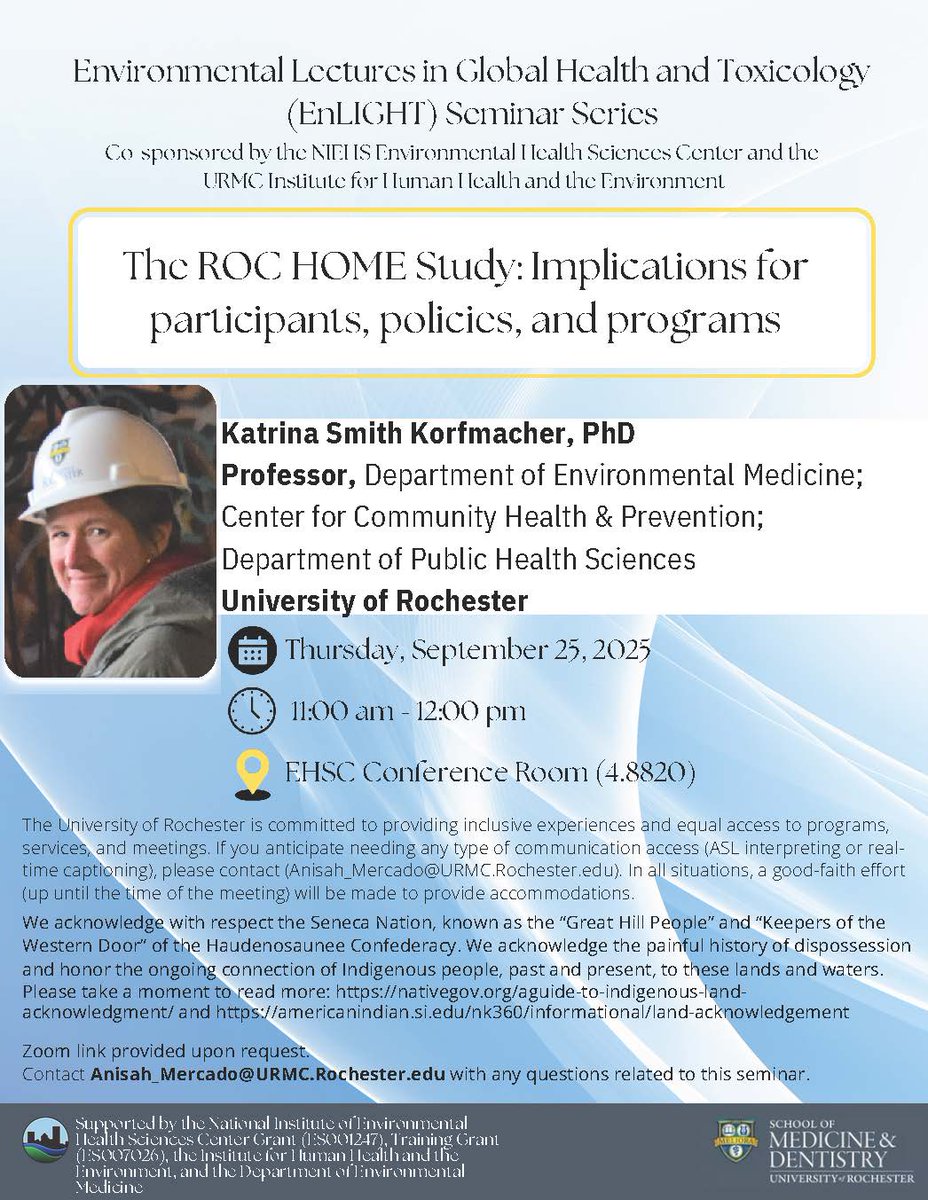
Join us on Thursday 9/25 for a seminar presented by our very own Dr. Katrina Korfmacher! 📢
“The ROC HOME Study: Implications for participants, policies, and programs”
The ROC HOME study was a collaboration with @SilentSpringIns that investigated contaminants (lead, allergens, and other environmental chemicals) in household dust in Rochester homes.
urmc.rochester.edu/environme…
#URochesterResearch
1
1
79
8 Sep 2025
Read @NickKristof's latest on why we can't wait for absolute proof that a chemical causes disease. "We can’t expose children to paraquat in a lab, lock them up for 50 years and then compare their Parkinson’s rates to those of a control group." nytimes.com/2025/09/08/opini…
4
7
17
7,373
8 Sep 2025
"What we can do is weigh the many observational studies linking pesticide exposure and Parkinson’s... and also consider the evidence of a dose-response relationship in which higher exposures seem linked to more cases of Parkinson’s."
1
1
67
8 Sep 2025
"This accumulated evidence is sobering, if imperfect — and I think most of us would conclude that what’s important is not absolute proof but keeping our children safe."
1
53