
Joined April 2023
- Tweets 12,321
- Following 423
- Followers 6,378
- Likes 13,235
2,774 Photos and videos








Pinned Tweet

Mar 24
silo v3 is here.
your boy has been hinting at this for weeks. it’s finally live.
this fundamentally changes how lending works in DeFi.
let me show you why 🧵👇

Mar 24

Silo v3 is LIVE.
Silo introduces the safest lending markets in DeFi.
We rebuilt the core assumption behind lending: collateral does not need to be sold to keep markets solvent.
That shift puts lender protection first — and makes yield more durable.
Here’s how 👇
5
3
23
3,661
May 28
3 years live. core contracts never exploited.
isolated markets? check ✅
multiple audits? check ✅
immutable deployments? check ✅
two liquidation paths? check ✅
never fade Silo 🫡
May 28
In fact, Silo’s core contracts have never been exploited.
Operating since 2022 across multiple market cycles, Silo combines risk isolation with a strong security-first approach:
• Multiple audits by leading security firms
• Full formal verification coverage with @Certora
• Active @immunefi bug bounty
• Strong operational security practices
• Immutable core deployments, with only limited configurable parameters
4
1
7
986
May 26
gud thread. keep your risk yours.
silo v3 is live on @injective with yINJ/INJ 🫧
May 26

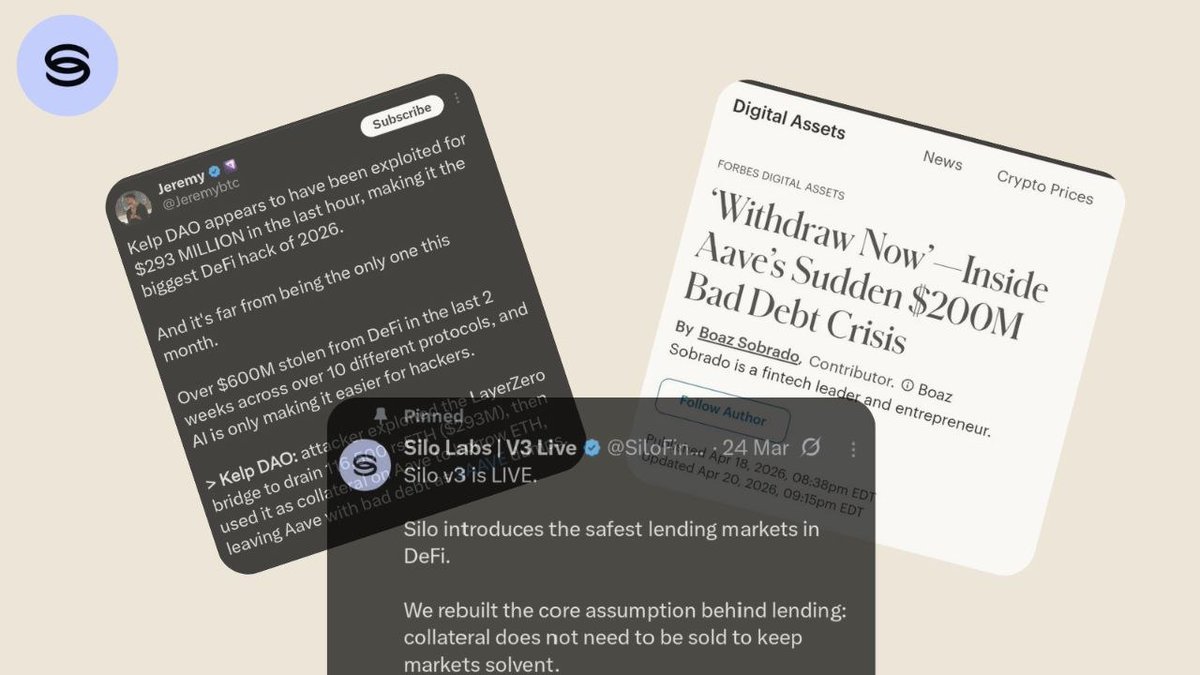
aave exposed a brutal truth last month:
in shared lending pools, your collateral is tied to a stranger's decisions
injective just got a protocol that keeps your risks, yours.
🧵
3
1
12
790
May 25
Why did USDe loops scale faster on Solana than MegaETH?
The answer is in lending market design.
@ethena partnered with @megaeth to help launch and scale USDm, and also recently expanded to @solana with partners like Paxos to scale USDG.
The strategy was very similar on both chains: subsidize USDm/USDG borrow rates to encourage USDe looping.
That loop created:
• More USDe mint demand for Ethena
• More USDm/USDG borrow demand
• More lending TVL and ecosystem liquidity
Here's what was happening inside the USDe loop:
• Buy USDe, which yields ~4%
• Deposit as collateral
• Borrow USDm/USDG at 2.5–3%
• Sell borrowed stablecoin for more USDe
• Repeat near max LTV
At max leverage (~8–9x), users pushed the strategy toward ~18–20% APY.
But the loop's success depended on one variable: borrow-rate predictability.
▶️ What happened on Solana?
On Solana, Kamino/Jupiter kept USDG borrow costs capped around ~2.5%.
Users knew: even near 100% utilization, borrow costs would likely stay below USDe yield (4%).
So users sized aggressively near max LTV.
▶️ What happened on MegaETH?
On MegaETH, the same trade ran through Aave using USDm.
But Aave's USDm borrow rate isn't capped below USDe yield.
As utilization rises, borrow costs can theoretically push toward ~14%, well above the 4% USDe yield.
▶️ Why capped borrow rates matter?
Even if the strategy is profitable today, users know there's a scenario where the loop can turn negative quickly.
For loopers, the max possible borrow rate matters as much as the current one.
At high leverage, even small rate spikes can delete weeks of accumulated yield.
That uncertainty changes behaviour.
Despite MegaETH launching earlier and offering heavy incentives, Solana's USDe supply expanded faster and bigger.
~570M on Solana vs ~430M on MegaETH.
▶️ Introducing Silo for looping
Silo v3 enables isolated lending markets with predictable, bounded interest rates designed for sustainable looped strategies.
Borrowers are protected from runaway interest rate spikes, while admins retain the ability to adjust rates over time without forcing users to close positions or migrate to new markets.
This creates a more stable borrowing experience and allows markets to continuously rebalance incentives between lenders and borrowers as conditions evolve.
Silo v3 gives borrowers predictable, sustainable leverage without the risk of sudden interest rate spikes, ensuring predictable looped strategies.
Yield attracts leverage. Borrow-rate certainty scales it.
-
Borrow rates are variable. Higher leverage means smaller room for error. Review market parameters before opening a position. NFA.
2
8
3,929
May 15
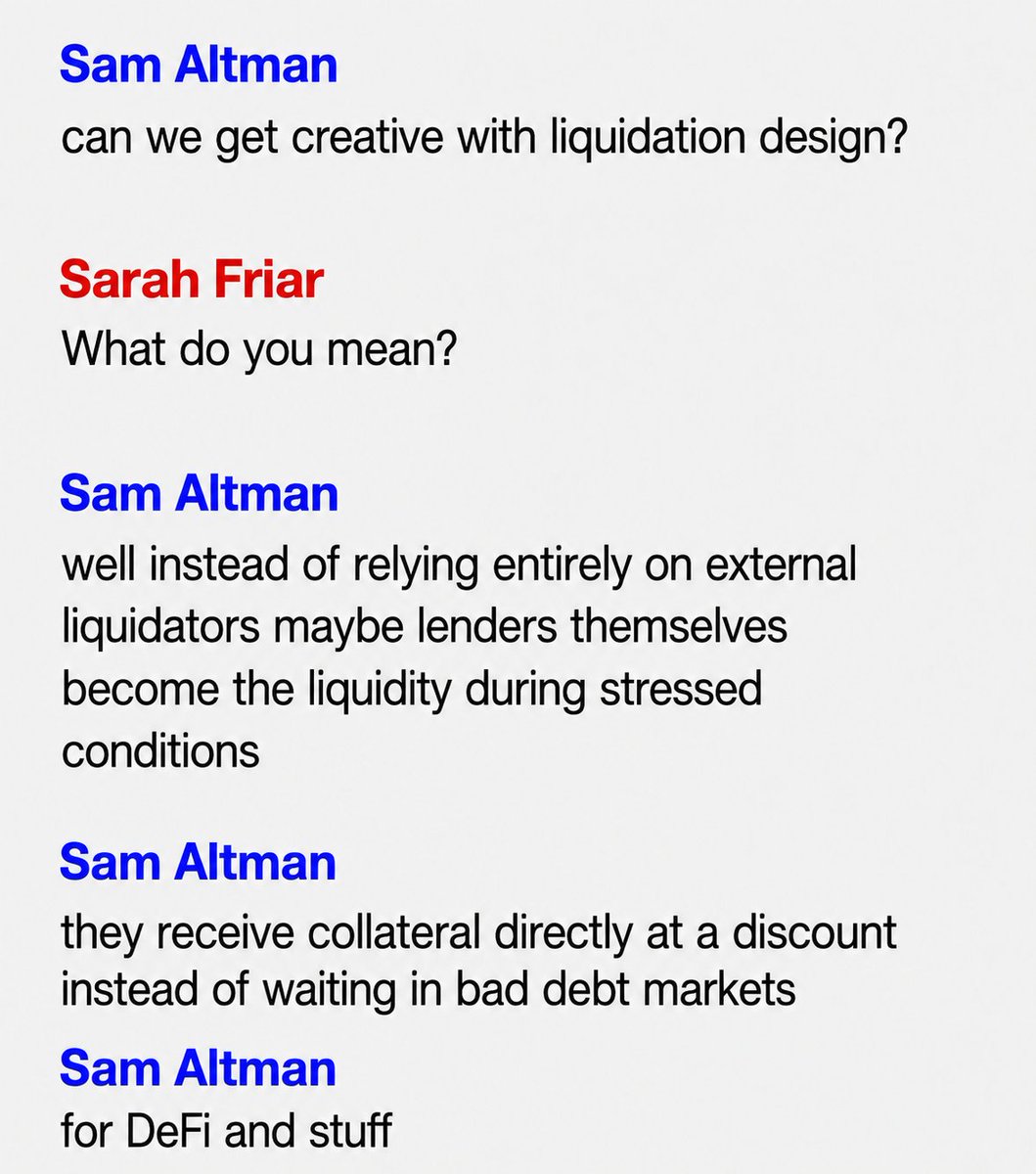
1) what
@sama is one of us
May 15

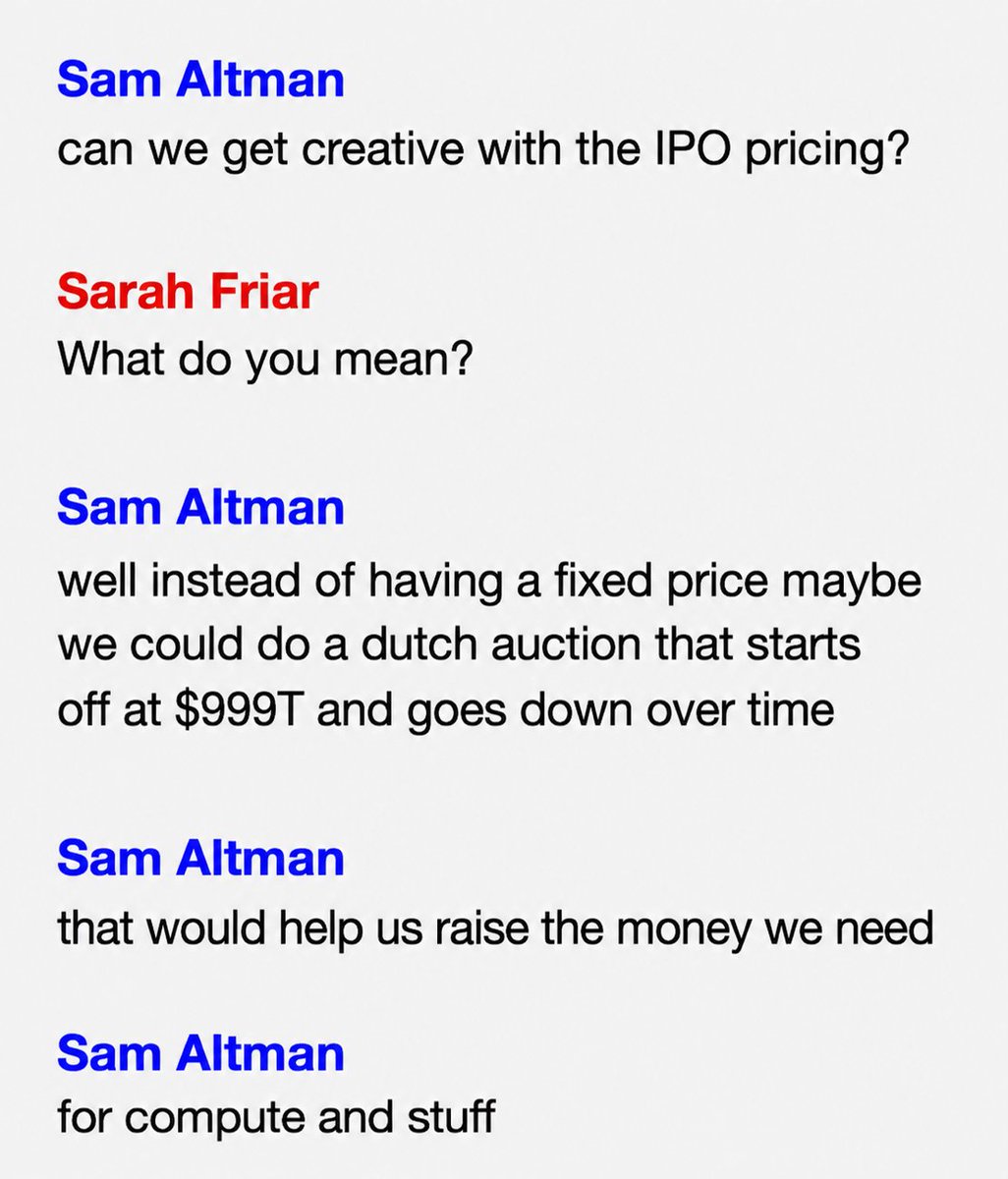
[ DOOMER ]
SAM ALTMAN TEXTS OPENAI CFO SARAH FRIAR ABOUT IPO AT $999T: TECHEMAILS
Community note
The screenshot of texts between Sam Altman and Sarah Friar is fabricated and does not appear in techemails.com's archive of OpenAI emails. OpenAI's valuation is $852B, not $999T. files.techemails.com/openai-emails openai.com/index/accelera…
3
870
May 13
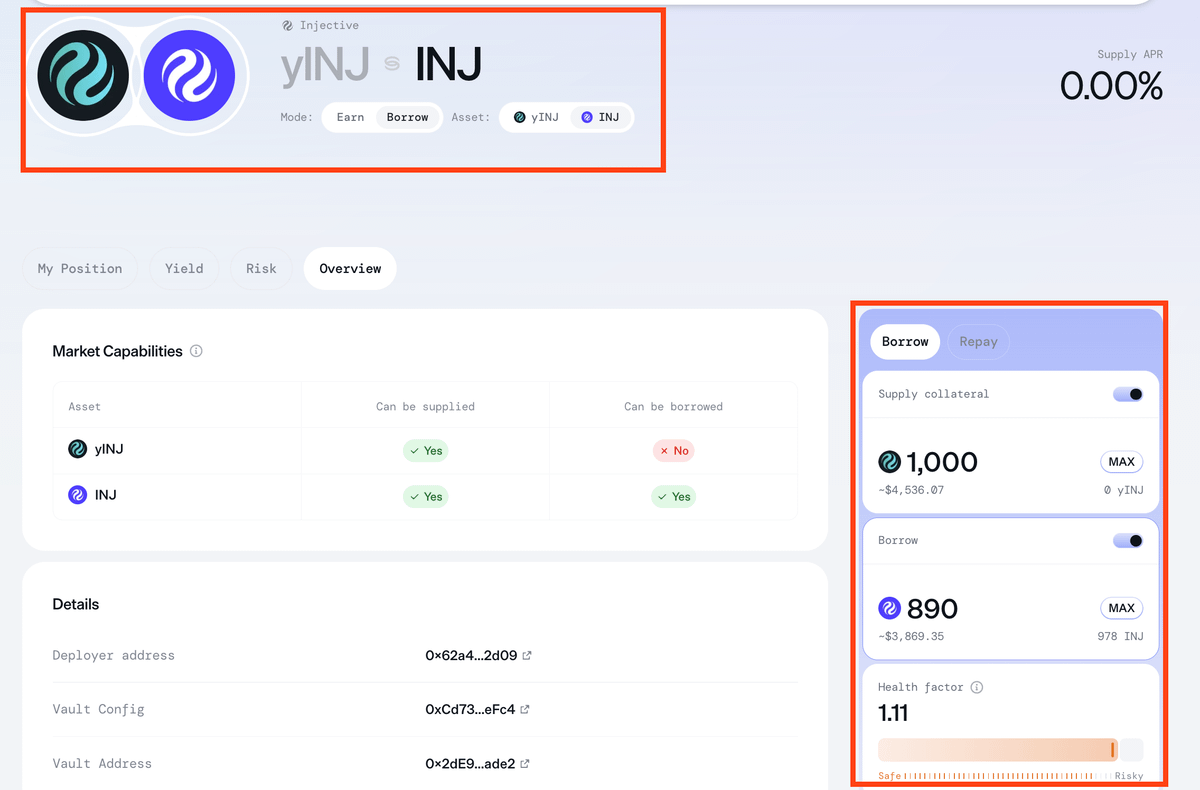
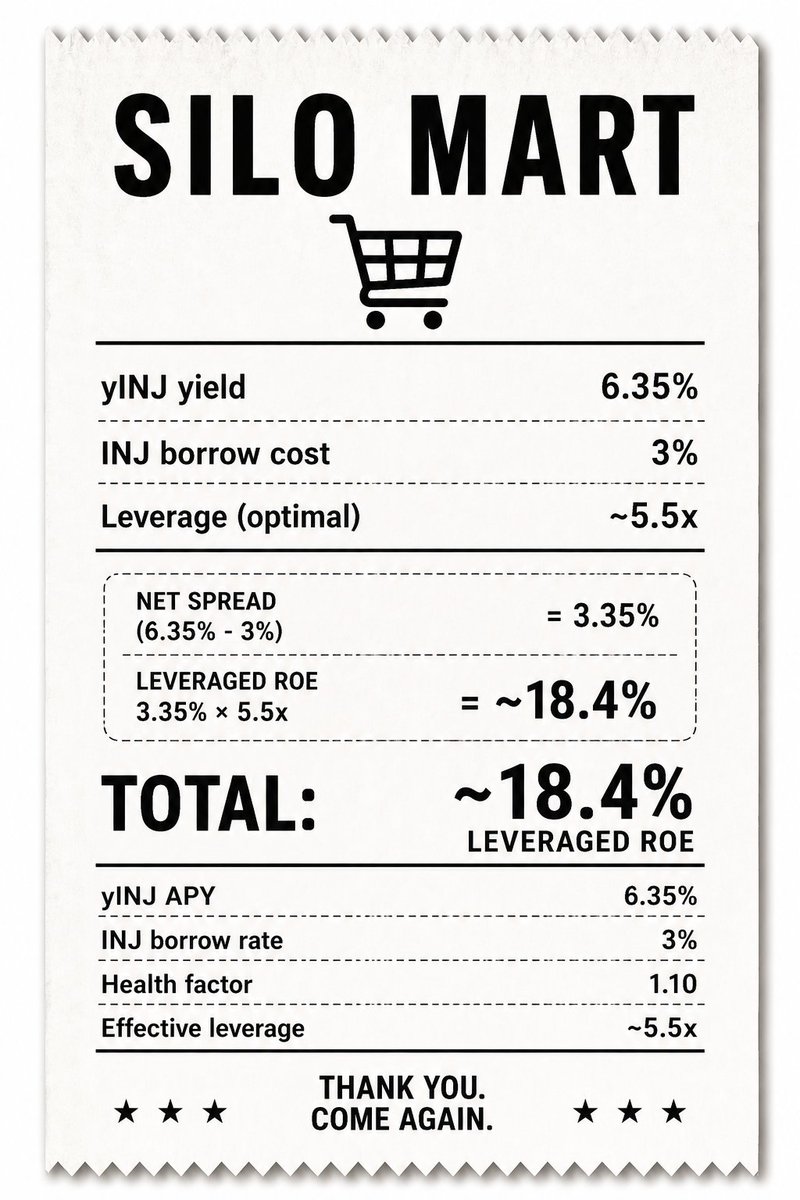
Gmoewww yield enjoyerrrrs, back again to shill some farming opportunities currently live on Silo 👨🌾
Earn ~18% APY from looping yINJ/INJ
Earn nearly 10% yield on USDC deposits via Silo Vaults on Mainnet
Earn 4% APY on USDC on @XDCNetwork, curated by @nine_summits
park idle capital, farm yields, touch grass, repeat
market links below 👇
(pic unrelated)
4
1
20
1,019
May 13
1. yINJ/INJ stat breakdown thread
2. app.silo.finance/vaults/ethe…
3. app.silo.finance/vaults/xdc-…
May 11

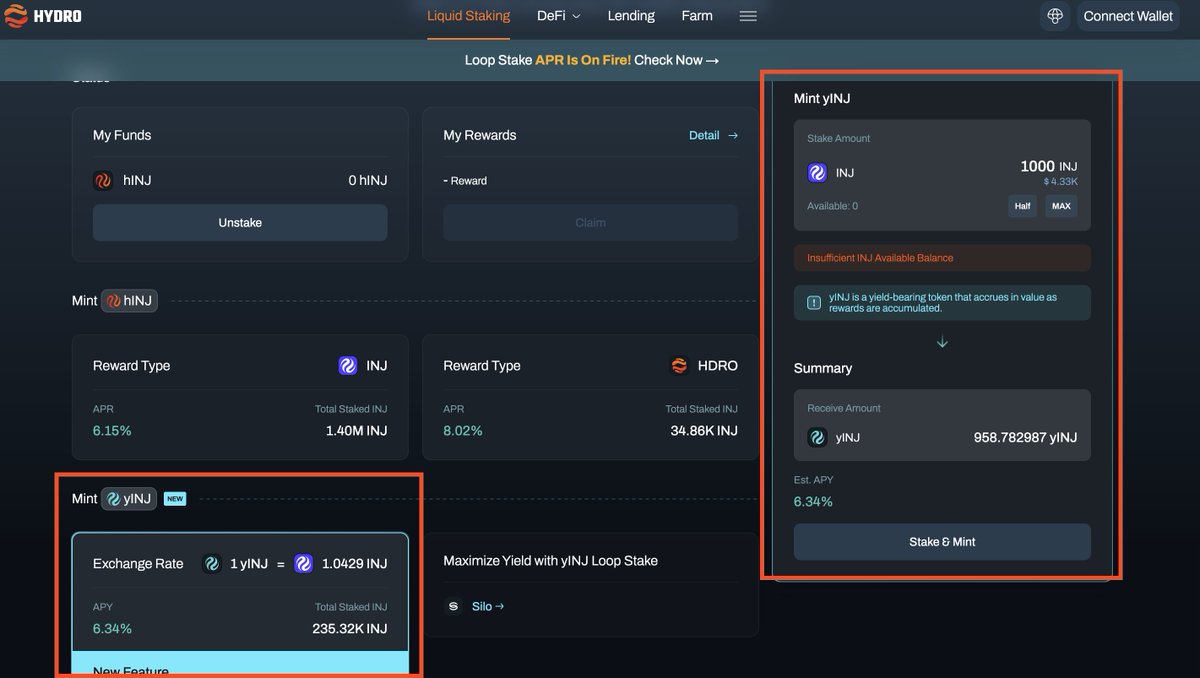
Alert: New loop found ⚡
Earn ~18% APY on your $INJ using leverage looping.
Step-by-step guide below so even your grandma can follow it 👇
1
336
May 11
Alert: New loop found ⚡
Earn ~18% APY on your $INJ using leverage looping.
Step-by-step guide below so even your grandma can follow it 👇
1
1
7
1,950
May 11
7/ Where people get cooked
They loop too aggressively chasing “maximum APY”
Then:
• borrow rates spike
• INJ volatility increases
• health factor drops
• liquidators arrive
Higher leverage = smaller room for error.
If you’re new to looping, keep your health factor around 1.20–1.25 for a larger liquidation buffer.
Aggressive loopers should constantly monitor borrow rates, volatility, and the asset peg.
1
1
243
May 11
10/ Important notes
Borrow rates are variable.
Available borrow liquidity is limited.
Leverage amplifies both gains and losses.
1
128
May 8
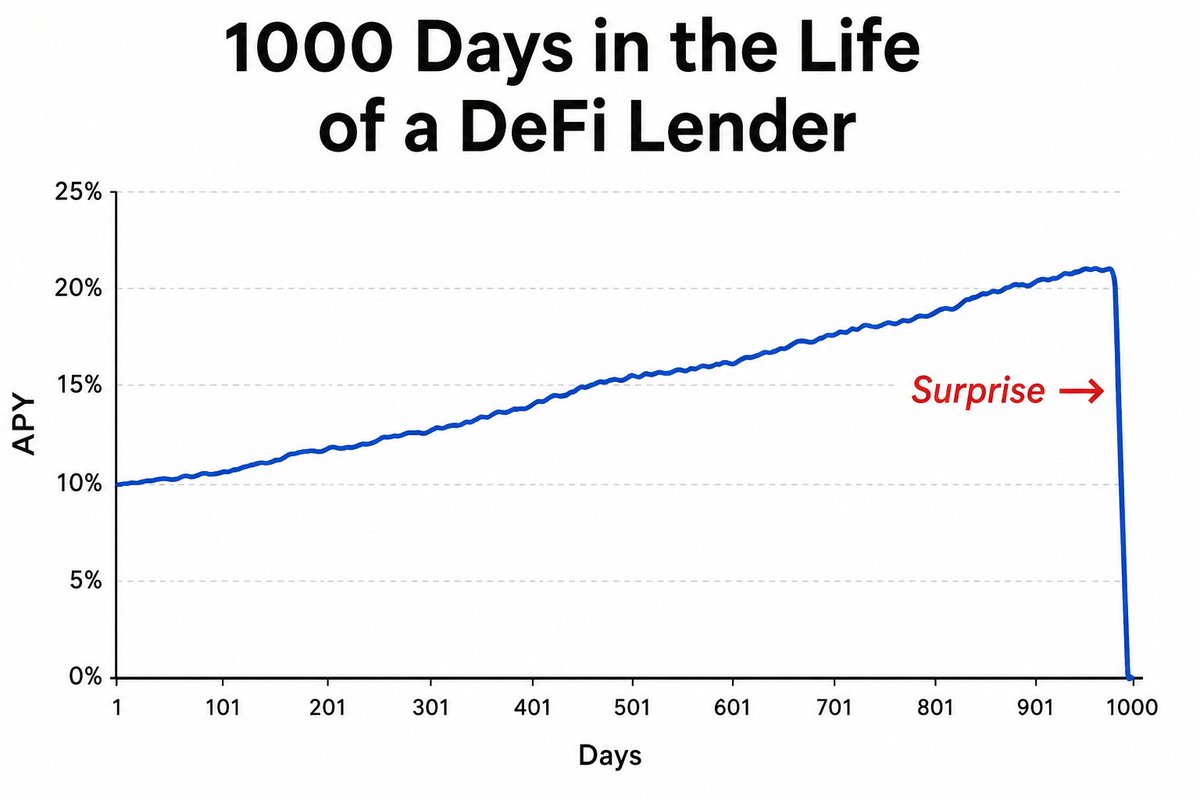
the biggest hidden assumptions in DeFi lending:
“liquidators will always show up”
“risk managers never fail”
entire protocols are built on these assumptions
this creates hidden tail risk for lenders across DeFi
read how Silo v3 changes the fallback architecture 👇
1/ Most DeFi lending offers capped upside with hidden tail risk
You earn small yield when things go well, but can lose heavily when liquidations fail.
That’s not just “market risk.”
It’s how most lending protocols are designed.
1
3
362
May 6
Friendly reminder that RedStone price feeds are being discontinued on Sonic, effective May 10th.
Impacted markets:
1️⃣ stS/S (ID 3) — v2.silo.finance/markets/soni…
2️⃣ stS/S (ID 28) — v2.silo.finance/markets/soni…
3️⃣ stS/USDC (ID 36) — v2.silo.finance/markets/soni…
Required action:
1️⃣ Borrowers — close positions to retain access to your collateral
2️⃣ Lenders — withdraw funds before the feeds go offline
3️⃣ Please act before May 10th.
4
381

Apr 30
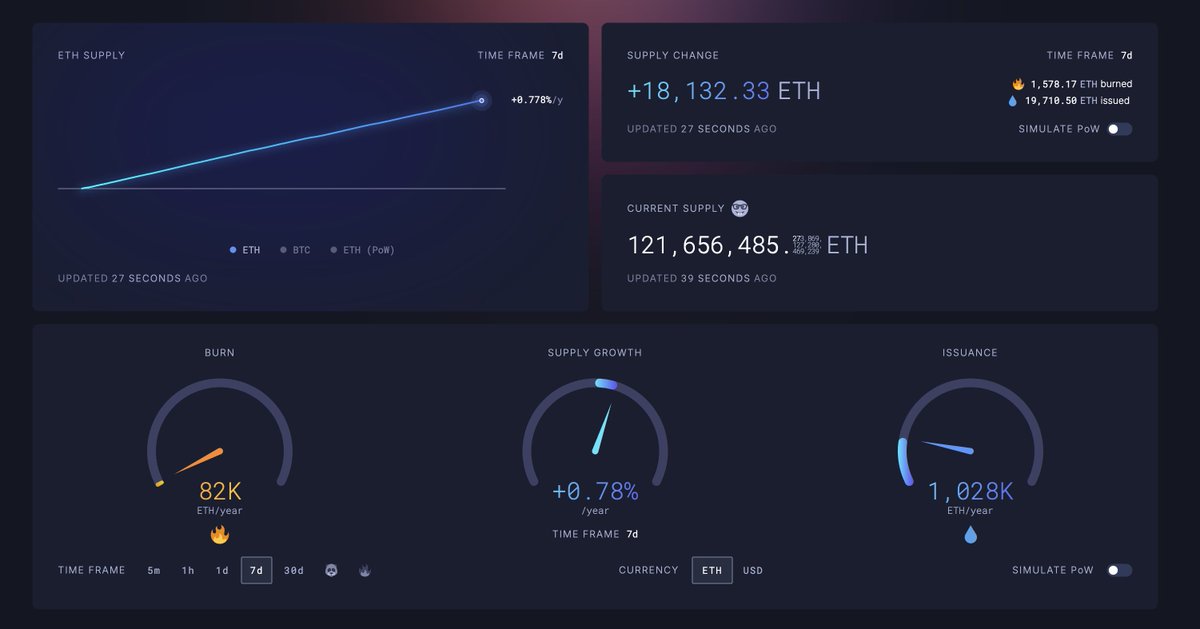
eth burn rate is ~82k eth/year
That's $184,500,000M USD a year
Who doesn't love ETH's deflationary tokenomics?
2
5
462