
PhD student in the labs of Hermona Soreq & Mor Nitzan
Joined December 2018
- Tweets 91
- Following 213
- Followers 86
- Likes 316
Photos and videos
Pinned Tweet

Apr 10
🧵1/9 How do we extract signal-specific information from single-cell data? In our new #CellSystems paper, we introduce bioIB - a method for signal-aware, biologically interpretable compression. With @zoe_piran, Amit Alper, Adi Yefroimsky, Hermona Soreq, supervised by @mor_nitzan
2
3
17
4,584
Sima Dubnov retweeted

1/7
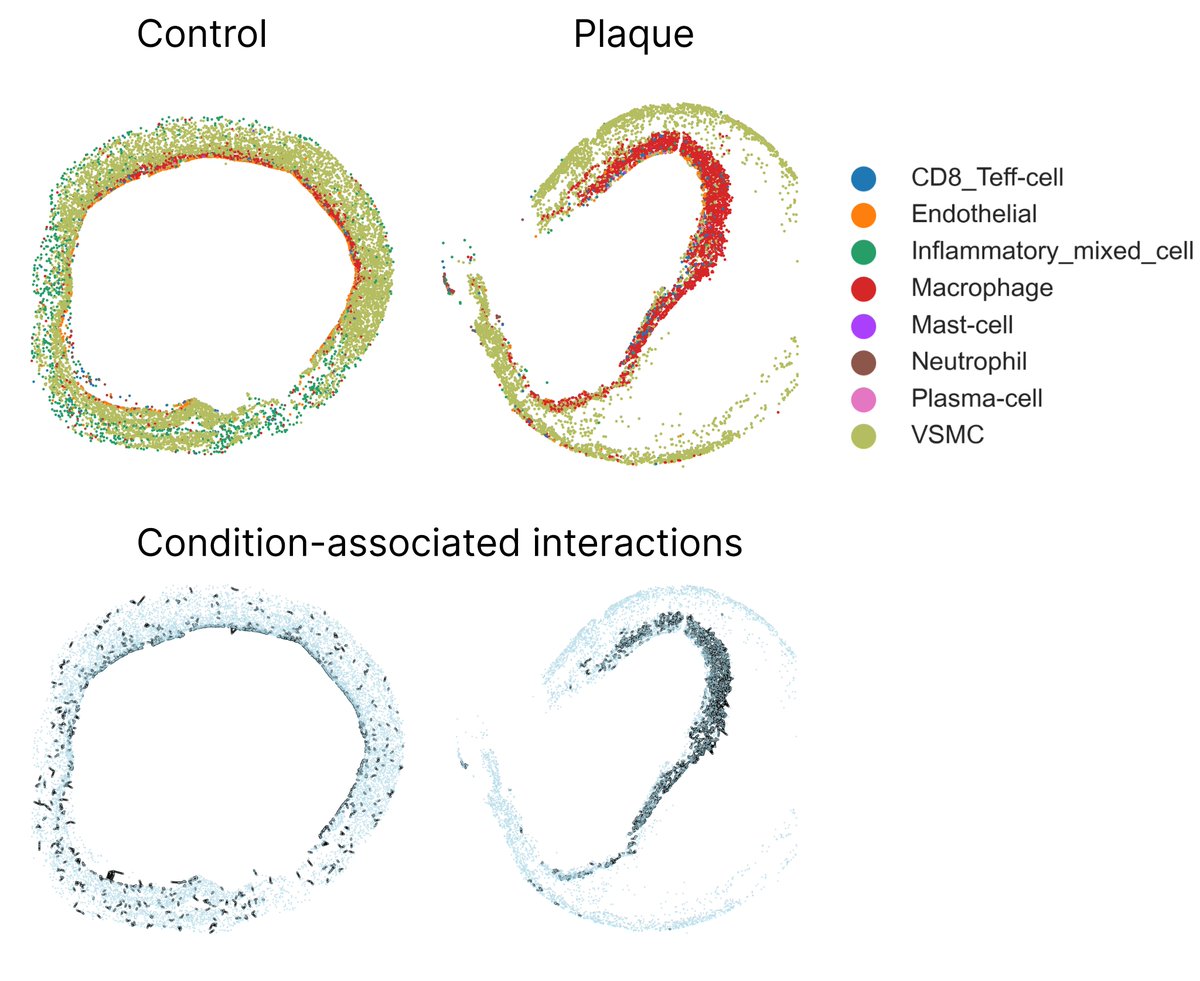
How are cells spatially reorganized between conditions in tissues?
Introducing CASEI: a method for inferring condition-associated spatial phenotypes in spatial omics data.
w/ Roy Friedman (friedmanroy.github.io/) & @mor_nitzan
biorxiv.org/content/10.64898…
1
7
33
3,069
Apr 10
🧵1/9 How do we extract signal-specific information from single-cell data? In our new #CellSystems paper, we introduce bioIB - a method for signal-aware, biologically interpretable compression. With @zoe_piran, Amit Alper, Adi Yefroimsky, Hermona Soreq, supervised by @mor_nitzan
2
3
17
4,584
Apr 10
8/9
We further demonstrate bioIB in epithelial-to-mesenchymal transition and immune development, uncovering signal-specific gene programs and transitions.
1
96
Apr 10
9/9
Check it out!
Paper ➡️ cell.com/cell-systems/abstra…
Tutorials ➡️ github.com/nitzanlab/bioIB
1
1
115
Sima Dubnov retweeted

15 Jun 2025
מכון ויצמן
התקבל בוואצאפ, אתן קרדיט אם יהיה
27
85
1,460
128,162
Sima Dubnov retweeted

15 Jun 2025
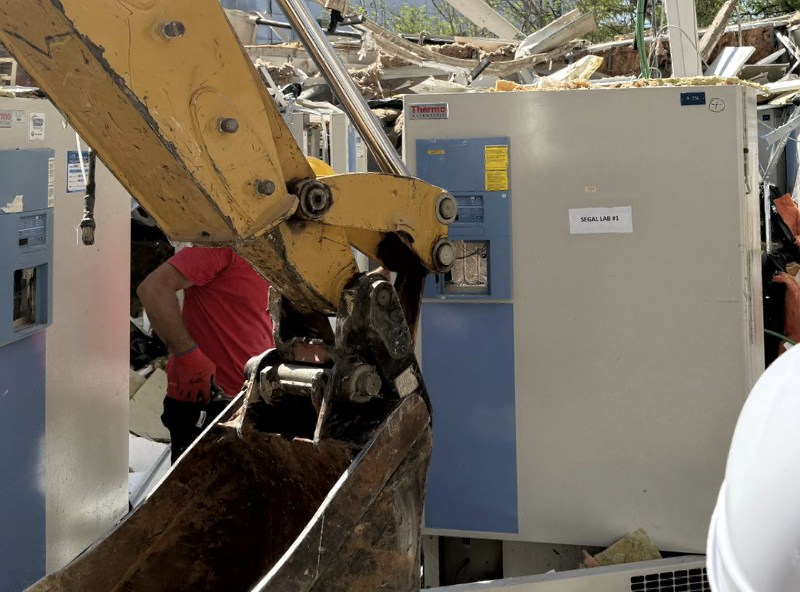
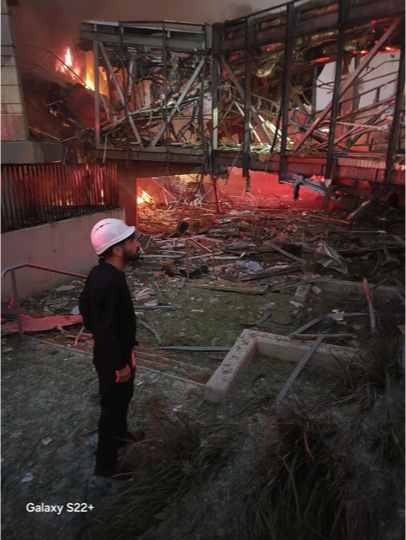
Our lab at the Weizmann Institute was hit tonight by Iran
We will rebuild and return 💪

477
618
7,562
474,864
23 May 2025
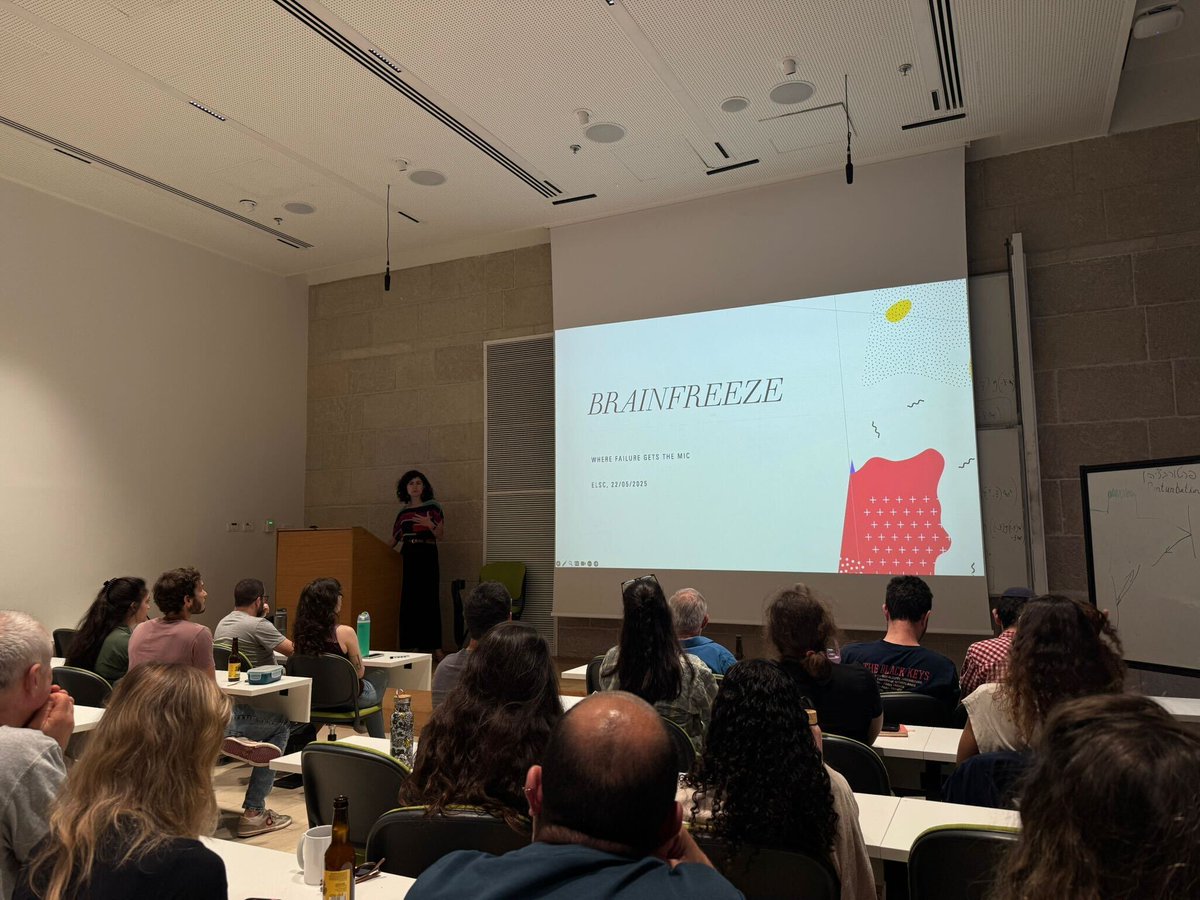
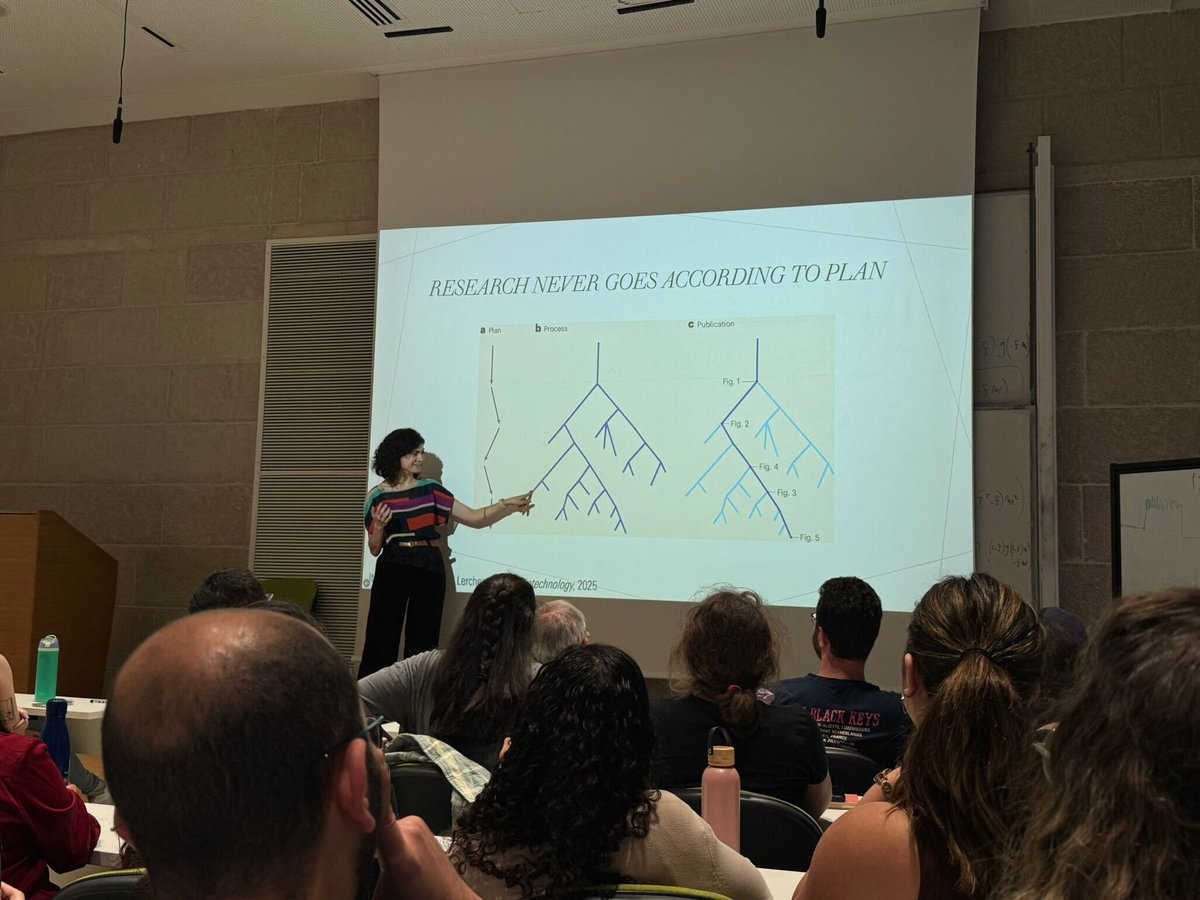
To succeed in science, we must learn to fail. Big discoveries often come from getting comfortable with failure — but no one teaches grad students how to do that. Why don’t we talk more about failure in science? It’s time we start. 🧵
1
1
4
112
23 May 2025
5/ Sharing what we don’t know is just as important as sharing our wins. It helps us beat frustration and opens the door to real discoveries.
Let’s make academia more honest—and more human—by talking about failure. Share your BrainFREEZE! 🧠❄️
1
1
45
23 May 2025
6/ P.S. BrainFREEZE was inspired by the fantastic
@nightsciencepod. Can’t recommend it enough! 🎧
1
3
612
Sima Dubnov retweeted

21 Apr 2025
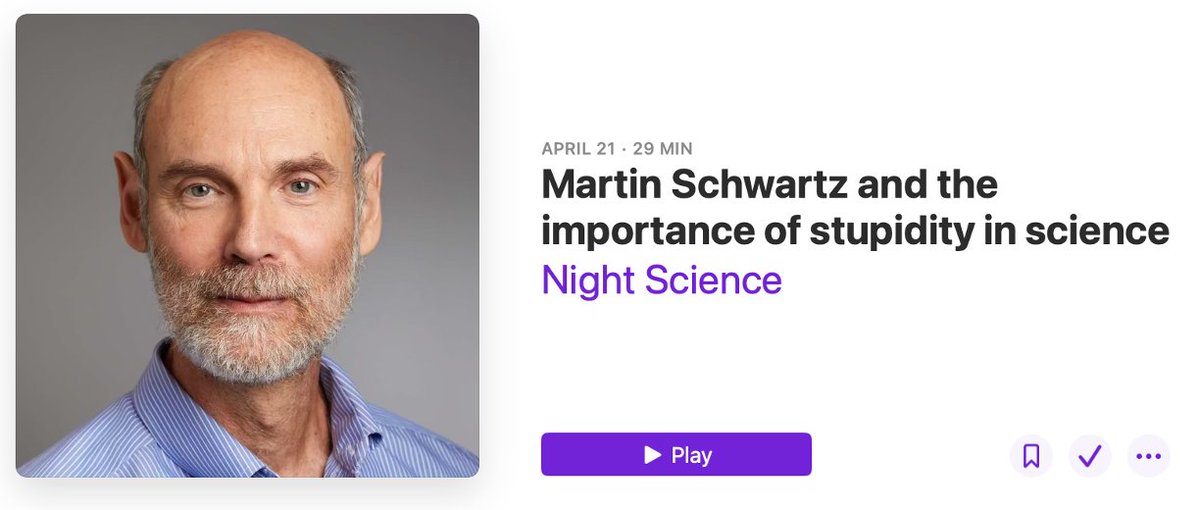
In today's episode of the Night Science Podcast we talk with Martin Schwartz from @Yale about the importance of stupidity in science: while learning science makes you feel smart, true scientific discovery often involves feeling stupid, because it means venturing into the unknown.

21 Apr 2025

New Night Science Podcast episode! Martin Schwartz from @Yale talks with us about the importance of stupidity in scientific research, how the ego can obstruct creativity, and how resilience, self-discovery, and the cultivation of "passionate indifference" – are key in science.
5
157
619
88,262