
Associate Prof. of Islam in South Asia and the Middle East @HebrewU // Author of "In a Pure Muslim Land" // Global Islam, Shi'ism, the Iranian Revolution
Joined May 2015
- Tweets 5,493
- Following 4,580
- Followers 4,976
- Likes 15,558
446 Photos and videos
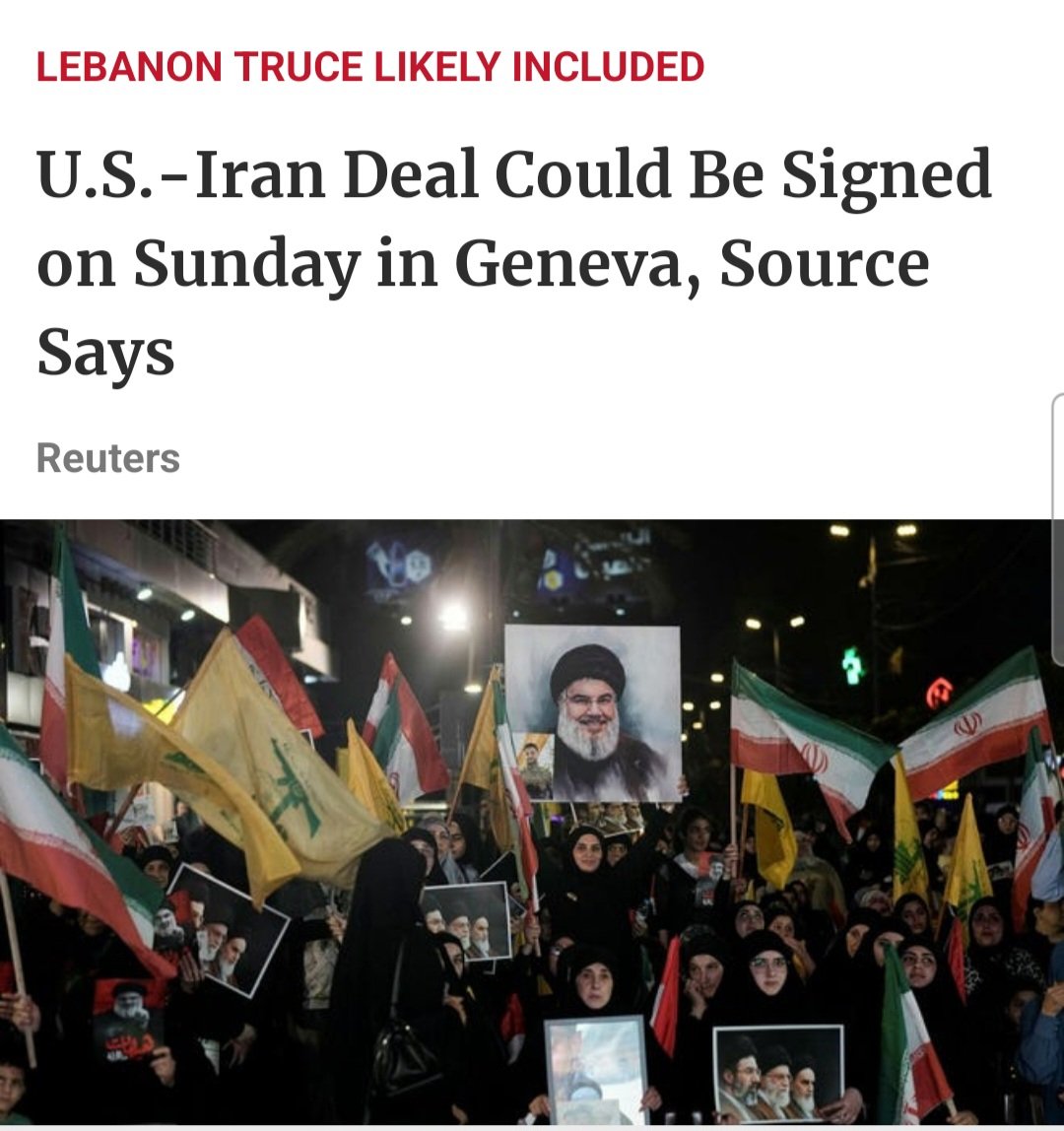

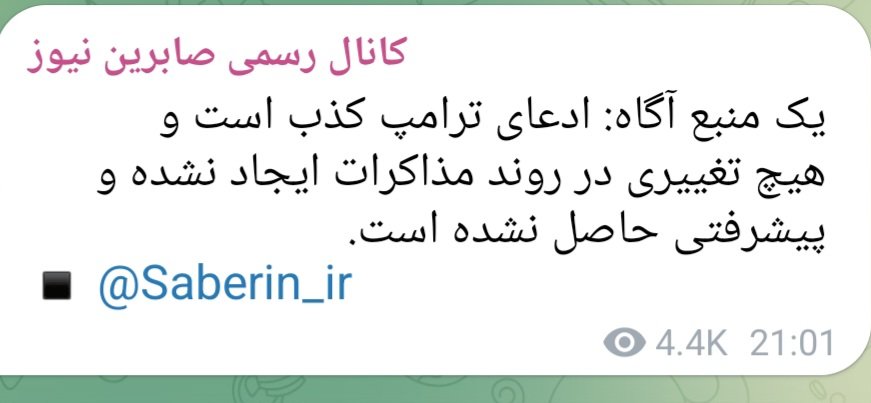
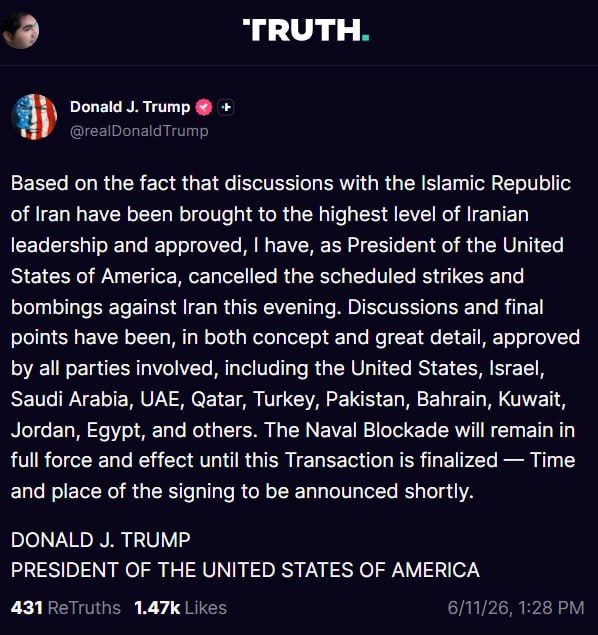
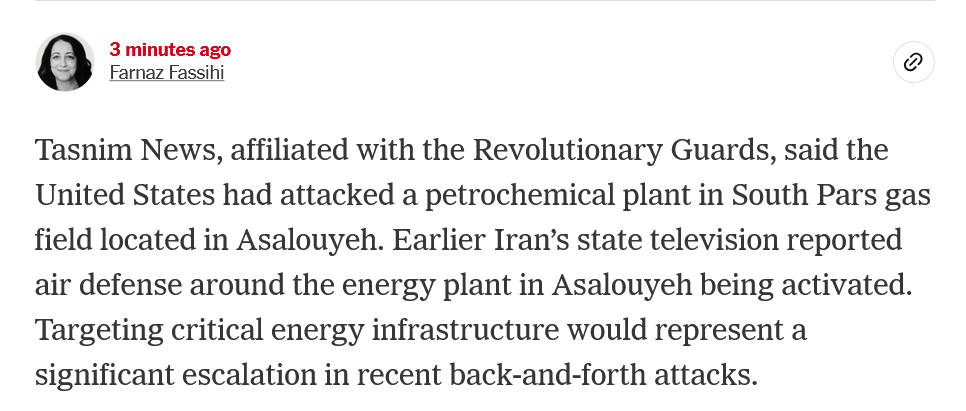
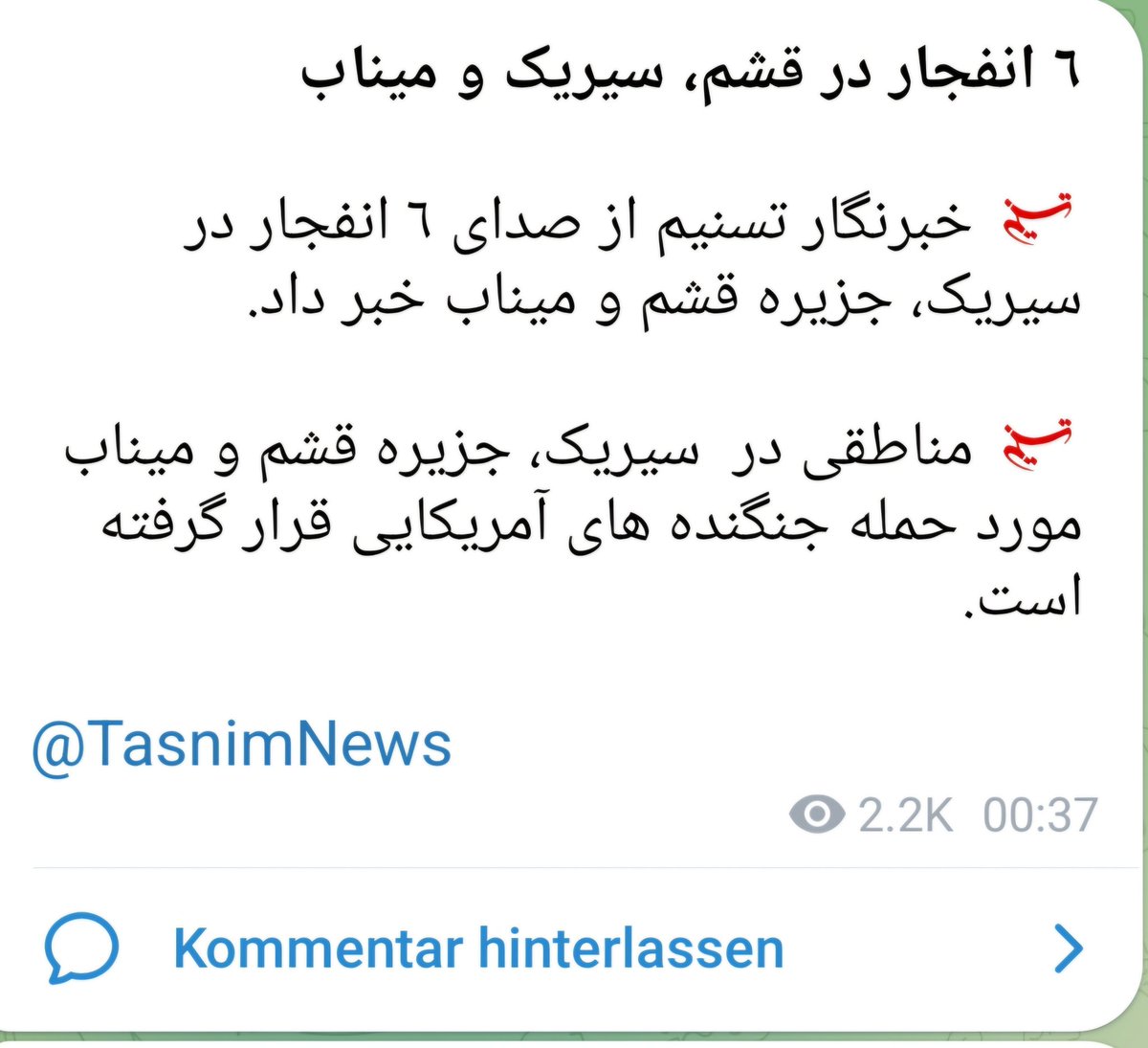
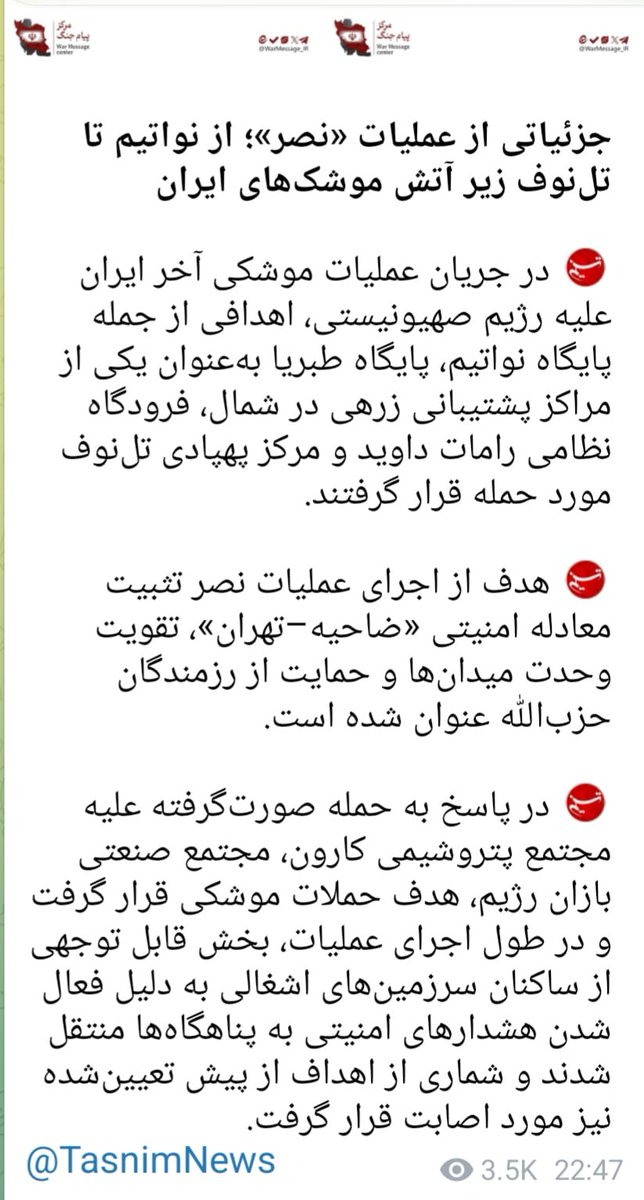
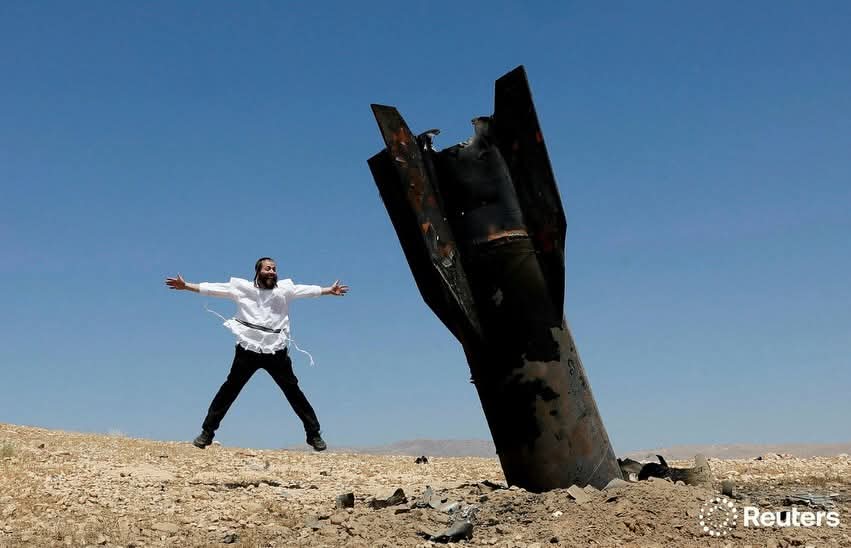
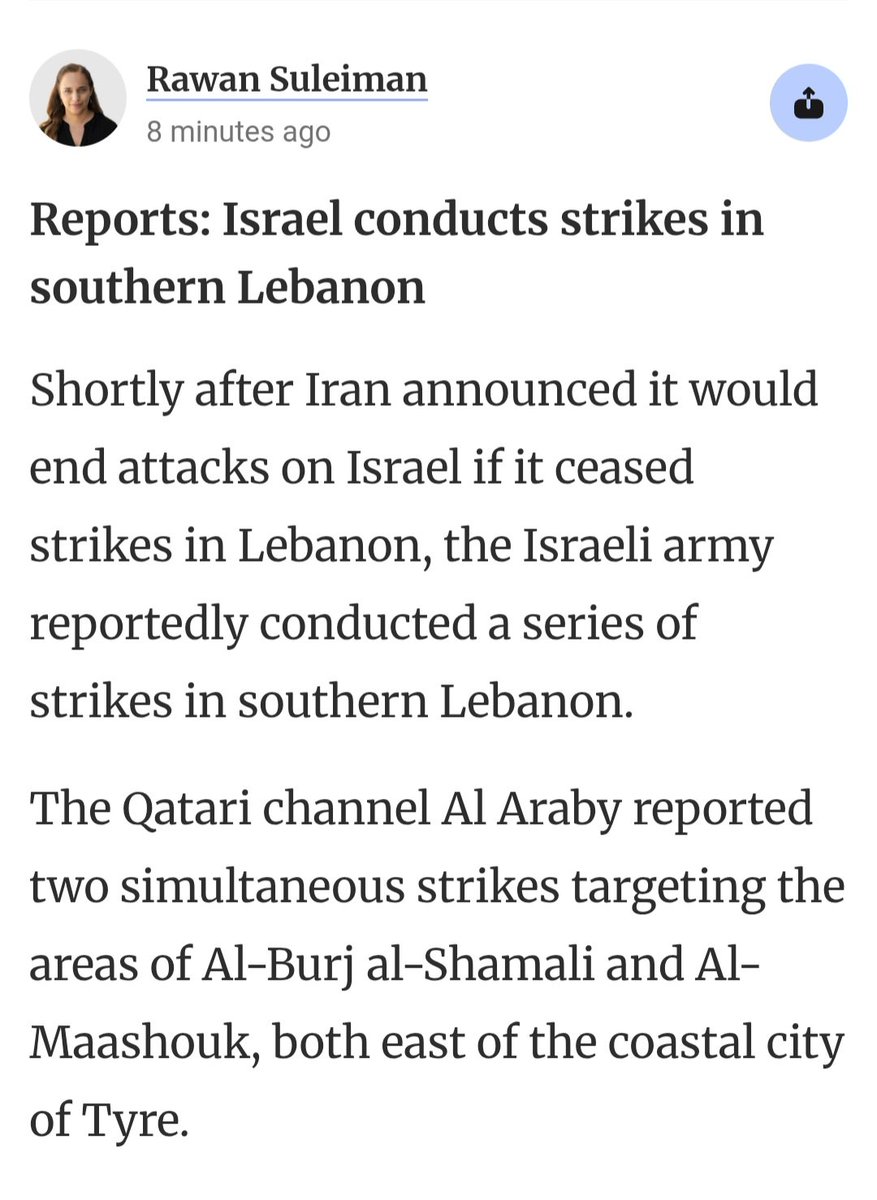

RT @AliVaez: Can you imagine if a senior Democratic official had said that?
7
Simon Wolfgang Fuchs retweeted

Ship traffic in the Strait of #Hormuz on 15 June till 11am UTC.
Based on @Kpler data, crossings still remaining limited while there are more than 500 commercial vessels that have given an AIS signal in the Persian Gulf during the last 24hrs.
Video via @MarineTraffic.
4
22
83
30,262
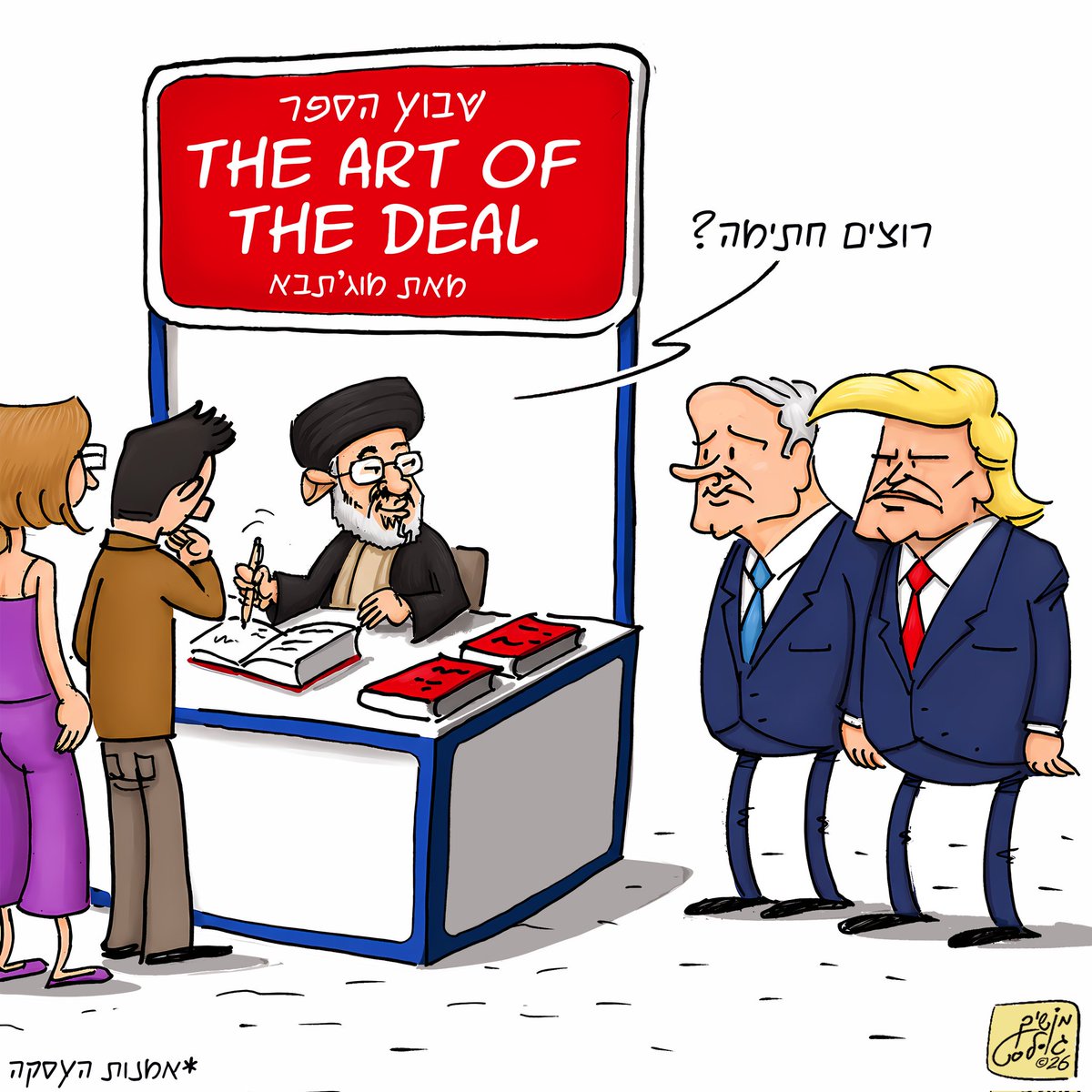
"Do you want an autograph?"

144
Simon Wolfgang Fuchs retweeted

I predict that from now on, Netanyahu will no longer boast about being Trumps/Americas best friend but instead boast about being the Israeli leader who knows when and how to say NO to the US, and this will also define a big part of the election campaign.
14
62
220
43,032
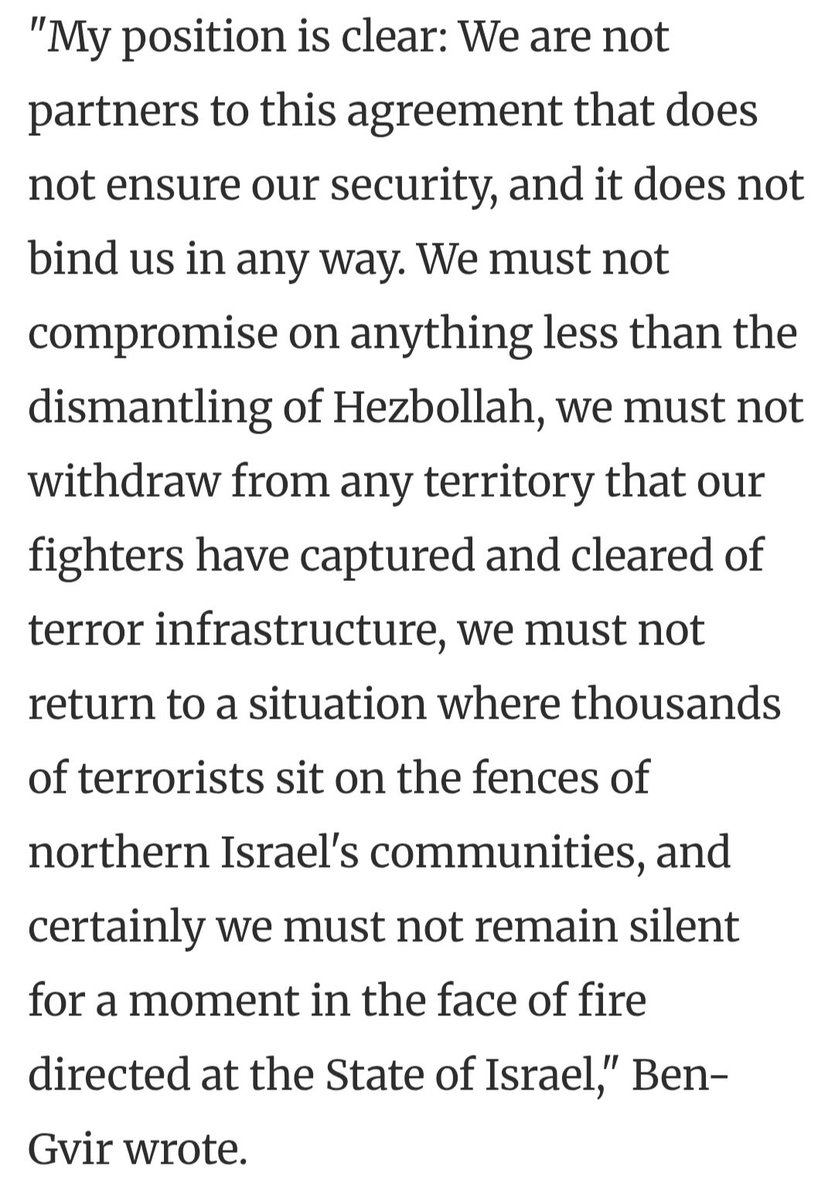
Ben Gvir does not seem to represent a minority opinion in Israel when he emphasizes that the country is not bound by the MoU and that every drone/rocket from Lebanon should be answered by striking Dahiyeh. Does not bode well until Friday.

ההסכם של טראמפ אינו מחייב אותנו. ישראל לא כפופה לארצות הברית ואנחנו מדינה עצמאית וריבונית!
חובתנו לאזרחי ישראל לחיילי צה״ל ולעם היהודי וחובתנו ההיסטורית לנרדפים ולנרצחים היהודים באלפי שנות גלות, להעניק ביטחון ליהודים בארץ ישראל.
בכל פעם שנכנענו ללחץ בינלאומי על חשבון ביטחון ישראל, שילמנו מחיר דמים בריבית. זה היה נכון בהסכמי אוסלו, זה היה נכון בהסכם בלבנון ב-2006, וזה היה נכון בכל תקופת ההכלה בעזה שהתפוצצה לנו בפנים.
נדגיש: אנחנו אוהבים את ארה״ב ואסירי תודה לנשיא טראמפ. ויחד עם זאת מדינת ישראל איננה רפובליקת בננות.
אני אומר את הדברים הללו לראש הממשלה כל הזמן, וחוזר עליה בחדרים הסגורים בכל צומת הכרעה היסטורית חשובה: ברגעים היסטוריים צריך לקבל החלטה היסטורית.
עמדתי ברורה: איננו שותפים להסכם הזה שאיננו דואג לבטחוננו, והוא איננו מחייב אותנו בשום צורה. אסור לנו להתפשר על פחות מפירוק החיזבאללה, אסור לנו לסגת מאף שטח שלוחמנו כבשו וטיהרו מתשתיות טרור, אסור לנו לחזור למצב בו אלפי מחבלים יושבים על גדרות יישובי הצפון, ובוודאי שאסור לנו לשתוק לרגע מול ירי לעבר מדינת ישראל.
עלינו להבהיר, כל שיגור של רחפן, כטב״מ או טיל לעבר ישראל מלבנון, יוביל לתקיפה של ישראל בדאחיה. זה היה מאזן ההרתעה רק לפני כמה חודשים ואסור לנו לוותר עליו בשום אופן.
ובעיקר עלינו להבהיר לכולם: עם ישראל הוא עם של 3,000 שנה, עם הנצח שלא מפחד מדרך ארוכה, יש לנו אמונה בבורא עולם, אנו עם חזק וגאה, שחזר לארץ מולדתו גאה וחזק, ולא מתכוון עוד להשפיל מבט מול אויבים. תמו הימים בהם היהודי ספג מכות והבליג. לעולם לא עוד!
2
7
598
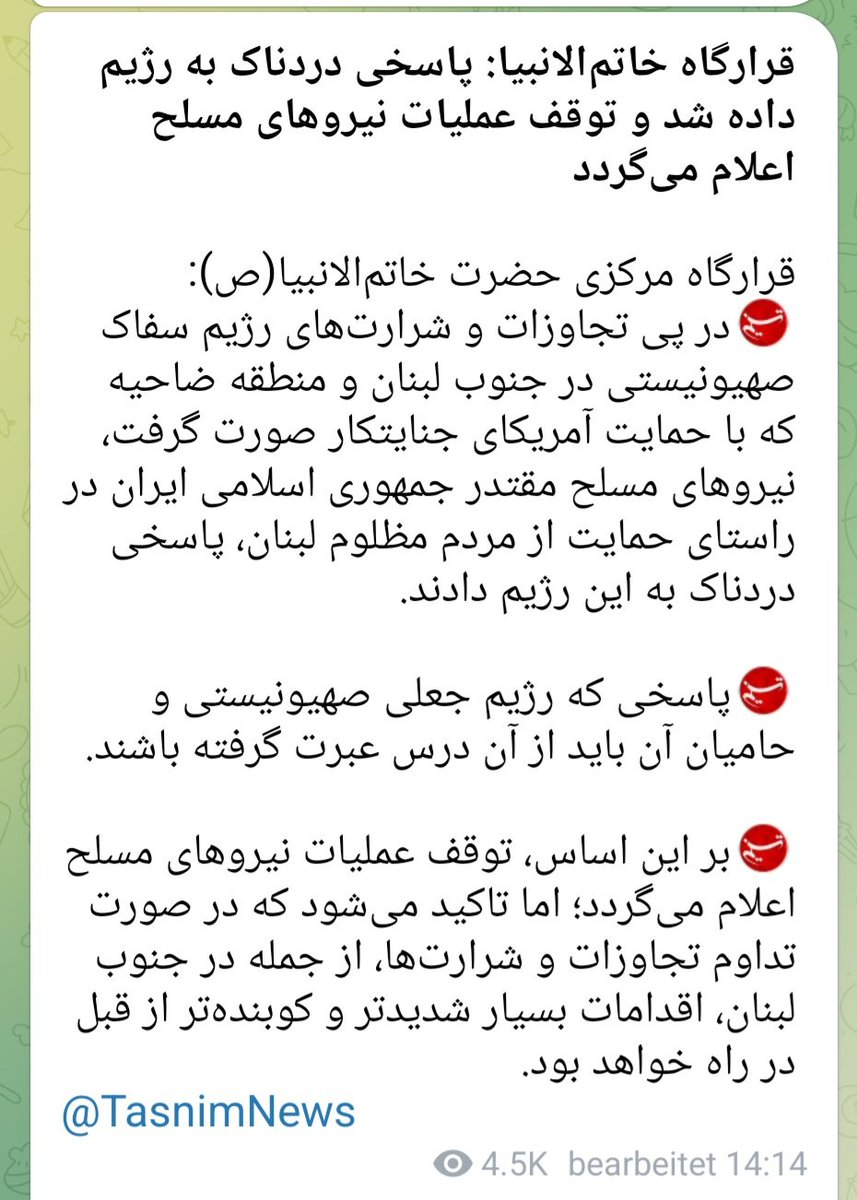
Iran, via Tasnim, only confirms that both fighting in Lebanon & the US naval blockade will immediately end. Nothing about no longer controlling Hormuz. Instead: The enemy has been defeated, Iran has won a big victory. Plus, the MoU has been written "in the principle of distrust".
1
1
1
312
Remind me, how did Hormuz look like on February 27?
1
4
299
What a relief after a tense evening. But until Friday is a long time, fighting was intense in Lebanon today, and we have not heard anything from Israel on this. Fingers crossed...
Jun 14

Following intensive talks, we are pleased to announce that the Peace Deal between the United States of America and Islamic Republic of Iran has been REACHED. Both sides have declared the immediate and permanent termination of military operations on all fronts, including in Lebanon.
The official signing ceremony will be on Friday, 19 June in Switzerland.
We would like to thank the United States of America and the Islamic Republic of Iran for their commitment to finding a diplomatic solution to the conflict. We would also like to extend our sincere appreciation to our brothers in this mediation effort, the great leadership of State of Qatar, for their support in reaching this agreement. I would also especially thank the visionary leadership of Kingdom of Saudi Arabia and Republic of Türkiye for their immense contributions in this regard.
With the agreement now in place, mediators will facilitate a series of meetings this week. These pre-implementation discussions will lay the foundation for the technical talks and the official signing ceremony.
@realDonaldTrump
@JDVance
@SecRubio
@SteveWitkoff
@SEPeaceMissions
@drpezeshkian
@mb_ghalibaf
@araghchi
6
10
2,803
Simon Wolfgang Fuchs retweeted

Jun 14
Following intensive talks, we are pleased to announce that the Peace Deal between the United States of America and Islamic Republic of Iran has been REACHED. Both sides have declared the immediate and permanent termination of military operations on all fronts, including in Lebanon.
The official signing ceremony will be on Friday, 19 June in Switzerland.
We would like to thank the United States of America and the Islamic Republic of Iran for their commitment to finding a diplomatic solution to the conflict. We would also like to extend our sincere appreciation to our brothers in this mediation effort, the great leadership of State of Qatar, for their support in reaching this agreement. I would also especially thank the visionary leadership of Kingdom of Saudi Arabia and Republic of Türkiye for their immense contributions in this regard.
With the agreement now in place, mediators will facilitate a series of meetings this week. These pre-implementation discussions will lay the foundation for the technical talks and the official signing ceremony.
@realDonaldTrump
@JDVance
@SecRubio
@SteveWitkoff
@SEPeaceMissions
@drpezeshkian
@mb_ghalibaf
@araghchi
6,154
15,766
55,075
11,680,892
Simon Wolfgang Fuchs retweeted

Jun 14
It is now Monday in Tehran.
On Saturday, they said not tomorrow for a deal. It’s no longer tomorrow.
23
41
434
88,837
Lots of speculation as to whether Israel's attack on Beirut backfired spectacularly, pushing Trump to "sweeten the deal" to prevent Iran from retaliating. Everything seems possible. Brings to mind the ill-fated Israeli attack on Qatar that paved the way for the Gaza agreement.
Jun 14

טרמפ "במאמץ אדיר" לסגור עיסקה;
גורמים הבקיאים בדרמה שמאחורי הקלעים: ההפצצה הישראלית בדאחייה בביירות השיגה את ההיפך ממה שנתניהו קיווה לו- האיצה את המו"מ שקרוב מאוד להבשלה
מאז התקיפה הישראלית בביירות היום והסכנה לקריסת המו"מ החלו מגעים קדחתניים, בהובלת קטאר, החל משעות הצהריים היום במאמץ כפול- לסכם את הפרטים של ההסכם שעדיין לא סוכמו ונסגרו, ולהכניס לתוך ההסכם גם ויתור איראני על התקיפה המתוכננת הלילה.
איראן בשלב הראשון הסכימה להשהות את התקיפה שהייתה מתוכננת לסביבות 2300 שעון תל אביב כדי לתת הזדמנות למאמץ של הקטארים וטרמפ.
כתוצאה מהפעולה הישראלית בדאחייה והמשבר אליו נקלע המו"מ, טראמפ שוקל ברצינות אף לתגמל את איראן באופן משמעותי בסדר הפעולות במסגרת ביצוע ההסכם. ייתכן והנשיא האמריקני יהיה מוכן להסרה מיידית של המצור הימי מעל איראן ומצרי הורמוז - ולא באופן הדרגתי משני הצדדים, כפי שהדבר מסוכם כעת. זאת כמובן, אם איראן תוותר על התוכניות שלה לתקוף.
"באופן הזה", אומר גורם ביטחוני, "ראש הממשלה נתניהו חשב אולי שיצליח להביא להסלמה, להידרדרות במצב ולקריסת המו"מ עם איראן, לו ישראל תתקוף בדאחייה. אבל בפועל מה שאנחנו רואים פה הוא שהתקיפה השיגה בדיוק את ההיפך - ההסכם מקבל פוש אדיר מטראמפ שמבין את הסיכונים לקריסה אם לא יחתמו מייד, מוכן לשפר עוד את התנאים לאיראן - ואת נתניהו משפיל בפומבי"
@ynetalerts @YediotAhronot
ynet.co.il/news/article/h111…
1
224
RT @BabakVahdad: Mohammad Baqer Zolqadr, Chairman of Iran’s Supreme National Security Council, has issued one of Tehran’s strongest warning…
11
Israel is preparing for potential missile launches from Iran:
kan.org.il/content/kan-news/…
1
125
Simon Wolfgang Fuchs retweeted

Jun 14
Building on what I reported a few days ago, and factoring in the renewed Lebanese dimension, the growing criticism inside Iran, lingering doubts about U.S. commitments, President Trump’s shifting positions, and Israel’s insistence on conditions that are unlikely to be met, a U.S.-Iran deal continues to resemble a mirage.
At times, it appears so real that it seems within reach. Yet even if it is signed, it is likely to remain a mirage. The deeper obstacles are not procedural but structural, rooted in conflicting expectations, mutual distrust, and competing regional priorities. Any agreement may survive long enough to create hope, but history suggests it may not take long before it begins to unravel once again.
Jun 11

Till now, no final decision has been made in Tehran regarding the MoU with the United States. Any agreement must pass through multiple layers of the country’s decision-making process. My understanding is that it has cleared most of the stages that facilitate approval, but remains bottlenecked at the final decision-making level. A long night of meetings is now underway, with the outcome still uncertain.
20
98
438
64,354
Ghalibaf came under criticism by hardliners in Iran. The Israeli strike on Beirut gives him an opportunity to reaffirm that he is no sellout. Importantly, he blames the US for not reigning in Israel. Still, does not sound like the death knell of the MoU to me, but delay?

تجاوز صهیونیستها به ضاحیه باردیگر نشان داد آمریکا یا ارادهای برای اجرای تعهدات خود ندارد یا توان آن را. با چراغ سبز نشان دادن به رژیم نمیتوانید امتیاز بگیرید. بازی پلیس بد و پلیس خوب قدیمی شده است.
اگر اراده و توان اجرای تعهدات خود را ندارید، سخن گفتن از ادامه مسیر ممکن نیست.
1
1
342
It is hard to see how Iran would not respond to this. But even if missiles fly again tonight, Trump could (yet again) force Israel not to retaliate in turn and still get the MU across the finish line (perhaps even in the last hours of his birthday).
Jun 14
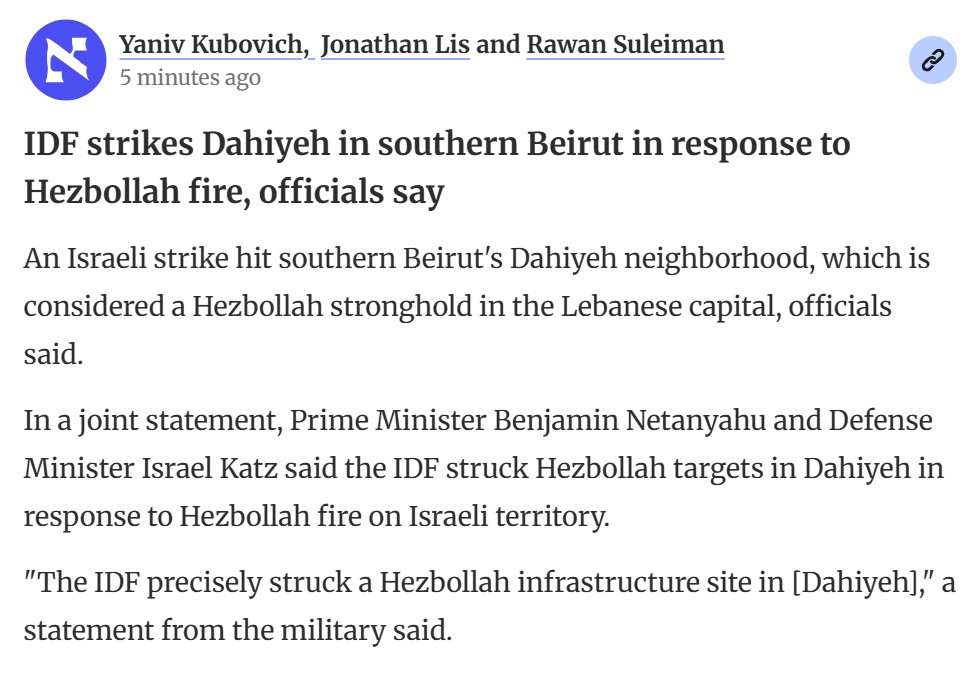
Israeli airstrike targets a building in Beirut southern suburb.
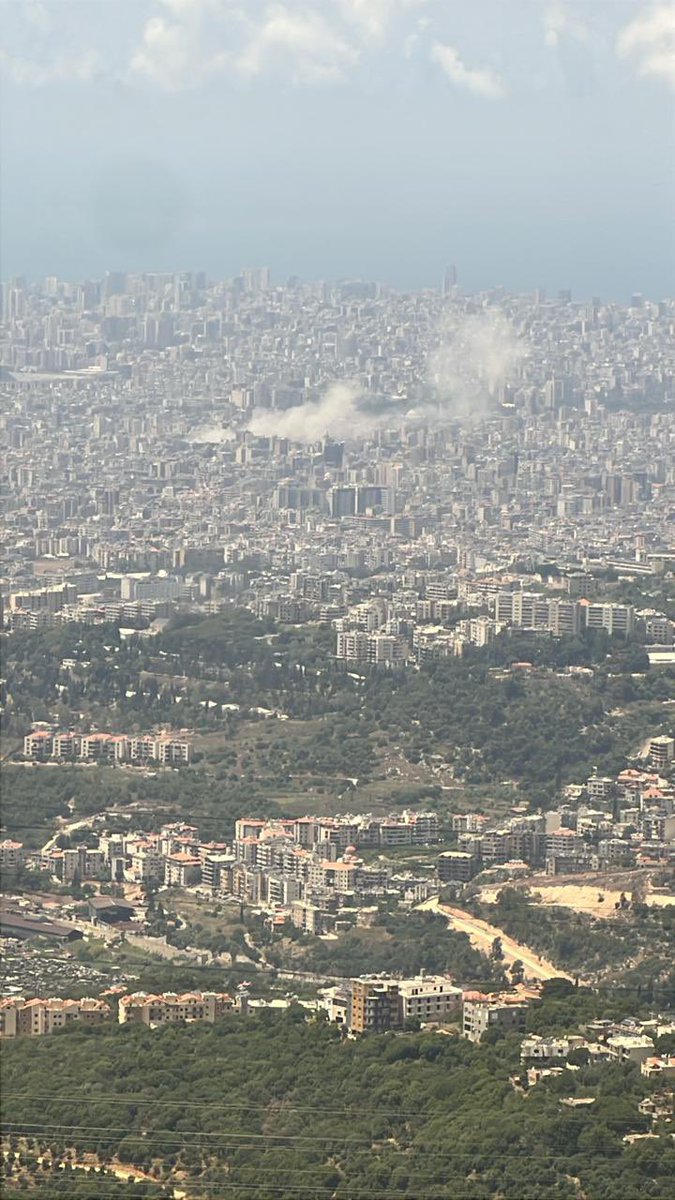
2
6
15
2,568
Simon Wolfgang Fuchs retweeted
Jun 14
Israeli airstrike targets a building in Beirut southern suburb.
11
83
197
73,611
Anshel Pfeffer on the isolation of Israel:

היום בירושלים נערכות שורה של קבלות פנים רבות רושם על ידי הנשיא, ראש הממשלה ויו״ר הכנסת לנשיא סומלילנד, מדינה שרק ישראל מכירה בה פורמלית. בינתיים, בעולם האמיתי שבין וושינגטון לטהראן מתגבשת עסקה שתקבע את עתיד האזור, בשיתוף טורקיה, פקיסטן, סעודיה כשישראל מודרת מהאירוע. כך נראה בידוד
291
Simon Wolfgang Fuchs retweeted

Jun 14
Senior Iranian official to Reuters:
-under draft memorandum with U.S., Tehran agrees that it will neither produce nor acquire nuclear weapons
-U.S. agrees for Tehran to dilute highly enriched uranium stockpile inside Iran, mechanism to be discussed in next 60 days
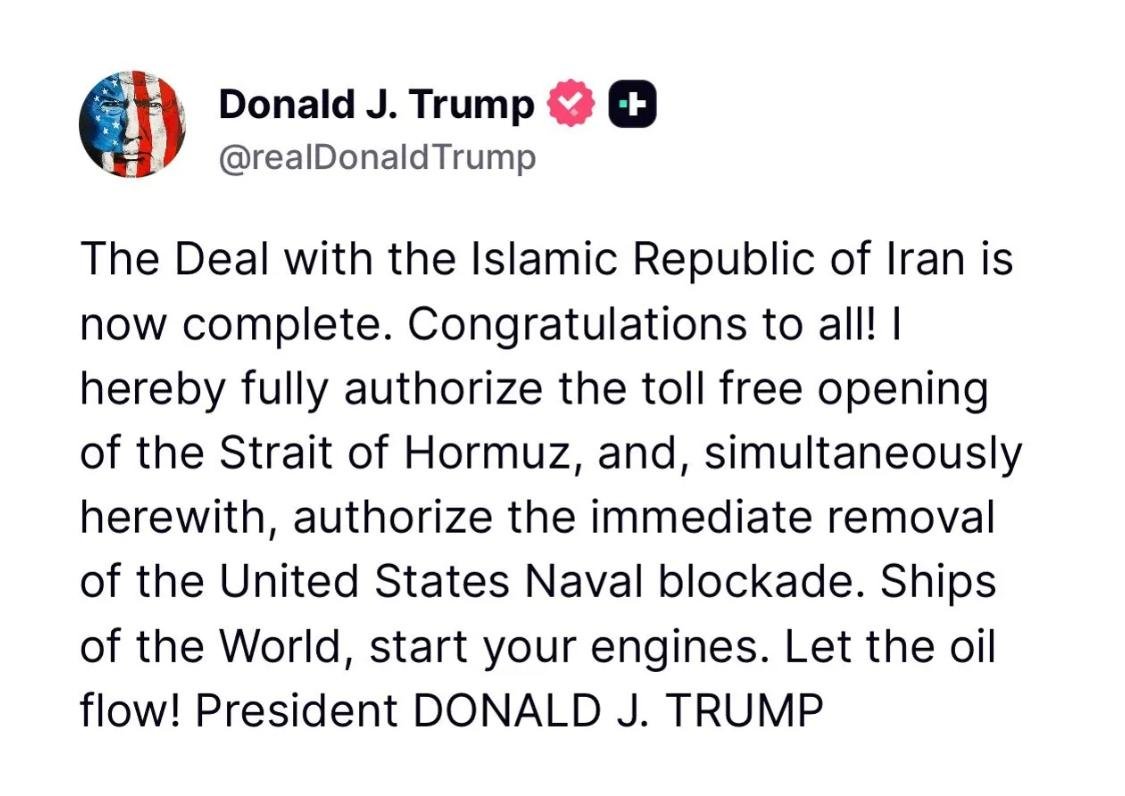
-Iran to immediately reopen Strait of Hormuz to all commercial vessels, while U.S. will lift naval blockade
-U.S. agrees to release $25 billion of Iran’s frozen assets, including via direct cash transfers, cooperation among regional countries, and financial credit lines
3
47
147
34,183