Your one-stop guide to passive income ideas, work from home jobs & make money online ideas. Get the latest remote jobs hiring now, passive income tips. #wfhjobs
Joined September 2023
- Tweets 3,784
- Following 131
- Followers 281
- Likes 2,593
1,112 Photos and videos









Pinned Tweet

Mar 25
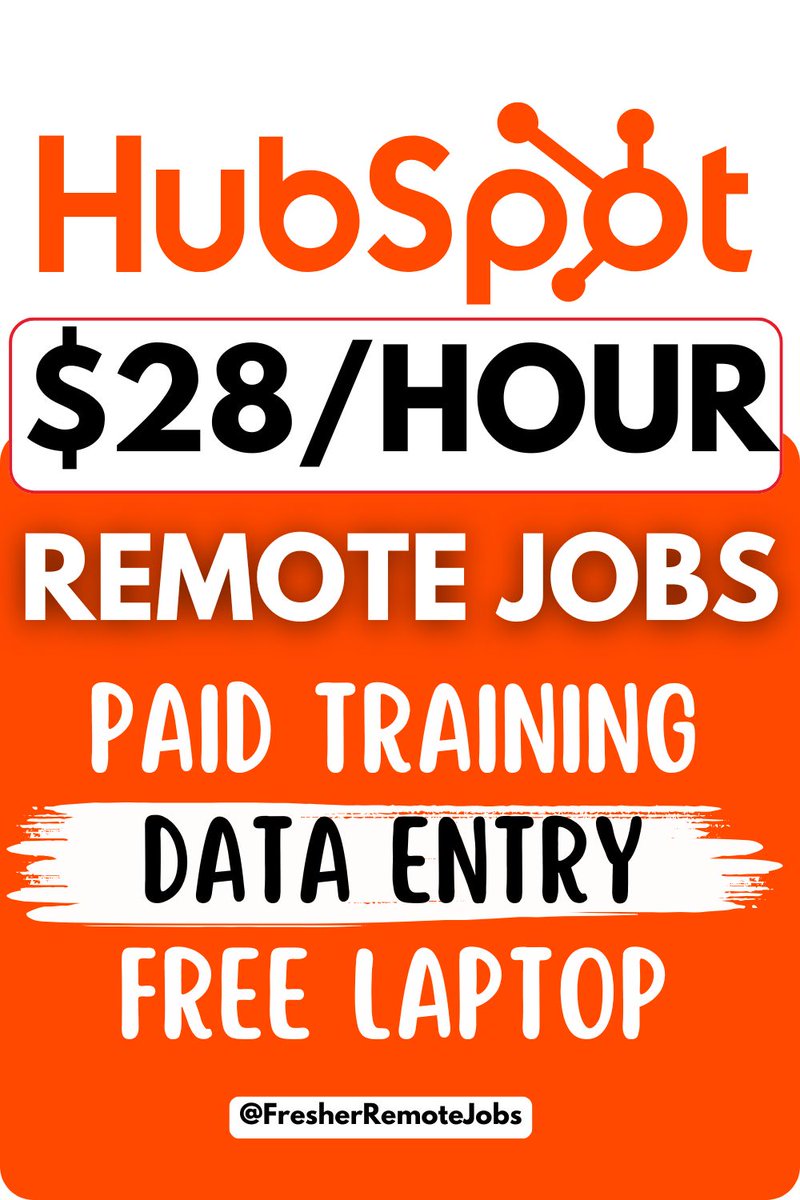
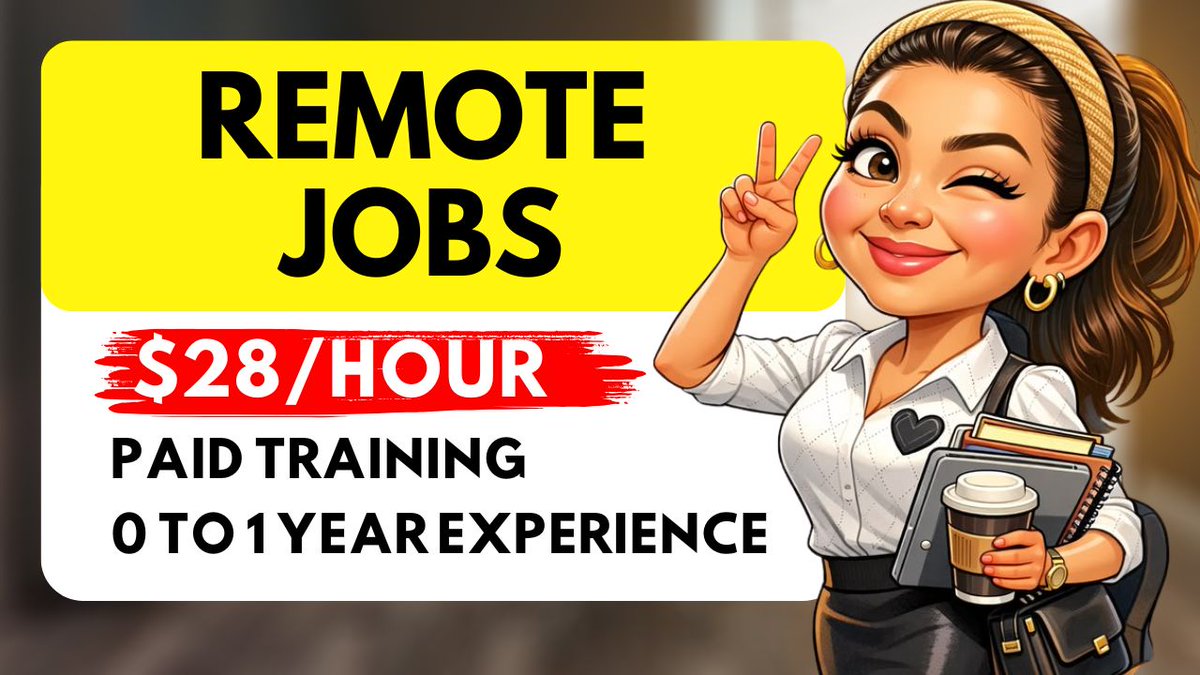
FedEx No Experience Remote Jobs Paying up to $42/Hour!
>> Paid Training
>> No Degree, No Experience
>> Free Laptop
Apply Now: bit.ly/4lOQNcx
3
4
3,247
Simpli Learn retweeted

May 23
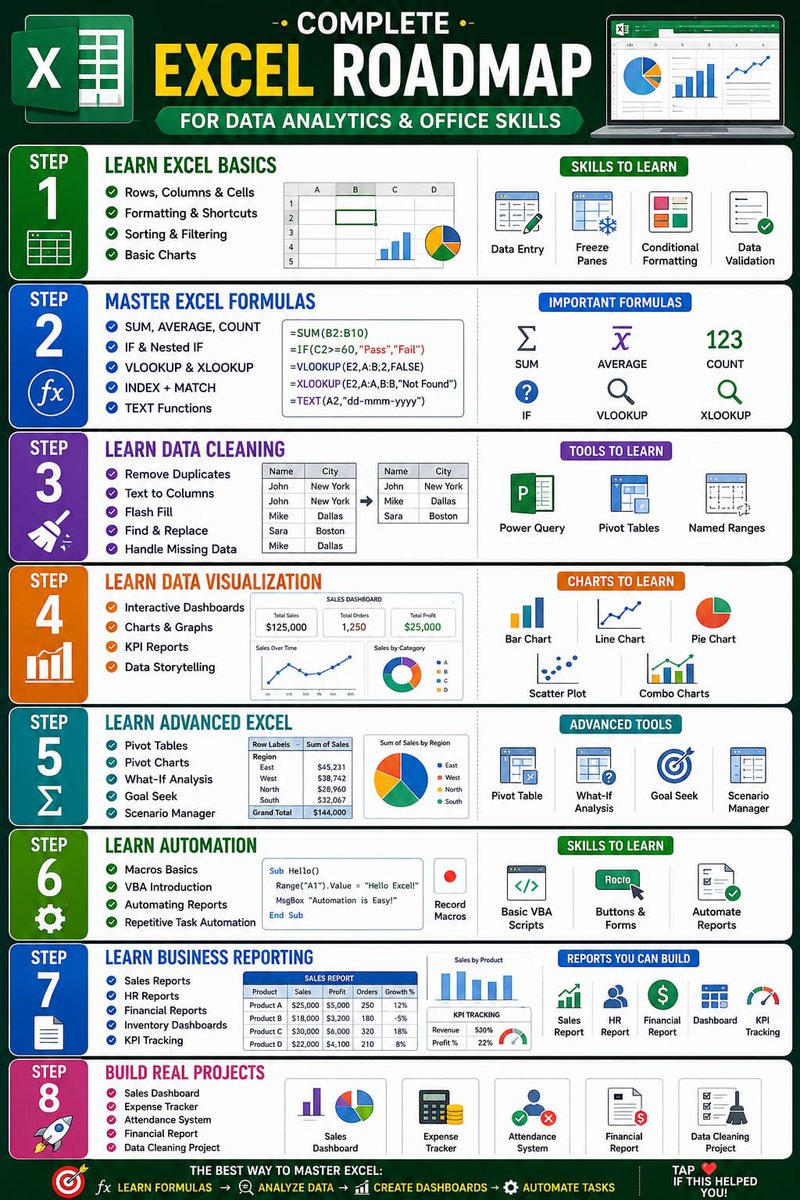
🚀 COMPLETE EXCEL ROADMAP FOR DATA ANALYST 📊🔥
You don't always need complex programming to analyze data. Honestly, mastering Excel alone can unlock 80% of data analyst roles. Here is my exact, step-by-step roadmap to go from complete beginner to Excel power user. Save this to start your journey! 🧑💻👇
🧠 STEP 1: Excel Basics & Fundamentals
Get comfortable with the grid environment and moving around efficiently.
Core Skills: Rows, Columns & Cells, Formatting & Essential Shortcuts, Sorting & Filtering, Basic Charts.
Must-Know Features: Data Entry, Freeze Panes, Conditional Formatting, Data Validation.
📊 STEP 2: Master Essential Formulas
Formulas are the engine of Excel. You need to know how to manipulate data mathematically and logically.
Basic Math: SUM, AVERAGE, COUNT.
Logical Operations: IF & Nested IF statements.
Lookups: VLOOKUP, XLOOKUP (the modern gold standard), and the classic INDEX MATCH combo.
Text Wrangling: UPPER, LOWER, CONCAT, LEFT, RIGHT, and MID.
⚡ STEP 3: Data Cleaning (Where 70% of time is spent)
Real data is ugly. Before you can analyze anything, you have to fix the mess.
Core Skills: Remove Duplicates, Text to Columns, Flash Fill, Find & Replace, and Handling Missing Data.
Power Move: Learn the basics of Power Query to automate your data cleaning steps.
📈 STEP 4: Data Visualization & Storytelling
Turning raw tables into clear, executive-ready visuals.
Core Skills: Creating Interactive Dashboards, Slicers, Timeline filters, and KPI Tracking Reports.
Essential Charts: Bar/Column, Line, Pie/Donut, Scatter Plots, and Combo Charts.
🧮 STEP 5: Advanced Data Analysis
This is where you shift from a data entry clerk to a true strategic analyst.
Core Skills: Deep dive into Advanced Pivot Tables & Pivot Charts, Named Ranges.
Analytical Tools: What-If Analysis, Goal Seek, and Scenario Manager for forecasting.
⚙️ STEP 6: Automation & Workflow Optimization
Stop doing the same manual tasks every single Monday morning. Let Excel do the work for you.
Core Skills: Record Macros, Introduction to VBA (Visual Basic for Applications), automating reports.
Features: Creating interactive Buttons, Form Controls, and writing basic automation scripts.
📂 STEP 7: Business Reporting & Domain Application
Context is everything. You need to apply your Excel skills to actual business scenarios.
Core Skills: Designing Executive Sales Reports, HR Metric Tracking, Corporate Financial Dashboards, Inventory Optimization, and Live KPI Trackers.
🔥 STEP 8: Build Real Portfolio Projects
No one cares about your certificate; they care about what you can build. Put these in your portfolio:
📊 Interactive Sales Performance Dashboard
💸 Personal & Corporate Expense Tracker
👥 Automated HR Attendance & Shift System
📈 Year-End Financial Report & Forecast
🧹 End-to-End Raw Data Cleaning Case Study
💡 My Golden Rule for Excel Success:
Clean the Data ➡️ Structure with Pivot Tables ➡️ Visualize with Dashboards ➡️ Automate the Process
💬 Tap ❤️ and SHARE this roadmap with a friend who needs to upgrade their Excel game!
May 23

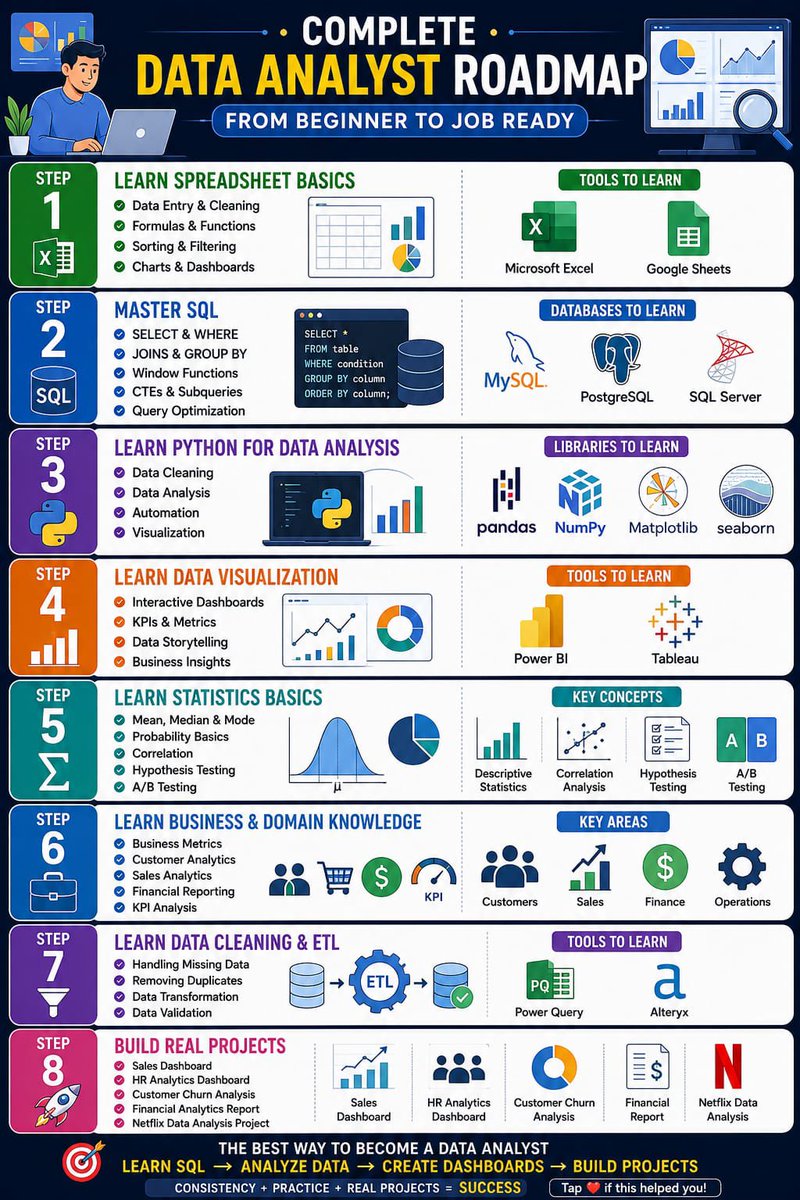
🚀 COMPLETE DATA ANALYST ROADMAP 2026 📊🔥
Many people get overwhelmed trying to break into Data Analytics. To make your journey easier, I have mapped out a clear, step-by-step guide so you know exactly what to focus on. Save this for your study plan! 🧑💻👇
🧠 STEP 1: Learn Spreadsheet Basics
Before jumping into complex software, master the foundational grid.
Core Skills: Data Entry & Cleaning, Formulas & Functions (VLOOKUP, XLOOKUP, INDEX/MATCH), Sorting & Filtering, Charts & Dashboards.
🛠 Tools: Microsoft Excel / Google Sheets.
📊 STEP 2: Master SQL (Non-Negotiable!)
The ultimate language for talking to databases. If you only learn one tool deeply, make it this one.
Core Skills: SELECT & WHERE, JOINS & GROUP BY, Window Functions, CTEs & Subqueries, Query Optimization.
🛠 Databases: MySQL, PostgreSQL, or SQL Server.
🐍 STEP 3: Python for Data Analysis
Step into programming when your data grows too massive or complex for Excel.
Core Skills: Data Cleaning, Exploratory Data Analysis (EDA), Task Automation, Data Visualization.
🛠 Libraries: Pandas, NumPy, Matplotlib, & Seaborn.
📈 STEP 4: Power up Data Visualization
Turning raw rows of numbers into visual stories that anyone can understand instantly.
Core Skills: Interactive Dashboards, Key Performance Indicators (KPIs) & Metrics, Data Storytelling, Extracting Business Insights.
🛠 Tools: Power BI or Tableau.
🧮 STEP 5: Learn Statistics Basics
Data without context is just noise. You need the math to back up your business decisions.
Core Skills: Mean, Median & Mode, Probability Basics, Correlation, Hypothesis Testing, A/B Testing.
☁️ STEP 6: Business & Domain Knowledge
A great analyst doesn't just crunch numbers; they solve actual business problems.
Core Skills: Business Metrics (LTV, CAC, Churn), Customer Analytics, Sales Tracking, Financial Reporting, KPI Performance Analysis.
🔄 STEP 7: Data Cleaning & ETL
Real-world data is incredibly messy. This step is where you learn to filter out the noise.
Core Skills: Handling Missing Data, Removing Duplicates, Data Transformation, Data Validation.
🛠 Tools: Power Query or Alteryx.
🔥 STEP 8: Build Real Projects (The Job-Getter!)
Stop stuck in "tutorial hell." Build a standout portfolio with these practical projects:
📊 Sales Performance Dashboard
👥 HR & Employee Analytics Tracker
📉 Customer Churn Risk Analysis
💰 Corporate Financial Analytics Report
🎬 Netflix Content Data Analysis Project
💡 My Golden Rule for Success:
Learn SQL ➡️ Analyze Data ➡️ Create Dashboards ➡️ Build Projects
💬 Tap ❤️ and SHARE this post with someone who is learning Data Science right now!
(Save this later).
8
197
794
58,502
Simpli Learn retweeted

May 24
Study Abroad Essentials in One Place!
Access FREE templates and guides for:
- CVs
- Statements of Purpose (SOP)
- Research Proposals
- Visa Interviews
- Reference Letters
- IELTS, TOEFL, GMAT, GRE prep
- Emails to Professors
Link: drive.google.com/drive/u/0/f…
Share with friends who need it!
3
57
170
7,706
Simpli Learn retweeted
May 24
3 No Degree Remote Jobs Paying up to $15/Hour
* Paid Training
* No Degree
Apply Now: bit.ly/4uxvKyC
1
2
3
4,928
Simpli Learn retweeted
May 21
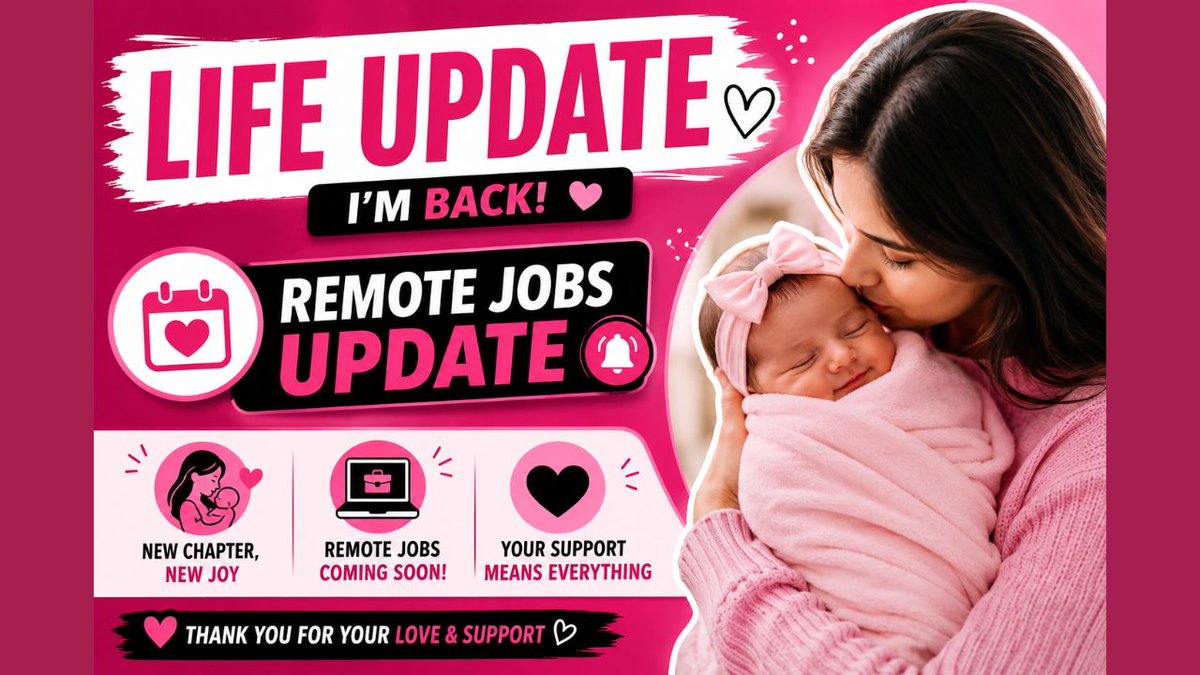
Life Update 💖 I’m Finally Back Remote Jobs Update (Full Detail Video): bit.ly/4dDKh4q
2
3
3,543
Simpli Learn retweeted
Mar 31
Remote Jobs Training Provided Paying up to $24/Hour
Apply Now: bit.ly/4aLQoCr
Mar 31

Remote Jobs Training Provided Paying up to $24/Hour
Apply Now: bit.ly/4aLQoCr
2
2
374
Simpli Learn retweeted

Mar 31
Remote Jobs Training Provided Paying up to $24/Hour
Apply Now: bit.ly/4aLQoCr
2
3
3,926
Simpli Learn retweeted

Mar 29
A nice idea.
Make a bouquet with the flowers you find.
49
148
960
39,996
Simpli Learn retweeted
Mar 31
No Degree Remote Jobs PAying up to $58/Hour
>> Paid Training
>> Free Laptop
>> Little Experience
Apply Now: bit.ly/4rKgVqJ

Mar 31

No Degree Remote Jobs PAying up to $58/Hour
>> Paid Training
>> Free Laptop
>> Little Experience
Apply Now: bit.ly/4rKgVqJ
2
3
23
Simpli Learn retweeted
Mar 31
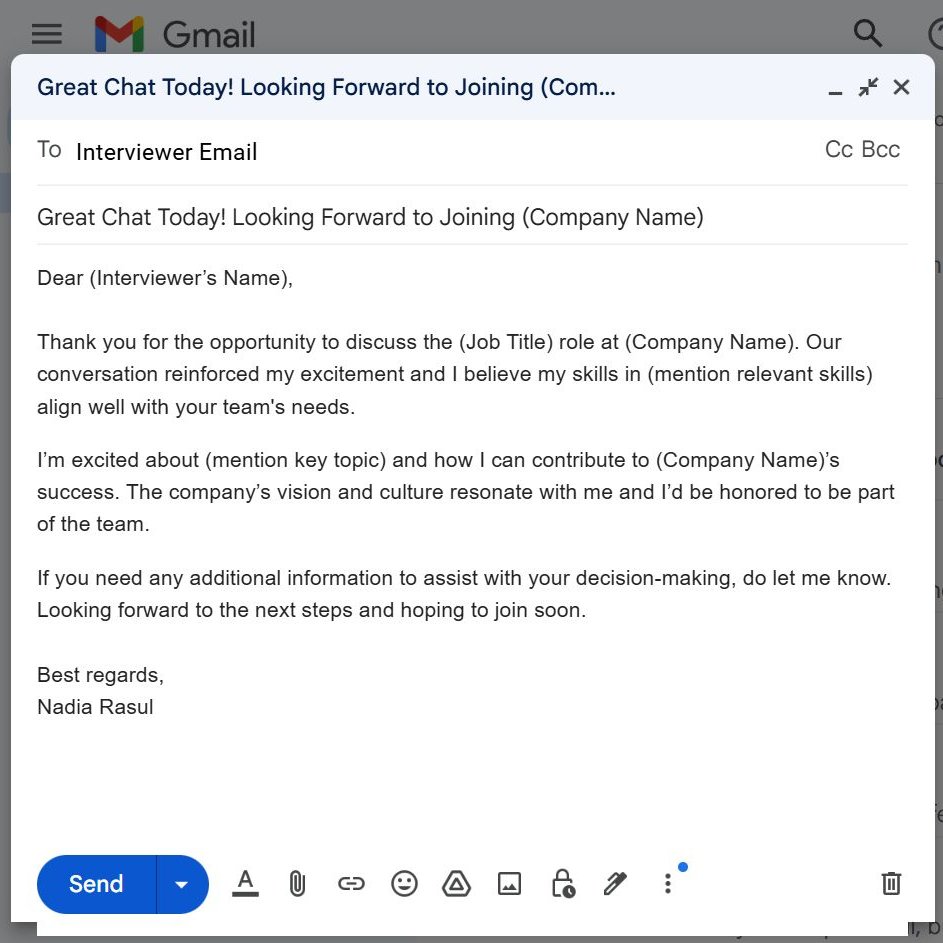
Send this email after your Phone Call interview 📧
it will leave a good impression to interviewer ⬇️
3
33
248
12,185
Simpli Learn retweeted
Mar 31
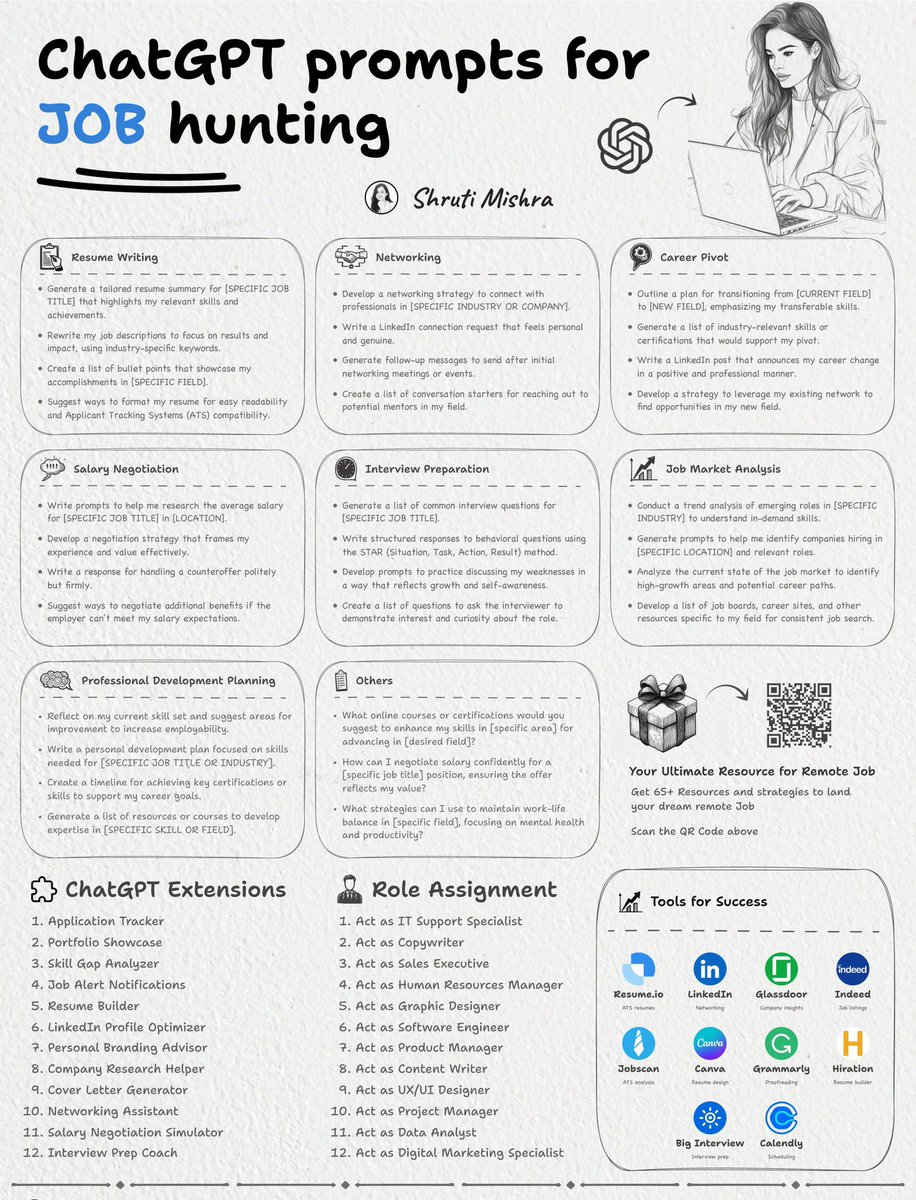
ChatGPT prompts to land your dream job in 2026.
1
32
115
5,476
Simpli Learn retweeted
Mar 31
No Degree Remote Jobs PAying up to $58/Hour
>> Paid Training
>> Free Laptop
>> Little Experience
Apply Now: bit.ly/4rKgVqJ
1
2
3
1,556
Simpli Learn retweeted
Mar 27
McDonald's Hiring Remote Jobs PAying up to $50/Hour!
>> Paid Training
>> Free Laptop
>> Little Experience, No Degree Remote Jobs
Apply Now: bit.ly/4rpRhah

Mar 27
McDonald's Hiring Remote Jobs PAying up to $50/Hour!
>> Paid Training
>> Free Laptop
>> Little Experience, No Degree Remote Jobs
Apply Now: bit.ly/4rpRhah

1
1
21
Simpli Learn retweeted
Mar 27
McDonald's Hiring Remote Jobs PAying up to $50/Hour!
>> Paid Training
>> Free Laptop
>> Little Experience, No Degree Remote Jobs
Apply Now: bit.ly/4rpRhah
2
2
37