
Joined August 2015
- Tweets 116,544
- Following 433
- Followers 1,060
- Likes 385,166
Photos and videos
tracy simplot retweeted

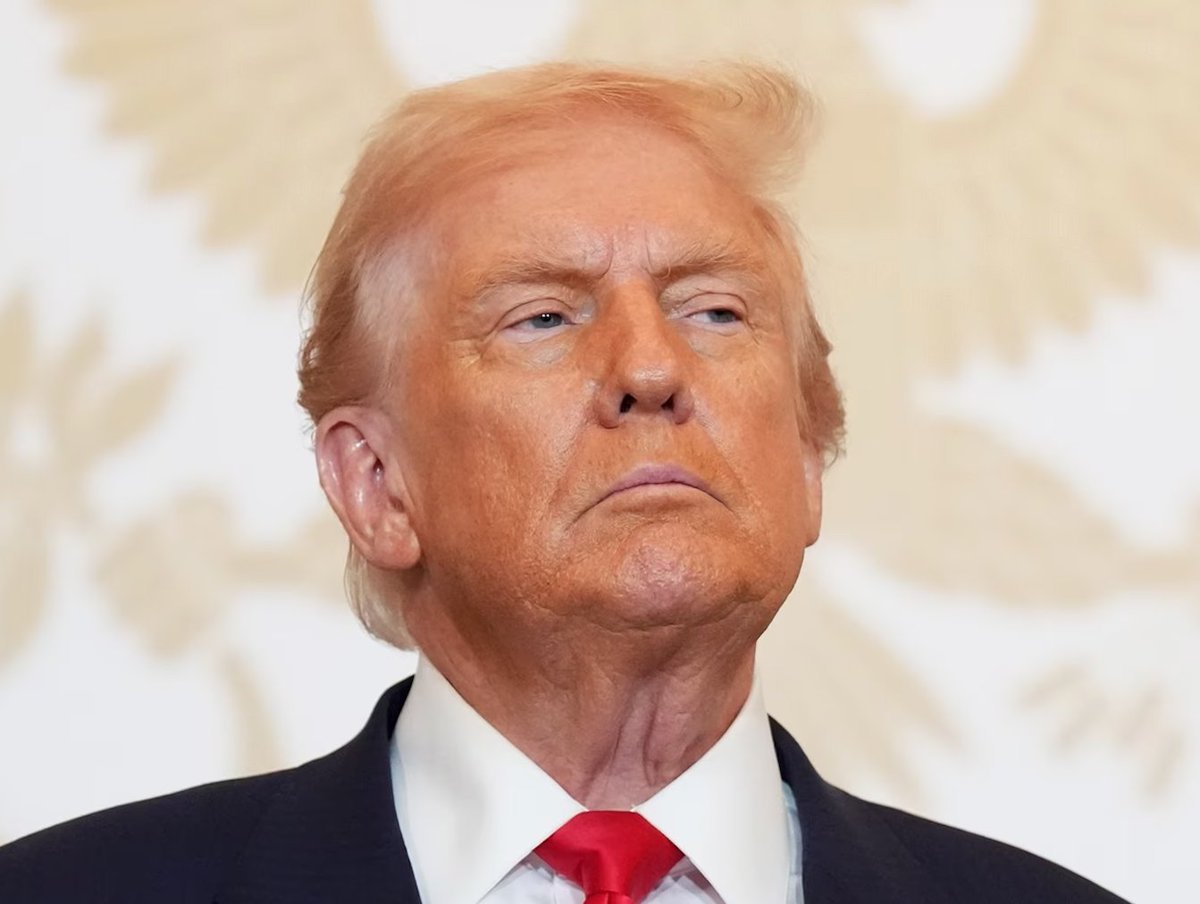
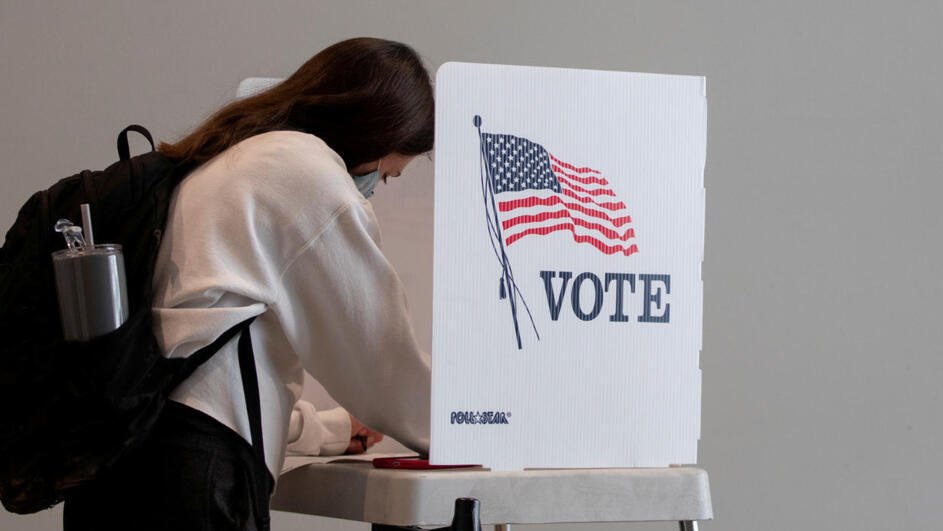
🚨 BREAKING: Obama-appointed judge blocks Trump effort to seize control of state elections.
43
803
3,630
150,971
tracy simplot retweeted

LMAOOO, trump literally brought the swamp to DC.
As we KNEW he would.
466
1,715
7,465
73,402
tracy simplot retweeted

Republicans: "We can't afford to invest in healthcare or childcare for Americans."
Also Republicans: "$300 billion to invest in Iran is a great deal, libs."
51
548
2,444
25,711
tracy simplot retweeted

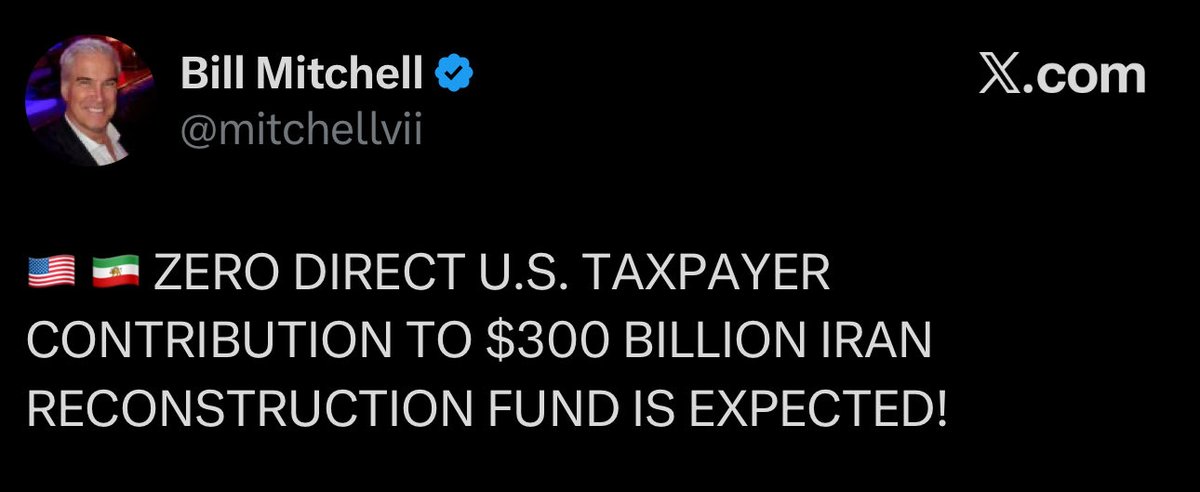
Yeah, and Mexico paid for the wall.
41
187
1,059
10,375
tracy simplot retweeted

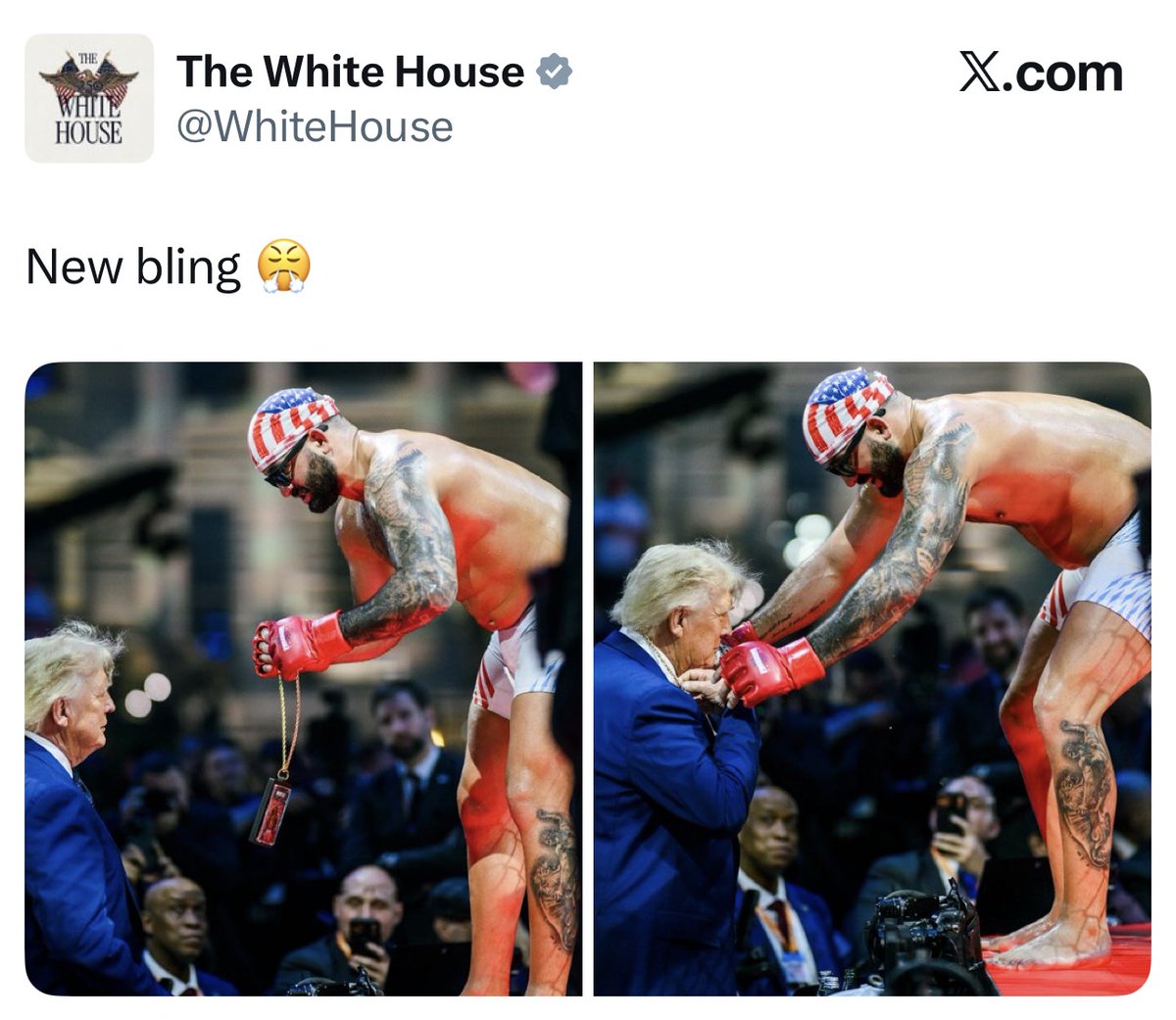
Nothing about the vile and disgusting attack on Michelle Obama?
These extremists are sick people.
7,493
961
7,832
331,313
tracy simplot retweeted

Melania Trump is all over the
Epstein files along with her pedo
husband, but you know who isn't?
Michelle Obama.
179
939
5,847
37,865
tracy simplot retweeted

THESE ARE FACTS:
- Daniel Cormier absolutely posted these messages about Eric Trump asking him for insider betting advice. I have direct evidence of that.
- Therefore Cormier either forged fake direct messages from Trump, or Eric actually sent these messages and he’s lying.
These are the only two possibilities.
x.com/krassenstein/status/20…
405
1,205
4,767
367,022
tracy simplot retweeted

This !
Please remember these figures when reporting on Trumps “fantastic” deal with the Iranian autocrats.

This is NEWS.
1. Obama: $1.7B in unfrozen assets/cash for 98% reduction in uranium & limit enrichment to 3.7%
2. Trump: $24B in unfrozen assets/cash, $300B reconstruction fund, lifted sanctions in exchange for opened Strait under Iran/Oman control
-From @TheMaineWonk
12
143
527
31,850
tracy simplot retweeted

MAGA influencers spent months yelling at people like me on TV about how we have to end the Iranian regime—now they have to sell Trump giving them $300 billion while letting them keep their uranium.
Embarrassing shit.
68
315
1,274
14,904
tracy simplot retweeted

Trump is the first leader in history to “defeat” a country 60 times, then be forced to pay them $300 BILLION
502
6,196
32,441
411,275

tracy simplot retweeted

Just so we're clear
Trump wasted billions of dollars on Iran
Got nothing
Then surrendered
439
1,027
6,753
60,216
tracy simplot retweeted

Trump is lying. There ain’t no “deal.” There might be a “memorandum of understanding” signed on Friday. Trump lies as he breathes. His stupid, illegal war has made America weaker and Iran stronger. Trump is a traitor to America and a danger to the world. He should be in jail.
Jun 14

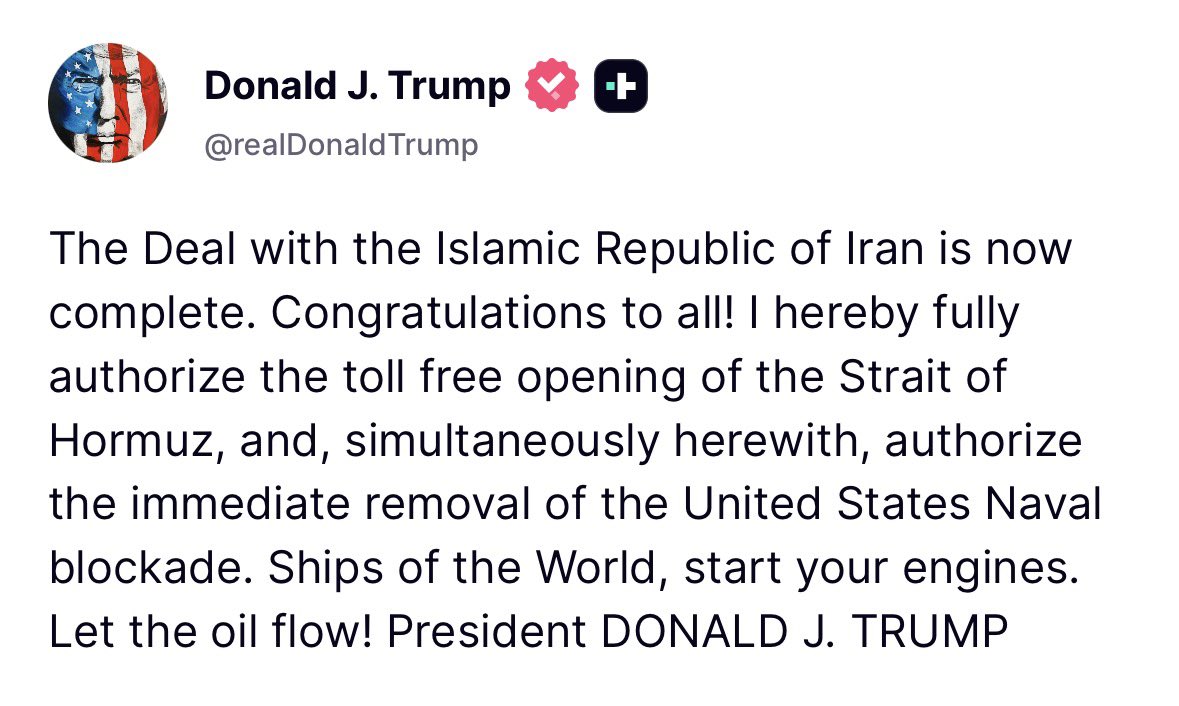
“The Deal with Islamic Republic of Iran is now complete. Congratulations to all!” President Donald J. Trump 🇺🇸
70
140
522
10,573
tracy simplot retweeted

"This is worse than a failure. It is a strategic calamity."

On February 28, President Trump laid out five military objectives for the US war with Iran:
- “Destroy Iran’s missiles and raze their missile industry to the ground.”
- “Annihilate Iran’s navy.”
- “Ensure that Iran’s terrorist proxies can no longer destabilize the region or the world and attack our forces.”
- “Ensure that Iran does not obtain a nuclear weapon.”
- Prevent Iran from using “IEDs or roadside bombs, as they are sometimes called, to so gravely wound and kill thousands and thousands of people, including many Americans.”
Three-and-a-half months later, the US has achieved none of these objectives.
- According to US intelligence assessments, Iran has retained roughly 70% of its prewar missile stockpile and mobile launchers. Iran’s missile and drone production infrastructure also remains largely intact.
- US intelligence also concludes that Iran’s nuclear capacity remains broadly unchanged since last summer, with Iran still needing roughly a year to build a bomb.
- While the U.S. succeeded in significantly damaging Iran’s conventional navy, it did not weaken Iran’s capacity to impose maritime costs or disrupt ship traffic in the Strait of Hormuz.
- Iranian proxies (specifically Hezbollah) are still destabilizing the region.
- The threat from Iranian IEDs no longer exists because US troops have been out of Iraq for 15 years.
Indeed, the agreement reached this weekend with Iran only requires Tehran to reopen the Straits of Hormuz to maritime traffic ... an issue that arose solely BECAUSE of the war.
Then there are the enormous direct and indirect costs of the war.
After only three months, the war has cost the United States at least $30 billion in direct costs and the U.S. economy hundreds of billions in indirect costs.
It has killed and wounded U.S. servicemembers, damaged U.S. bases, depleted scarce munitions, raised energy prices, strained relations with partners, and left Washington scrambling to restore the status quo it disrupted. Even if there were tangible benefits to the war, the costs would more than outweigh them.
Even worse, the war empowered Iranian hard-liners, demonstrated its leverage over the Strait of Hormuz and, in turn, the global economy, and, because of the depletion of America's weapons stockpiles, has made it more difficult for the US to respond to future military crises.
This is worse than a failure. It is a strategic calamity.
Read the comprehensive report that we published at the Stimson Center earlier this month on the disaster that is the Iran War.
stimson.org/2026/is-the-iran…
25
470
1,885
77,742
tracy simplot retweeted

THIS is the type of person Donald Trump PARDONED.
Jun 4

Another day another pardoned J6er arrested and sentenced to 19 years for sexually assaulting a 7 year old little girl!

17
949
1,909
26,061
tracy simplot retweeted

New “Art of The Deal” is out, and it’s short:
“Give your opponent everything they ask for and declare victory”
156
1,144
7,720
70,923
tracy simplot retweeted

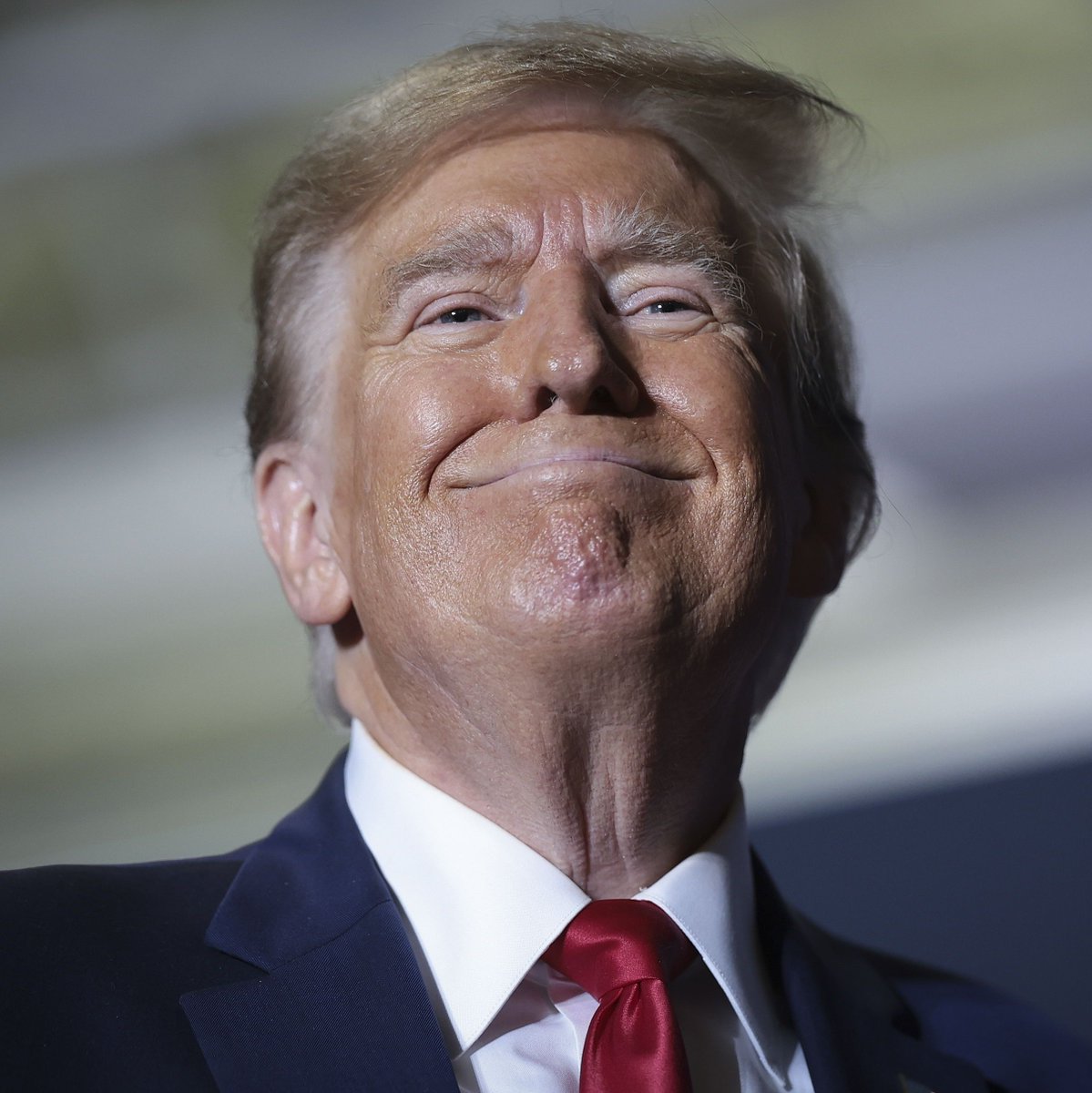
Trump is giving $300 billion to Iran. This could pay for:
— Student debt elimination for 7.6M Americans
— An end to homelessness in America
— Healthcare subsidies for 22M Americans for nearly a decade
— Medicaid coverage for 3.2M Americans for a decade
— Food assistance for 41M Americans for 3 years
— Federal cancer research for 40 years
— Free school lunch for every kid in America for over 4 years
— Replacing every lead pipe in America
— Free pre-K for every child in America for over 7 years

372
1,815
4,574
279,915
tracy simplot retweeted

🚨 CODE RED: Trump’s personal lawyer is inches away from running the DOJ permanently. The Senate vote is razor-thin. Take 60 seconds to demand your Senators vote NO before it's too late. Act now: 👇 actionnetwork.org/letters/te…
7
166
272
3,058


tracy simplot retweeted

I was told we needed a billion taxpayer dollars to build a ballroom at the White House to hold events for security, but the administration just held a giant outdoor event on the front lawn of the White House.
How does that work?
57
341
2,251
35,479