
Joined October 2008
- Tweets 18,890
- Following 1,286
- Followers 130,630
- Likes 7,359
3,889 Photos and videos


Jun 12
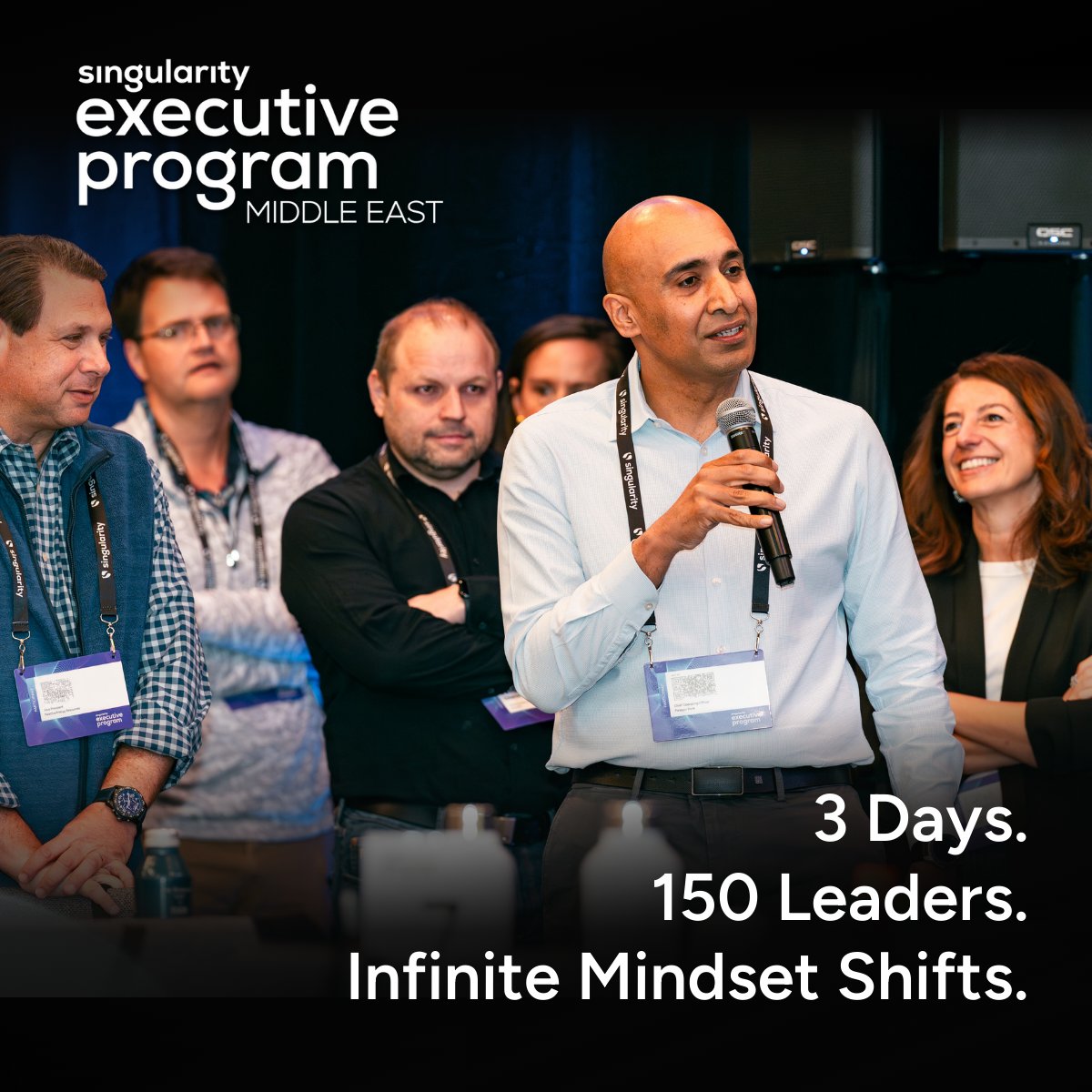
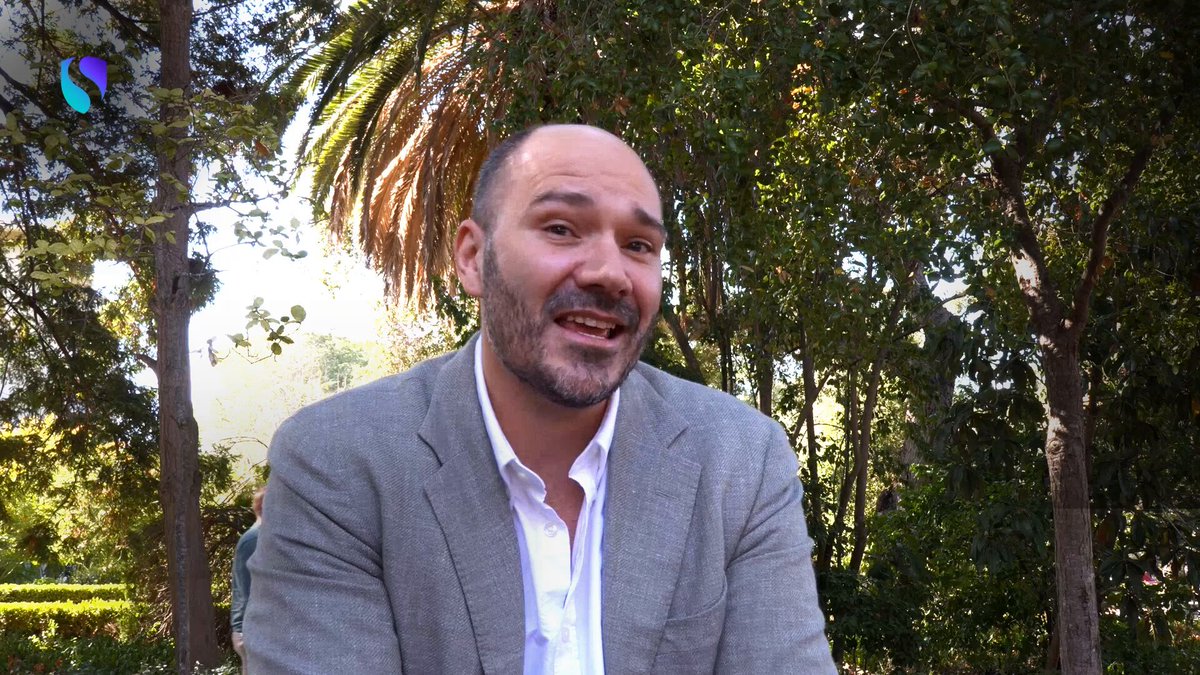
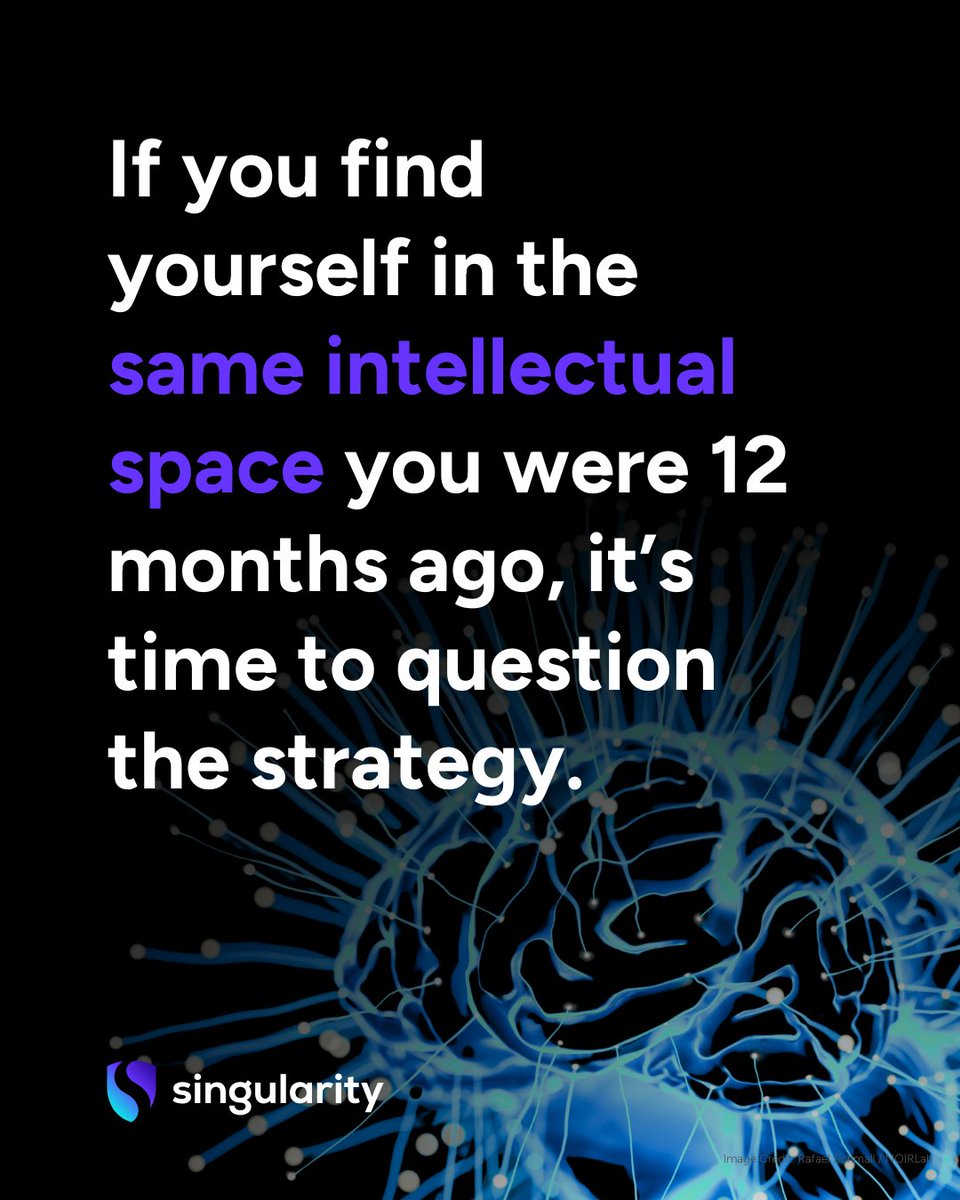
Look who dropped by! Ideas are always in motion at Singularity. #RayKurzweil
Consider this your sign to think bigger this weekend.
Let's set aside 10 minutes for a Futures Wheel experiment. Here are some prompts to get you started:
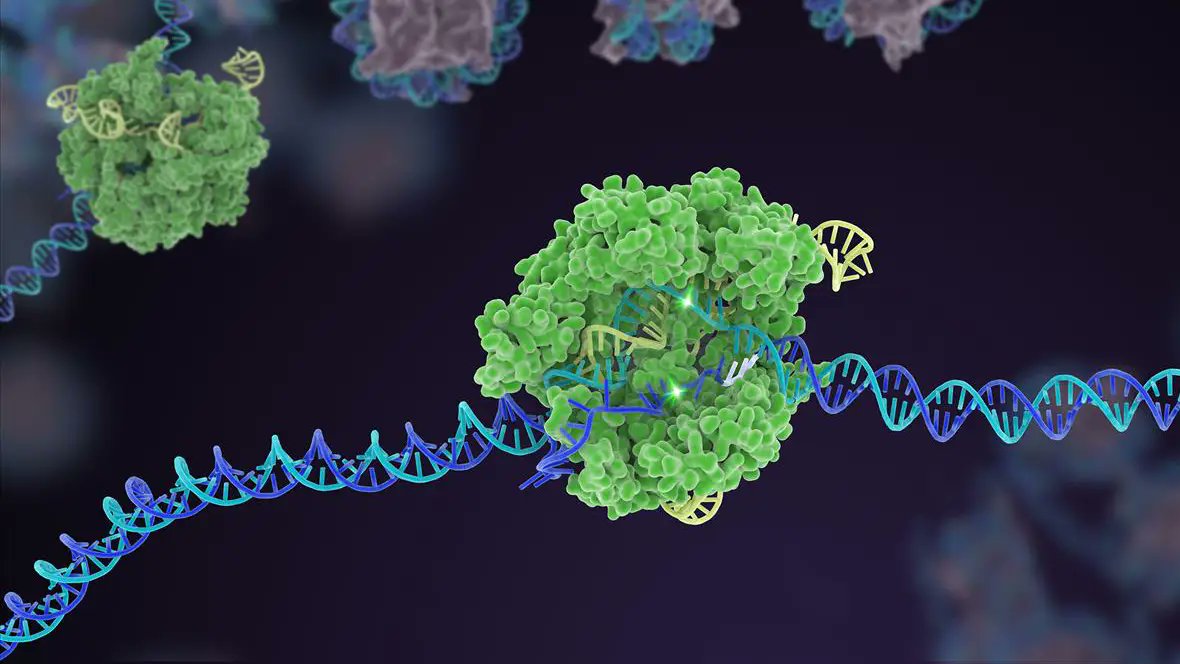
1. Photosynthesis is engineered into human skin
2. Average human lifespan is 150 years
3. Human teleportation becomes possible and widely adopted
Need a refresher on why this matters? Here's a quick example. When Steve Jobs announced the iPhone, the CEO of a chewing gum company probably wasn't thinking about their bottom line. But the widespread adoption of the smartphone tanked gum sales. Why? Because people usually buy gum while waiting in line at the checkout counter. Once everyone's eyes dropped to their phones, gum sales followed.
The futures wheel trains your brain to trace the ripple effects of new technology before they catch you off guard. Try it and report back.
What innovations are you watching that may surprise others in your industry? Did this exercise take you somewhere interesting? Somewhere crazy?
Comment which prompt you chose and where it led you. #InsideSingularity
4
621
Jun 11
If your robotics & AI strategy starts with "how do we replace workers," then you should fire your consultant.
1
3
1,152
Jun 11
Technology should not be viewed as a silver bullet to eliminate the human workforce. Instead, the golden rule of technological advancement should always be to amplify human potential and elevate human dignity. #robotics #AI #futureofwork
2
890
Jun 11
The 2026 FIFA World Cup kicks off today and the SU community spans both sides of the opening match. Our partners @SingularityUMX and @SUSouthAfrica are repping their nations. Where are you watching from?
Jun 10

🇲🇽 Mexico vs. South Africa 🇿🇦 WHO WILL WIN? 💬
1
3
586
Jun 10
AI hyperscalers pay 8–80x more for compute capacity than for the electricity to generate it.
The result: they're outbidding regular consumers for power. 30 data centers can't break ground because there's no energy left to permit them.
1
2
727
Jun 10
The energy grid is now a strategic constraint for every business leader.
Are you factoring this into your planning? Join the Discussion Series tomorrow and let's talk. Register: us06web.zoom.us/webinar/regi…
1
580
Jun 9
Data centers are the hidden backbone of the digital economy & their proliferation is accelerating in ways that have serious implications for business, geopolitics, & democratic governance. Let's talk about it. Register the Discussion Series for live Q&A and recording: us06web.zoom.us/webinar/regi…
May 24

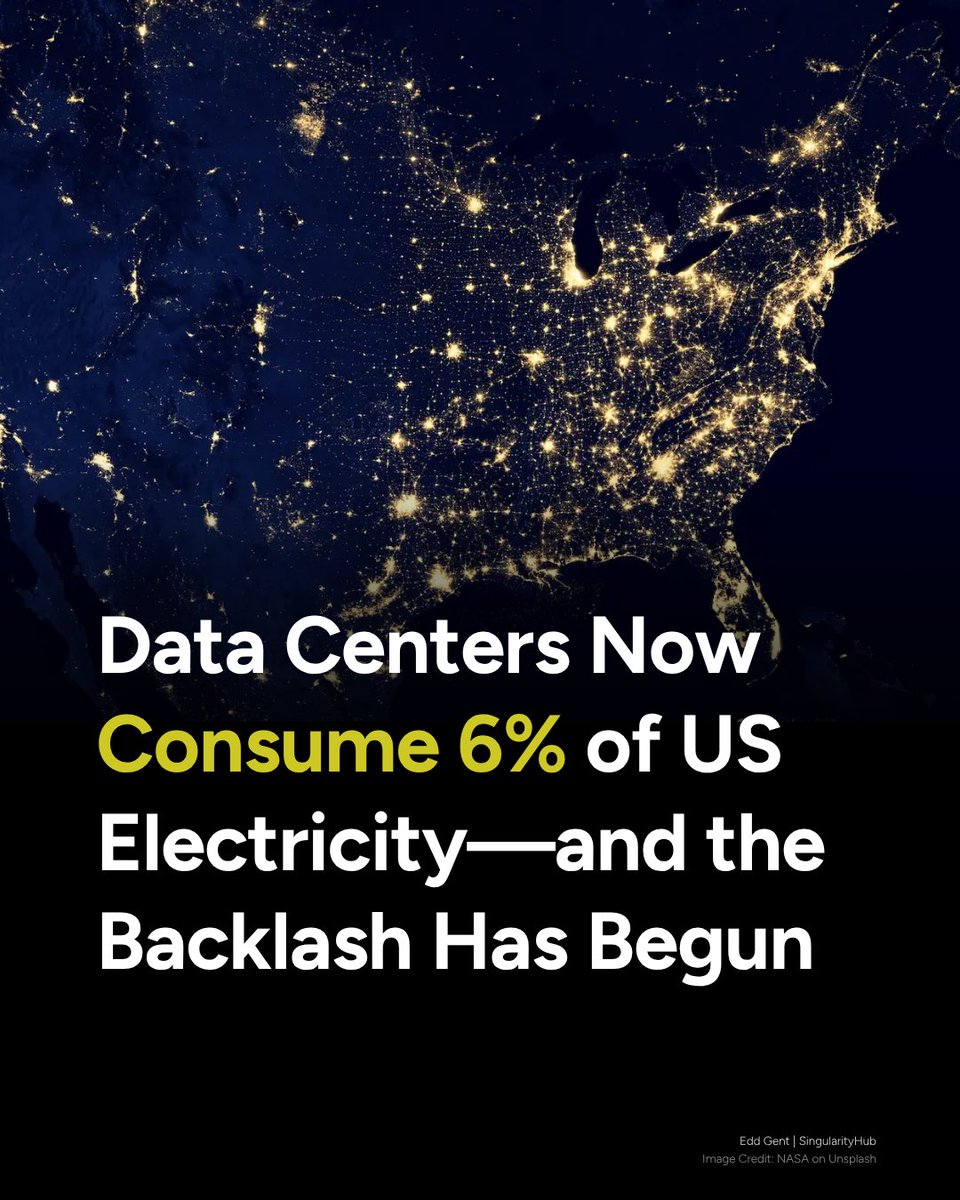
Data centers now consume 6 percent of all electricity in the United States. That number crossed a threshold identified by researchers as the point where serious political and community backlash begins. It has. 🧵
1
689
Jun 8
Do you know what biases live in the data your AI was trained on? Do you know who does? Do you know where to find out? Alix Rübsaam argues these are now core leadership questions, and most organizations aren't ready to answer them. 🧵
1
2
4
941
Jun 8
Rübsaam's framework for leaders: "How would the data we're using influence the outcome?" "Who or what is included, and who or what isn't, and why?" "How does my own background influence how I interpret the outcome?"
1
345
Jun 8
AI literacy starts long before the model is deployed. It starts with the data, and with the leaders willing to ask uncomfortable questions about it. What question from this list would be hardest for your organization to answer honestly?
347
Jun 5
Most people are treating AI like a database. It's not. LLMs are probabilistic, not deterministic. They predict. They don't retrieve. That distinction matters for every decision you make with AI.
4
839
Jun 3
Traditional business education trains leaders to analyze their competitive landscape within a very fixed, narrow industry vertical, which leaves them highly vulnerable to disruptive changes coming from unexpected places.
1
840
Jun 3
Enter The Futures Wheel: a strategic foresight tool used to systematically map out the non-obvious first-, second-, and third-order consequences of a new technology or trend.
1
759
Jun 3
This exercise forces teams to break out of mechanistic, cause-and-effect thinking, allowing them to spot potential disruptions and identify net-new category opportunities before they become mainstream.
627
Jun 1
This is what reactive AI safety looks like when it fails.
Guardrails bolted on after deployment, reviewed after the fact, by humans who can't keep up with the output.
Jun 1

Hackers hijacked Instagram accounts by tricking Meta AI support chatbot into granting access techcrunch.com/2026/06/01/ha…
1
2,072
Jun 1
@NellWatson has been saying this for a while: the future of AI safety isn't auditing what the AI did. It's embedding strict policies directly into the system as it works and investing in machine-to-machine verification to catch critical errors automatically before they become headlines.
1
1,085
Jun 1
The companies that treat AI governance as a design requirement rather than a compliance checkbox will be the ones that don't end up in this story.
Full story via @TechCrunch
#ArtificialIntelligence #Cybersecurity #AIGovernance
1
657
May 29
While most people are talking about AI hallucinations and deepfakes, not enough people are talking about these 5 risks:
3
1,649
May 29
Agentic AI isn't waiting for your governance framework to catch up. It's already making decisions, acting autonomously, and leaving a trail your legal team may not be able to follow.
1
432
May 29
It doesn't matter how your LLM performed. If you're the one that deployed it, you'll be on hook for its actions.
Introduction to AI: Here, Real, and Yours to Lead with @KellieNuttall
435