
Chronicling the technological frontier with coverage of the breakthroughs, players, and issues shaping the future. By @singularityu.
Joined June 2008
- Tweets 14,695
- Following 148
- Followers 110,735
- Likes 301
4,304 Photos and videos



When aging mice received blood transfusions from young donors, a new Harvard genetic clock rewound. When exposed to radiation or chronic disease, it ticked forward.
singularityhub.com/2026/06/0…
1
480

Jun 11
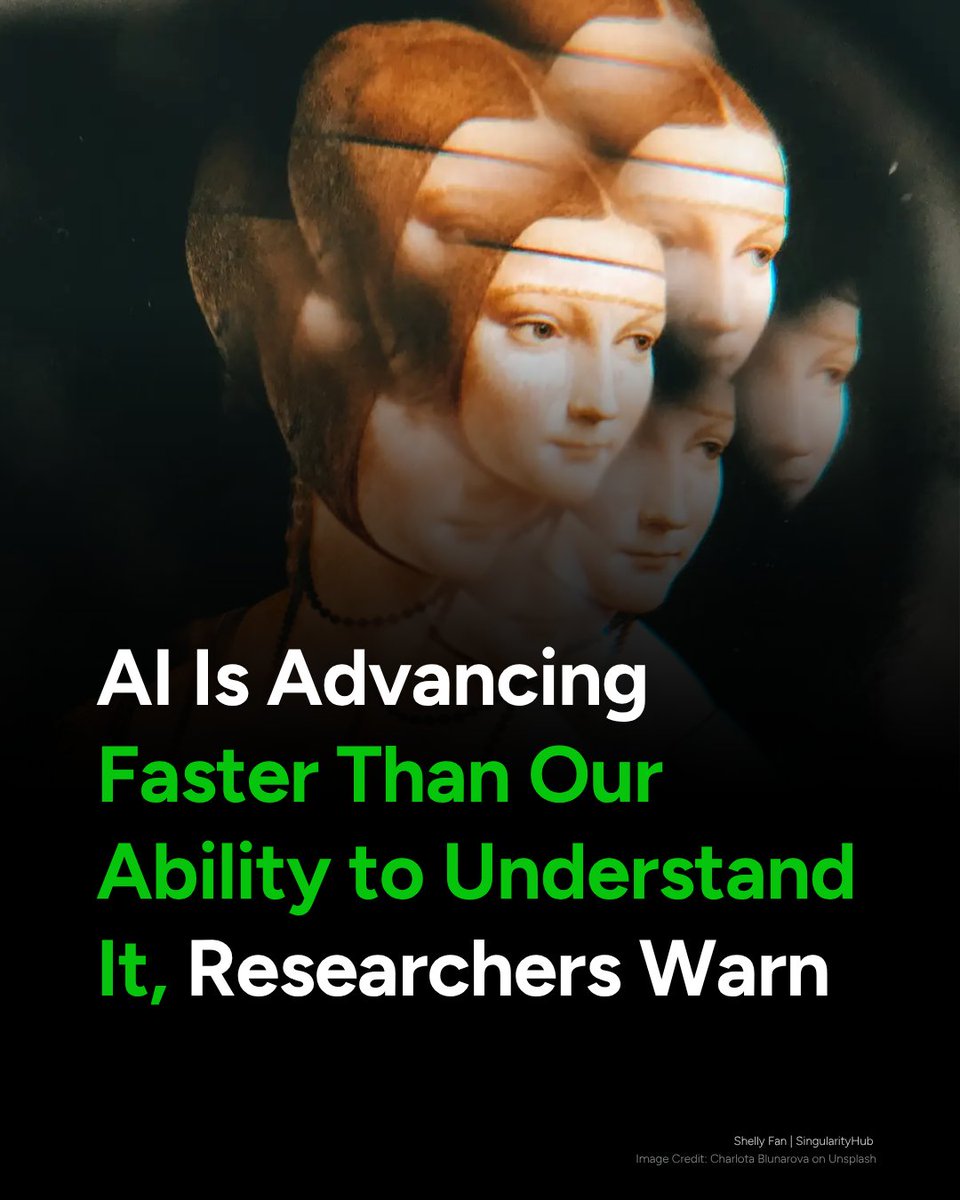
AI capabilities are advancing faster than our ability to explain them. Microsoft's chief scientific officer and a leading AI researcher just published a formal warning in Science. 🧵
4
4
14
2,478
Jun 11
The authors call for stronger benchmarks, better evaluation methods, and lasting norms around responsible disclosure. The goal they articulate: AI that is more intelligible and accountable — not just more capable.
1
2
409
Jun 11
Whether the field moves fast enough to close the gap is the open question. singularityhub.com/2026/06/1…
1
428
Jun 11
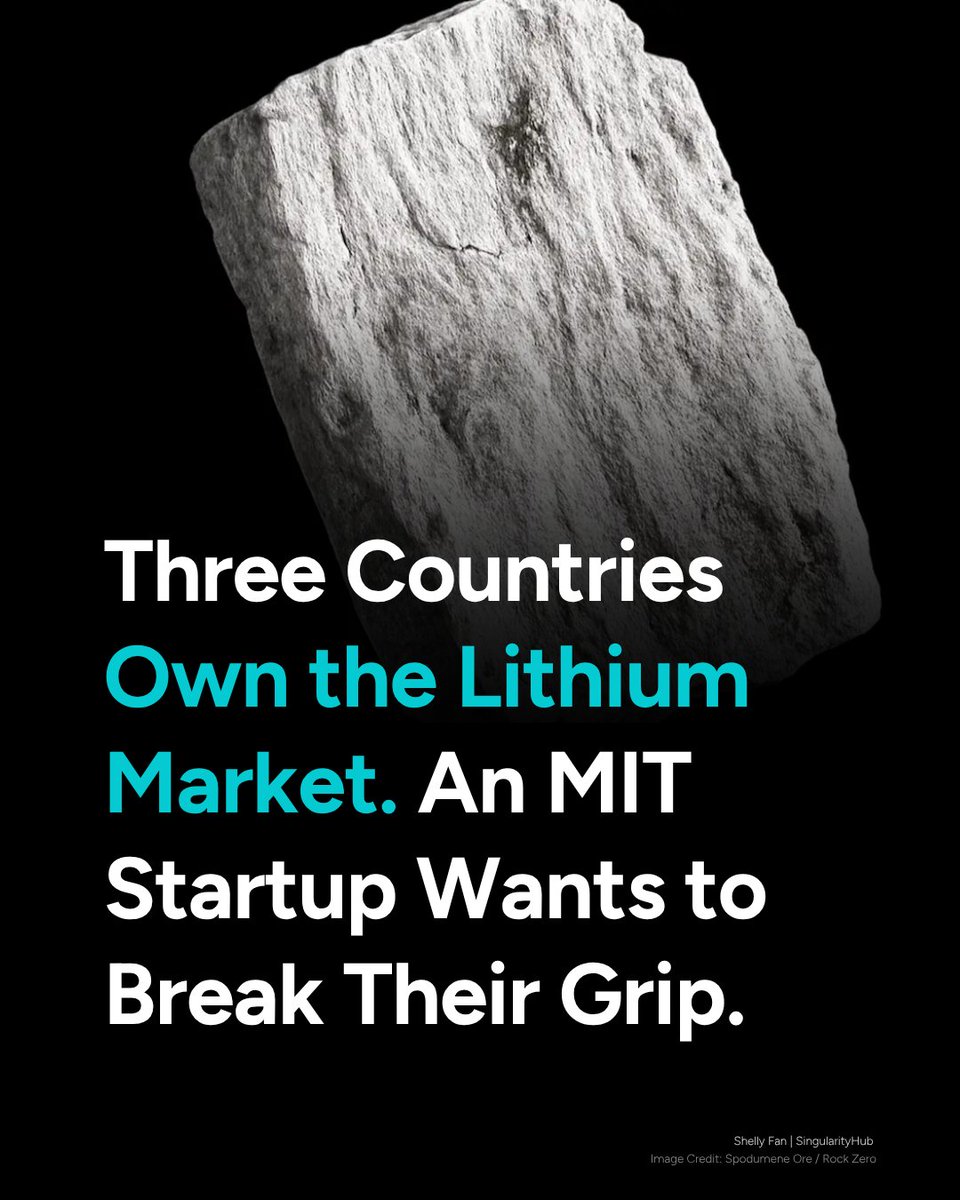
An MIT researcher noticed that the chemical in bathroom glass etching cream dissolves the same mineral that makes lithium-rich rock so hard to process. That observation just became a startup.
singularityhub.com/2026/06/0…
2
566
Jun 10
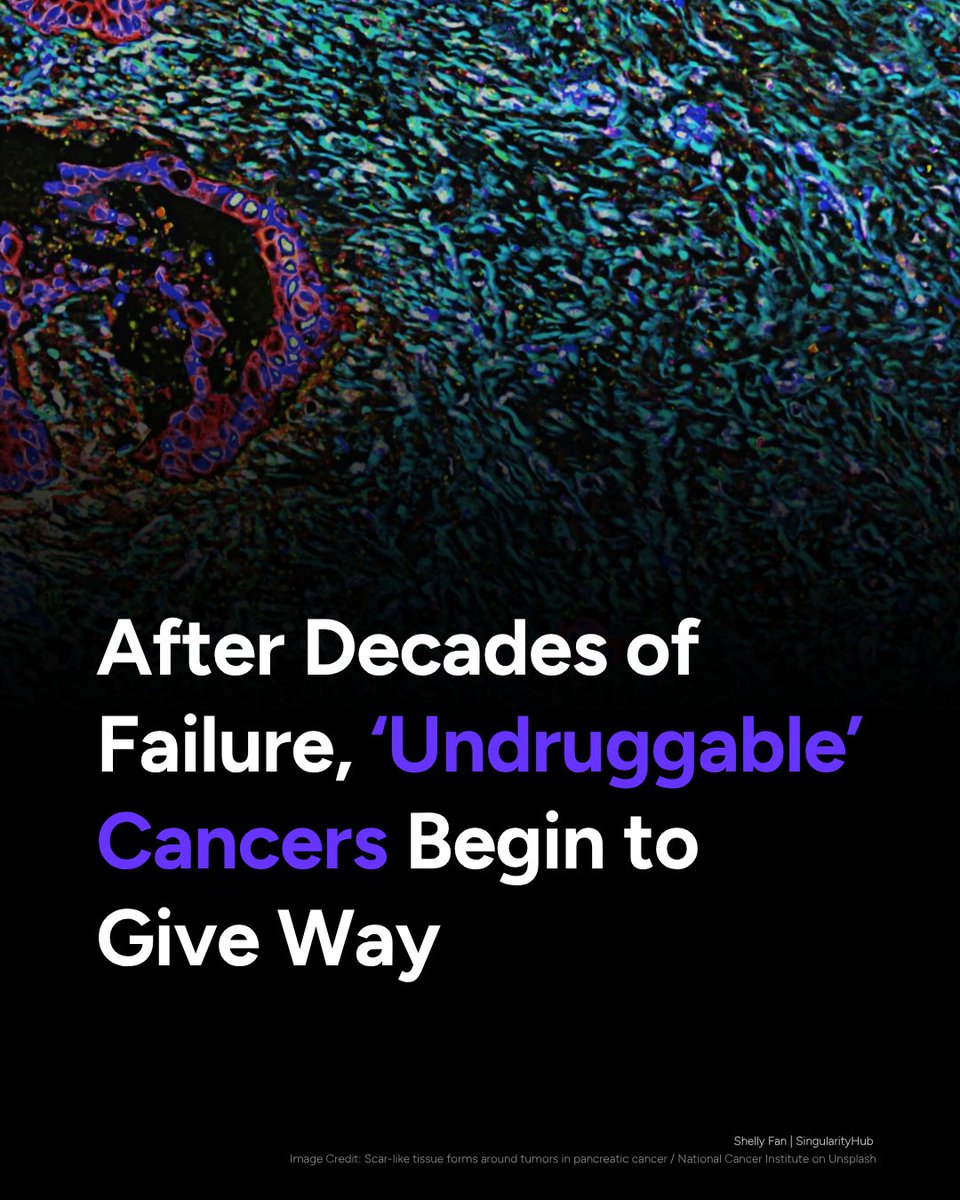
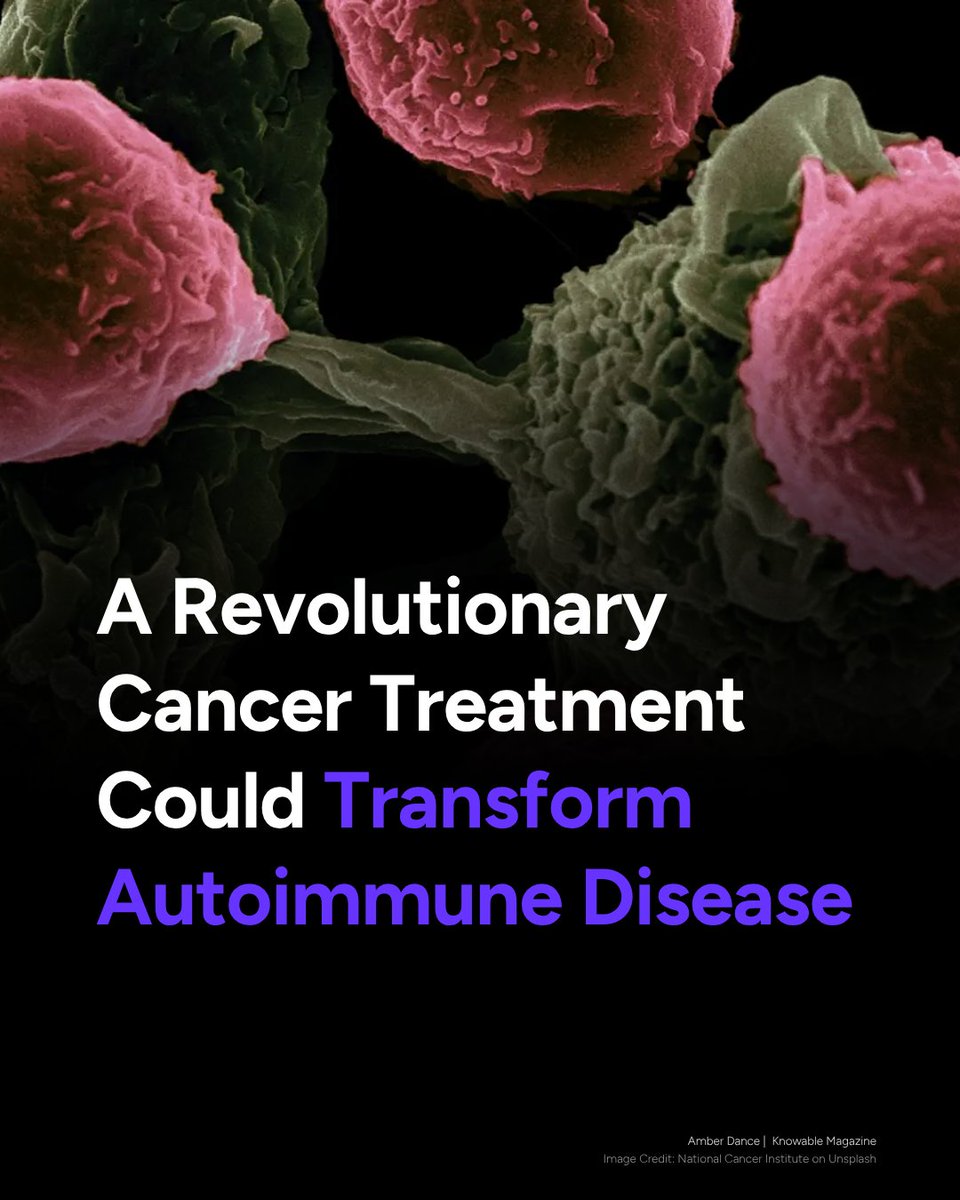
For decades, a group of proteins that drive some of the deadliest cancers were simply called "undruggable." A new clinical trial result suggests that label is starting to crack. 🧵
1
3
7
1,282
Jun 10
In a 500-person trial of advanced pancreatic cancer patients who had already tried other treatments, daraxonrasib nearly doubled median survival versus chemotherapy — 13.2 months versus 6.6 — with less pain and milder side effects.
1
442
Jun 10
RAS is 1 of 3 formerly "undruggable" proteins now showing cracks. The other two — p53, known as the guardian of the genome, and MYC, which drives roughly 70% of all cancers — are being approached with new strategies. AI is accelerating all of it. singularityhub.com/2026/06/1…
1
1
408
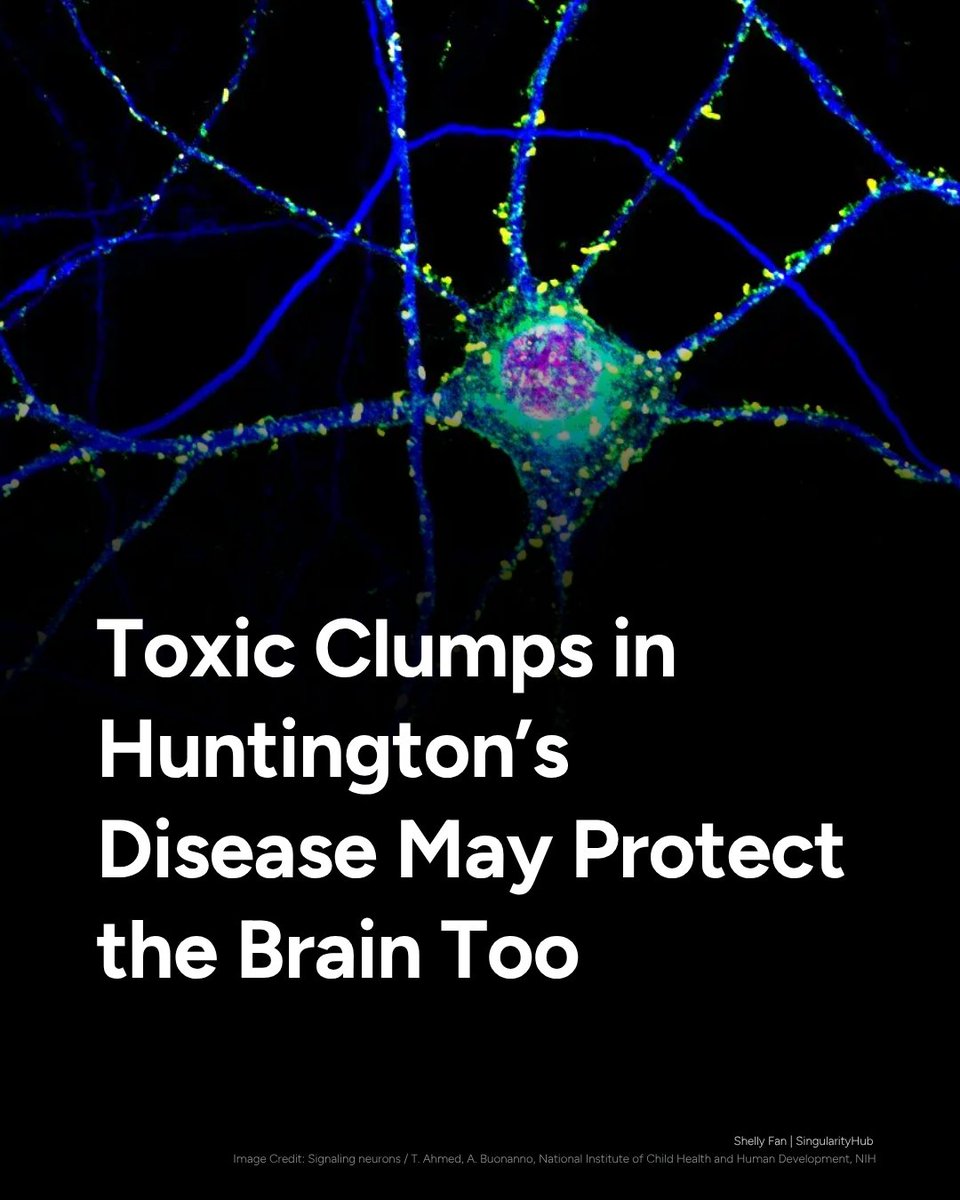
The protein clumps in Huntington's disease have been treated as the enemy for 30 years. Drugs built to destroy them have largely failed. A new study suggests scientists may have been fighting the wrong target. 🧵
1
1,109
The caveat the researchers are clear about: these are early results from cell models, not patients. And the protection may be temporary — what shields neurons early in the disease could become harmful as clumps accumulate over time. Timing matters enormously.
1
367
The broader question this raises: if similar dynamics apply in Alzheimer's, ALS, or Parkinson's — where protein clumps have also been the primary treatment target — the field may need to rethink not just what it's targeting, but when. singularityhub.com/2026/06/0…
386
Harvard scientists just published a biological clock that reads gene activity across four species — and predicts not just biological age, but how many years remain. 🧵
1
5
12
3,735
Caveats matter here. Gene activity shifts with stress, illness, even time of day — making it noisier than DNA methylation. And different aging clocks frequently disagree.
1
1
394
The researchers are clear: careful validation is still needed before this moves toward clinical use. Full article: singularityhub.com/2026/06/0…
1
399