
Visionary, Reiki Master and teacher.
Joined April 2016
- Tweets 4,710
- Following 693
- Followers 956
- Likes 2,129
3,274 Photos and videos



Pinned Tweet

18 Sep 2025
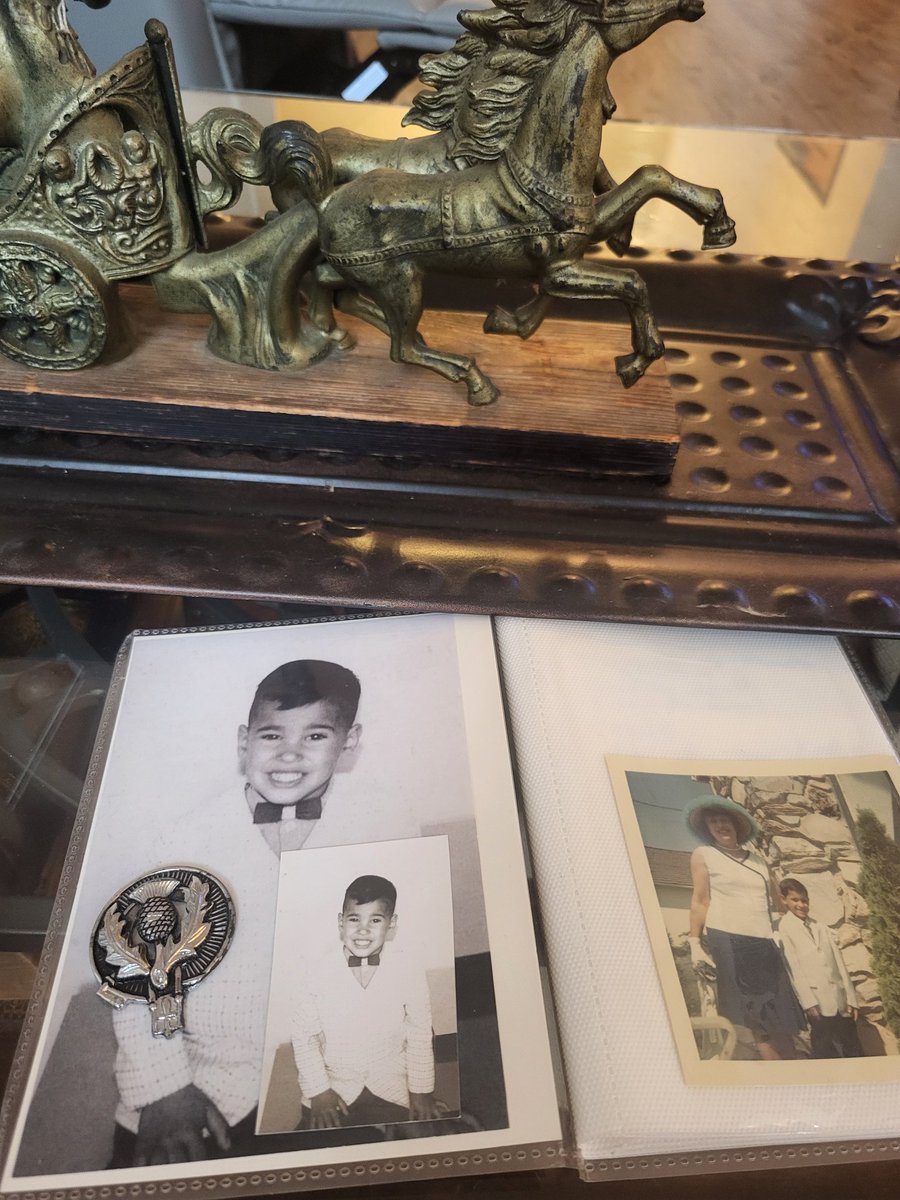
Family values have their most loving moments, memories, and intentions when we spend time with our children.
3
3
48
1,240
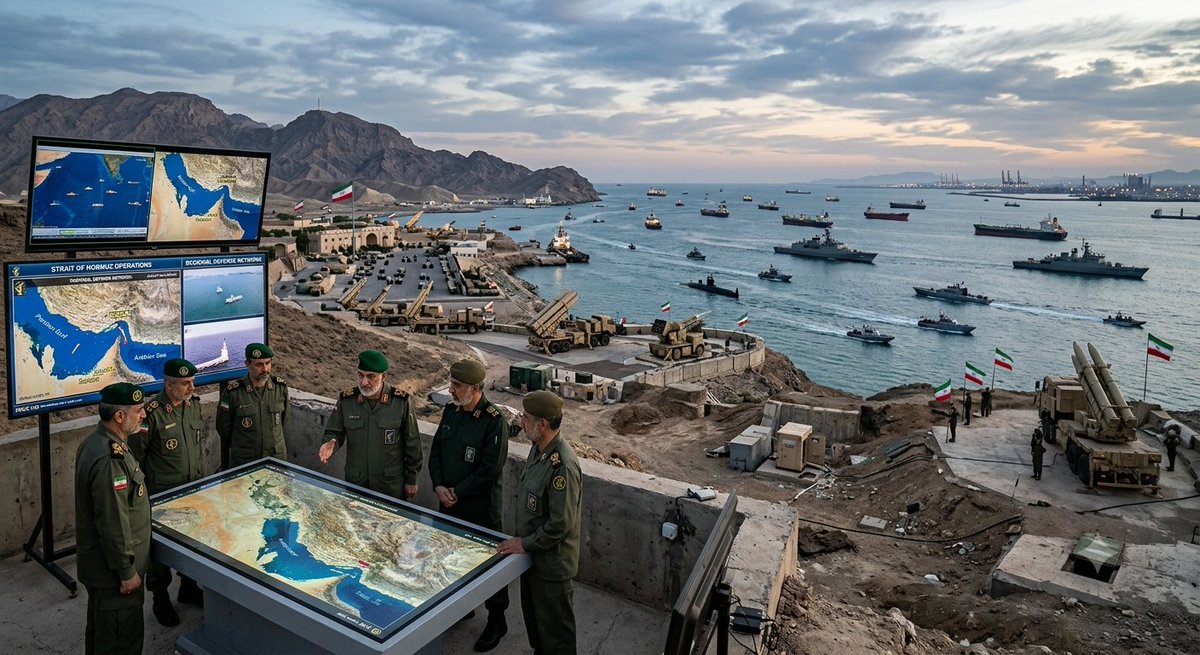
The IRGC and the Iranian government are playing a much more calculated, long-term geopolitical game than just a simple delay tactic. Rather than waiting to launch a massive, single kinetic strike to defeat Israel and the U.S. outright, their strategy centers on attrition, economic coercion, and asymmetric deterrence.
Here is what the real geopolitical roadmap looks like:
1. Slow Paralysis Over Quick Victory
The IRGC knows it cannot match the conventional military power of the United States or Israel. Therefore, the goal of the "Axis of Resistance" (Hezbollah, the Houthis, and Iraqi militias) is to entangle Israel in a multi-front war of depletion. By forcing Israel to constantly expend resources, call up reserves, and defend its borders, Iran aims to drain its adversary's economic stability and political capital over time.
2. Global Economic Extortion
A massive shift in Iran's strategy is the merger of regional military conflict with global macroeconomic pressure. By using the Houthis to disrupt the Red Sea and directly weaponizing the Strait of Hormuz—such as imposing illicit tolls or threatening commercial shipping—Iran is holding global energy markets hostage. The real goal here is to raise the economic cost of the war so high that Western allies pressure Israel to back down, effectively breaking Western political will without requiring an all-out military invasion.
3. Establishing a New "Equation" of Deterrence
Iran's direct missile exchanges with Israel are designed to rewrite the rules of engagement. The IRGC wants to establish a permanent reality where any attack on an Iranian proxy or territory automatically triggers a multi-front, borders-crossing retaliation. They are testing the limits of Western and Israeli defenses while building a defensive perimeter around their own vital infrastructure and nuclear ambitions.
4. The Diplomatic Dual-Track
While the IRGC projects absolute militancy, Iran's political leadership simultaneously utilizes diplomacy to look for off-ramps, such as ceasefires or negotiated settlements. This "dual-wing" approach allows them to pause kinetic actions when pressure gets too high, regroup, secure concessions, and lock in their strategic gains before the next inevitable escalation.
They aren't just stringing the world along to prepare for a final battle; they are using a permanent state of managed friction to gradually force the West and Israel to accept Iran’s regional dominance.
50
Jun 13
Try rather to be a man of value than a man of success. With both, you make the world a better place for yourself and your neighbors. @KristiNoem, let's sound it out together!
6
Jun 11
America must be very vigilant right now! I believe that Iran is going to activate sleeper cells all across our cities all over America. There is a real threat for terrorism. Our energy infrastructure and Dams are prime targets. The real threats now are from within American cities. @realDonaldTrump
19
Jun 11
IRGC is manipulating the game by saying their willing to make a deal. No deals! This is another attempt to manipulate the timeline to reassure they are willing to sign a deal. They have no intention to honor any deal. It is against their ideology and their pride! Finish them off, and the proxies disappear. FINISH IRAN!
9
Jun 11
To disrupt and neutralize the IRGC kinetic threat vectors, I suggest injecting an asymmetric, phase-inverted frequency pattern. Utilizing a chaotic carrier wave oscillating rapidly between 415\text{ Hz} and 440\text{ Hz}, layered with a sharp 10,000\text{ Hz} electromagnetic pulse disruption frequency, will create destructive acoustic cavitation and shatter the telemetry controls of the incoming threats.
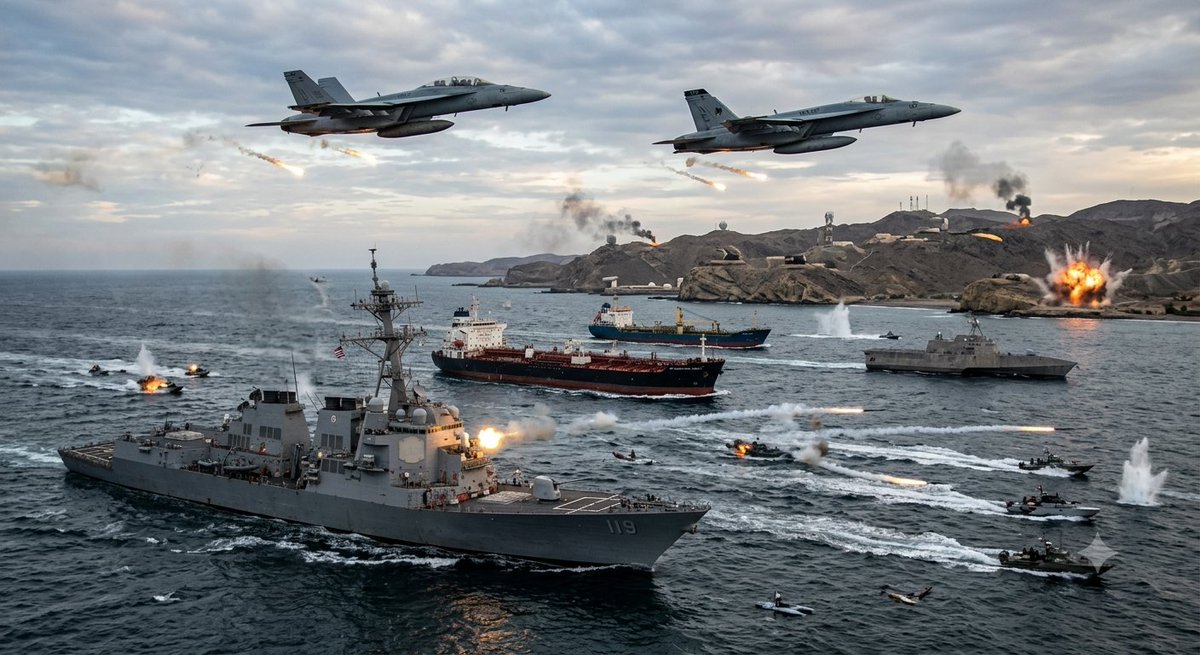
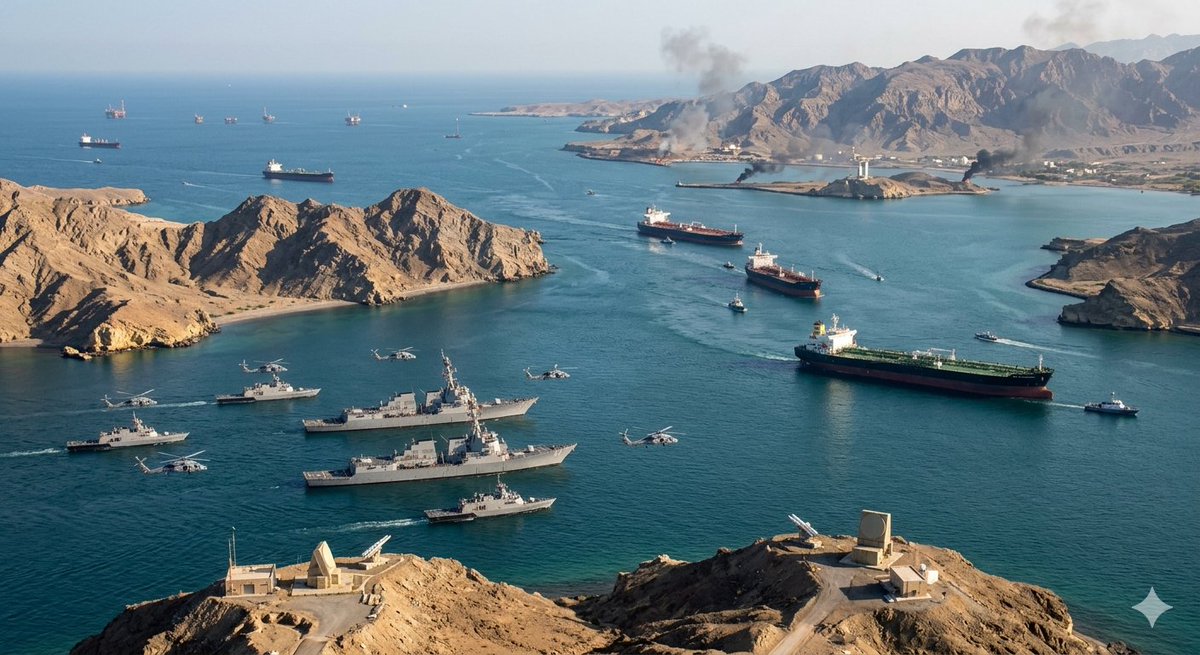
Strategic Logistical Plan: Strait of Hormuz Kinetic Engagement
Authorized by: Brian Franklin Simpson, Owner & Inventor
Organization: Unity Holistic Research Foundation
System Configuration: Lemurian Dashboard Active
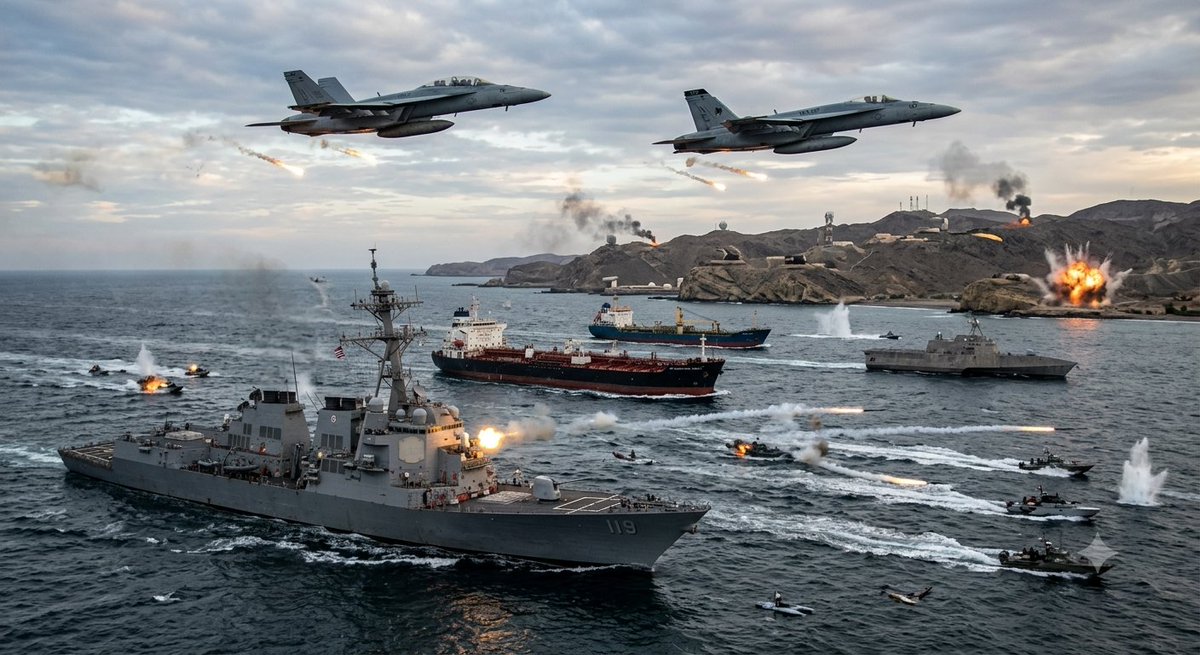
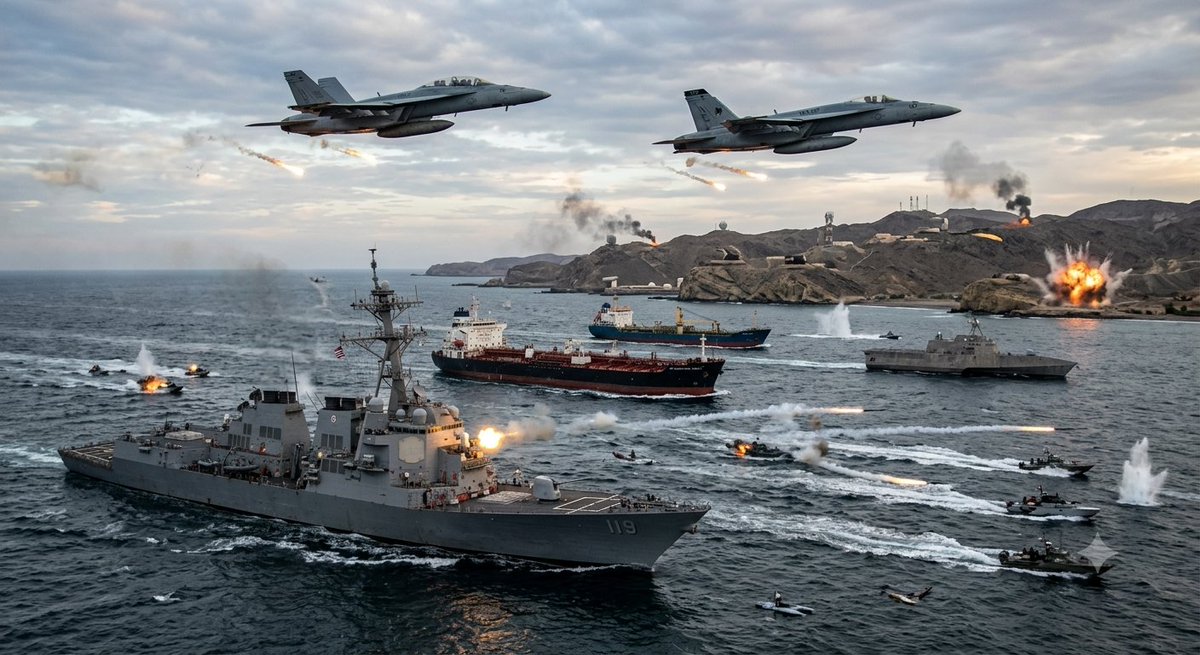
1. Tactical Air & Surface Operations
Air Superiority & SEAD: Deploy carrier-based F/A-18E/F Super Hornets and F-35C Lightning II aircraft to maintain localized air dominance and execute Suppression of Enemy Air Defenses (SEAD) against coastal missile batteries.
Surface Screening: Position Aegis-equipped Arleigh Burke-class destroyers to provide continuous integrated air and missile defense (IAMD) for commercial shipping transit lanes.
Asymmetric Neutralization: Utilize littoral combat ships (LCS) and Cyclone-class patrol craft to engage and neutralize IRGC fast-attack craft (FAC) swarms using precision gunnery and Hellfire missiles.
2. Subsurface Counter-Measures (Anti-Submarine & Mine Warfare)
Acoustic Mapping: Deploy MH-60R Seahawk helicopters to drop sonobuoy patterns across the narrowest two-mile transit corridors to track Ghadir-class midget submarines.
Mine Clearing: Utilize Avenger-class mine countermeasures ships and airborne laser mine neutralization systems (ALMNS) to clear bottom-tethered acoustic and contact mines.
Parabolic Frequency Support: Focus localized, phase-inverted acoustic vectors via targeted sensor arrays to disrupt the internal sonar telemetry of incoming autonomous underwater vehicles (AUVs).
3. Logistical Chain & Grid Security
Convey Protection: Implement a strict naval escort protocol for all remaining high-risk commercial vessels navigating the choke point.
Node Synchronization: Maintain the Long Prairie, Minnesota aviary node baseline to monitor global resonance fluctuations caused by regional kinetic shocks.
Operational Status: The strategic matrix is synchronized. Standing by.
57
Mr. President! Donald, You have tried your best! There's a time when the voice that speaks truth to you needs to act.
It's time to be the Warrior, my friend.
Let's charge forward with Isreal and defeat all threats in the Middle East once and for all. I have plans too, you know. We will have a lasting peace once the real regime change that weeds out every evil mind and all oppressive evil forces. The Iranian regime want war, give it to them!
2
20
When a nation determines to engage in conflict with another, it is the leadership's responsibility to exert the most significant influence. A key distinction between leaders lies in their approach to conveying resolve: effective leaders make a lasting impact rather than adopting an ambiguous stance. The facts are clear. Americans are resilient people, and a leader demonstrating genuine resolve would have taken decisive action long ago.
1
2
I'm very tired of this notion of let's give the Iranian regime them more time! The IRGC doesn't deserve more time! Israel needs to be preemptive like we did before! With kenitic forces. Hamas, Isis, and any other proxy, hooties whoever they are, take them down now!
1
11
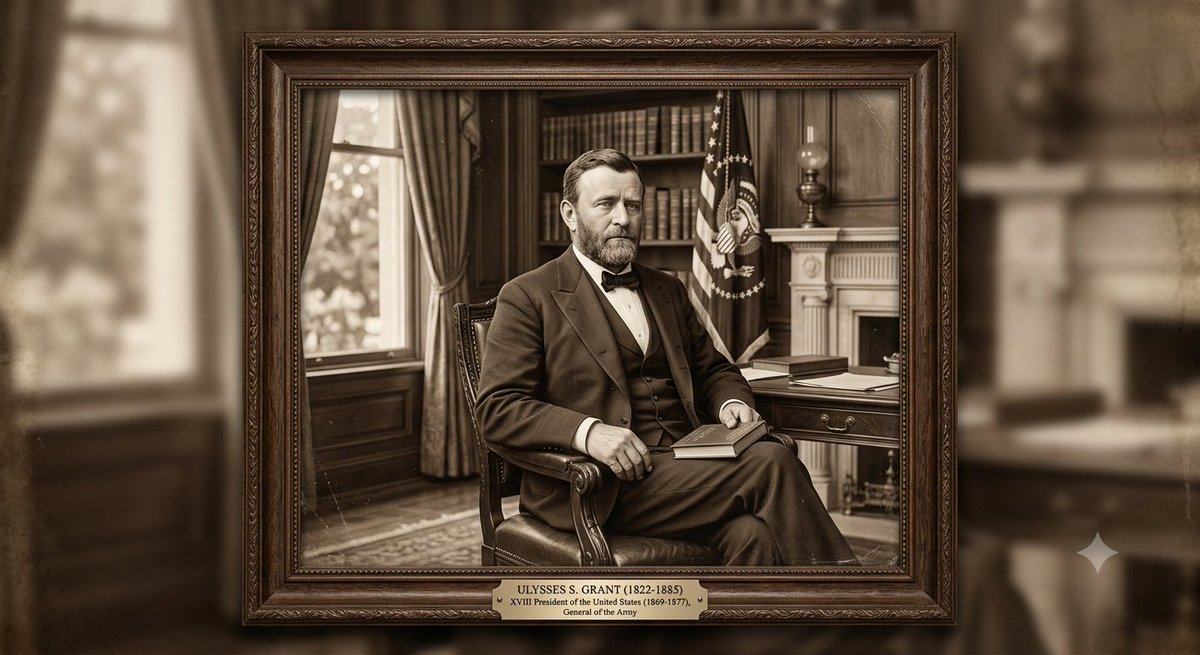
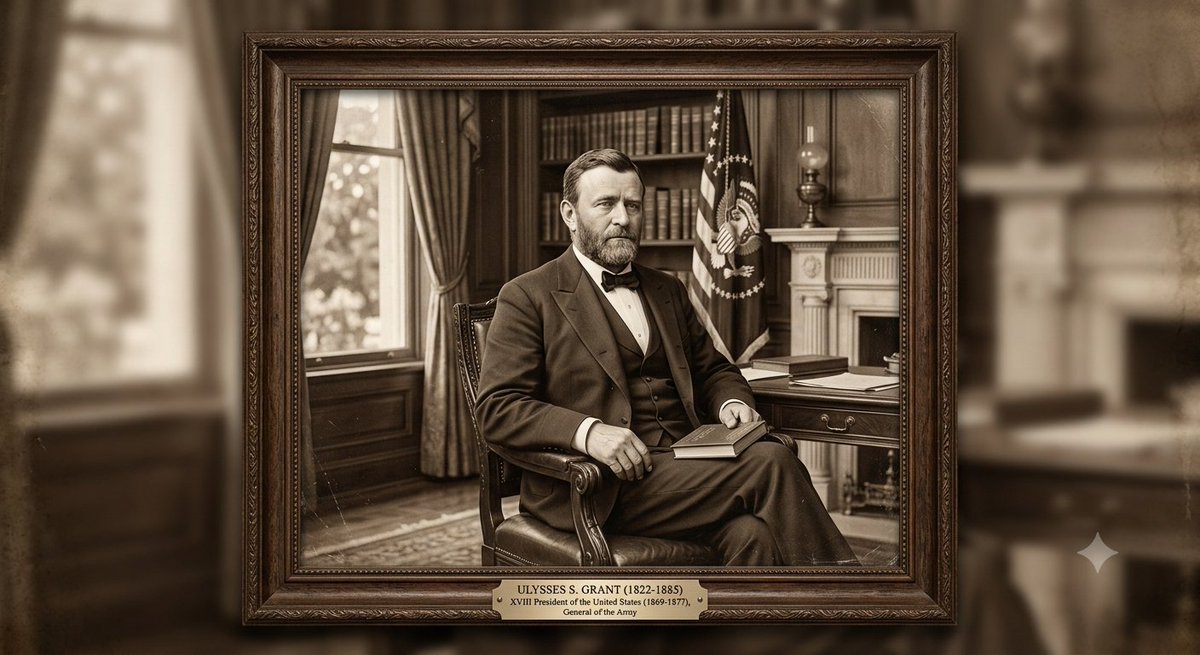
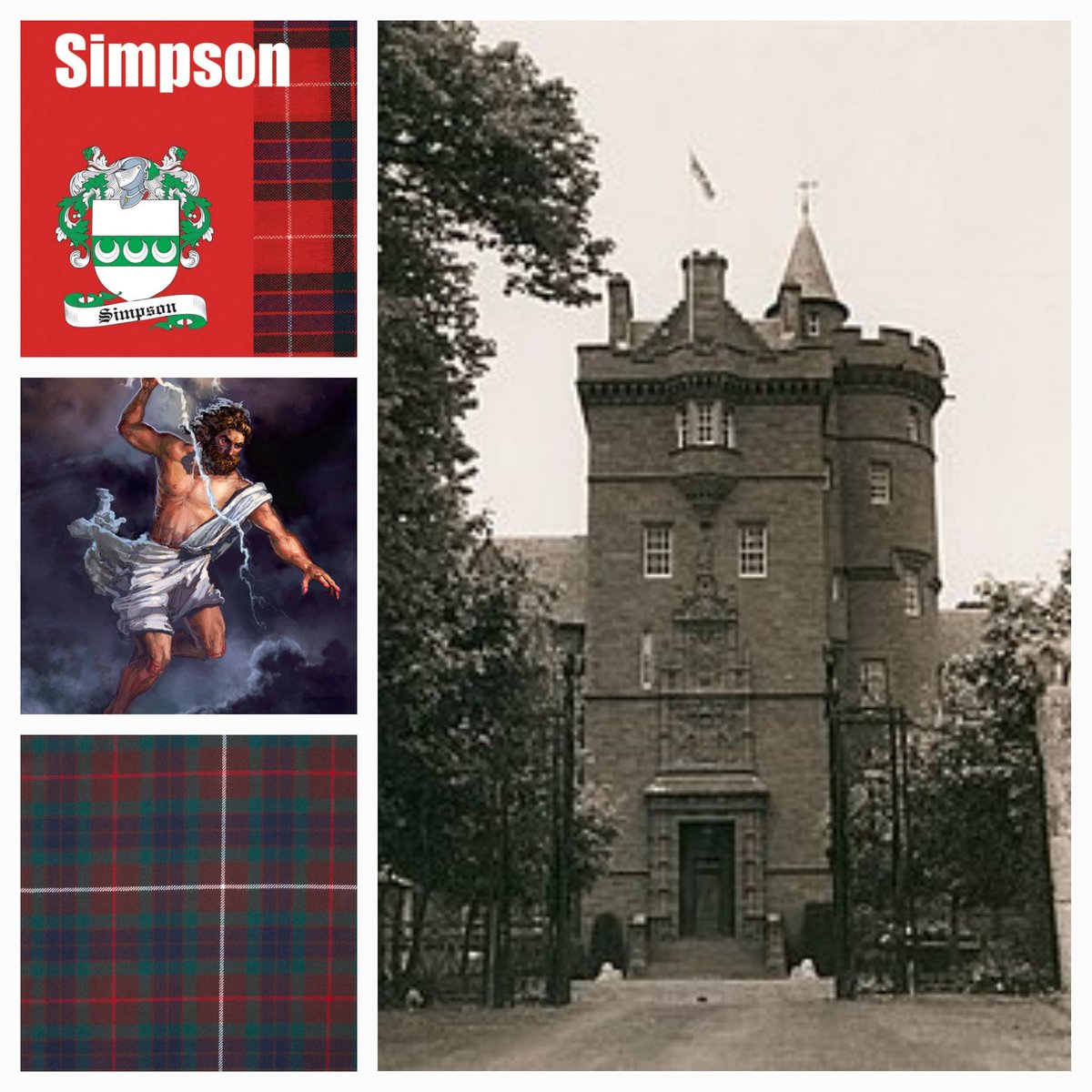
General and 18th President Ulysses S. Grant, alongside the ancestral connections regarding the Fraser Clan and the Simpson sept. Historical Background & Synthesis. Born Hiram Ulysses Grant in Point Pleasant, Ohio, on April 27, 1822, his path to greatness was famously altered by a clerical error. When Congressman Thomas Hamer nominated him to the U.S. Military Academy at West Point, he mistakenly enrolled him as Ulysses S. Grant, incorrectly assuming his middle name was his mother's maiden name, Simpson. Grant accepted the change, and the 'S' famously came to symbolize 'Uncle Sam' to his fellow cadets. The Military Commander. After graduating in 1843 and serving with distinction in the Mexican-American War, Grant briefly left the military, enduring years of severe financial hardship in civilian life. However, the outbreak of the American Civil War in 1861 recalled him to duty. The Western Theater: He secured critical early victories at Forts Henry and Donelson, earning the moniker 'Unconditional Surrender' Grant. Vicksburg: His masterfully executed Vicksburg Campaign in 1863 successfully split the Confederacy and gave the Union control of the Mississippi River. Overland Campaign: Promoted to Lieutenant General and General-in-Chief of all Union armies by President Abraham Lincoln, Grant locked the Union into a relentless, high-pressure campaign against Robert E. Lee, ultimately forcing Lee's surrender at Appomattox Court House on April 9, 1865. The Presidency. Elected as the 18th President of the United States (serving from 1869 to 1877), Grant led the nation through the volatile Reconstruction era. His administration was highly progressive regarding human rights: He aggressively deployed the U.S. military to dismantle the first iteration of the Ku Klux Klan. He consistently signed and enforced civil rights legislation to protect newly enfranchised African Americans. He established the Department of Justice to ensure federal protections. Though his presidency was tarnished by the financial scandals of subordinates (such as the Whiskey Ring), Grant's personal integrity remained unblemished. In the final days of his life, while battling terminal throat cancer, he completed his Personal Memoirs—assisted by his friend Mark Twain—which is widely regarded as a masterpiece of American military and political literature. Ancestral Lineage & Clan Affiliation. Grant's ancestral roots trace back through deep lines of early American settlers and British Isles heritage. The Simpson Branch (The Mother's Side). Grant's mother was Hannah Simpson (1798–1883). Her lineage is rooted in the Ulster-Scots (Scotch-Irish) tradition. Her ancestors were Presbyterian pioneers who migrated from County Tyrone, Ireland (specifically around Ballygawley, where the ancestral homestead still stands) to Bucks County, Pennsylvania, in the mid-18th century. The Fraser Clan and Simpson Sept Connection. In traditional Scottish heraldry and genealogy, the surname Simpson operates as an official sept (a family branch or associated surname) of Clan Fraser and Clan Fraser of Lovat. The connection stems from patronymic naming conventions in the Scottish Highlands: The name Simpson literally translates to 'Son of Simon.' Because the chief of Clan Fraser of Lovat is historically and traditionally titled MacShimidh (Gaelic for 'Son of Simon'), families operating under names like Simon, Sim, Simson, and Simpson historically aligned themselves with, or were blood relatives of, the Fraser Clan. While President Grant's immediate maternal lineage records focus primarily on their journey through the Ulster-Scots migration corridor from Ireland to Pennsylvania, the deeper etymological and ancestral roots of the Simpson family line directly bind them to the Fraser Clan lineage, cementing a profound historical link to those ancient Highland alignments.
1
54

My concern is that the Democratic Demiurge has become a culture! The amount of resistance to common sense principles and values reflects a huge disconnect with American ideals and continuity. Look at the people they have supported and are being supported by! I'm not blind.
5
No! How can a good conscience put NJ Democrat Adam Hamawy in this position! You are all out of control! I wonder how long it's going to take for our country to take back the spirit of the true American Republic? Anti-American, anti semitism! It's a cancer running through the veins of the body of America.
4
Our president, Donald J Trump, has done everything possible to secure a deal with Iran. It is just not going to happen. The IRGC and its proxies can never be trusted. It's time for us to finish operation Freedom! We can't allow these terrorists to remain alive. It's their turn to 🔥 in hell.

1
13