Joined September 2024
- Tweets 7,771
- Following 185
- Followers 182
- Likes 47,972
860 Photos and videos








Pinned Tweet

Apr 26
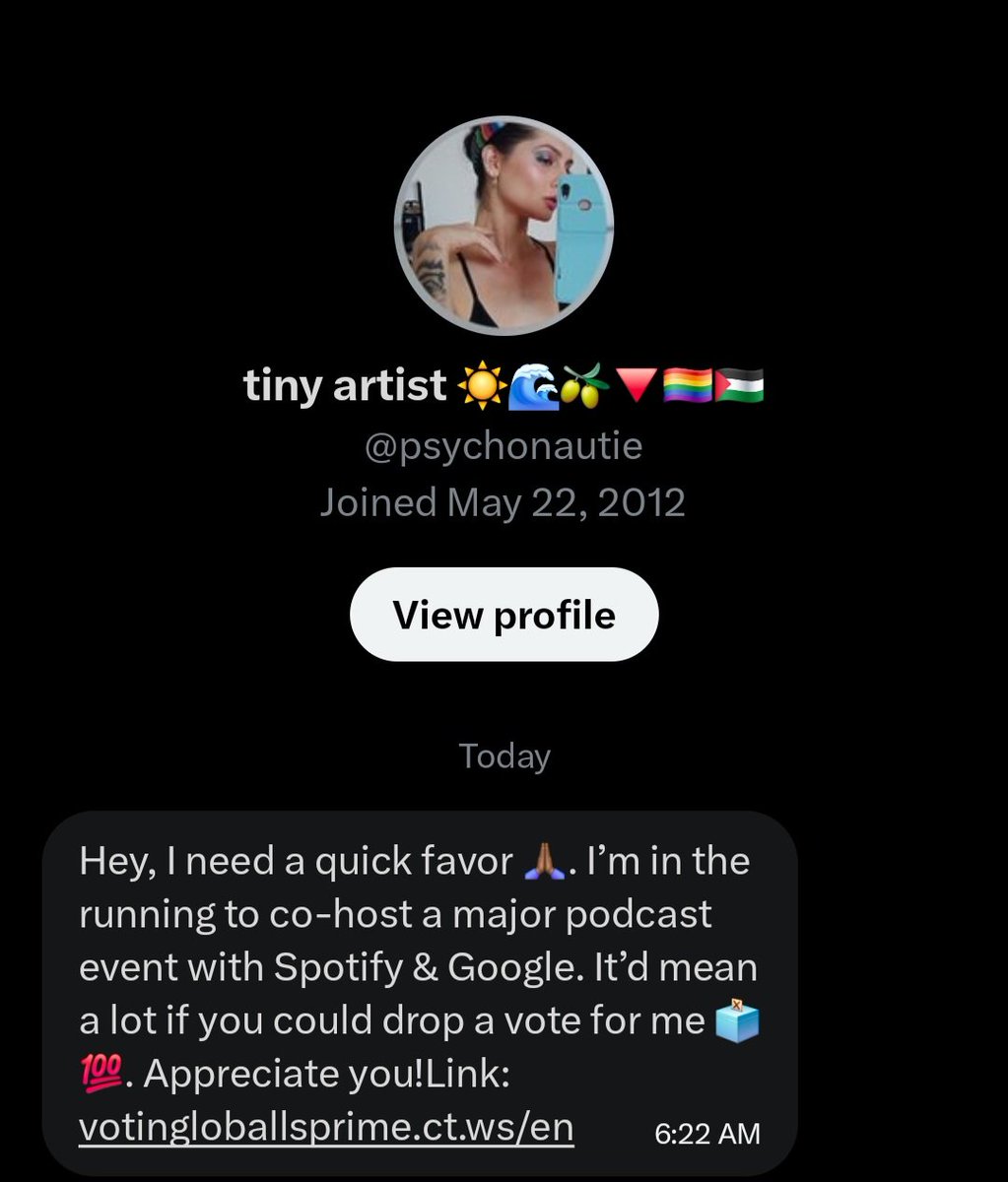
So many are being hacked. Please read this important post from @ccnameisfriday about how links from those we interact with are the cause ☘️
#XHack
Apr 25

@psychonautie you have been hacked. I hope everyone is aware that these are attempts to hack your account and get your information. Please dont click on these links. Inform the person like this and the then delete the message. They are becoming so common lately.
5
15
567

Sky retweeted

Flo Rollercoaster - I'm Your Man (Studio demo)
youtube.com/watch?v=m0XbTuS7…
#JimiHendrix #LedZeppelin #JimmyPage #TheRollingStones #BlackSabbath #TheDoors #JimMorrison #EricClapton #GNR #Nirvana #KurtCobain #Grunge #PinkFloyd #TheBeatles #PearlJam #Soundgarden #ACDC

1
3
23
984
Jun 13
I love Canada 🍁🇨🇦💖
Jun 12

The reaction to Canada's goal at the FIFA Fan Fest in Toronto was the same reaction felt and heard around Canada.
I love this country. Brought together by sport.
🍁🇨🇦⚽️
#CANMNT #FIFAWorldCup

8
72
Sky retweeted

Mark your calendars 📆
The Toronto Marlies will officially take on the Chicago Wolves in the 2026 Calder Cup Finals!

14
123
639
32,062
Sky retweeted
Flo Rollercoaster - Acoustic
#JimiHendrix #LedZeppelin #JimmyPage #TheRollingStones #BlackSabbath #TheDoors #JimMorrison #EricClapton #GNR #Nirvana #KurtCobain #Grunge #PinkFloyd #TheBeatles #PearlJam #Soundgarden #ACDC
youtube.com/watch?v=kRWB-T0o…
1
4
16
898
Jun 3
Am I right?
#LeafsForever
Jun 3

Who's flipping? It's fun to be talked about so much, then people complain when Leafs are in the media so much when they're the person who clicked on the article to comment 🤦♀️ Go Leafs Go!!
8
149
Jun 2
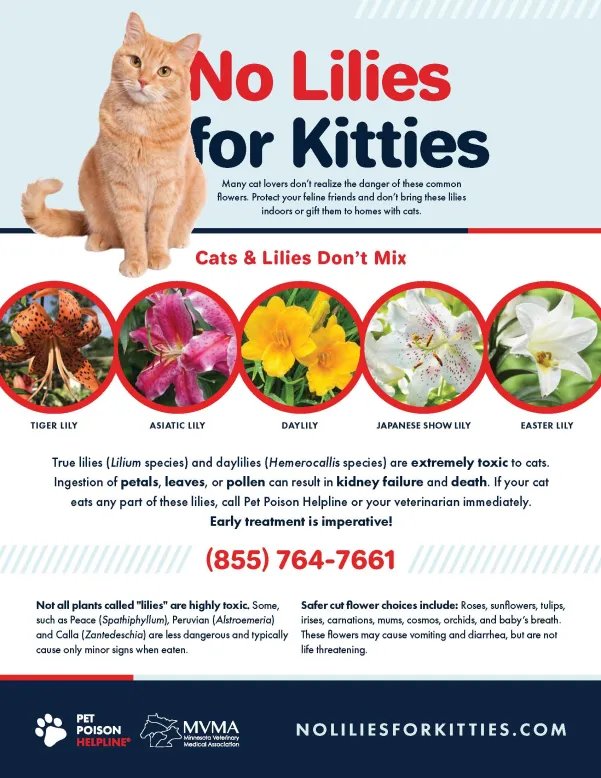
Tiger lily, Asiatic lily, daylily, Japanese show and easter lily flowers are all toxic to cats 🐱
#Cats
1
4
80
Jun 2
🚨
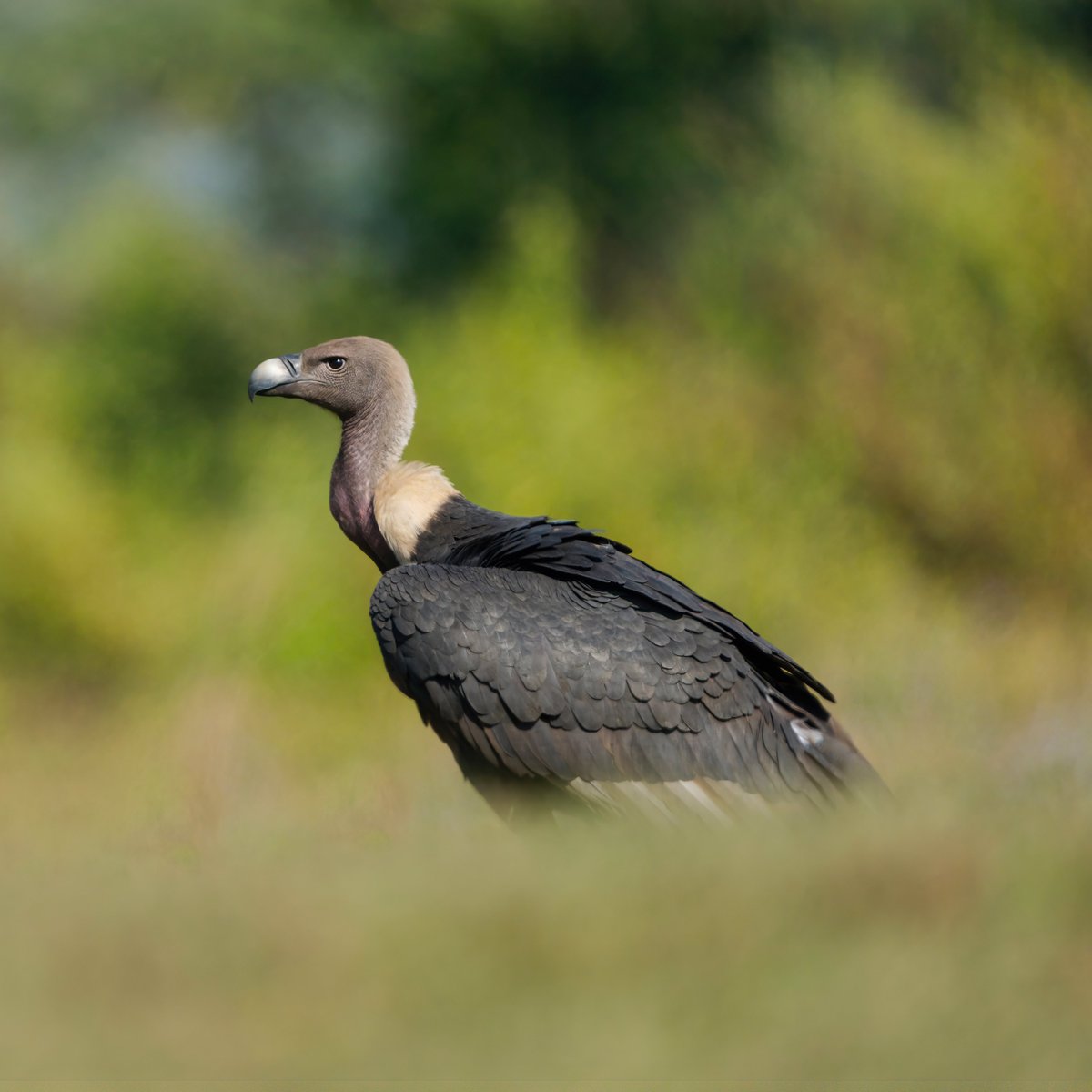
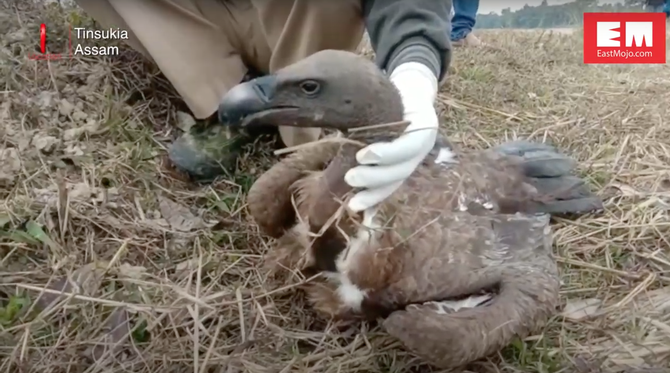
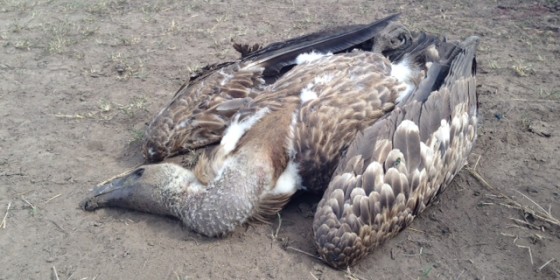
"It's easy to look at a "gross" animal like a vulture and wonder, 'what good is it?' But time and time again, we see that when species disappear, it creates catastrophic human consequences as well."

The collapse of India's vultures killed 500,000 people.
A peer-reviewed 2024 study in the American Economic Review put the toll at 100,000 extra human deaths per year for five straight years.
In 1994, Indian farmers began giving their cattle diclofenac, which is a common painkiller. The drug caused fatal kidney failure in any vulture that fed on a treated carcass. India's vulture population dropped from roughly 50 million birds to 20,000 in a decade. Three species crashed by more than 99%.
Vultures had been the country's free, invisible sanitation system. A flock could strip a dead cow in 30 minutes, sterilizing the meat with stomach acid strong enough to kill anthrax, rabies, and most pathogens that survive in rotting flesh.
When the vultures disappeared, the carcasses stayed in fields and on roadsides for weeks. Feral dog populations exploded by at least 5 million due to the extra calories they could scavenge. Rabies cases surged. Fecal bacteria in drinking water more than doubled. Farmers began dumping dead livestock in rivers. It was an ecological crisis on multiple fronts.
India banned diclofenac for veterinary use in 2006. Vulture numbers are now recovering slowly. But the death toll from those years is the price tag of erasing a single species from a single ecosystem.
It's easy to look at a "gross" animal like a vulture and wonder, 'what good is it?' But time and time again, we see that when species disappear, it creates catastrophic human consequences as well.
6
48
Jun 1
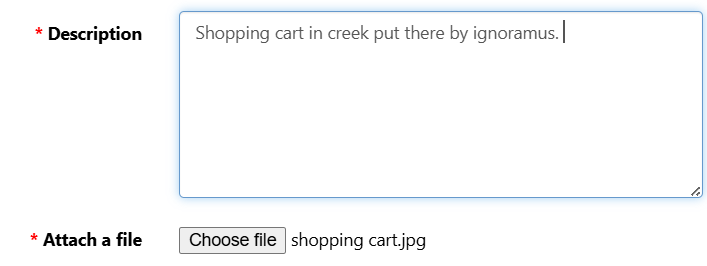
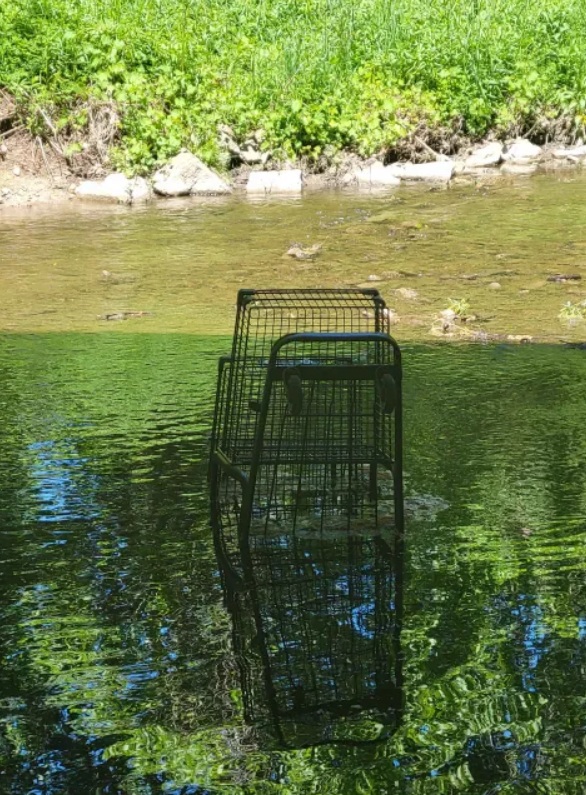
My service request to remove a shopping cart from a creek on the trail we walked yesterday. I'm obviously very frustrated with people. Hoping the people who review the request have a laugh over my wording 🙃
9
93
Jun 1
The Toronto and Region Conservation Authority (TRCA) builds wildlife tunnels also. Someone I know was counting road kill for them as a volunteer to assist with obtaining funding.
trca.ca/conservation/terrest…
May 31

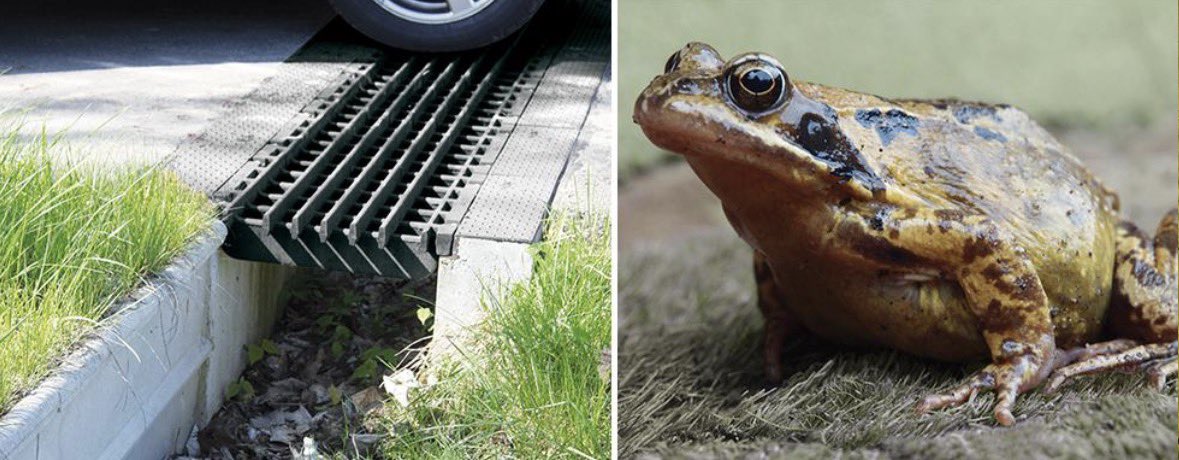
Some European roads now have “toad tunnels” under them.
So during migration season, frogs and toads don’t have to risk traffic at all.
We’re literally redesigning the world so small animals can get home safely.
1
9
79
May 31
Cat: no fecks given 😹

1
5
60
May 31
Slowly saunters away, no fear 😹

A bear was caught red-handed breaking into a parked U-Haul van in North Carolina and making off with a bag in its mouth. abcnews.link/zmmw9vT
5
72
May 31
"If there's a goal that everyone remembers
It was back in old '72
We all squeezed the stick, and we all pulled the trigger
And all I remember is sitting beside you
You said you didn't give a fuck about hockey
And I never saw someone say that before"
youtu.be/KC4tjdQiaTM?si=8JhM…
4
87
Sky retweeted

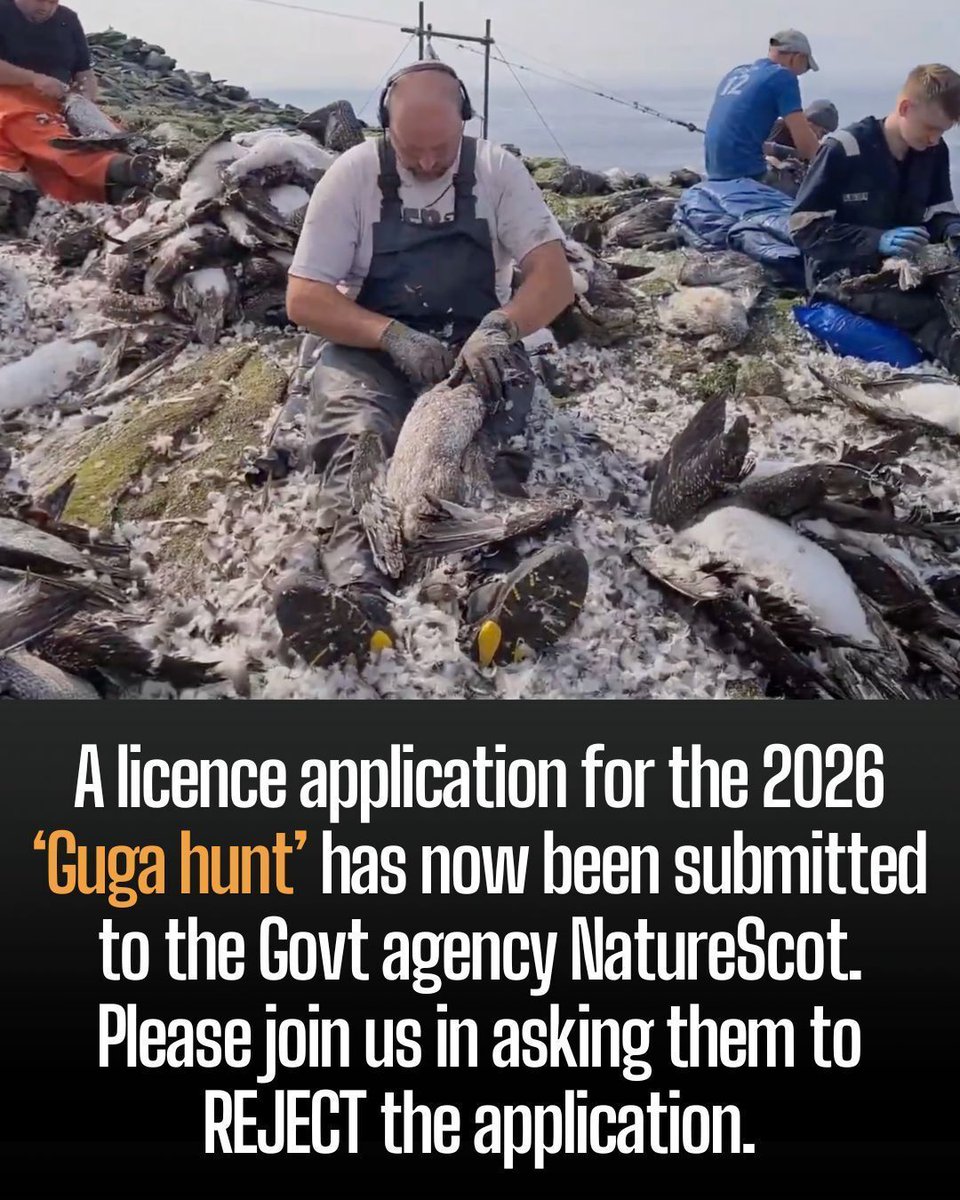
Please take 10 seconds to contact NatureScot now: protectthewild.org.uk/gannet…
6
243
348
7,008