
DeFi narrative strategist & ghostwriter. I turn complex DeFi products into compelling stories that users actually understand and trust.
Joined April 2017
- Tweets 9,719
- Following 546
- Followers 1,246
- Likes 12,182
341 Photos and videos







Pinned Tweet

Apr 8
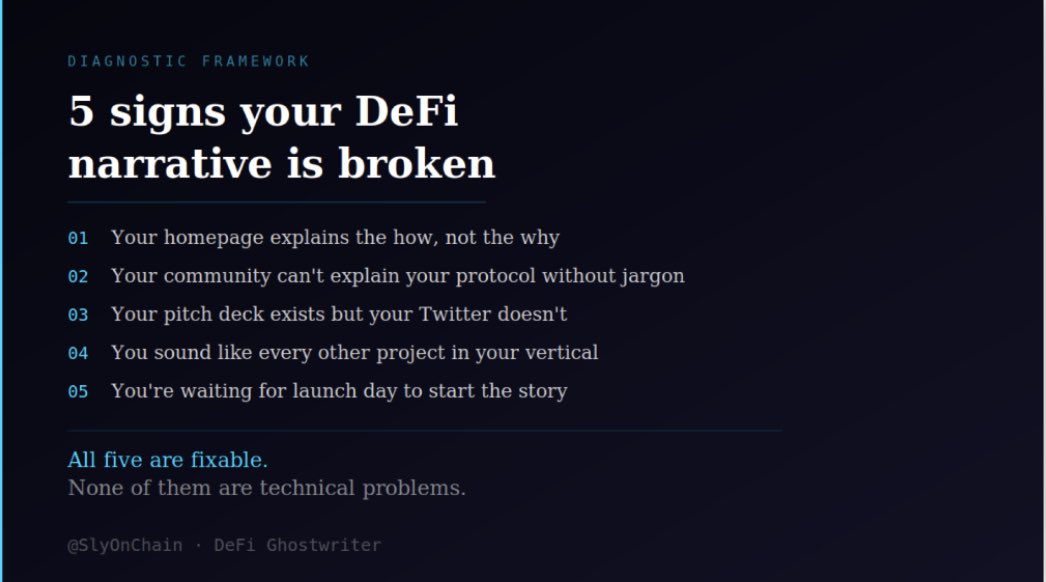
Most DeFi founders think their narrative is fine.
It's not.
They've just been inside it too long to see the breaks.
Here are 5 signs your narrative is broken and what each one is quietly costing you
10
57
1,679
Jun 13
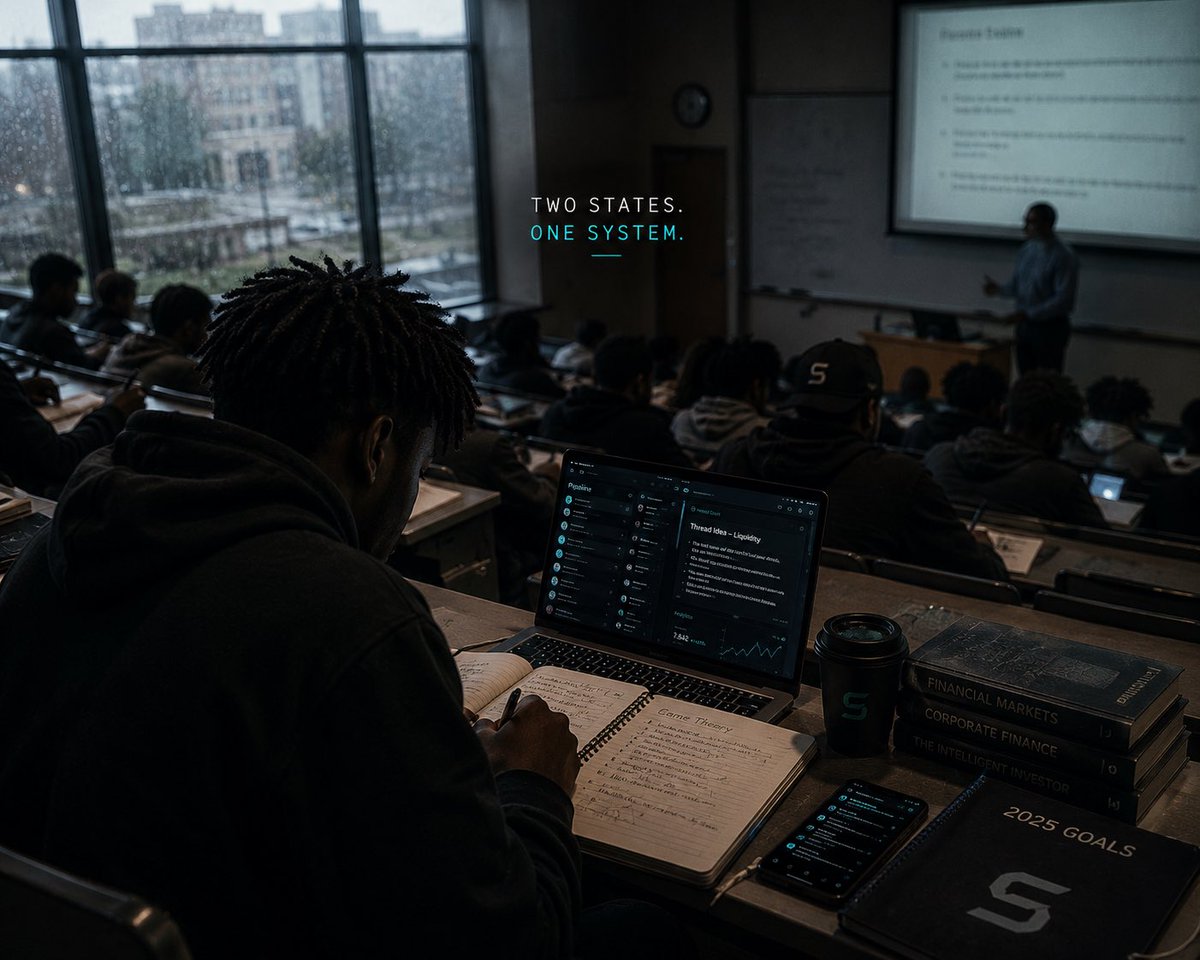
School is back. Two states. One system.
The build does not pause.
Some mornings the university pressure is loudest. Some evenings the pipeline is what keeps me up.
None of this is clean. There is no version of this season without friction.
There is only the decision made again each morning about what does not move.
Lagos. Lectures. Deadlines. DMs. All of it running at the same time with no wall between any of it.
The constraints are not slowing the work. They are the work.
The people who will pay for my work in six months are watching how I show up in the months before they ever reach out.
This is all public.
All of it is the portfolio.
5
10
83
Jun 12
Your protocol's Twitter reads like it was written for your lead engineer.
Not for the trader with $5K looking for somewhere to put it.
The language is technically correct.
Every term earns its place.
And the person with the capital to move your TVL has already closed the tab.
This is what kills mid-stage protocols.
Not bad product.
Not bad tokenomics.
The insider language trap.
Teams write for peer validation.
Engineers impress engineers.
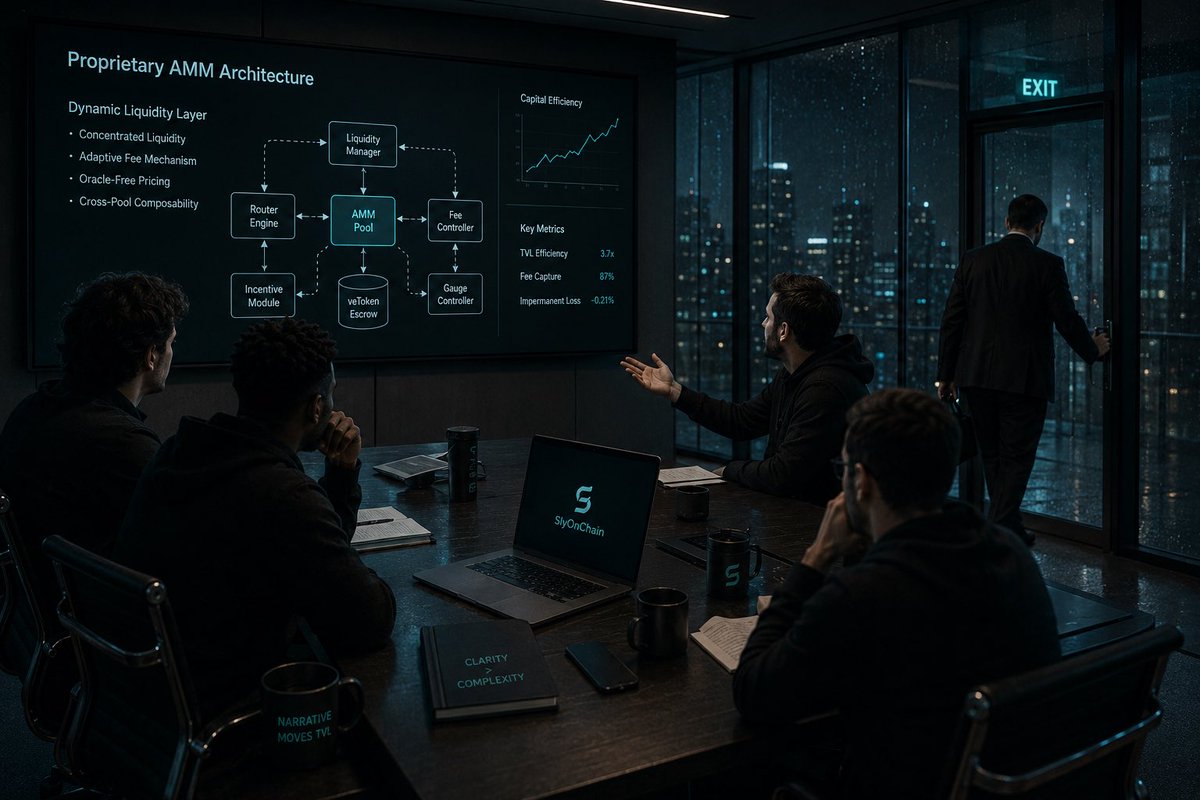
The thread explaining your AMM architecture in four tweets gets nods from people who were never going to buy anyway.
The trader with conviction capital has five tabs open.
Thirty seconds per project.
They are not reading for architecture.
They are reading to feel whether this is worth a sixth tab.
Most protocol content never gets them there.
Your team understands your content.
Your team is the only one reading it.
The capital stays on the sidelines.
9
46
Jun 11
2022.
Factory warehouse.
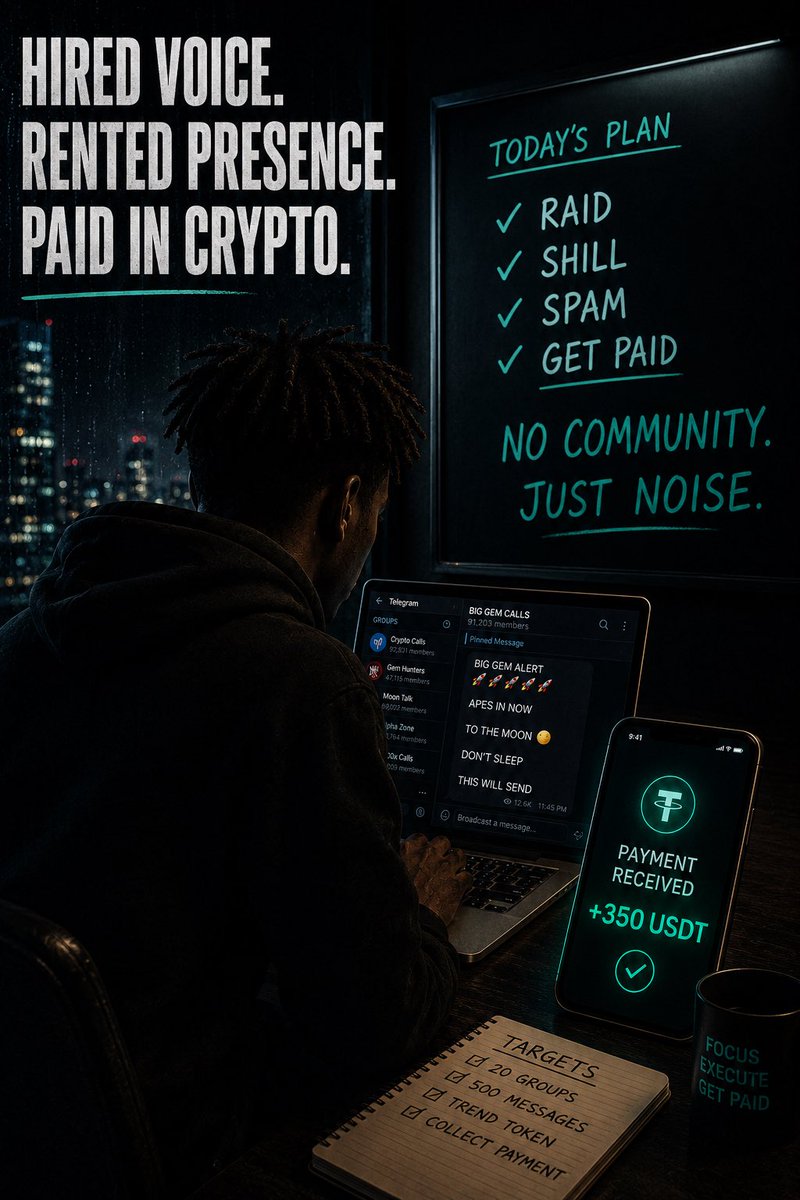
Getting paid to raid and shill tokens on Telegram.
I didn't know it had a name yet.
Before I understood what Web3 was, I was already inside it.
Not as a builder.
As a hired voice.
Teams paid for presence in Telegram groups.
For noise in the right places at the right time.
I would show up, collect the fee, and leave.
The bull market was real.
The money was real.
I thought it was just a hustle.
What I didn't understand then was what I was actually looking at.
Protocols so desperate for attention they were paying strangers to fake it.
No story.
No community.
No reason for anyone to care.
Just hired bodies creating the appearance of momentum that was never there.
I was the symptom of that problem.
Executing the lowest-value version of narrative work in the ecosystem without realizing what it was.
Three years later, I sat down with a copywriting course certificate and an X account built from zero.
And looked back at 2022.
For the first time, the pattern was obvious.
The raiding economy exists because protocols don't know how to build real attention.
Someone has to manufacture it for them.
That was my job in 2022.
In 2026, I started doing the opposite.
9
15
177
Jun 10
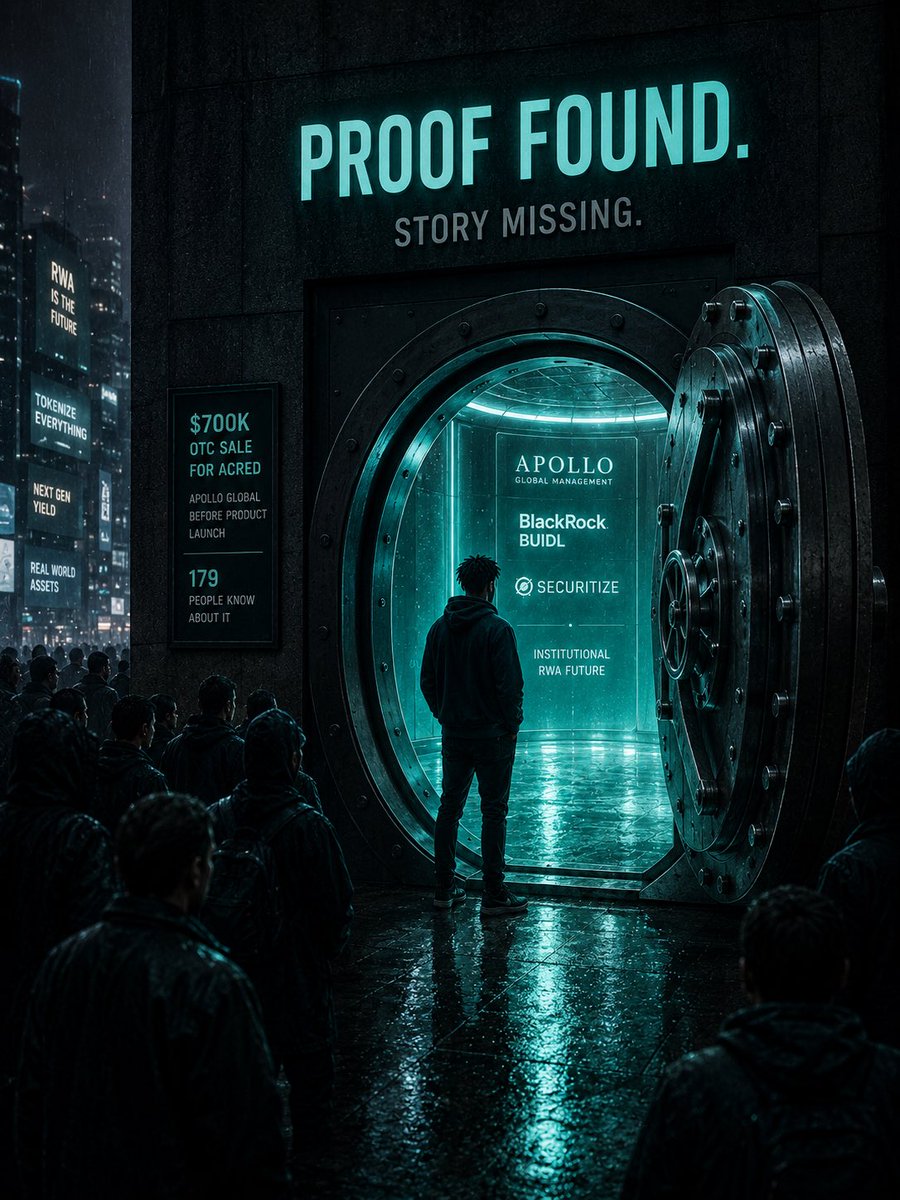
Before their product launched, Octarine closed a $700K OTC sale for Apollo Global's ACRED.
179 people know about it.
Somewhere in their feed is this line:
"RWA tokenisation is solved.
Utility is NOT."
That is the most precise diagnosis of the RWA market written on CT this cycle.
5 likes.
371 impressions.
No follow-up post.
No data attached.
No names.
The line died the same week it was written.
Meanwhile, Securitize is getting louder.
Apollo is getting louder.
BlackRock BUIDL is getting louder.
Every major name in institutional RWA is becoming impossible to ignore.
Octarine closed a deal with one of those names before they even had a live product.
And posted it like a company update.
The $700K ACRED deal is not a milestone to file away.
It is the whole story.
Who the buyer was.
What instant liquidity for an illiquid RWA actually looked like in practice.
How long the same redemption would have taken through traditional channels.
What it proved about the mechanism.
None of that has been written.
Every RWA fund manager searching for "instant RWA liquidity" right now is not finding Octarine.
They are finding the louder names.
The ones posting the same deal ten different ways across ten different formats.
Octarine did the harder thing.
Closed the harder deal.
But the market has not been shown it yet.
@octarinefi.. the proof is real.
Apollo Global is a named counterparty.
That sentence alone should be doing more work than it is.
3
8
98
Jun 10
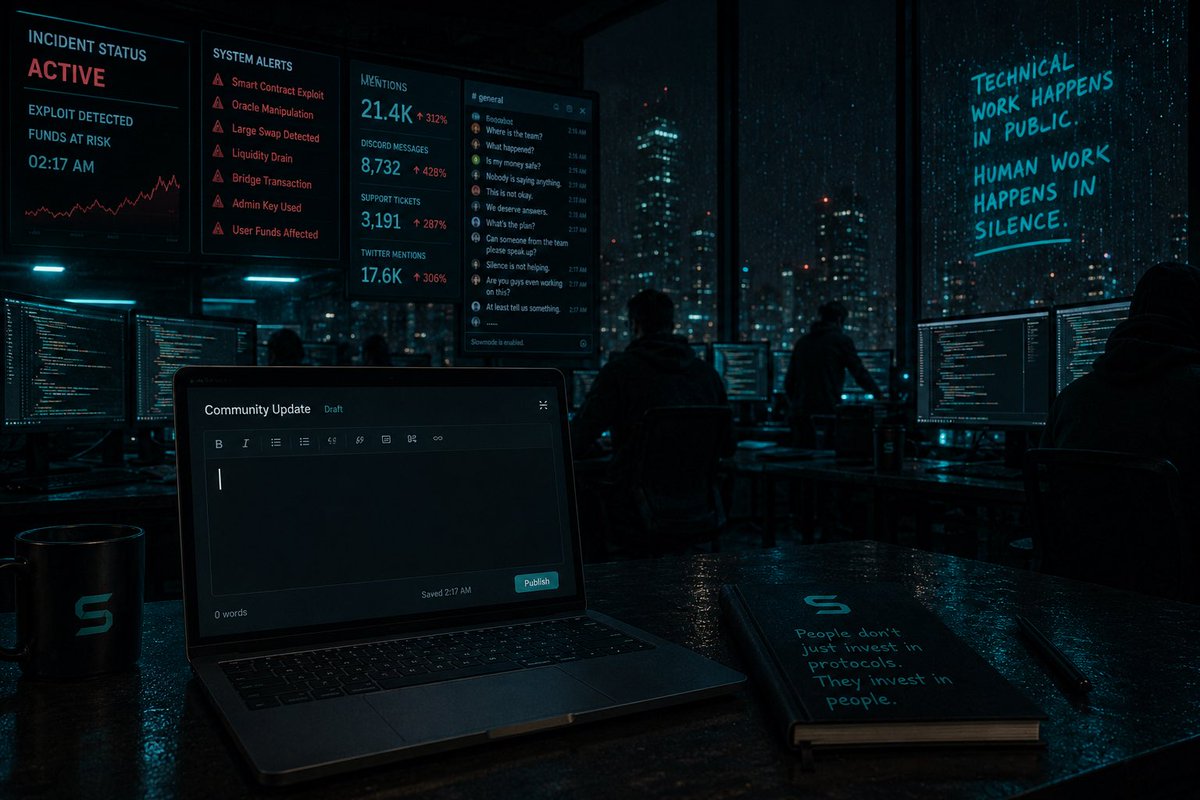
The protocol got hacked.
The real damage was not the funds.
It was the silence that followed.
Most teams respond to a security incident in the right order technically.
The post-mortem gets written.
The compensation plan gets structured.
The GitHub commit goes out with the fix.
Almost nobody writes the human update.
The one that acknowledges what users are feeling.
The one that says, "We know this hurts."
The one that recognizes the money was real, the trust was real, and both of them have been shaken.
That message almost never comes.
So the community sits in the silence.
And silence in a crisis does not read as the team working hard.
It reads as the team not knowing what to say.
Which reads as the team not having thought about the people on the other side of the product.
That is where communities collapse.
Not at the hack.
After it.
In the days when nothing human was said.
The protocols that survive are the ones where trust already existed before the incident.
Because trust cannot be built on the day it is needed.
The community either already believed in the team or they didn't.
A crisis does not create that belief.
It only tests whether it was ever there.
By the time the hack happens, it is already too late to start.
8
17
174
Jun 9
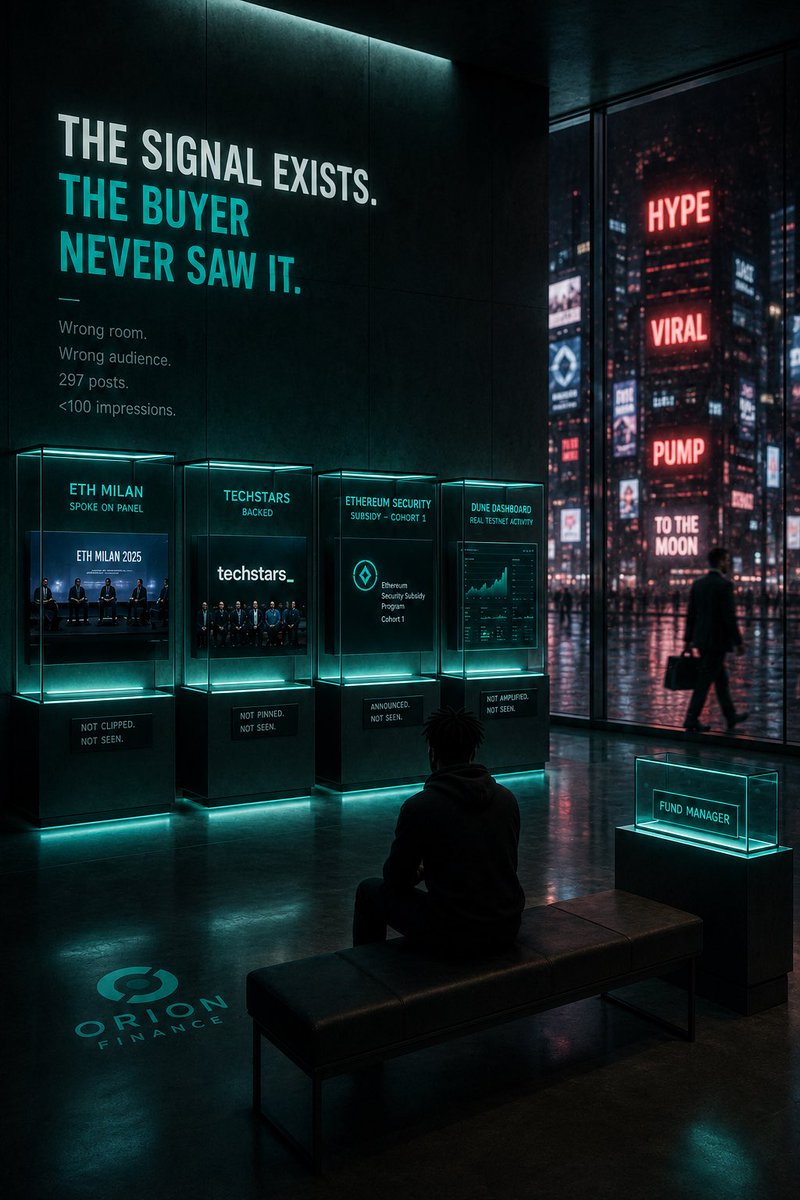
Orion Finance spoke at ETH Milan.
Techstars backed them.
They made Cohort 1 of the Ethereum Security Subsidy.
They built a Dune dashboard with real testnet activity behind it.
Their recent vault launch thread as of now has less than 100 impressions.
That number is not a content problem.
It is an audience problem.
297 posts into a general CT feed.
CT is not where their buyer spends most of their time.
The funds, asset managers, and onchain strategists who actually need privacy-preserving portfolio management are not on the timeline.
They are in Telegram groups, deal rooms, and Discord servers where nobody is posting vault launch threads.
Meanwhile, the receipts are sitting in the wrong place.
Techstars backing not pinned.
ETH Milan panel not clipped.
The Ethereum Security Subsidy announced and filed away.
Three signals that would make a fund manager take a call.
None of them in front of a fund manager.
Then there is this mechanism buried in a thread that got 27 impressions.
Coincidence of Wants.
Internally netted trades that avoid external fees and market impact entirely.
That is not a feature.
It is a structural argument for why every multi-strategy fund running onchain should be asking why they are paying spread on trades that never needed to touch the market.
One post.
Plain language.
Aimed directly at that person.
It does not exist yet.
Orion is not posting for the wrong reasons.
They are posting for the wrong room.
@OrionFinanceAI, the infrastructure is built for institutions.
But institutions have not been spoken to directly yet.
Not once in 297 posts.
2
8
124
Jun 9
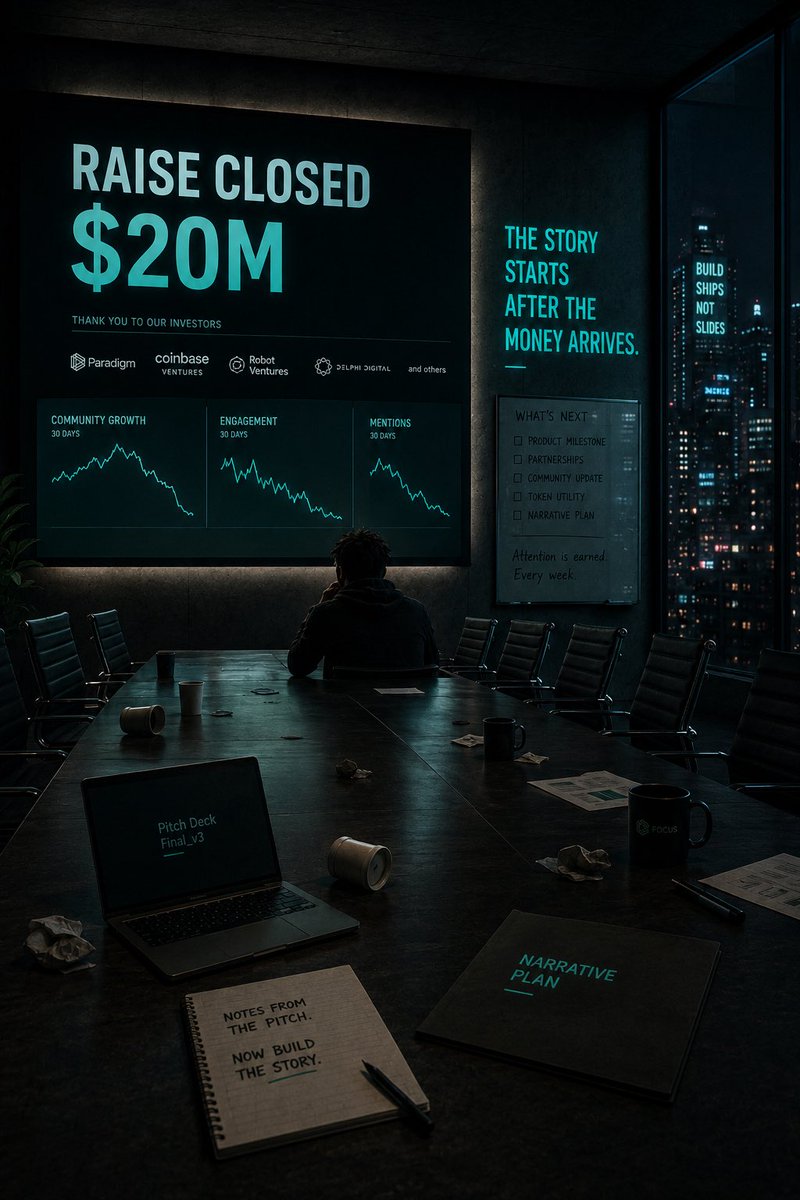
The deck was clean.
Tokenomics slide sharp. Team slide had the right logos. The raise closed.
And then the room cleared. The wire hit the account. And the part nobody had a slide for began.
Post-raise protocols operate inside a window.
The community that formed around the announcement is watching. Not for the product. Not yet.
They are watching to see if the team knows what it is doing now that the money is real and the pressure is public.
Most teams respond by going quiet and building.
Which is the right instinct for the product.
Wrong instinct for the narrative.
Six weeks later an update drops. New partnership. Milestone hit. The copy reads like it was written by the legal team and formatted in 2019. The community sees it. Nods. Moves on.
The window that existed right after the raise.. the one where attention was free and goodwill was high, is gone.
It does not come back.
The raise is not the finish line for the story. It is the starting gun.
Every week after the close is a week the narrative is either being built or being lost. There is no week where nothing is happening. The market is always forming an opinion.
VCs believed the pitch.
Users need something different. They need to believe the team knows where it is going now that the pitch is over.
That belief does not build itself.
7
14
103
Jun 8
Polaris has a live testnet.
An Ethereum subsidy.
A DeFi Dad podcast with their cofounder.
People in the ecosystem are paying attention.
Yet after looking through their profile, I still found myself asking a simple question:
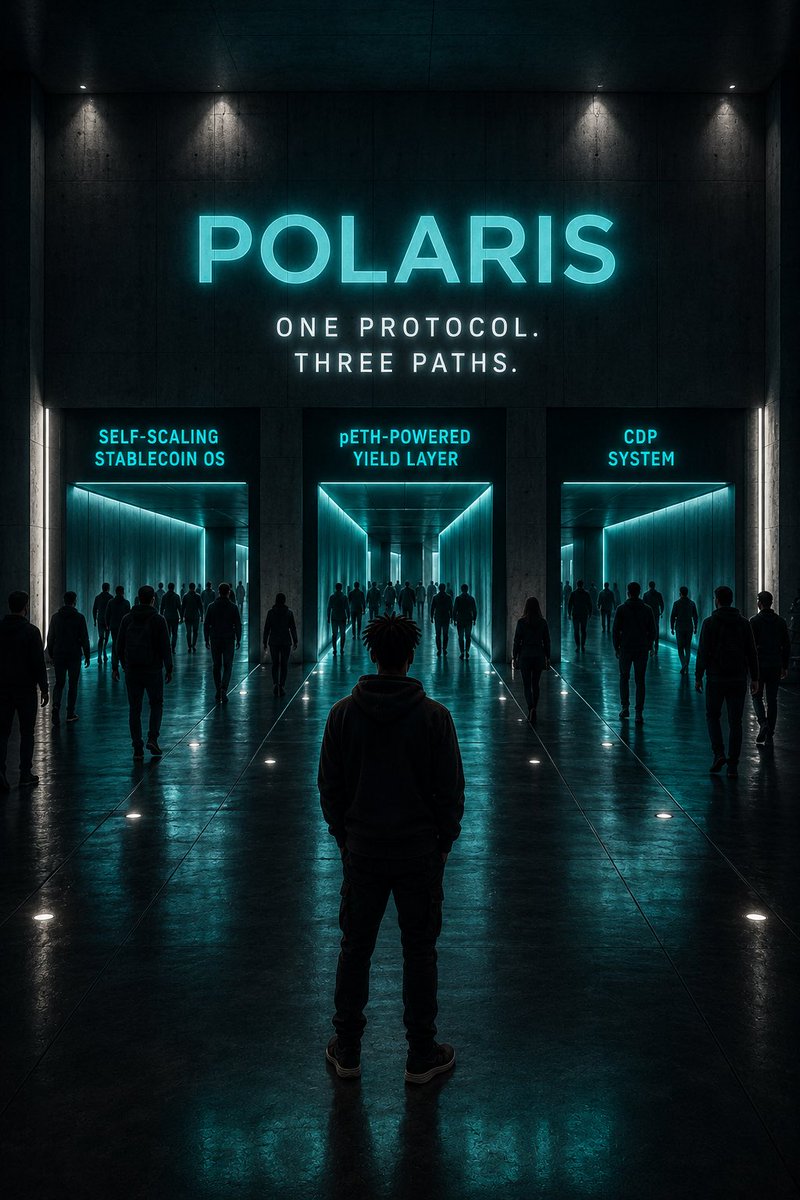
What exactly is Polaris?
Their bio says "self-scaling stablecoin operating system."
Their banner says "pETH-powered yield layer."
Their content describes a CDP system.
Three different descriptions.
One protocol.
When a protocol describes itself three different ways, every new visitor has to do the work of connecting the dots.
Most won't.
That is the real risk.
Not low impressions.
Not lack of attention.
A messaging gap.
Because attention is already arriving.
The DeFi Dad episode brought new eyes.
The testnet is attracting curiosity.
The infrastructure is there.
But attention only becomes adoption when people immediately understand what they are looking at.
Right now, Polaris feels like three different stories competing for the same space.
The market does not reward the protocol with the most features.
It rewards the protocol people can explain in one sentence.
@polarisfinance_ has built something real.
The next challenge is making sure every touchpoint answers the same question the same way:
"What is Polaris?"
2
19
374
Jun 8
The gap is too big. They cannot keep going like this. It is sooner or later.
There is a version of this story where I am grinding in panic.
Where the stalled conversations and the slow closes are evidence that none of this is working.
I have read that version.
I do not live in it.
University is back. Responsibilities split across two states. A brand being built in the hours between lectures and the hours after midnight.
None of it shows on the feed.
What the timeline sees is consistency. What consistency actually is, is a decision made again every single morning before the first post goes out.
The proof is also real.
A protocol COO agreed with my analysis in public. Deebs follows. Carlitos follows. A founder reacted to every DM without being asked twice. HyprEarn replied within minutes of a thread that named exactly what they were missing.
That is not luck. That is a system working.
The only thing slowing the close right now is cash flow. Not skill. Not positioning. Not the work.
Cash flow.
Two completely different problems that people on the outside are reading as one.
The gap between where I am and where I am going is not a question of whether.
It is only a question of when.
And I already know when.
Sooner.

10
17
236
Jun 6
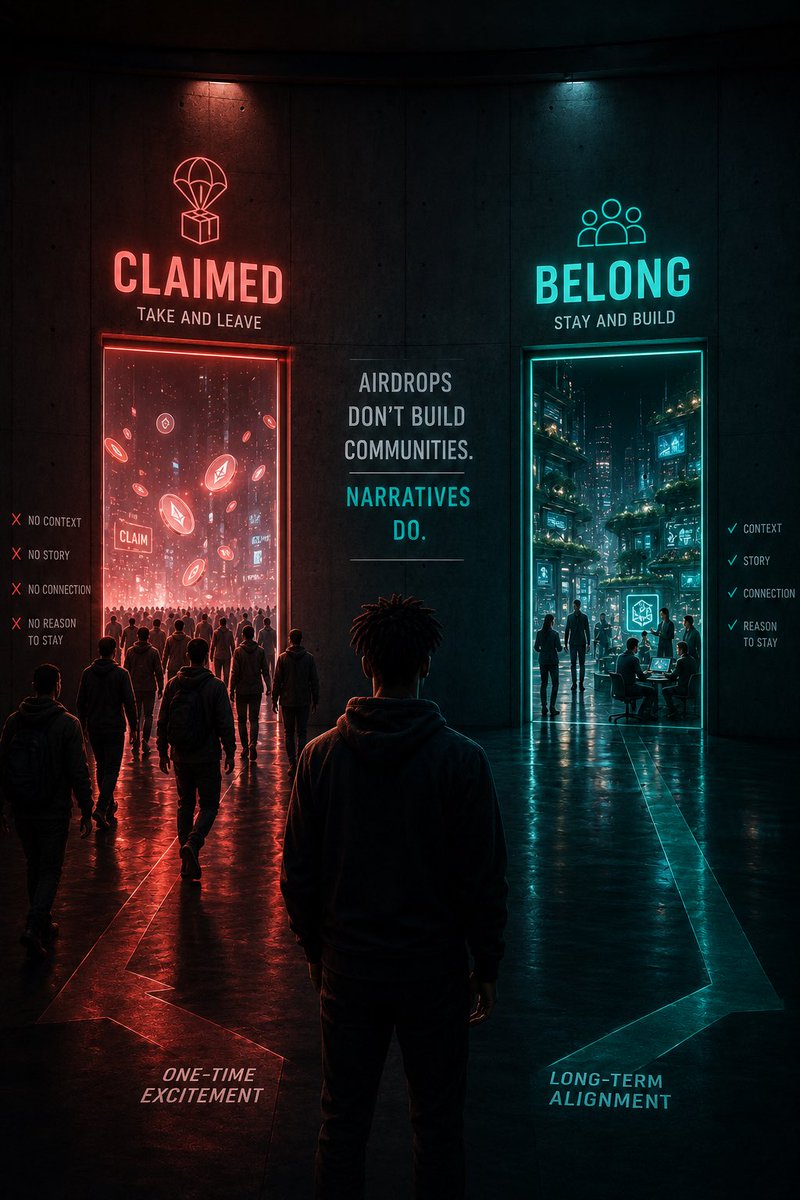
Protocols spend months on airdrop mechanics.
Eligibility criteria. Snapshot timing. Claim process. All of it optimized.
Then the announcement goes out with the enthusiasm of a tax notice.
Users open it. Check the number. Close the tab.
The message answered how much and when.
It never answered why the team spent two years building what they built. What the token actually represents inside the ecosystem. Why holding it means anything beyond the current price.
So they sell.
The team calls it distribution failure.
But the recipients didn't fail to hold. They were never given a reason to.
The protocols that turn airdrop recipients into people who actually stay do one thing differently.
They start months before the drop.
Not with hype.
With consistent communication that builds the case for why the token means something. Why this protocol exists. What the community is actually being let into.
By the time the airdrop lands, the decision to hold is already made.
Without that groundwork the airdrop is just a one-time expense.
The audience it buys leaves with the first green candle.
3
9
142
Jun 5
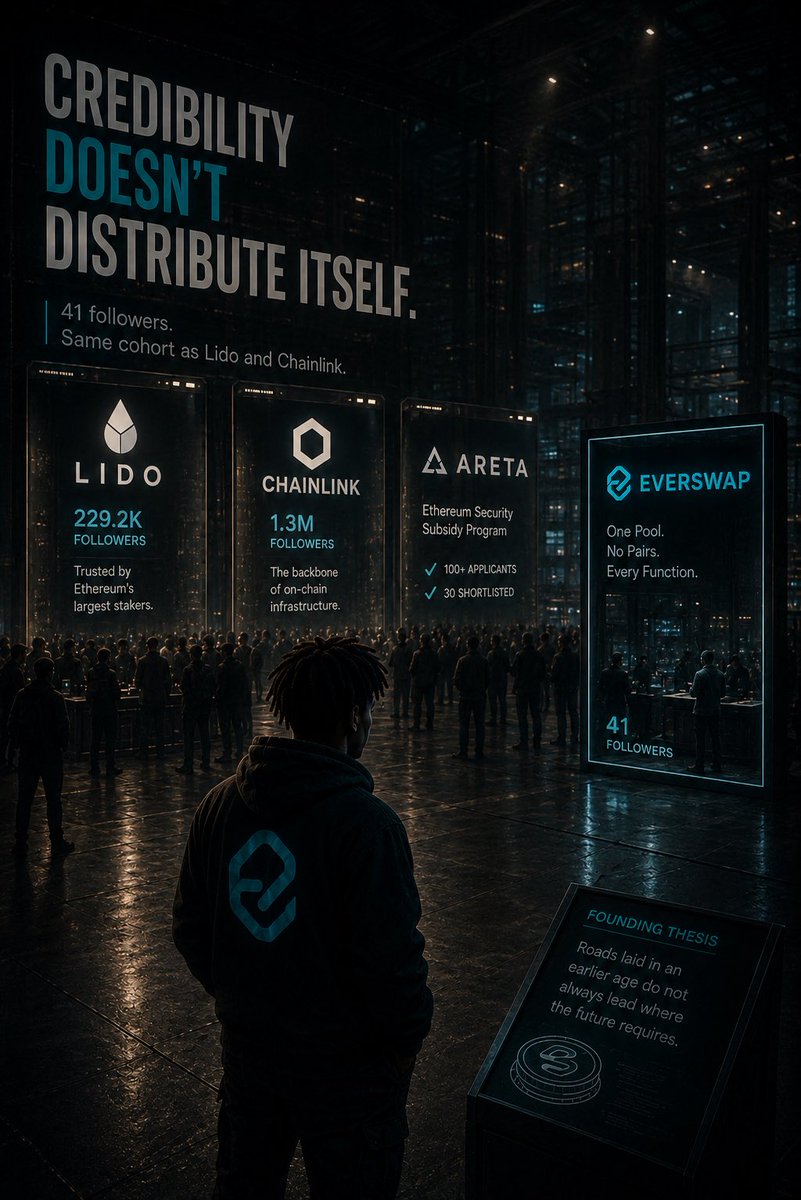
EverSwap got into the Ethereum Security Subsidy Program alongside Lido and Chainlink.
41 followers celebrated it.
That number is not bad luck. It is what happens when the credibility outruns the narrative.
Yesterday, June 4th, the Areta subsidy shortlisted 30 projects from over 100 applicants. EverSwap made that list.
Selected on the strength of what they built.. one pool, no pairs, every function handled inside a single primitive.
They posted the announcement like a press release.
3 likes.
That moment needed a story.
> Why they applied.
> What they are building toward.
> What it means that Ethereum's security program put them in the same cohort as infrastructure that has been running for years.
None of that got written.
Meanwhile their best line is sitting in a post with zero likes.
"One Pool. No Pairs. Every Function."
That is a founding thesis. That is the thing an LP reads and immediately understands why everything else they have been using is more complicated than it needs to be.
It should be the first thing anyone sees when they land on the account.
Right now it is buried.
They also wrote this: "Roads laid in an earlier age do not always lead where the future requires."
Sharp thinking posted into silence does not build a community. It just confirms the team is intelligent to nobody in particular.
The subsidy is real. The build is real.
But 41 followers means the market hasn't been introduced yet.
@EverSwapX, the credibility is there. The content carrying it isn't.
4
12
496
Jun 5
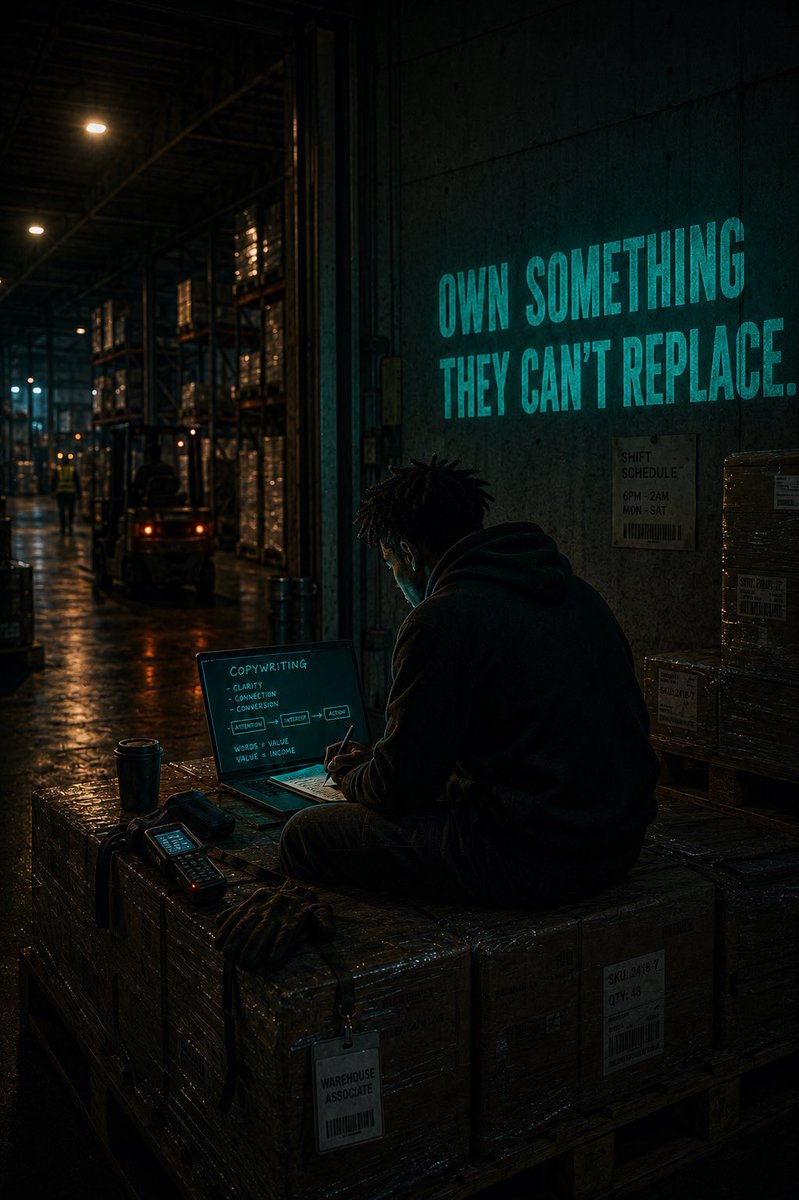
Three factories. Two years. One warehouse that smelled like machine oil.
After the POS machine I thought the factory would be different.
It was.
You could see exactly what you made. Stack the boxes, finish the shift, count the product.
The math was right there in front of you.
But it was someone else's math.
I moved between three factories in that season. Warehouse most of the time. The shifts were real. The progress wasn't going anywhere I could own.
At some point in those warehouses I understood something I couldn't unlearn.
If the next person through the door can do exactly what you do, your income will always be set by someone else.
Not because the system is broken. Just because replaceable input has a fixed price.
The office job came after. Customer rep. Less physical. Paid better.
Then one random evening in 2023 I spent my salary on a copywriting course.
Nobody told me to. I wasn't following a plan. I was just done waiting for something to change on its own.
That was the first money I ever put into something I could actually own.
Everything since has been an answer to that one evening.
4
16
170
Jun 4
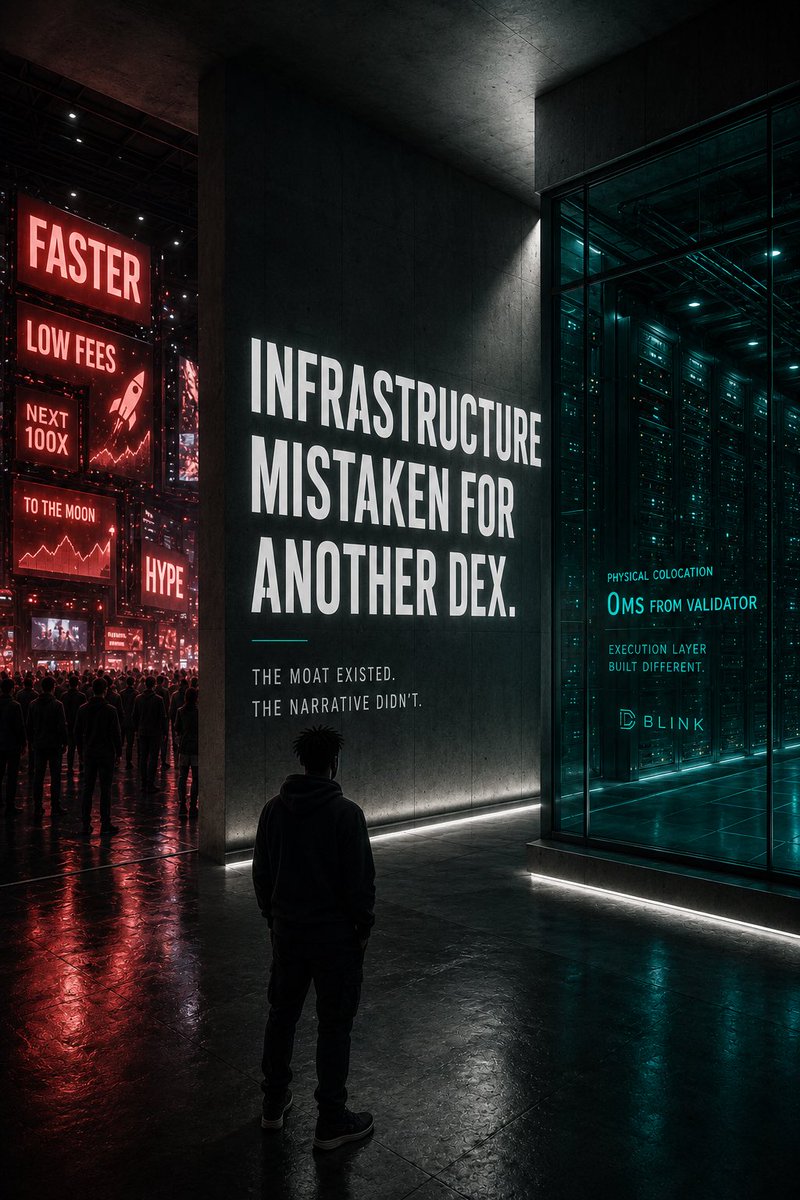
Blink got 56K impressions on launch day.
Then 1.8K on everything after.
That gap has a name. But it's not a content problem.
In 2024, every DEX launching on Solana called itself faster and fairer. The language became wallpaper. Nobody felt it anymore.
Blink has physical colocation on Solana. Servers sitting inside the same data centers as the validators. That's not a DEX feature. That's something that has never existed onchain before.
But the content calls them a faster exchange.
So CT filed them next to every other faster exchange and kept scrolling.
Then came the FOMO posts. "You missed HYPE. You missed CBRS."
Urgency copy for a product that wasn't live yet.
FOMO only works when someone can act on it. Without a live product it just reads as noise from a team that doesn't know what story to tell.
Meanwhile DoubleZero co-signed them. Blockworks ran the research. SushiKev followed the account.
Institutional signal sitting behind retail-level content.
One quote from DoubleZero explaining what physical colocation means for Solana execution would have done more than everything posted since launch day combined.
But that post doesn't exist yet.
@blinktrade, the infrastructure story is already there. The market just hasn't been shown it in a language that lands.
4
10
155
Jun 4
Nobody told you that bad narrative has a price.
Here is the invoice.
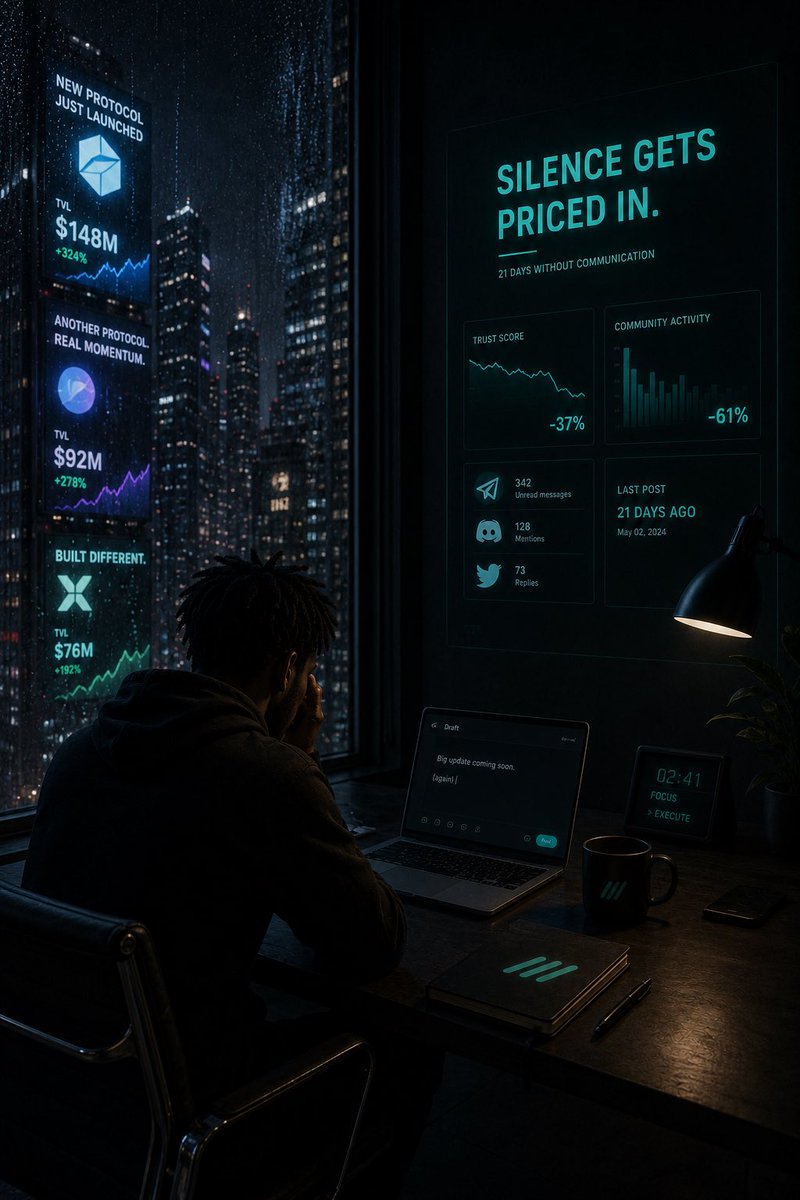
A protocol goes quiet for three weeks after launch.
No posts. No communication. Just silence while the team assumes the product is doing the talking.
In week one, two competing protocols launch. Half the technology. Twice the storytelling. CT notices them first.
In week two, existing users start checking the timeline. Not to learn anything. Just to confirm the team is still there. They are not sure.
In week three, new traders look at the account and see a company. Not a movement. Not a team worth following. Just announcements with nothing underneath them.
Trust does not send a warning before it leaves.
It is just gone one day when you need it most.
Six months to build it. Three weeks of silence to start losing it. Another six to earn it back.. if the product survives that long.
Silence is not a neutral choice in DeFi.
It is a decision that gets priced into how the market sees you.
The most expensive week in your protocol's history might be the one where you chose to post nothing.
4
6
76
Jun 3
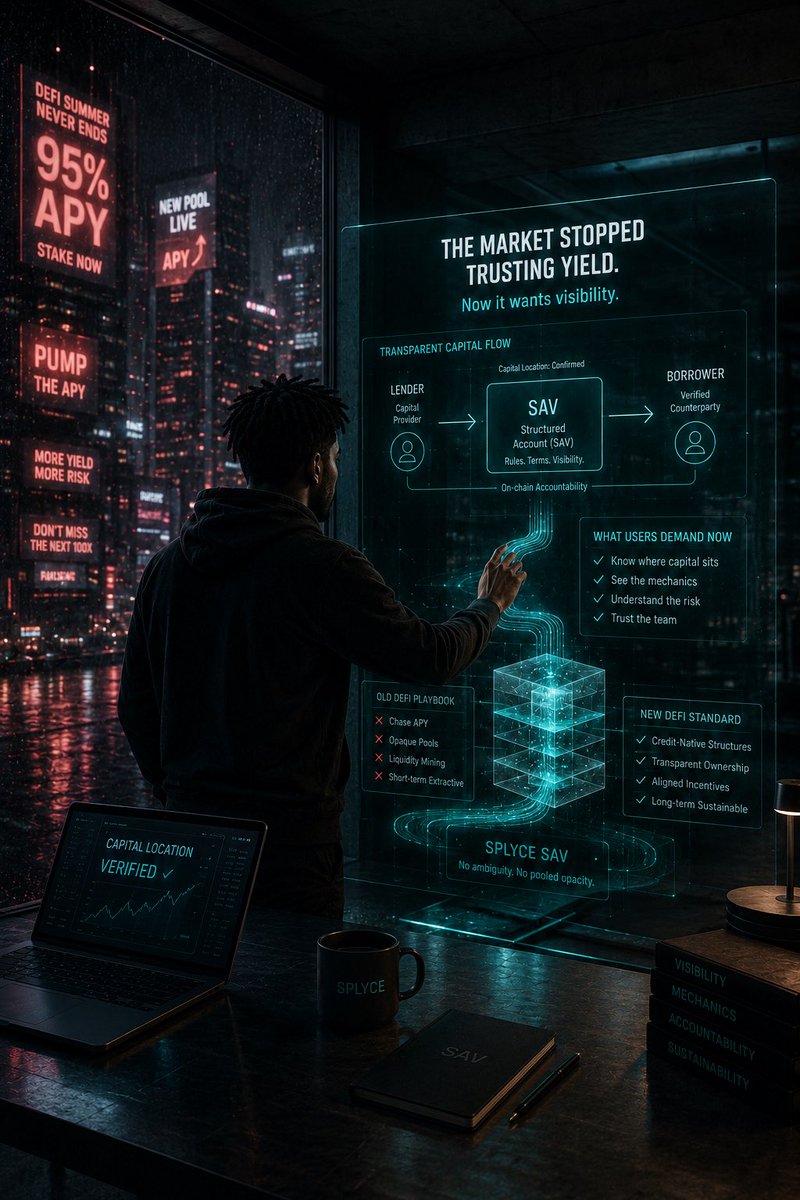
In 2021, DeFi lending protocols competed on APY.
Higher yield. More pools. More liquidity mining rewards.
It worked. TVL went up. Users came. Then they left the moment the next protocol offered 2% more.
By 2023, the market had seen enough rugs, enough opaque pools, enough "who actually has my money right now" moments to stop trusting yield as the pitch.
They wanted to know where their capital actually sat.
They wanted to see the mechanics, not just the number at the top of the page.
They wanted the team behind the protocol to explain the risk like they'd actually thought about it.
That's when credit-native structures started making sense.
Splyce built one. A SAV.. a structure where the lender always knows exactly who holds their capital and under what terms.
No ambiguity. No pooled opacity.
But the content still explains it like a product spec.
That's the gap. And it's costing them the category.
@SplyceFi, the primitive is built.
The narrative hasn't claimed it yet.
3
9
148
Jun 3
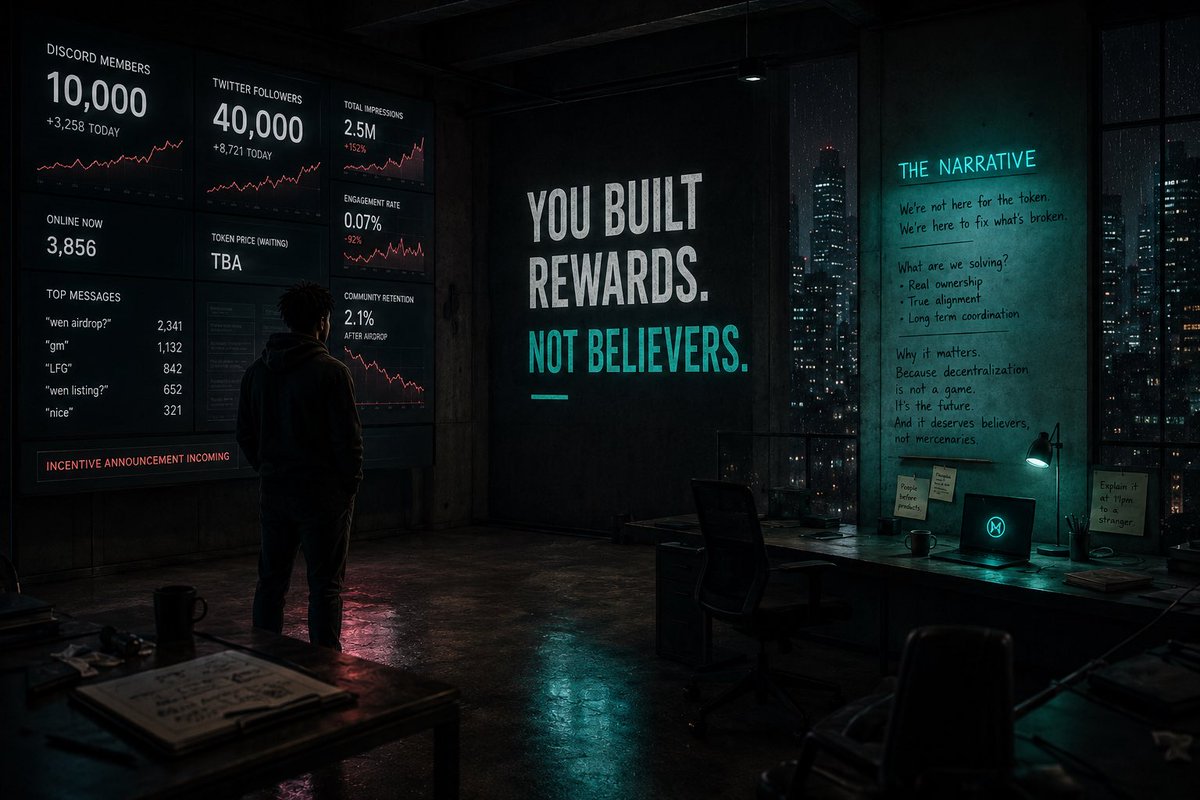
10,000 Discord members. 40,000 Twitter followers. Zero actual believers.
Ask one of those 40,000 why the protocol matters. You get silence. Or worse, a tagline copied directly from the website.
Airdrop culture did this.
Protocols trained users to show up for rewards. The messaging was always about what users would receive. Never about what was actually being solved. So you build an audience that learns to show up when incentivized and leave when the incentive moved.
They already have notifications set for the next one.
A real community is people who could explain what you’re building to stranger at 11pm and actually mean it. That doesn’t come from a points program. It comes from a narrative that gave them something to believe in before the token dropped.
Most protocols never built that layer. They built the rewards system instead and called it community.
Now they’re wondering why nobody stayed.
8
19
173
Jun 2
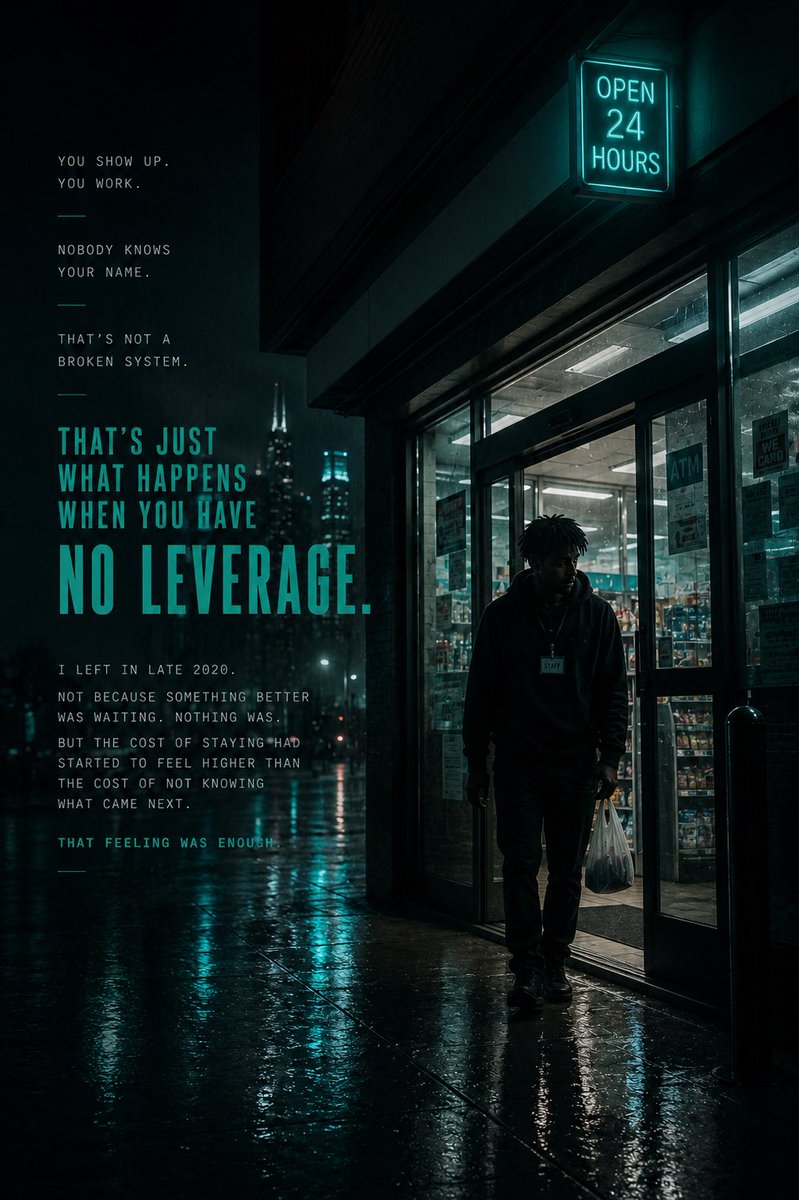
2019.
Behind a POS machine. $10 a month.
Two years after finishing secondary school.
7
15
139
Jun 2
The people who controlled my $10 had something I didn't.
They had attention. They had positioning. They had a name in the market.
I had presence. Which turns out to be the lowest-paying thing you can bring to any economy.
1
4
43
Jun 2
I left in late 2020.
Not because something better was waiting. Nothing was.
But the cost of staying had started to feel higher than the cost of not knowing what came next.
That feeling was enough.
3
35