
SSTI supports state transportation agencies committed to sustainability, equity, and transparent governance.
Joined March 2013
- Tweets 1,516
- Following 270
- Followers 749
- Likes 352
121 Photos and videos
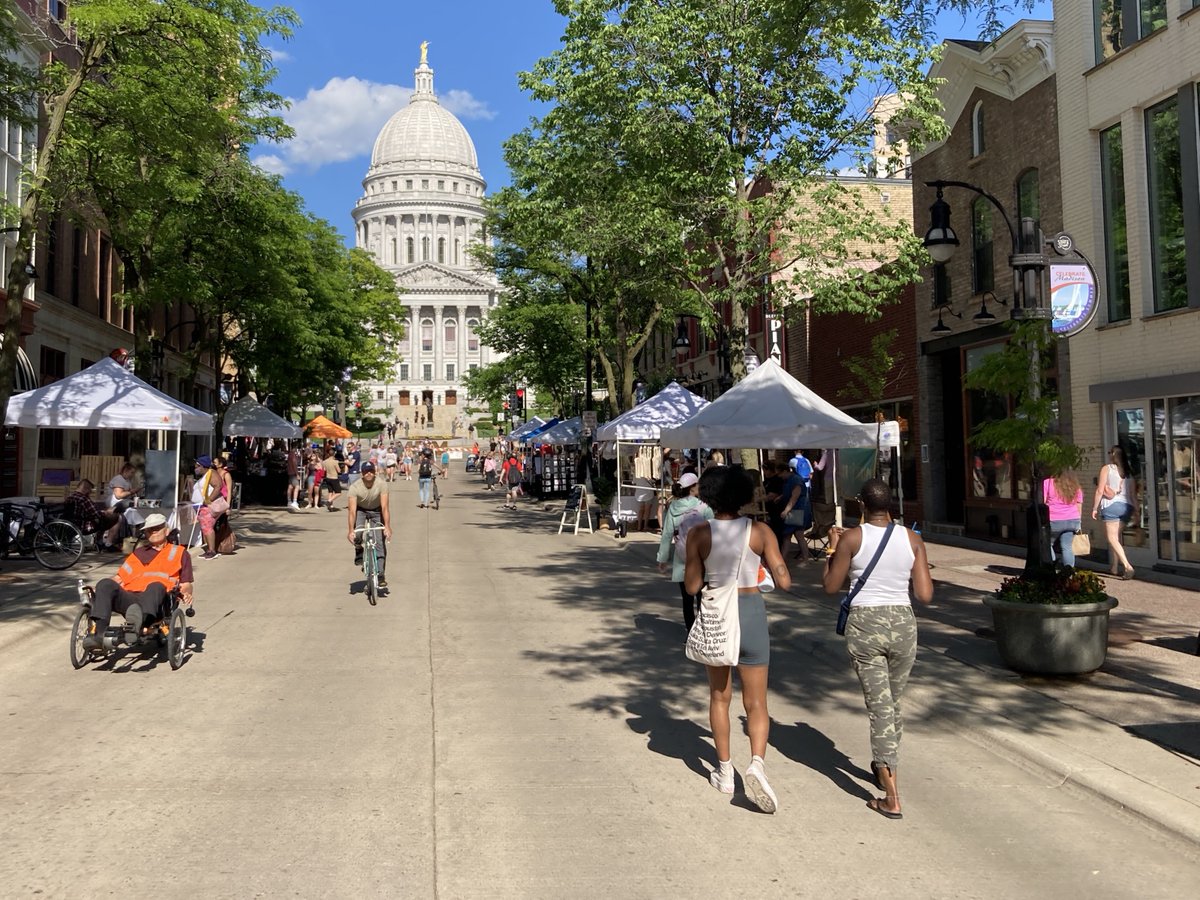
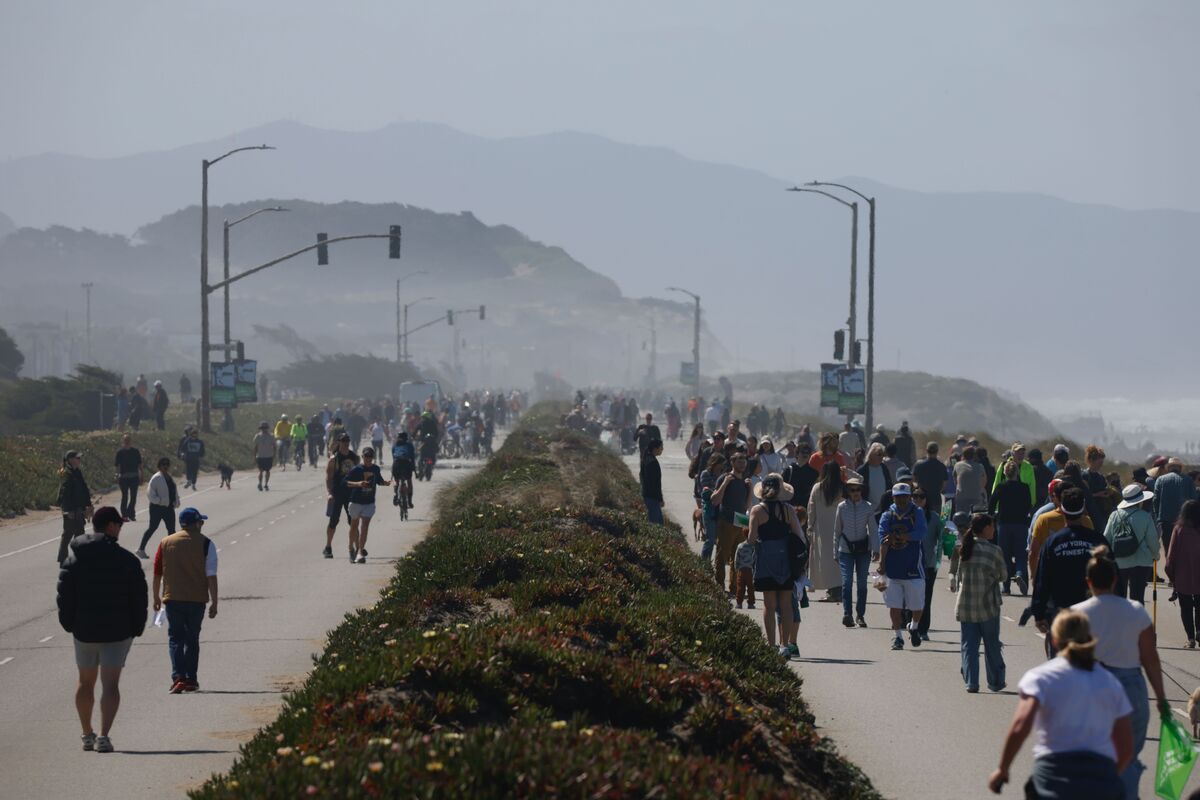
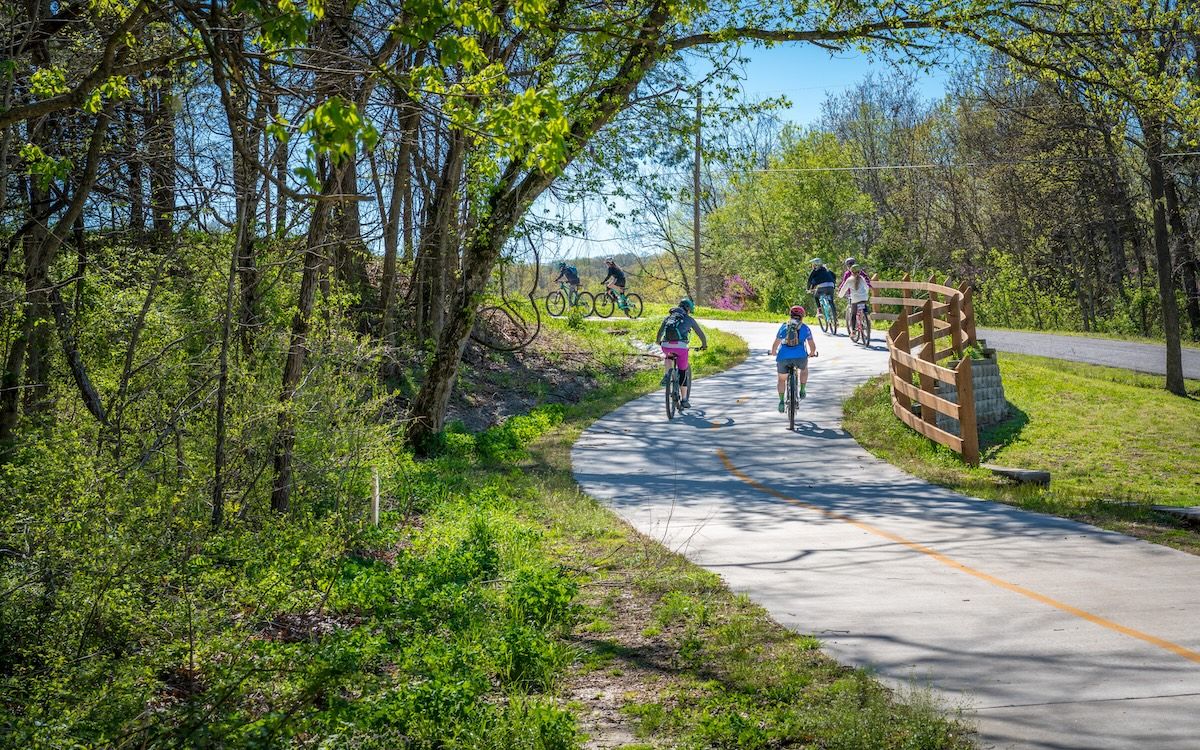
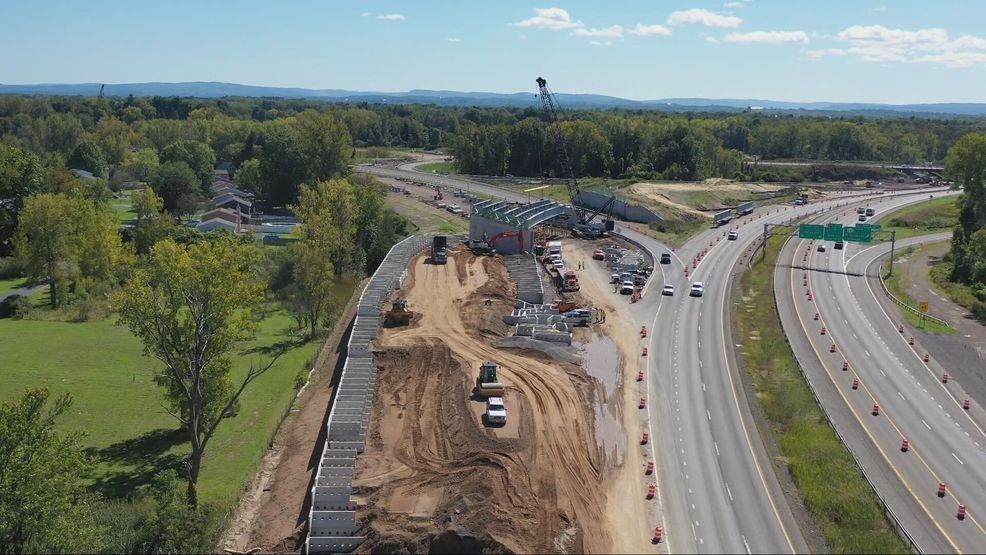
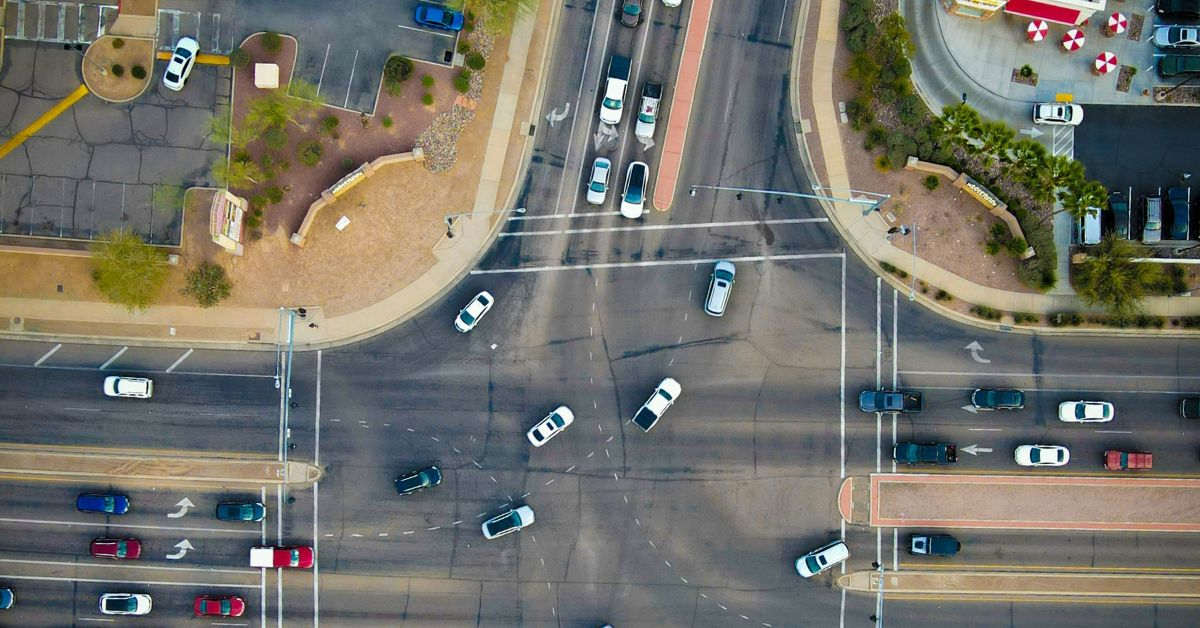

Caltrans released a DOT "playbook" with strategies for mitigating the effects of additional driving that some projects create.
dot.ca.gov/-/media/dot-media…
1
11
Fare-free transit can boost ridership, but service quality and network design matter far more for long-term success. Replacing lost fare revenue remains a key challenge for many transit agencies.
doi.org/10.1016/j.tranpol.20…
1
1
17
State Smart Transportation Initiative retweeted

Our streets are still dangerous by design. That message is clear in the new edition of our signature report. 🚨
Dangerous by Design 2026 shows that pedestrian deaths are still at record highs, and most places are becoming more dangerous.
Read the report: smartgrowthamerica.org/dange…
1
16
36
1,792
Streets designed around how people actually behave can improve safety at a low cost. Research shows that shorter crossing waits, curb extensions, and roadway markings can encourage safer behavior for both people walking and driving.
ssti.us/2026/06/08/curbing-o…
8
Waymos in California carry passengers for only 54 percent of the time, according to researchers. This is an improvement since the service launched, but it still generates more than 2 million empty miles per month.
doi.org/10.32866/001c.161870
12
Ohio DOT is expanding its GoBus intercity bus system with four new routes, improving connections for rural and underserved communities across the state.
painesville.com/?SEC=7A3C2F0…
1
1
37
Cities across the U.S. are experimenting with new ways to fund sidewalk improvements, from Beaumont’s $58 million bond program to South Bend’s sidewalk reimbursement initiative.
governing.com/infrastructure…
1
24
Caltrans is part of a statewide initiative to study how road pricing can reduce congestion.
linkedin.com/pulse/stv-selec…
14
Rising gas prices have exposed the flaws in how transportation infrastructure is funded. The fourth part of our Transportation Disrupted series examines why temporary fixes like gas tax holidays fail to address deeper funding challenges.
ssti.us/2026/05/27/transport…
1
27
A new report finds it would cost U.S. cities $4.6 trillion over 20 years to build world-class transit systems. That sounds steep until you compare it to the $6.3 trillion already allocated to highways during the same period.
theguardian.com/environment/…
1
4
3
584
Opposition to paid parking isn't just about the price. New research finds it depends heavily on institutional trust and whether residents believe the money is spent fairly and transparently.
ses.library.usyd.edu.au/hand…
1
24
Walking and transit go hand in hand. On most everyday transit trips, riders spend nearly half or more of their time as pedestrians—walking, waiting, or transferring.
doi.org/10.1016/j.tranpol.20…
22
Bike infrastructure on smaller streets can boost safety and comfort, as Washington D.C. showed with a new shared lane design on narrow streets. Nationwide, 61% of painted bike lanes are high-stress, on wide roads with fast traffic.
nacto.org/latest/no-space-no…
27
Policies that encourage smaller vehicles could reduce consumer costs, traffic deaths, energy demand, and greenhouse gas emissions, according to a new ITDP report.
itdp.org/publication/compact…
21
Extreme heat can change how transit riders use the system. People take more rides earlier in the morning and much fewer during midday hours.
doi.org/10.1016/j.trd.2026.1…
27
Americans are buying 5% fewer gallons of gasoline than a year ago due to higher prices. Oil supply has dropped at least 10% due to the war in Iran.
ttnews.com/articles/hormuz-l…
34
New state laws are pushing highway projects to offset added driving and emissions through investments in transit, biking, and walking.
brookings.edu/articles/why-m…
1
30
A new study finds transportation engineering textbooks largely overlook induced demand, potentially leaving future engineers unprepared for modern transportation challenges.
ssti.us/2026/05/11/just-one-…
26
Pedestrians in D.C., especially children, are more likely to be hit near schools than anywhere else in the city. The risk was highest in lower income neighborhoods, according to a recent Washington Post analysis.
washingtonpost.com/dc-md-va/…
14
One study found that states that loosened relicensing policies for older drivers saw higher crash rates among drivers 65 to 74.
npr.org/transcripts/nx-s1-57…
25