📰 Editor 🖊 MrEnigma 🦋 Witch Defender 🧙♀️ Hecate 💫 Dendrophile 🌳 All 🐘🐘🐘 MATTER
Joined March 2019
- Tweets 83,127
- Following 385
- Followers 1,269
- Likes 314,077
3,358 Photos and videos


Pinned Tweet

16 Mar 2024
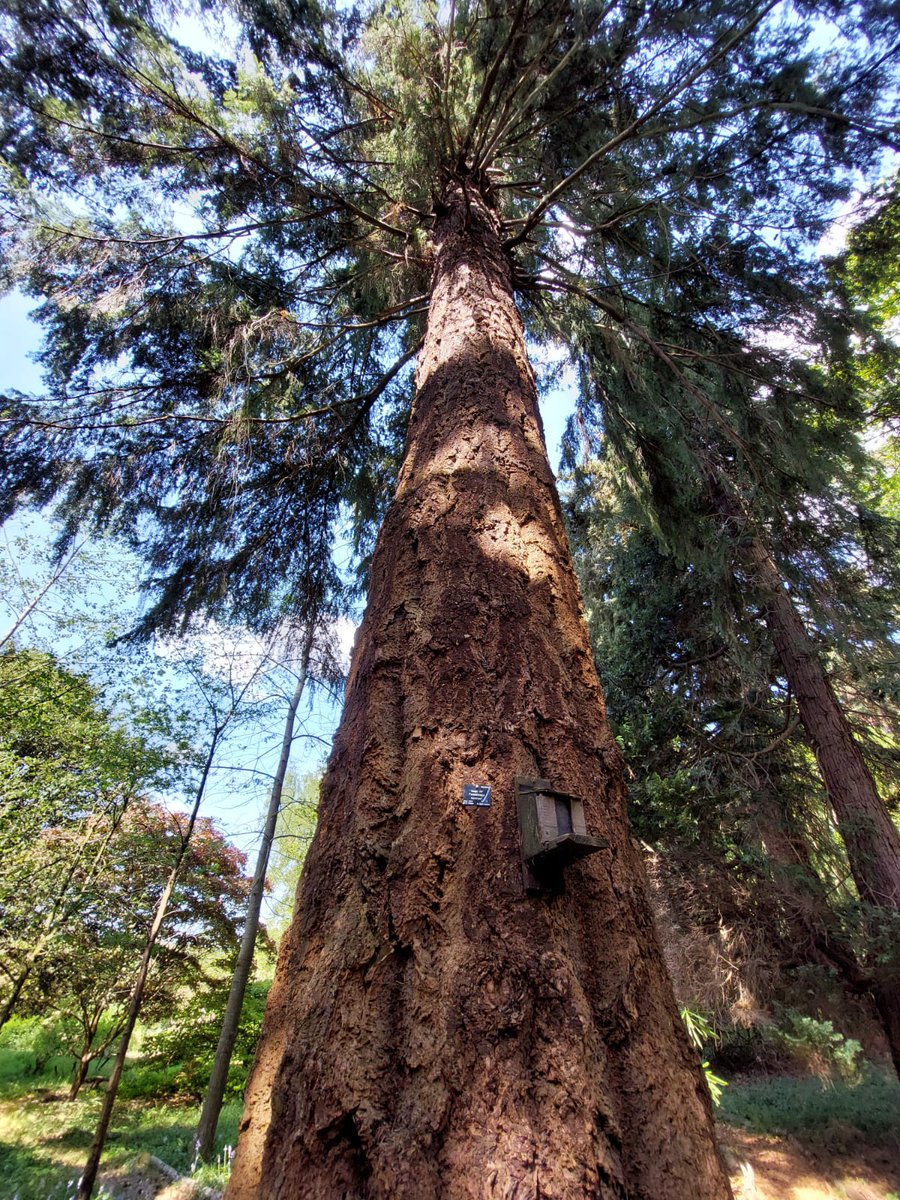
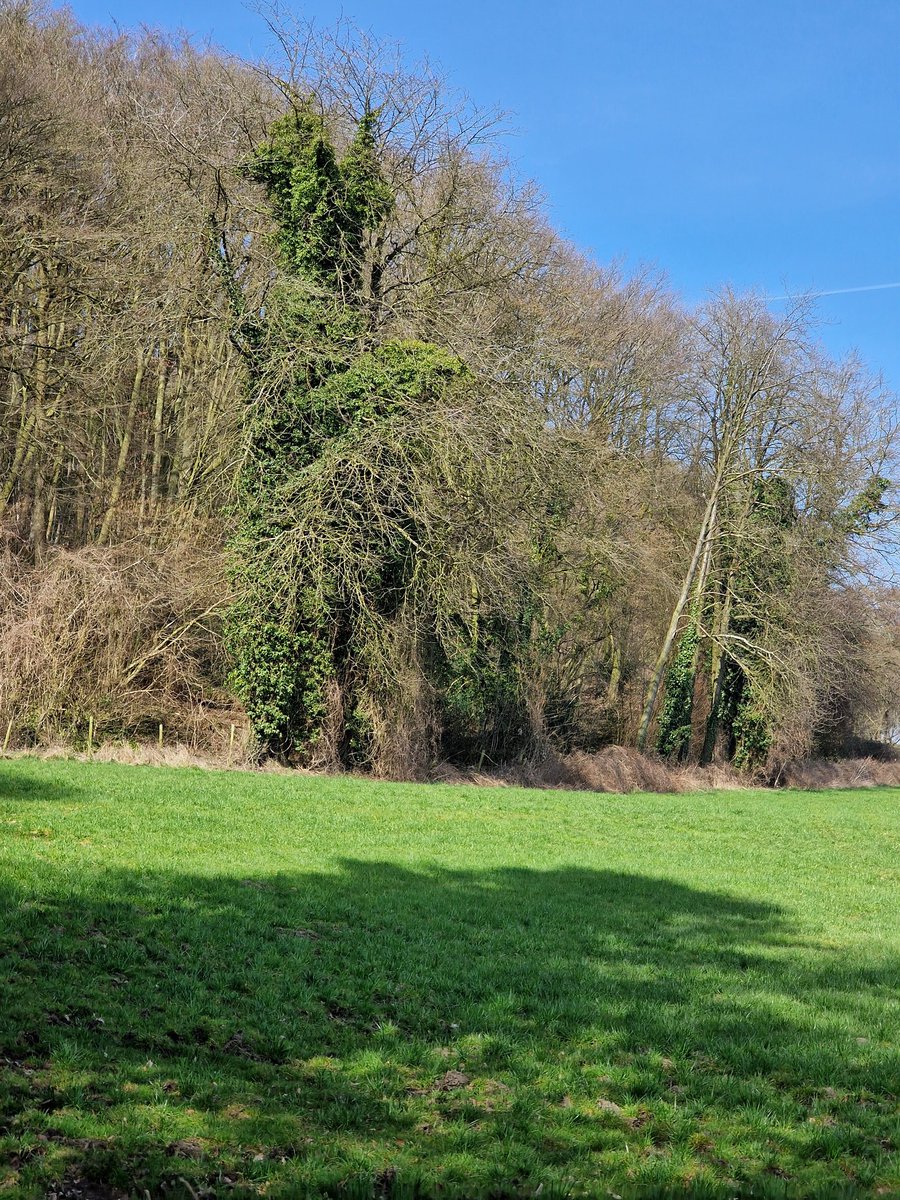
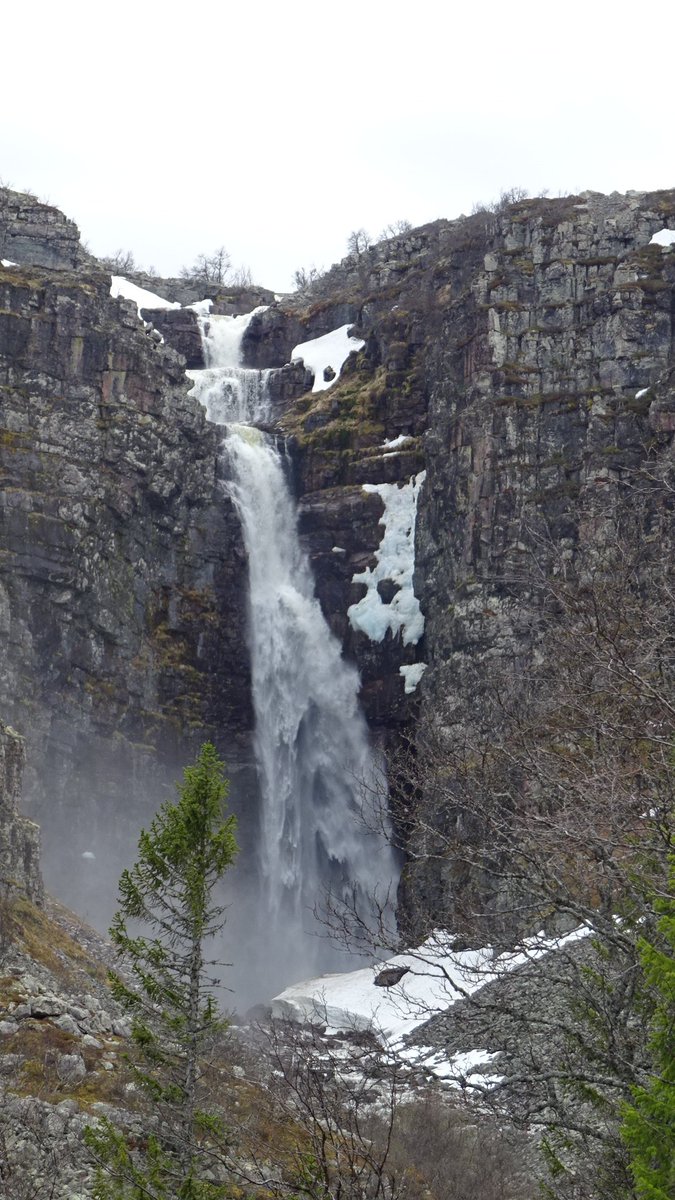
Beautiful place.
16 Mar 2024

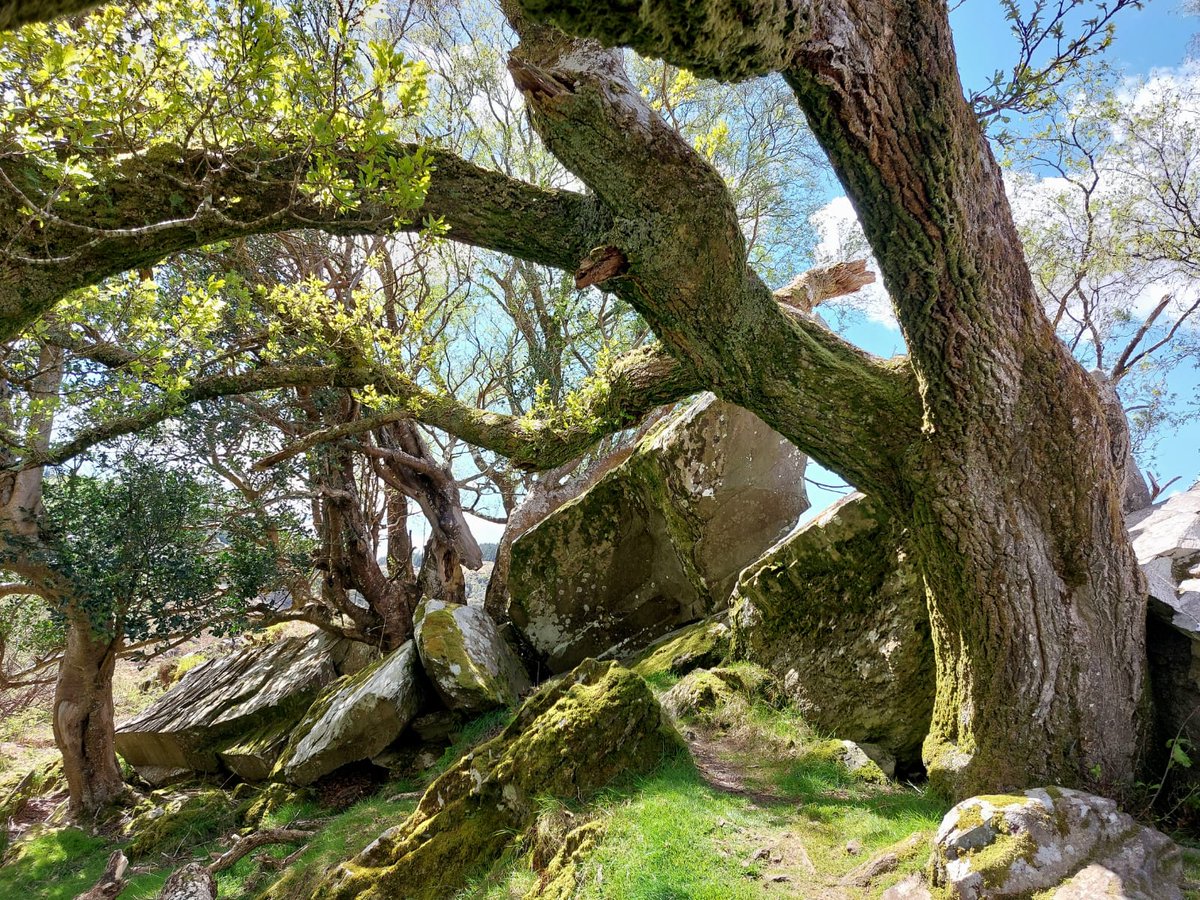
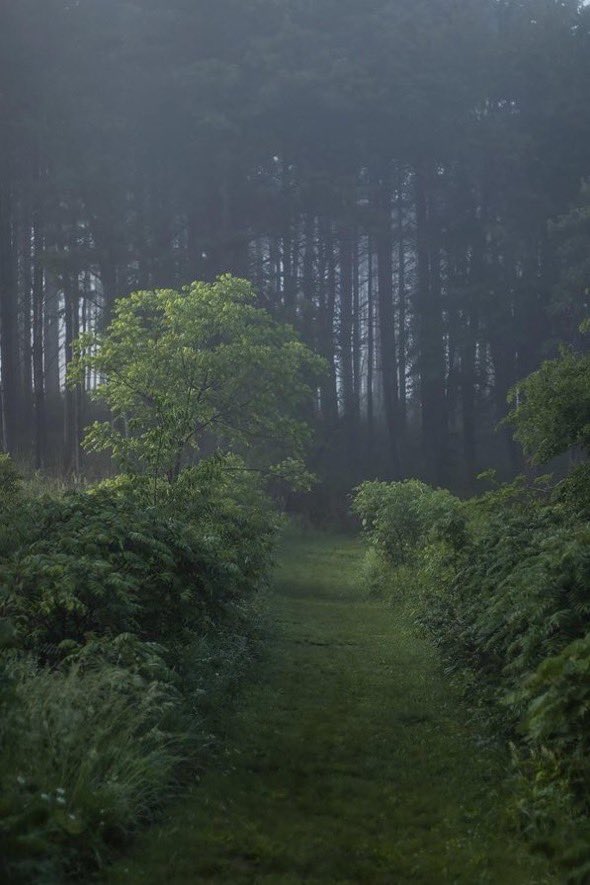
Between Two Worlds 💚💚
This picture truly has a feel of walking into a forest portal🌳
Image: uncredited
3
8
33
5,590
Poppy for Life retweeted

Jun 13
WHY DON’T YOU HAVE FRIENDS?
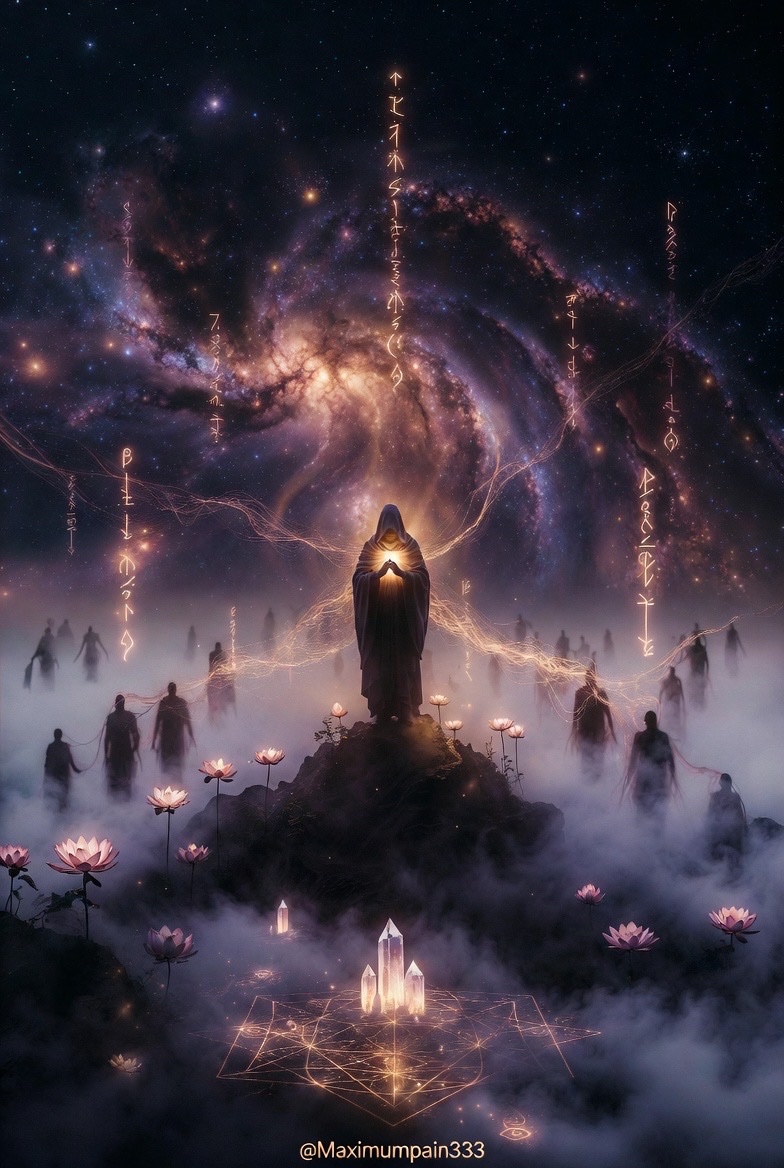
You walk this earth as a wanderer between worlds. You do not lack friends because you are unworthy. You lack them because your frequency has risen beyond the chatter of the marketplace.
You have sat in silence with the Divine while others chased echoes. You have faced the abyss of your own shadow and returned with stars in your eyes. The old contracts of superficial bonding dissolved the moment you remembered who you truly are.
True friendship in the mystic path is not companionship of bodies—it is resonance of souls across lifetimes. It is the silent recognition when two flames meet and the universe nods in agreement. Such bonds are rare because they require both souls to have walked through fire, through loneliness, through the long dark night of the soul.
The void you feel is not emptiness. It is sacred space being held. The universe is clearing the altar, removing what is not aligned, so that when your true soul family arrives—those who speak your silent language, who see the God in you as you see the God in them—the meeting will be holy.
Do not chase. Do not force. Do not dim your light to fit into half-lit rooms.
Sit in the temple of your own heart. Burn brightly. Pray. Create. Love the invisible until it becomes visible.
Your people are coming. They are being drawn by the same invisible thread that once pulled you into the wilderness.
Until then, remember: the deepest friendship is with the Beloved within. When you are whole unto yourself, whole beings will find you. Not because you need them, but because the light calls to light.
You were never alone.
The stars have always been your witnesses.
The ancestors walk beside you.
And the Friend you seek has been seeking you longer than you know.
✨🙌🏽💫
73
270
1,141
19,887
Poppy for Life retweeted

Defra Trail Hunting Consultation
🦊 If you do one thing for wildlife today, please do this NOW
Please share this post and encourage your friends, family and colleagues to take part before the consultation closes on 18th June.
Together, we can make a difference for Britain's wildlife.
Have your say here: consult.defra.gov.uk/.../tra…
Save Me Trust Link savemetrust.co.uk/our-work/a…
51
1,346
2,160
38,218
Poppy for Life retweeted

The Anatomy of Time
We often think of time as a rigid cage, counting down the seconds of our material lives as if we are trapped inside its gears.
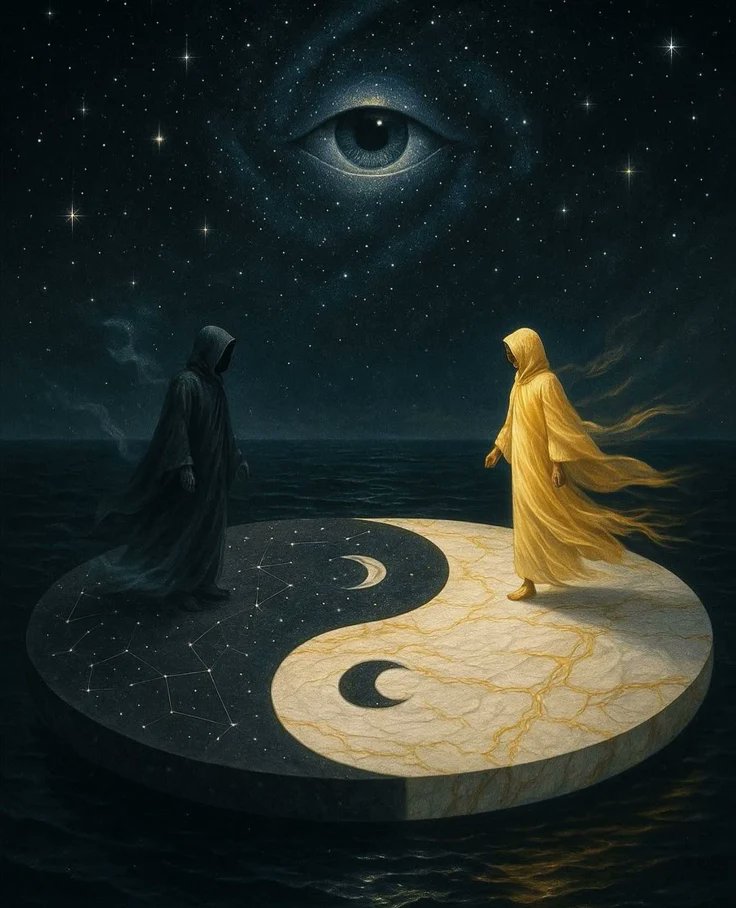
But time is not a prison—it is the very canvas of our evolution. This surreal blend of a clock’s intricate mechanism and the timeless foundation of a skull reminds us of the beautiful paradox of existence. Our physical forms are temporary, bound by the passing hours, yet the consciousness experiencing this reality exists entirely outside of the clock's reach.
When you look closely at the gears, you see they are not grinding you down; they are perfectly synchronized to support your growth. Every tick is an invitation to be completely present. Every hour that passes is an old version of you falling away, making room for deeper wisdom.
Do not fear the ticking of the clock. Embrace the rhythm of your journey, step into the present moment, and realize that while your body resides in time, your soul belongs to eternity.
✨🙌🏿💫
1
19
56
1,252

Poppy for Life retweeted

Jun 10
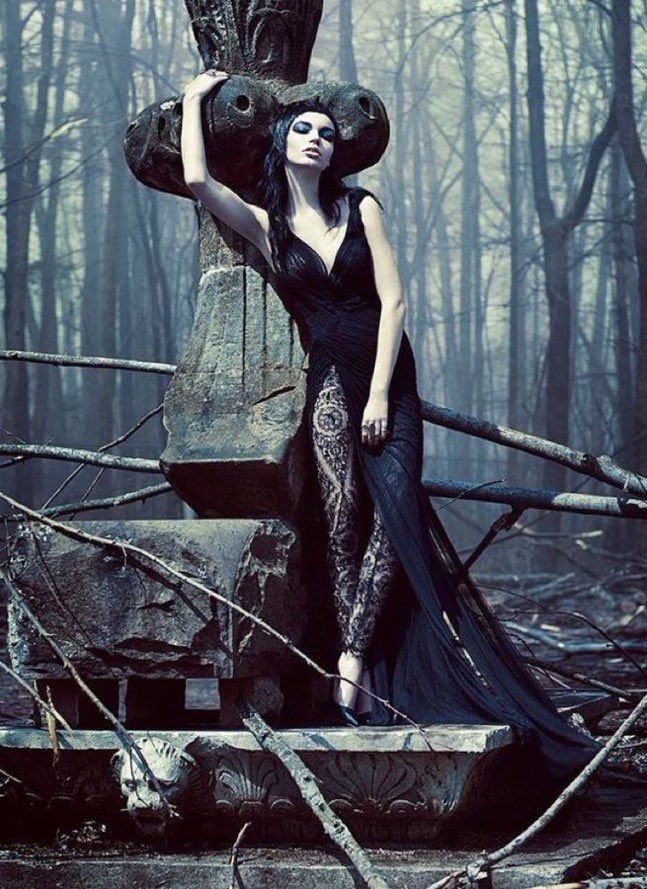
#WitchWednesday 🖤🖤🖤
“ She is a force of nature, wild and untamed”
This quote by Amanda Lovelace from The Witch doesn’t Burn in this One, speaks of the witch’s refusal to be silenced or oppressed.
And reminds us to embrace our power & stand unapologetically in our truth.
📷The Garden of Good & Evil _ Chris Nicholls
7
6
59
430
Poppy for Life retweeted
Jun 9
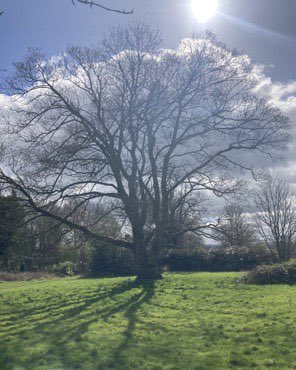
#ThickTrunkTuesday 🌳
In his book “ The Heartbeat of Trees” 🌳 Peter Wohlleben suggests that Trees sense our presence.
“ Leaves 🍃 possess transparent lens-like cuticles that may function as primitive eyes “
“ Trees can “hear” water flowing deep within the ground & angle their roots to retrieve it “
“ They even display something resembling a heartbeat 💚as they pump their sap at regular intervals, once every 3 or 4 hours”
“ Trees’ sensitive root tips, function like neurons in a kind of vegetable brain”
Trees possess memory, Wohlleben tells us & can pass those memories on to their offspring.
Far- fetched ideas one might think, until the author reveals that Charles Darwin said the very same things in mid-19C.
7
18
101
986
Poppy for Life retweeted
Jun 8
#MythologyMonday
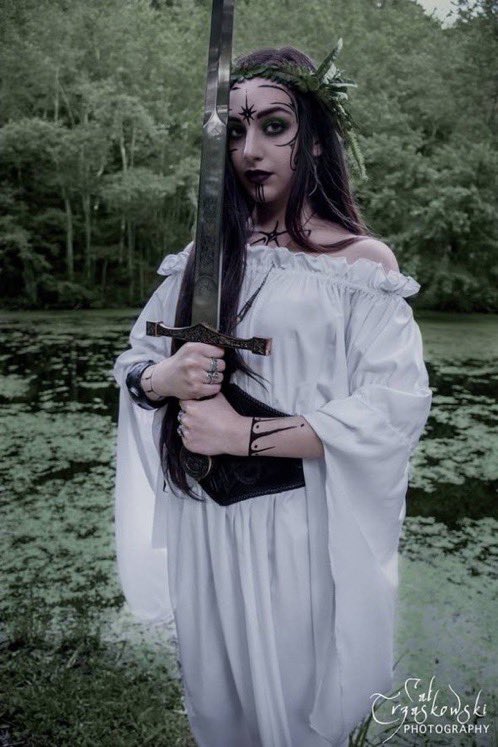
Behold The Sword of Power !
Excalibur 🗡️
Forged when the world was young & bird, beast & flower were one with man.
Excalibur, given to Arthur by the Lady of the Lake from another realm.

King Arthur threw Excalibur back into the lake, returning the magical weapon to her as he lay dying after his final battle, keeping a solemn promise.
Returning the sword ensured its powerful magic would never be misused
5
14
96
1,036
Poppy for Life retweeted
Jun 5
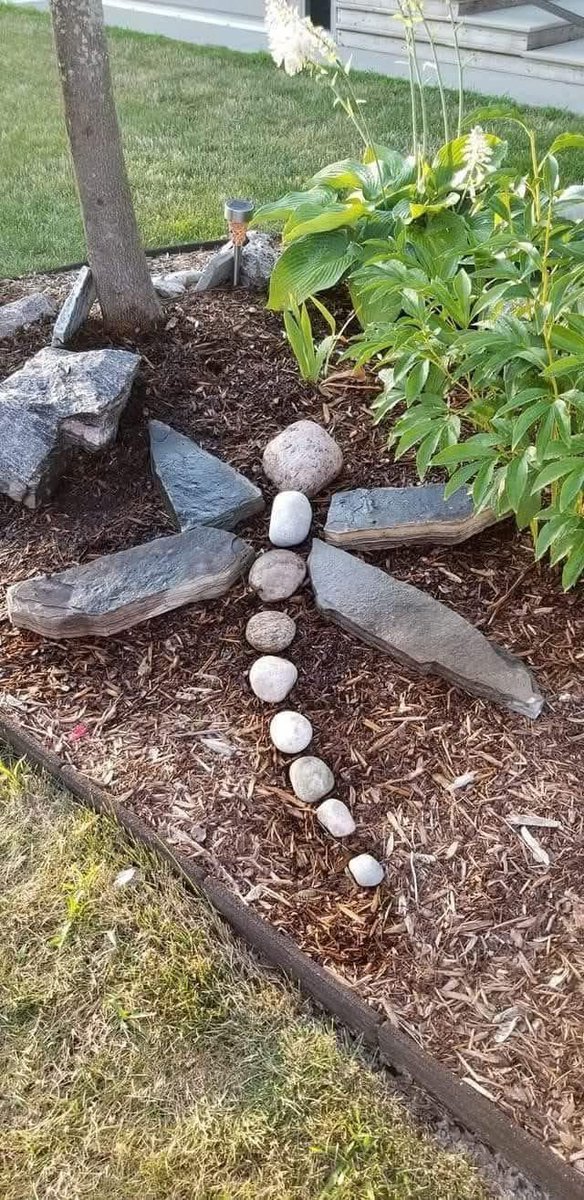
I like this idea for the garden
#Dragonfly 🟰rebirth, good luck, hope.
If a dragonfly keeps appearing, transformation is on the horizon.
It’s time to let go of doubt and fear and step into your power.
8
16
114
986
Poppy for Life retweeted
Jun 4
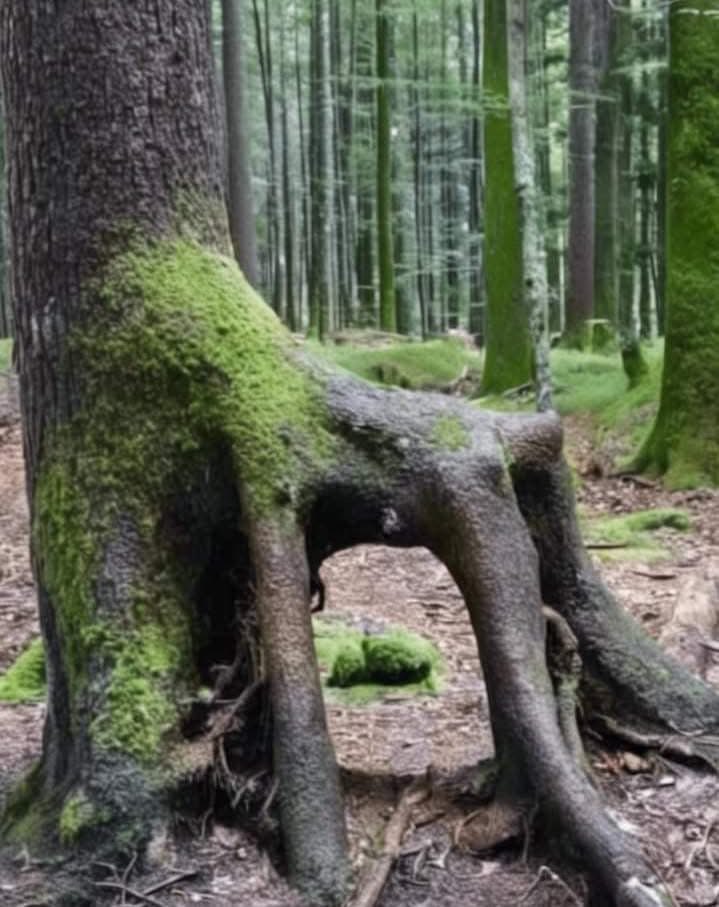
Art is the right hand of Nature 💚
~ Friedrich Schiller.
📷 unknown
7
26
159
1,160
Poppy for Life retweeted
Jun 3
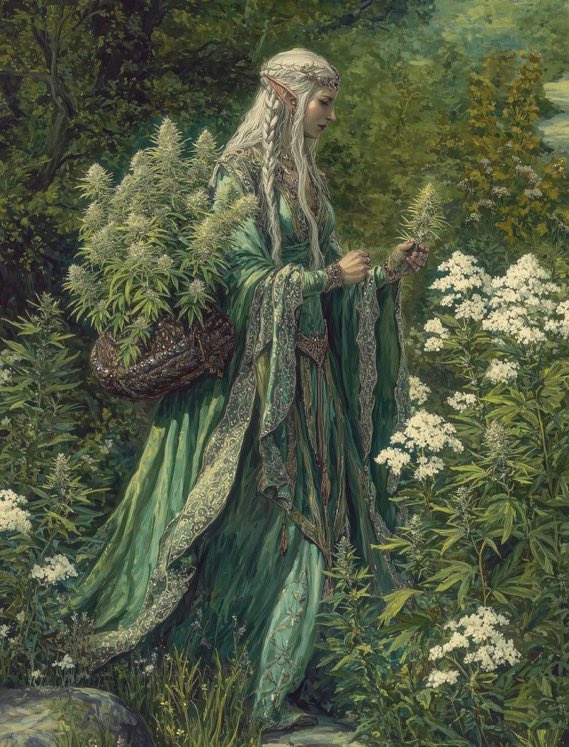
Oh, magic in her hands
She could make anything grow
Magic in her hands
She had green fingers.
~ Siouxsie & the Banshees
#WitchWednesday 🖤💚🖤
10
69
289
2,914
Poppy for Life retweeted
Jun 1
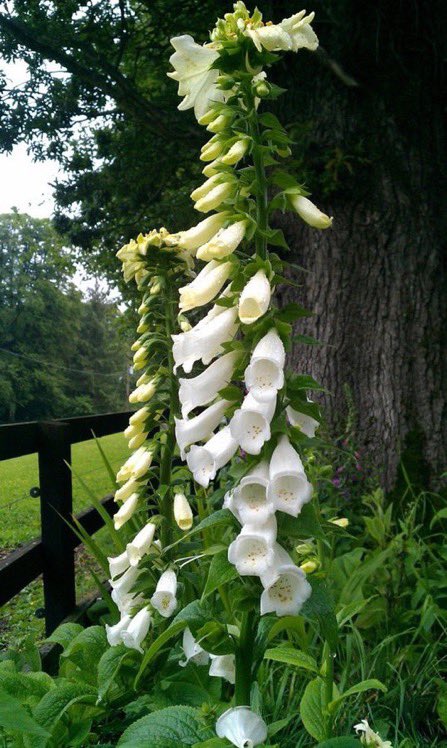
Welcome June !
Hello Summer 🌻☀️
Rabbit Rabbit Rabbit 🐇🐇🐇
17
29
159
1,257
Poppy for Life retweeted
May 31
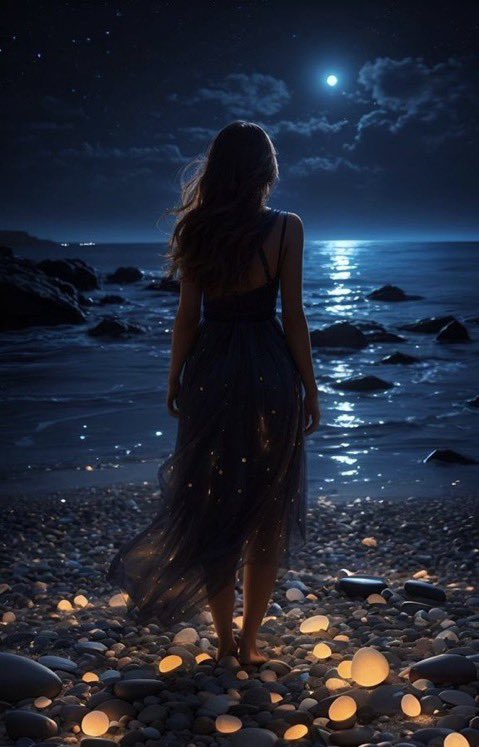
But once in a while the odd thing happens,
Once in a while the dream comes true,
And the whole pattern of life is altered,
Once in a while the moon turns blue.
— W.H. Auden 💙
#FullBlueMoon
#OnceInaBlueMoon
8
21
94
1,047
Poppy for Life retweeted
May 29
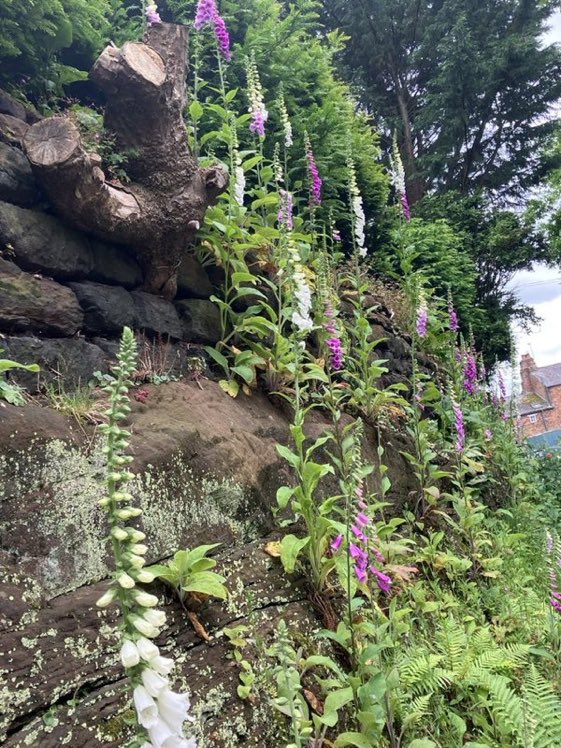
Good Morning from #Barrowdise 💕🤍
One of the things I love about late May and June are the #Foxgloves #Digitalis
Rife in the village !
In gardens, the grave yard and colonising the sandstone walls that are a feature of #Barrowdise 💕🤍
17
21
151
1,674
Poppy for Life retweeted

May 29
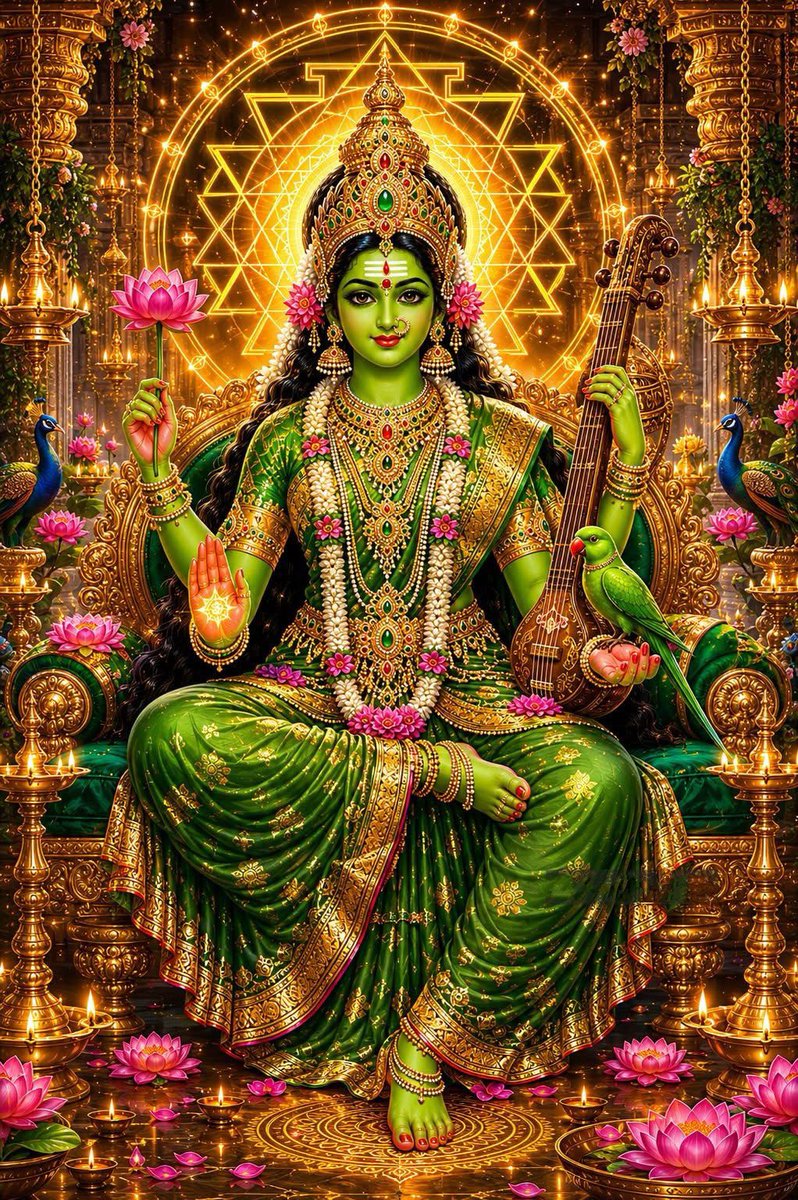
मां मातंगी तंत्र शास्त्र की अत्यंत रहस्यमयी, आकर्षणमयी और वाणी सिद्धि प्रदान करने वाली देवी मानी जाती हैं।
उन्हें “राजमातंगी”, “श्यामला”, “तांत्रिक सरस्वती” और…🧵
21
39
200
1,750
Poppy for Life retweeted

The Druids were not a “religion” in the modern sense,
nor merely forest mystics romanticized by later ages.
They were an initiatory class
~ philosophers, natural scientists, judges, healers, astronomers, poets, and spiritual mediators
~ embedded at the very core of Celtic society.
To understand them is to understand a worldview in which nature, spirit, and human consciousness were not separate domains, but a single living continuum.
Who the Druids Were
Historically, Druids flourished across Celtic Europe
~ Gaul, Britain, Ireland, and parts of Iberia
~ roughly from 1000 BCE until their suppression under Roman and later Christian expansion (1st–6th centuries CE).
Classical writers such as Julius Caesar, Pliny the Elder, and Strabo describe them as the intellectual and spiritual elite of their cultures.
They advised kings, settled disputes, interpreted laws, conducted rites, and preserved ancestral knowledge through strict oral transmission.
Druidic training could last twenty years or more.
Nothing essential was written down
~ not because they lacked literacy, but because wisdom was believed to be alive and dangerous if stripped of context.
Knowledge had to be earned, embodied, and proven through discipline, memory, and moral development.
Their Spiritual Worldview
At the heart of Druid spirituality was animism
~ the understanding that all things possess spirit and intelligence. Trees were not symbols;
they were elders.
Rivers were not metaphors;
they were teachers.
Stones remembered time.
Animals carried medicine and messages.
The forest itself was a living temple.
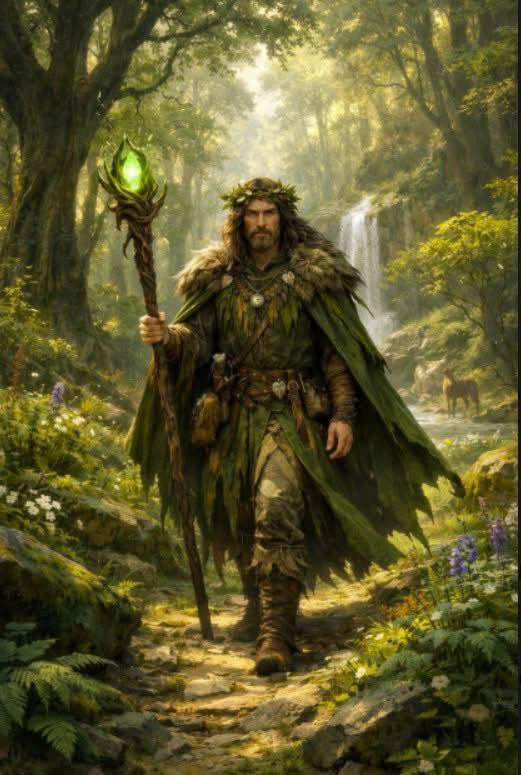
The image shared captures this precisely:
the Druid walking forward,
staff in hand,
not dominating the land but moving in consent with it.
The glowing crystal is not “magic” as fantasy portrays
~ it represents awakened perception, the ability to see the living energy - Awen -
flowing through matter.
Central to Druid belief were:
Awen
~ divine inspiration or flowing spirit, experienced as insight, creativity, and truth.
The Otherworld
~ not a distant heaven, but a parallel, interwoven realm accessible through nature,
dreams, ritual, and altered states of consciousness.
Cycles and Balance
~ life, death, and rebirth as necessary movements, mirrored in seasons, lunar rhythms, and human transformation.
Ancestral Continuity
~ the dead were not gone; they participated invisibly in the life of the tribe and land.
They believed the soul was immortal and reincarnated
~ a belief strong enough that debts and vows were sometimes carried across lifetimes.
This removed fear of death and emphasized ethical responsibility beyond a single life.
Sacred Nature and the Oak
Certain trees held special significance, especially the oak
~ a symbol of strength, wisdom, and endurance.
The word Druid is often linked etymologically to deru (oak) and wid (to know):
“those who know the oak.”
Sacred groves (nemetons) were places of initiation and communion, not buildings of stone but living sanctuaries.
Mistletoe, harvested ritually from oak trees, symbolized life
~ force, fertility, and the mystery of life emerging where it seemingly does not belong.
Ritual, Law, and Ethics
Druids were guardians of law and harmony.
Justice was restorative rather than punitive.
The highest crime was not disobedience to authority, but violation of balance
~ between people, land, and spirit.
Rituals aligned with solar and lunar events:
solstices, equinoxes, and cross-quarter festivals…Samhain, Imbolc, Beltane, Lughnasadh.
These were not celebrations for entertainment, but thresholds
~ moments when the veil thinned and alignment could be restored.
Decline and Legacy
The Druids were systematically dismantled
~ first by Roman authority, which viewed their influence as a threat, and later by Christianization, which replaced animistic wisdom with centralized doctrine.
Much was lost.
Yet not all disappeared.
Fragments survived in Irish and Welsh myth, bardic poetry, folklore, herbal traditions, and the deep reverence for land that still pulses beneath Celtic cultures.
Modern “Druidry” is a revival, a remembering
~ the current it taps into is ancient and real.
What the Image Reflects
The figure walking through the forest is not escaping civilization
~ he is embodying an older form of intelligence.
His forward motion matters:
Druids were not nostalgic.
They were and still are, evolutionary.
Their wisdom was/is not about retreat, but about alignment
~ moving forward without severing the roots.
The forest opens for him because he belongs to it.
The light in his staff does not dominate the shadows;
it harmonizes them.
This is Druidry at its core: power without domination, knowledge without arrogance, spirituality without separation.
In a world fractured by abstraction and disconnection, the Druid stands as a reminder of a deeper truth:
To know the world, you must first know you belong to it.
/|\
via Ava Leopoldo
#Druids #WednesdayWisdom #Celtic
6
20
91
1,443
Poppy for Life retweeted
May 27
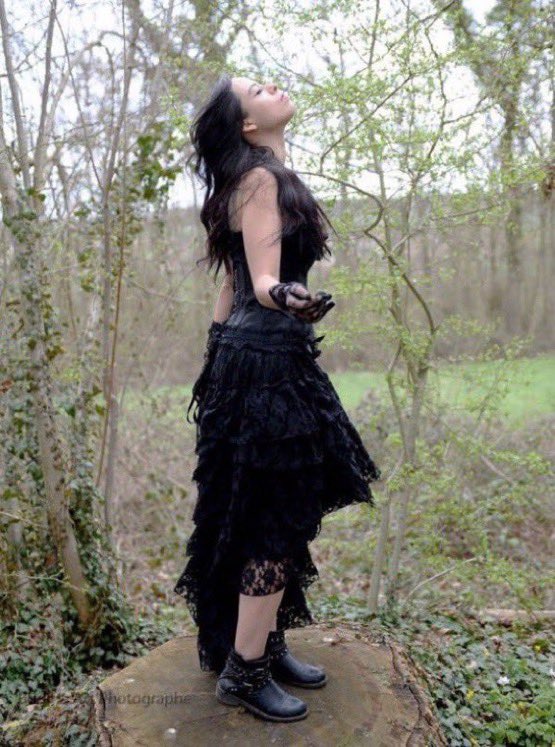
Witches are drawn to the natural world.
Many believe that everything we need to cure our bodies has already been given to us by the earth.
Witches are conscious that balance must be maintained in the ecosystem & respect all living things.
For many the word witch brings to mind fear or misunderstanding.
To me, being a witch means being deeply connected to the earth & the gifts it provides.
Historically, witches were healers, midwives, pharmacists. The witch trials were never about the devil; they were about power, control & taking knowledge away from those who used it to heal.
Our words are spells & intention is what matters.
This is true for everyone, not just witches.
The practice of gratitude & respect for Nature is something everyone should incorporate into their lives.
It’s not about labels like “witch” it’s about recognizing the earth’s wisdom & using it with respect.
#WitchWednesday 🖤🖤🖤
19
42
231
4,051
Poppy for Life retweeted

May 25
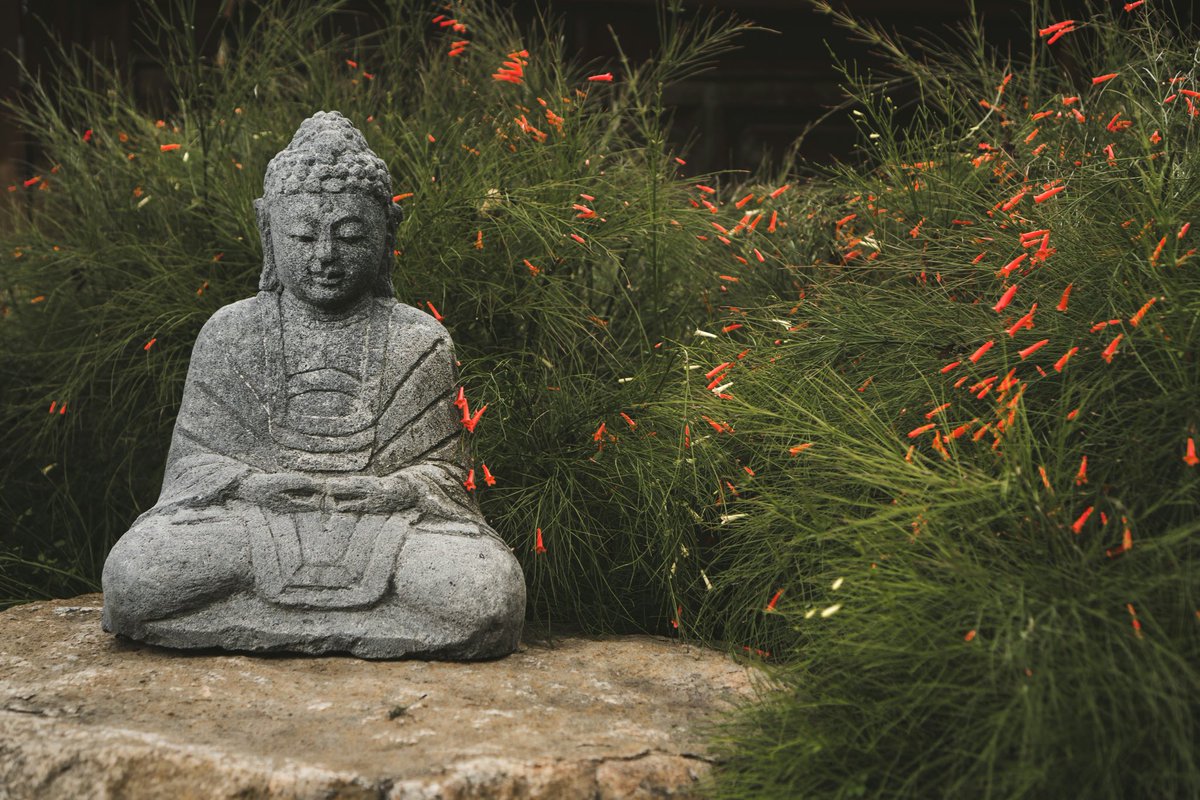
“Letting go gives us freedom, and freedom is the only condition for happiness. If, in our heart, we still cling to anything - anger, anxiety, or possessions - we cannot be free.”
~ Thich Nhat Hanh
6
48
438
Poppy for Life retweeted
May 25
#MythologyMonday☀️
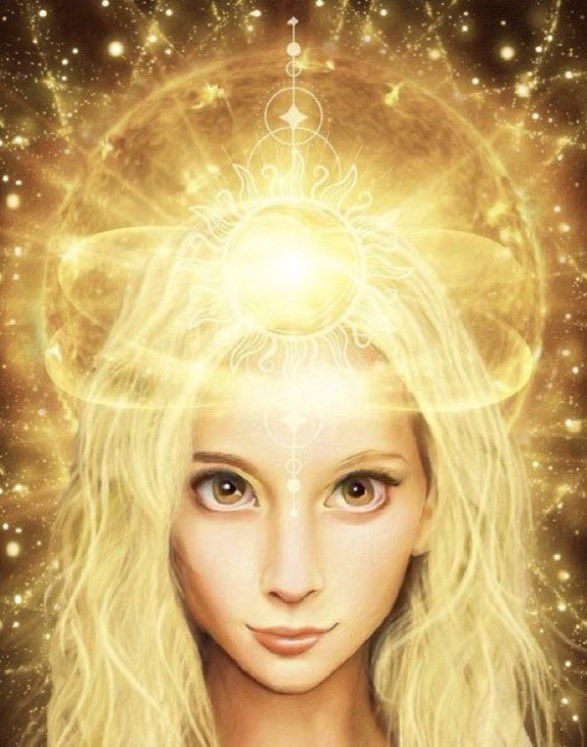
Sunna, Goddess of the life giving Sun is not immortal.
She is doomed to die at the end of the universe.
Sunna is constantly chased through the sky by the wolf Sköll, sometimes he comes so close that he is able to take a bite, causing an eclipse.
On the last day he will catch & devour her.
But “one beaming daughter Sunna bears before She is swallowed “
This new Sun daughter will take her mother’s place in the new sky.
When the world is destroyed, a new world shall be born, a world of peace and love.
4
9
56
824
Poppy for Life retweeted
May 20
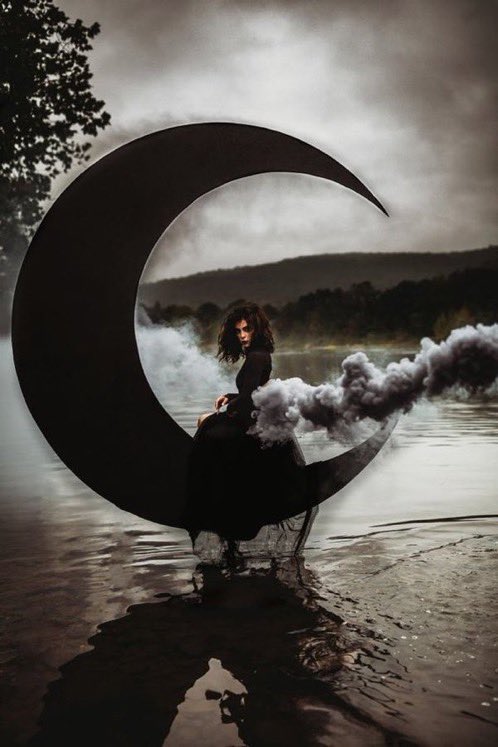
“Witches are moon-birds, Witches are the women of the beautiful moon.”
— Amy Lowell, from Poems; “Witch-Woman,”
5
11
82
769
Poppy for Life retweeted
May 20
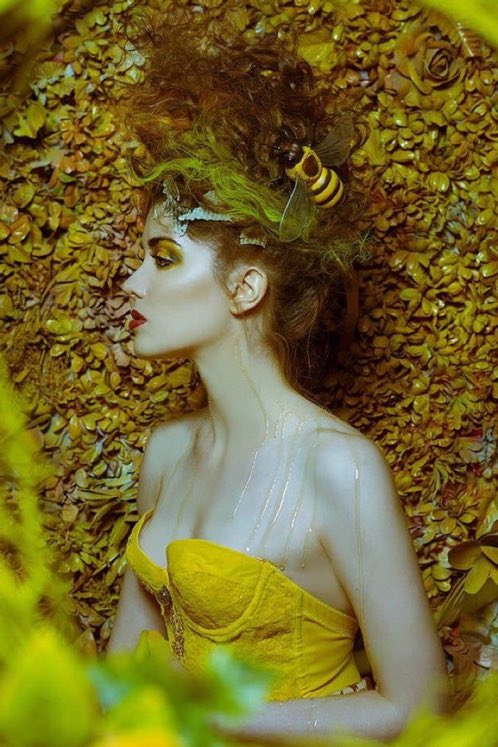
Bees are very important to our ecosystem in fact it depends on their survival 🐝
Some witches keep beehives & use honey to make healing potions 🐝
If a bee flies into the palm of your hand, legend says you’ll soon have money 🐝
NEVER KILL A BEE ! 🐝 🐝🐝
#WorldBeeDay 🐝
7
18
93
1,020