Joined July 2018
- Tweets 99,387
- Following 232
- Followers 8,432
- Likes 282,254
11,336 Photos and videos




Pinned Tweet

25 Mar 2025
Sei, wer du bist und sag, was du fühlst!
Denn die, die das stört, zählen nicht und die, die zählen, stört es nicht.
Theodor Seuss Geisel
9
20
226
60,513
Dr Snoozy Fugglesnuck retweeted

😭😭
35
81
1,738
90,371
Dr Snoozy Fugglesnuck retweeted

"Die fallen auf jeden KI-Müll rein" – Jugendliche fordern Social-Media-Verbot für Menschen über 40
der-postillon.com/2026/02/so…
der-postillon.com/2026/02/so…
55
515
3,607
75,610
Dr Snoozy Fugglesnuck retweeted

Feb 17
The Cook pine 🌲 is one of the strangest trees on Earth. Wherever it grows, north or south of the equator, it tends to lean slightly toward the equator.
Scientists studying these trees around the world have measured an average tilt of about 8.5 degrees, and interestingly, the farther the trees grow from the equator, the stronger the lean often becomes.
This unusual behavior has puzzled researchers for years. The trees appear to follow a global pattern, yet the exact reason for their equator-ward tilt remains unknown.
Some scientists suspect it may relate to gravity, sunlight, or internal growth mechanisms, but no single explanation has fully solved the mystery.
📹 Unsolved Mysteries & Paranormal Activities
25
133
676
15,777
Dr Snoozy Fugglesnuck retweeted

Feb 17
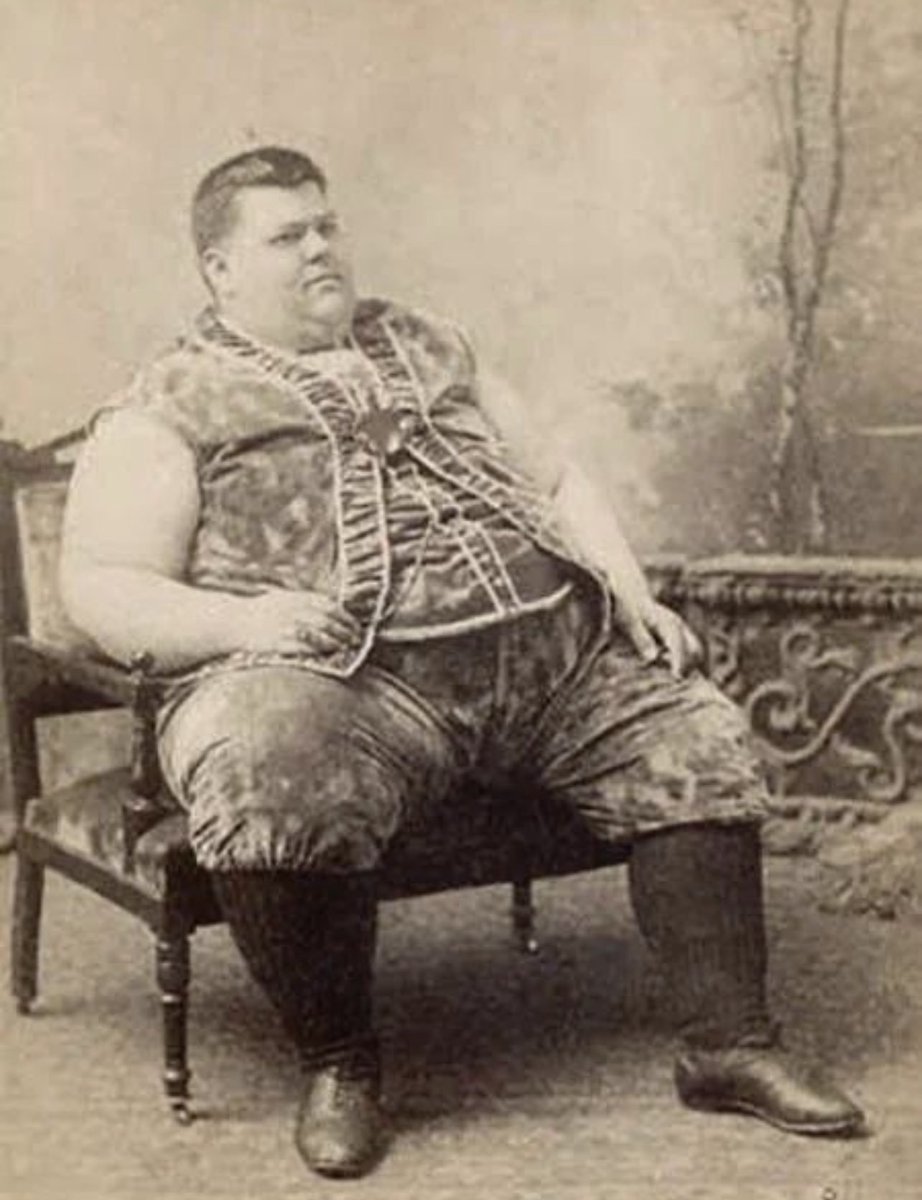
Fattest man in the World back in 1890 (people paid money to see him)
Today he’d be 3rd fattest guy at the local Walmart
761
2,782
32,605
986,024
Dr Snoozy Fugglesnuck retweeted

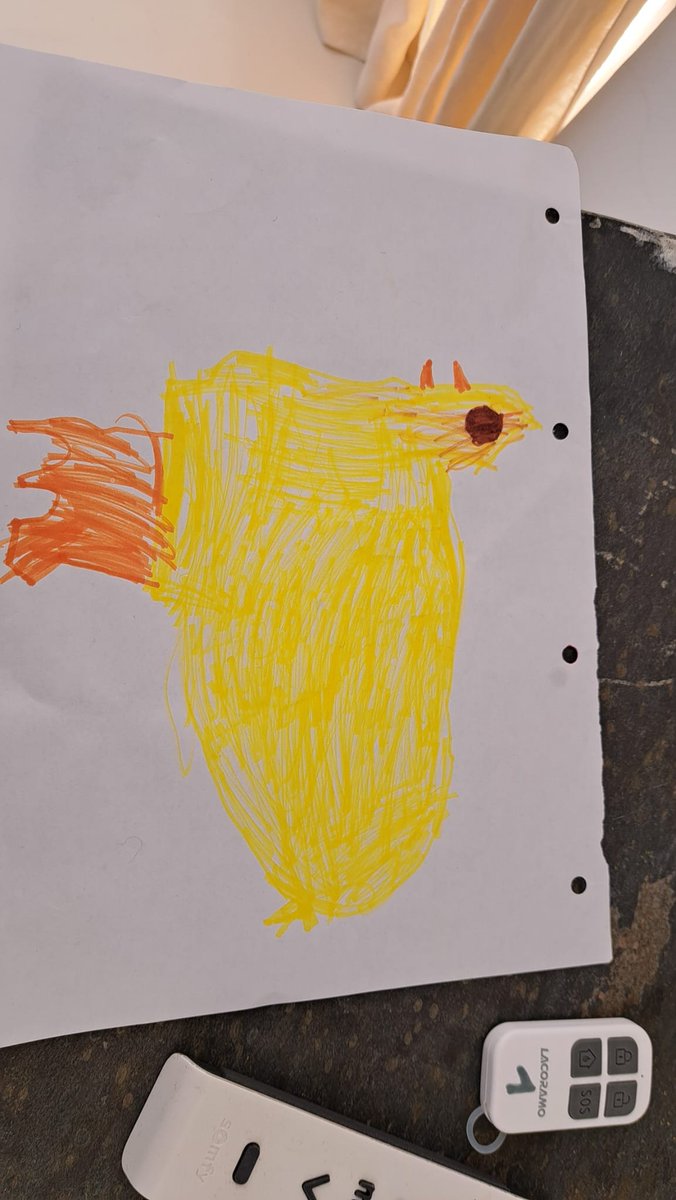
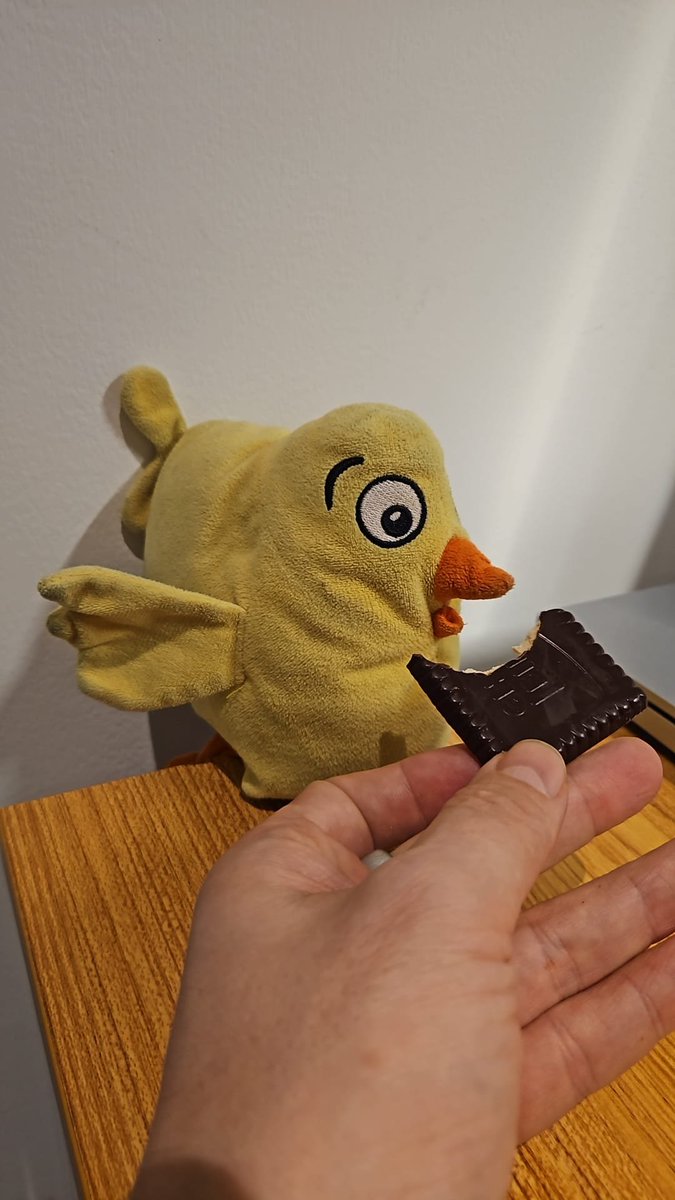
Unser kleiner Sohn (4) hat am Montag sein Lieblingskuscheltier, sein gelbes Küken Pepe, beim Einkaufen verloren. Wir haben alles abgesucht und sind die ganze Strecke nochmal abgefahren.
Nun hat er ein Suchbild gemalt.😭😭
Also, falls jemand irgendwo Pepe sieht, bitte melden!!!
43
253
800
25,804
Es ist ein bisschen gruselig wenn man morgens um 4:35 Uhr, zehn Minuten vorm Wecker, wach wird und gute Laune hat.
Korrigiere. Normale Laune. 😆
Nicht müde und nicht grumpy.
Das muss reichen. 😬
6
1
182
4,833
Dr Snoozy Fugglesnuck retweeted
Feb 16
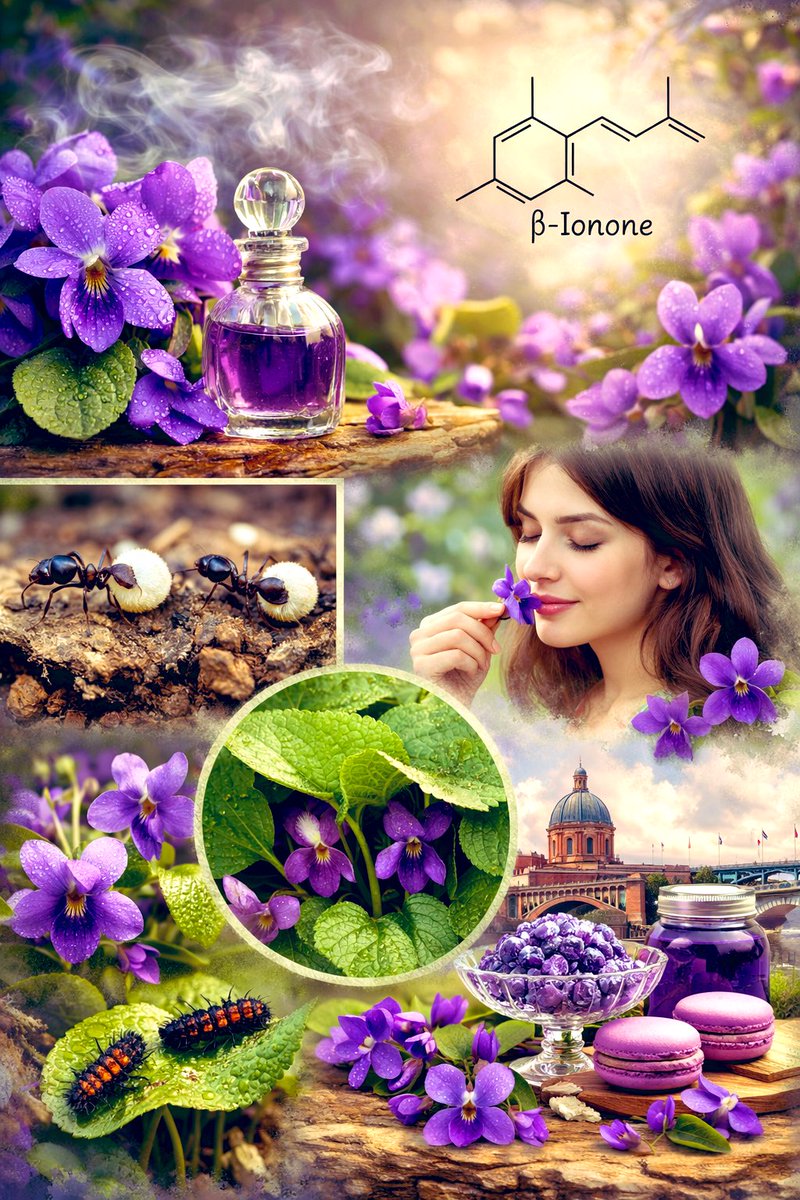
Sweet violets (Viola odorata) 💜🌸💜are famous for a fragrance that seems to vanish and then magically return. This isn’t imagination, it’s chemistry ⚛️ .
Their scent contains compounds called ionones, especially beta-ionone, which briefly desensitize the smell receptors in your nose. After one sniff, your brain stops detecting the aroma for a few minutes, then perceives it again once your receptors reset.
These shade-loving woodland perennials spread by creeping stems and rely on ants to disperse their seeds, thanks to a nutrient-rich appendage that attracts them. They also produce two kinds of flowers: showy spring blooms for pollinators and later hidden, self-pollinating ones to guarantee seeds.
Extracting natural violet essence is notoriously difficult and costly. It takes enormous quantities of fresh blossoms to produce even a small amount of absolute, which is why perfumers once relied on traditional techniques like enfleurage to capture the delicate aroma.
Beyond perfumery, violets have long been used in European cuisine, crystallized for desserts, added to salads, or turned into syrups and candies. The French city of Toulouse is especially famous for its violet-based confections.
16
49
255
3,341
Dr Snoozy Fugglesnuck retweeted

Sätze, von denen ich nie dachte sie mal zu sagen, Teil drölf : "Wenn du deinen Fuß ablecken kannst, dann kannst du auch deine Pommes essen!"
1
1
47
1,725

Trauma doesn't make people stronger. It damages their nervous system. It hijacks their digestive track. It keeps the person in a constant loop of hypervigilance. To tell someone they are stronger because of trauma is to deny what it has cost them to survive.
18
554
2,133
32,970
Endlich hat die Sonne es mal wieder durch die Wolken geschafft 🥰
4
84
986

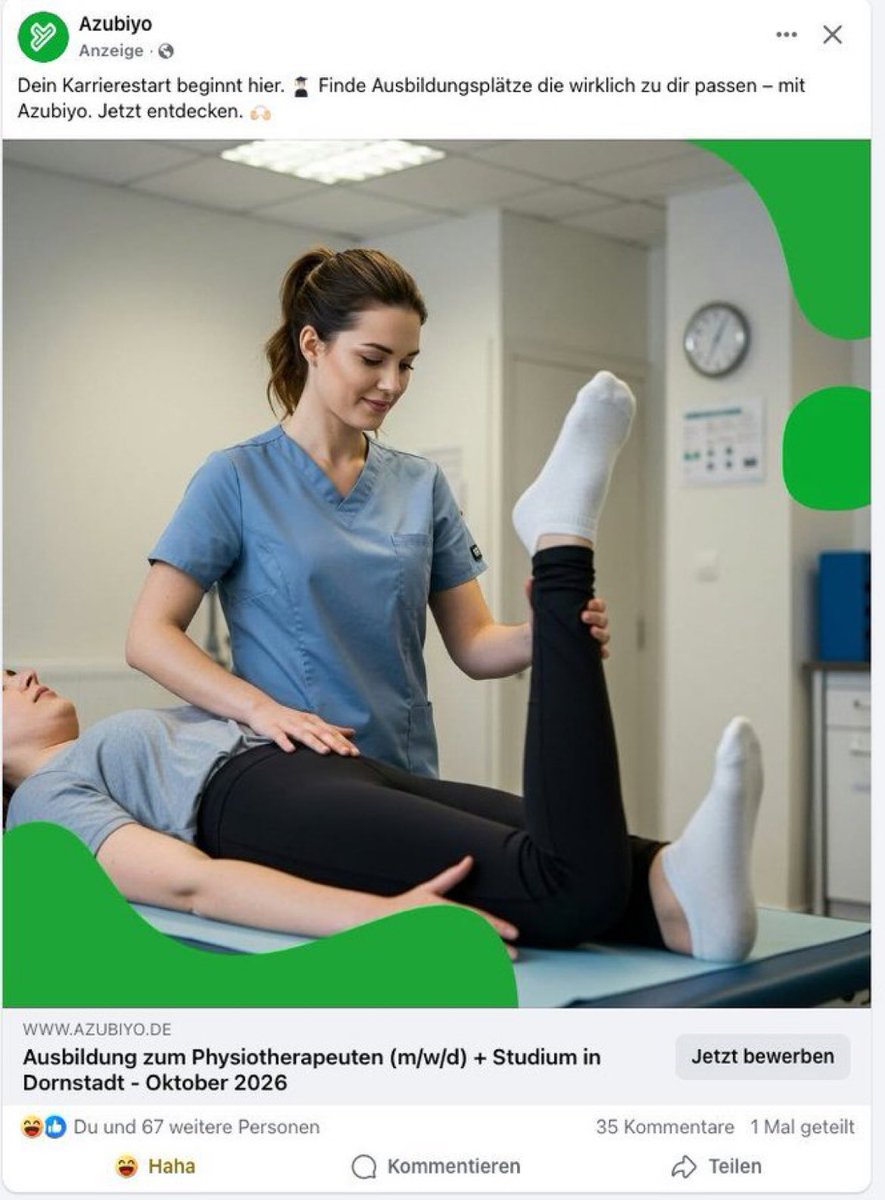
Dienst Nr 14 wurde vollendet.
Die Zeit mit Menschen mit geistiger Behinderung kostet mich nichts von meinem sozialen Akku.
Das ist die unerwartetste Erkenntnis bisher.
14
1
239
7,486

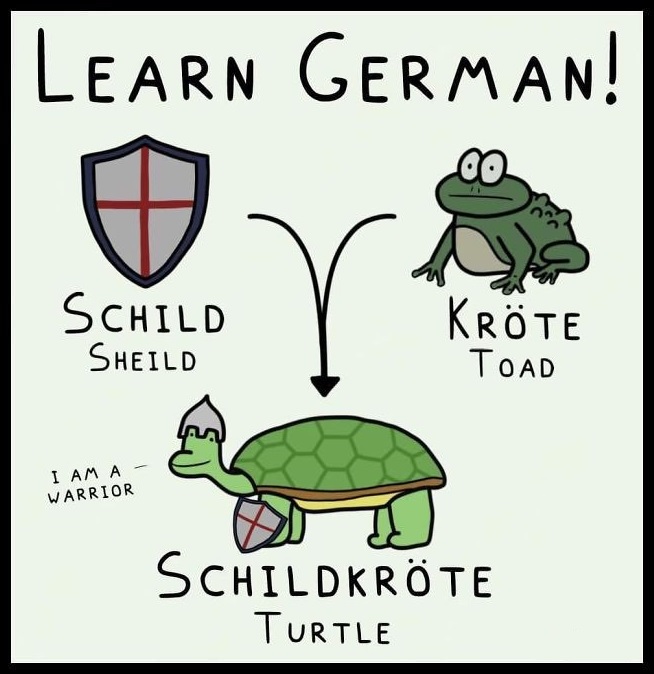

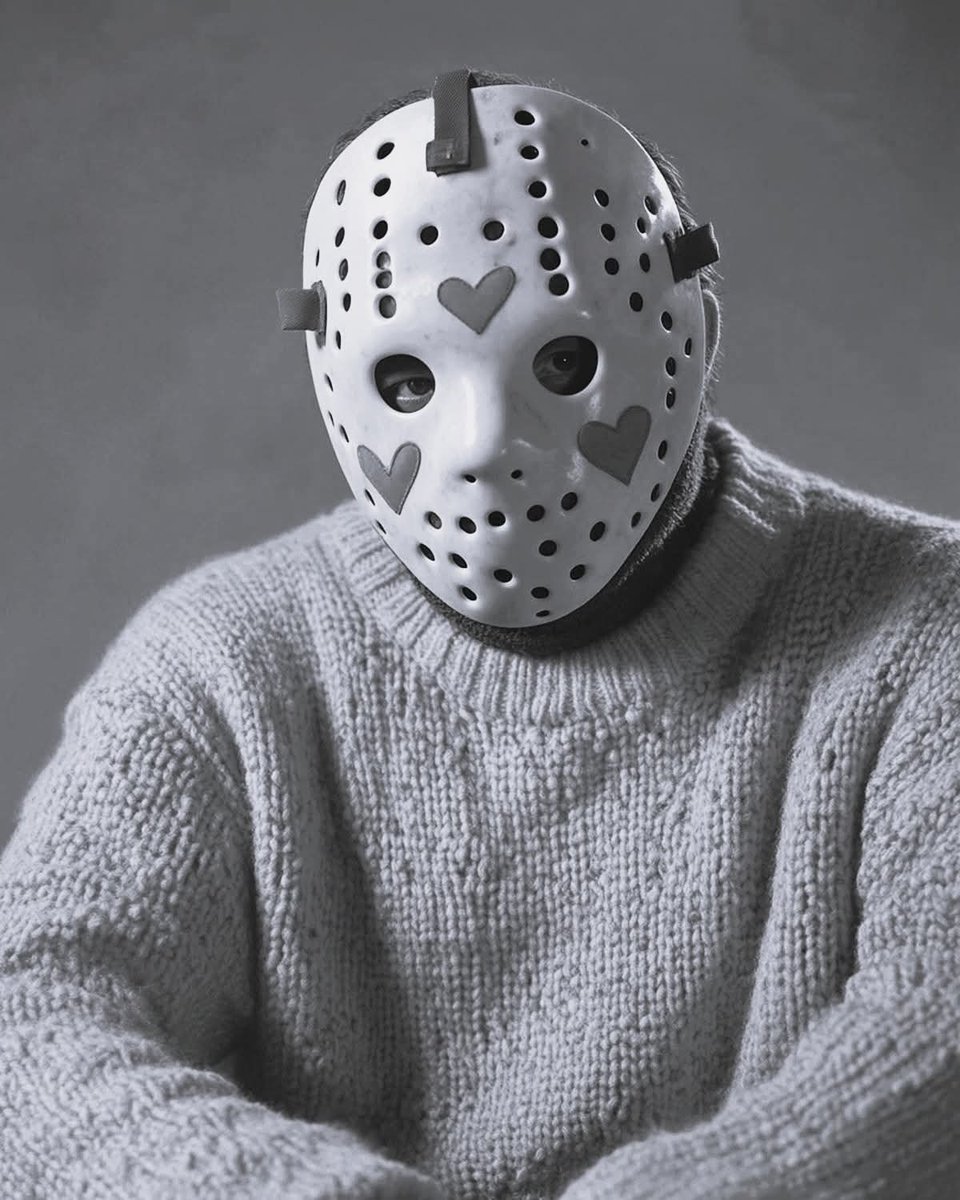
Teamleiter sagt, er mag keinen Apfelkuchen, darum möchte er das letzte Stück nicht. Habe ihm gesagt, dass ich das jetzt persönlich nehme.
😆 😂
2
1
109
3,981
Step one: ich werde easy wach, wenn der Wecker um 4:45 Uhr klingelt.
Step two: ich habe die Fähigkeit erlangt Kaffee und Frühstücksbrot zu machen.
Step three: rechtzeitig fertig machen und keine eile bekommen, fehlt noch. Ups
1
66
2,179
RT @pilipalagwyn: Ich weiß nicht, wer das mal hören muss, aber ihr könnt unterschiedliche Körper unterschiedlich attraktiv finden, aber das…
26
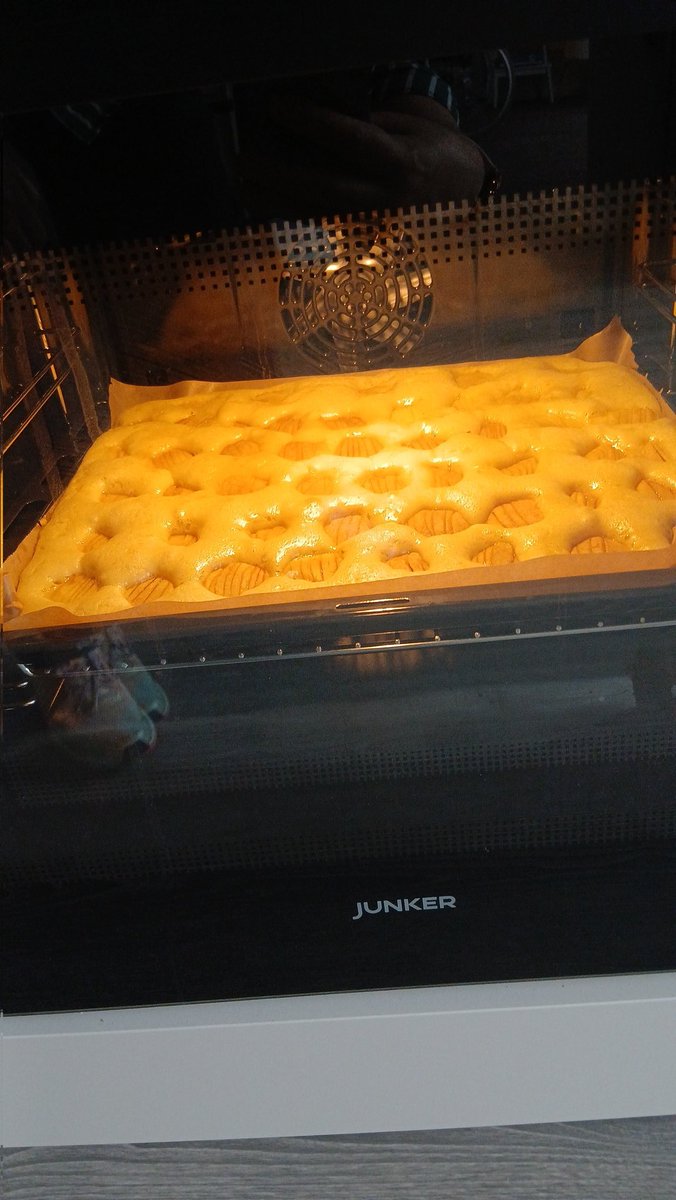
Kollege sagte neulich, das beste am Job wäre, dass man auch mal machen kann worauf man Bock hat. Hatte Bock auf Apfelkuchen.
2
141
2,525
Dr Snoozy Fugglesnuck retweeted

Feb 13
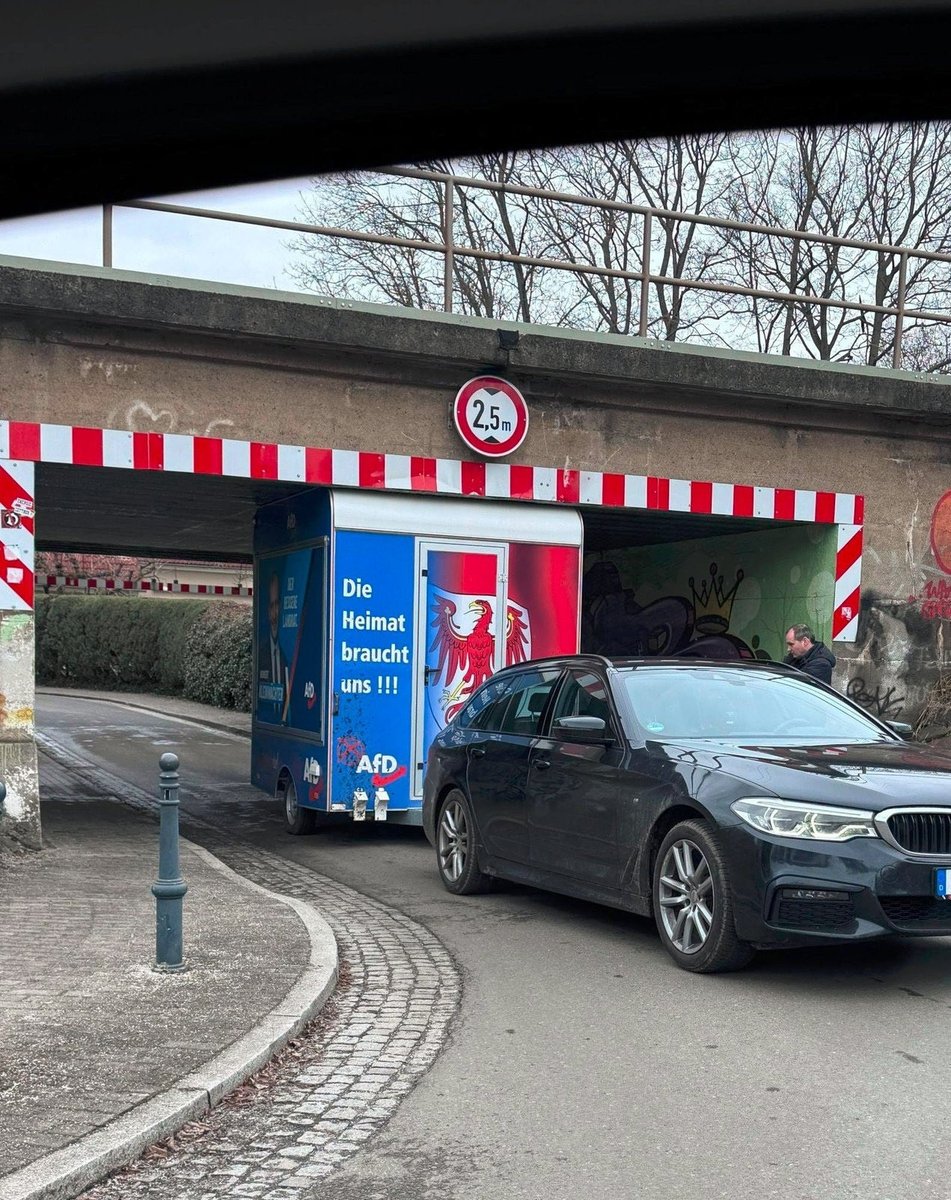
Alt, marode, trotzdem da,
Unterführung-Antifa!
45
205
2,267
31,078