
Joined April 2026
- Tweets 189
- Following 283
- Followers 29
- Likes 92
21 Photos and videos

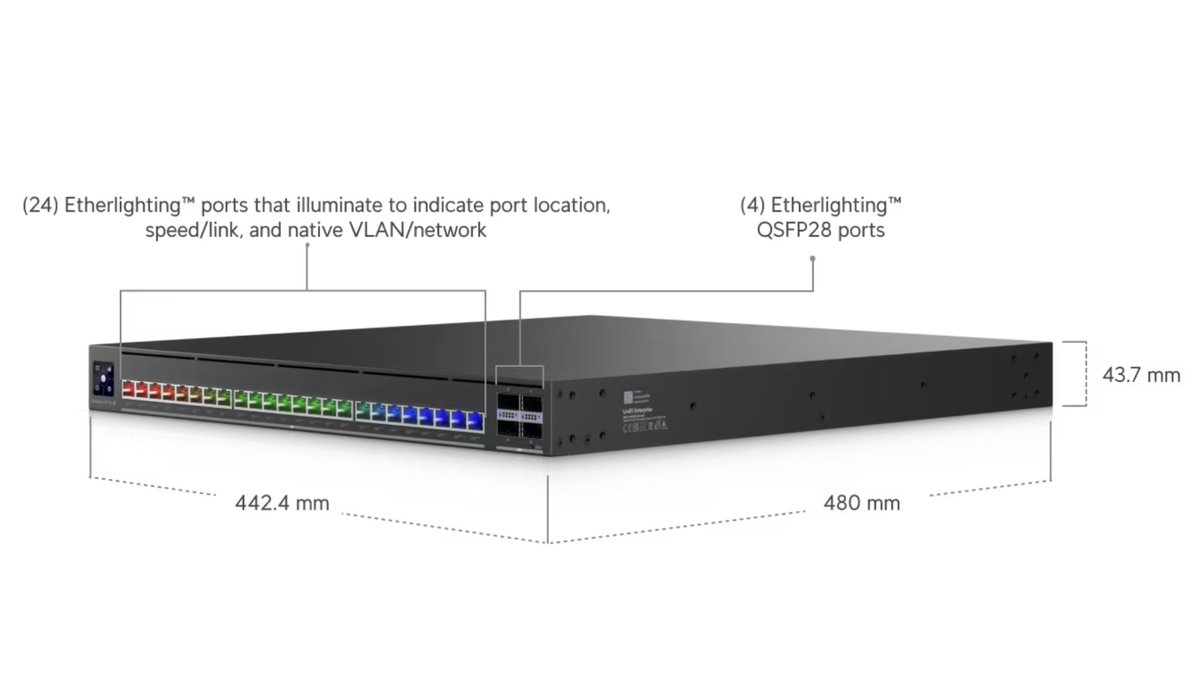
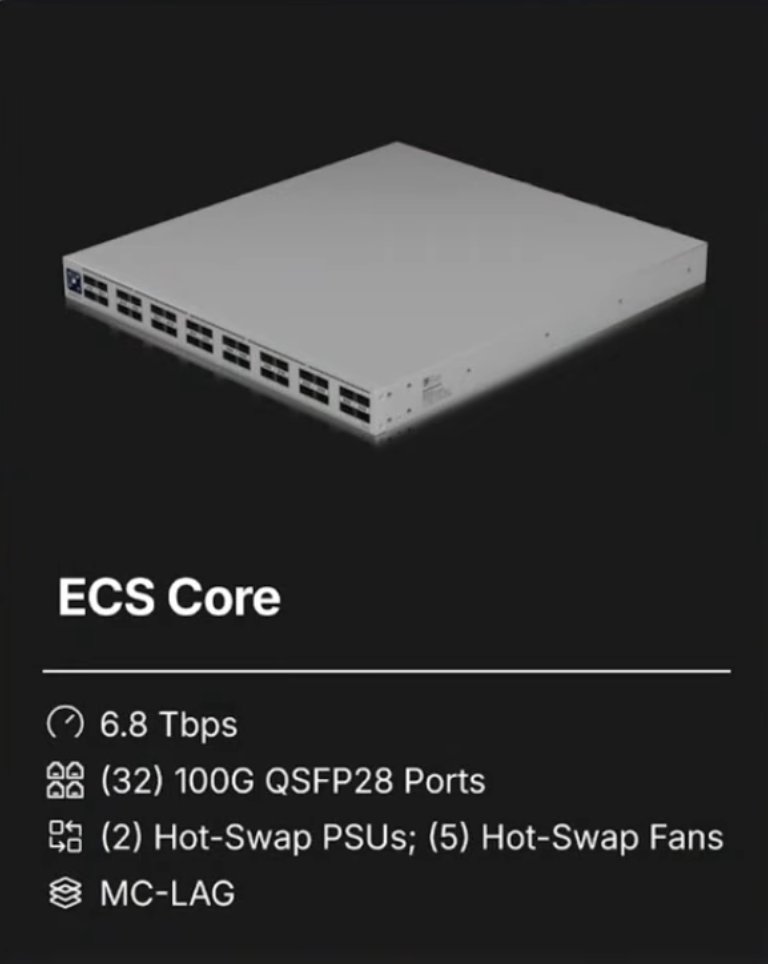
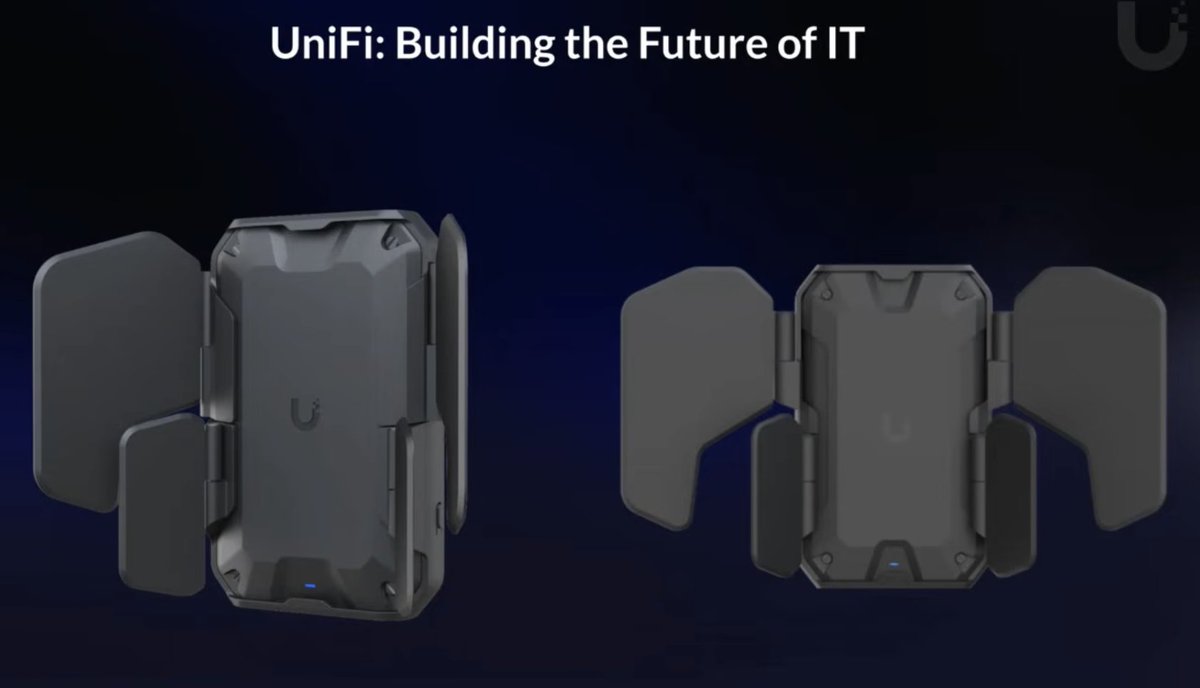
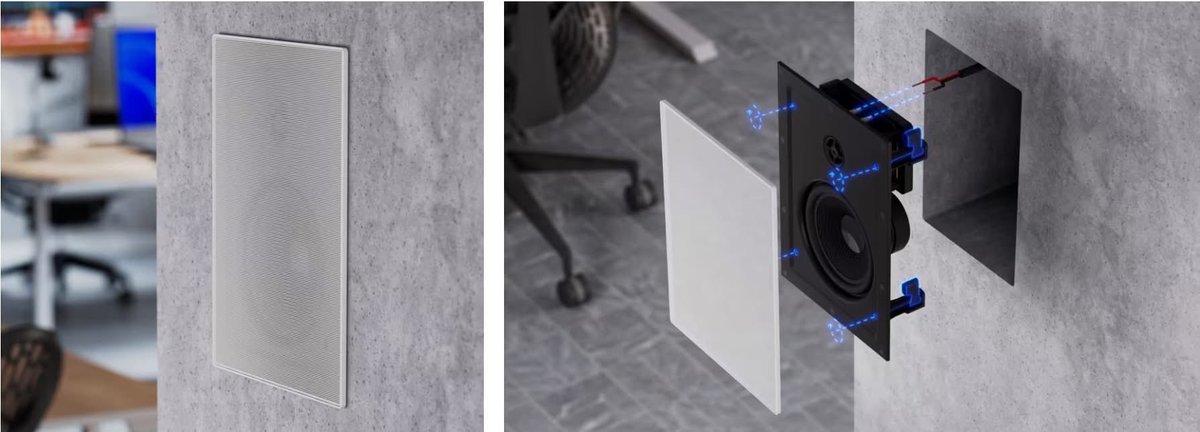
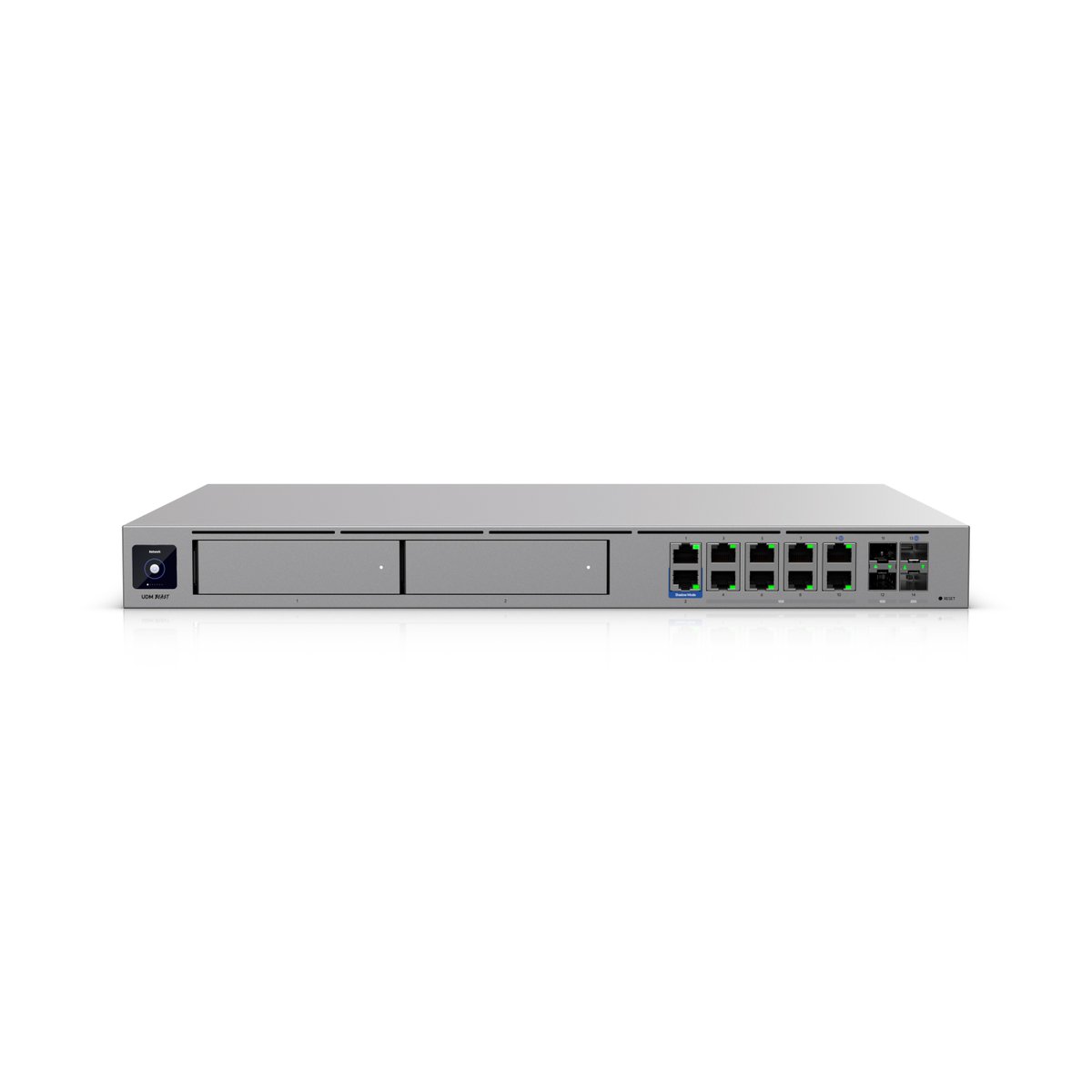


"The WiFi is slow" is almost never the WiFi.
9 times out of 10 it's: one cheap router covering too much space, a channel fighting your neighbors, or a 10-year-old switch quietly bottlenecking everything.
Coverage and speed are different problems. Most setups solve neither.
1
16
I come into your residence or business and analyze everything for you to make sure everything is running optimally. Let's have a chat!
8
More often than not, when I get called to work on a custom home I see the same problem.
The network and the security cameras were installed as two separate systems.
This creates constant headaches like:
• Cameras dropping when the Wi-Fi gets congested
• No unified recording or playback
• Painful troubleshooting when something fails (I hate Hikvision)
1
17
The better approach is running everything through UniFi Protect with proper PoE switching from the start.
One system. Reliable feeds. Centralized recording.
If you're building or renovating a custom home here, this is one of the integrations that makes the biggest difference long-term.
How are you currently handling cameras and networking on your projects?
32
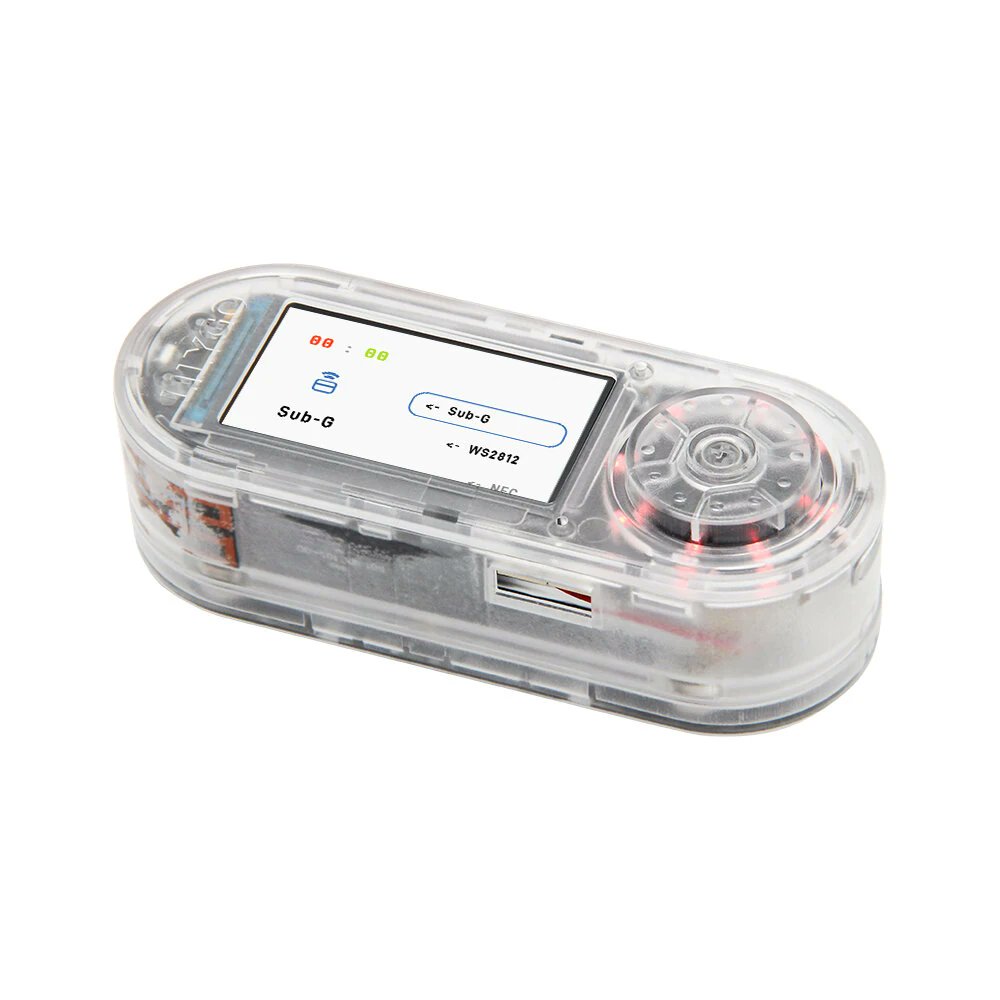
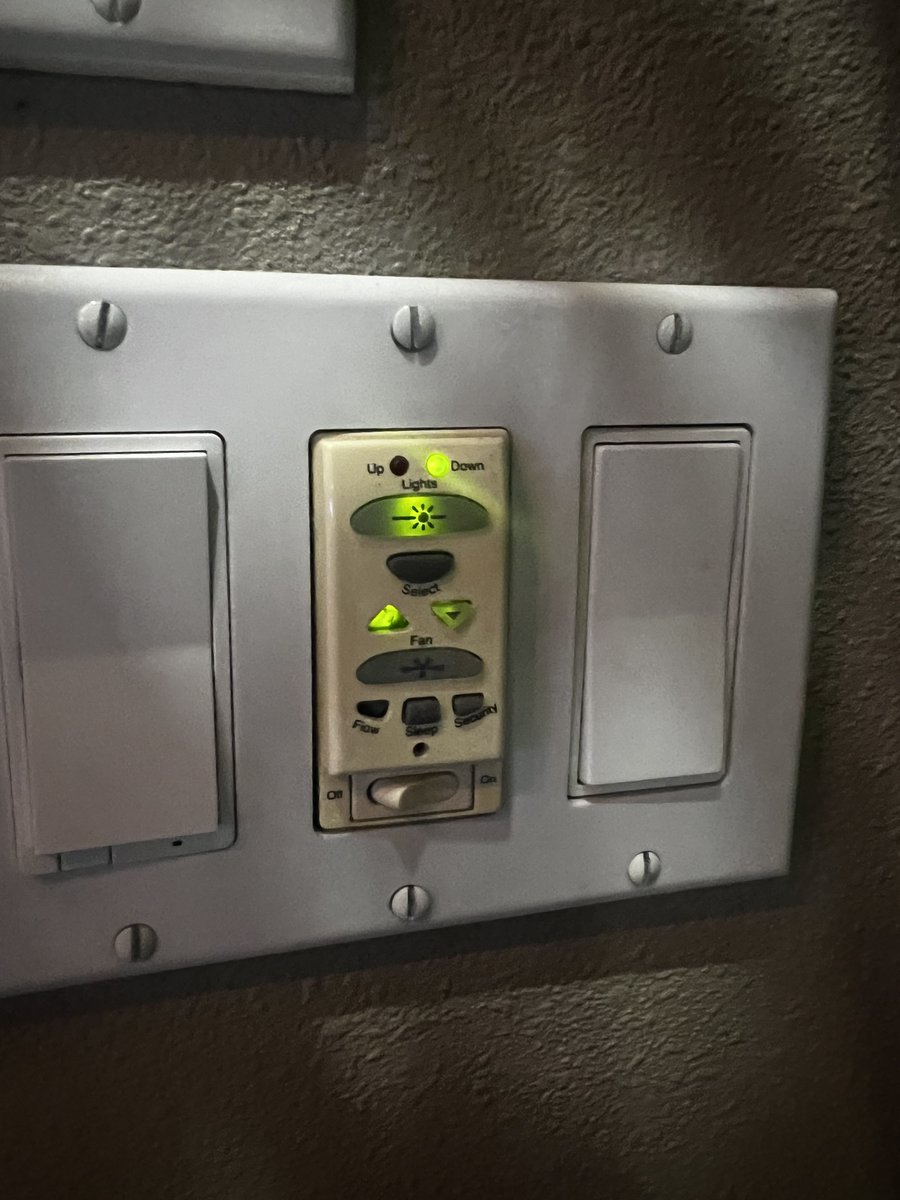
I am more excited than I should be, to be using the newest release of @home_assistant to be building a custom RF integration for a Emerson ceiling fan from the early 2000's. All you ultimately need is a middle-man device like this ESPHome Lillygo device flashed with custom firmware.
1
23
Architecture: Using my Flipper Zero to capture the 8 button codes once. A LilyGo T-Embed CC1101 sits on USB-C as the permanent transmitter. Custom HA integration uses the new radio_frequency entity platform (HA 2026.5) to route commands and expose fan, light, and preset-mode buttons natively.
1
46
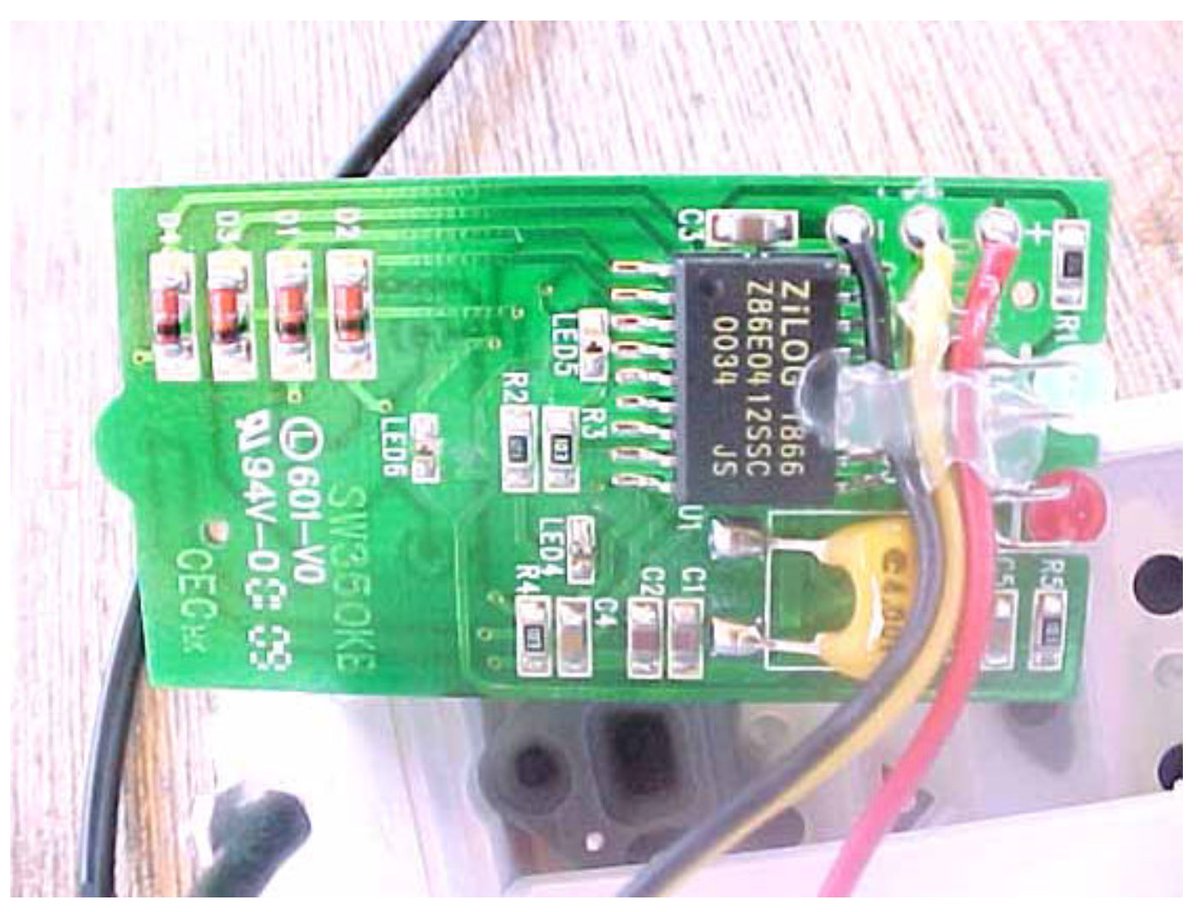
The best part: I pulled the FCC internal photos from 2001 to confirm it's not rolling-code. Found a Zilog Z86E04 MCU with no external EEPROM — physically can't track a rolling counter. 25-year-old hardware, modern smart home integration for the win.
21
Just checked out the new UniFi Protect NVR G2 Pro for a client — this is what enterprise-grade security infrastructure looks like.
2U form factor. 8 HDD bays. AI-powered analytics. Supports up to 50 4K cameras in a single rack unit.
For integrators who actually care about reliability: this is the future.
#integrator #security #networking #infrastructure
store.ui.com/us/en/category/…
1
43
Another update from my favorite IT company to increase functionality and usability!
May 14

Explore UniFi Protect 7.1 and the latest Physical Security updates:
🔹 Expanded ONVIF support
🔹 Multi-Site Custom Video Walls
🔹 PTZ Vehicle Tracking
🔹 Next-gen UNVRs
🔹 And much more
ui.social/UNVR-G2
39
Access control looks simple until it breaks in subtle ways.
Your card reader gets compromised and nobody notices for weeks. Your door lock loses power and defaults to... locked? Unlocked? Nobody decided upfront so it's random.
Before you buy anything, sit down and ask the hard questions. What happens when power fails? Can I actually audit this system's API or is it a black box?
Most projects get this wrong because nobody asked.
12
Walk into any equipment closet and you'll find a heat trap.
Switches stacked with no breathing room. Cables draped over everything like a blanket. AC vent pointing the wrong way. The gear inside is running 20 degrees hotter than it should.
Then at year 3 something dies and you're shocked.
It takes maybe 4 extra hours to do it right—proper rack, front-to-back airflow, cables below the equipment. Saves you from the $8K emergency call.
7
Jarin | Snow Wood Tech retweeted

May 12
Elon Musk says one heat shield problem could kill Starship's reusability for years.
Starship is the most complicated machine humans have ever built.
The hardest part isn't the engines.
It isn't the steel.
It isn't even the explosion margin on liftoff.
Musk named the one remaining bottleneck.
"It's having the heat shield be reusable. No one's ever made a reusable orbital heat shield."
The shield does two impossible jobs.
"It's gotta make it through the ascent phase without shucking a bunch of tiles, and then it's gotta come back in and also not lose a bunch of tiles or overheat the main airframe."
40,000 tiles per ship.
Musk reframed the consumable problem through brake pads:
"Your brake pads in your car are also consumable, but they last a very long time."
The shield must consume slowly.
It must not require inspection between launches.
Musk on the current state:
"We have brought the ship back and had it do a soft landing in the ocean. But it lost a lot of tiles."
A soft landing is not reusability.
The bar is daily launches. One ship. Many flights.
Musk, on the gap that's left:
"You can't do this laborious inspection of 40,000 tiles type of thing."
The first reusable heat shield in history is the last gate to Mars.
If you're new here, @GeniusGTX is a gallery for the greatest minds in economics, psychology, and history. Follow along for more similar content.
— Elon Musk ( @elonmusk ), CEO of Tesla and SpaceX, on Dwarkesh Patel's ( @dwarkesh_sp ) podcast
225
399
4,497
634,169
You ever promise a client "everything will talk to everything"? Then Zigbee doesn't play nice with Z-Wave, WiFi does its own thing, and suddenly you're managing four separate apps.
Pick one protocol first. Seriously. Most of the time it's Zigbee. Then if you need to bridge different worlds, Home Assistant handles that without forcing them all together.
Spend 15 minutes deciding now. It saves months of "why isn't this working?"
2
2
22
Summer planning mistake: Forgetting that every component's power draw increases 10-15% in heat.
Your PoE switch was fine at 60°F. At 95°F it's drawing 30% more power (electronics get less efficient as temp rises).
Your fiber transceivers were rated to 50W total. In a hot cabinet, they're pulling 58W.
Your power budget = gone.
And then the air conditioning fails on a Friday.
Smart move for summer installs:
1. Thermal imaging (before you ever size power) — where do hotspots actually form?
2. Active cooling in cabinets (fans are $50, downtime from overheating is $50,000)
3. Oversized power margin (if you're at 70% budget in winter, you'll hit thermal throttling in summer)
4. Monitored alerts (UniFi tells you when a device is overheating — use it)
5. Regular maintenance (dust buildup makes cooling 40% less effective)
Cost of proper summer planning: $300-800.
Cost of a cabinet thermal failure in July: Business down for days replacement gear emergency service calls.
What's your summer heat strategy looking like?
19
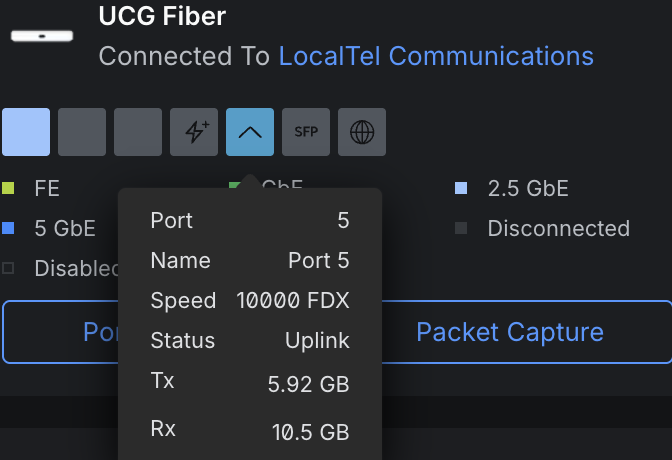
It's always a good day when your client's WAN is showing 10GbE.
17
This week we covered infrastructure that survives failures, cameras that actually work, audio that doesn't fight itself, cables you can trust, documentation that saves lives (your sanity), and the power management that keeps it all running.
One thread through it all: Upfront thinking saves emergency heroics later.
The projects that run smooth? They were planned to run smooth. The ones that are nightmares were wired first, figured out second.
If you're spec'ing out a building project or upgrading existing infrastructure, grab this:
**The Network Reliability Assessment** (link in bio)
It walks through the 30 checklist items that separate "works today" from "works tomorrow too."
Feel free to skip it. Or grab a copy and sleep better.
Drop a ✅ if you want it.
14
Your IP-based door locks, cameras, and access control are all on the building network.
One compromised computer = access to all of them.
Most low-voltage installs treat security like an afterthought:
- No VLAN for access control (it's just another device on the network)
- No network segmentation (camera can talk to door lock can talk to visitor database)
- No certificate pinning (man-in-the-middle attacks easy)
The result: Hackers don't break in physically. They exploit a phishing email to building staff.
The fix (you can retrofit):
1. VLAN for critical systems (access control on 192.168.2.x, cameras on separate segment)
2. One-way traffic rules (cameras can send video, but can't accept commands from the main network)
3. Firewall rules on the access controller (it only talks to the NVR, nothing else)
4. Change default passwords immediately (this alone stops 90% of attacks)
Time investment: 2-3 hours to segment properly.
Cost: $0-500 if you need a better managed switch.
Liability savings: Priceless (and definitely more than $8,000 if someone accesses a door lock remotely).
What's your security blind spot in your network right now?
9