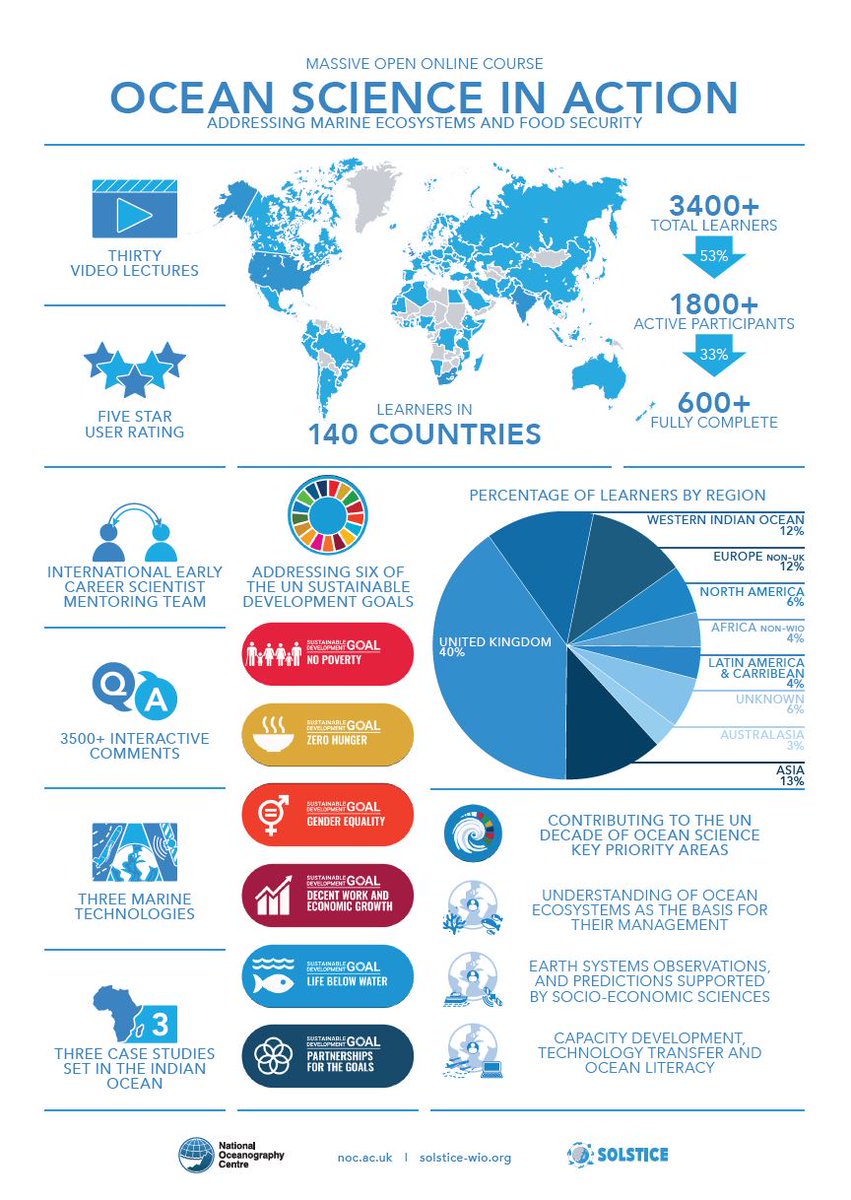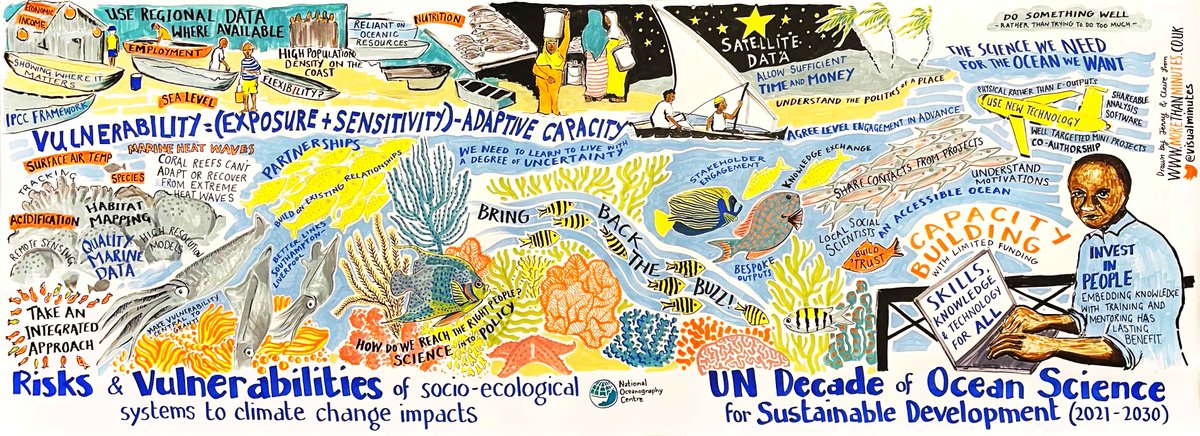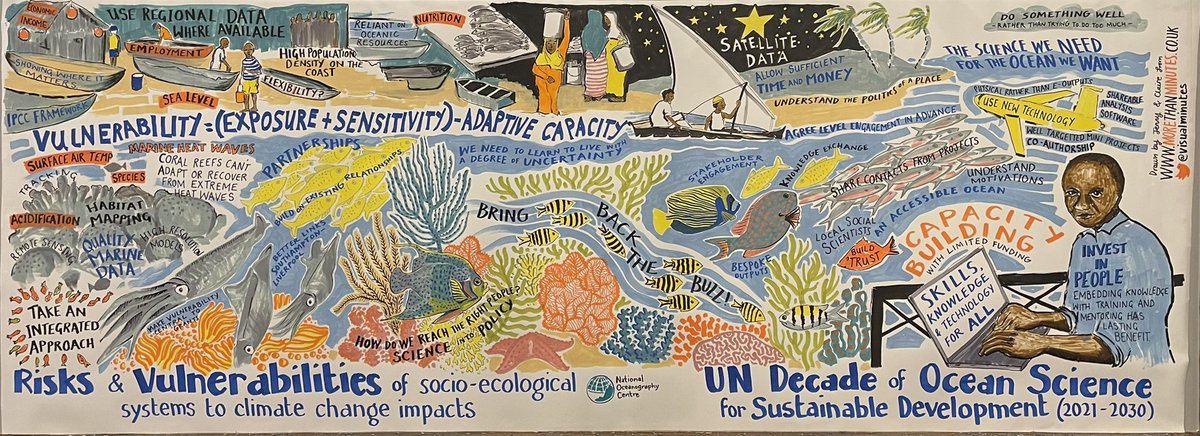
Sustainable Oceans, Livelihoods and food Security Through Increased Capacity in Ecosystem research in the Western Indian Ocean is a 4-year GCRF funded project
Delighted to be included in @HakaiInstitute’s long-form feature “The Autonomous Ocean” telling the story of the new generation of robots venturing into hurricanes, under ice shelves & into African seas—and changing the face of oceanography. @NOCnewshakai.org/the-autonomous-oce…
NOC scientists have developed a new method to monitor the effects of climate change on coastal upwelling.
The new methodology will support the growth of local fisheries in Somalia. 🐟
Learn more about the development and the SOLSTICE project here 📰 bit.ly/3C8muIw
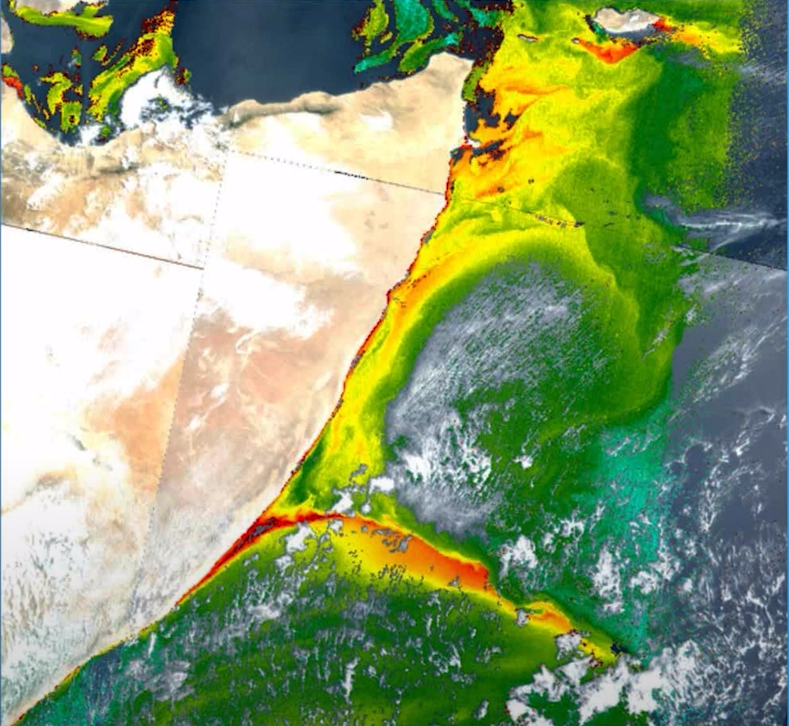
ALT Satellite Chlorophyll image from June 2019 indicating the presence of phytoplankton during the Somali Upwelling
Another @SolsticeWio paper has been published by Bruggeman et al. who use process-based modelling to explore whether environmental variability explains variability in catch of the chokka squid off the Agulhas Bank, South Africa. Check it out here:
sciencedirect.com/science/ar…
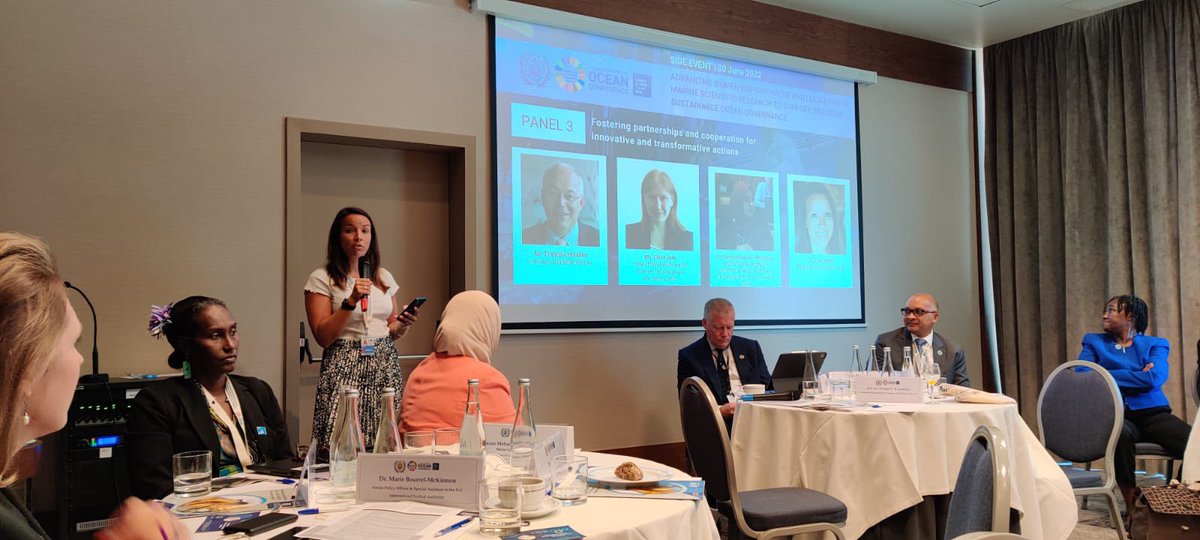
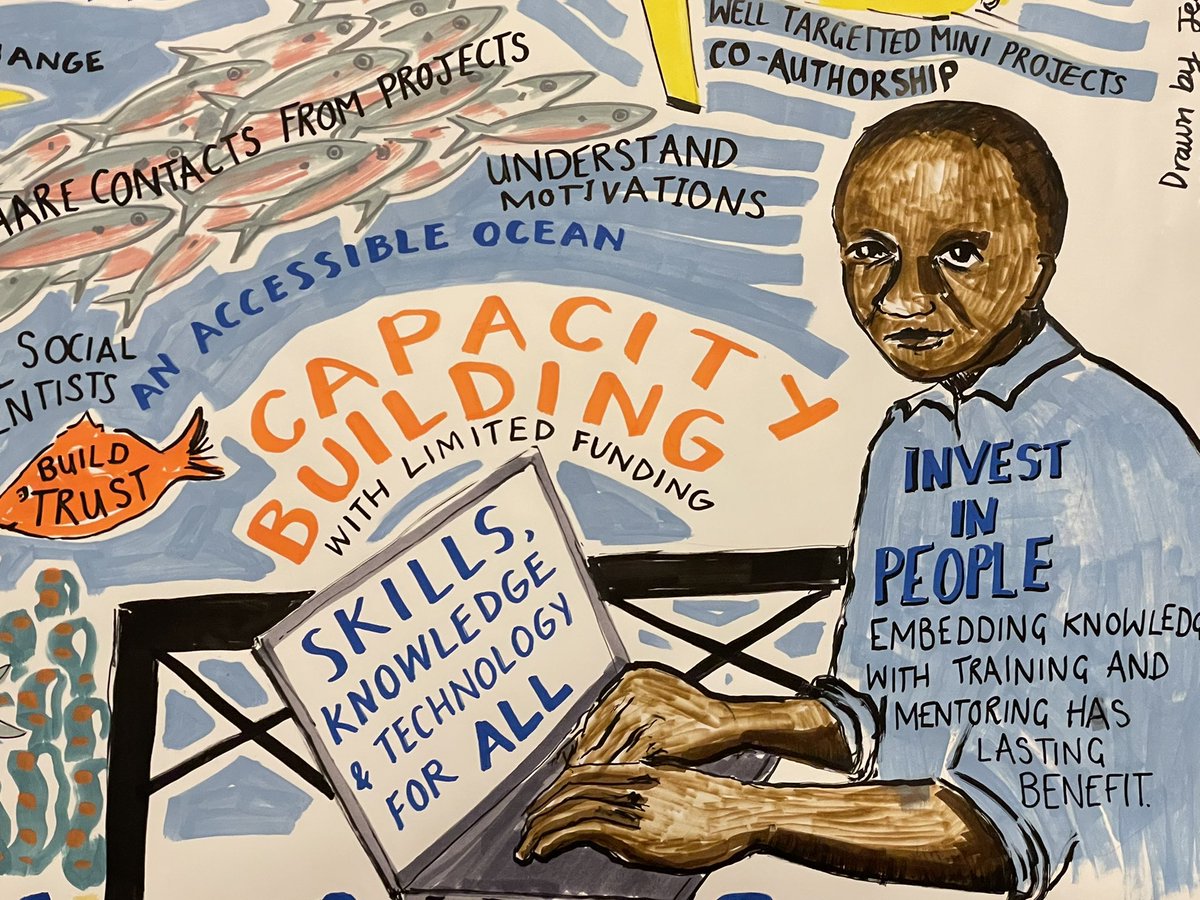
Thank you @ISBAHQ for inviting me to present a statement this morning on women empowerment & leadership. I talked about the great capacity building activities conducted during @SolsticeWio resulting in publications led by women scientists in the WIO region. @NOCnews
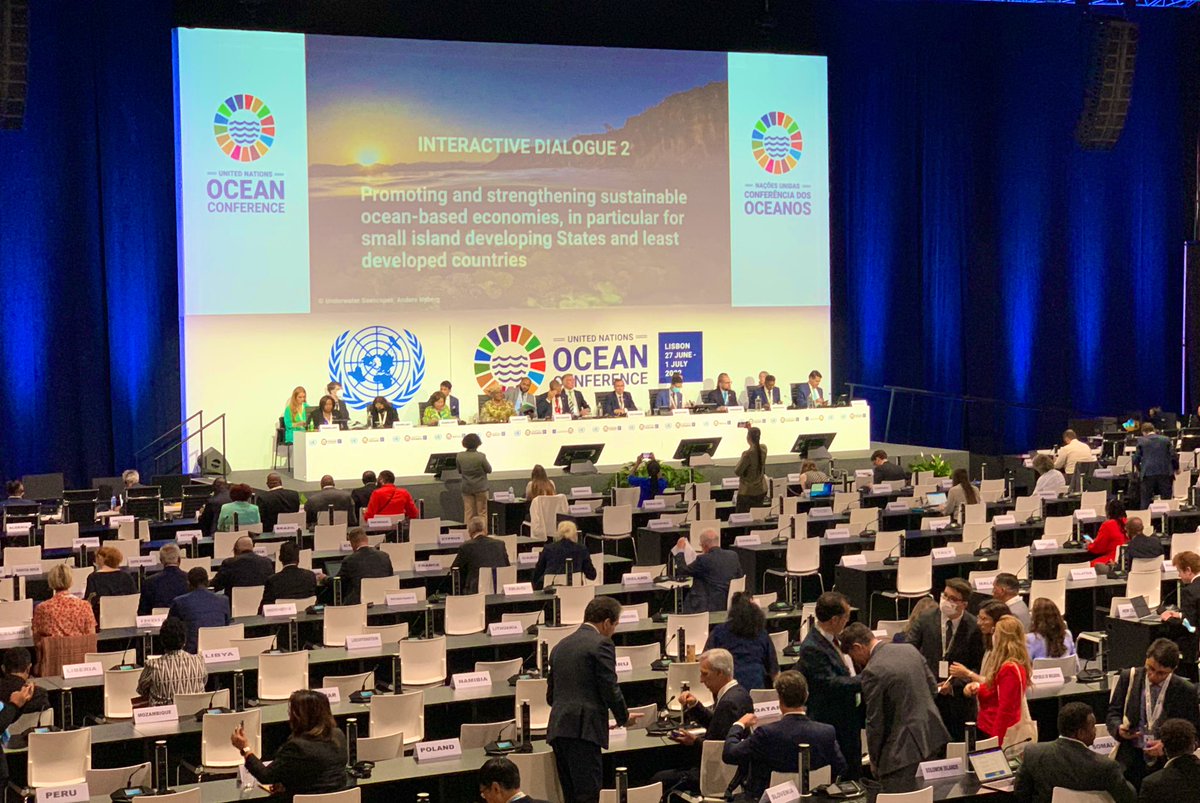
The NOC, through UK Government funded programmes, works with Small Island Developing States and Least Developed Countries to apply innovative technology that help restore, protect and encourage the resilience of marine ecosystems. 🙌
#UNOceanConference#UNOC22
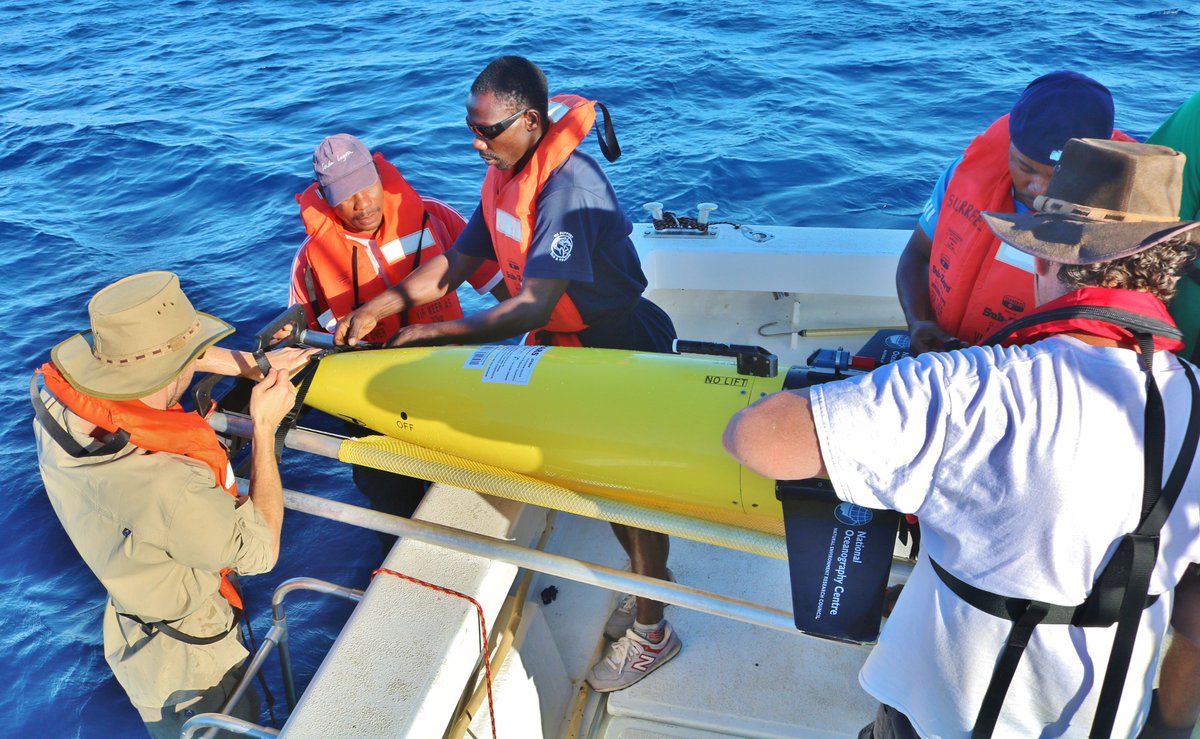
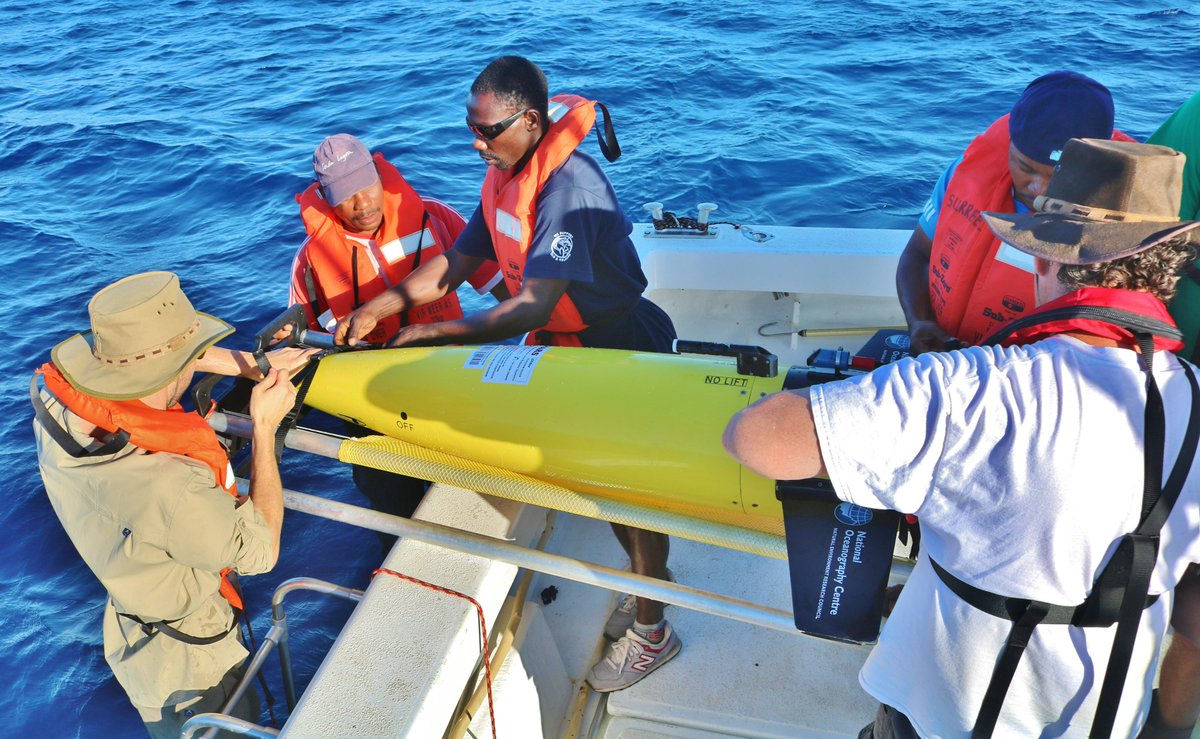
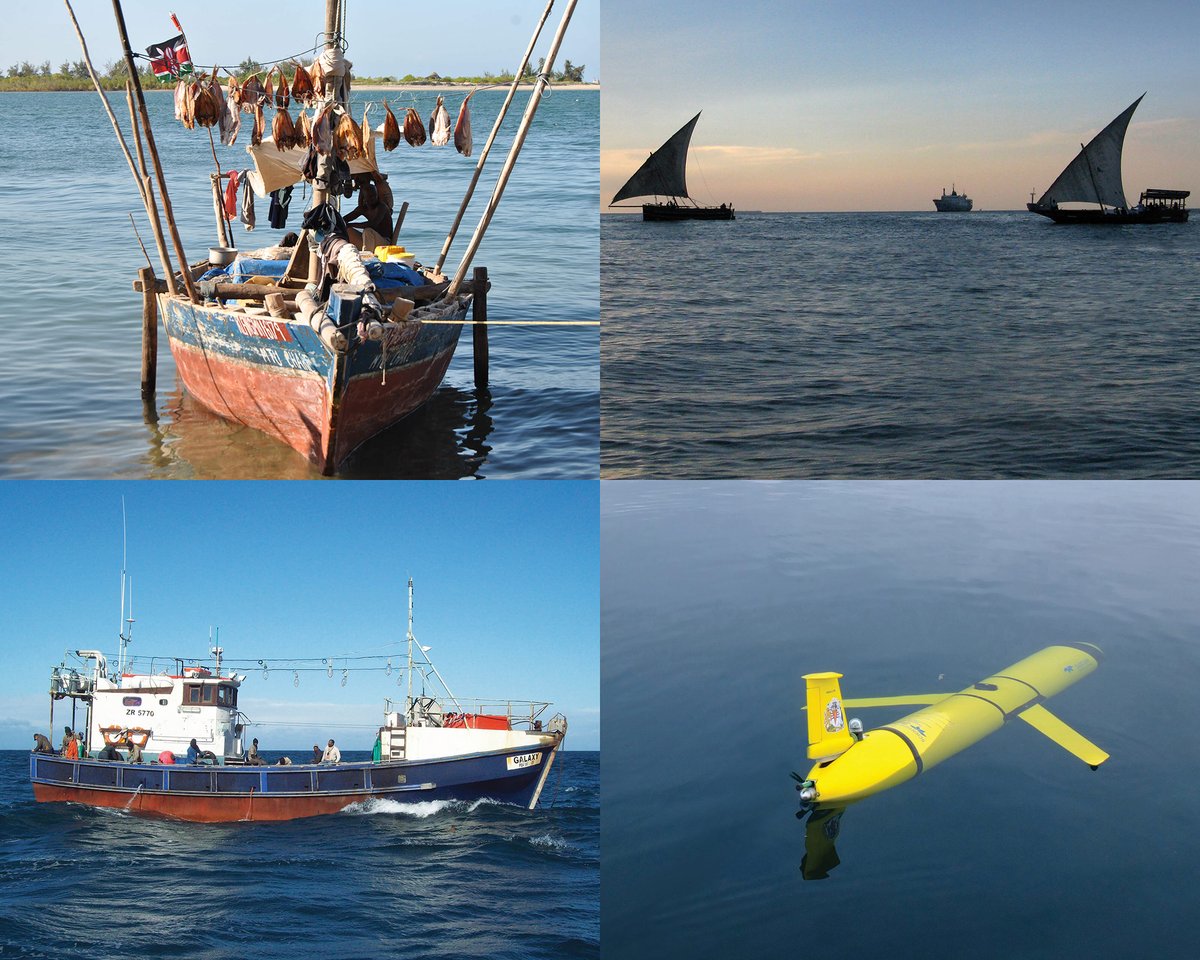
ALT Applying Glider technology in Tanzania (2019). Part of the SOLSTICE programme.
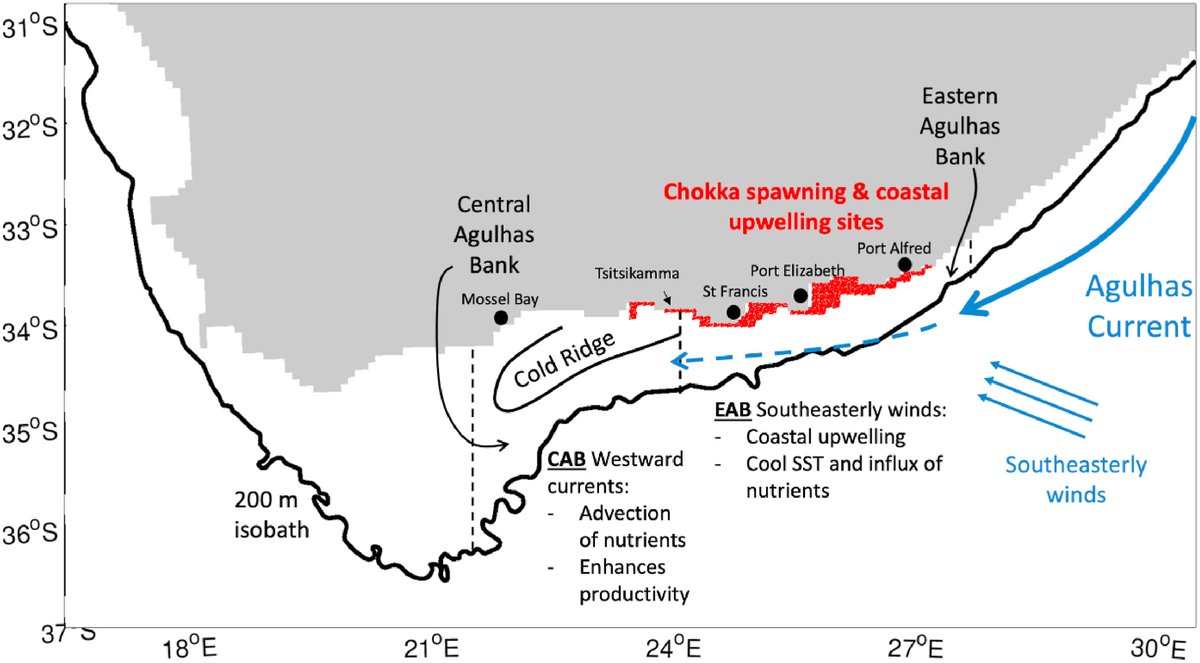
ALT Map of the Agulhas Bank, delineated by the 200 m isobath, summarizing the main driving mechanisms (in blue - Agulhas current and Southeasterly winds) resulting in high productivity events. Red shaded area demarcates the main chokka squid spawning grounds and upwelling sites.
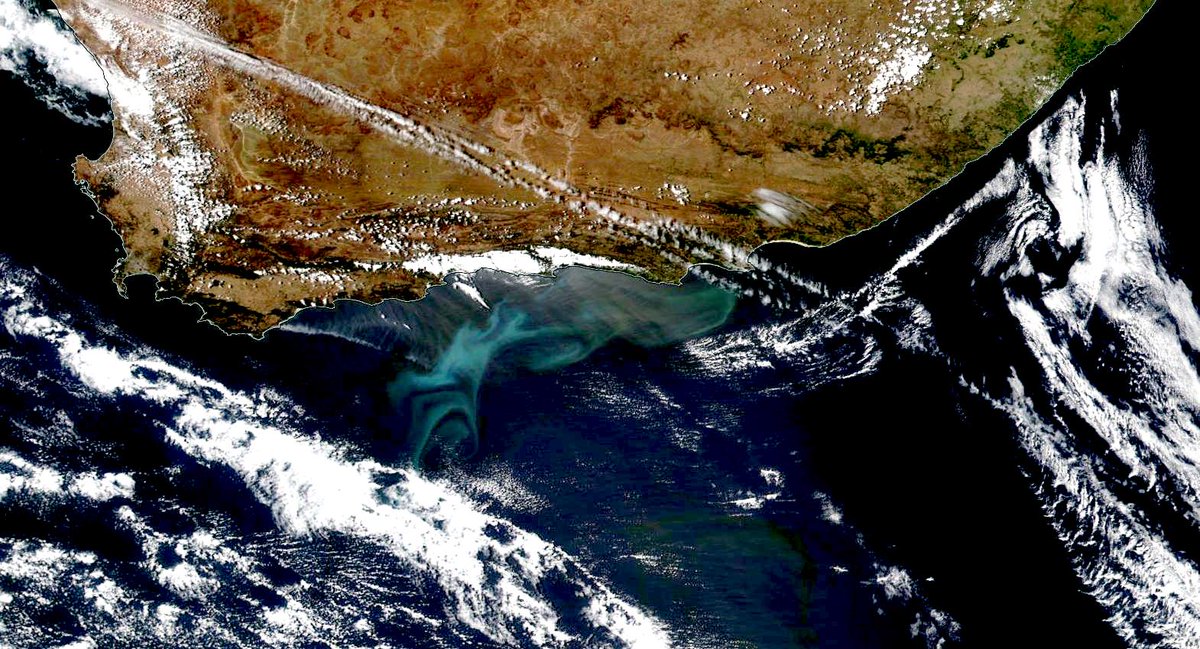
In a ground-breaking study, scientists from the NOC have used AI to understand the effects of the Agulhas Current on the productivity of upwelling regimes. 🌐
The study was conducted as part of @SolsticeWio.
Find out more about how it was done here 🆕 bit.ly/3MhwiCw
ALT View of the cold ridge upwelling on the Agulhas Bank off South Africa’s south coast collected by MODIS Aqua on 12 December 2018. Credit: NASA Worldview.
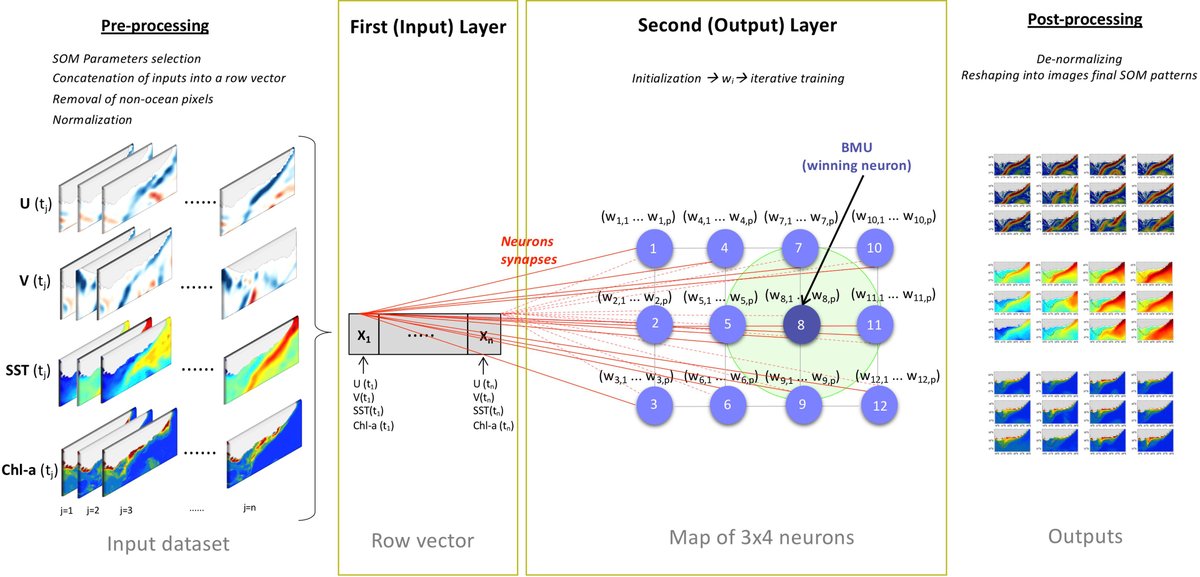
ALT Summary diagram of the 3x4 SOM (Self Organizing Maps) architecture and functioning described in section 2.2. During the pre-processing, the input dataset which consist of 2-D daily satellite data (U(tj), V(tj), SST (tj), Chl-a(tj) with j=1: n days) is concatenated into a row vector X (which makes up the input layer). X is composed of n=3479 arrays (one for each day of the observational record) each of p=4416 elements (1104 pixels *4 variables). Each SOM neuron (or pattern) gets assigned a weight vector ((w1,1… w1,p)… (w12,1… w12,p)) that changes with the iterative training (second layer). When a BMU (wining neuron, dark blue circle) is found its weight vector and neighbouring neurons (light green shaded area) are updated. During the post-processing, the SOM outputs are reshaped into 2-D images.
Really gratefully to my two examiners @AdelHeenan and Piran White who made the my PhD viva enjoyable, and my two supervisors @BD_Stew and Colin McClean for stimulating a rich discussion over the last three years!!
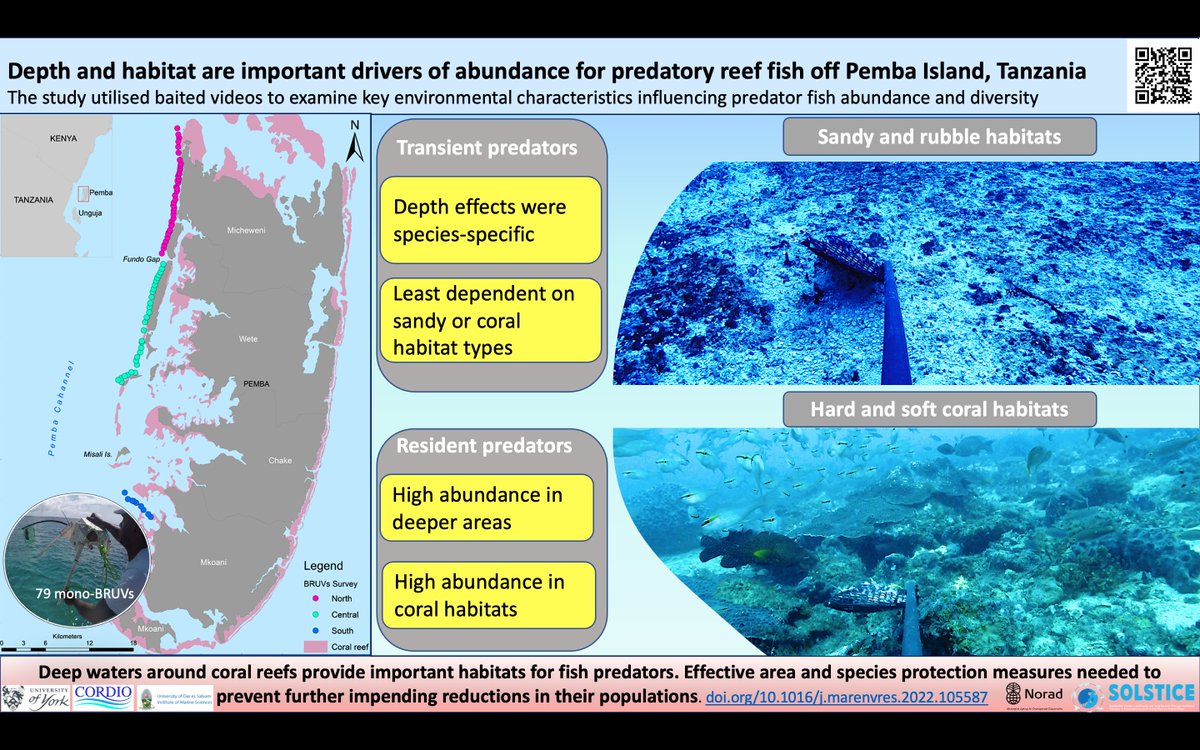
ALT A graphic summarising the results of a study published in Marine Environmental Research, titled Depth and habitat are important drivers of abundance for predatory reef fish off Pemba Island, Tanzania.
📢 NEW PAPER! Our new @SolsticeWio paper is out, led by Dr Fatma Jebri at @NOCnews "Unravelling links between squid catch variations and biophysical mechanisms in South African waters"
doi.org/10.1016/j.dsr2.2022.…
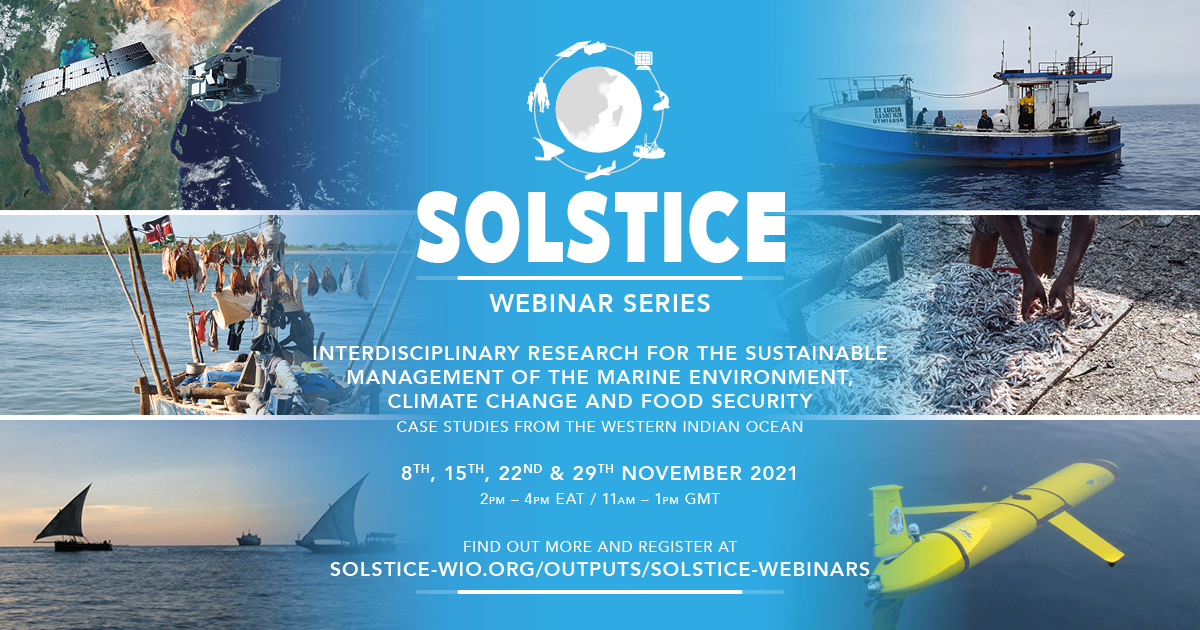
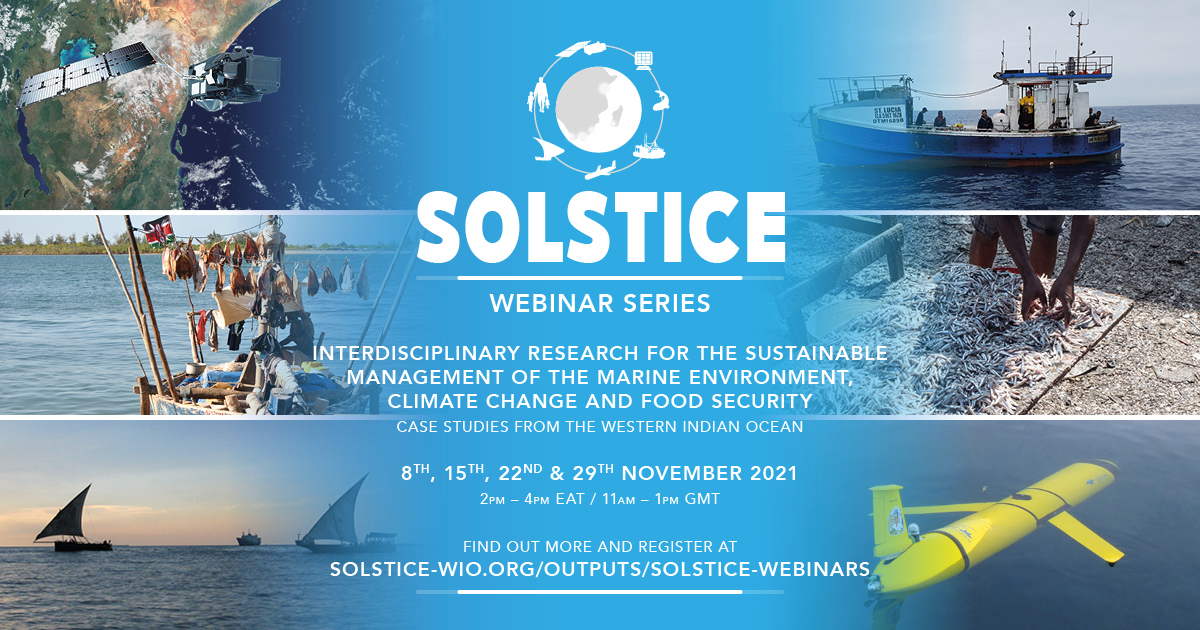
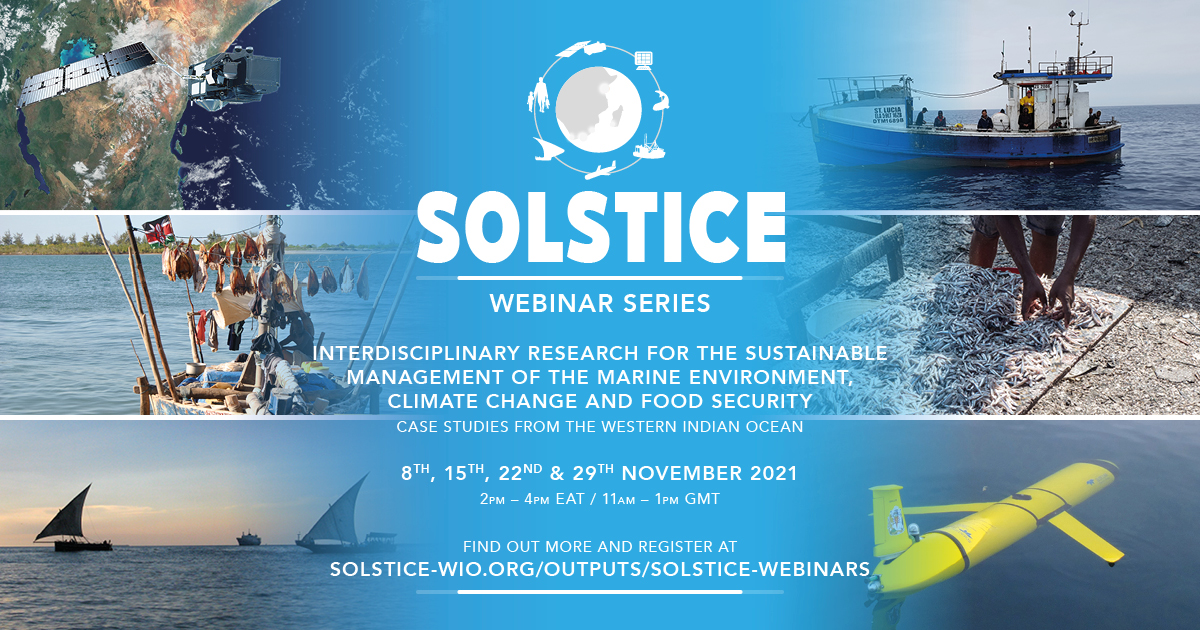
Missed the @SolsticeWio Webinar Series? 🤔
Recordings of all four webinars are now available to watch on SOLSTICE-WIO website and our YouTube channel!
The webinars highlight project successes from the Western Indian Ocean.
Watch now 📺 hubs.la/Q011Vdvp0