John Brier, K4EB Ham radio space communications videos: youtube.com/SpaceComms1. Grid square FM05ps. @johnbrier@mastodon.radio
Joined March 2009
- Tweets 23,581
- Following 1,625
- Followers 5,759
- Likes 34,621
3,494 Photos and videos
Pinned Tweet

15 Jun 2022
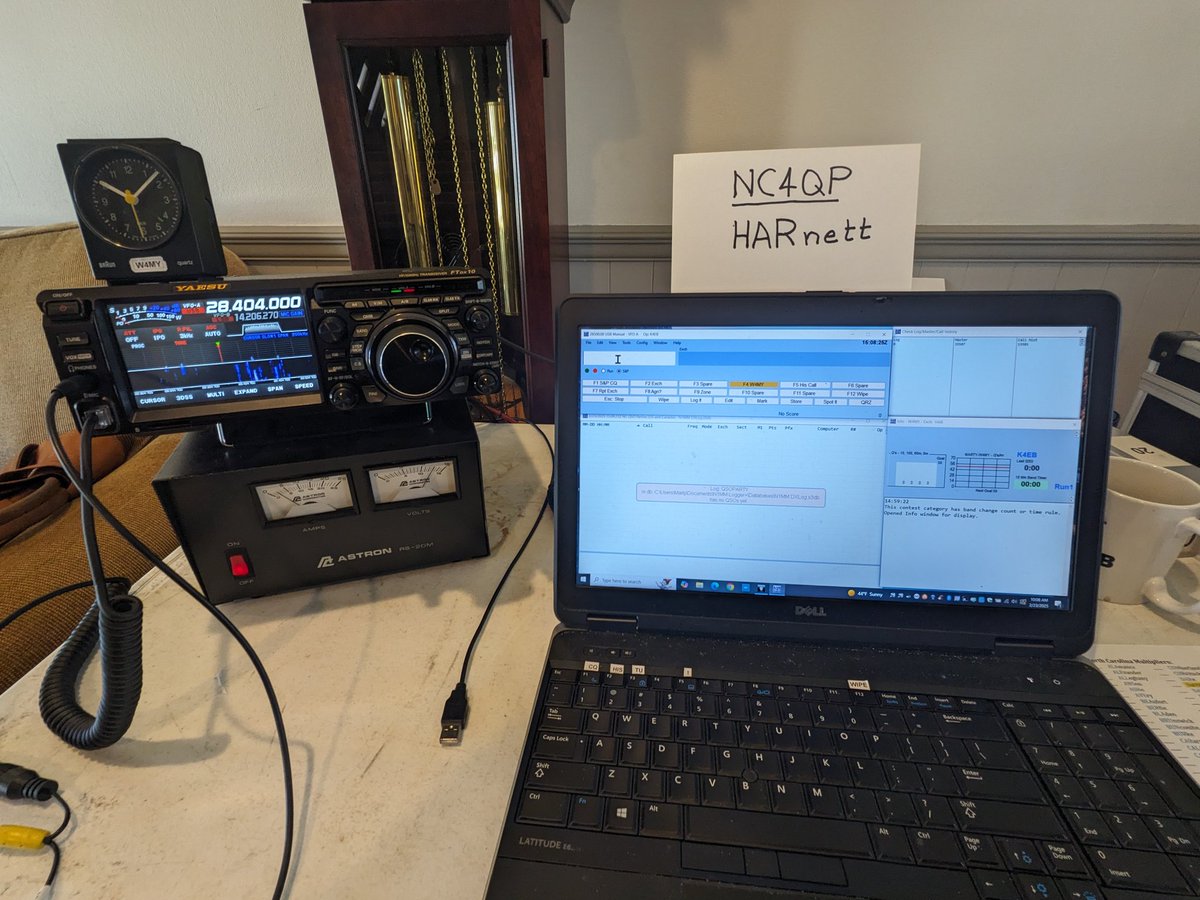
Thank you @astro_kjell for the ham radio contact from space!
73, John Brier KG4AKV
Raleigh, NC
25
57
323

Solid copy on WA3YDZ, @SpaceComms1 & @hj6mr_ thanks for FM 🛰️ QSO on SO-50, ⏰ 29-Jan-2026 @ 20:44utc to 20:47utc

2
2
6
346
Jan 9
Will try 17:12z RS-44 as W4DW from grid FM05. Top half of the pass band.
1
4
328
Jan 9
I made contact with a VE station on AO-7 earlier today. Something like VE3GK. I didn't have a recorder running. Any ideas what the actual call was?
1
3
290
Jan 8
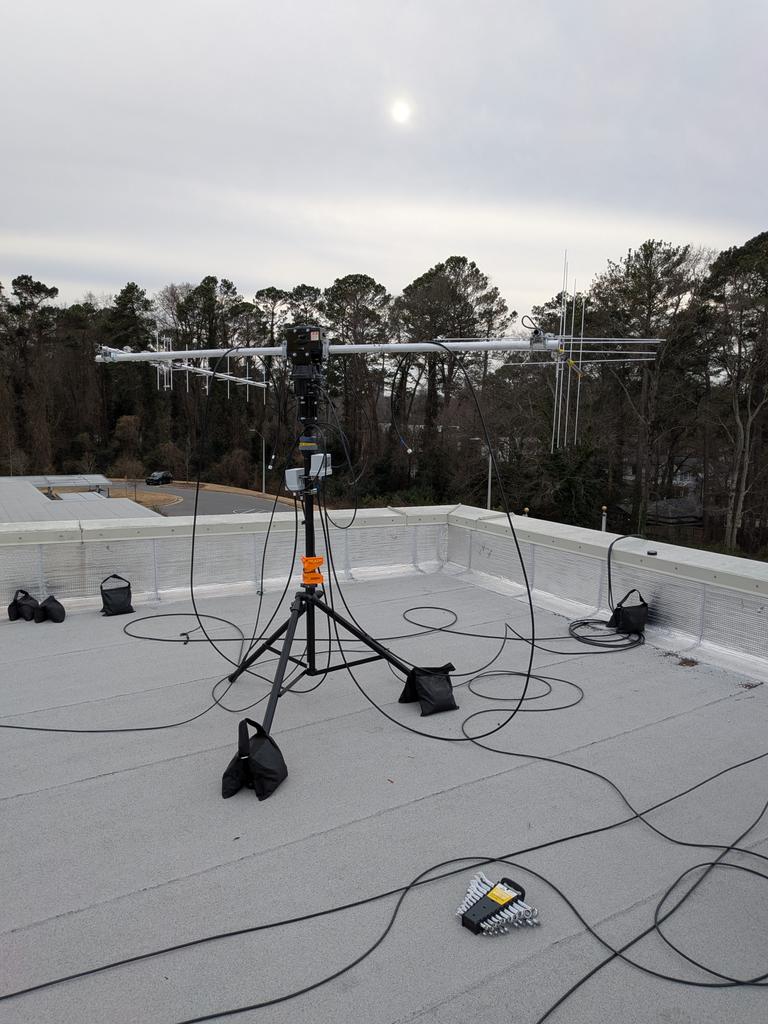
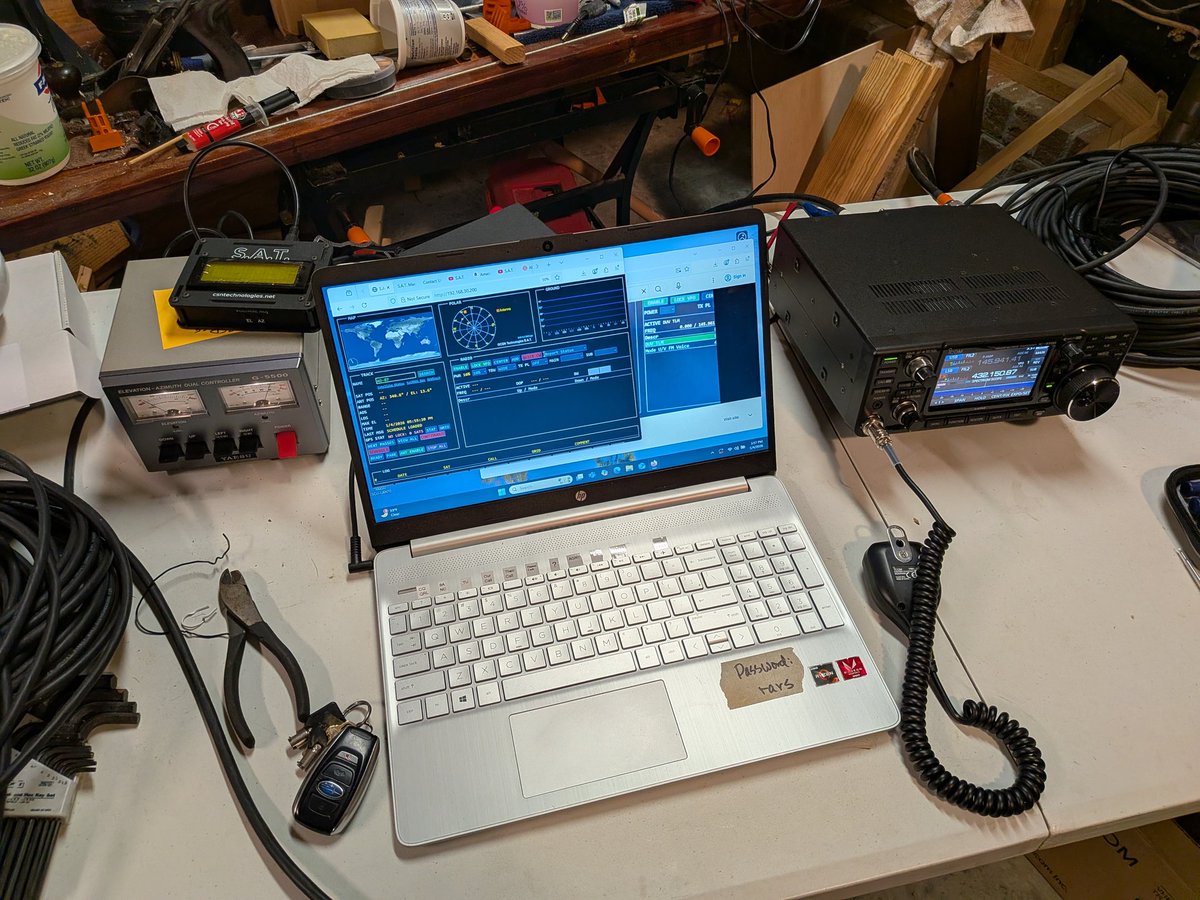
We're going to set up/test our ARISS station at the school today. Might try a sat pass.
Possibly AO-73 @ 19:53z
More realistically:
AO-7 @ 20:35z
AO-73 @ 21:30z
AO-7 @ 22:23z
Grid FM05
3
14
558
Jan 8
Probably not goin to make the 20:35 pass. 21:30 and 22:23 should be good.
1
3
294
Jan 9
We made contact to a VE station without the external preamps on. We figured out the right settings for the preamps in the 9700 after the pass. So our setup seems to be working really well!
1
201
John K4EB retweeted

11 Nov 2025
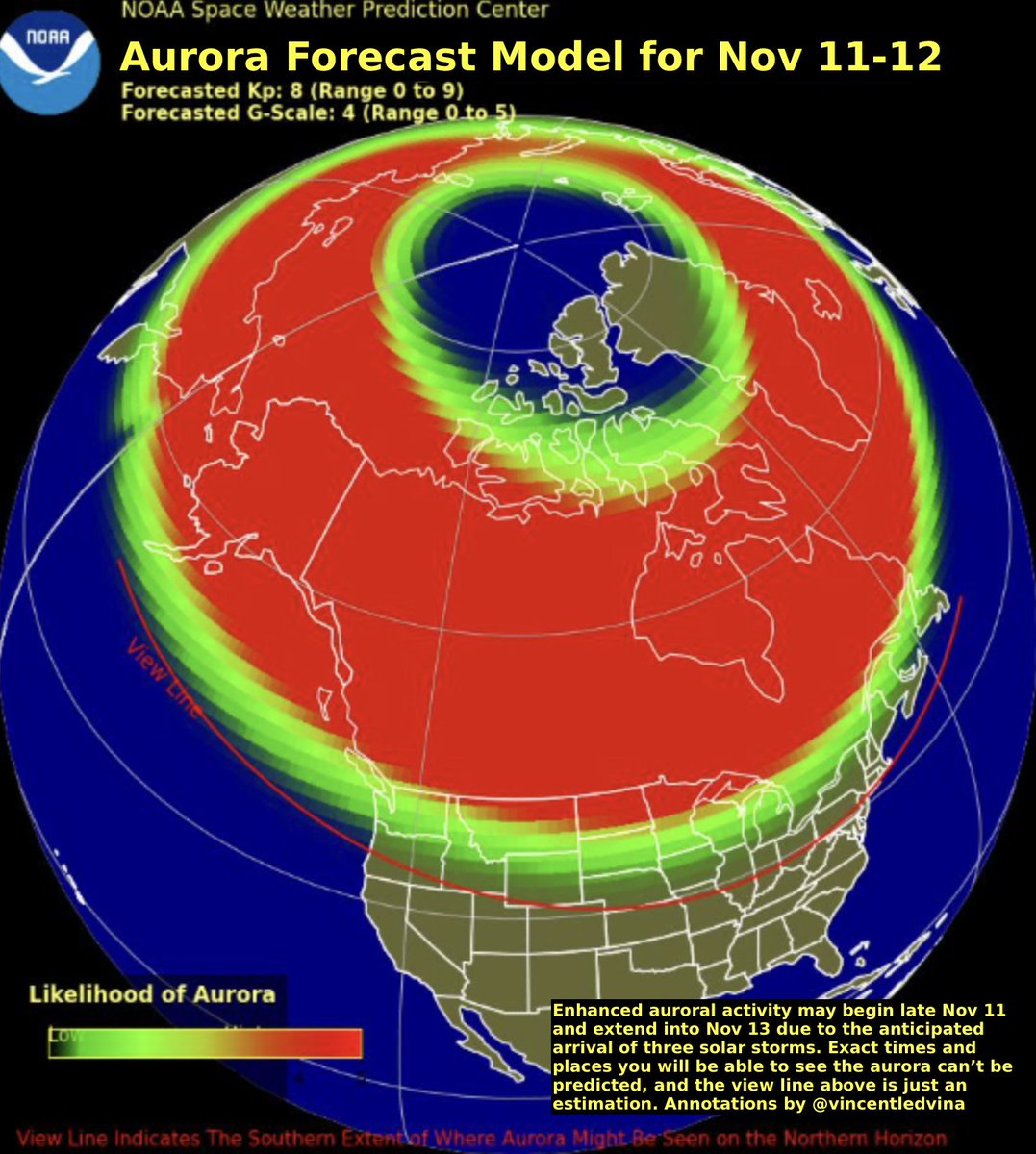
Forecast UPGRADED to G4/SEVERE Geomagnetic Storming! There is a good chance of widespread auroral displays tonight and throughout the week. Here's what you need to know! Full details below:
What's happening?
Three solar storms are on the way to Earth. These are big ejections of plasma from the Sun that can enhance the solar wind. They can cause geomagnetic storms if they reach us. Geomagnetic storms are measured on a scale from G1-G5. A G4 watch has been issued for Nov 12 UT day (so that includes the night of Nov 11-12 for North America). G4 = Kp 8 conditions.
What's the timing?
The impact window for the solar storm starts soon, and we should have successive impacts throughout the next couple days. Depending on the strength of the CMEs, G4 conditions could be reached tonight or tomorrow. Don't worry about when exactly the CMEs will impact. Be ready for aurora on Tuesday and Wednesday nights.
What are the chances of aurora in ___ location?
No one knows for sure! This is like saying there is a high-risk severe weather day without seeing the radar loop. You don't know if your house is going to get hit by a tornado, but the chances are higher than usual. A few things have to come together to get to the forecated G4 storm strength:
1. The CMEs have to hit us. A miss is always possible but very unlikely in this situation. Plus, we have three CMEs headed our way, so there are more chances one of them hits.
2. The CMEs need the right magnetic configuration to cause a big storm. If they are not aligned correctly with Earth's magnetic field (Bz needs to be south, ideally), besides an initial disturbance form the impact, auroral displays may be subdued.
3. It needs to happen when it's dark for you! You can't see the aurora during the daytime, so the best scenario is that the CME hits right before sunset for your location so that conditions ramp up into the night. I am not super concerned with the timing of this event, however, since there are three CMEs on the way, and I think activity will be sustained over a couple days.
Where will the aurora be?
During a G4 geomagnetic storm, we may see the auroral ovals expand to lower latitudes and places in the central U.S. may see naked-eye auroral displays throughout the night. The U.S.-Mexico border latitude could even see red glows on-camera during big flareups called substorms.
I don't like using view-line maps or any of those tools since during a geomagnetic storm, substorms can push the aurora pretty far south/equatorward. I think the view-line in this graphic could actually be conservative if the CMEs impact and the geomagnetic storm is strong enough. We could see auroral visibility similar to the October 2024 or June 2025 event with sightings as equatorward as Arizona, south Texas, Spain, northern Japan, etc.
How can you see the aurora?
You want:
1. Clear skies
2. Dark skies
3. Auroral activity
You can really only control numbers 1. and 2. Nature controls the third factor. Cloud cover will lower your chances of seeing the aurora. Light pollution will drown out faint displays. Head away from city lights and scout out a spot with a clear view of the northern horizon (or southern horizon if you're in the southern hemisphere).
If you can't get out of the city, golf courses and public parks at least offer you some relief from annoying streetlaamps and security lights. Be aware that you are on PUBLIC property, though, and stay safe. Bring an external phone charger, water, food, cold-weather gear, etc. and tell someone your plans before you head out. Safety is no. 1.
If you think auroral activity is enough to see something where you are, but nothing is appearing in the sky, take a test shot with your phone or camera. Starting settings for a camera are: lens' max aperture (lowest f-number), 10 seconds, ISO 1600-6400. Manually focus on the stars and use a tripod. If you see green or red colors (above the clouds), it's likely aurora! I'm happy to confirm sightings if you send them to me as well.
When rolling up to a location with other aurora chasers, turn off your headlights, use a red light or soft white light for navigating at night, and don't be too loud to disrupt the experience of others.
Happy hunting!
36
374
1,437
176,532
24 Jul 2025
I'll be helping with this direct contact, along with @N8MH !
22 Jul 2025

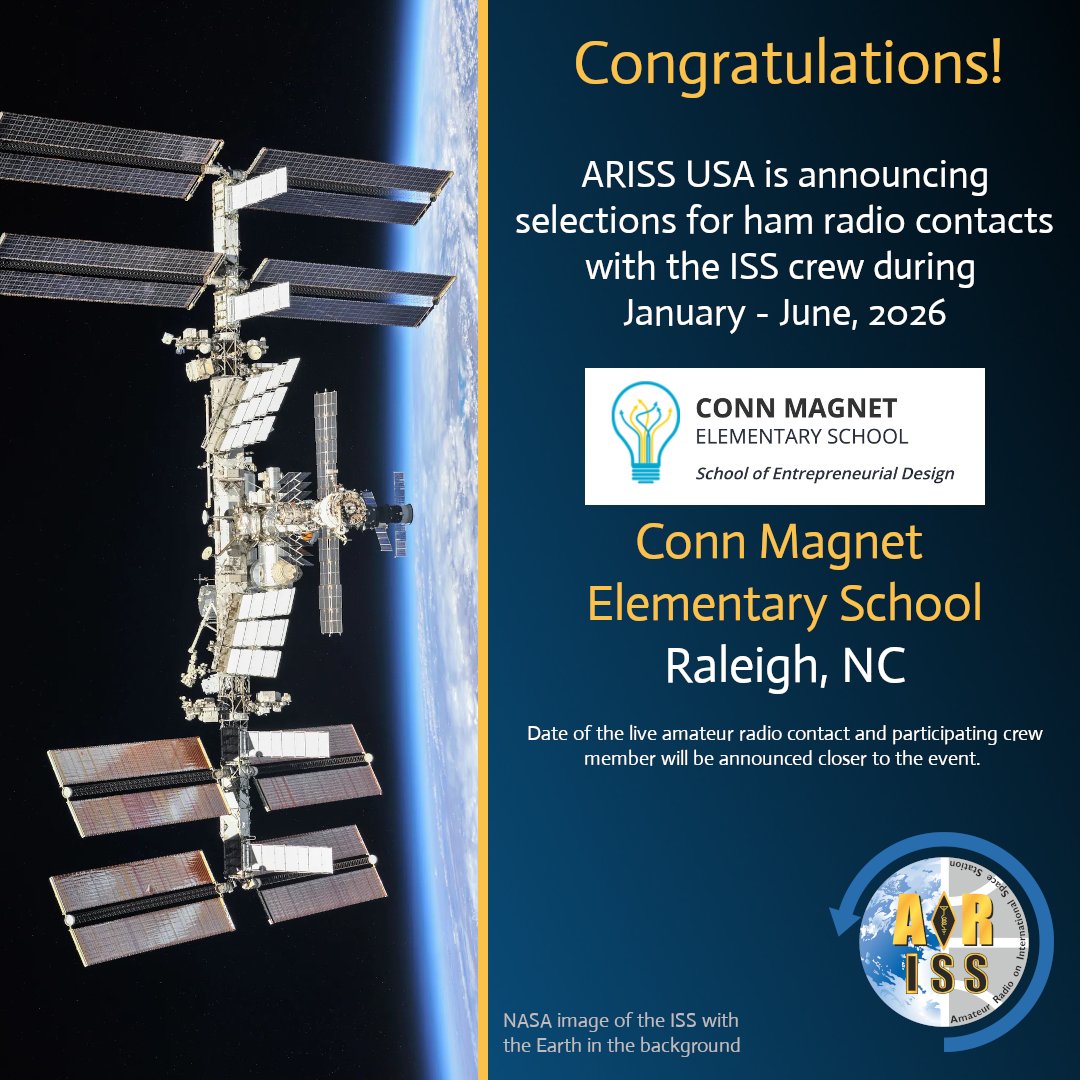
We’re excited to announce ARISS STEM activities upcoming for four groups.
They were selected for ARISS-USA #HamRadio contacts with the @Space_Station during January to June 2026.
Congratulations to Conn Magnet Elementary School in Raleigh, NC for their successful proposal!
2
2
20
1,051
9 Jul 2025
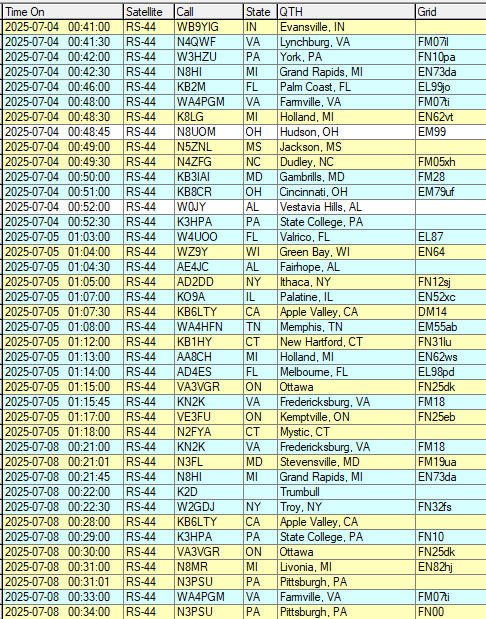
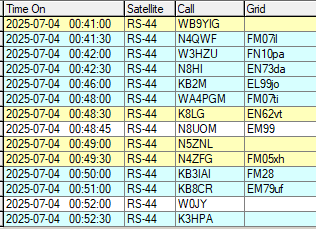
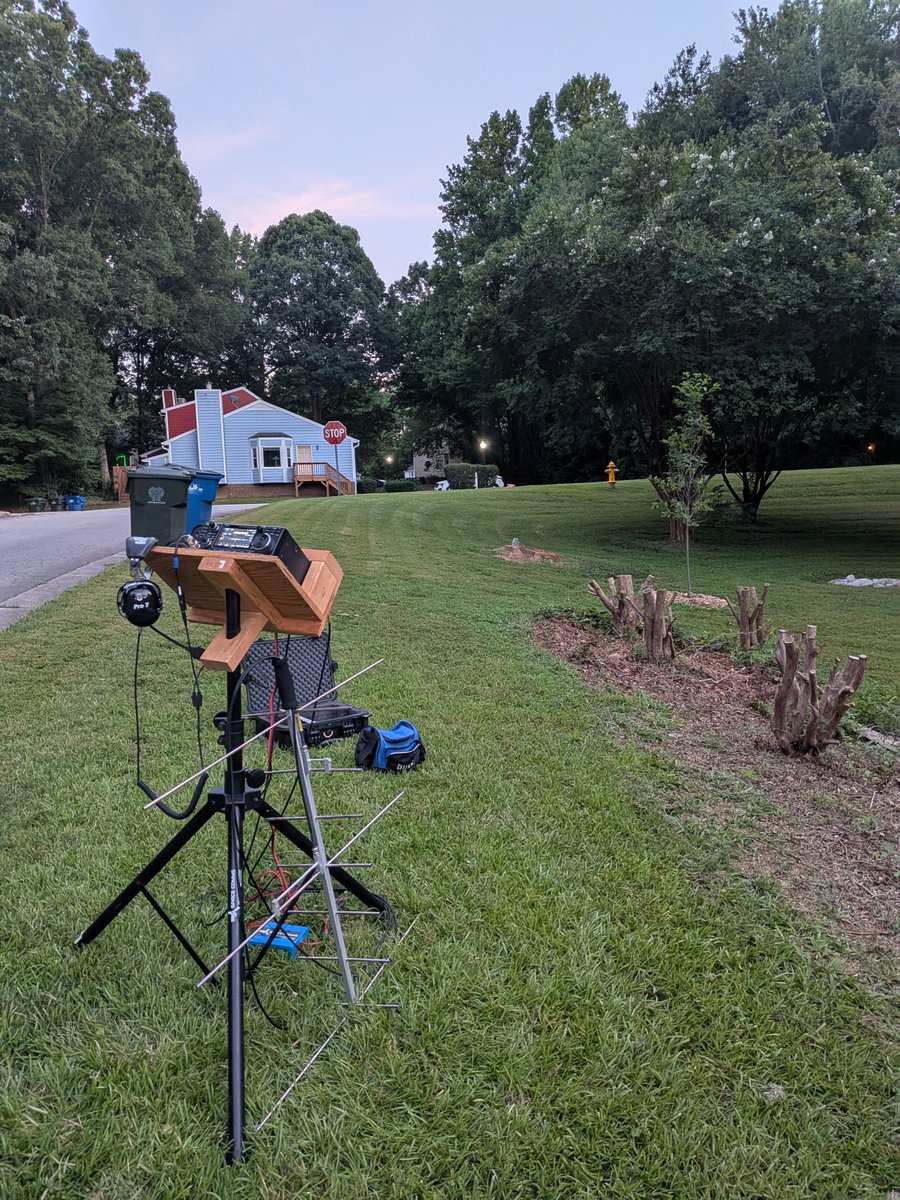
Thanks for the 40 QSOs to K2J 13 Colonies! Only three passes on RS-44 and not many dupes. Pretty impressive considering how few sat ops there are in total!
1
3
51
1,602
8 Jul 2025
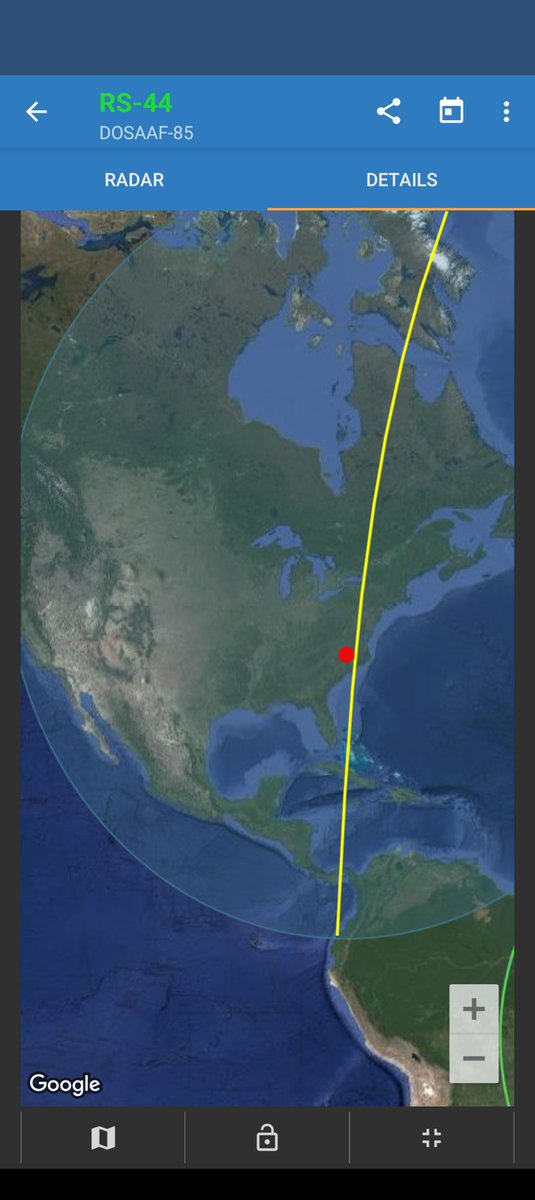
Will do the 00:16z RS-44 pass as K2J 13 Colonies Special Event. Grid FM05. Top half of the passband.
4
346
4 Jul 2025
K2J 13 Colonies Special Event satellite passes today:
SO-50 @ 20:50z
RS-44 @ 00:59z (top of passband)
Grid FM05
1
1
15
707
John K4EB retweeted

2 Jul 2025
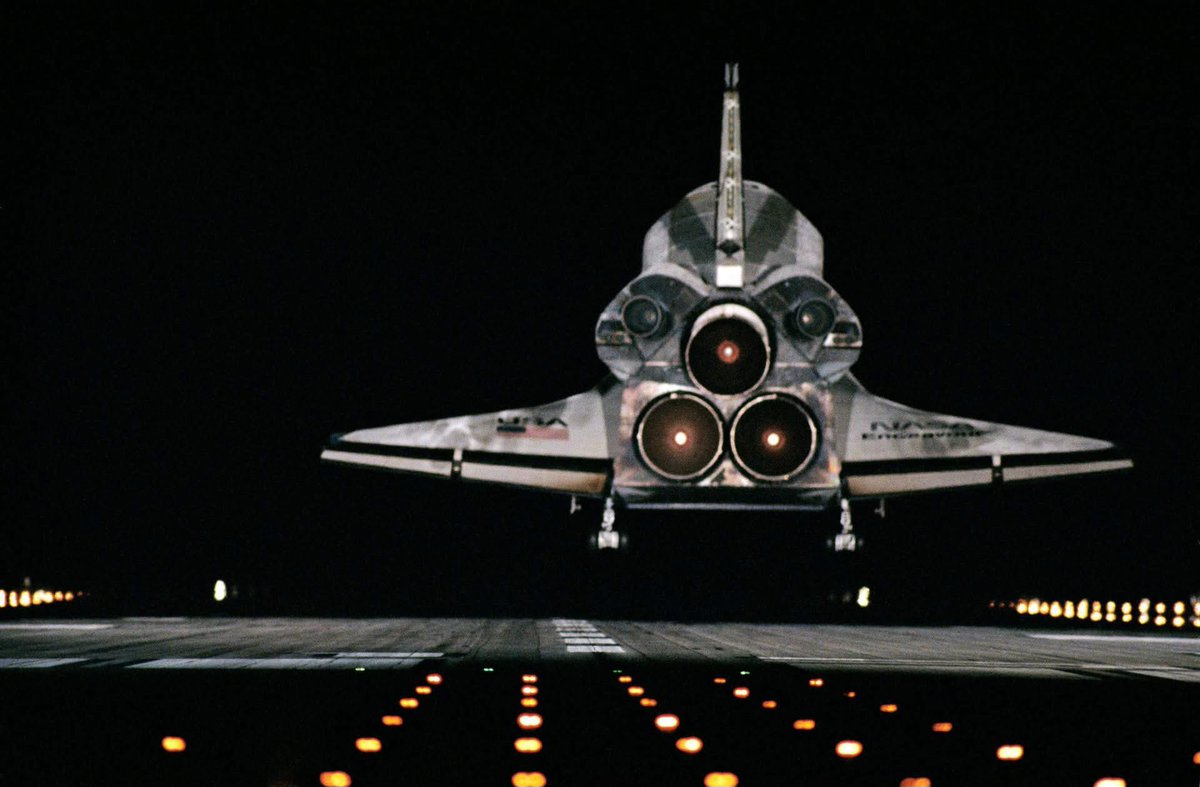
The first time I came back to Earth, I remember quite well the scent of grass as soon as the Shuttle hatch opened. It was like the Earth was welcoming us back. In that moment, the pleasure of inhaling the air increased my appreciation and affection for our planet. It was an interesting first response because I wasn't really expecting it. I didn't realize I would miss the daily things we usually don't notice.
46
295
2,652
73,460
4 Jul 2025
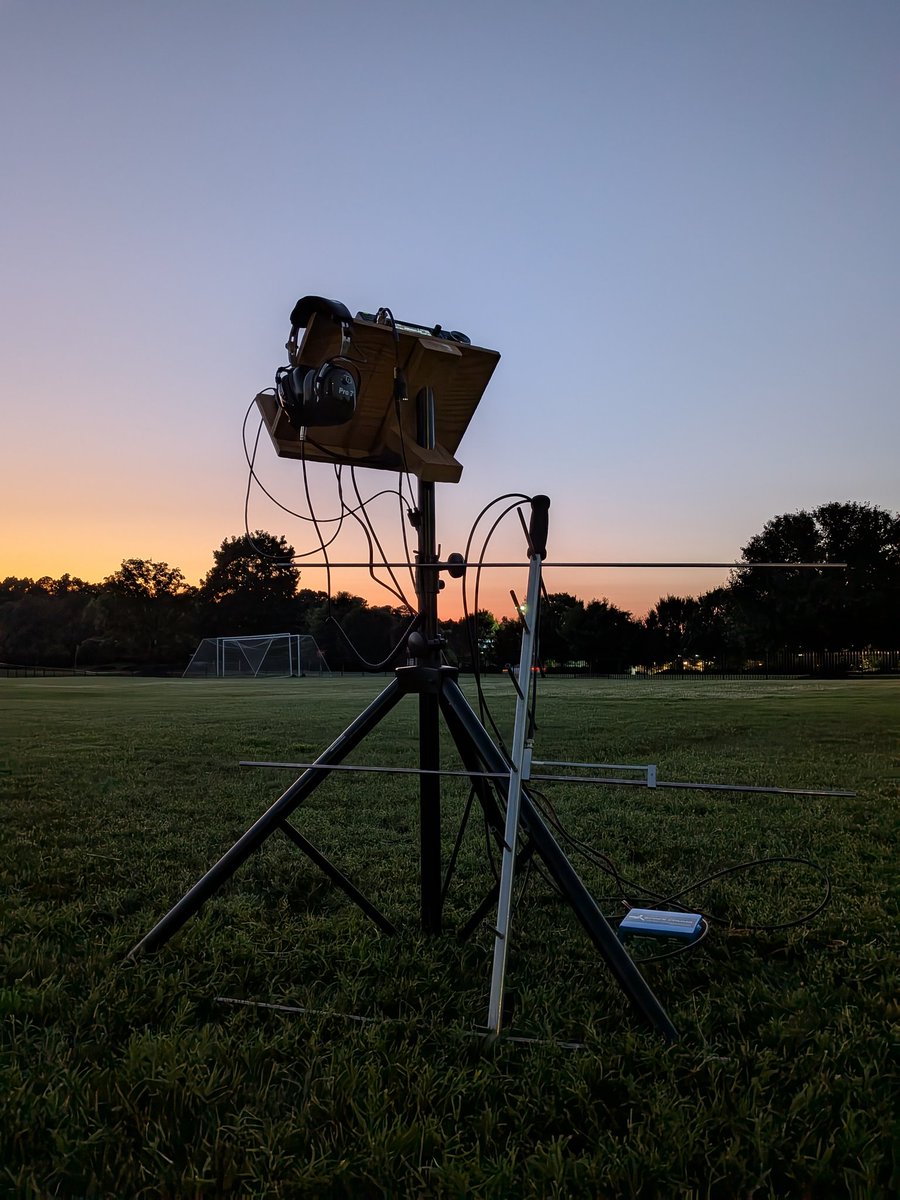
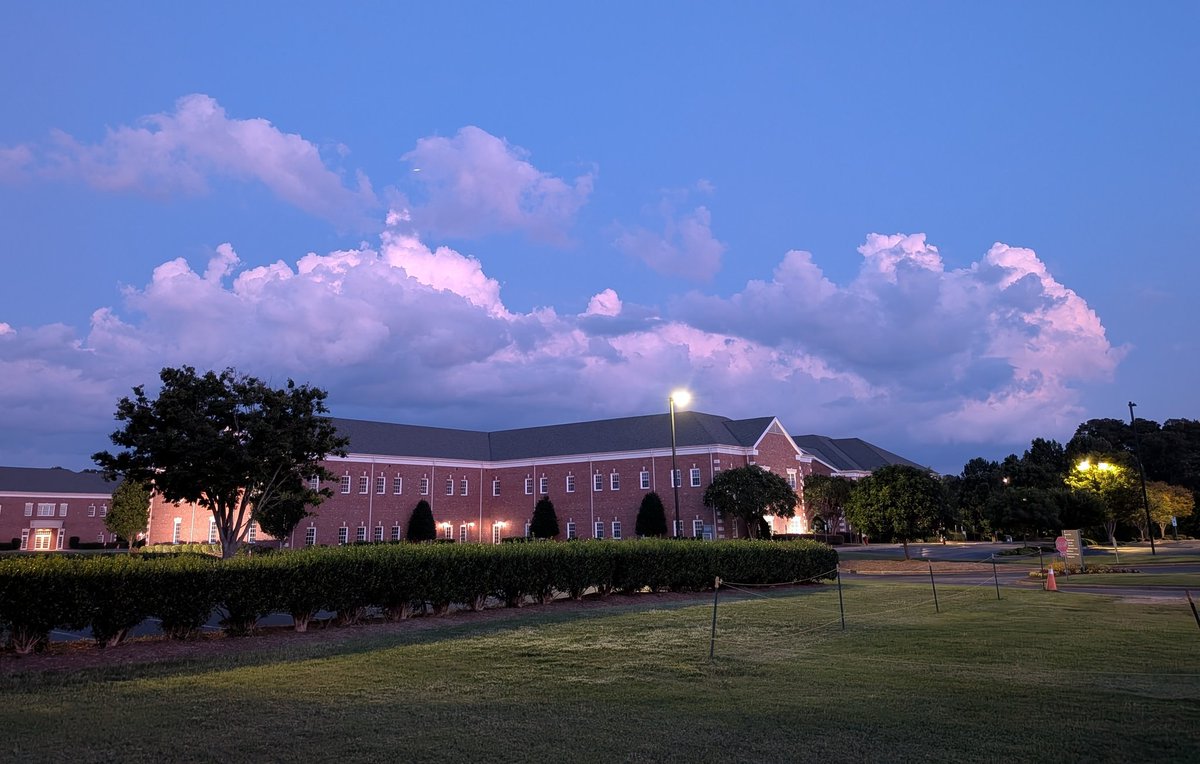
Thx for the QSOs to 13 Colonies Special Event K2J on RS-44 on this beautiful summer night. 🛰️
1
26
1,167
John K4EB retweeted

3 Jul 2025
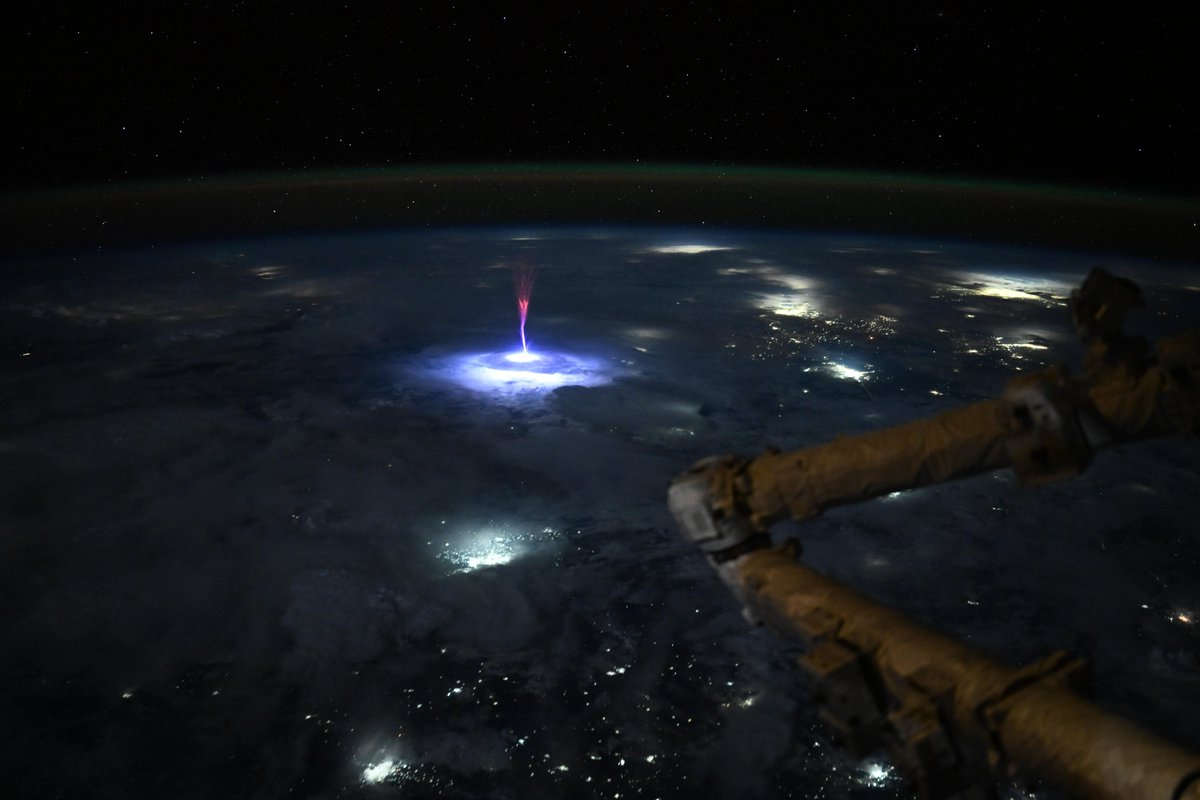
Just. Wow. As we went over Mexico and the U.S. this morning, I caught this sprite.
Sprites are TLEs or Transient Luminous Events, that happen above the clouds and are triggered by intense electrical activity in the thunderstorms below. We have a great view above the clouds, so scientists can use these types of pictures to better understand the formation, characteristics, and relationship of TLEs to thunderstorms.
1,090
9,150
62,285
5,102,350