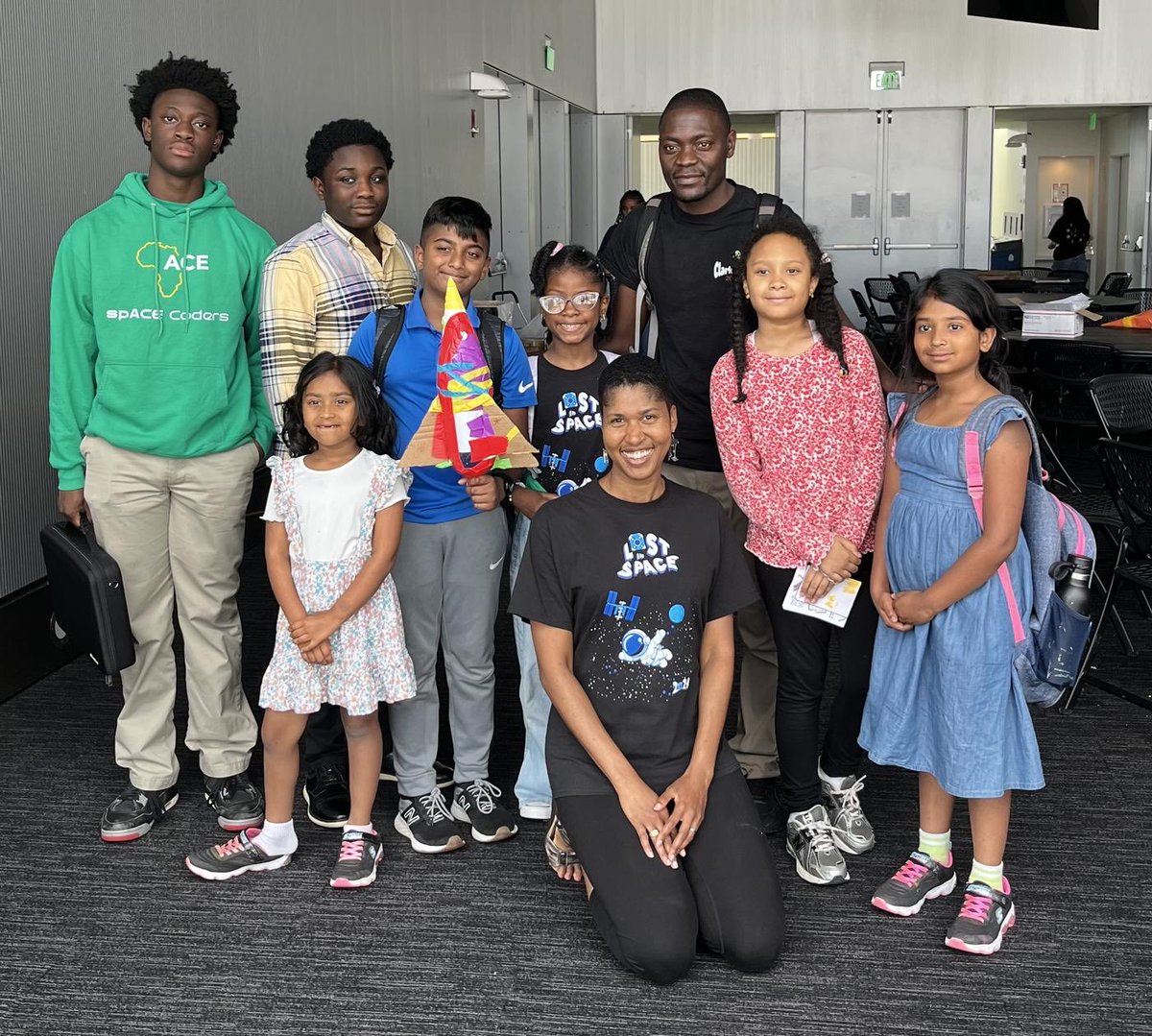
Watch live now as the Zero Robotics education program hosts our international high school competition! Zero Robotics is led by Team @space_enabled & Innovation Learning Center. Teams from 17 countries and 19 US states join our space programming challenge!
web.mit.edu/webcast/zerorobo…
Media Lab Prof. @space_enabled talks to @washingtonpost about how politics can affect space travel, noting that every visit to space — whether it's a commercial flight or a state-sponsored mission — requires government authorization. media.mit.edu/articles/three…
In The Tech, Prof. Danielle Wood discusses her path to MIT, from a high school internship at @NASA, through undergraduate and graduate studies at the Institute, back to NASA and @johnshopkins, and finally to founding the @space_enabled group at the Media Lab. media.mit.edu/articles/meet-…
"When people hear the term 'space technology', they tend to picture rocket launches, or maybe missions to the Moon ... Other types of space activity with strong social impact tend to get less attention" @space_enablednewhumanist.org.uk/articles/…
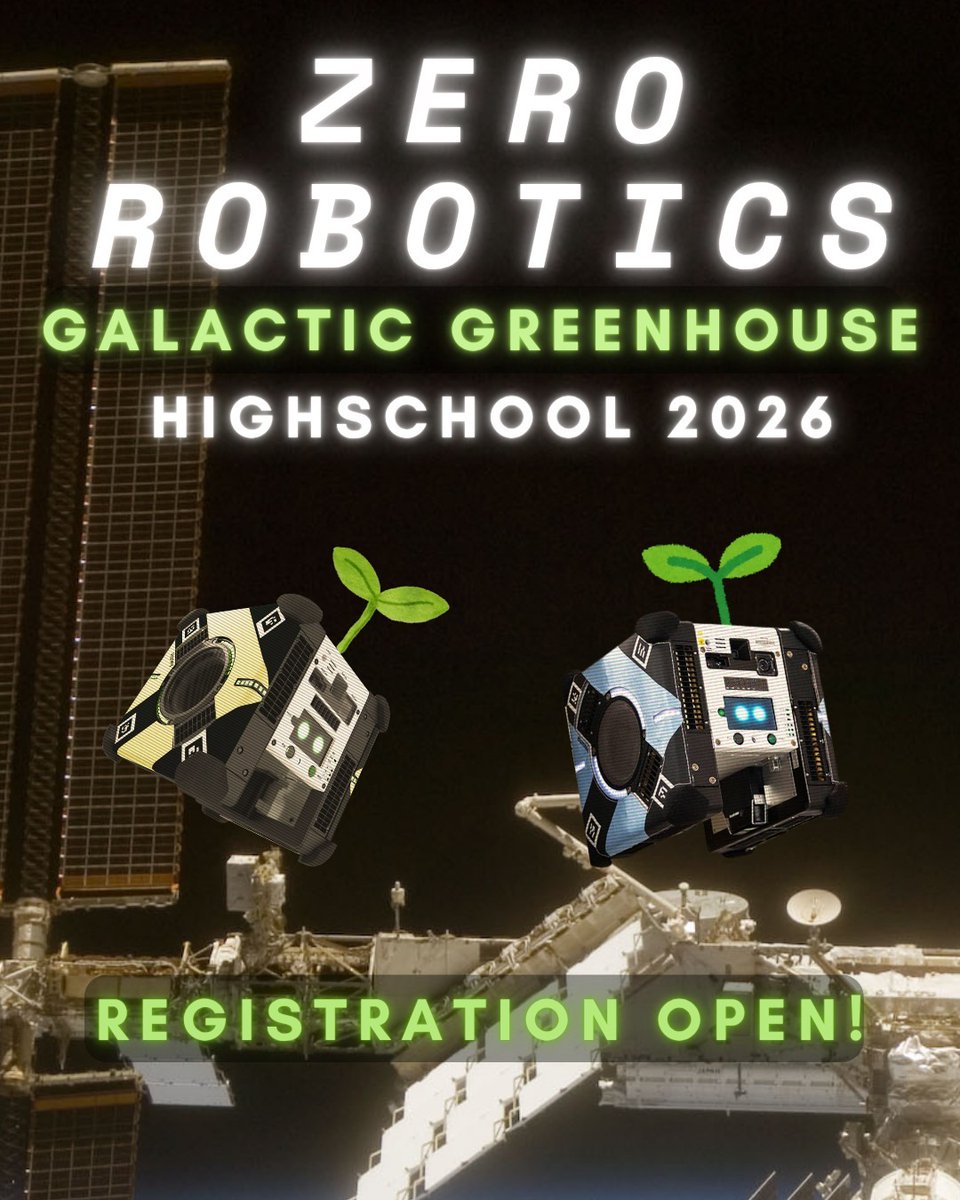
This winter, Zero Robotics—an education outreach program led by Prof. Danielle Wood, @space_enabled, and the Innovation Learning Center—invites teams of US high school students to program Astrobee robots to manage crops in microgravity! Team registration closes Nov. 21. Learn more at media.mit.edu/posts/zero-rob…
ALT Promotional graphic for the Zero Robotics Galactic Greenhouse High School 2026 competition. The graphic shows two small cube-shaped space robots floating in front of the International Space Station, each topped with a green sprout. Large text reads: ZERO ROBOTICS, GALACTIC GREENHOUSE, HIGH SCHOOL 2026. At the bottom, bright green text reads: REGISTRATION OPEN!
Media Lab Prof. Danielle Wood (@space_enabled) and alum Dr. Joy Buolamwini (@jovialjoy) are among the MIT community members featured in The Genius Within, a new public art installation in Kendall Square (Cambridge, Massachusetts). media.mit.edu/posts/media-la…
In @Nature, Prof. @space_enabled makes the case for continuing to support NASA’s Earth-observation satellite programs, which are vital to understanding and protecting the environment. rdcu.be/eCt9c
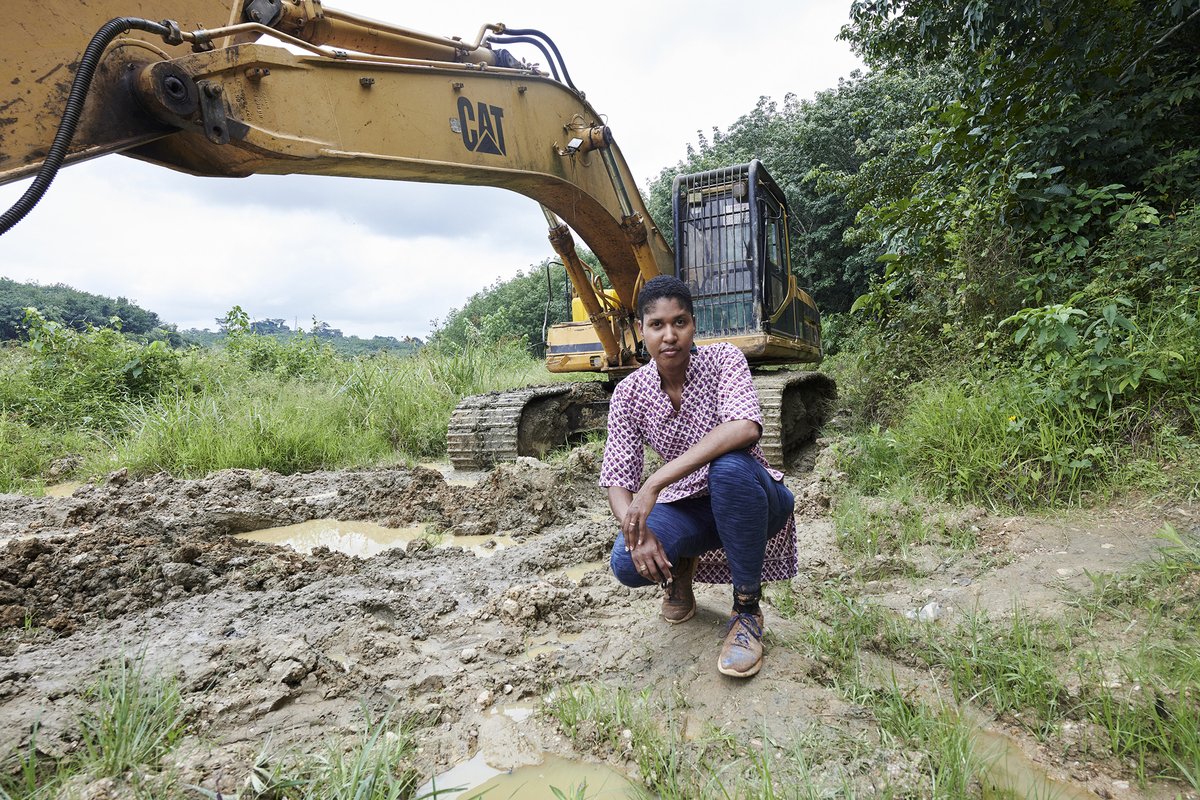
ALT Professor Danielle Wood crouches in front of a large yellow excavator on muddy ground surrounded by lush greenery in Ghana. She wears a patterned shirt, blue pants, and boots, looking directly at the camera. The scene highlights deforestation and land disturbance caused by mining. Credit: Doug Segars
Explore the 2025 MIT Summer Reading List, which includes work from Media Lab Professor Danielle Wood, director of the @space_enabled research group! news.mit.edu/2025/summer-rea…
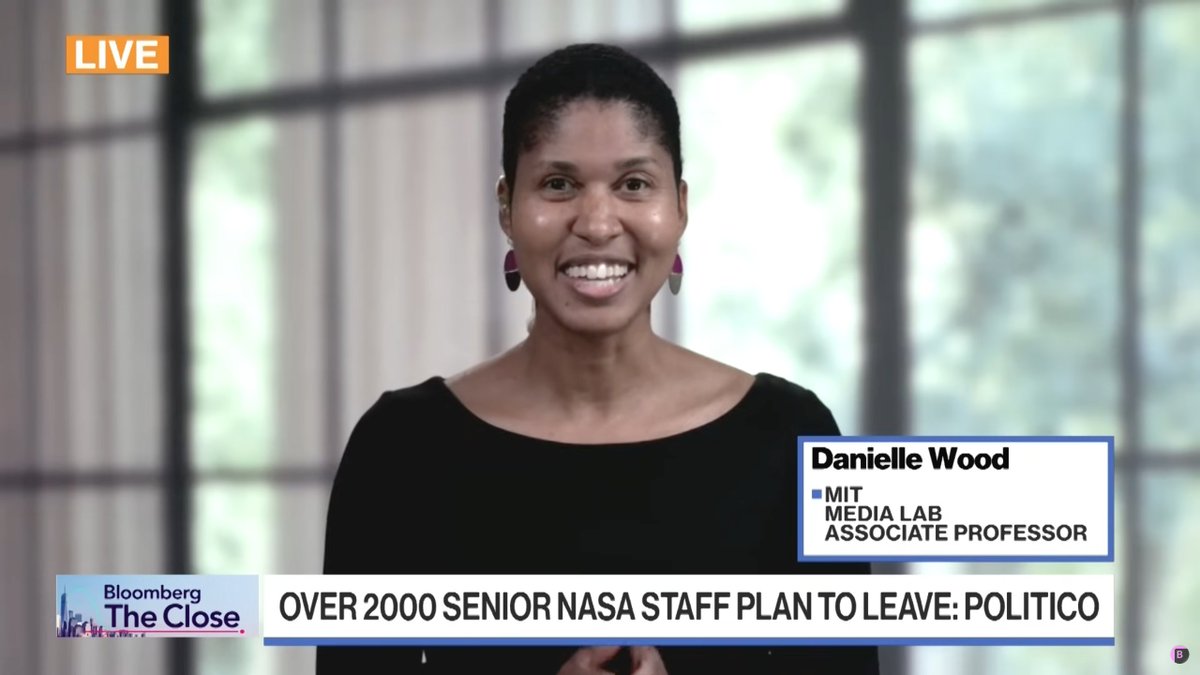
On @bloomberg’s “The Close,” Media Lab Prof. Danielle Wood (@space_enabled) talks to host Romaine Bostick about the future of space exploration, NASA’s evolving role, public-private collaboration, and how the next generation of scientists is advancing a more equitable and sustainable vision for space. media.mit.edu/articles/futur…
ALT Screenshot from Bloomberg interview with Media Lab Professor Danielle Wood. Professor Wood sits in front of a large window, through which blurred columns and trees are visible. Professor Wood is in sharp focus, smiling and wearing a black shirt. A card in the lower-right corner identifies her as "Danielle Wood, MIT Media Lab Associate Professor." A chyron at the bottom of the screen has the title of the show, "Bloomberg: The Close," on the left, and the words "Over 2000 Senior NASA staff plan to leave: Politico" on the right.
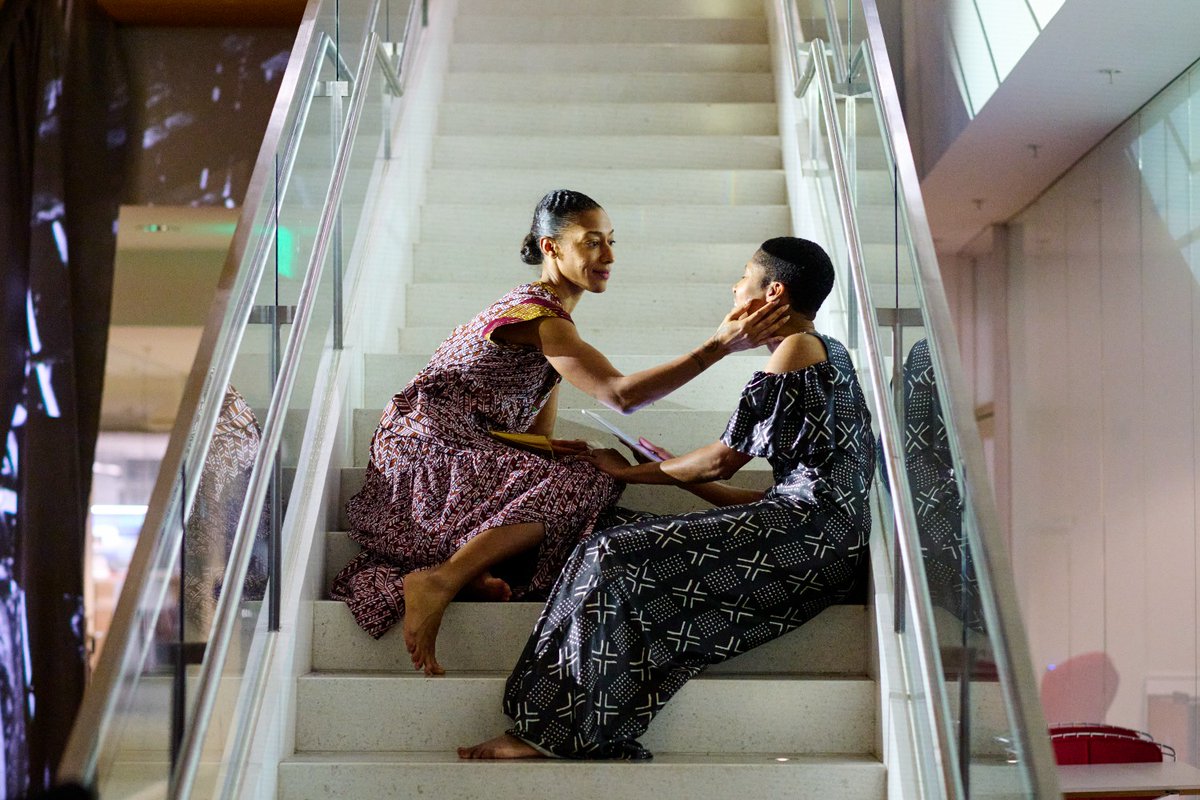
Last month, Prof. Danielle Wood (@space_enabled) and collaborators presented "Harriet Jacobs: Journey to Saturn,” as part of MIT's Artfinity celebration. This multimedia choreopoem combines spoken word, music, and dance to examine concepts of space through the writings of 19th-century African American poets and abolitionists, revealing a perspective of home visible only through satellite imagery. Photo credit: Doug Segars
artfinity.mit.edu/event/harr…
ALT Two women sit on the white steps of a glass-walled staircase. They are looking at each other, as one touches the other's face.
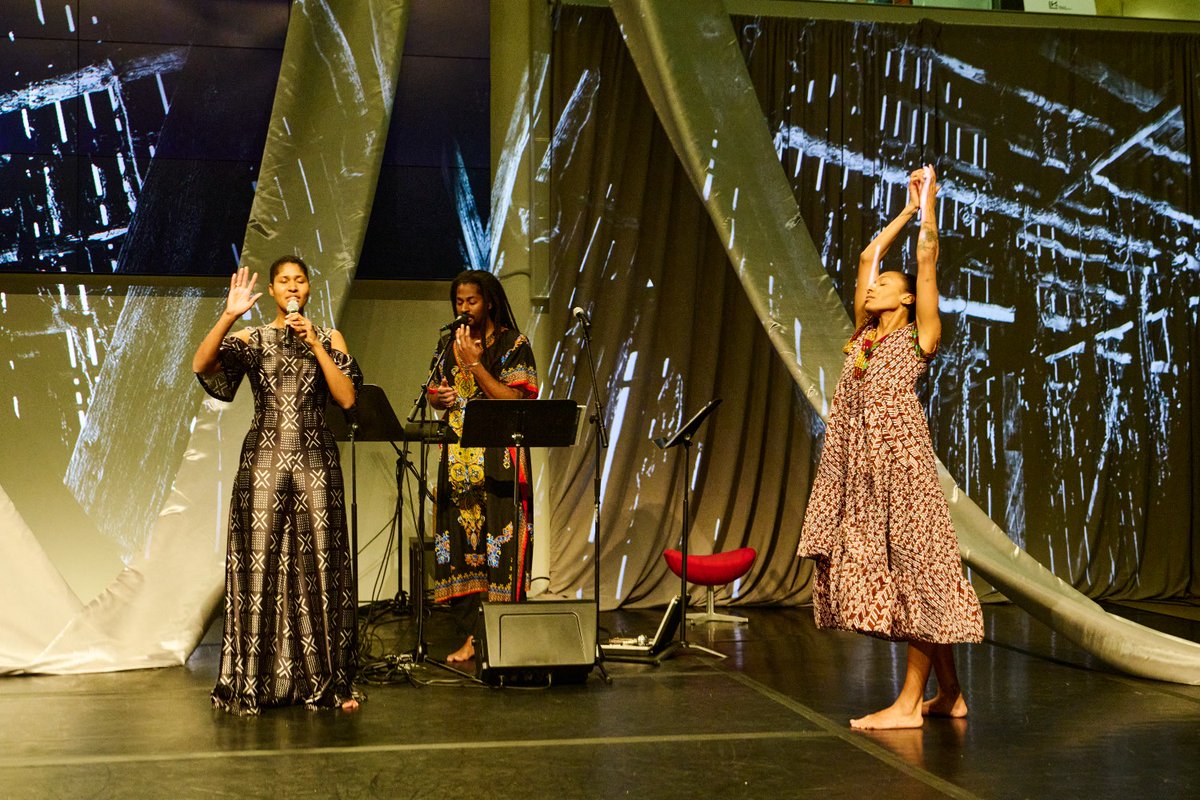
ALT Three performers appear on a stage draped in translucent fabric.
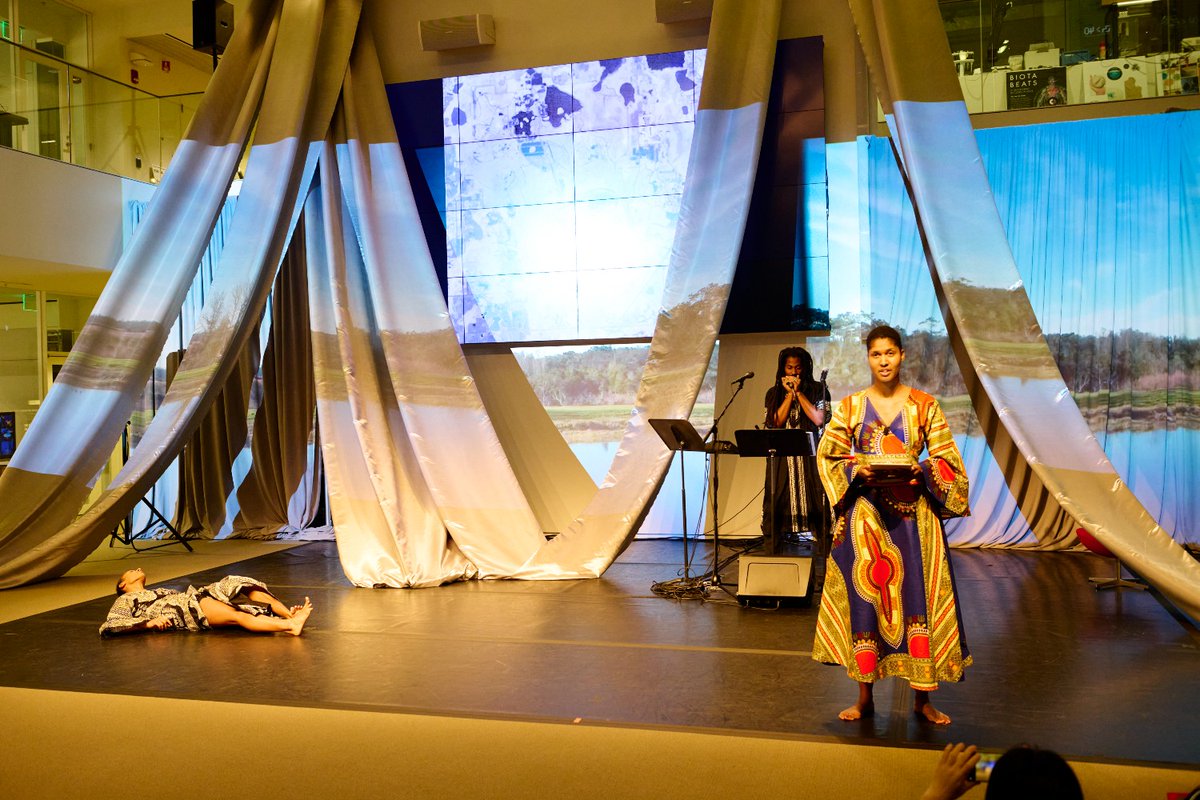
ALT Professor Danielle Wood stands at the front of the stage. Another performer is lying on the ground stage right, while a third plays a musical instrument upstage. Maps and landscape images are projected on the walls behind them.
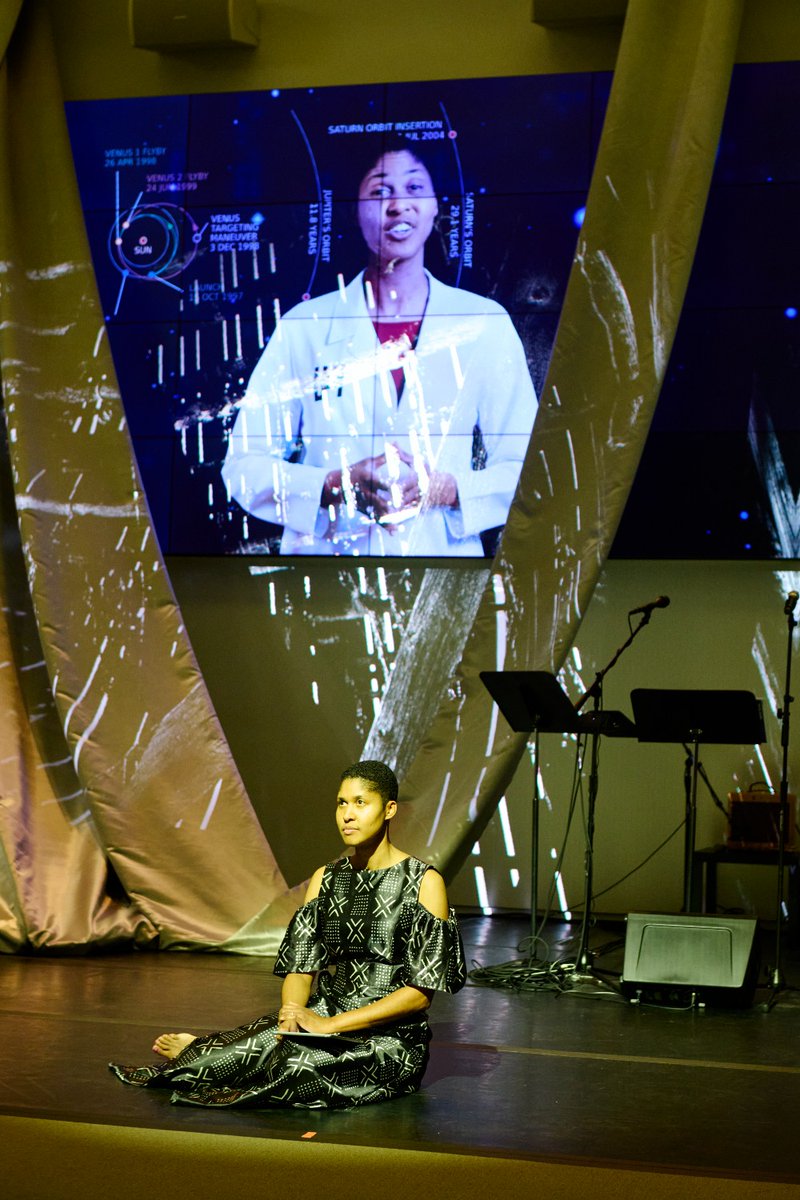
ALT Professor Danielle Wood sits at the front of the stage, below a projection of a woman in a white lab coat.
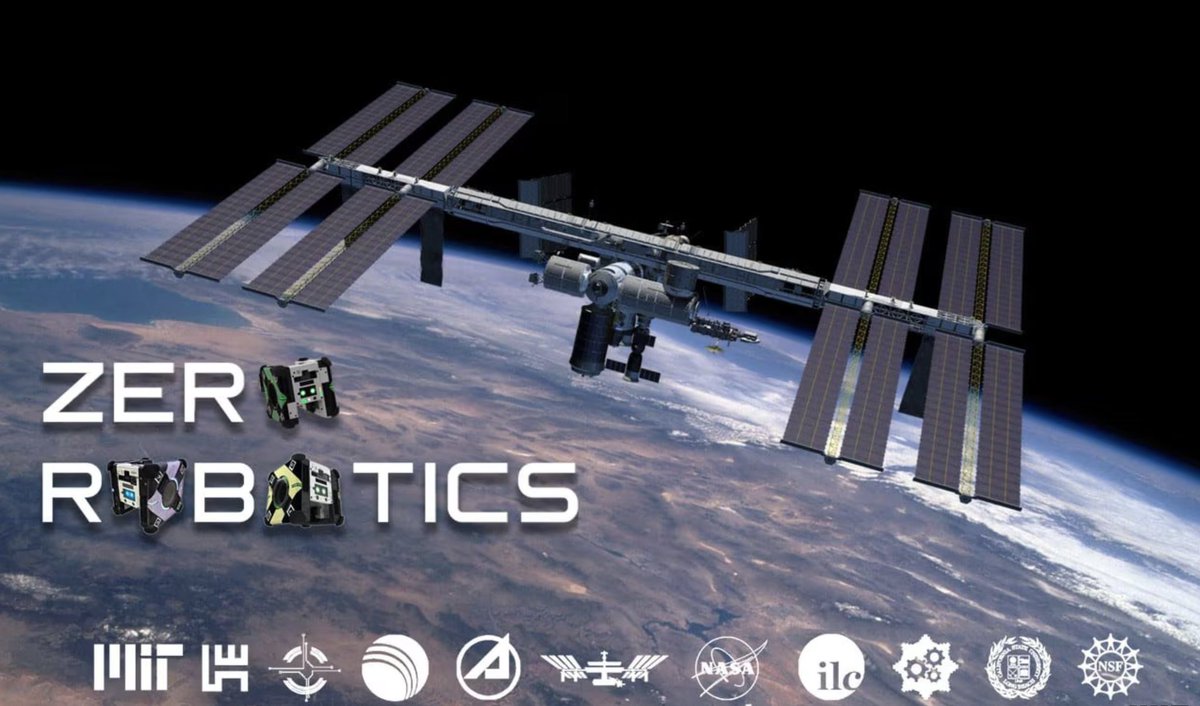
Watch: Video of the first-ever High School Zero Robotics competition using the NASA Astrobee robot is available now! This event was hosted by @NASA's oldest active astronaut, @astro_Pettit. Zero Robotics is an educational outreach program that invites youth to program space robots; it is led by Prof. Danielle Wood, @space_enabled, and the Innovation Learning Center. media.mit.edu/events/2025-ze…
ALT Image of the International Space Station orbiting Earth, with the words Zero Robotics visible in the foreground; the letter "O" has been replaced throughout with images of a tiny robot. The logos of the program sponsors and supporters appear across the bottom of the image.
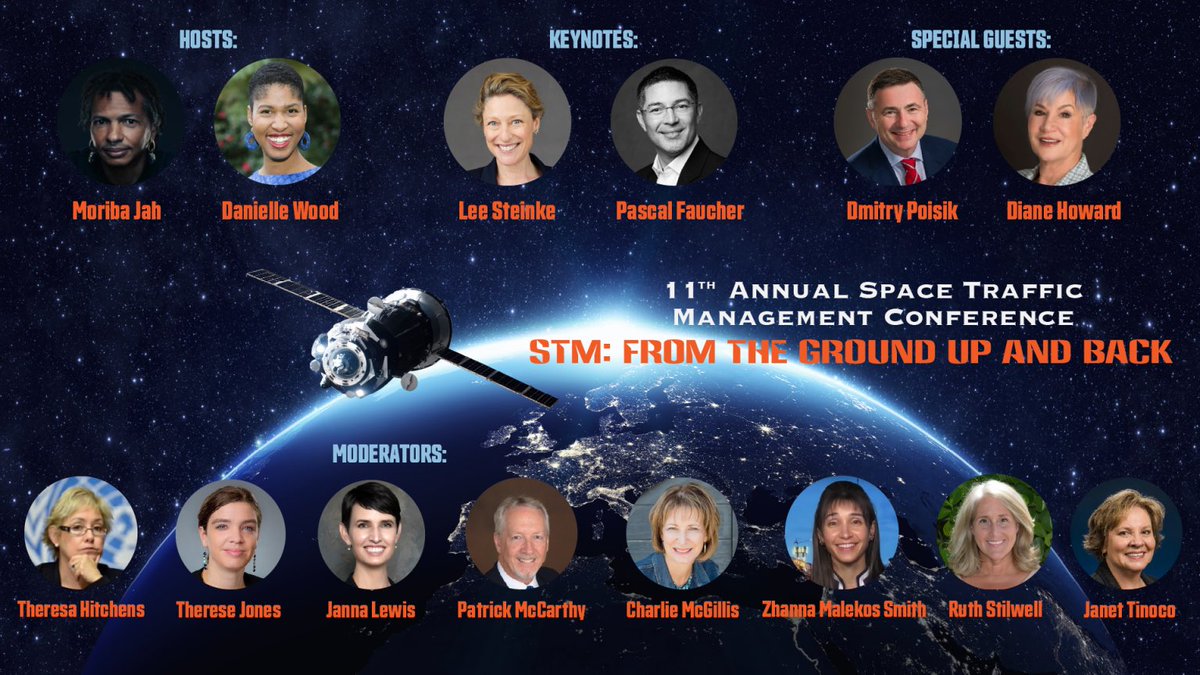
Join me virtually or live March 4-5 for 11th Space Traffic Management Conference as I co-host with International Academy of Astronautics & Prof @moribajah of @UTAustin.
See agenda & register: bit.ly/STM25
Thanks to @MITREcorp, @NorthStarEandS, IAA, & all sponsors!
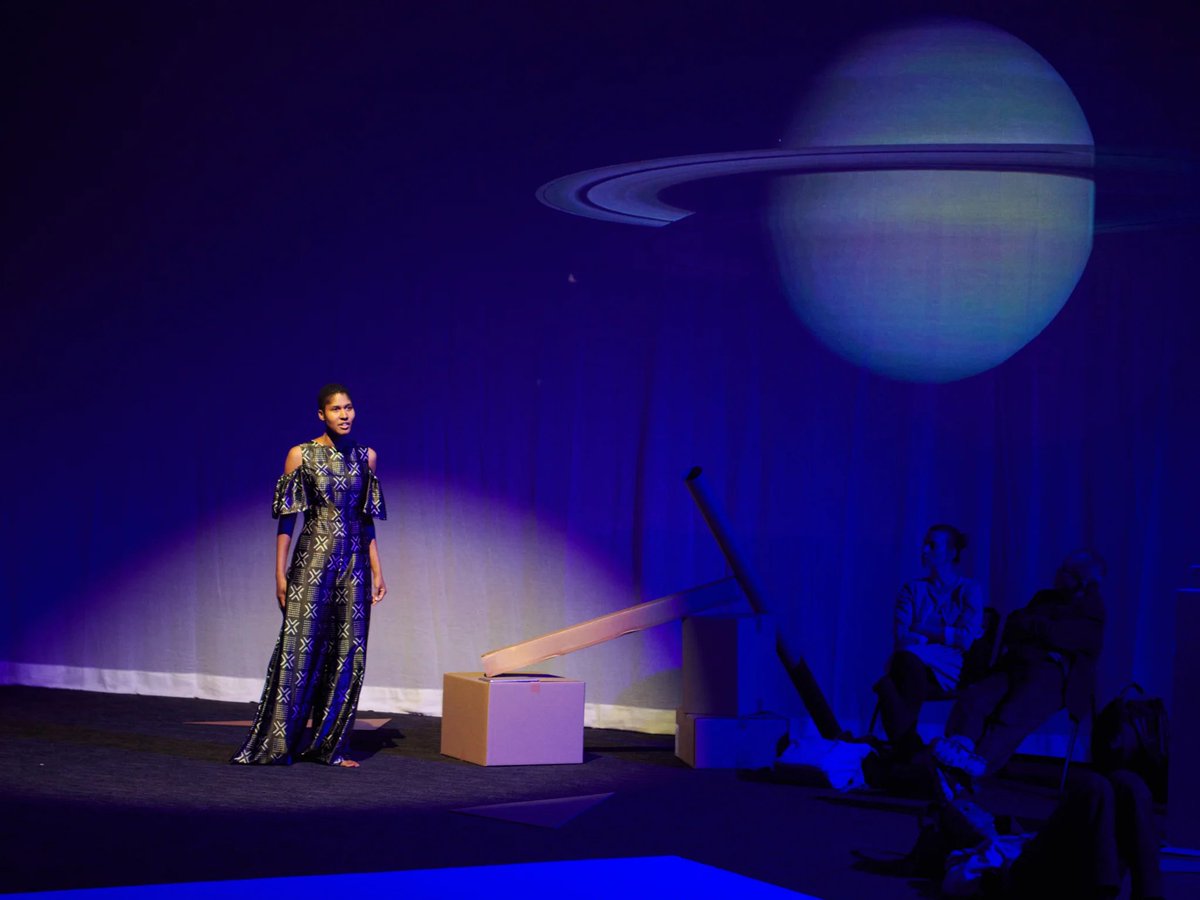
At 7pm ET on Feb. 28, Prof. Danielle Wood (@space_enabled) and collaborators will present "Harriet Jacobs: Journey to Saturn." Part of MIT's Artfinity celebration, this choreopoem explores our view of Earth from space. The multimedia performance combines spoken word, music, and dance to examine concepts of space through the writings of 19th-century African American poets and abolitionists, revealing a perspective of home visible only through satellite imagery. artfinity.mit.edu/event/harr…
ALT Professor Danielle Wood stands in the spotlight on a darkened stage. An image of Saturn is projected on the wall to her left. Credit: Doug Segars
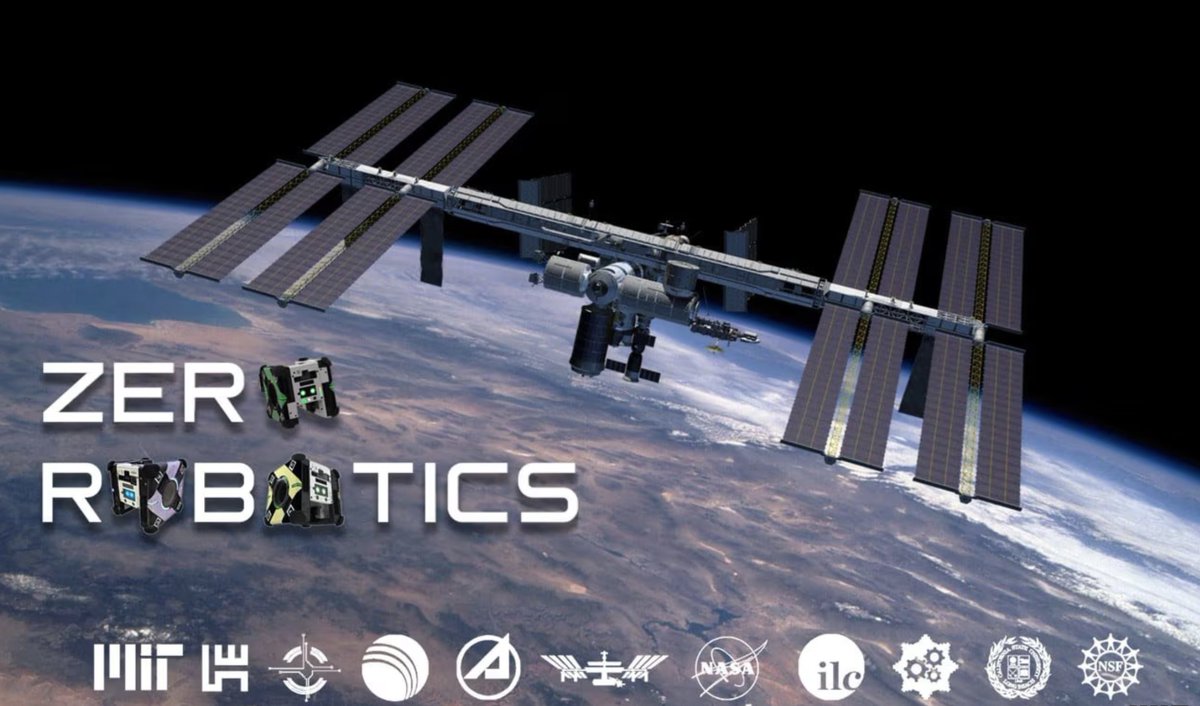
Starting at 8am ET, tune into the livestream of the first-ever High School Zero Robotics competition using the NASA Astrobee robot! The event will be hosted by @NASA's oldest active astronaut, @astro_Pettit. Zero Robotics is an educational outreach program that invites youth to program space robots; it is led by Prof. Danielle Wood, @space_enabled, and the Innovation Learning Center. media.mit.edu/events/2025-ze…
ALT Image of the International Space Station orbiting Earth, with the words Zero Robotics visible in the foreground; the letter "O" has been replaced throughout with images of a tiny robot. The logos of the program sponsors and supporters appear across the bottom of the image.
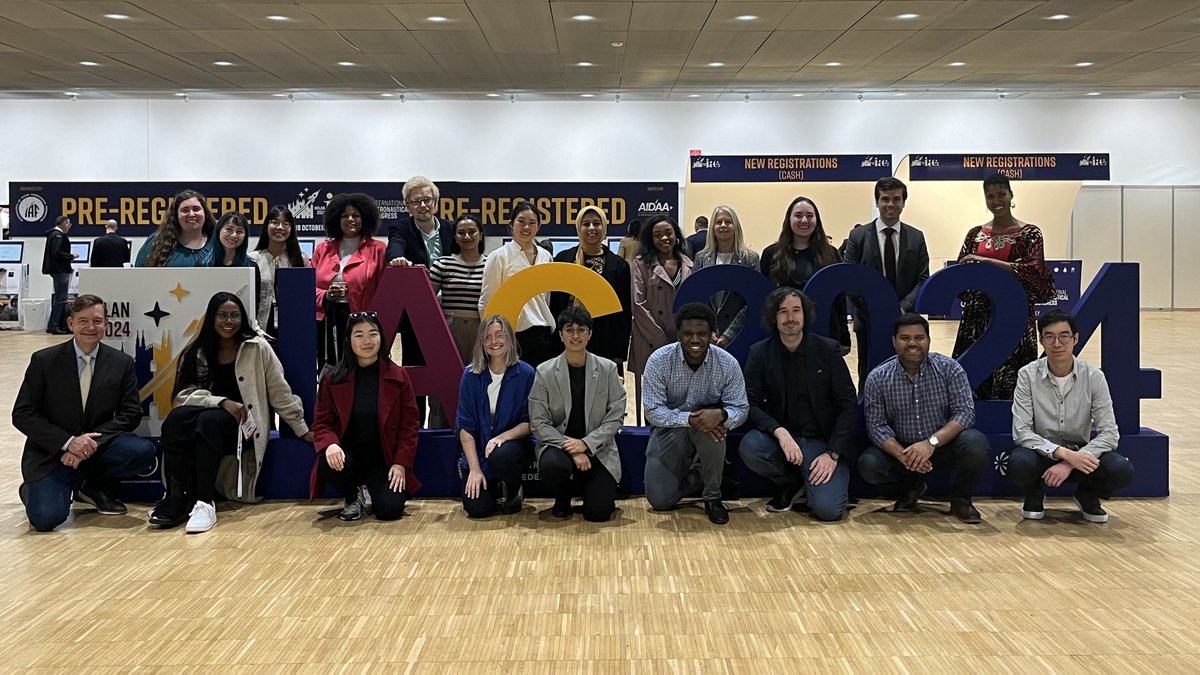
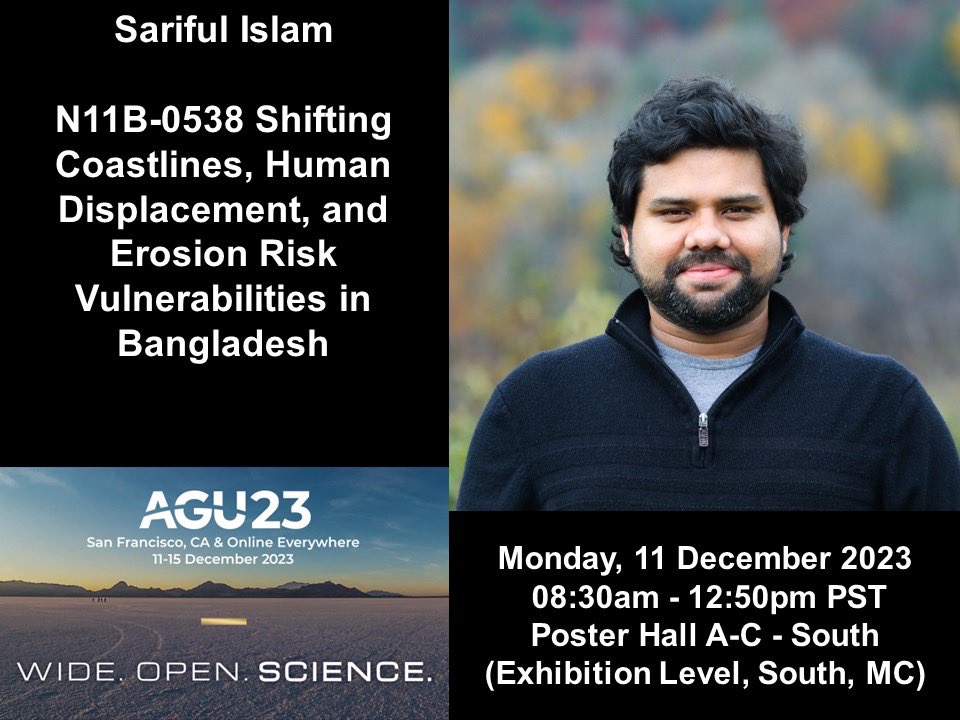
Team @Space_Enabled is presenting nine papers this week at #IAC2024 in Milan, Italy, along with a large group of faculty and students from MIT. The Space Enabled papers highlight recent impact using Systems Engineering and the EVDT (Environment-Vulnerability-Decision-Technology) Framework to create sustainable and accessible space applications using Earth Science and Microgravity Research. media.mit.edu/posts/team-spa…
ALT Twenty-two people, including Team Space Enabled and Media Lab Director Dava Newman, pose with a large IAC 2024 sign.
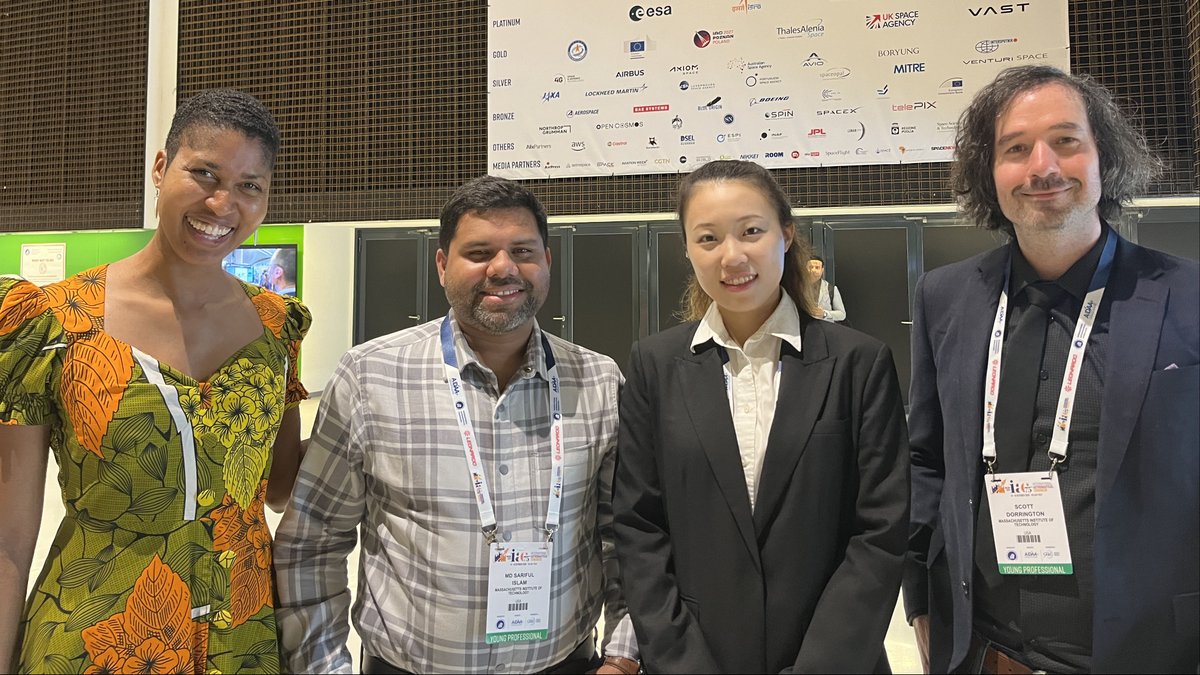
ALT Professor Danielle Wood, Dr. Sharif Islam, Ms. Yiyun Zhang, and Dr. Scott Dorrington at the IAC.
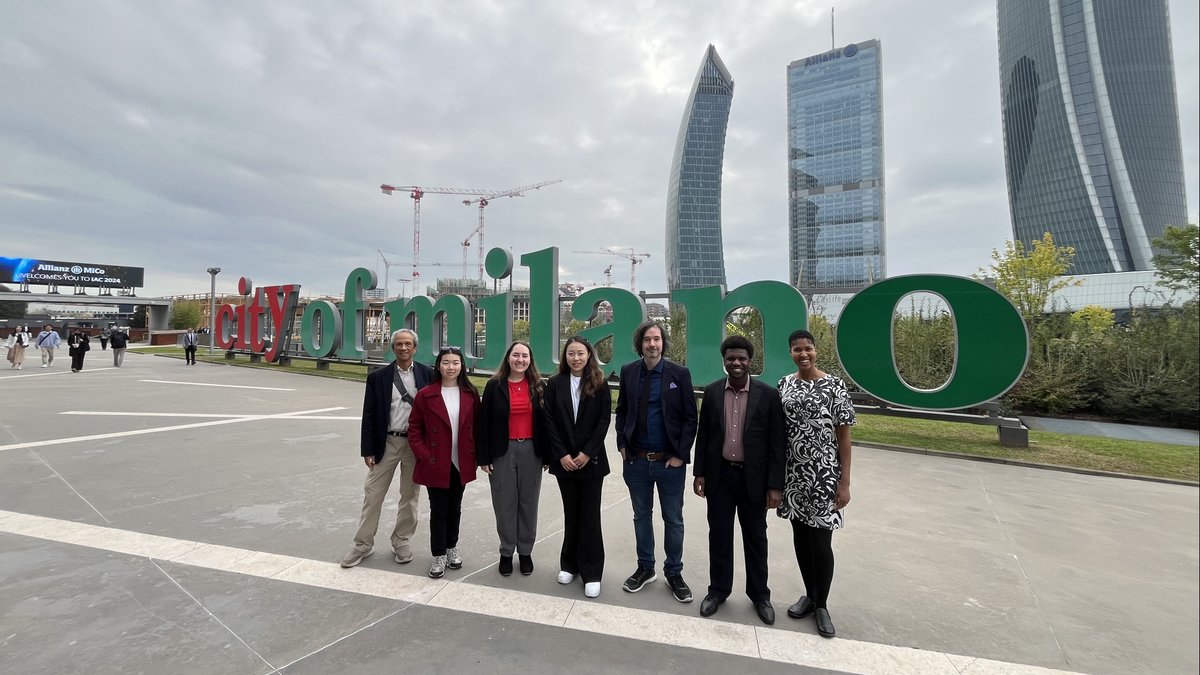
ALT Members of Team Space Enabled pose outdoors in front of a red and green "city of milano" sign.
🚨🚨🚨I’m thrilled to announce the launch of the Toxic Prisons Mapping Project, Beta - a participatory research initiative to map the environmental hazards faced by prisons, jails, and detention centers. See toxicprisons.com & 🧵 below
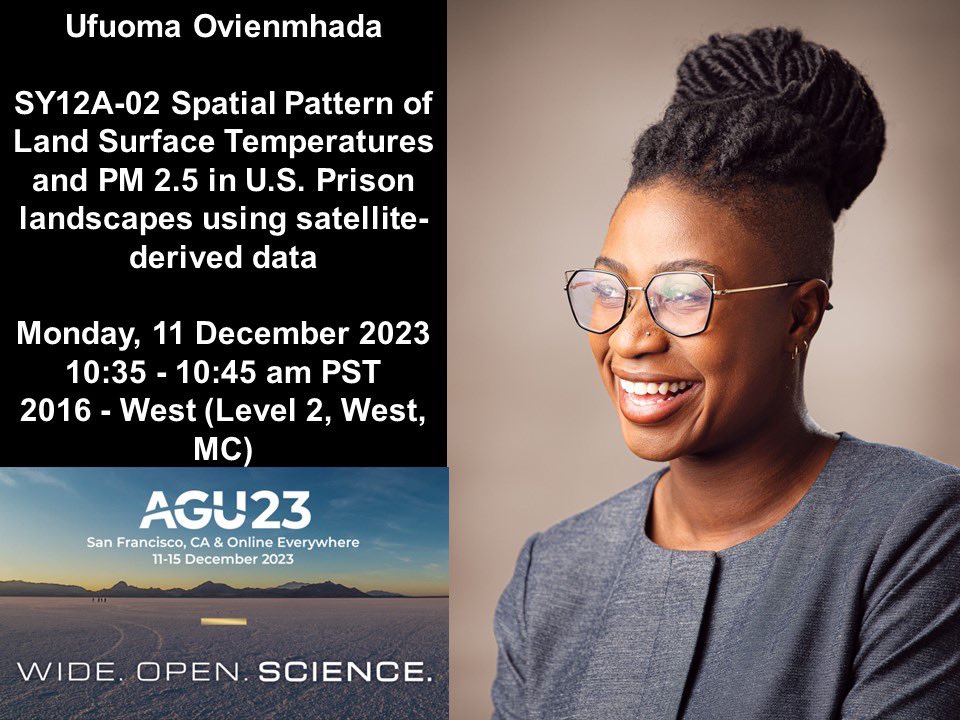
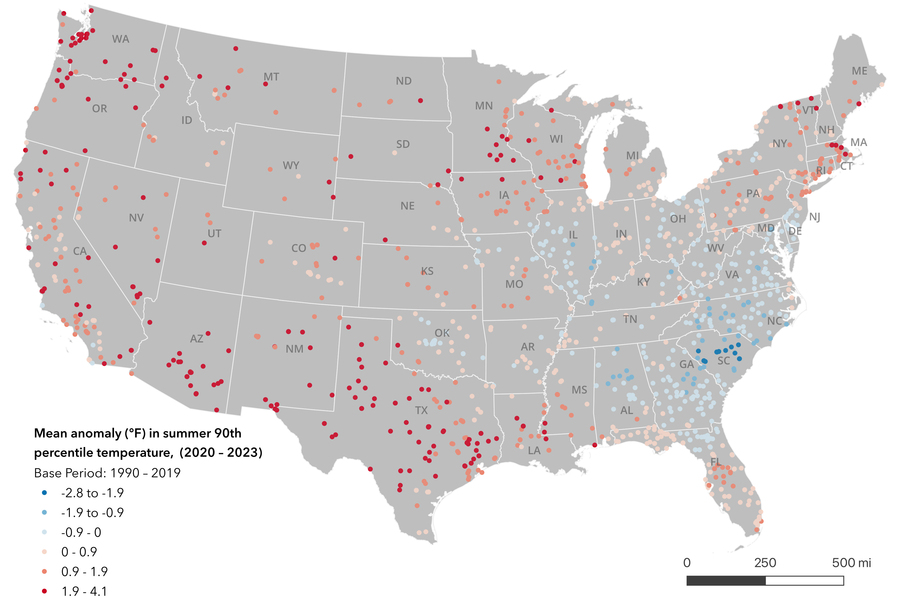
Incarcerated people in US prisons are particularly susceptible to increased summer temperatures, such as the extreme heat waves of this past summer. In a new study, MIT researchers including Media Lab @mitaeroastro alum @ItsUfuoma Prof. @Space_Enabled combine high-spatial-resolution air temperature data with census data and information from the US Department of Homeland Security to map summertime heat exposure in prisons across the United States. The study, published in @theAGU’s GeoHealth journal, provides policymakers and community leaders with ways to estimate, and take steps to address, a prison population’s heat risk, which could worsen with climate change.
news.mit.edu/2024/study-eval…
ALT A map of the continental United States marked with dots in varying shades of red, pink, and blue. Pink and red dots—representing heat anomalies above the mean—are strewn thickly across Texas, the West Coast, and Northwest. Light blue dots and some dark blue—representing anomalies below the mean—appear most commonly in and around Georgia and South Carolina. Courtesy of the researchers.
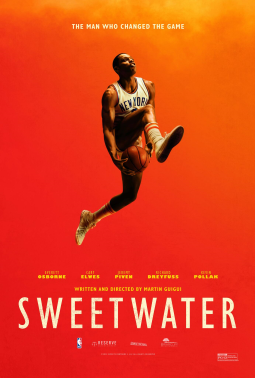
At 7pm ET on Sept. 22, Media Lab Prof. Danielle Wood (@space_enabled) will host a screening of "Sweetwater" in association with @BostonFilmFest. The event will include a Q A with lead actor @everettosborne and Director Martin Guigui. The event is free and open to the public, but registration is required.
media.mit.edu/events/media-l…
ALT Poster for "Sweetwater." Everett Osborne, playing Nathaniel "Sweetwater" Clifton, leaps into the air with a basketball against a glowing orange background. The tagline "The Man Who Changed the Game" appears above him; the film title and credits appear below.

ALT Everett Osborne as Nathaniel "Sweetwater" Clifton. Osborne stands beside a basketball hoop, wearing a New York Knicks jersey, Number 8. A basketball is tucked under his left arm, and he is looking up toward the basket.
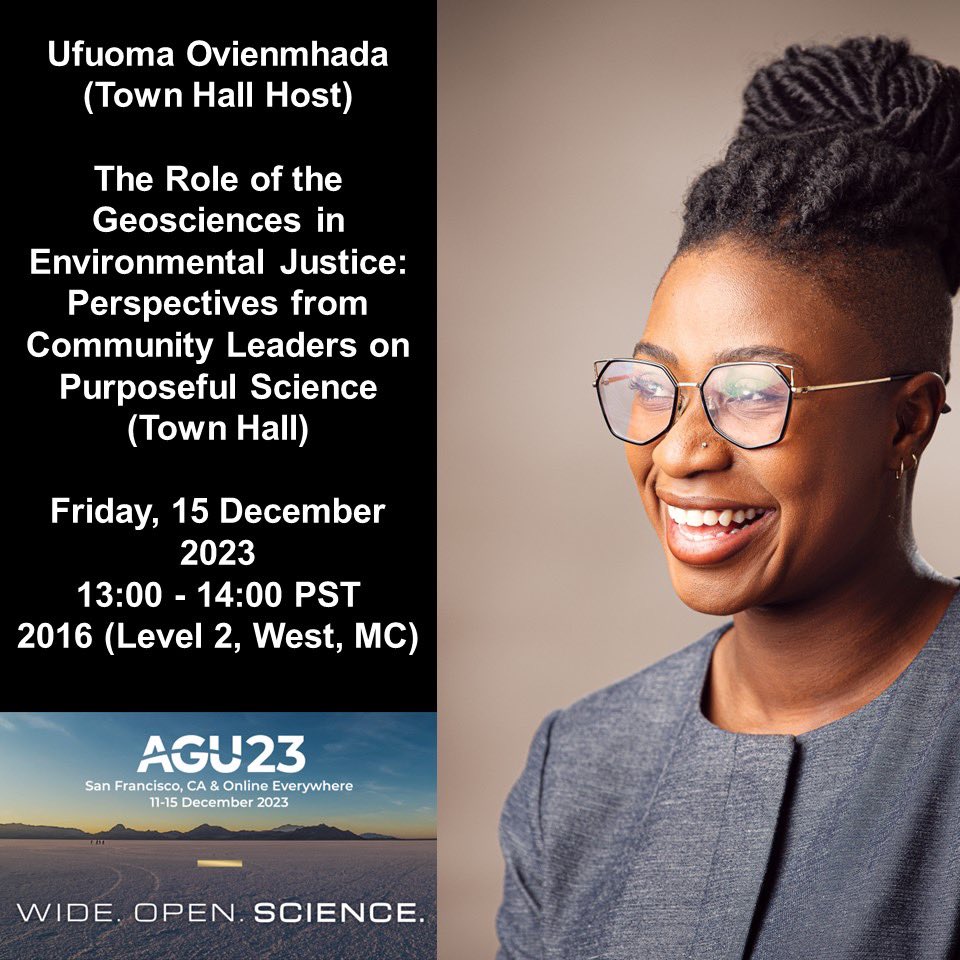
Join virtually at 4pm ET today, 4 June, as Ufuoma Ovienmhada @ItsUfuoma of Team @space_enabled speaks today on “Climate Justice and Mass Incarceration.” Hosted by Harvard; details here:
media.mit.edu/events/ufuoma-…