Official Twitter for the Space Security Studies Group, Centre for Science & Security Studies at King’s College London
Joined September 2014
- Tweets 2,062
- Following 915
- Followers 1,583
- Likes 3,806
53 Photos and videos



Space Security retweeted

U.S. Army Secretary Driscoll: Ukraine's Delta common operating system, their modular open system architecture command and control system, is absolutely incredible.
It fully integrates every single drone, sensor, and shooting platform into just one single network. Ours does not.
8
76
342
6,429
Phenomenal
Apr 21

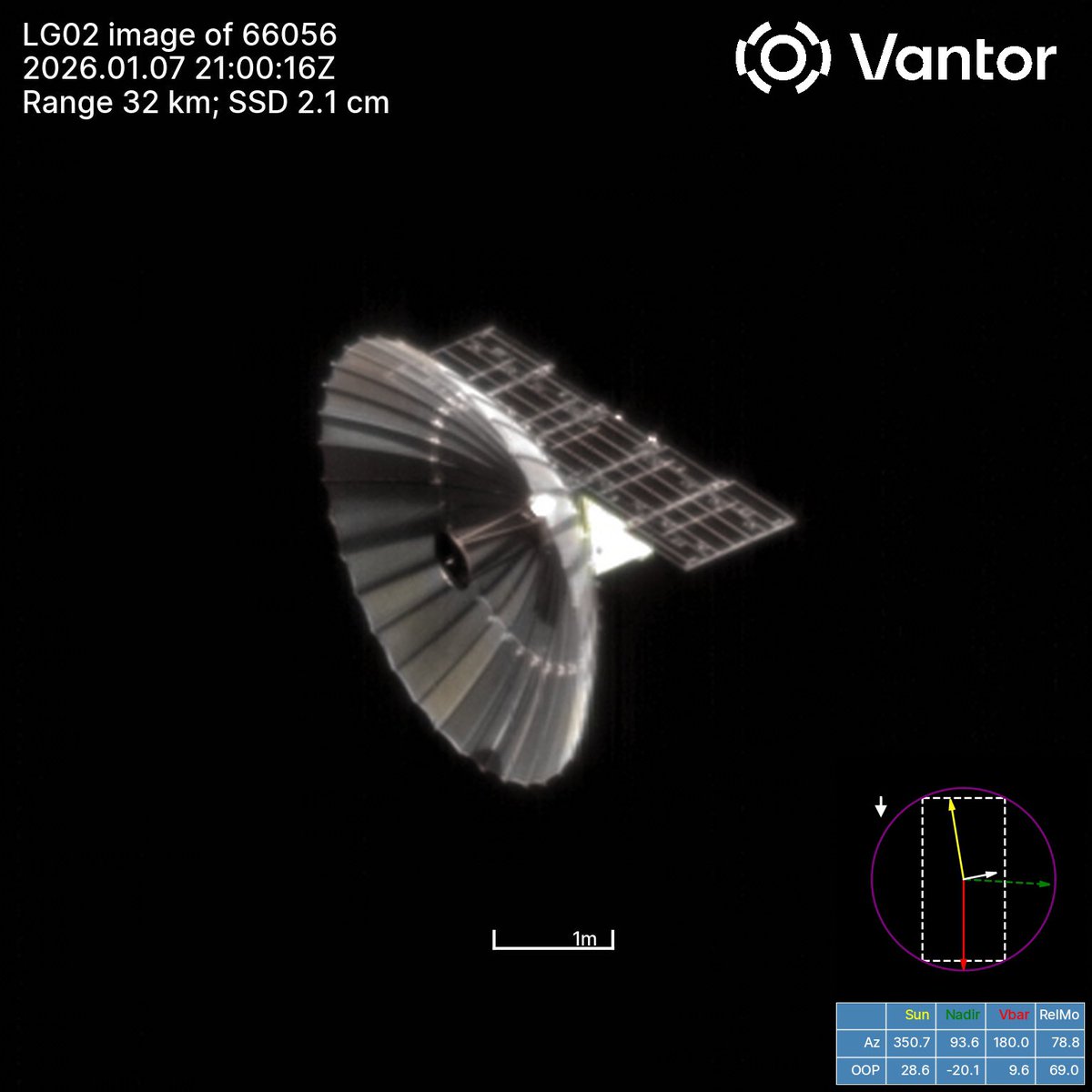
🇨🇳👀🇺🇸 La société américaine Vantor dévoile une image rapprochée d’un satellite radar chinois.
Capturée à 32 km, cette image non terrestre atteint 2,1 cm de résolution et révèle des détails inédits. Une démonstration technologique pour @vantortech… et un satellite plutôt stylé !
108
Space Security retweeted

Apr 7
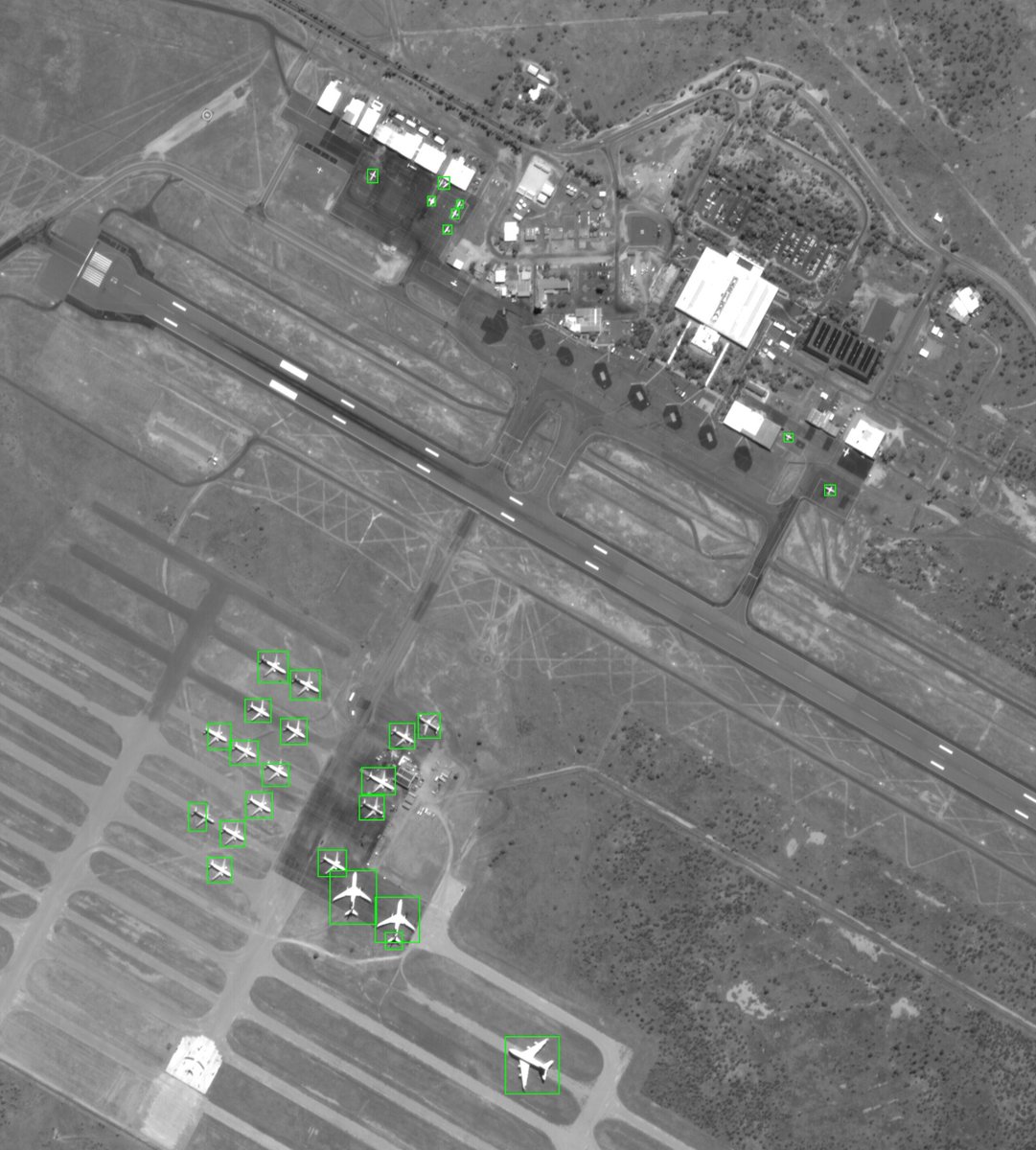
This is AI detection of planes… done in space! Done with @Nvidia Jetson Orin modules on our Pelican spacecraft.
The point here is speed: this was done within minutes of image capture – so summary analysis can get to users faster, enabling real time action. It’s part of the shift to planetary intelligence: we’re connecting our satellite’s “eyes” with the AI “brain” 🧠📡
Congrats to the @nvidia & @planet teams on this milestone! investors.planet.com/news/ne…
30
106
771
83,792
Space Security retweeted

Here it is, right from the horse’s mouth. As expected.

China reveals military capabilities in new space solar power plant design
scmp.com/news/china/science/…
2
1
243
Space Security retweeted

Feb 28
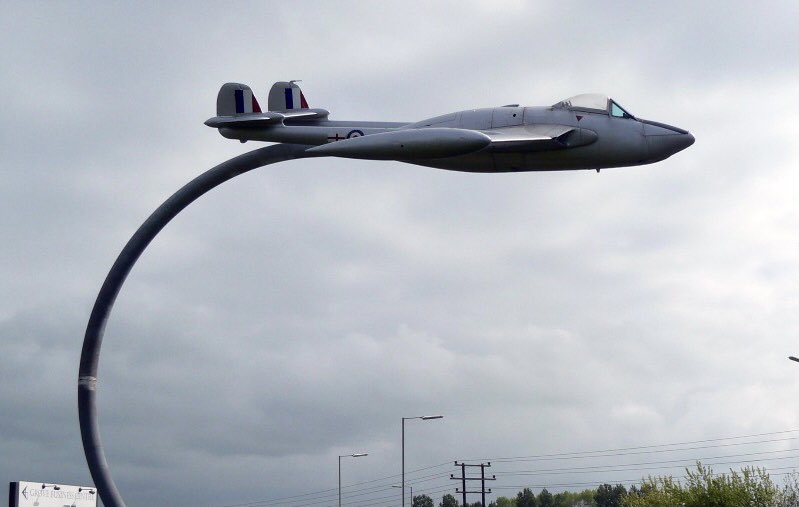
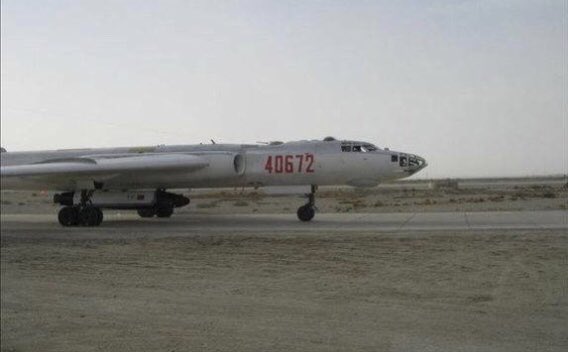
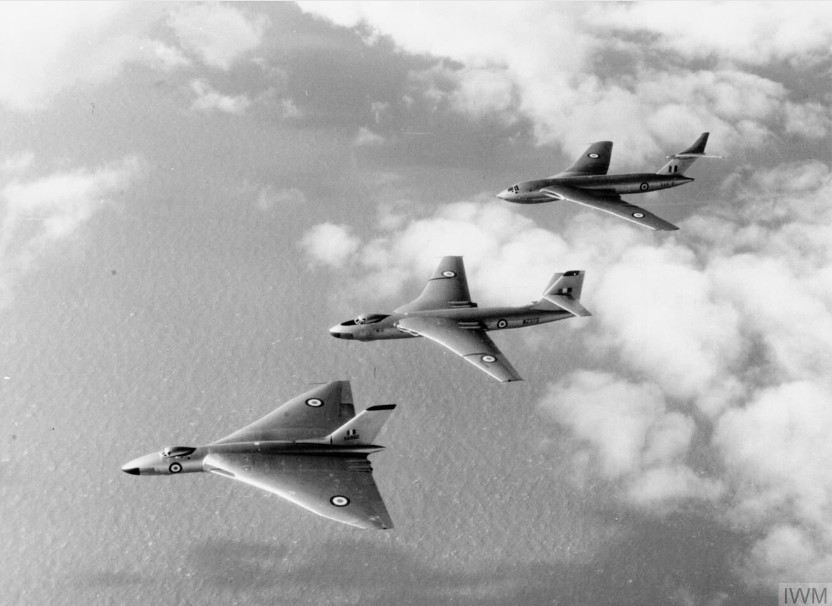
This is the V Force, designed to carry out nuclear strikes on every Russian city with over 100,000 people in it in the event of WW3. How did the UK decide its target plans, and how did it plan to defeat Russia in war?
Long PSL thread on early British nuclear war plans.
11
71
453
46,644
Space Security retweeted

Feb 24
New particle accelerators can turn nuclear waste into electricity, and cut the radioactive lifetime by 99.7% by converting radioactive isotopes via neutron bombardment
This could recycle the entire US commercial used nuclear fuel stockpile in 30 years
interestingengineering.com/e…
564
4,073
17,252
514,699
Space Security retweeted

Feb 12
Pakistan successfully launched its second indigenous electro-optical satellite, PRSC-EO2, on February 12, 2026. Developed by SUPARCO, the satellite aims to enhance the country’s Earth observation and high-resolution imaging capabilities. The launch took place from a sea-based platform in China.
1
13
107
8,558
Space Security retweeted

Feb 10
Hypersonica, an Anglo-German defence start-up developing what it describes as a sovereign European hypersonic strike capability, has completed its first successful hypersonic test flight in Norway. Click image for more.
ukdefencejournal.org.uk/euro…
7
56
264
20,628
Space Security retweeted

11 Dec 2025
On this day in 1972, Apollo 17, the last crewed lunar landing mission of the Apollo program, landed on the Moon in the valley of Taurus-Littrow. More on Apollo 17: s.si.edu/31ynOVK
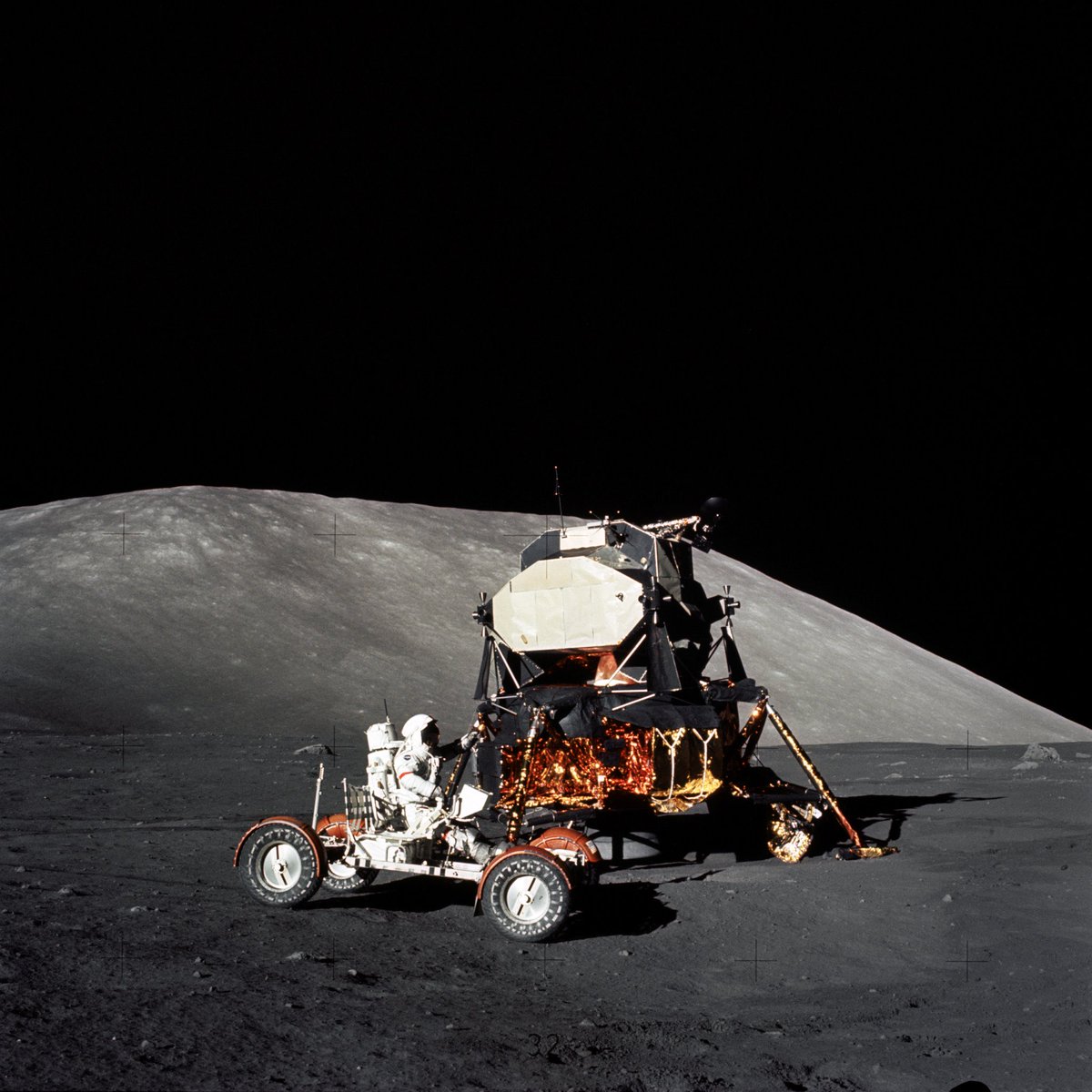
ALT Lunar module and lunar roving vehicle, with an astronaut at the controls, are pictured together on the Moon.
25
139
820
23,392
Space Security retweeted

17 Jun 2025
English Press Release: global.honda/en/topics/2025/…
1
2
16
1,903
Space Security retweeted

22 Oct 2025
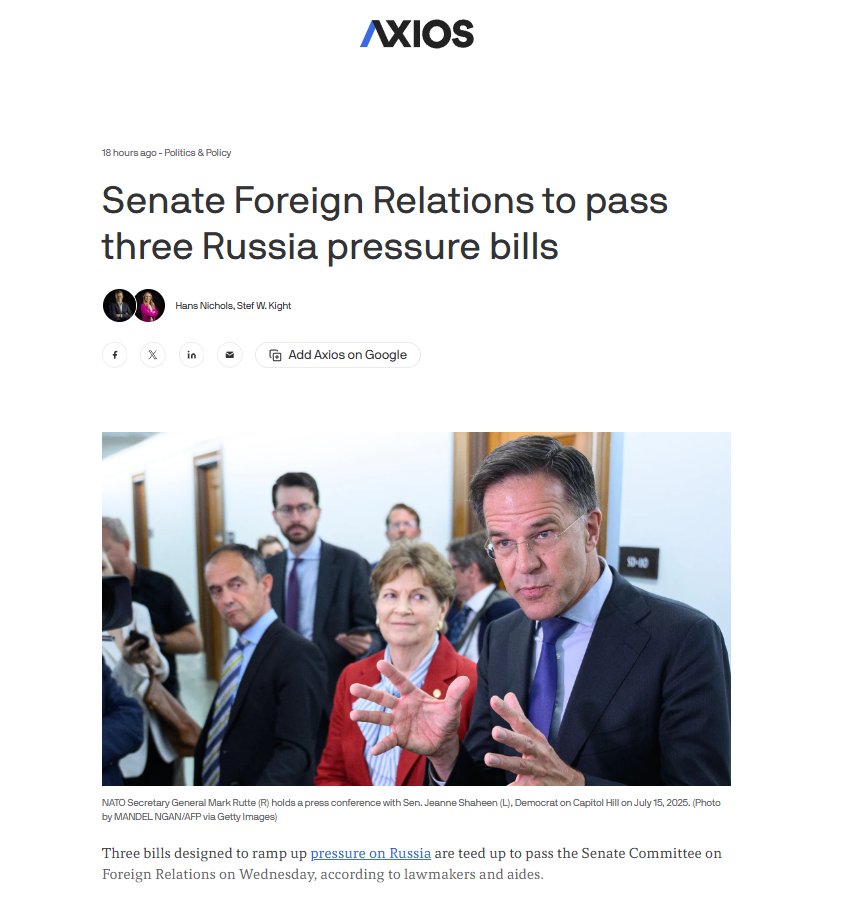
The US Senate Foreign Relations Committee is set to advance three key bills aimed at ramping up pressure on Russia, Axios reports. The proposals include designating Russia a state sponsor of terrorism for abducting Ukrainian children, sanctioning China for supporting Russia’s military industry, and transferring frozen Russian assets to Ukraine every 90 days.
27
80
477
40,798

23 Sep 2025
Fantastic that @Astro_Jeremy and the Canadian flag will be orbiting the Moon!
Nasa plans first crewed Moon mission in 50 years for February - BBC News apple.news/APhmop9WRR_aQQomR…
80
Space Security retweeted

18 Sep 2025
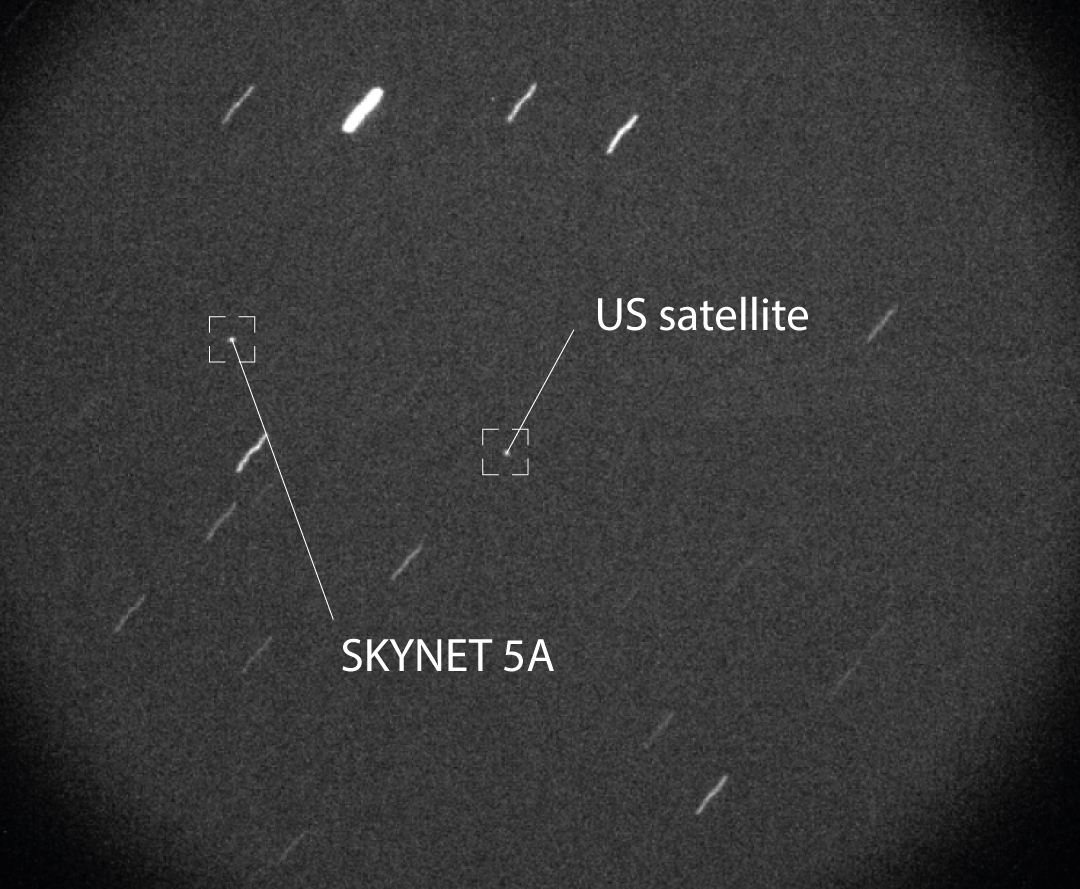
Alongside @US_SpaceCom, we have delivered the first UK-US operation in space, as part of a Multinational Force – Operation Olympic Defender.
A US satellite moved closely to SKYNET 5A, a UK communications satellite, to make sure it was operating in orbit as intended.
🇬🇧 🇺🇸
26
86
408
148,073
Space Security retweeted

11 Sep 2025
ICEYE uruchamia ISR Cell — system dostarczania taktycznych danych wywiadowczych z kosmosu w dowolne miejsce @iceye_global
zbiam.pl/iceye-uruchamia-isr…
1
5
521
9 Sep 2025
I enjoyed speaking to @NewHumanist and Niki Seth-Smith about the growing competition in space!
9 Sep 2025

✨ New online:
Mark Hilborne of @DSD_Kings on the rise of space warfare
newhumanist.org.uk/articles/…
1
1
395
Space Security retweeted

2 Sep 2025
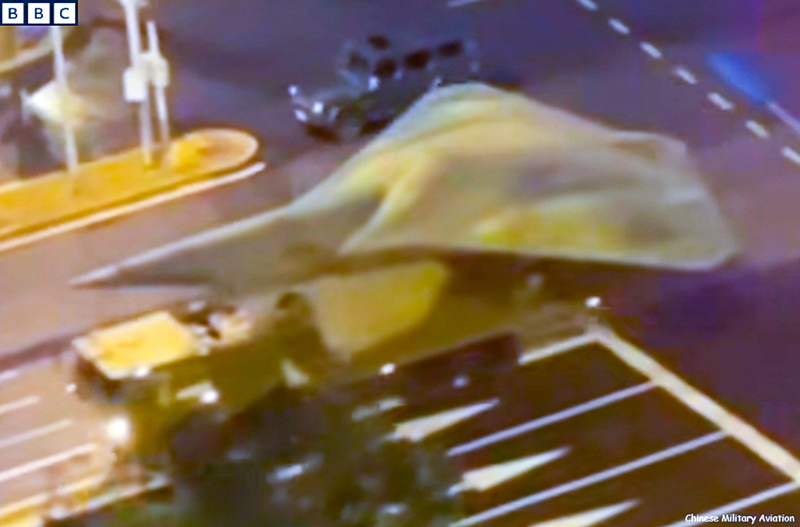
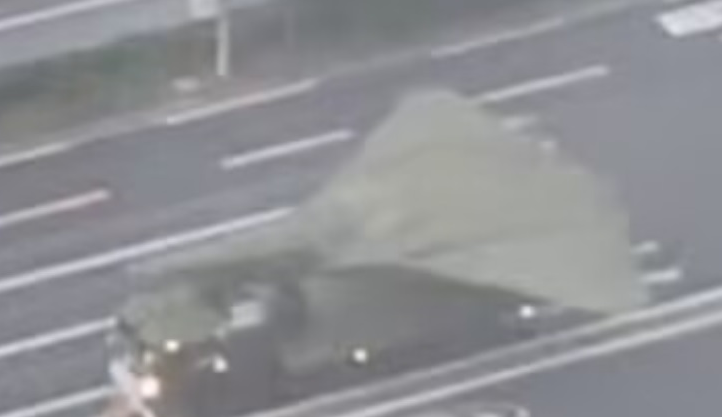
Huitong has started referring to these drones as "Type-X," which could serve as a helpful initial overview for their designation.🤔
No. 1 or Type A: ... not yet seen uncovered
3
19
175
110,099
Space Security retweeted

1 Sep 2025
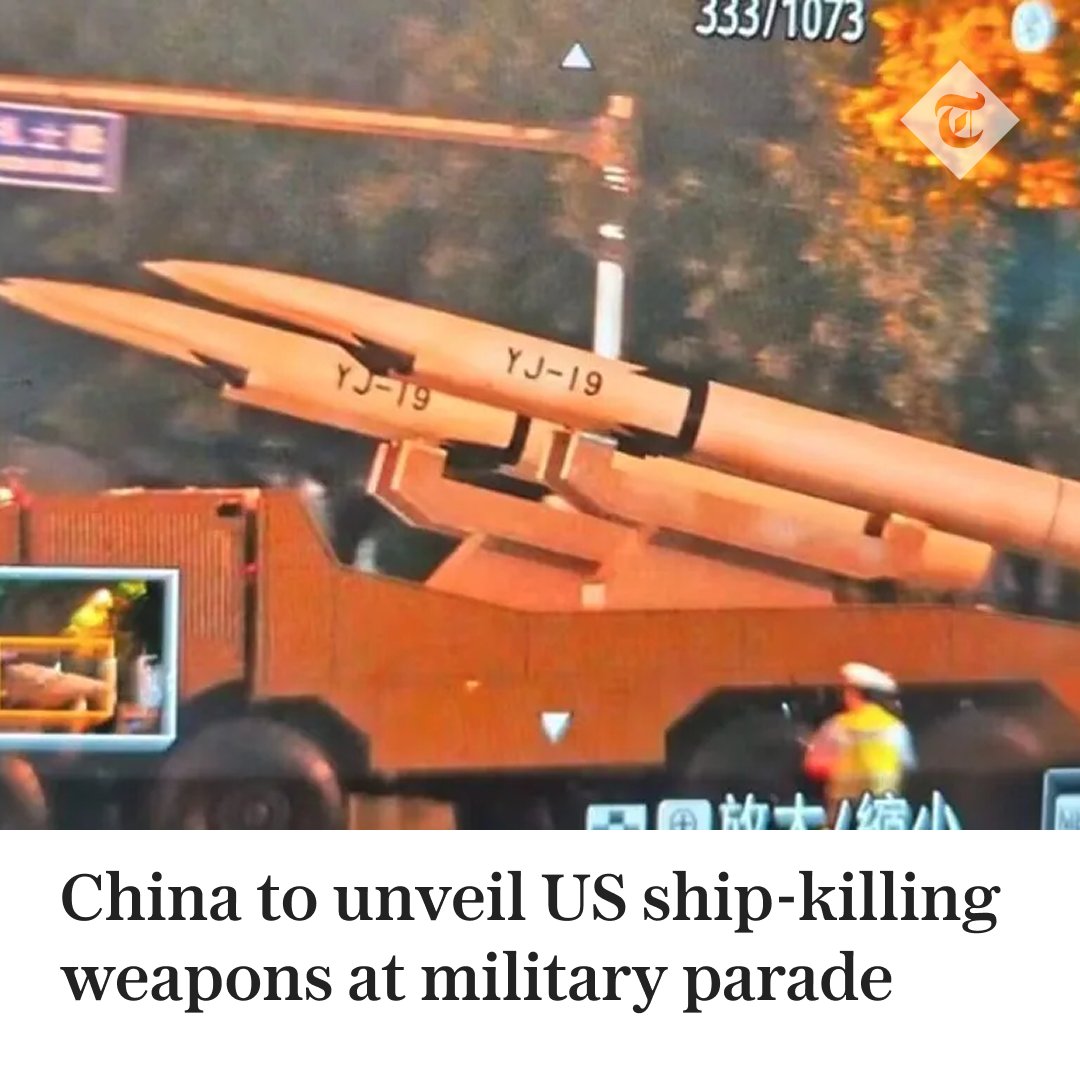
🇨🇳 China's new YJ-17 missile:
Type: Hypersonic Missile
Speed: Mach 8
Warhead: 1,100lb
Range: 746miles
Platform: Air and Submarine
Find out more ⬇️
telegraph.co.uk/world-news/2…
6
8
13
7,957
Space Security retweeted

3 Jul 2025
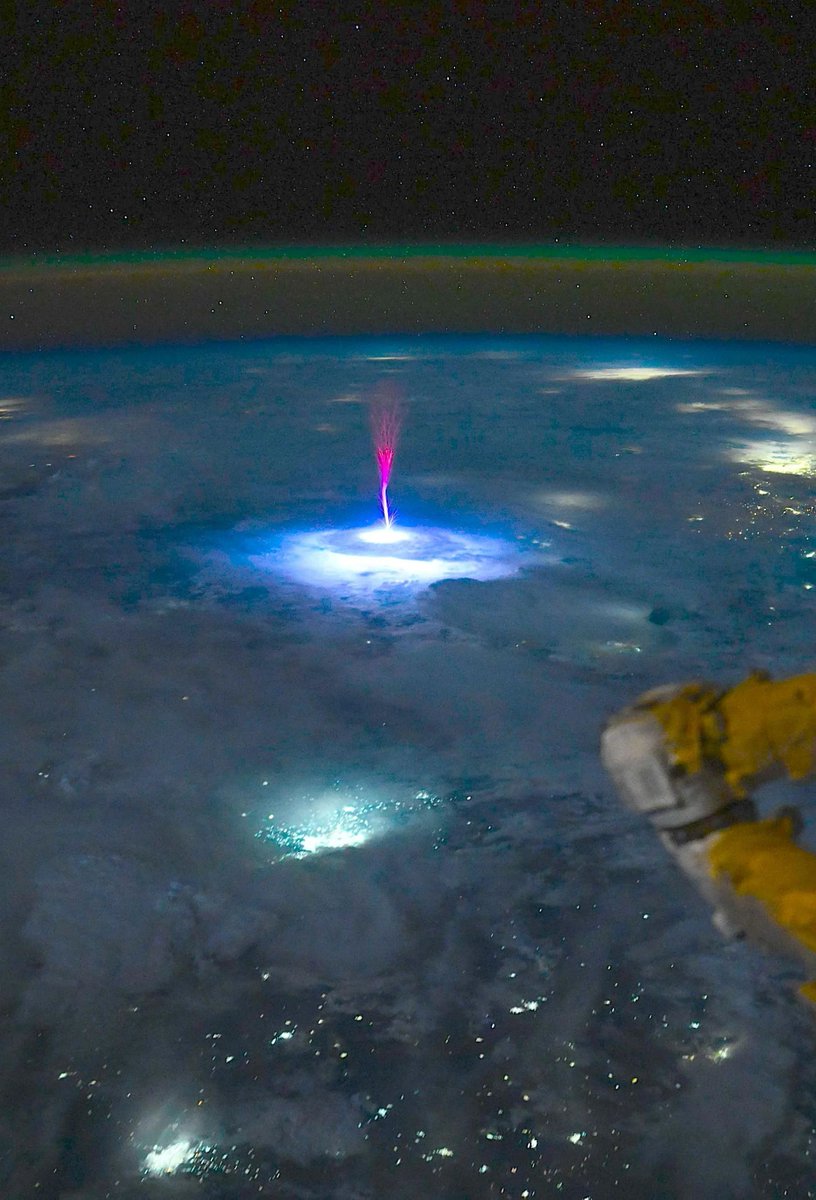
NASA Astronaut on ISS caught this sprite over Mexico and the U.S., this morning
980
6,402
83,690
6,895,891
28 Jun 2025
An impressive strike - Russia confirms Su-34 losses in drone strike defence-blog.com/russia-conf…
77
Space Security retweeted

24 Jun 2025
We saw the reports on the leaked DIA report, and have a few comments. The aspects raised are addressing a narrow question, albeit an important one, namely how quickly could Iran make a nuclear weapon in a worst case assessment post-attack. With residual stocks of 60 percent and hidden centrifuges, Iran retains an ability to breakout and produce weapon-grade uranium. We agree, but this is an on-going process, where it is necessary to continue hunting down these items or make a deal where Iran has to give them up.
But the situation is dynamic and not static. One change today, after the completion of the DIA report, is intelligence evidence that more enriched uranium stocks are in the rubble than believed just yesterday.
Considering the damage to Iran's three known enrichment facilities, the destruction of Iran's centrifuge manufacturing capabilities, its uranium conversion facility, uranium metal production plant, and other facilities involved in its nuclear weaponization process, reconstituting these capabilities will take significant time, investment, and energy to return to its previous state before the war or build nuclear weapons. Iran has likely lost close to 20,000 centrifuges at Natanz and Fordow, creating a major bottleneck in any reconstitution effort. Moreover, there has been considerable damage to Iran’s ability to build the nuclear weapon itself.
Further complicating matters for Iran, the country is under intense scrutiny and observation from the United States and Israel. Any major effort to reconstitute its capabilities may well be met with further strikes.
More analysis and information will be required to completely ascertain the true state of Iran's enrichment and other nuclear capabilities. But to reduce what has happened to a worst case assessment, while it has value, is misleading to say the least.
76
492
1,573
486,114