
Psychologist | Msc Social Psychology | MA Clinical Psychology | Couple & Family Counseling | Royal Holloway, London
Joined December 2014
- Tweets 2,069
- Following 465
- Followers 897
- Likes 14,689
59 Photos and videos




May 25
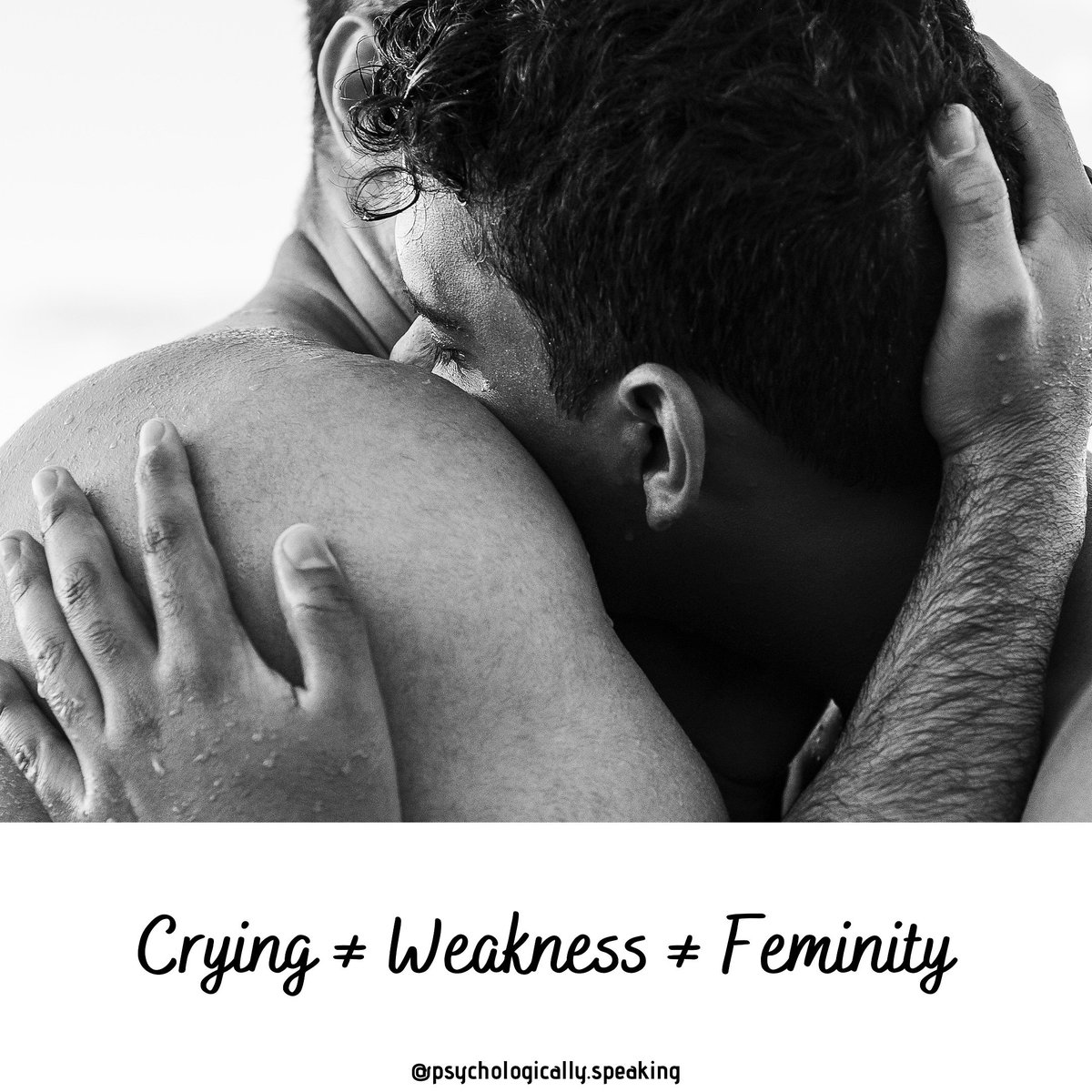
Indian media needs to reflect more carefully on how suicide is reported. The framing, visuals, and headlines in most news reports are unhelpful and not needed . Vulnerable people are reading too. Responsible reporting can save lives. #MentalHealth #NEET #SuicidePrevention
3
72
Snehal S retweeted

20 Nov 2025
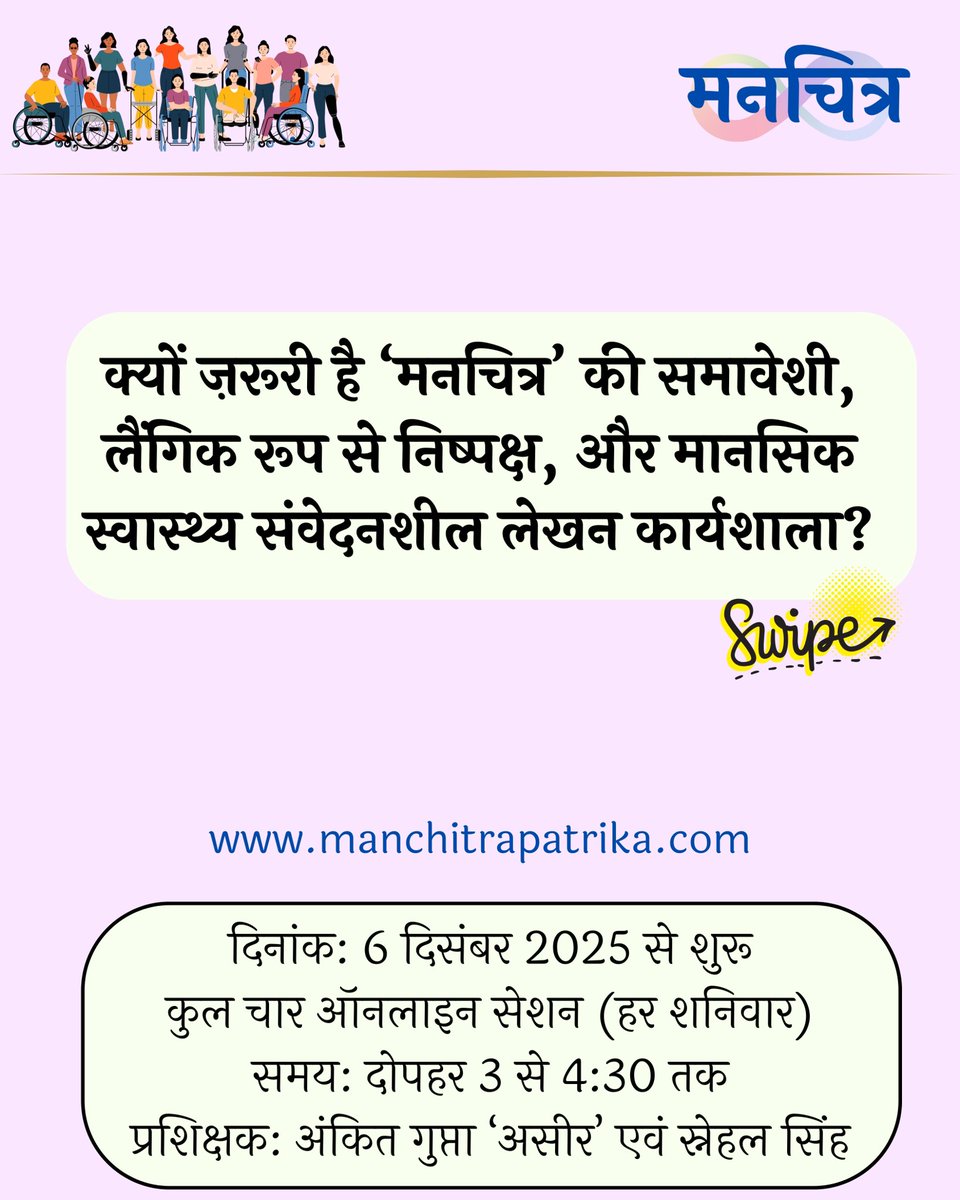
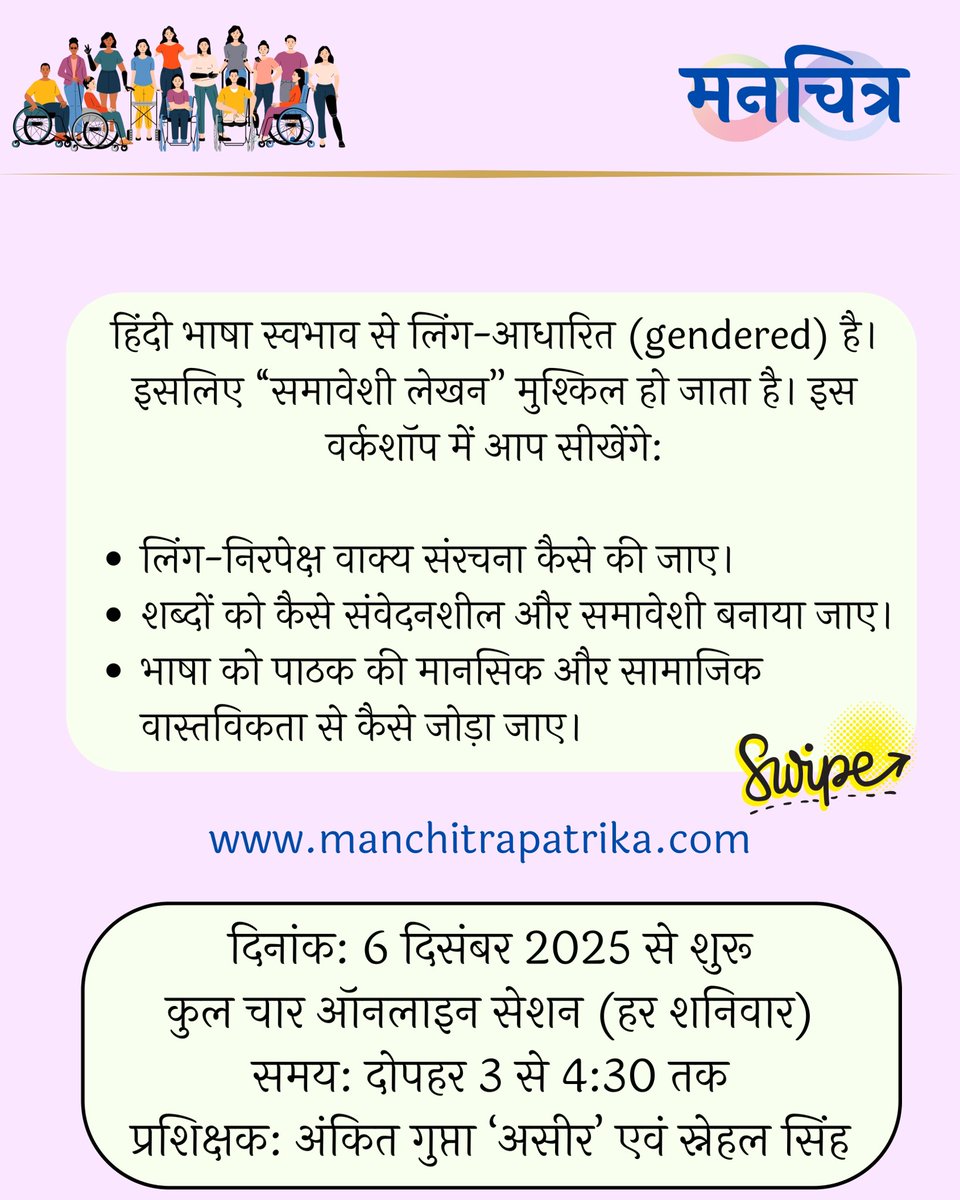
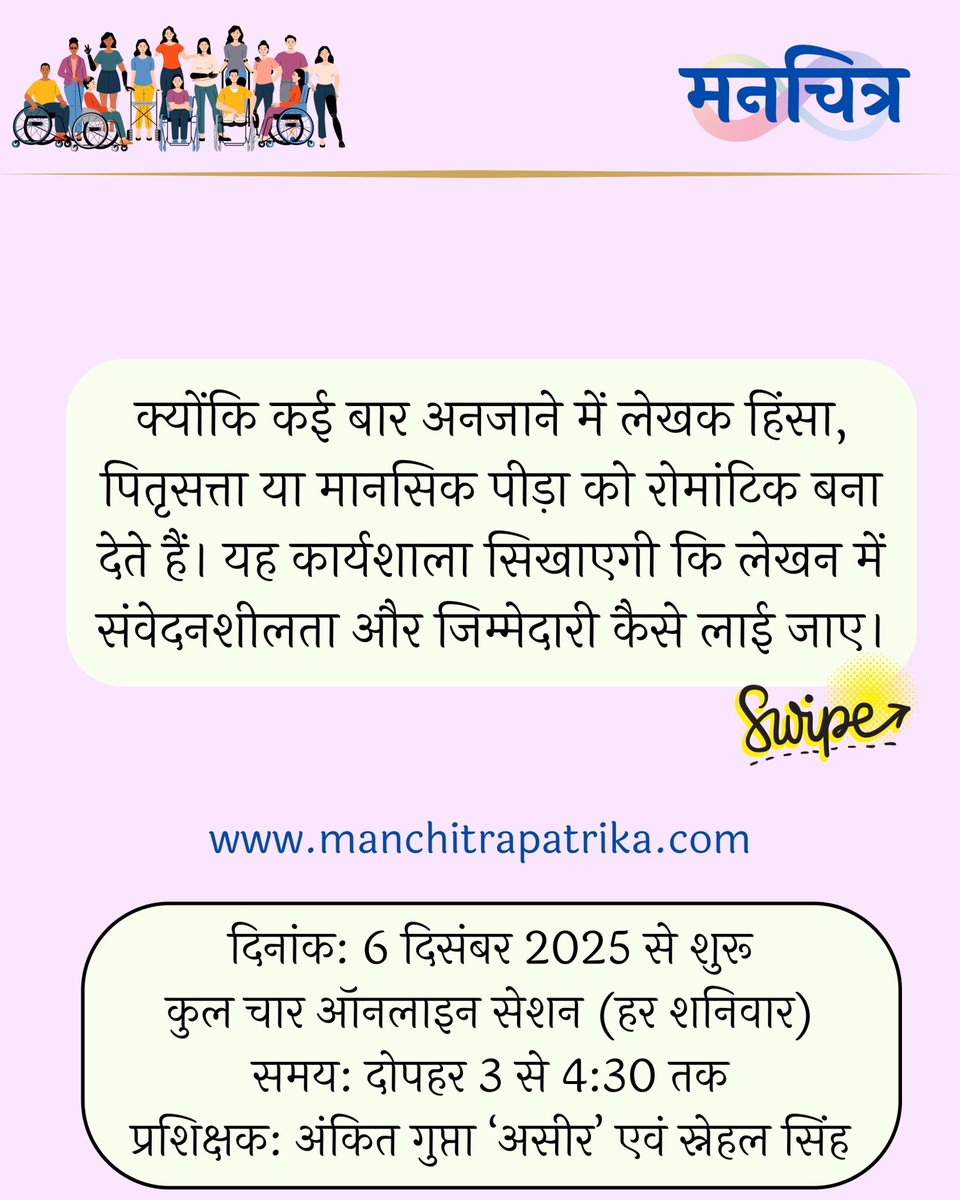
We still have few seats to fill. Register now ❤️
@Speakingpsyche

1
2
2
127
Snehal S retweeted
26 Oct 2025
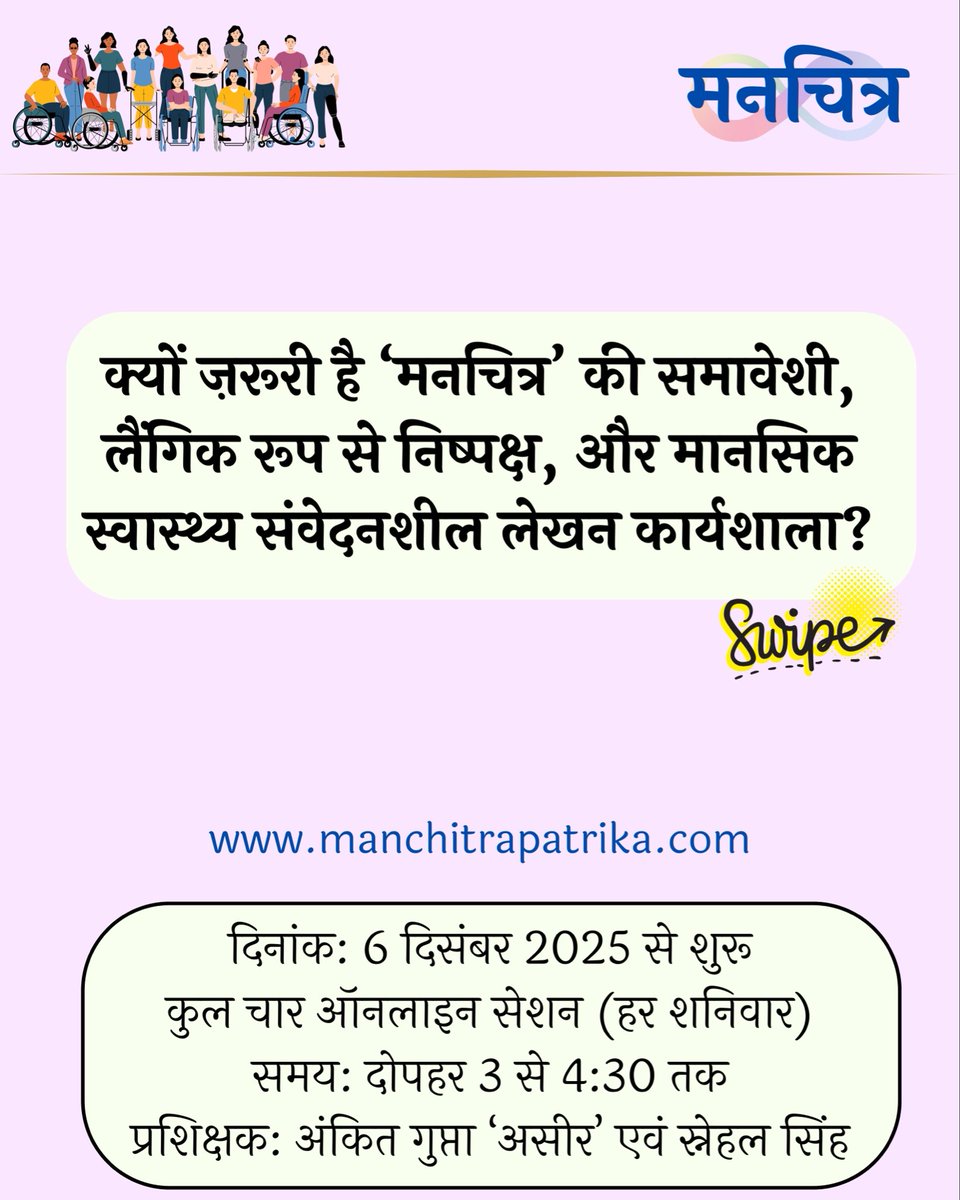
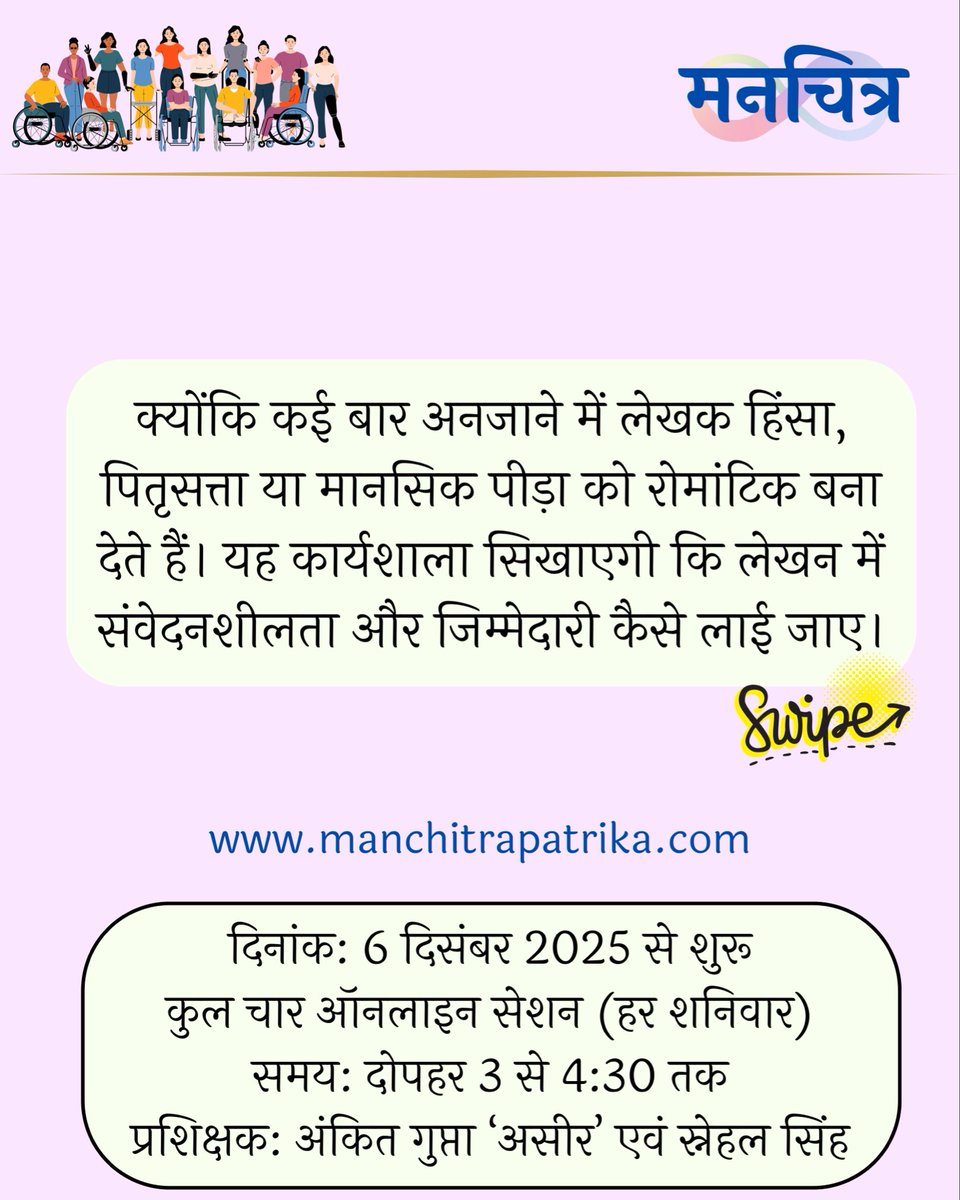
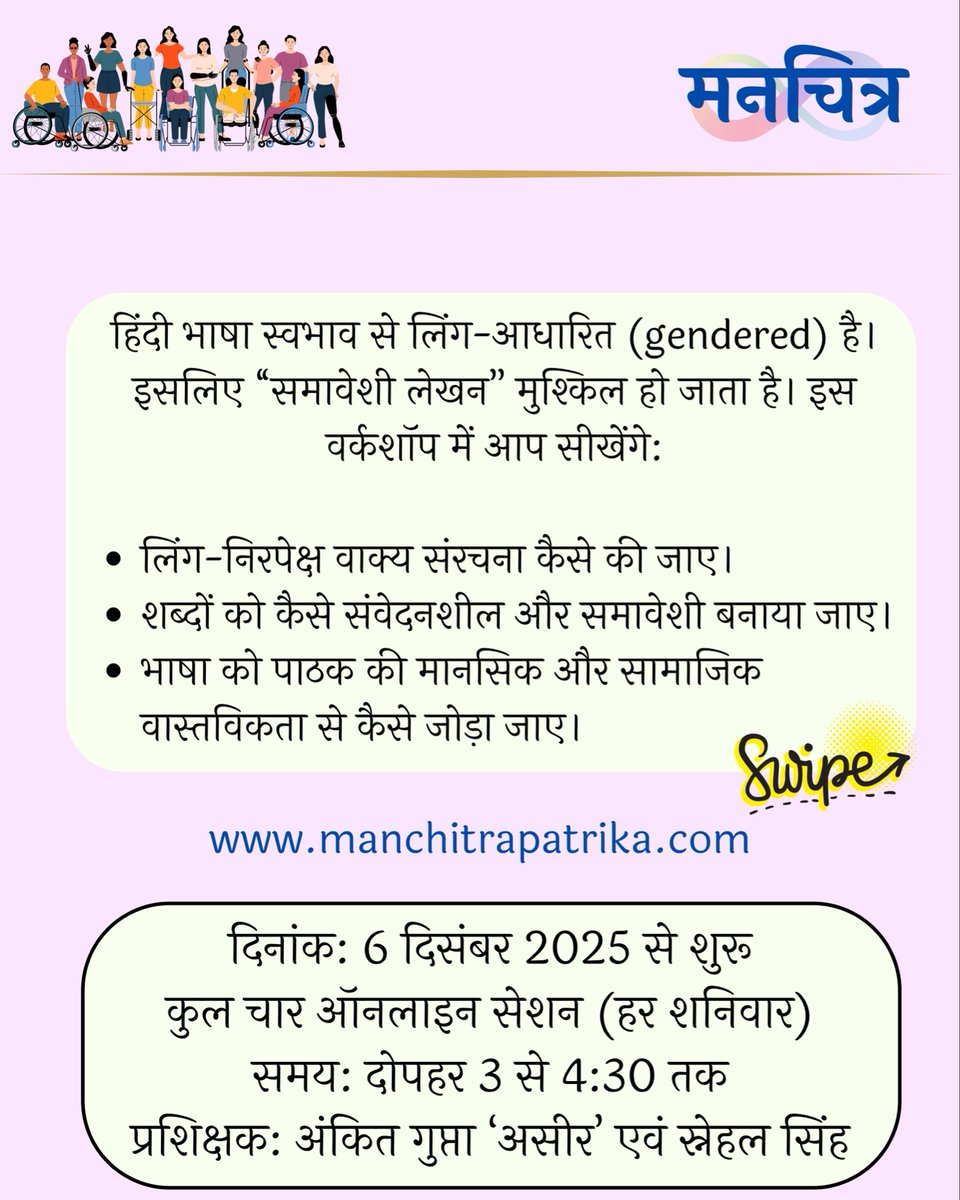
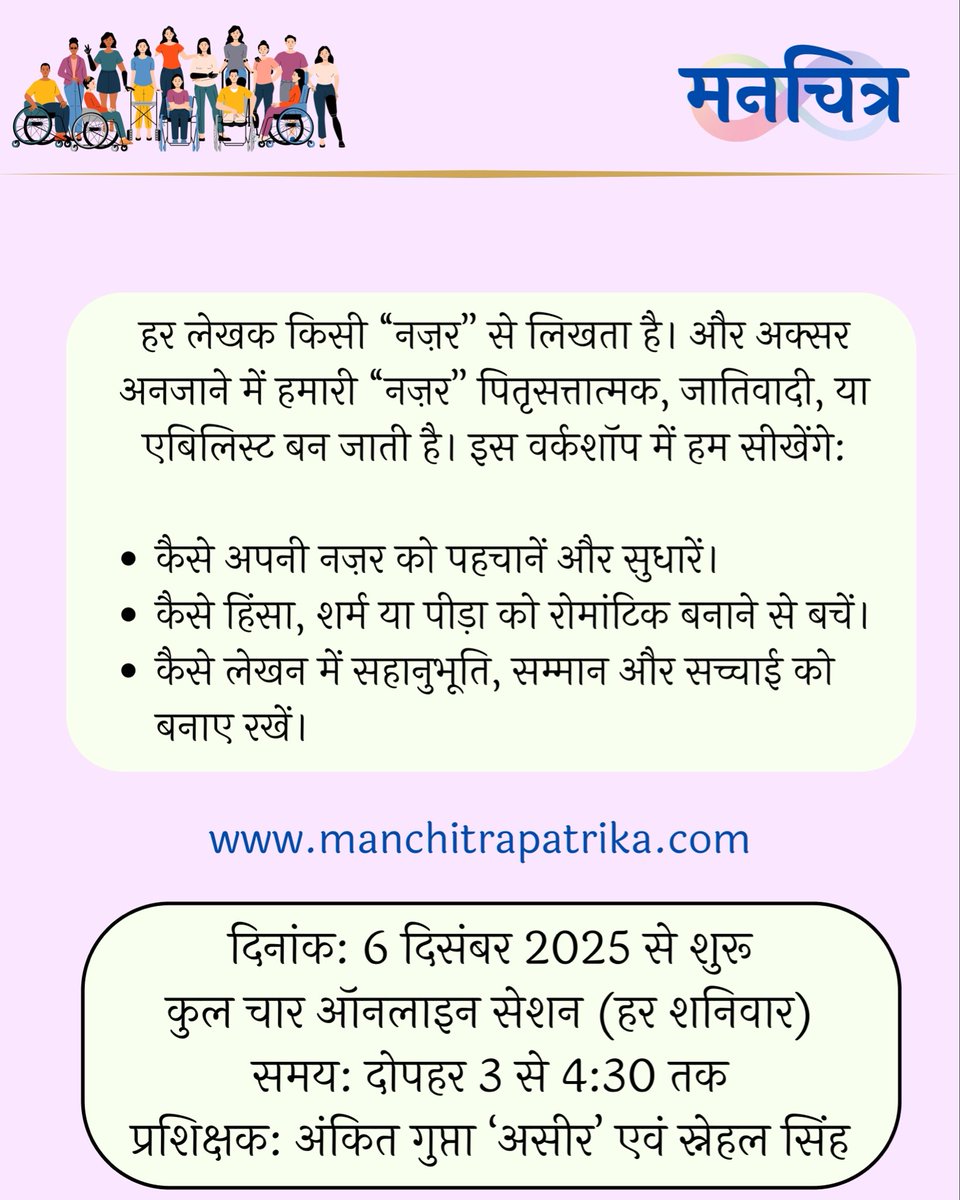
Register for inclusive and mental health sensitive Hindi writing workshop at manchitrapatrika.com
@Speakingpsyche 🌸
2
2
171
12 Jun 2025
I often receive compliments in the UK for calming quality of my voice. People appreciate the gentle pace, tone , poetic rhythm, and natural grace in my speech. I take pride in attributing this to the indelible imprint of Bhojpuri, whose elegance subtly weaves through my accent ❤️
20 May 2025

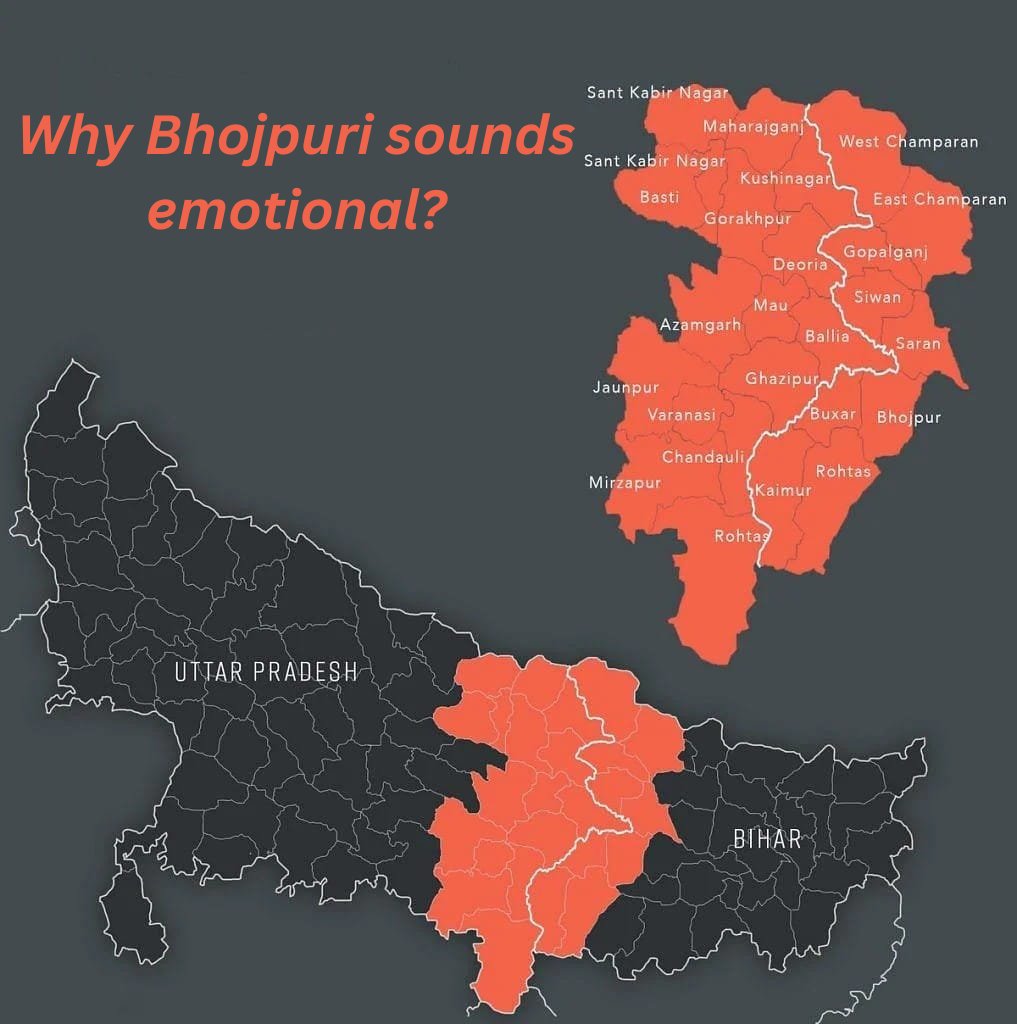
Bhojpuri is in the list of “Potentially Vulnerable” languages in the UNESCO World Atlas of Languages.
But why does Bhojpuri sound so emotional and soulful to many? Let’s explore this beloved language. 🧵
1/8
1
3
209
11 May 2025
Most of the accounts that are abusing Vikram Misri seem to be fake accounts, impersonators and bots. I reported couple of them . Please have look @vinodfex @zoo_bear @NotMengele
Looks like target attempt to orchestrate a narrative. #IndiaPakistanTensions
1
2
314
9 May 2025
India by nature has never been the aggressor , colonizer or invader. India has the resilience that comes from the wisdom of being one of ancient culture & sacred soil.
India’s actions have consistently focused on protecting its people and upholding its sovereignty. #thread / 1
1
2
156
9 May 2025
Misrepresenting India’s defensive measures as aggression not only distorts the truth but also trivializes the pain endured by its citizens. /4
1
1
110
10 May 2025
India defends to protect, not to provoke. It seeks peace, but peace must be based on justice and the end of state-supported terror. Victim blaming & gaslighting is horrific.Demoralizing of Indian forces should stop #VandeMataram ❤️
2
85
3 May 2025
The toll this has taken on our emotional well-being is beyond words. Insurance should provide security, not be a source of stress and betrayal
It’s time IRDAI steps in to hold such companies accountable for their predatory practices! #InsuranceFraud
3 May 2025

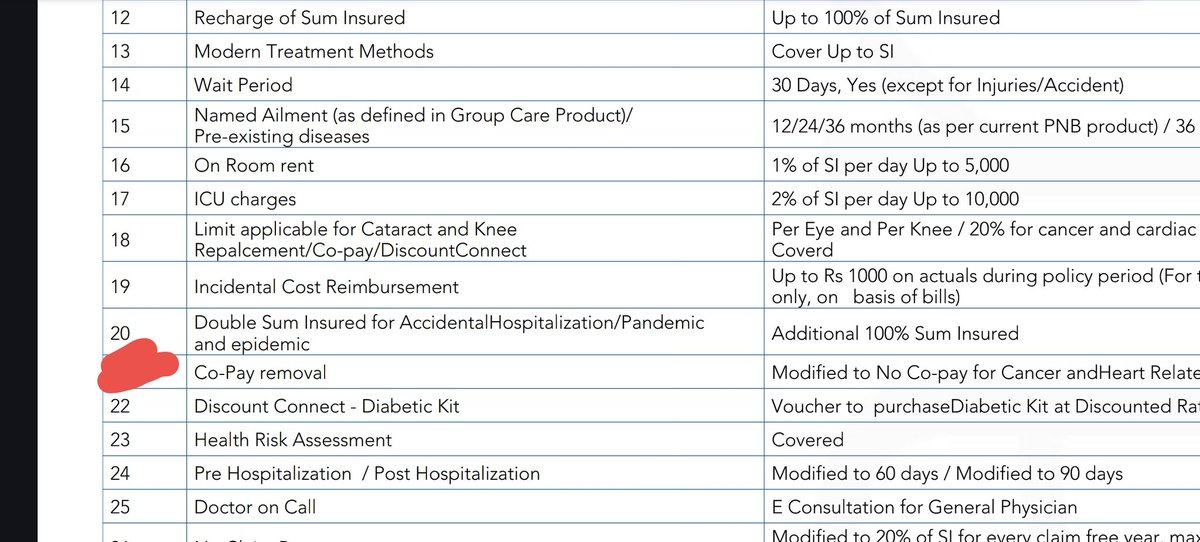
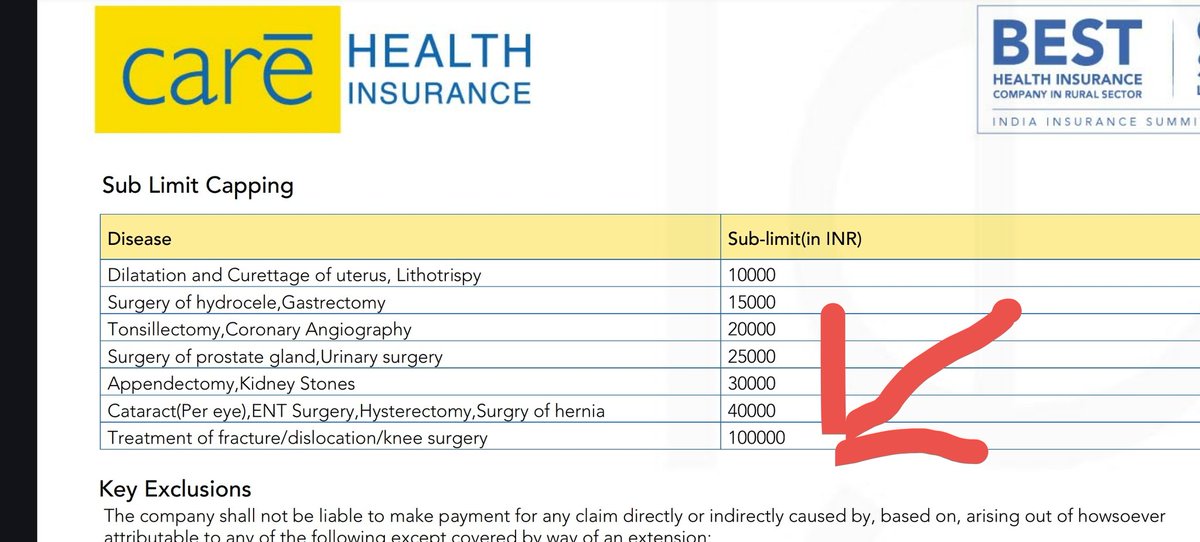
Exposing @careinsuranceIN fraud!
They promise double sum insured for accidents — but hide behind a ₹1L fracture sublimit to deny full hospitalization claims. Accidents don’t just mean fractures!
Shameful deception.
IRDAI wants hard copies of IPD papers. Just Delay & Deny!!
1
2
1
327
3 May 2025
A serious accident of an elderly family member is distressing enough. Insurance denied our valid claim,citing a ₹1L sublimit—an act of bad faith that caused financial & emotional strain
Insurance must help to heal,not harm
@careinsuranceIN we deserve more than automated reply
3
2
184
Snehal S retweeted

3 May 2025
Exposing @careinsuranceIN fraud!
They promise double sum insured for accidents — but hide behind a ₹1L fracture sublimit to deny full hospitalization claims. Accidents don’t just mean fractures!
Shameful deception.
IRDAI wants hard copies of IPD papers. Just Delay & Deny!!
3 May 2025

Hi, we understand that you are concerned about your claim, but rest assured that we have carefully reviewed it and found no need for changes in deductions. It has been processed in accordance with the policy terms and conditions.
6
16
16
2,238
Snehal S retweeted
30 Apr 2025
My mother suffered a road accident with multiple injuries—yet @careinsuranceIN only paid for a fracture.
Her policy promises double sum insured for accidents, but they ignored medical proof of serious trauma, low oxygen & delayed surgery.
@IRDAIndia @ConsumerAffairs @PMOIndia
14
44
52
13,438
Snehal S retweeted
14 Apr 2025
My mother met with a hit-and-run accident near Ghazipur took her to Sadar Hospital, but shockingly—NO doctor was on duty, NO X-ray done for 6 HOURS. She's now being rushed to Mau in critical condition.
Please pray for her.Govt must act against this negligence @myogiadityanath 🙏
24
64
107
9,960
Snehal S retweeted

14 Mar 2025
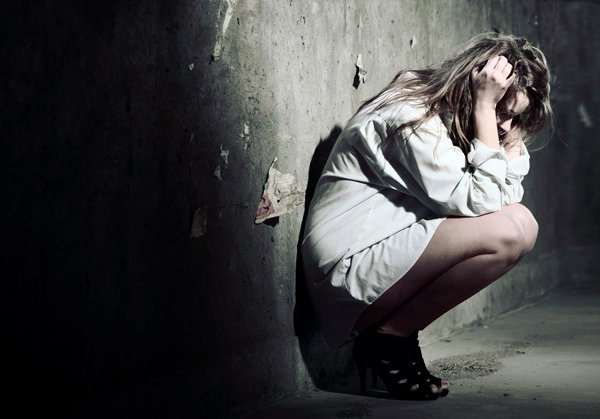
Six reasons people keep repeating painful experiences
1️⃣ To alleviate guilt. Some people feel guilty about success or pleasure, as if enjoyment were a transgression. They seek suffering to expiate guilt and pay off their conscience. In some cases, pain and suffering become the “admission price” for whatever pleasures they allow themselves
2️⃣To gain a sense of control and mastery. The person attempts to gain a sense of control over painful or traumatic experiences they once experienced helplessly. There is an underlying (unconscious) fantasy they can undo a past trauma, or right a past wrong, by repeating it and getting it to come out differently (but in reality, they just keep reliving the same pain)
3️⃣Suffering is home. An analogy can help us understand this: when panicked horses are rescued from a burning stable, they often run back in. The horses associate the stable with safety and security—it’s home
A child’s earliest attachments, however unhappy, are also home. However neglectful or abusive, that was where the child experienced whatever care and comfort they knew. In their search for comfort, they seek the same pain
4️⃣Secondary gain. Pain, suffering, and MH symptoms come with indirect or hidden benefits, which clinicians call “secondary gain.” Their difficulties may bring attention, sympathy, release from responsibilities, special treatment, even financial incentives (eg, disability pay). Secondary gain can be a powerful incentive for continued suffering
In psychotherapy, it can be helpful to invite patients to reflect on the *downside* of getting well. The first response is likely to be something like, “There is no downside, I’d do anything to get better.” If the therapist persists and says something like,“Not so fast, let’s really think about this,” there may be some suprising insights
5️⃣To punish others (passive-aggression). The desire to punish someone else can be more powerful than the desire to avoid pain. For example, a person may unconsciously sabotage their prospects for success or happiness *precisely because it’s what someone else wants for them* (hence the expression, “cutting of your nose to spite your face”)
Mental health symptoms also cause pain and suffering for *other* people. For example, a depressed person may be too depressed to do their share of work, earn a living, keep their social commitments, have sex with their partner, etc. There can be (generally unconscious) sadistic pleasure in inflicting this pain on others, especially without responsibility or consequences. But who can blame the suffering person? After all, they’re the victim
6️⃣To enhance self esteem or feel superior. For some, feelings of self-worth and even superiority are tied to self-deprivation and self-punishment. The person seems organized around the belief, “I am better than you because I suffer more.” The more suffering, the more they feel morally superior. In the clinical literature, this is called “moral masochism”
One caveat: these are rarely conscious choices. These patterns come about unconsciously
33
231
986
250,969
Snehal S retweeted
28 Jul 2024
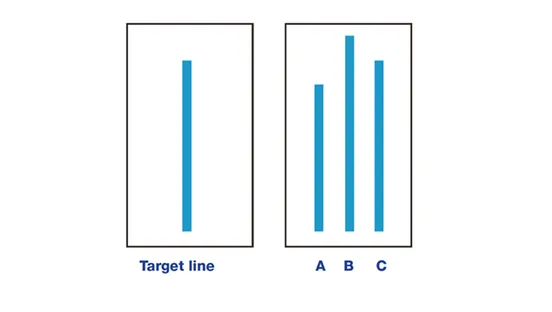
1/ Social psychologists long ago proved something utterly terrifying
People will disregard WHAT THEY SEE WITH THEIR OWN EYES to conform to what other people say
In a classic 1951 experiment by Solomon Asch, people looked at a picture of three lines & were asked to choose which
322
3,654
13,769
2,615,580
16 Aug 2024
What #MamataBanerjee is doing now is an emotional abuse to every woman of this country
She has the audacity to do the staged protest against the system while she is the one heading the system
Capital Punishment cannot lead end a crime that is systemic.
#BengalHorror
(1/n)
1
1
6
236
16 Aug 2024
Addressing cause of crime involves working on issues like societal attitudes towards gender, education, poverty, & mental health, etc rather than relying on death penalty.
Politicians escape from the responsibility of reformation by making sensational statements and demands.
2
89
Snehal S retweeted
19 Jun 2024
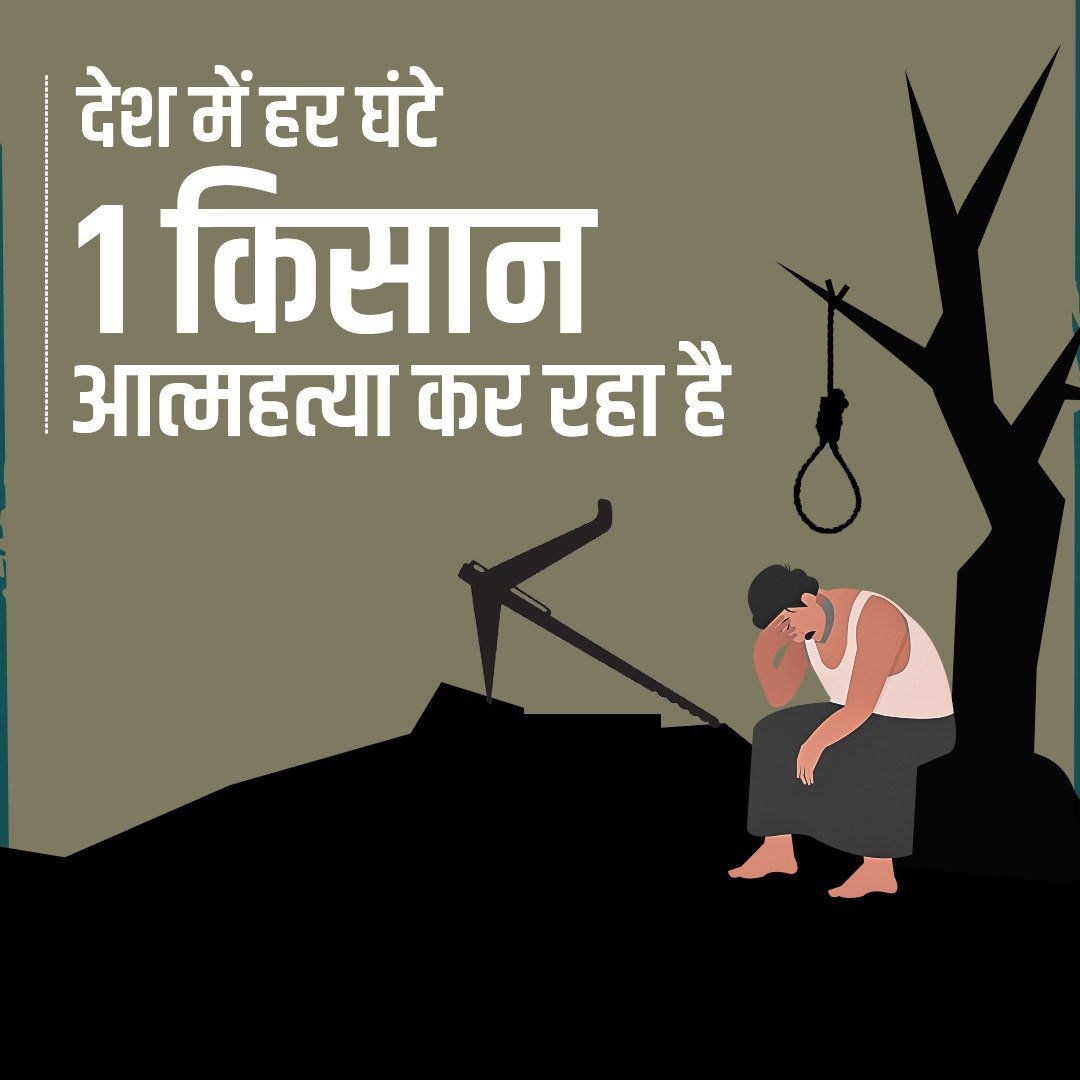
Dear @INCIndia this poster is breaking all the guidelines to spread awareness/report about death by suicides. Such Visualisation can trigger people living with mental health problems. Please take it down!
@RahulGandhi @priyankagandhi

2
1
3
252
Snehal S retweeted

19 Jun 2024
Don't know who runs the Social Media handle for @INCIndia but this is terrible way to communicate on suicide. Breaks all national and international guidelines.
We would be happy to provide you with advice on how to communicate about suicide. And we don't charge for it!
4
21
114
5,848