
🌌 Daily Sufi poetry, Rumi wisdom & mystical relief for the seeking heart | YouTube & Substack
Joined March 2023
- Tweets 277
- Following 24
- Followers 78
- Likes 56
139 Photos and videos






Pinned Tweet

May 17
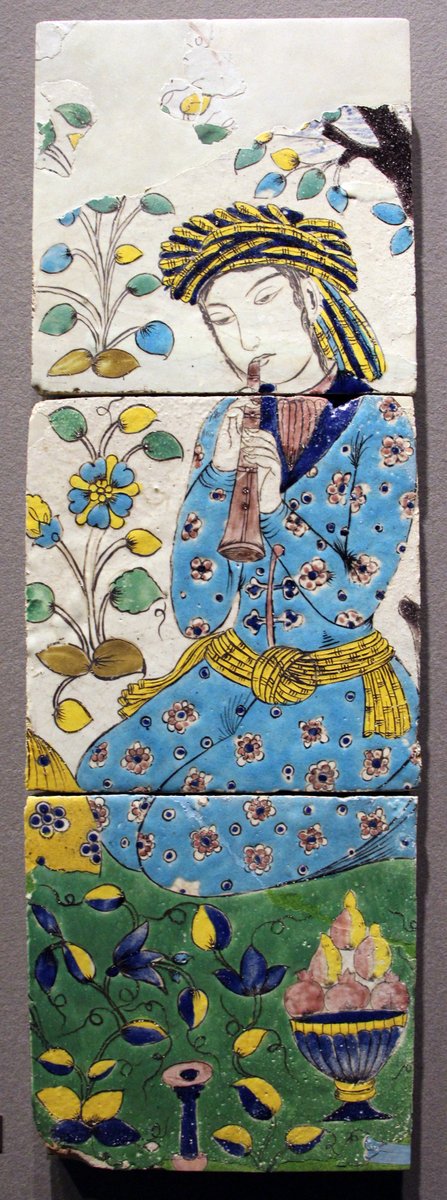
"Listen to the reed and the tale it tells,
how it sings of separation."
This is the iconic opening line in Coleman's popular English rendering of Rumi’s Masnavi, that begins with the voice of the ney (reed flute).
It beautifully captures the theme of the soul’s longing for reunion with the Divine — the ney’s mournful sound arising from being cut from the reed-bed, just as the human spirit yearns after separation from its Source.
بشنو از نی چون حکایت میکند
از جداییها شکایت میکند
7
618
Shams did not offer comfort. He offered truth so fierce and so tender that Rumi’s old self had no choice but to die. And in that dying, the poetry began.
Every seeking heart still carries this possibility. Somewhere, in a glance, a word, or a sudden silence, the Shams of our own life may arrive — not to make the path easier, but to make us real.
1
19
From the 13th century, Rumi stated, "Burn in the fire of transformation; that is how you become gold." Despite centuries between Rumi and Nietzsche, they can be compared for their radical approach to human potential, transcending ego, and the embrace of existential struggle 🕯️✨🎇

“You must be ready to burn yourself in your own flame.”
— Nietzsche

2
70
In the silence where the seeker kneels,
a voice that has no sound begins to speak.
It does not say “come later” or “try harder”—
it simply opens like a rose at dawn. All the veils you wove with fear and striving
fall away without a single hand to touch them.
What remains is not emptiness, but presence—
the same light that has been waiting in your chest. Drink this moment. It is already yours.
The Beloved has never left the room. 🌌
2
37
🌿 A seeker lost in a forest of sorrow sat beneath an ancient tree and stopped forcing the way out. Moonlight filtered through, revealing a path deeper into the heart.
Emotional comfort often arrives in surrender, not struggle.
1
23
If today feels heavy, remember this gentle invitation from the heart.
This being human is a guest house.
Every morning a new arrival.
A joy, a depression, a meanness,
some momentary awareness comes
as an unexpected visitor.
Welcome and entertain them all!
Even if they are a crowd of sorrows…
still, treat each guest honorably.
He may be clearing you out for some new delight.
You don’t have to fix every feeling.
Just make space for it. 🌿
#SufiWisdom #EmotionalHealing #Rumi #MindfulLiving #SpiritualRelief
2
40
Spiritual Relief retweeted

Jun 15
Jun 15

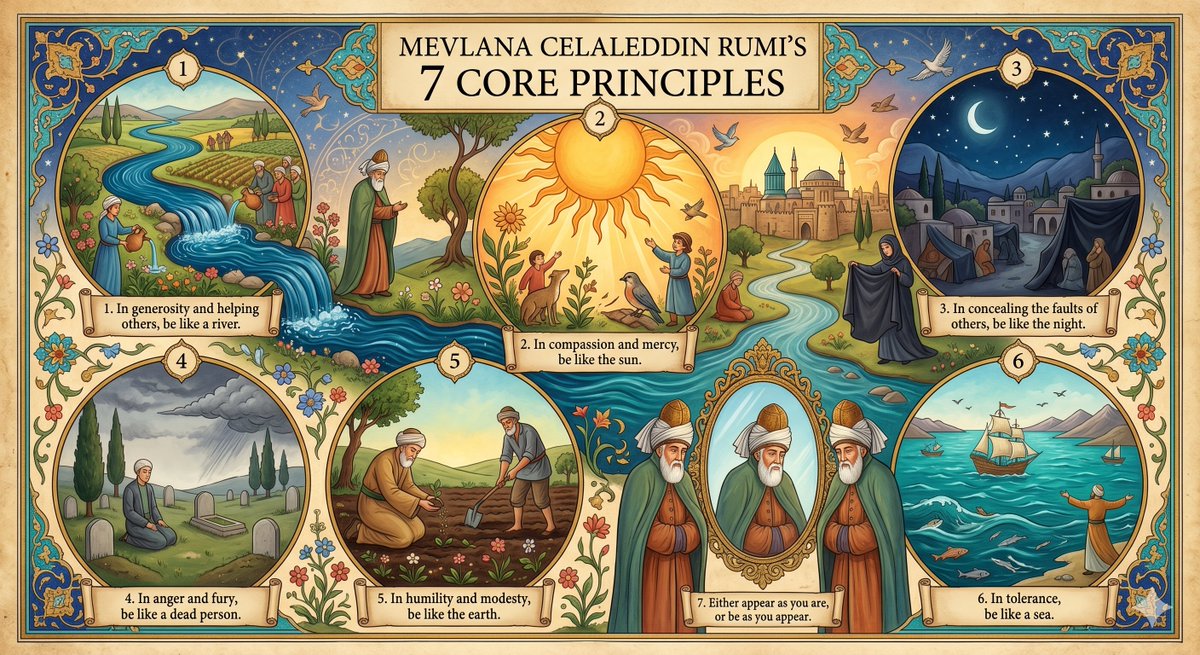
Mevlana Celaleddin Rumi's 7 Core Principles:
In generosity and helping others, be like a river.
In compassion and mercy, be like the sun.
In concealing the faults of others, be like the night.
In anger and fury, be like a dead person.
In humility and modesty, be like the earth.
In tolerance, be like a sea.
Either appear as you are, or be as you appear.
#rumi
1
52
To the Sufi mystic, life's challenges, seasons, and transitions are all sacred reminders to let go of the ego. The cycle asks the seeker to live completely in the present moment, viewing their soul’s unfolding much like the phases of the moon—moving through shadow, illumination, stillness, and renewal 🌊🌔
25 Jan 2021

Some call it Nature, others God.
— Ramana Maharshi
1
4
89
Jun 15
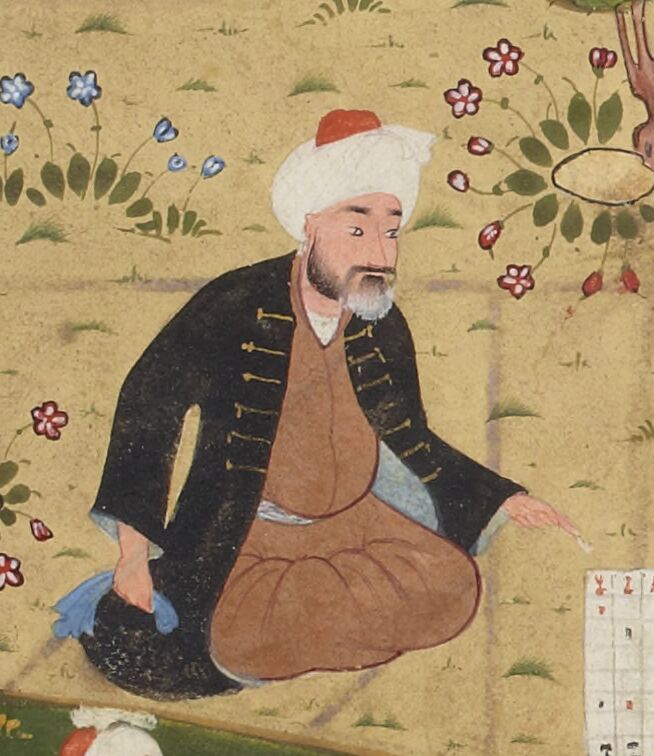
He did not come with books or gentle teachings. He came with a gaze that burned away every veil Rumi had carefully woven around his heart.
ALT shams of tabriz
1
7
119
Jun 15
yes, sometimes it can be more comfortable to not see beyond. When ready, Rumi has said, "Why do you stay in prison when the door is so wide open?"
Jun 15

'...we don't just live in the universe; the universe lives within all of us.'
Profound.
Yet people refuse to see beyond the small world they live in. That there could be anything beyond their immediate vicinity and near surroundings. Any extraterrestrial existences, denied.
1
2
43
Jun 15
🌿Reflection:
Sometimes the deepest relief comes not from fixing everything, but from finally deciding you don’t have to. In the Sufi way, the heart learns to rest in the Divine even while the world keeps turning. You are allowed to set the burden down—not because the problem disappeared, but because you remembered Who is carrying it with you. ❤️
3
45
Jun 15
🌹For the seeking heart:
Twin Branches
Sorrow and joy grow from the same stem.
Pluck one, and the other trembles.
The thorn does not oppose the rose —
it guards its secret fragrance. In the orchard of the soul
every wound is the Gardener’s touch,
pruning what blocks the light
so the bloom may open wider.
Stop fighting the thorn.
Breathe with it.
Then watch how relief
rises like fragrance
from the very place you once called pain.
4
27
Jun 14
There is always a way forward, even when things feel impossible. 💫
May 25

🌿 “Come, come, whoever you are, wanderer, worshipper, lover of leaving… Ours is not a caravan of despair.” — Rumi
Even in our lowest moments, the door is still open. This is the gentle invitation the soul longs to hear.
Which line speaks to you most? 💫
#Sufism #Rumi #SpiritualRelief
3
34
Jun 14
🌿In Aṭṭār’s Mantiq al-Tayr (The Conference of the Birds), composed around 1177 CE in Nishapur, thirty birds set out across seven valleys in search of their king, the legendary Simurgh—only to discover at the journey’s end that “si murgh” (thirty birds) is the Simurgh itself.
Aṭṭār, the master pharmacist of the soul, maps the precise geography of annihilation (fanā’) and subsistence (baqā’):
the Valley of Seeking,
the Valley of Love,
the Valley of Knowledge,
the Valley of Detachment,
the Valley of Unity,
he Valley of Bewilderment, and finally
the Valley of Poverty and Annihilation.
The birds arrive at the threshold of the divine court exhausted, stripped of every feather of selfhood. There, the veil lifts: the seeker and the Sought have never been two.
Aṭṭār writes: “They saw the Simurgh—yet what they saw was thirty birds;
They saw the thirty birds—and what they saw was the Simurgh.” 🌿
1
4
51
Jun 14
I was a hidden treasure, longing to be known.
So I created the worlds, and I became the worlds.
I was a drop of water, I became the sea.
I was a spark of fire, I became the sun.
Now there is no “I” left—
only the echo of “You” in every heartbeat.
~Rūmī, Diwan-i Shams, Ghazal 214 (adapted from classic translations)
3
30
Jun 14
❤️Daily Reflection:
🌿The Hollow Reed
Cut from the reed-bed of the Real,
I became a flute of longing.
Every note I breathe
is the story of my separation.
Yet the Beloved listens not to the melody alone,
but to the emptiness between the notes —
the hollow where Union waits.
What if your emptiness
is not a wound to be filled,
but the very shape
the Divine has chosen
to play Its song through you?
2
21
Jun 13
1/3
The Gulistan (“Rose Garden”) of Saʿdī Shīrāzī stands as the single most influential work of classical Persian prose. Completed in 1258 CE (656 AH) in the city of Shiraz, it was composed in the immediate aftermath of the Mongol sack of Baghdad.
Saʿdī presents the work as a garden of wisdom: where ordinary flowers last only days, these “flowers” of insight remain perpetually fresh.
Structured as an introduction followed by eight chapters — likened by the author to “eight gates to paradise” — the Gulistan systematically explores human conduct across every sphere of life: the manners of kings, the morals of dervishes, the excellence of contentment, the advantages of silence, love and youth, weakness and old age, the effects of education, and rules for conduct in life.
Each chapter interweaves concise prose anecdotes with short, aphoristic poems, creating a literary form that is at once narrative, ethical, and poetic.
1
2
58
Jun 13
2/3
Saʿdī’s genius lies in his fusion of elegant prose and verse. The prose is spare and precise, functioning almost as a frame for the moral; the poetry distills the lesson into memorable couplets.
Across roughly 595 short poems, he employs a variety of metres while maintaining remarkable concision — often no more than two couplets per reflection. This hybrid style allows Saʿdī to move fluidly between storytelling and philosophical insight.
A single anecdote may depict a king’s injustice or a dervish’s humility, only to conclude with a verse that universalises the moment. The tone is never purely didactic; it carries a subtle Sufi sensibility, gently revealing how worldly experience can become a path toward inner refinement and awareness of the Divine.
1
1
33
Jun 13
3/3
The enduring power of the Gulistan lies in its capacity to speak across centuries and cultures. Its most celebrated passage, from the chapter on the manners of kings, articulates a vision of human interconnectedness that remains profoundly relevant:
“Human beings are members of a whole,
In creation of one essence and soul.
If one member is afflicted with pain,
Other members uneasy will remain.
If you have no sympathy for human pain,
The name of human you cannot retain.”
Through its garden of stories and verses, Saʿdī offers not abstract doctrine but lived wisdom — a mirror in which rulers and ordinary souls alike may recognise both their frailty and their shared divine origin. The Gulistan thus continues to function as both ethical guide and spiritual companion, its roses blooming wherever the seeking heart pauses to read.
1
26
Jun 13
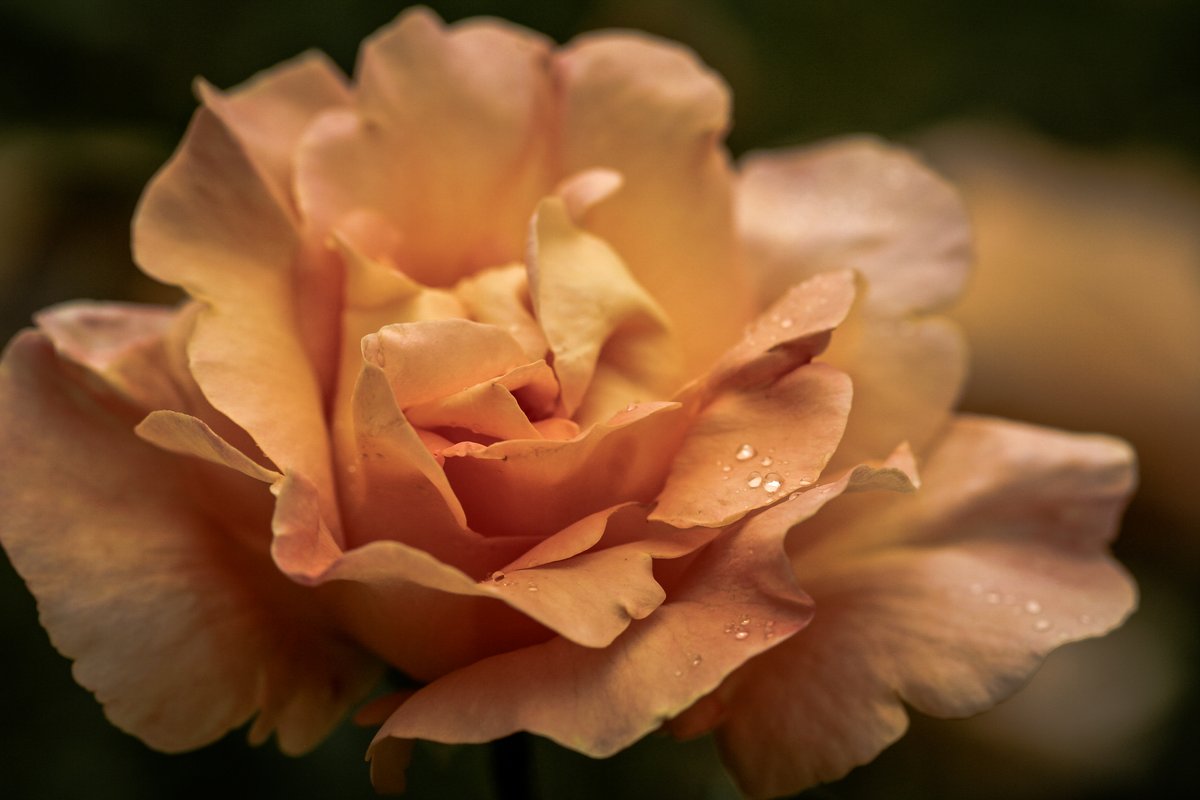
In the Masnawi, Rūmī declares that this poem is “the shop of Unity where the soul comes to trade its illusions for the Real.”
Each of its 25,000 verses functions not as poetry but as a living mirror: every parable, every sudden turn of image, is a surgical incision into the heart of duality.
The famous reed-flute lament is the ontological cry of every soul severed from its divine origin. Rūmī writes: “Listen to the reed how it tells its tale:
It complains of separation…”🌿🌹✨
3
31
Jun 13
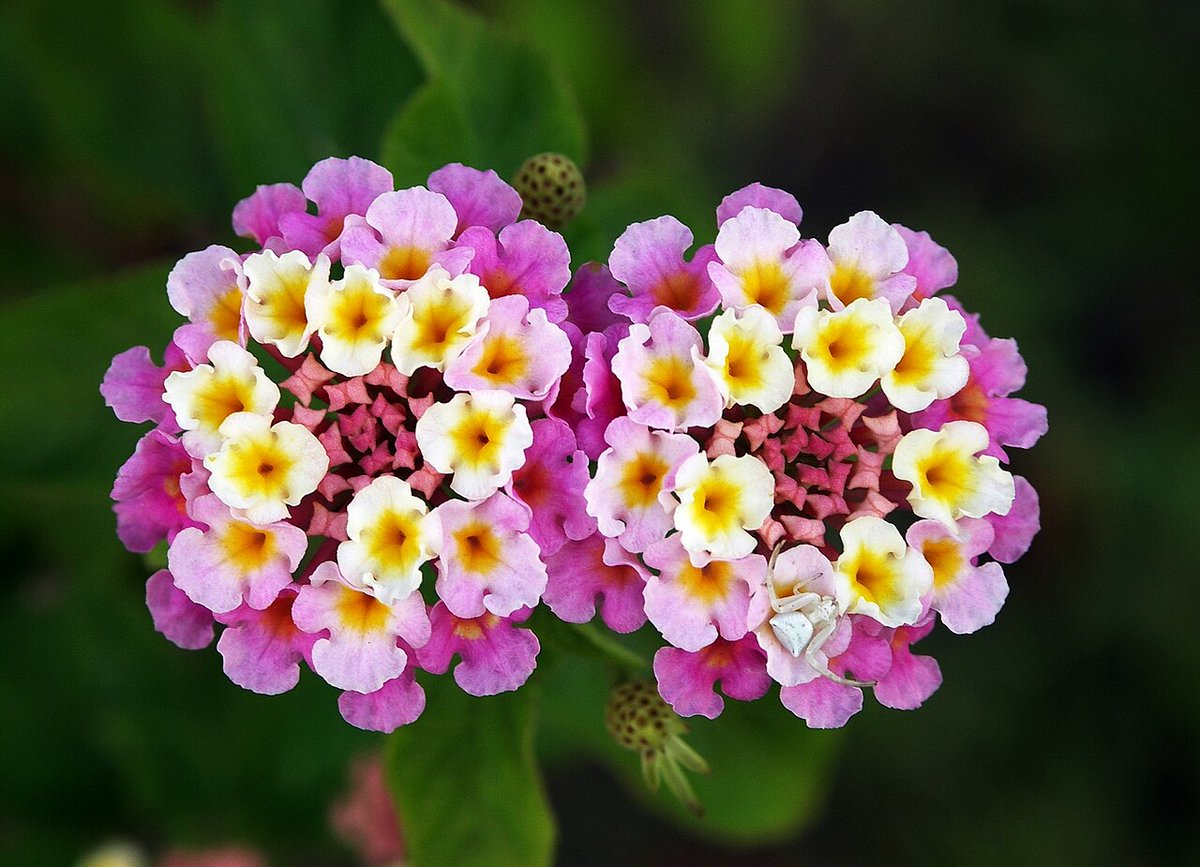
The rose and the thorn grow from the same stem.
The wise gardener does not curse the thorn—
he thanks it for guarding the rose.
So too with sorrow and joy:
they are twin fruits on the tree of life.
Pluck one, and the branch of the other trembles.
~Saʿdī, Bustan, Chapter 1 (adapted from classic prose translations)
1
32