
Publisher of space science, astronomy and astrophysics titles for amateurs and professional researchers. Part of @SpringerNature
Joined November 2009
- Tweets 4,114
- Following 828
- Followers 3,804
- Likes 1,207
537 Photos and videos
Springer Astronomy retweeted

Jan 6
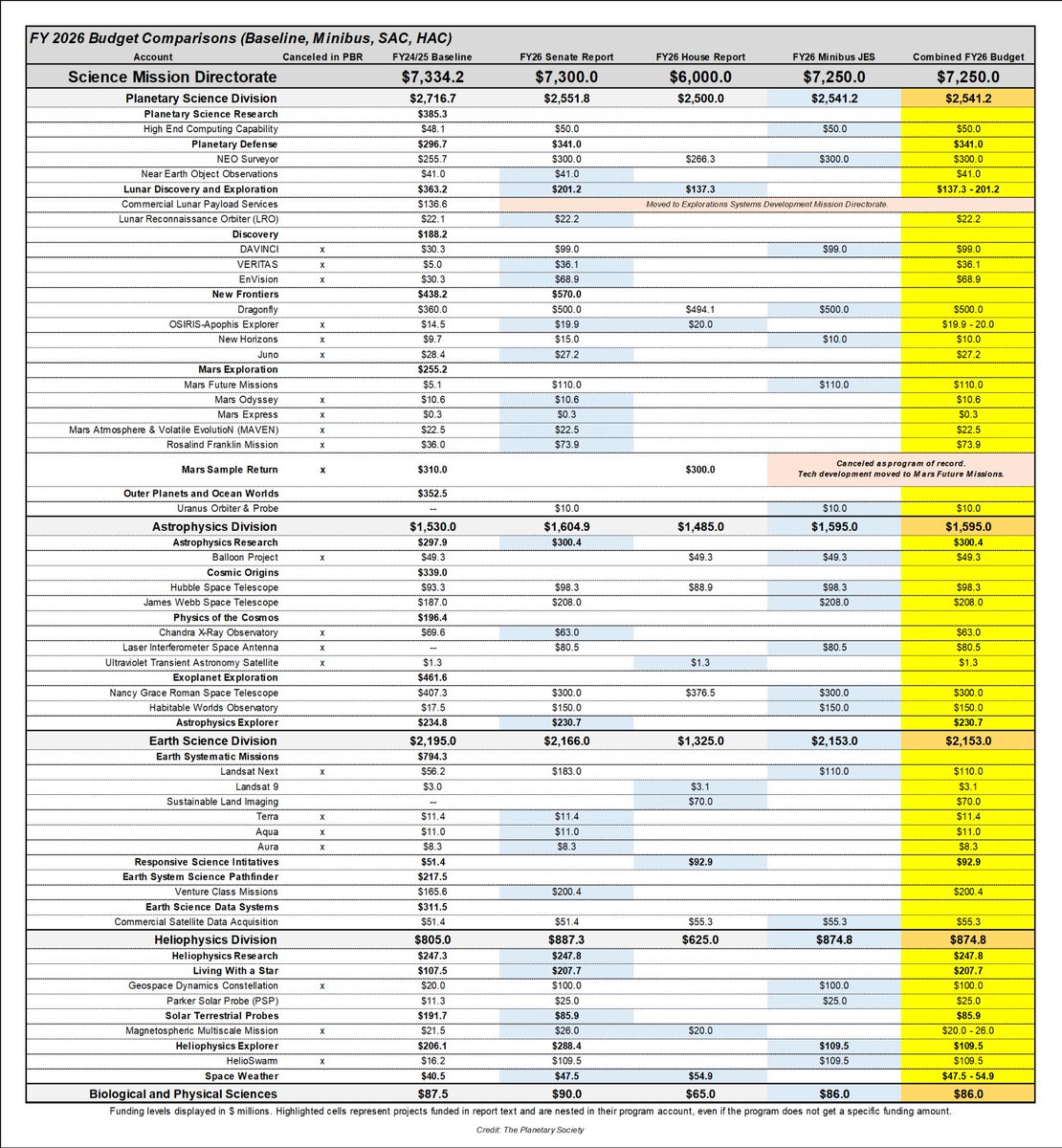
A *really really* helpful chart re: NASA/Minibus from my dear friend @JackKiraly at the @exploreplanets Planetary Society. Because the CJS Joint Explanatory Statement gives the House and Senate CJS reports equal standing (unless contradicted in the Conference Report), you really have to "combine" the Senate, House, and Conference CJS reports to understand what is funded and what is not for NASA Science in the Minibus. Here it is (and thank you buddy!)
3
27
137
24,329
Springer Astronomy retweeted

2 Dec 2025
Happy birthday, SOHO! — Take a look back with #SolarPhysics' 1995 special issue dedicated to the SOHO payload and its operation: link.springer.com/collection…
2 Dec 2025

🌞🛰️Sun-watcher SOHO turns 30! 🎂
"SOHO has overcome nail-biting challenges to become one of the longest-operating space missions of all time" – Prof. @CGMundell, ESA Director of Science
👉esa.int/Science_Exploration/…
📷 SOHO (@esa & @NASA)
2
6
262

1 Dec 2025
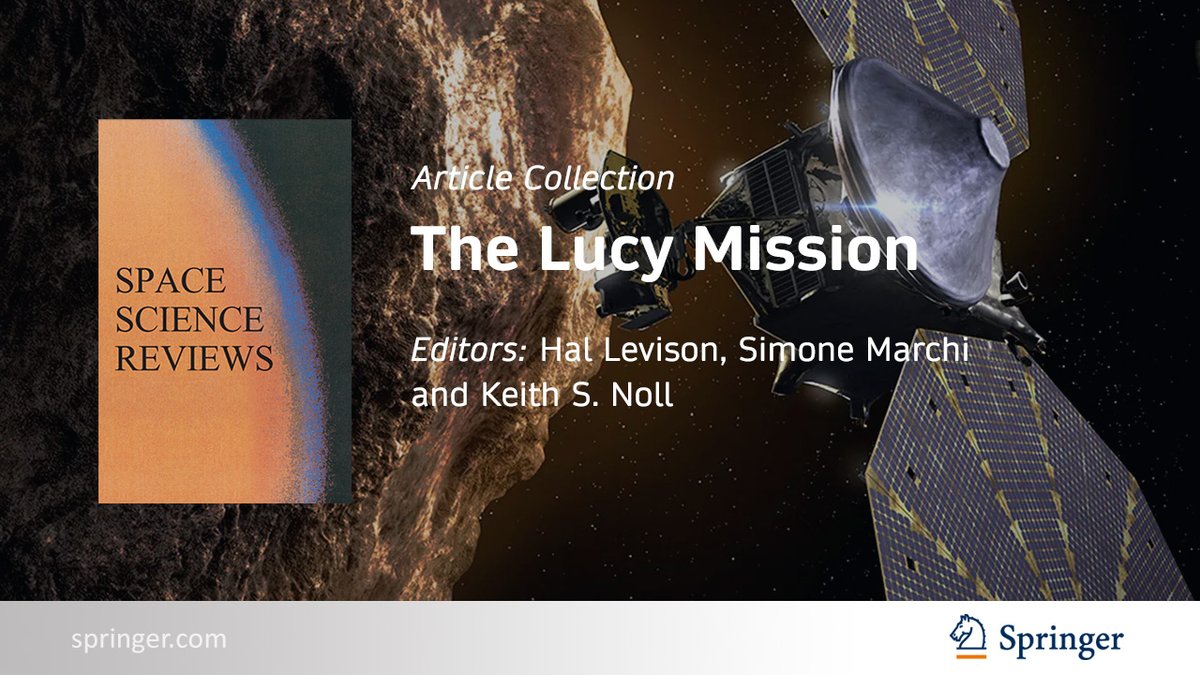
"The Lucy Mission": #OpenAccess article collection completed link.springer.com/journal/11… — Start reading the editors' introduction by Keith Noll, Hal Levison & Simone Marchi doi.org/10.1007/s11214-025-0… #SpaceSciRev
ALT Article Collection: The Lucy Mission
90
Springer Astronomy retweeted

27 Nov 2025
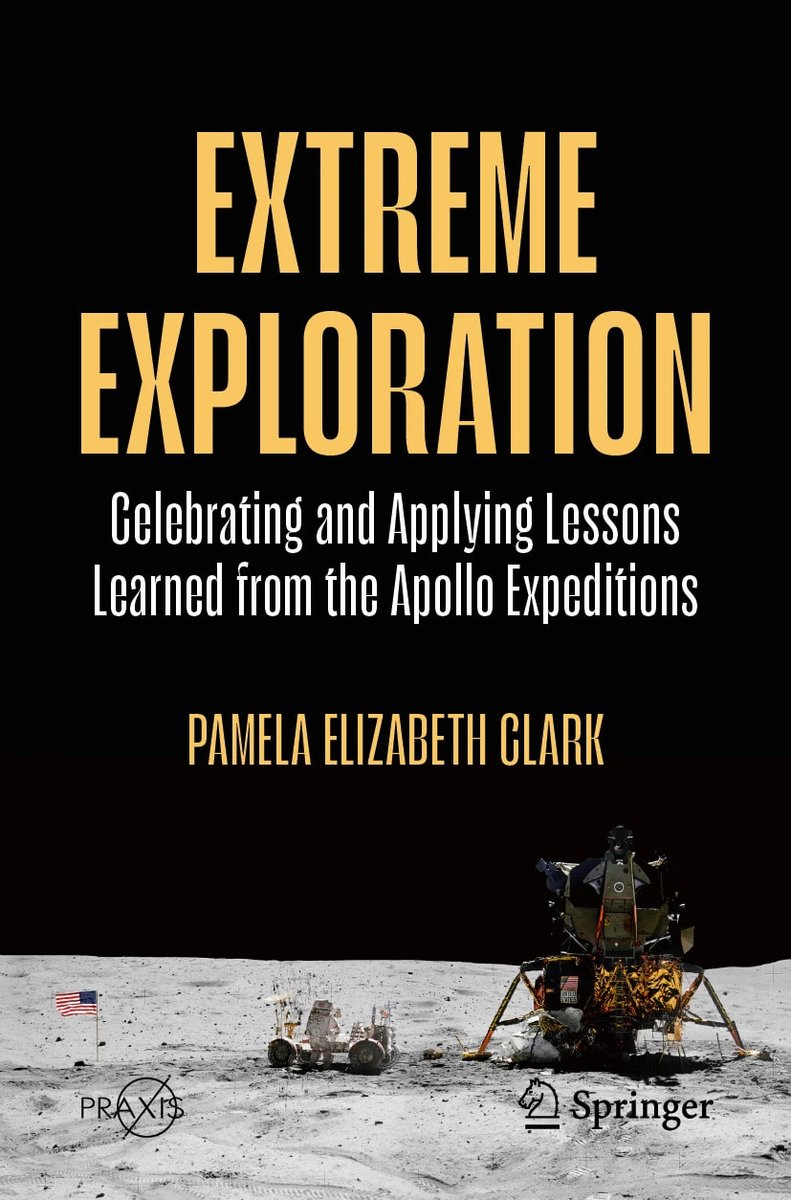
'Extreme Exploration: Celebrating And Applying Lessons Learned From The Apollo Expeditions', by Pamela Elizabeth Clark, describes a relatively unsung triumph of the Apollo program. spklr.io/6014BV6KC #SpacePhysics
ALT Extreme Exploration
2
1
178
21 Nov 2025
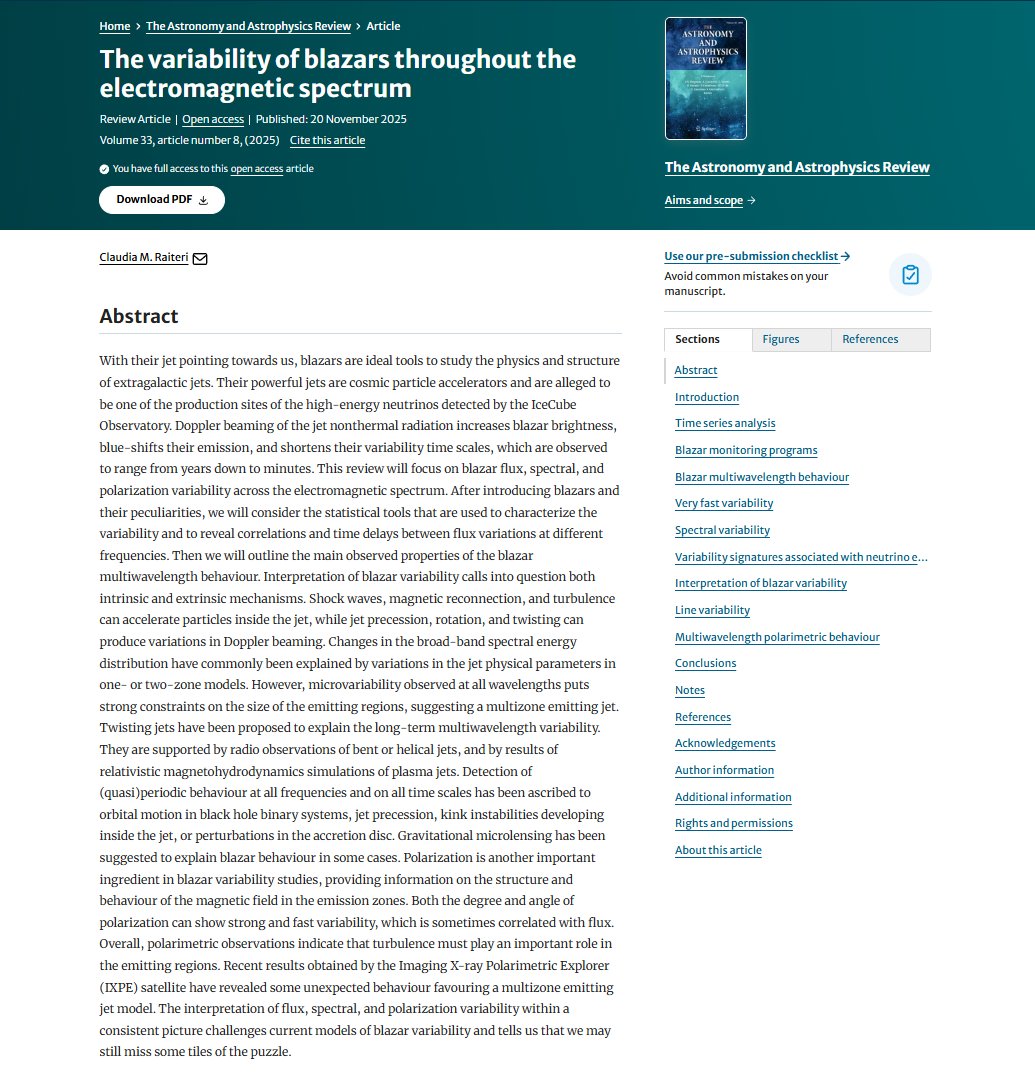
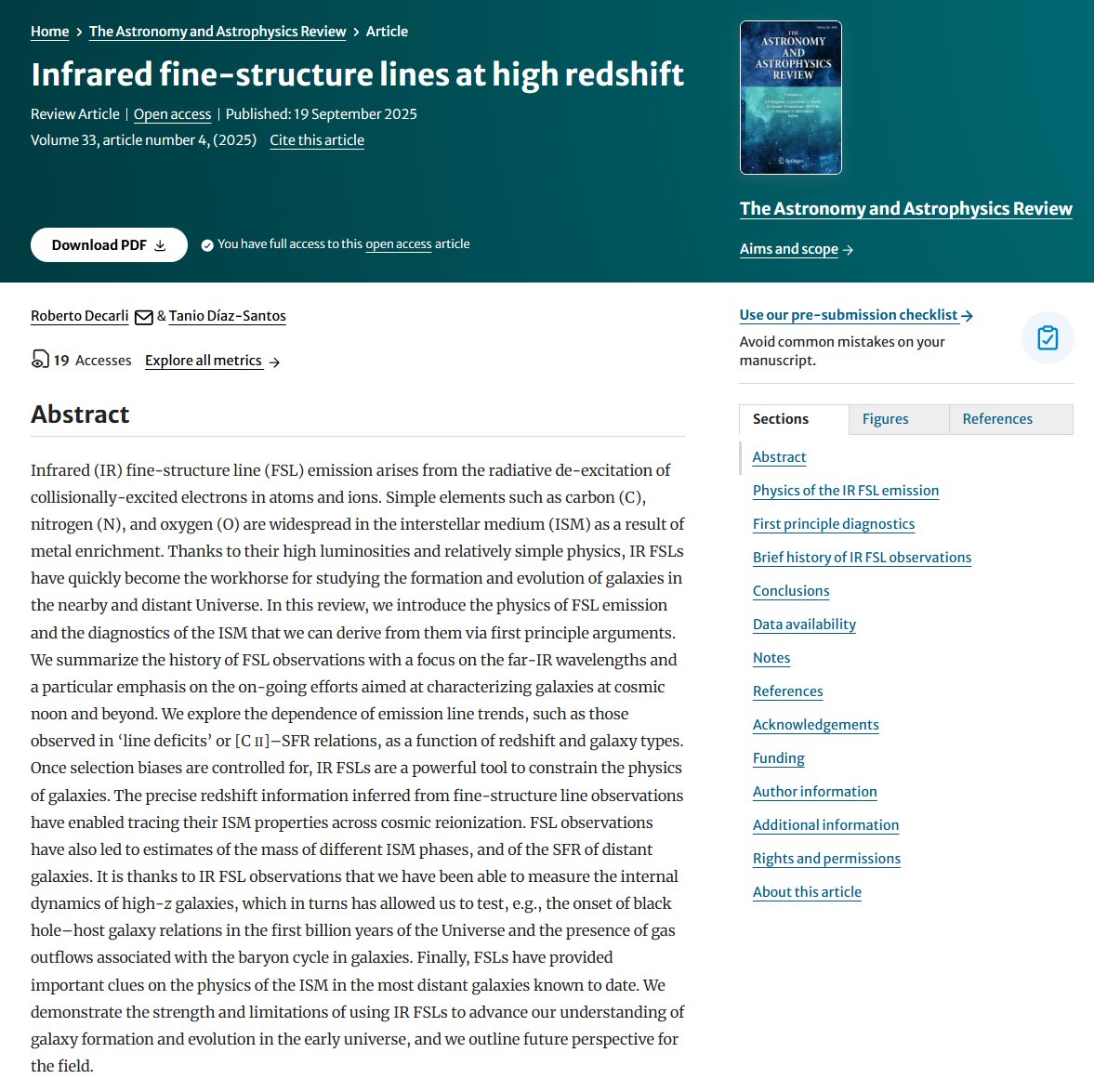
New #OpenAccess review article:
Claudia M. Raiteri (@INAF_OATo) The variability of blazars throughout the electromagnetic spectrum. #AstronAstrophysRev 33, 8 (2025). doi.org/10.1007/s00159-025-0…
ALT article screenshot
1
89
17 Nov 2025
The #LivingReviews journals are unique in maintaining a suite of high-quality #openaccess review articles, which are kept up-to-date by the authors. This is the meaning of the word "living" in the journal's title.

Living Reviews in Computational Astrophysics — #ReviewArticle update published:
Minna Palmroth, Urs Ganse, Yann Pfau-Kempf et al. Vlasov methods in space physics and astrophysics. #LivingRevComputAstrophys 11, 3 (2025). doi.org/10.1007/s41115-025-0… #OpenAccess
1
131
14 Nov 2025
Also read the first articles in our #SpaceSciRev collection on the "Solar wind Magnetosphere Ionosphere Link Explorer (SMILE)": link.springer.com/collection…
14 Nov 2025
Part of #CosmicVision, @ESA_Smile is a joint European–Chinese mission that will give us a global picture of the interaction between the Sun and Earth.
By improving our understanding of geomagnetic storms, solar wind and space weather, Smile will help keep our technology & astronauts safe.
1/ #CM25
98
13 Nov 2025
Next #CelestMechDynAstron Seminar:
Vanessa Vichi and James McElreath & Manoranjan Majji present their recent work in CM&DA:
📅 Friday 14th Nov 2025
⏰ 15.00 PM (GMT 1)
cassyni.com/events/Kqb1kV8Cc…
Register at Cassyni for news on upcoming webinars!
102
Springer Astronomy retweeted
13 Nov 2025
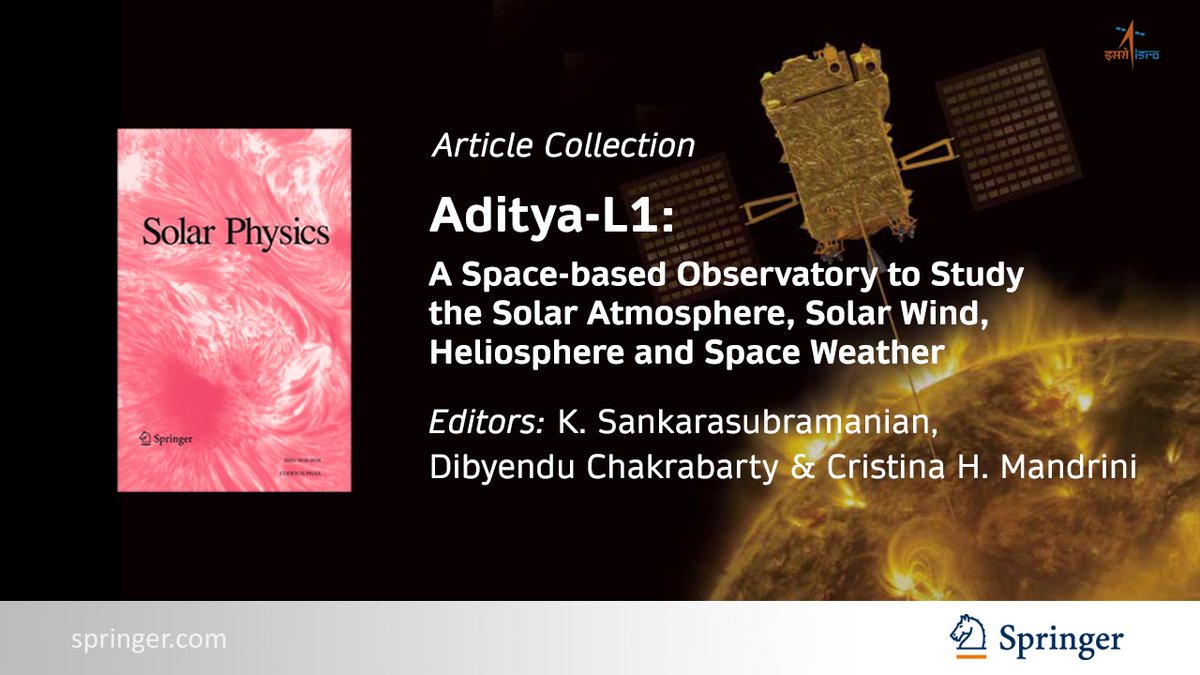
"Aditya-L1: A Space Based Observatory to Study the Solar Atmosphere, Solar Wind, Heliosphere, and Space Weather" — #SolarPhysics collection of 10 articles on the #AdityaL1 mission has been completed and is available free to read from 14 Nov to 14 Dec 2025: link.springer.com/journal/11…
ALT Aditya-L1 article collection
1
3
178
13 Nov 2025
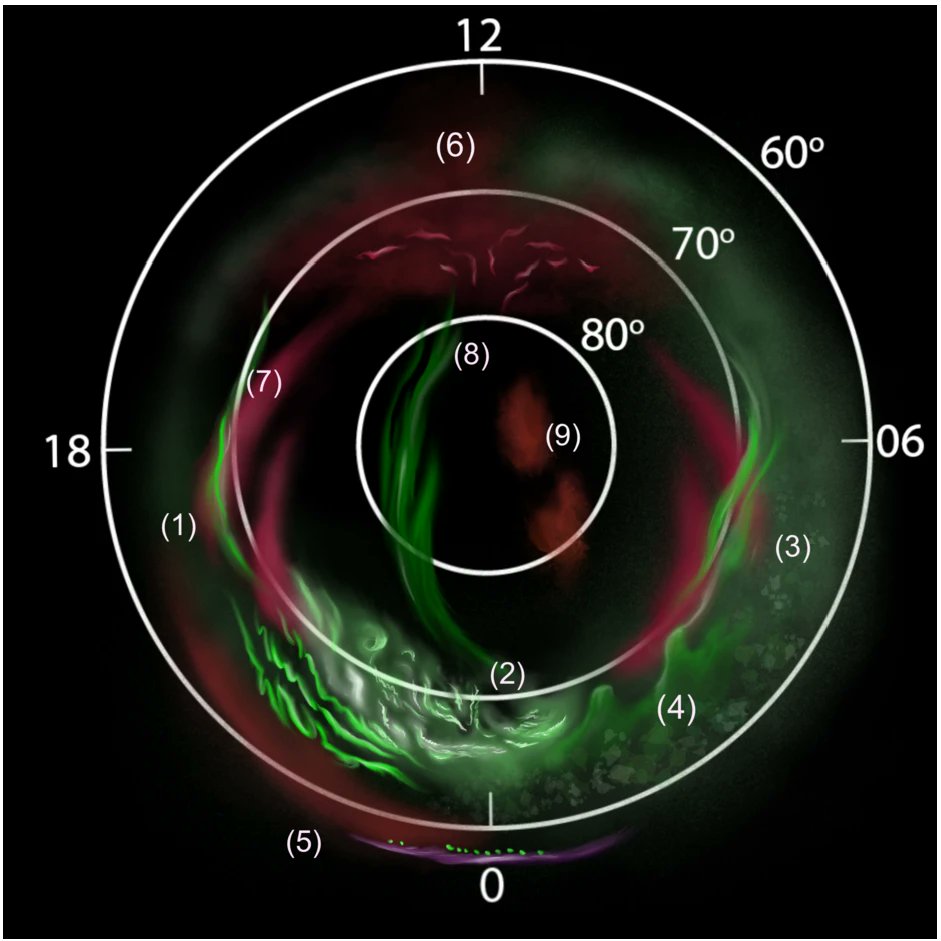
Revisit our #SpaceSciRev issue "Auroral Physics": link.springer.com/collection…
This collection provides a comprehensive review of our current scientific understanding of the terrestrial aurora, both observational and theoretical.
#Aurora #AuroraBorealis #NorthernLights
ALT a sketch of auroral forms
1
149
13 Nov 2025
Read more details in this major mission review paper:
Heike Rauer, Conny Aerts, Juan Cabrera et al. The PLATO mission. #ExpAstron 59, 26 (2025). doi.org/10.1007/s10686-025-0… #OpenAccess
12 Nov 2025
A #CosmicVision mission, @ESA_Plato will use its 26 cameras to study terrestrial exoplanets in orbits up to the habitable zone of Sun-like stars.
Plato will revolutionise our understanding of how planets form, how planetary systems evolve & the potential habitability of these worlds.
1/ #CM25
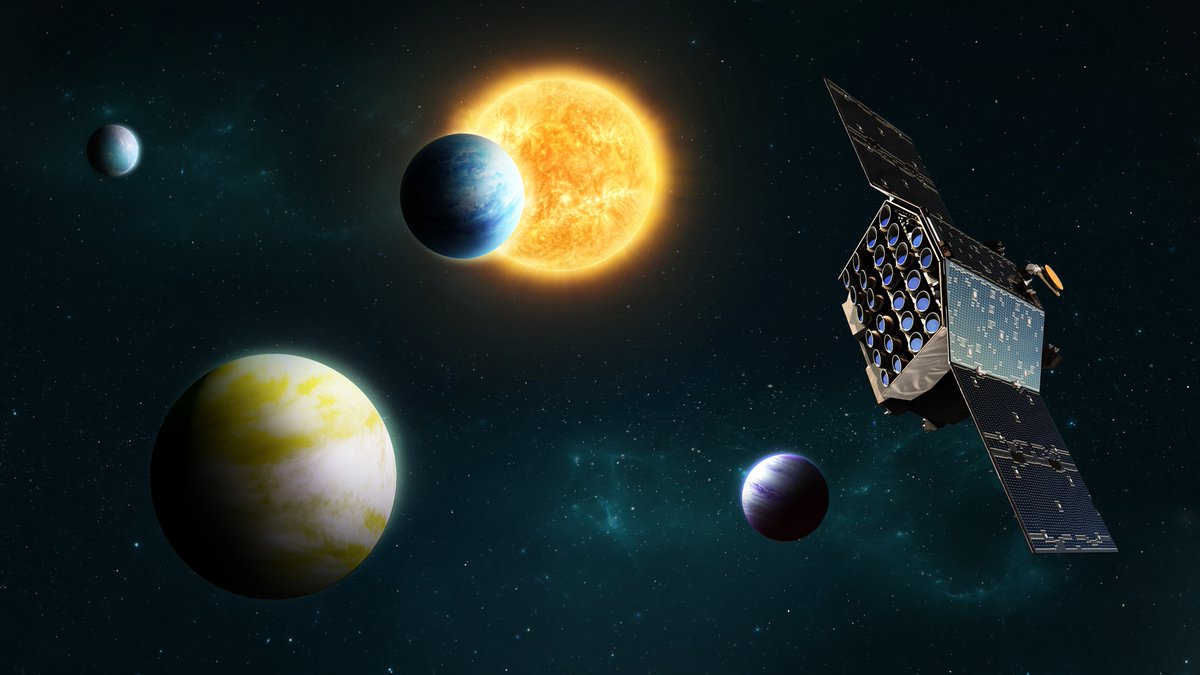
ALT This is an artist's impression of ESA’s mission Plato, PLAnetary Transits and Oscillations of stars, which will discover potentially habitable planets around stars similar to our Sun. The spacecraft is seen in space, studying a star system with four planets. The central star is also visible.
103
Springer Astronomy retweeted

Living Reviews in Computational Astrophysics — #ReviewArticle update published:
Wolfram Schmidt-Brückner. Large eddy simulations in astrophysics. #LivingRevComputAstrophys 11, 2 (2025). doi.org/10.1007/s41115-025-0… #OpenAccess
2
4
113
10 Nov 2025
New #ReviewArticle:
Mathias Schultheis, Mattia C. Sormani, Dimitri A. Gadotti. Nuclear stellar discs. #AstronAstrophysRev 33, 7 (2025). doi.org/10.1007/s00159-025-0… Free access: rdcu.be/eO8SA
98
Springer Astronomy retweeted
6 Nov 2025
Our new #Springer hub is here! 🎉 Explore all Springer books, journals, and book series—now in one place. Start discovering today: spklr.io/6018BzLum.
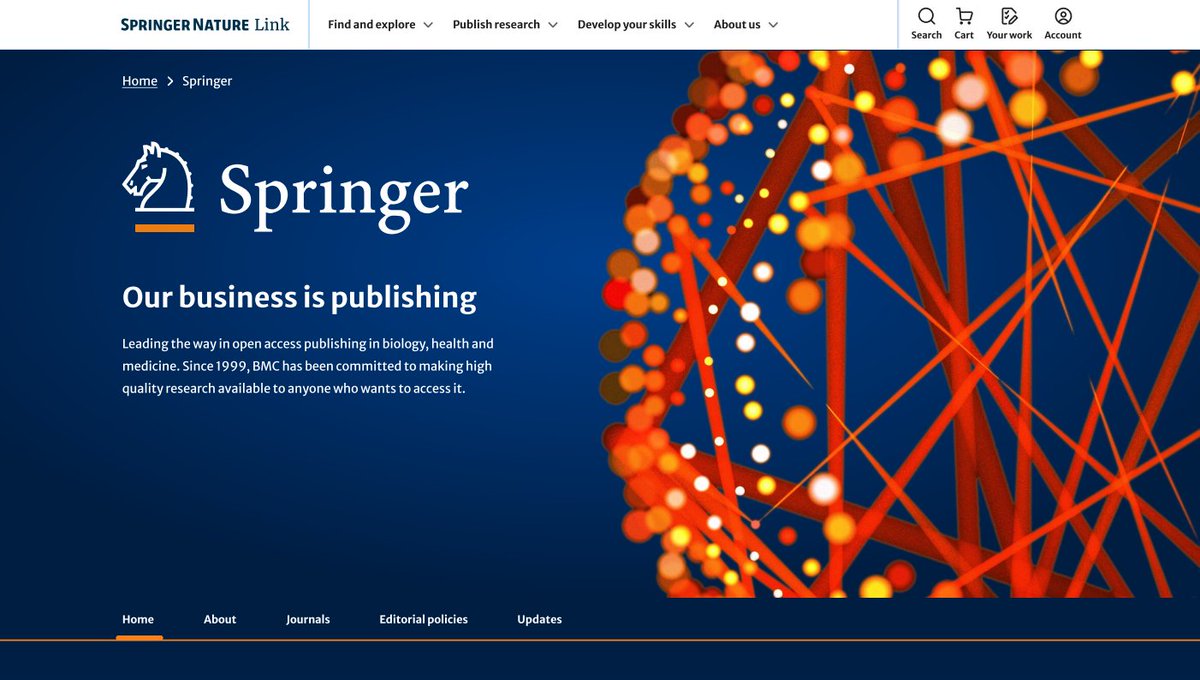
ALT Springer Nature Link webpage. Includes links to 'Find and explore', 'Publish research', 'Develop your skills', and 'About us'.
7
7
643
6 Nov 2025
"Taking the Moon's temperature with beeswax"
by Andy Tomaswick, Universe Today
phys.org/news/2025-11-moon-t…
A group from MIT recently released a paper in #SpaceSciRev that describes the design and testing results of passive sensors sent to the Moon on the ill-fated Rashid-1 rover.
1
1
75
31 Oct 2025
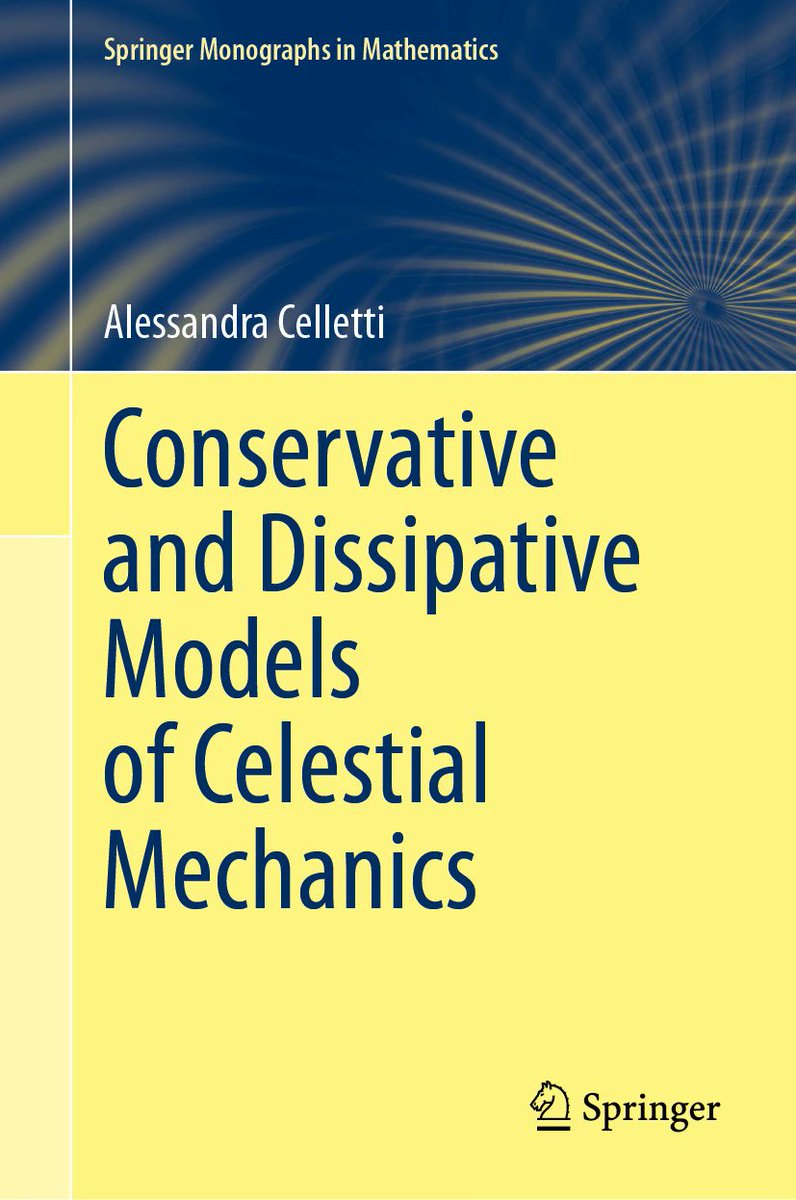
Alessandra Celletti (2025) Conservative and Dissipative Models of Celestial Mechanics. Springer Monographs in Mathematics. Springer, Cham. doi.org/10.1007/978-3-032-01…
@SpringerMath @unitorvergata
ALT book cover
1
8
442
Springer Astronomy retweeted

29 Oct 2025
With profound sadness and an immense appreciation for his groundbreaking contributions to the space science community, AGU mourns the passing of our esteemed and much-loved colleague and friend, Professor Michael (Misha) Balikhin.
AGU sends its heartfelt sympathies and support to Misha’s family and friends. May his memory leave a lasting impact and be a source of inspiration for our entire community.
fromtheprow.agu.org/agu-mour…

1
1
590
28 Oct 2025
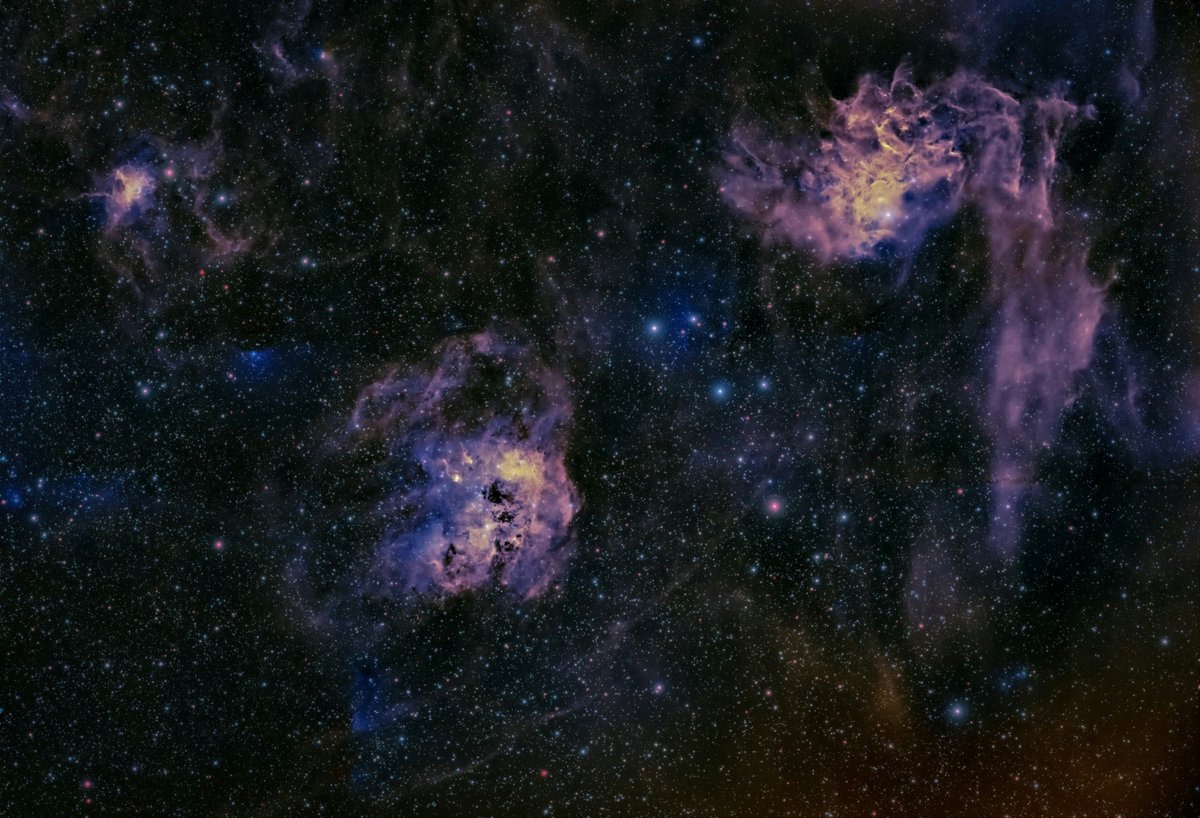
Potapov, A., McCoustra, M.R.S., Tazaki, R. et al. Is cosmic dust porous? #AstronAstrophysRev 33, 6 (2025). doi.org/10.1007/s00159-025-0… #OpenAccess #ReviewArticle
29 Sep 2025

🌌 Cosmic dust is spongier and fluffier than thought, says Prof Martin McCoustra and his international colleagues.
These “fluffy little sponges” may be key to star & planet formation – and even the origins of life. Read more: shorturl.at/vSOGB
#astrochemistry
83
27 Oct 2025
#OpenAccess #ReviewArticle
Nora Elisa Chisari. A rising tide: intrinsic alignments since the turn of the millennium. #AstronAstrophysRev 33, 5 (2025). doi.org/10.1007/s00159-025-0… #galaxies #cosmology
73
23 Oct 2025
#DEP Francisco Sánchez (1926–2025), director fundador del @IAC_Astrofisica
2 Mar 2021

Francisco Sánchez "The Rise of Astrophysics in Modern Spain: From Dictatorship to Democracy" (Springer 2021). springer.com/gp/book/9783030…
English translation of "Soñando estrellas: así nació y se consolidó la astrofísica en España" (@IAC_Astrofisica 2019). Foreword by @DrBrianMay.
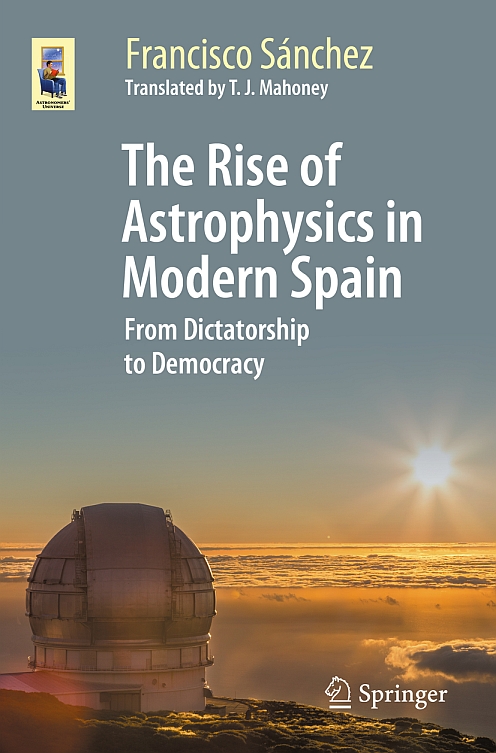
ALT book cover image
2
151