
Tweets on all aspects of Springer’s Pathology publishing program. Check out this space for free to read articles, upcoming conferences and much more..
Joined January 2014
- Tweets 3,588
- Following 42
- Followers 2,305
- Likes 538
227 Photos and videos



Springer Pathology retweeted

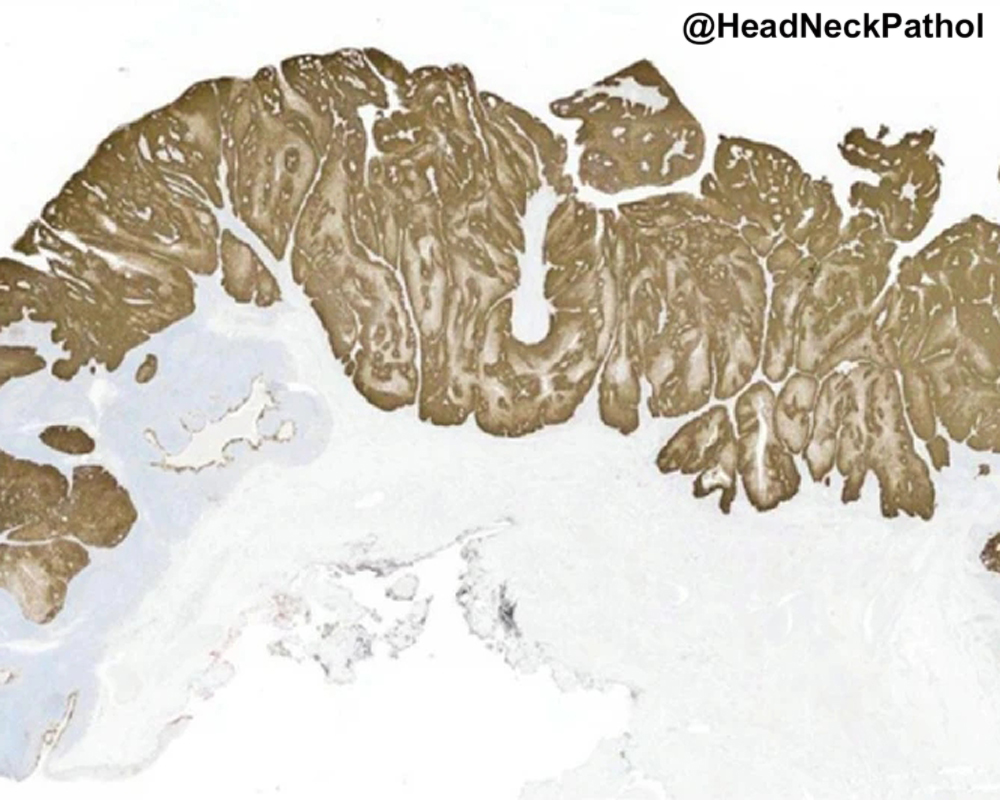
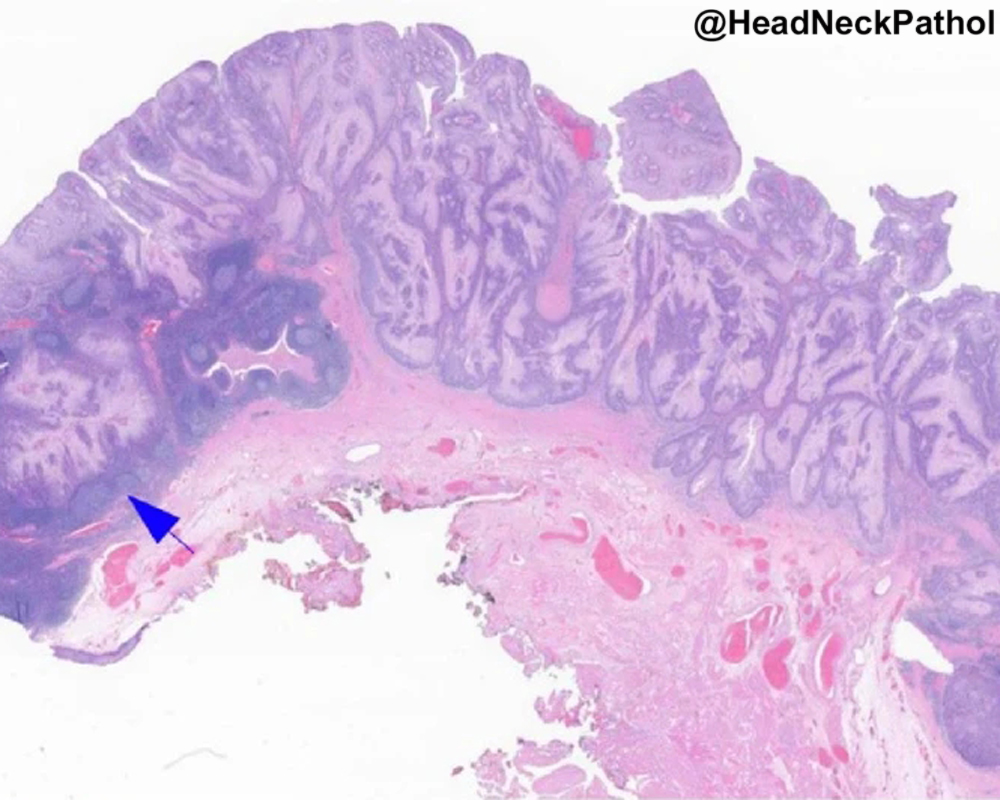
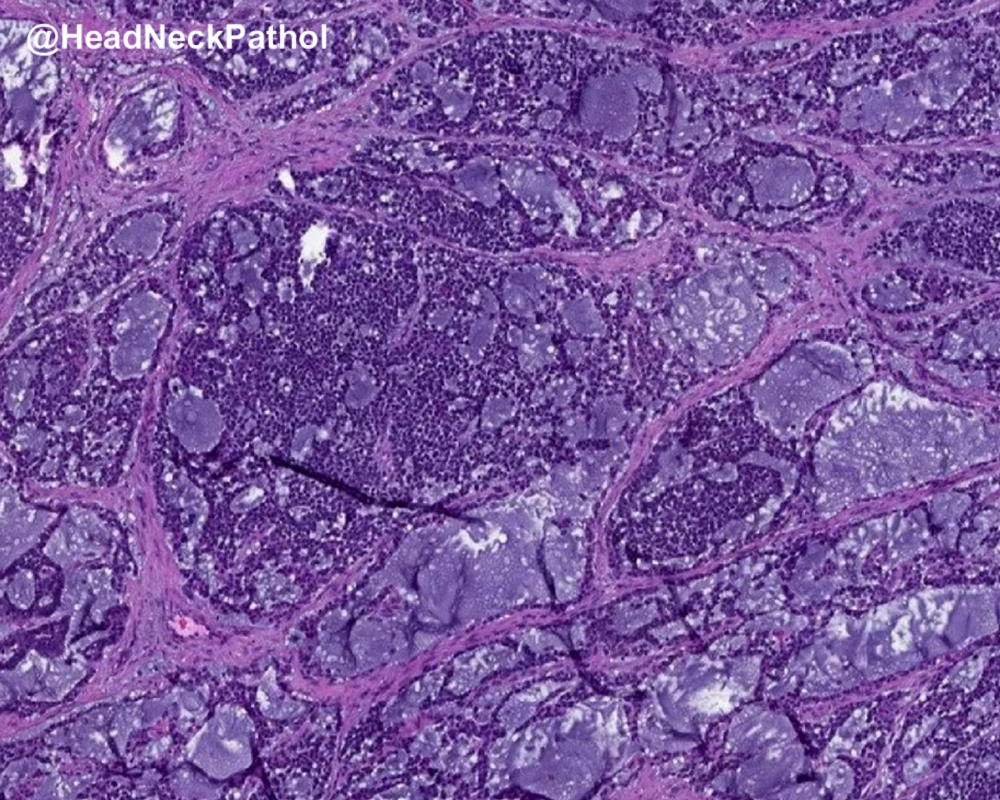
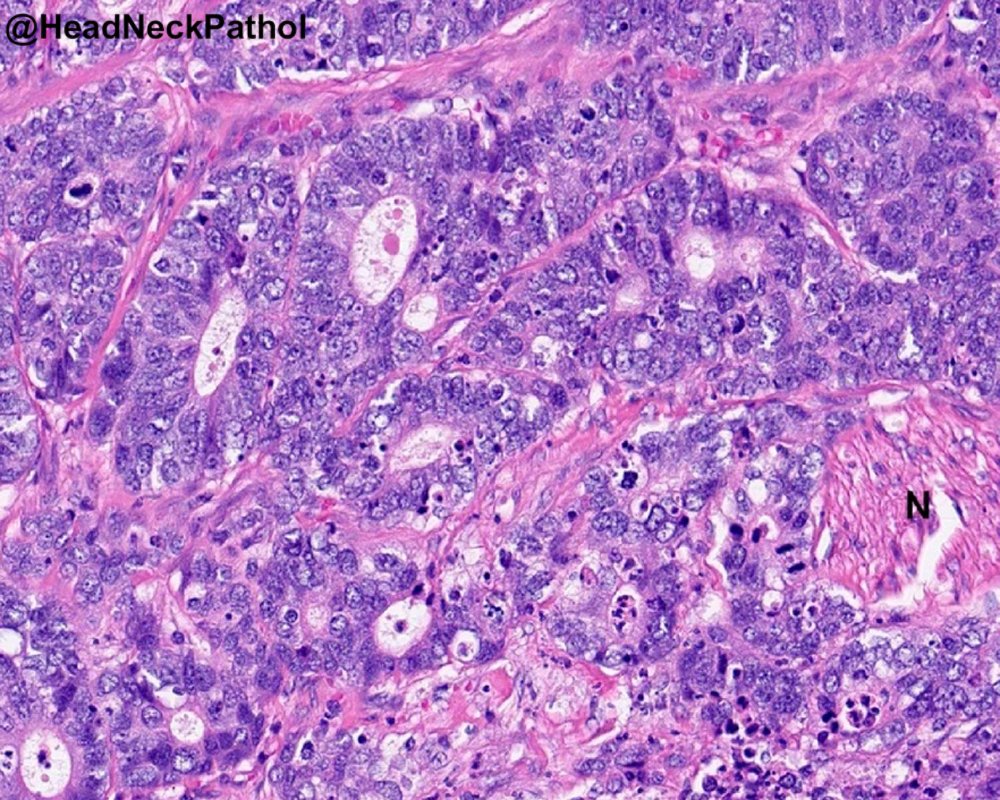
Expanding the Histologic Spectrum of HPV-Associated Oropharyngeal Carcinoma: A Study of 379 Cases Focusing on Classification, Histologic Features, & their Prognostic Significance
rdcu.be/fdSs4
#HeadNeckPathol #HNPJ #HeadandNeckPath #Pathology #ENTPath #PathologyTweet
9
27
933

Virchows Archiv reports on two primary pulmonary tumors linked to NFATC2::NUTM2 fusions, refining the understanding of this neoplastic group. Both cases showed unique histological features and favorable outcomes post-resection.
bit.ly/4e4uDAE
3
4
185
Analysis of ASPSCR1::TFE3-rearranged renal cell carcinoma shows diverse histological patterns, with papillary structures being most common. Tumor cells often exhibit clear to eosinophilic cytoplasm, contributing to the complexity of diagnosis.
bit.ly/3QBWpvk
7
10
561
The case highlights that traditional morphology-based diagnostics can be misleading in fibrotic marrows. Genetic testing proved essential for accurate classification of myelodysplastic/myeloproliferative neoplasm in this patient.
bit.ly/4ekKQRe
3
4
186
Research highlights the dynamic nature of architectural predominance in adenoid ameloblastoma and dentinogenic ghost cell tumors, showing shifts in adenomatoid and ghost cell components during disease progression.
bit.ly/4e11c2u
2
5
150
Virchows Archiv reports that MYD88 mutations are found in Lymphoplasmacytic lymphoma and ABC type DLBCL. A study of 249 small B cell lymphoma and 204 DLBCL samples reveals a 32% prevalence of MYD88L265P in DLBCL cases.
bit.ly/4omFw4p
6
5
167
A retrospective case-control study in Virchows Archiv identifies high-density eosinophil patterns and intraepithelial eosinophil infiltration as crucial diagnostic features for non-EoE EGIDs, based on analysis of various gastrointestinal segments.
bit.ly/4eB6yBB
3
4
163
The study found that 63% of patients with GP had high PI-RADS scores (4-5), which correlated with a higher median percentage of biopsy parts involved. This highlights the diagnostic challenges posed by GP on mpMRI.
bit.ly/4omFp8Z
8
7
333
Virchows Archiv reports on a study analyzing 60 cases of intrahepatic neoplastic lesions with prominent inflammatory backgrounds over 11 years. The research identifies 8 distinct entities, each with unique morphological features.
bit.ly/3Qa0IxW
3
4
141
The correspondence from Varma et al. raises concerns about the validity of recommendations from consensus conferences. When evidence is weak or absent, expert opinions should be clearly identified to avoid misleading conclusions in clinical practice.
bit.ly/4efDMVL
3
2
231
Virchows Archiv reports on a study of ACTH-producing pancreatic neuroendocrine neoplasms (PanNENs) in five patients, all presenting with ectopic Cushing syndrome. The tumors were classified as NET grade 2 and 3, highlighting their aggressive nature.
bit.ly/4ohkHqQ
2
3
183
The Journal of Hematopathology reports on a case of acute myeloid leukemia where crystalline inclusions were found in myeloid precursors. This may indicate metabolic abnormalities in leukemic cells, suggesting a link to aggressive neoplasms.
bit.ly/3Q7v0kR
2
2
99
Head and Neck Pathology reports on cocaine-induced plasma cell dermatomucositis (CI-PCDM), a condition marked by ulcerated lesions in the nasolabial region. This study analyzed six patients to clarify its distinct histological features.
bit.ly/4vz52FK
1
2
81
In a retrospective study, 171 oral and maxillofacial pathology cases were analyzed using three large language models. ChatGPT-5.0 achieved the highest accuracy at 83.2%, while performance varied based on lesion characteristics and diagnostic categories.
bit.ly/4uy56oq
2
5
227
Head and Neck Pathology discusses the integration of generative AI in scientific writing, highlighting varied journal policies from prohibition to conditional acceptance. The implications for authorship and scientific integrity are examined.
bit.ly/4ojuhto
2
71
The SALV-Dataset Registry, detailed in Head and Neck Pathology, compiles 685 salivary gland tumor cases from the Leiden University Medical Center, aiming to enhance diagnostics through expert curation and digital resources.
bit.ly/43u7MIF
1
3
114
Findings in Endocrine Pathology analyzed 26 gallbladder neuroendocrine tumors (GB-NETs), revealing a female-to-male ratio of 1.9:1 and a median age of 50 years. Most tumors were small, with 81% classified as grade 1.
bit.ly/4vFWWeH
3
2
129
Endocrine Pathology reports on a study analyzing the genomic evolution of adrenocortical carcinoma (ACC) using samples from nine patients. Findings indicate a common catastrophic event leading to chromosomal instability in advanced ACC.
bit.ly/4aGkpUO
1
2
84
A study in Comparative Clinical Pathology investigates the impact of NaCl on the morphology of eggs and fourth instar larvae of Culex quinquefasciatus, a key disease vector. The median lethal concentration (LC50) was found to be 1.5% NaCl.
bit.ly/4exqtBv
2
2
81
Research on feline pyometra revealed that 61.9% of cases presented with Systemic Inflammatory Response Syndrome. Diagnostic imaging, including radiography and ultrasonography, played a crucial role in confirming the condition.
bit.ly/3S1Wp8r
1
2
60