
St. Jude Children’s Research Hospital: a leader in research & treatment of pediatric cancer & childhood diseases. #BestHospitals #StJudeResearch
Joined November 2011
- Tweets 10,066
- Following 2,067
- Followers 32,980
- Likes 7,468
5,982 Photos and videos

St. Jude Research retweeted

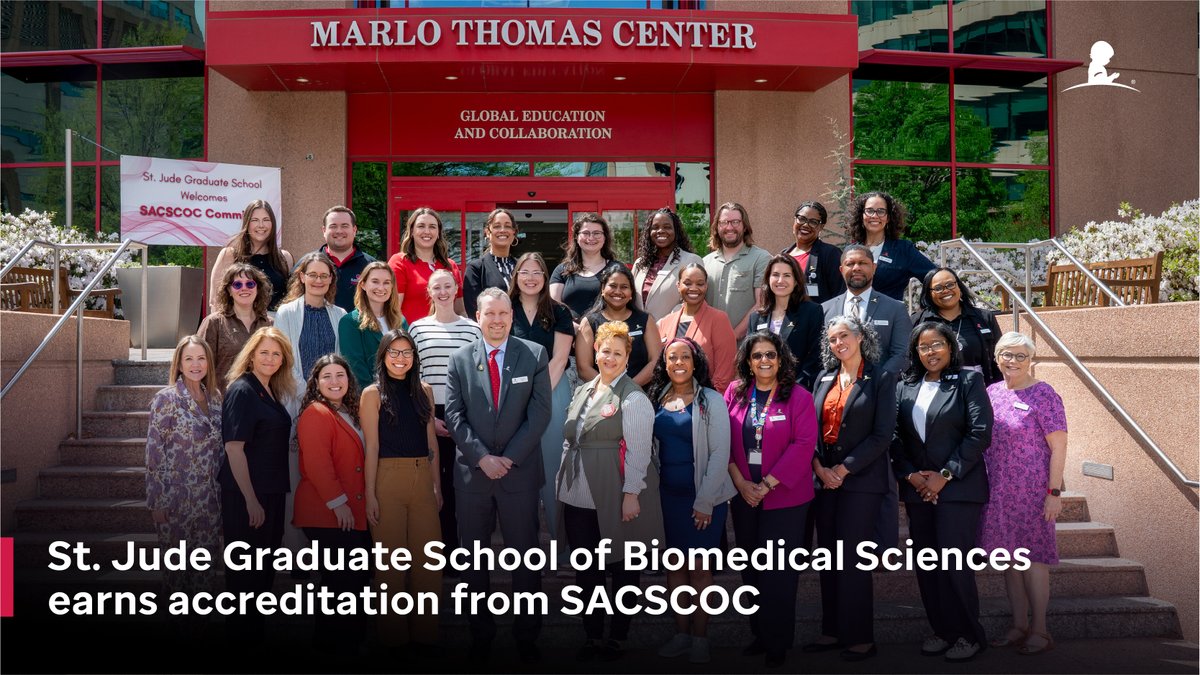
Today the St. Jude Graduate School of Biomedical Sciences received institutional accreditation from SACSCOC. This affirms the school’s role as a higher education institution and the impact of its education on complex challenges facing science, medicine and global health.
1
4
9
557
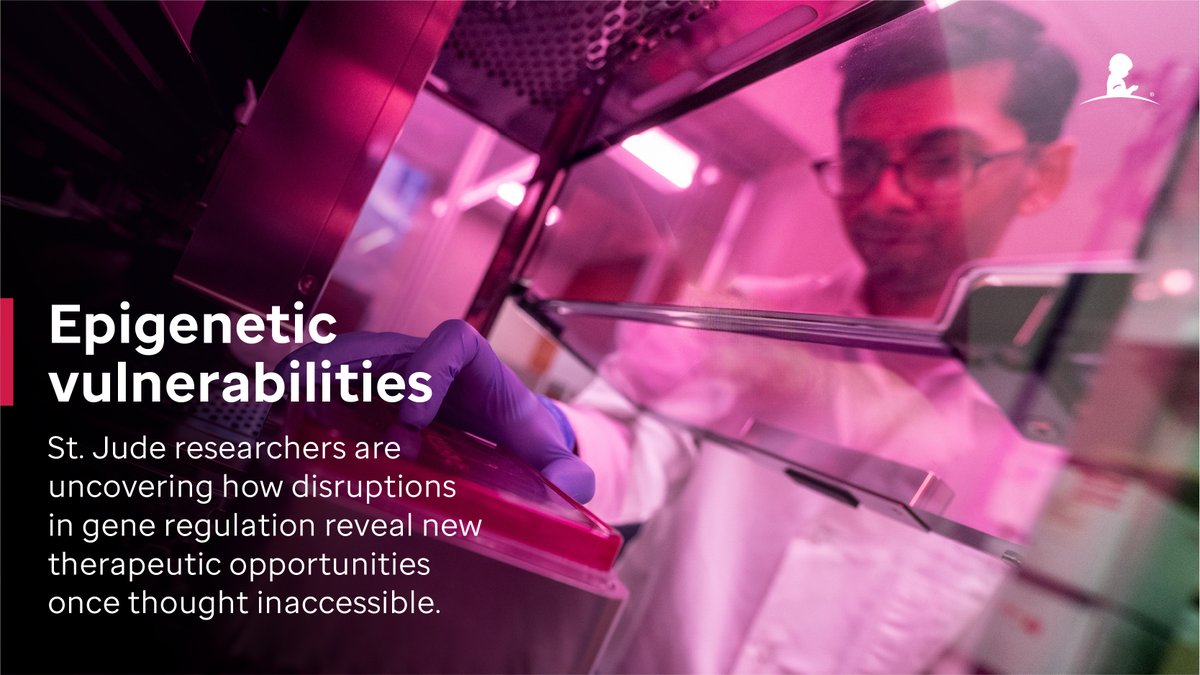
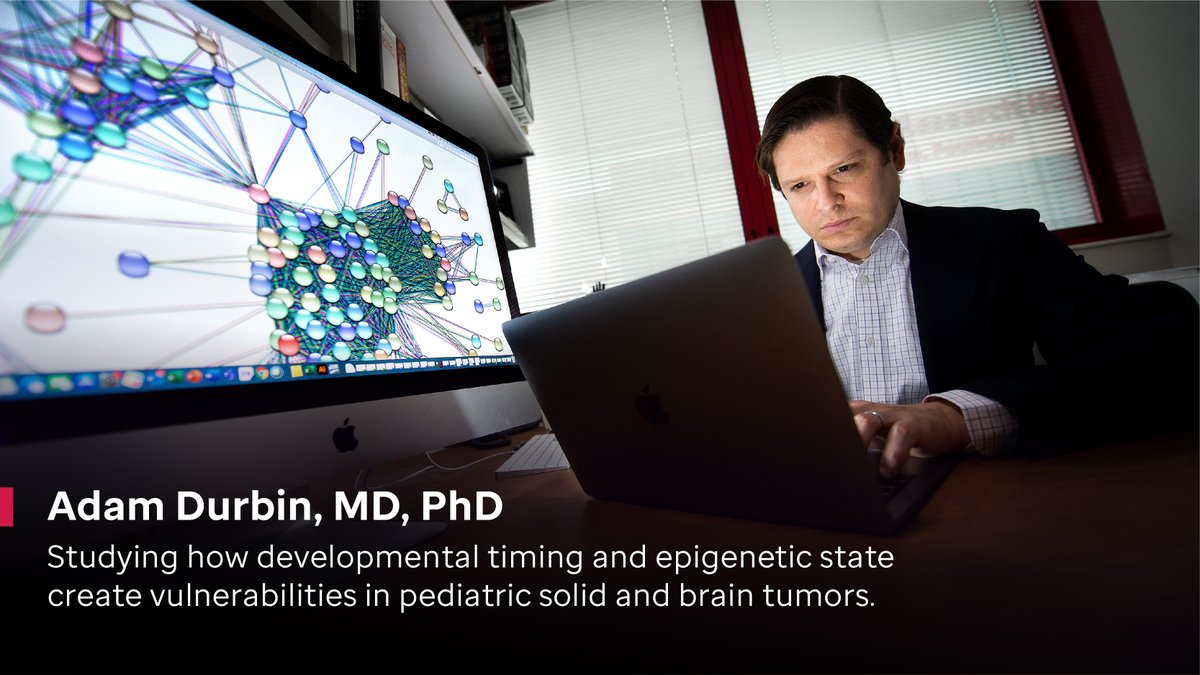
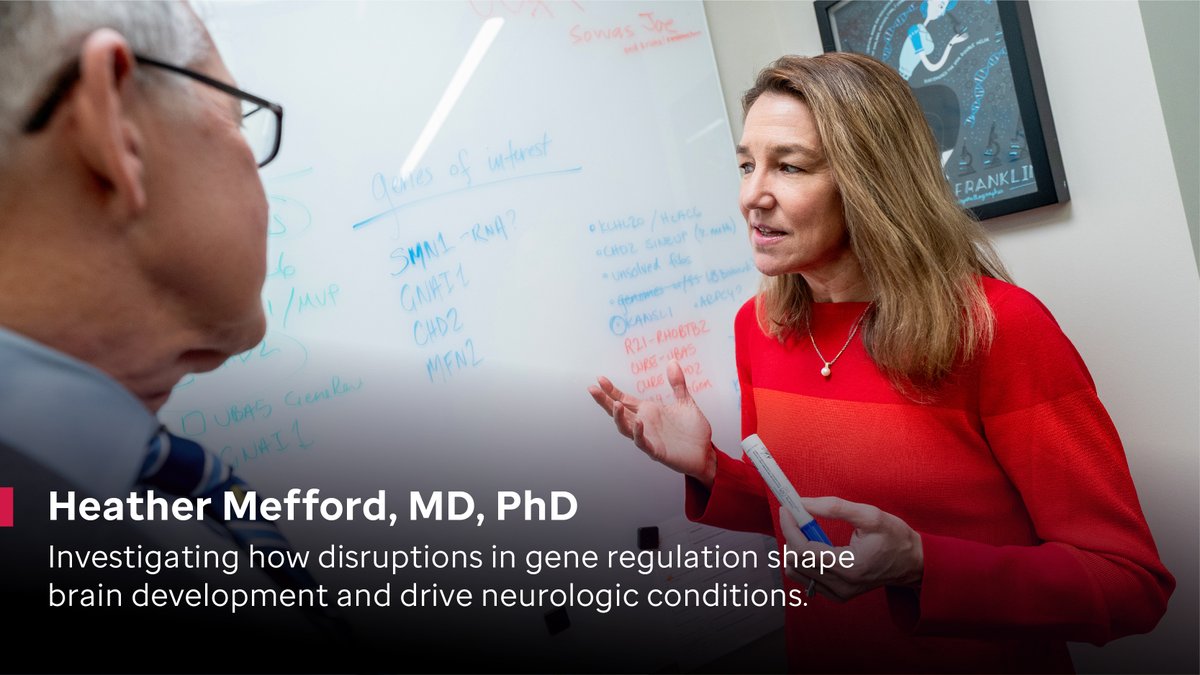
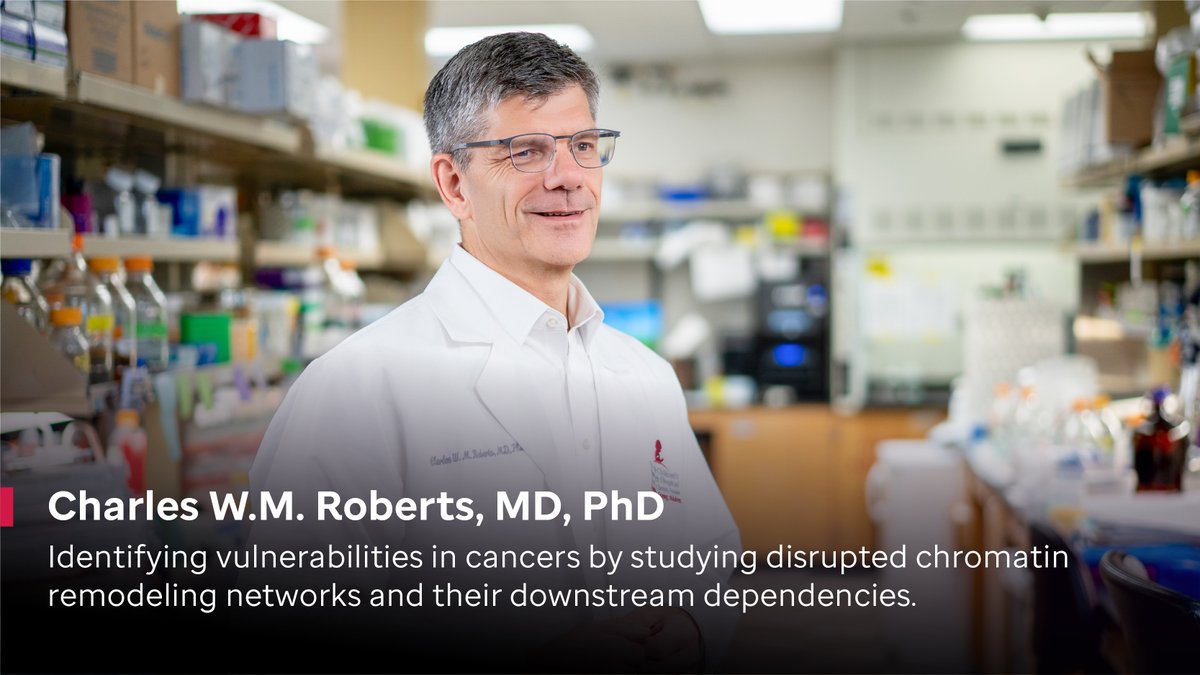
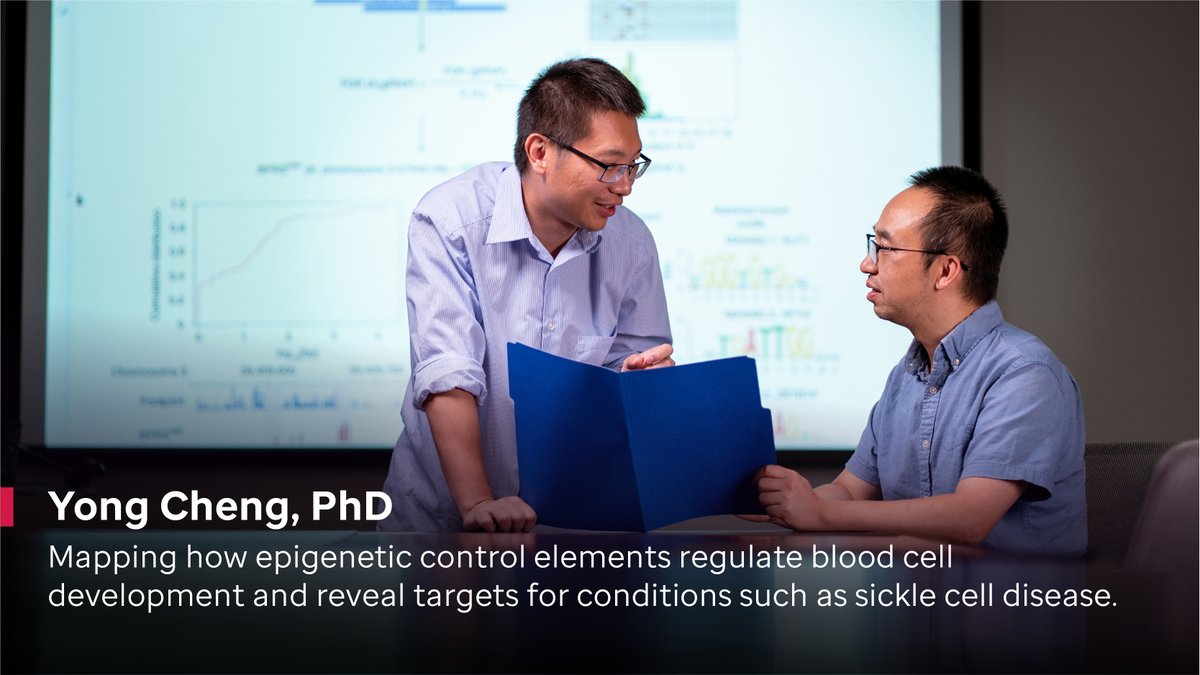
DNA provides the blueprint for biology, but epigenetics determines how it is used. St. Jude researchers are studying how these regulatory systems control gene activity and how their disruption contributes to diseases including cancer, neurologic disorders and blood diseases.
From targeting chromatin dependencies to advancing diagnostics and genome editing, these insights are opening new paths for more precise, personalized therapies across diseases.
Learn more: ow.ly/NBMW50Z9qwA
1
2
8
737
National Cancer Survivors Day honors survivors and the progress that helps more children move beyond treatment. Ashley Gault, RN, was diagnosed with hepatoblastoma at 10 months old and treated at St. Jude. After nursing school, she returned as a nurse, bringing her journey full circle.
Now a clinical staff leader with 13 years at St. Jude, Gault supports bedside teams. “My career, my journey has been directed at our mission,” she said. Her story reflects ongoing work to advance cures through research and treatment.
#NCSD26
3
10
863
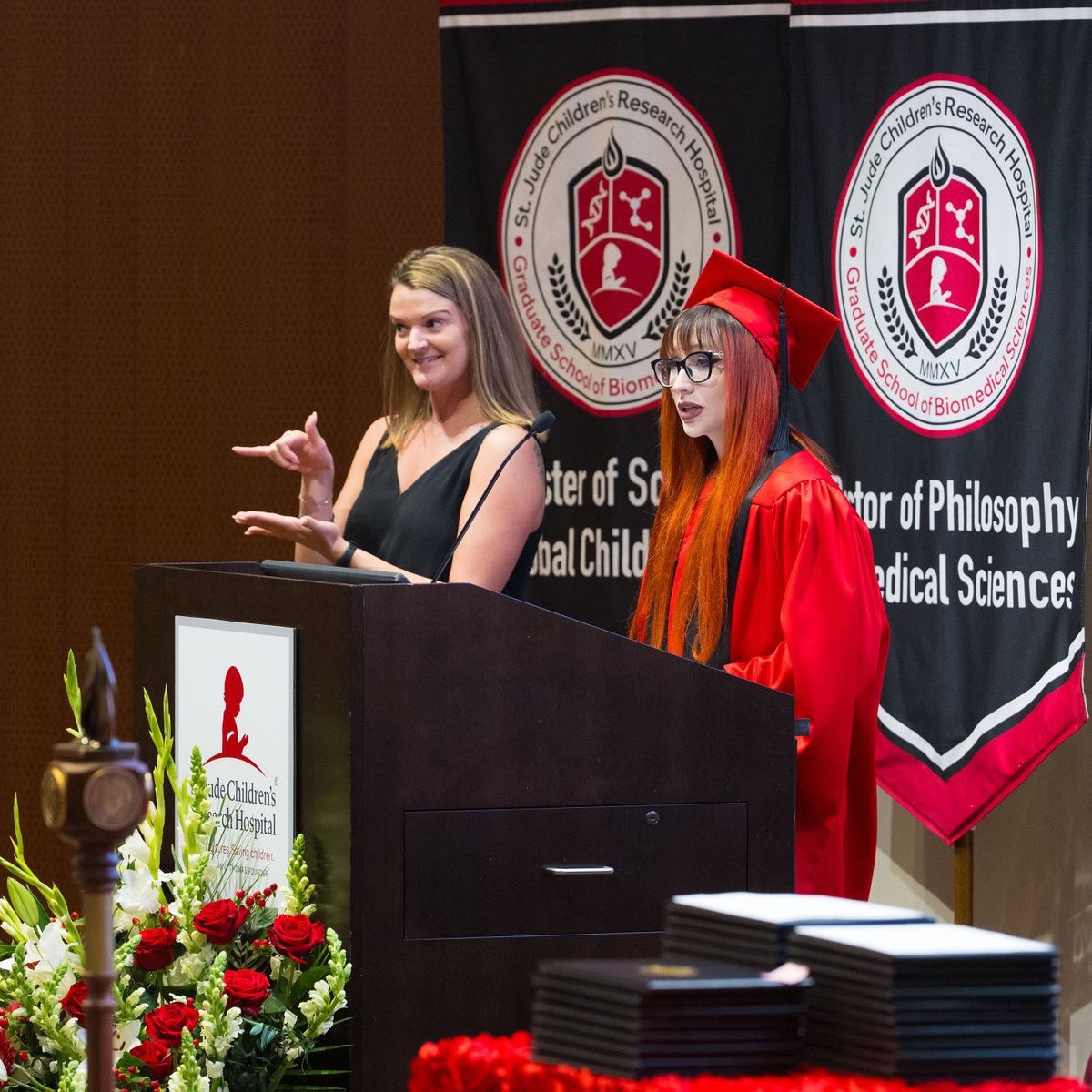
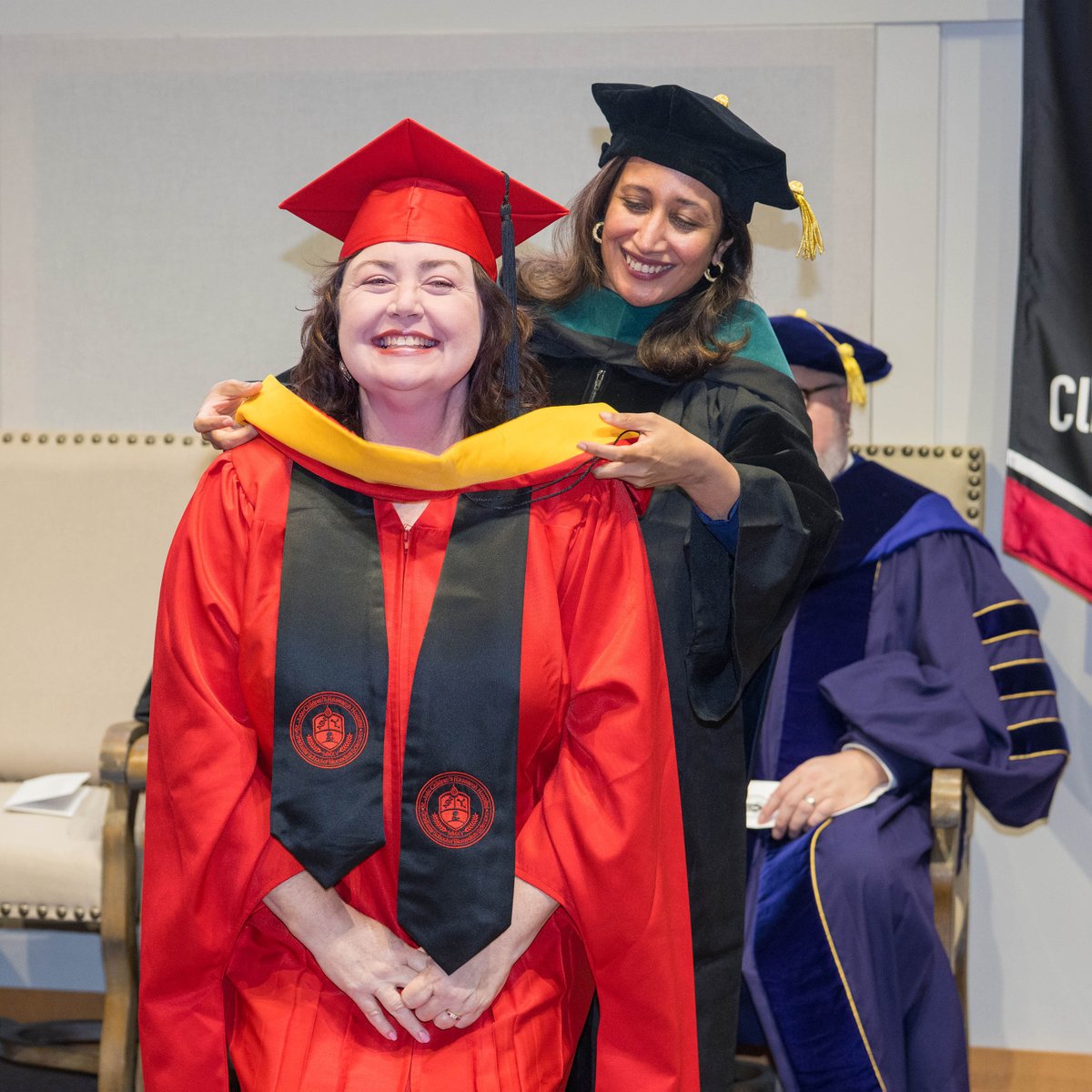
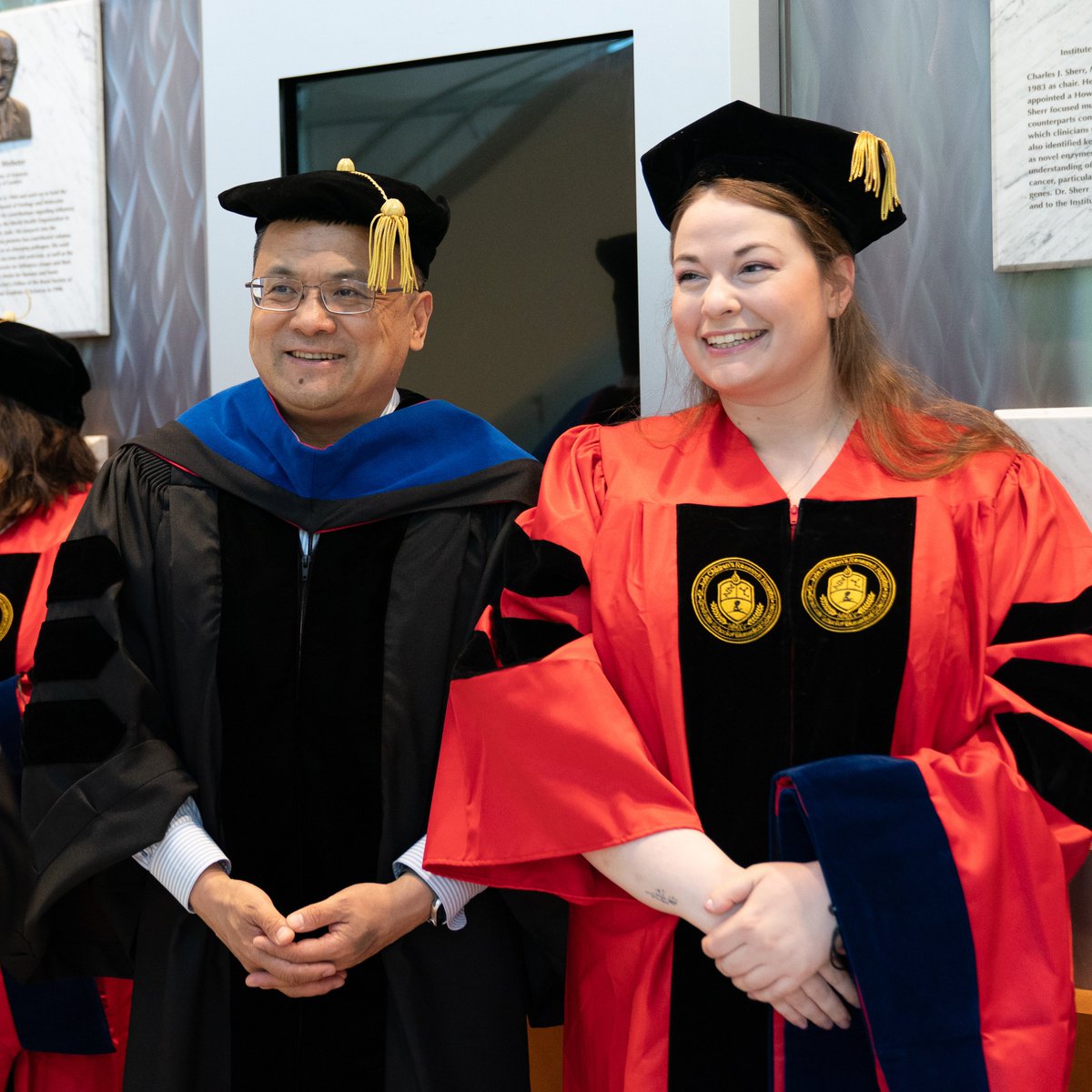
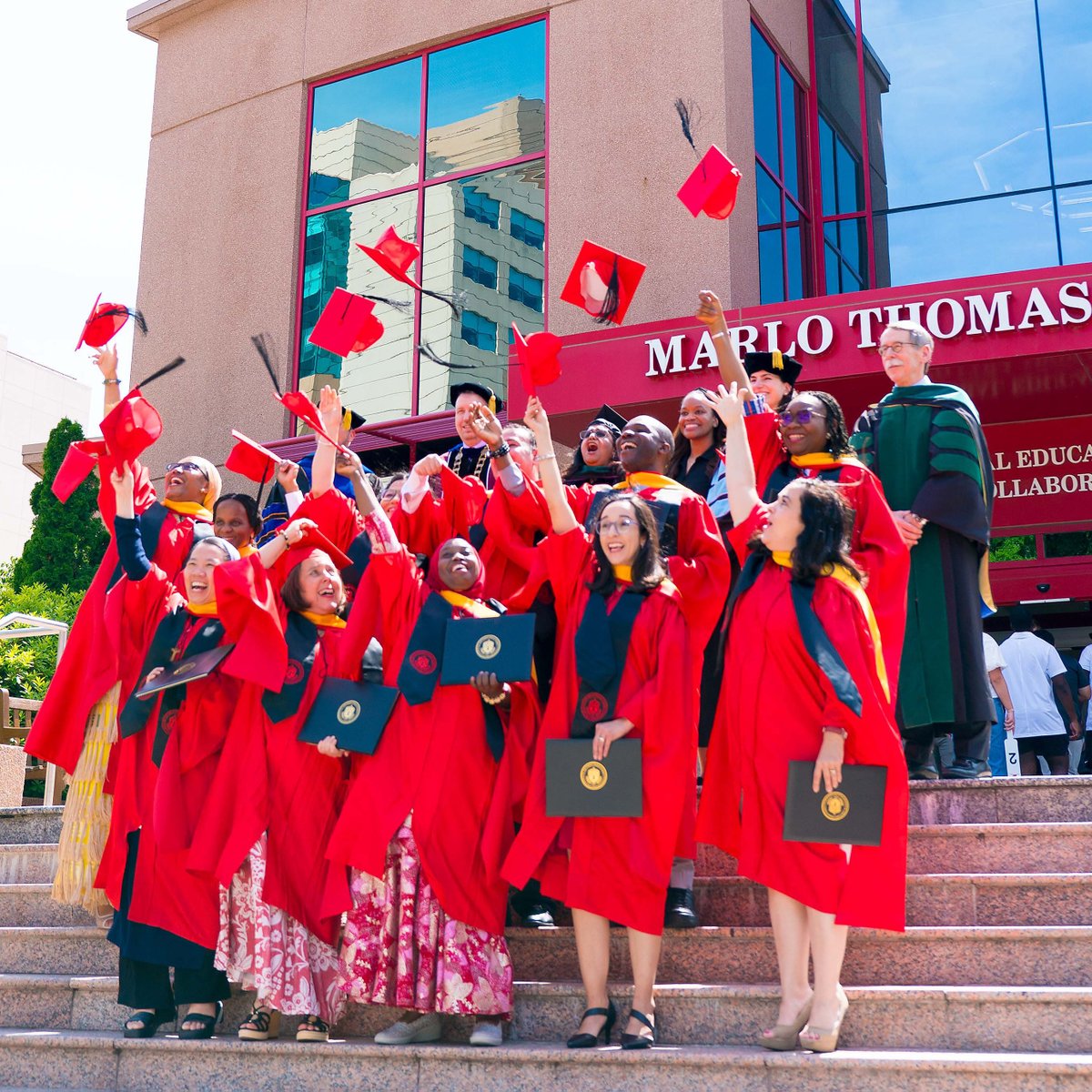
From discovery to impact, these graduates are carrying forward a mission that reaches patients around the world. Congratulations, Class of 2026!

Today’s commencement ceremony celebrates 31 graduates of the St. Jude Graduate School of Biomedical Sciences. Over 11 years, the school has awarded 130 master’s and doctoral degrees.
Congratulations to the Class of 2026!
1
5
905
St. Jude Research retweeted
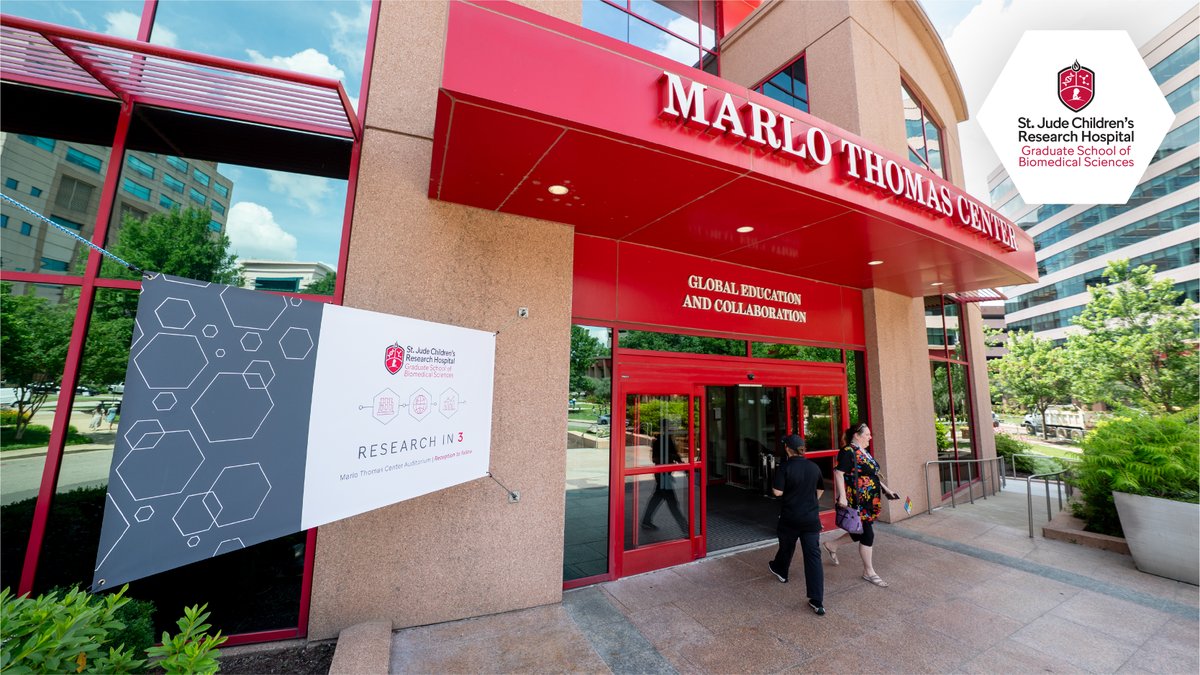
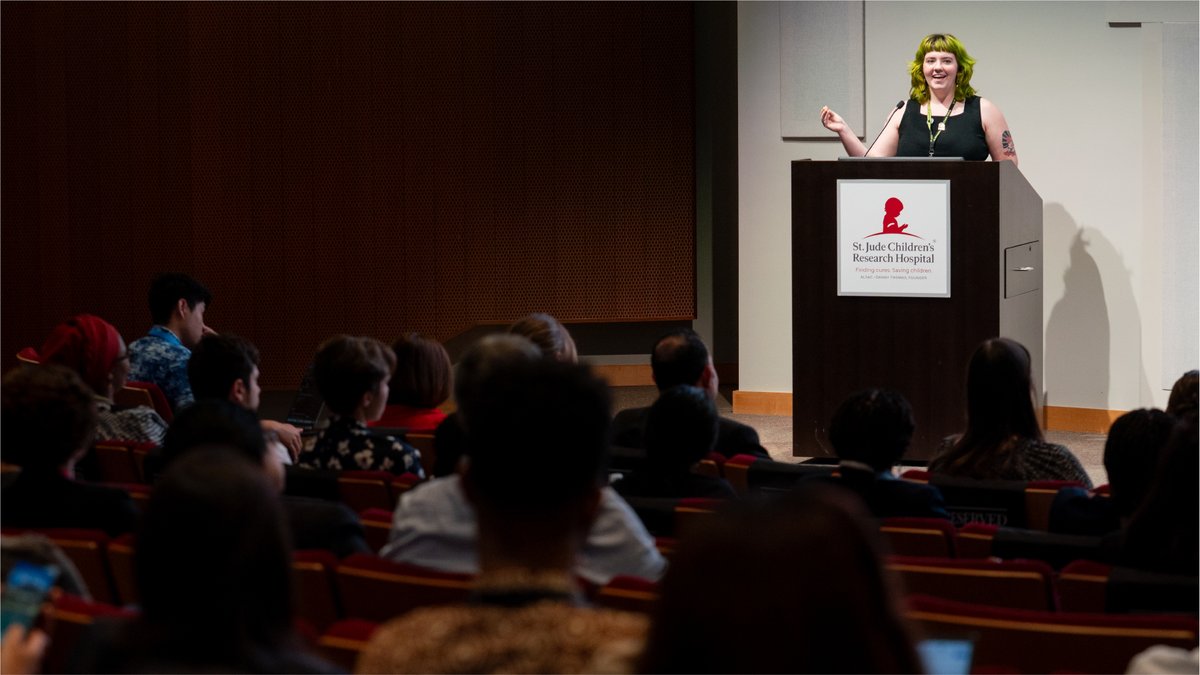
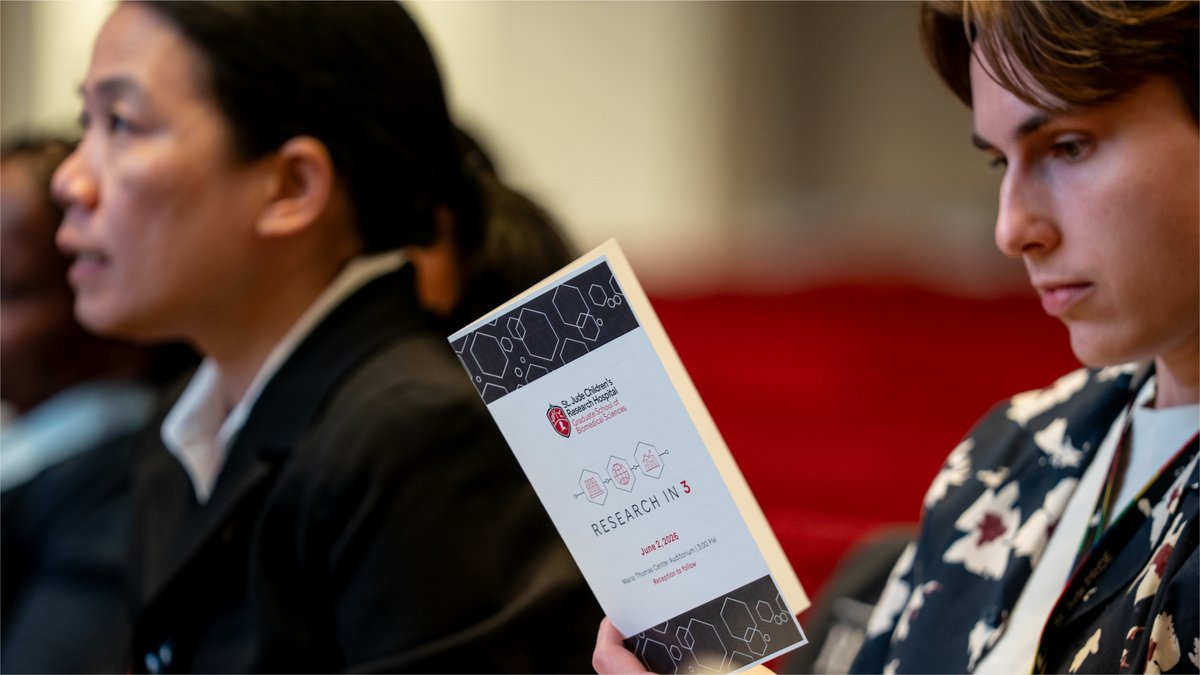
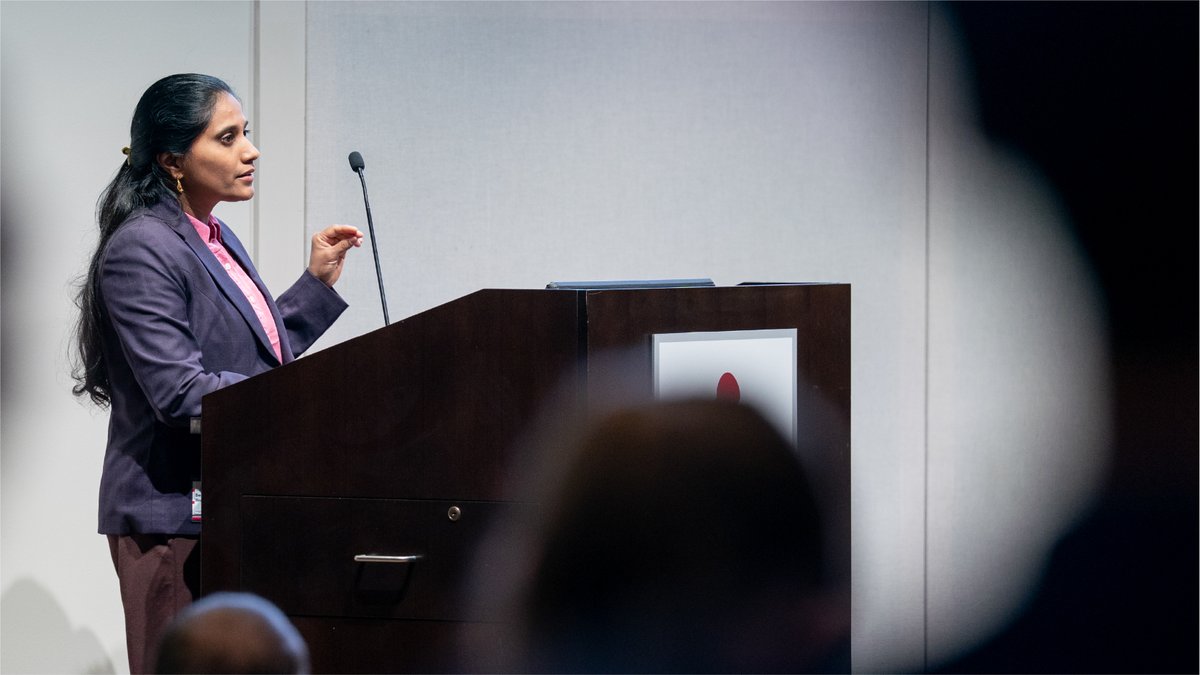
At this year’s “Research in 3" competition, students from the Biomedical Sciences, Global Child Health and Clinical Investigations programs condensed their research into compelling three-minute presentations for a broad audience, explaining complex ideas through storytelling.
1
1
3
455
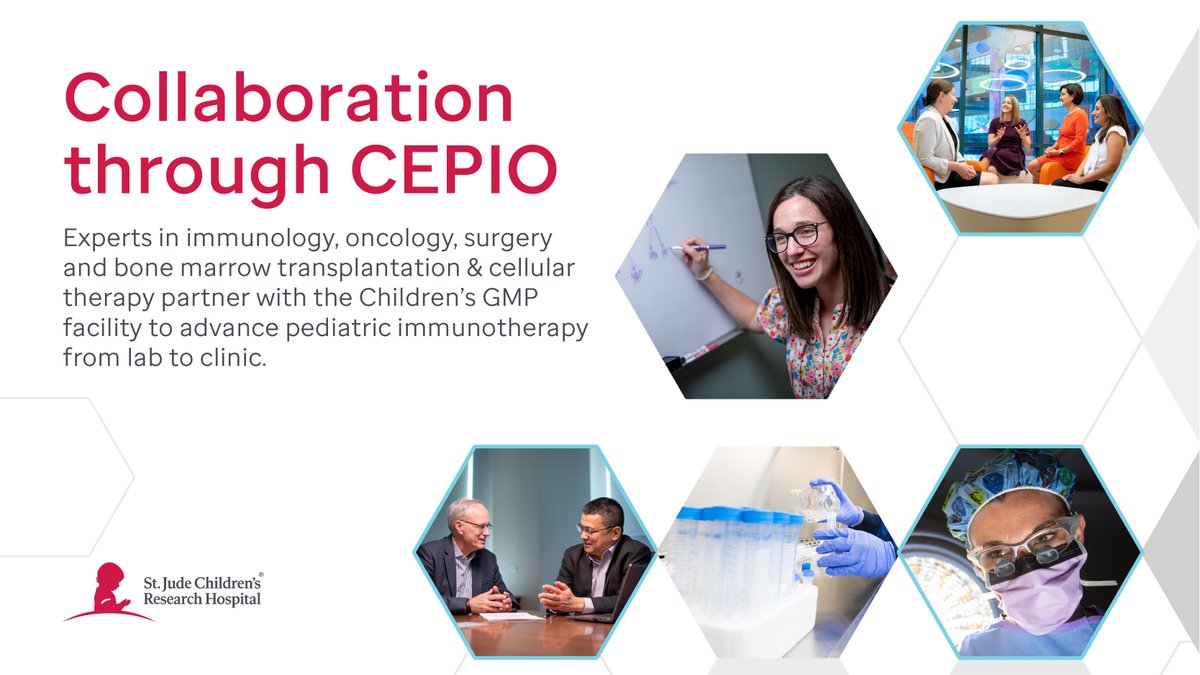
During Cancer Immunotherapy Month, we recognize the work of the St. Jude Center for Excellence in Pediatric Immuno-Oncology (CEPIO). CEPIO connects many departments and the Children’s Good Manufacturing Practice (GMP) facility to move new cell therapies toward clinical studies.
This bench-to-bedside-and-back-again model brings clinical insight into discovery research and returns clinical samples to investigators to learn why therapies work or fall short, informing what comes next. Read more: ow.ly/NEYE50Z6txP
1
3
7
645

May 26
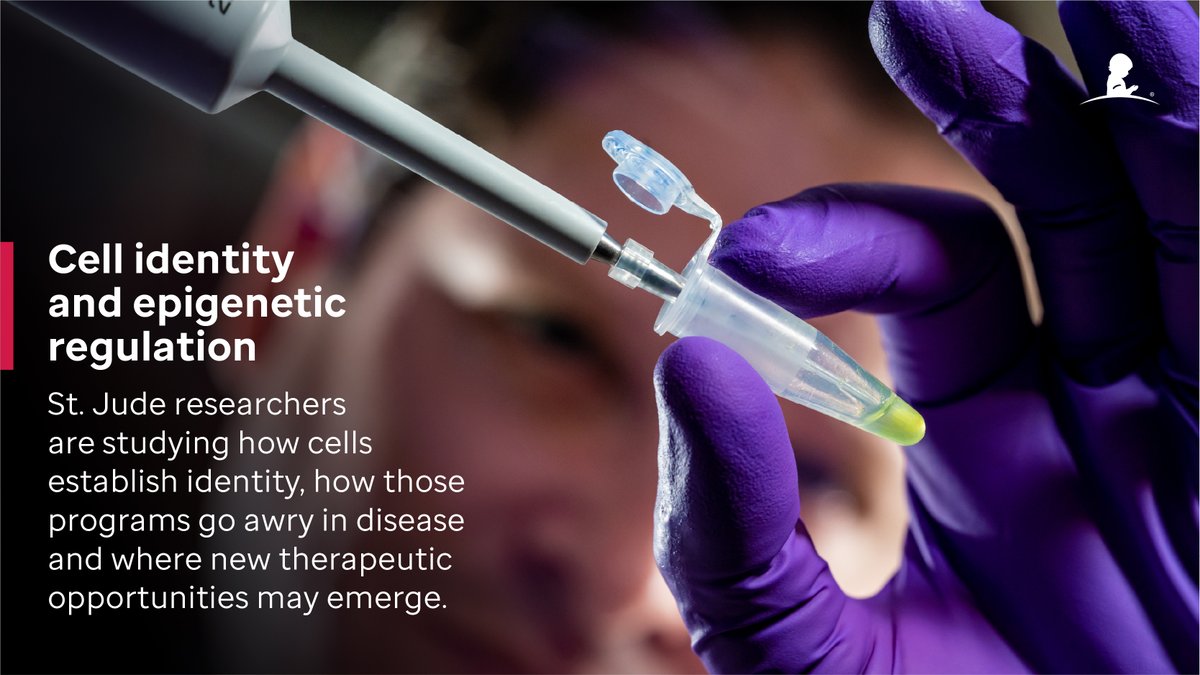
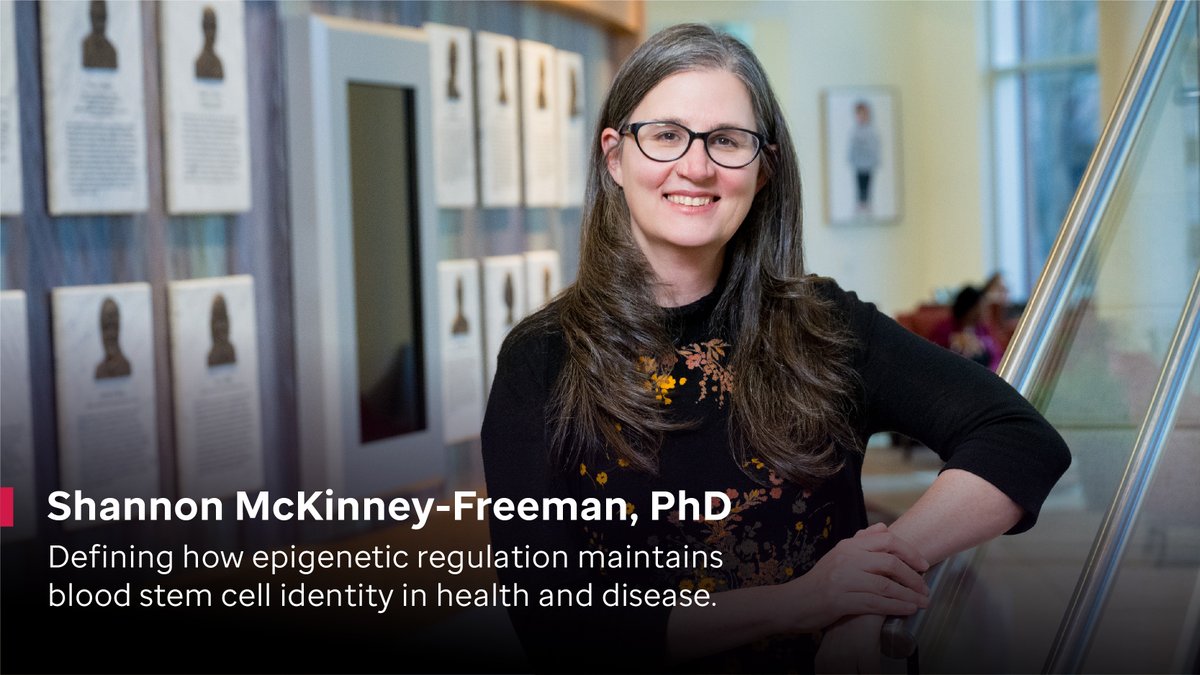
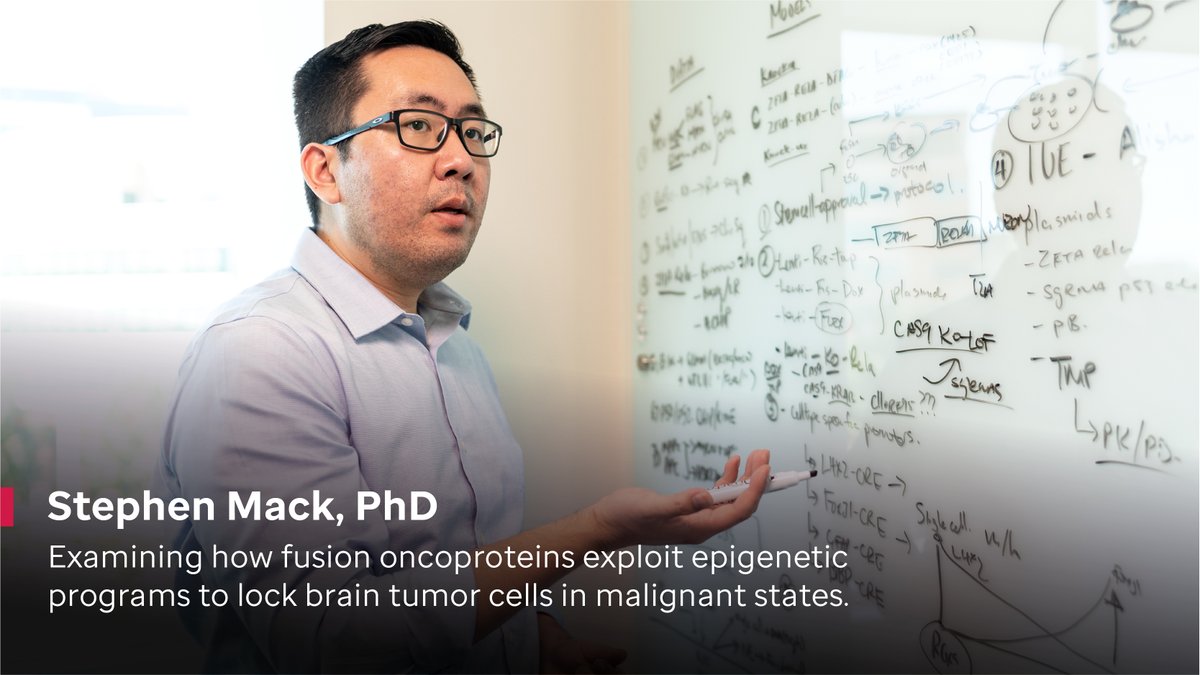
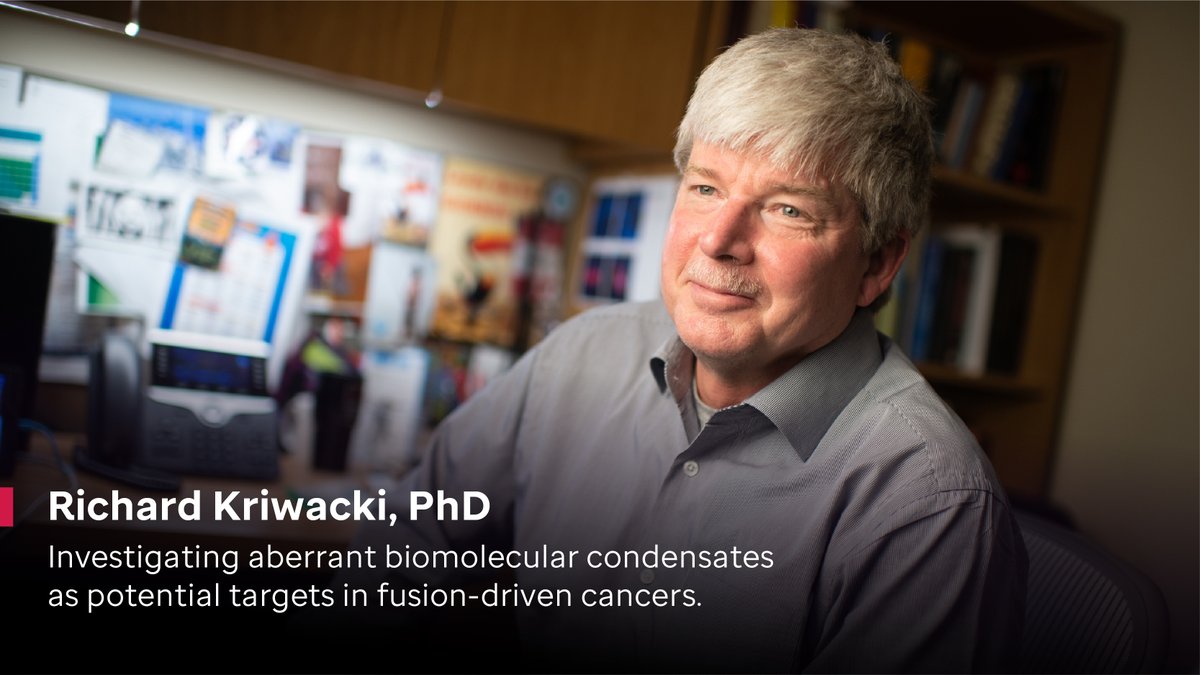
Cells can contain the same DNA “instructions” but become different cell types and behave differently. Scientists are studying the role that epigenetic regulation plays in this process.
1
4
7
887
May 26
This work is helping researchers understand cell identity, and how it can be corrupted in diseases, which is informing directions for future therapeutic opportunities.
Read more: ow.ly/wVYb50Z4glp
1
1
498
May 24
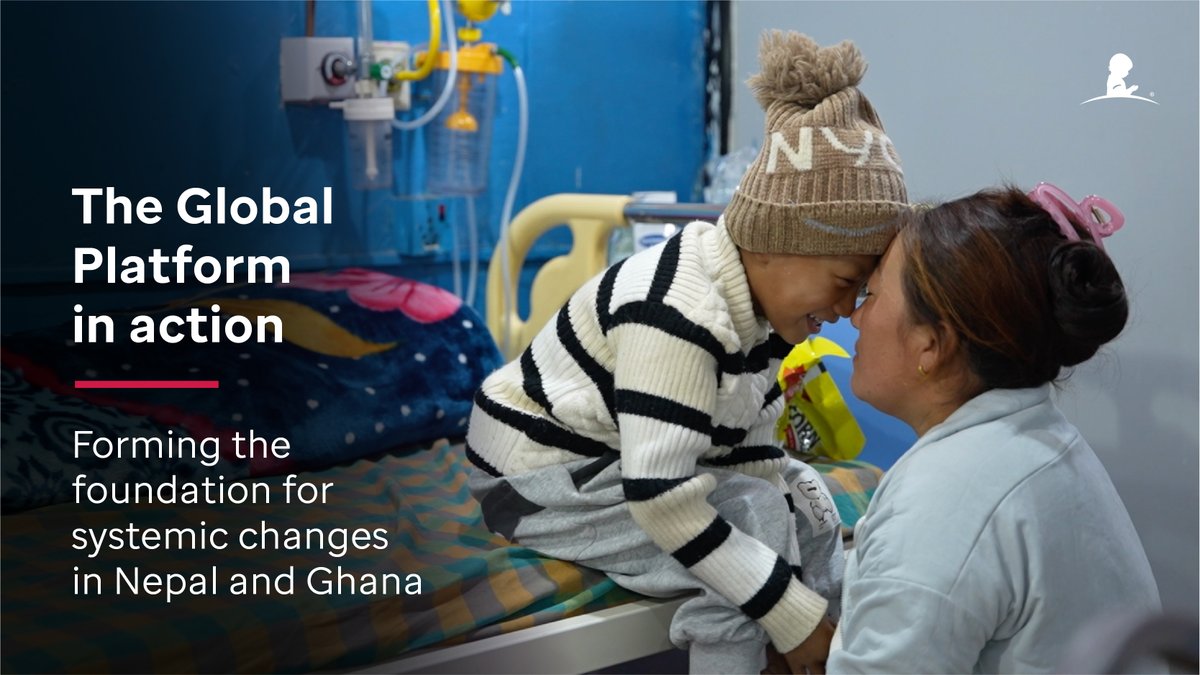
Today we mark the eighth anniversary of St. Jude Global and its work to address disparities in outcomes for children worldwide. Through collaboration with @WHO and global partners, St. Jude Global expands access to care while sharing knowledge, technology and expertise.
8
19
715
May 22
Transposons, or “jumping genes” that self-replicate and move through the genome can cause problems, especially for germ cells. Scientists uncovered how cells identify unwanted transposons by sensing the RNA they produce and activating silencing pathways. ow.ly/IGsx50Z3lYZ
6
13
1,266
May 22
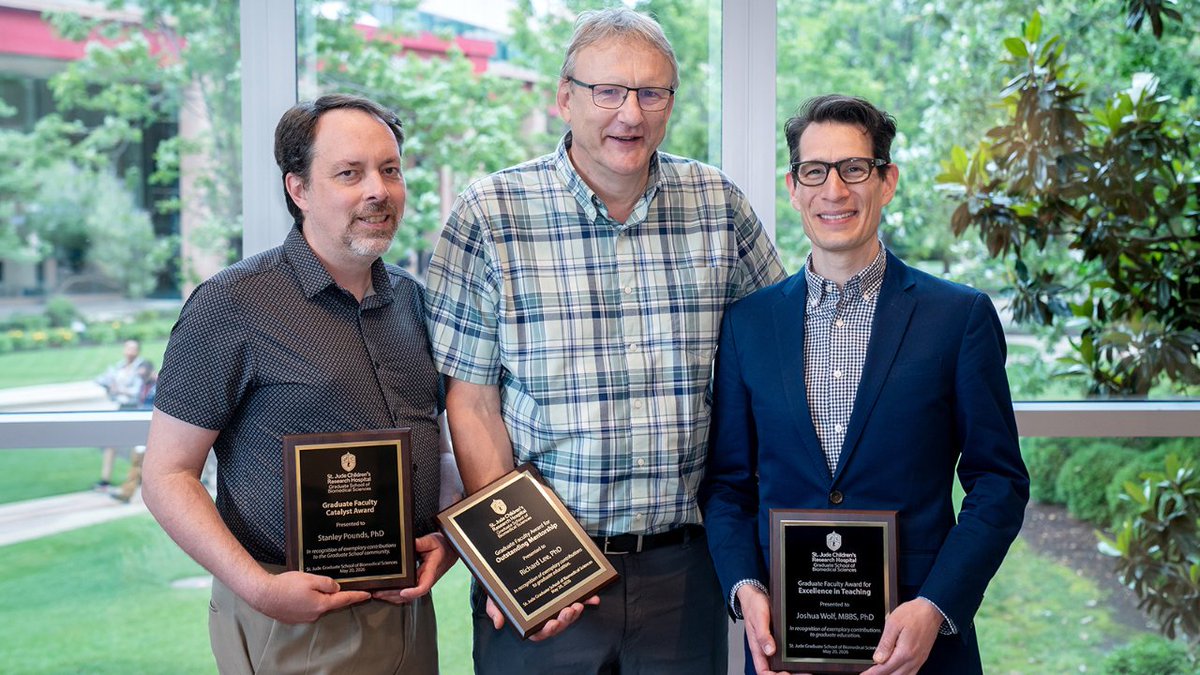
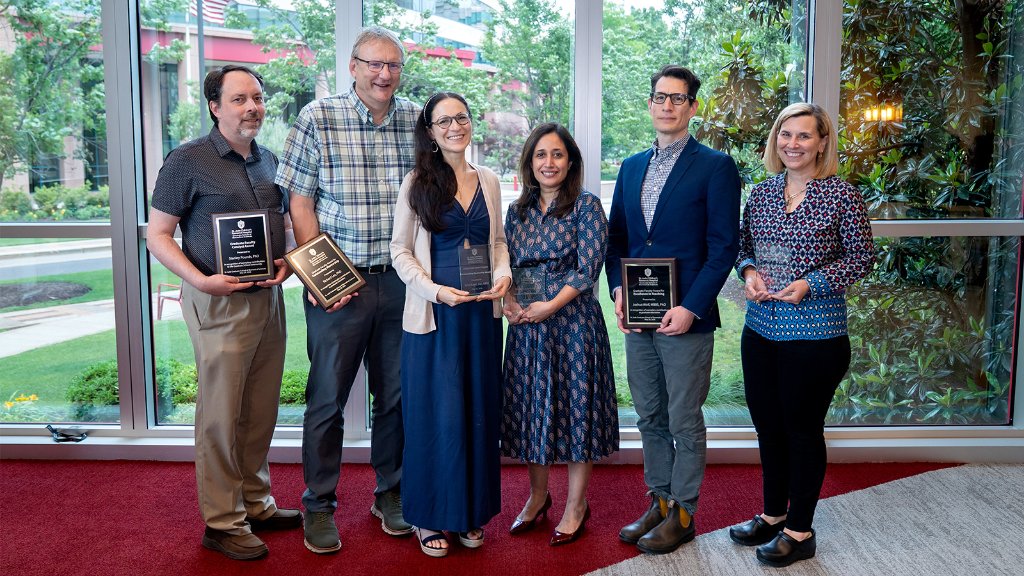
During Graduate Faculty Appreciation Week, St. Jude recognizes faculty of the @stjudegraduate for their leadership in education, mentorship and service which helps train the next generation.
At the inaugural Graduate Faculty Awards ceremony, Stan Pounds, PhD, received the Catalyst Award. Additional institutional-level honors recognized @Joshuawolf, PhD, MBBS, for Excellence in Teaching and @Richard_E_Lee, PhD, for Outstanding Mentorship.
1
10
559
May 22
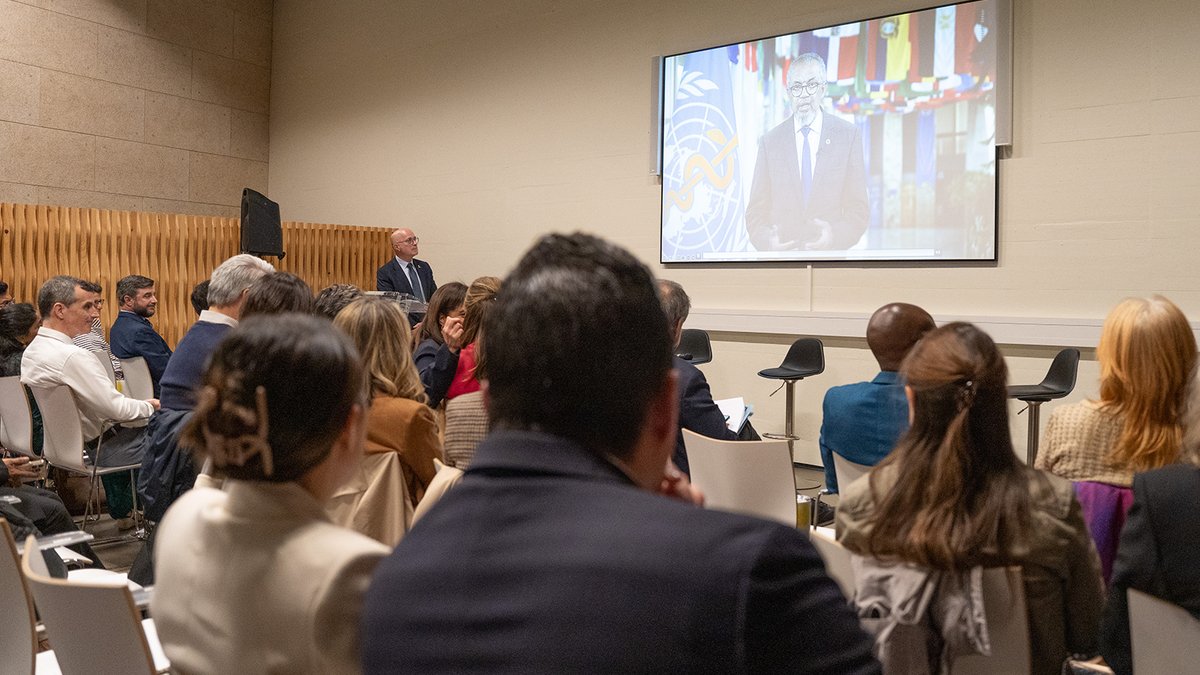
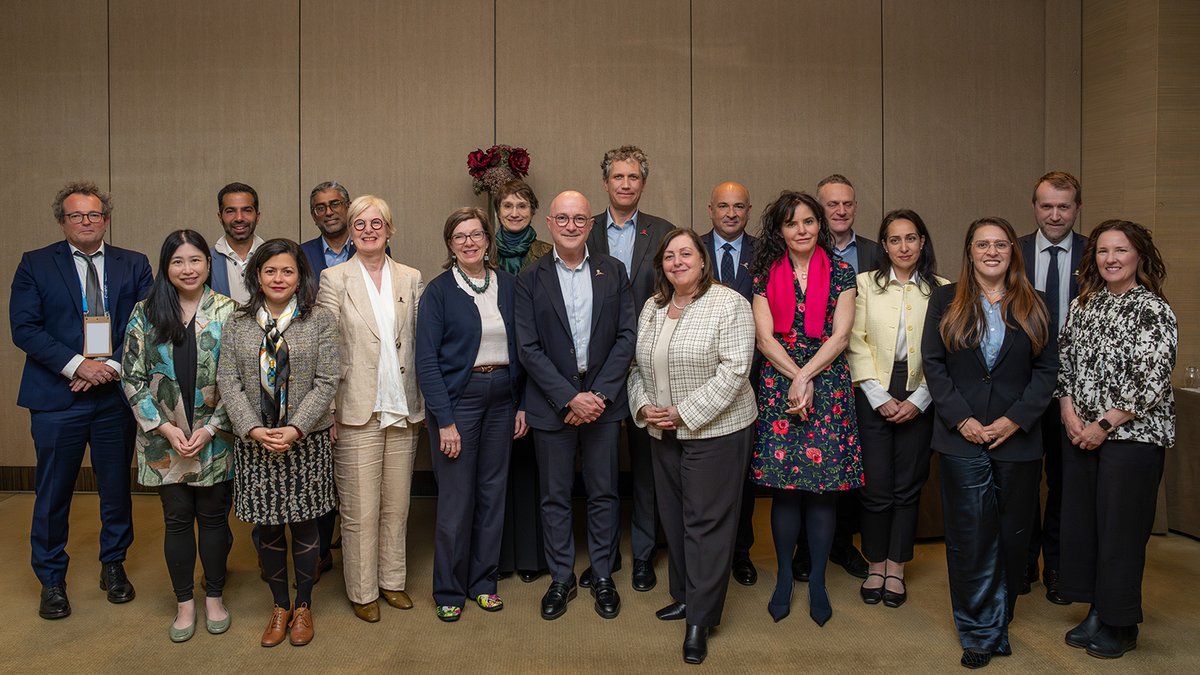
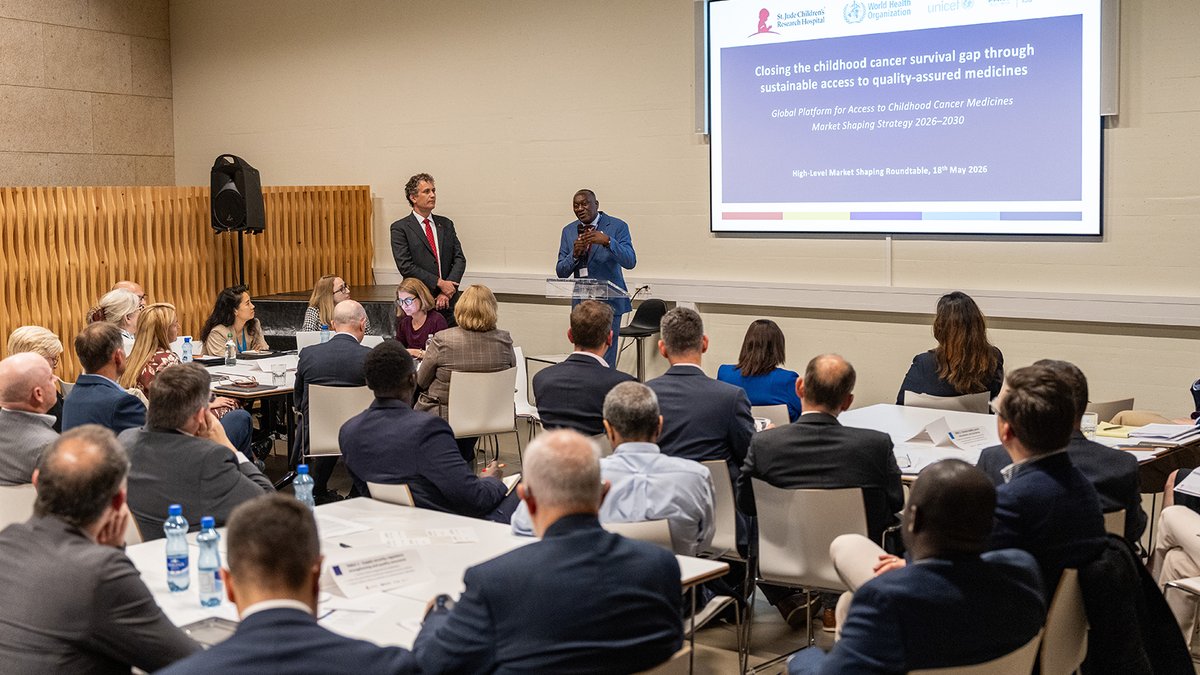
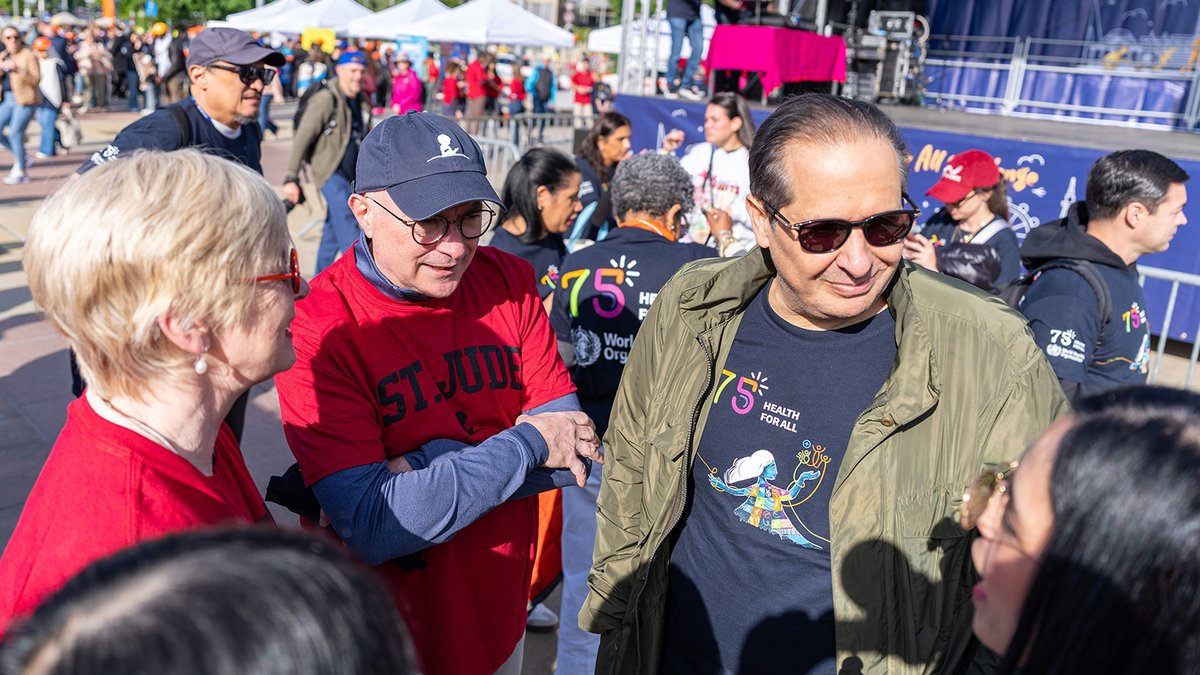
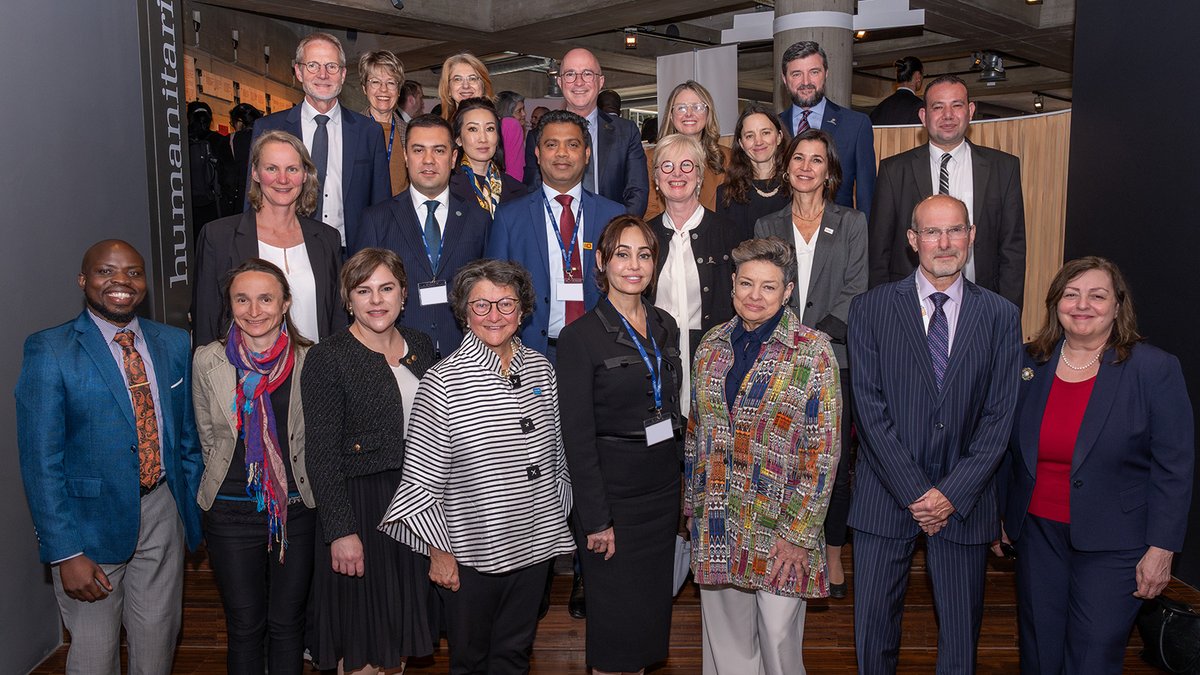
At the World Health Assembly in Geneva, St. Jude convened researchers, policymakers and people with lived experience to advance shared priorities for children’s health. Decisions at this level influence policies, health systems and access to care worldwide.
1
3
10
609
May 22
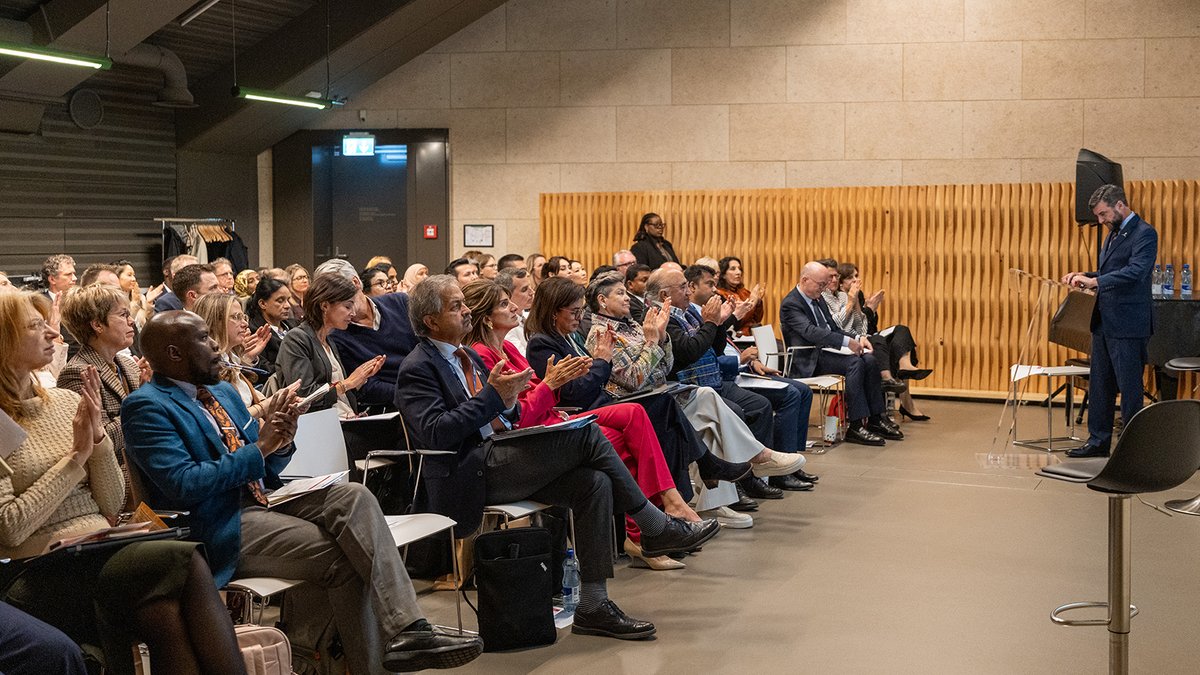
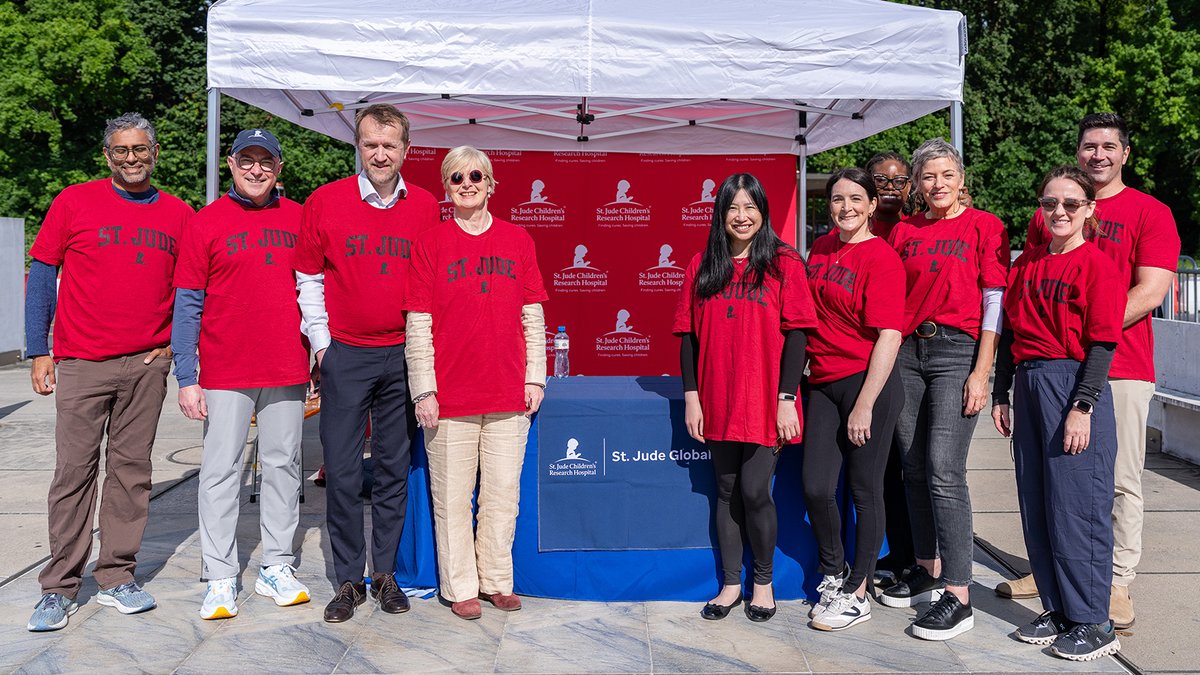
At a St. Jude side event, discussions focused on survivorship as a life-course health issue beyond cure. Through global collaboration and shared evidence, partners are working to strengthen systems and improve long-term outcomes for children worldwide. #WHA79
1
265
May 20
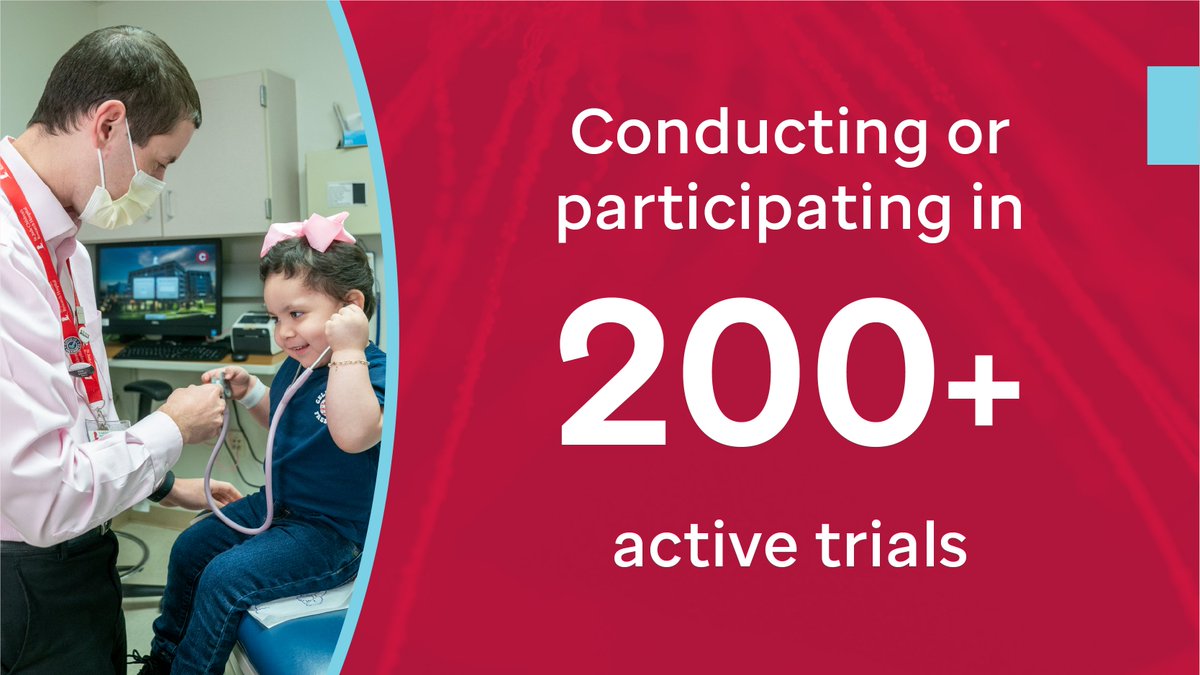
On #ClinicalTrialsDay, we recognize the essential role clinical trials play in advancing the St. Jude mission. Our investigators study new treatment strategies, refine existing approaches and work to deliver more precise care for patients.
1
1
8
418
May 20
"Clinical trials at St. Jude are redefining what’s possible for children with cancer by bringing the most promising therapies to patients faster and more precisely than ever before,” said Elizabeth Fox, MD, senior vice president, Clinical Trials Administration.
1
1
5
302
May 19
Honored to see @DrTedros recognize the St. Jude-@WHO partnership expanding access to childhood cancer medicines globally. Together, we’ve delivered 1.5M medicines for 2,400 children in five countries. #WHA79 #ChildhoodCancer #GlobalHealth
1
3
7
346
May 19
“I would like to use this opportunity to thank St. Jude for their cooperation and leadership in this area,” Dr. Tedros said in his opening address at the 79th World Health Assembly in Geneva, Switzerland.
ow.ly/YCbt50Z1Oek
1
3
231
St. Jude Research retweeted
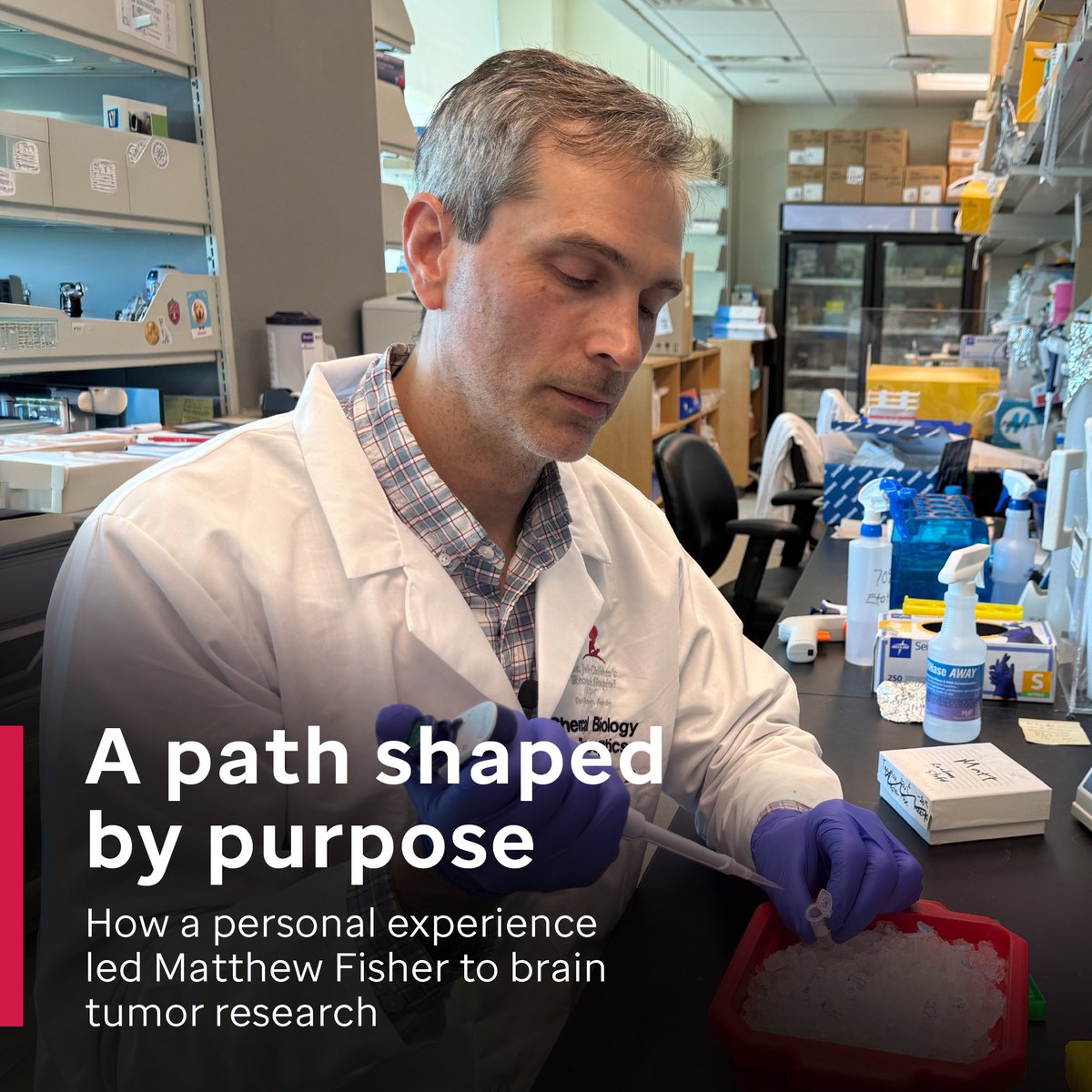
Learn more about his journey and how St. Jude is supporting his goal of improving pediatric brain cancer treatment: ow.ly/ZMc350Z0fWP
1
1
2
484
St. Jude Research retweeted
Witnessing the impact of a brain tumor on a loved one changed Matthew Fisher’s life, directing him to become a scientist. Now a second-year PhD student, he honors his late wife’s memory through translational research focused on pediatric brain cancer.
1
3
9
1,404