
Joined August 2021
- Tweets 1,262
- Following 1,105
- Followers 7,117
- Likes 263
505 Photos and videos
Pinned Tweet
Inna Lillahi Wa Inna Ilaihi Raji'un 😭😭
Wallahi jikina ya yi sanyi jin wannan bayani.
7
3
15
6,359

Apr 22
THE NIGERIAN GOVERNMENT HAS FIXED ELECTRICITY, SECURITY AND TRANSPORT… BUT ONLY FOR ITSELF
There is something happening in Nigeria that many people can feel
But not everyone has put into words
And if you sit with it for a moment
It should disturb your conscience
A government promises electricity for all
Years later, the grid still struggles at about 3,000–5,000 MW for over 200 million people
Then quietly, a different decision is made:
₦10 billion for solar at Aso Rock
Another ₦7 billion follows
A plan to move away from the national grid
At the same time:
The Nigeria Revenue Service secures its own power solution
Across the country, over 250 organisations already generate their own electricity
Pause here and think deeply
This is not just policy
This is a signal
If the system works
WHY ARE THOSE WHO RUN IT ESCAPING FROM IT??
Because systems reveal truth faster than speeches ever will
When leaders:
Send their children abroad
Use private jets instead of public infrastructure
Build independent power instead of fixing the grid
Secure themselves privately instead of fixing national security
They are not just making choices
They are PASSING A VERDICT ON THE SYSTEM they oversee
This is where it becomes moral
Nigeria is not a p00r country
Nigeria is a misallocated country
• Oil wealth
• Tax revenues
• Public budgets
• Collective national resources
All meant to serve the many
But increasingly structured to PROTECT THE FEW!
And this is the uncomfortable reality:
When leaders design escape routes for themselves
Instead of fixing the shared system
It is no longer a public system
It becomes a private survival architecture funded by public money
THE PARADOX OF ASO ROCK SOLAR
Solar is not the pr0blem
In fact, it is a smart solution
But leadership is not judged by what you fix for yourself
It is judged by what you make work for everyone
Look around again
Leaders move with heavy security
Citizens move with f3ar
Leaders fly above br0ken systems in planes and at times private jets
Citizens navigate unsafe roads
Leaders create alternatives
Citizens endure consequences
In countries that work:
• Leaders use the same hospitals as citizens
• Their children attend the same schools
• They depend on the same infrastructure
So they are FORCED TO FIX IT
Because they CANNOT ESCAPE IT!
That is how systems are built
Not by speeches
But by SHARED CONSEQUENCE
WHAT WE ARE SEEING IN NIGERIA
A silent transition into a two-tier nation
1. The Nigeria of self-sufficiency
• Solar
• Private security
• Controlled systems
• Comfort
2. The Nigeria of survival
• Darkness
• Bad roads
• Insecurity
• Uncertainty
And both are funded by the same country!
THE D@NGER MOST PEOPLE MISS
When leaders detach from public systems
They LOSE URGENCY
Because they no longer feel the failure
You CANNOT FIX WHAT YOU NO LONGER EXPERIENCE
You CANNOT PRIORITISE WHAT DOES NOT AFFECT YOU
That is how systems c0llapse quietly
Not because solutions do not exist
But because INCENTIVES ARE BROKEN
WHAT SHOULD BE HAPPENING
A functioning government does not:
Solve pr0blems for itself first
It does the opposite
1. Fix the shared system
2. Build redundancy for everyone
3. Scale solutions nationally
4. Ensure access is not dependent on wealth
If solar is the answer
➡️Then where is the national rollout
➡️Where are the structured subsidies for households and small businesses
➡️Where is the transition plan for the grid
If self-generation is the future
➡️Why is it only accessible to those with power and money
Now bring it home
Every generator you fuel
Every b@d road you navigate
Every delay you endure
Every r!sk you manage
You are PAYING FOR THE FA!LURE of a system
A system that has already been fixed
Just not for you!
THIS IS NOT ABOUT POLITICS
It is about responsibility
Because public office is NOT a privilege to escape reality
It is a duty to improve it
So the real question is simple... 👇👇👇
1
1
32
Apr 22
Are we building a country that works for everyone
Or maintaining a system that works perfectly
For a few
A NATION DOES NOT FA!L BECAUSE IT LACKS RESOURCES
It fa!ls when those entrusted with those resources choose insulation over transformation
Choose comfort over correction
Choose survival for themselves over progress for all
And each time that happens, the distance between leadership and citizens does not merely widen
It starts to produce two different countries inside one nation
Think about that carefully
Because how we answer this
Will shape the future of Nigeria
- Abiodun Adetula
1
20
Apr 21
Tokyo has 37 million people and almost no public trash cans. The streets are still cleaner than your kitchen floor. It all started when a doomsday cult released nerve gas on the subway in 1995, and the country never put the bins back.
That morning, five cult members each boarded a different train during rush hour. Each carried plastic bags of liquid sarin wrapped in newspaper. They dropped the bags on the floor, punctured them with sharpened umbrella tips, and walked off at the next stop. 13 people died. More than 6,000 ended up in hospitals.
The city ripped out most of its public bins right after. A trash can was the perfect place to hide a bomb or a chemical packet, so the cans had to go. The few that survived now have see-through walls so police can spot anything suspicious inside. Tokyo Metro pulled the last of its station bins in 2022, twenty-seven years after the attack.
Somehow the streets stayed clean. Three things keep it that way.
The first is school. Every Japanese kid spends 15 to 30 minutes a day cleaning their own classroom. It's a daily routine called o-soji. Music plays over the speakers, the whole school stops, and kids put on bandanas and start sweeping floors, wiping down desks, scrubbing toilets, and mopping hallways. Sixth graders walk over to the first grade rooms to help the little ones who can't reach the high shelves yet. Three times a year, students go out and pick up trash on the streets around the school. By the time these kids are adults, picking up litter is just something their hands do without asking. The Japanese fans who stayed behind to clean their stadium section at the 2018 and 2022 World Cups were doing exactly what they had been doing since age seven.
The second is sorting. A standard Tokyo neighborhood splits household garbage into burnable, non-burnable, recyclables, and large items, with separate pickup days for each. Most kitchens have a printed pickup calendar stuck to the fridge. Put the wrong thing out on the wrong day and the bag stays on the curb with a sticker on it. Some places take the rules much further. Kamikatsu, a small town of 1,400 on Shikoku island, sorts trash into 45 separate categories and recycles 81 percent of everything it produces. Japan as a whole recycles 87 percent of its plastic bottles, while the American rate sits below 20 percent.
The third is money. Littering in central Tokyo can cost you up to 30,000 yen, about 190 dollars. Illegal dumping carries far steeper penalties: up to 5 years in prison or a 10 million yen fine for individuals, with companies facing up to 100 million yen, around 630,000 dollars. Shibuya just passed a new law adding a 2,000 yen instant fine, about 13 dollars, for tossing anything on the street. It kicks in this June and will be enforced 24 hours a day.
Per person, Japanese residents produce roughly a third the household waste Americans do. The streets are clean because a terror attack three decades ago turned every citizen into a part-time janitor.
Written by Anish Moonka.
1
156
Apr 19
🚨 | Karuwanci Pro Max
Nasan bani kadai wannan abun yake damu ba. To amma dole mu rika calling dinsu out muna gaya musu gaskiya don mu fita hakkinsu kuma mu sauke nauyin da Allah ya dora akan kowane musulmi na ya yi hani da mummuna da kuma umarni da kyakkyawa. Kuma kamar yadda bature yake cewa "Let's call a spade, a spade, because that's what it is" Da hausa shine "Ba'a canjawa tuwo suna". Kuma duk abinda zan fada a wannan maudu'i ba wai a son raina bane, ni kaina bana jin dadi, amma dole tasa a fada.
Wasu dabi'u da muke gani yanzu suna fitowa daga cikin yan uwanmu matar aure suna matukar tada mana da hankula. Domin sun yi kama da abin da kai-tsaye a iya cewa karuwanci ne amma Pro Max. Kuma idan ka ce musu karuwan cikin gidan miji ba kayi kuskure ba domin that's what they are.
Mun samu mata masu fakaicewa da sana'oi a social media, wasunsu don su yi ciniki, ko don neman followers suna iya fitowa su saka sitira don talla, amma zasu iya bayyana surarsu, su juya gabansu, su juya bayansu, su turo kirjinsu, sannan ga shi sun sha makeup, sun fitar da gashi, sun fitar da surar jikinsu. Ma'ana tana amfani da jikinta don jan hankalin mutane. Nasan dukkanku masu karanta wannan rubutu kun taba cin karo da irinsu including wata babbar mace wacce muke kyautatawa zato, da aurenta, da iyayenta masu mutunci, amma kudi da neman duniya sun rufe mata ido. Tana iya bayyana jikinta in the name of tallan atamfa da lace. Idan ka shiga comment kayi mata nasiha sai a fara cewa hassada kake mata saboda Allah ya dagata.
Sannan muna matan aure masu sex education. Kaji mace bata jin kunya, bata tsoron idon duniya, bata tsoron iyayenta, in the name of education and awareness. Ta kafa camera a fuskarta, ta sha makeup, ta matse jiki, ta bude cleavage dinta wato kwaroron nononta, wai tana creating awareness and education. Itama a karshe idan ba yar iska bace, to potential yar iskace. Domin ta hanyar wannan batsar da take, da kuma bayyana surarta, da haka ne take jawo traffic kan shafinta don ta samu more followers da kuma masu tayawa. Yanzu haka kusan zan iya cewa ya zama Ruwan dare ka ga matar wani ta saka hoto ta bayyana cleavage dinta a waje. Wato i think wani sabon trend ne. Da bahaushe bai son cleavage ba, amma yanzu tunda suna kallon films, suna ganin yadda ake saka riguna masu bayyana cleavage din. So ya zama wani abin cinyewa taga matar aure da cleavage ya fita.
Sai kuma yan "Reality Show". Su wannan sune manyan tsinannun cikin su. Su sun maida social media tamkar gida, tamkar wani dakinsu. Zasu tashi da safe su saka video din yadda suka tashi, da yadda suka shiga bathroom, da yadda su kayi wanka, da yadda suka shafa mai, da yadda suka saka kaya, da yadda suka yi makeup, da yadda suke cin abinci, da yadda suke rayuwarsu. Duka sun maida komai reality TV show. Kuma wadda na ga ta fara wannan, wallahi matace ga daya daga cikin 'ya'yan wani basaraken kasar hausa. Idan ka ga abinda take a IG page dinta kai kace wata pornstar. Wallahi ko a America su Kim Kardashian ne suke irin wannan iskanci. Amma ko average yan iskan can basa wannan. Amma sai gashi yanzu matan aure ne suke bamu reality TV show a shafukansu muna gani. Matan aure, da iyayensu, da mazajensu, da danginsu, amma kowa tsoron musu magana yake kar ace ya saka musu ido ko kuma yana musu hassada.
Sannan muna da yan zaman banza, mijinta matafiyene, bata komai a gida sai dai ta tashi da safe tayi wanka ta dora hoton kwalliyarta tana jiran yan comment suce mata she look sexy, ko she is hot. Sannan sune idan dare yayi sai su hau TikTok live streaming su rika abubuwa, wata da rigar bacci take fitowa, kana kallon nipples dinta ta cikin rigar, sannan maza suna mata hirar batsa, tana basu amsa. Wata a duk dare tana samun kudi na gift wanda ya kai million daya wallahi. Idan kana so ka tabbatar ka hau TikTok bayan karfe 2 na dare zaka ga ikon Allah.
Sai kuma yan zuwa biki. Yanzu idan matar aure tayi dressing din zuwa gidan biki ko dinner. Wallahi baza ka iya babbaceta da budurwaba....
1
328
Apr 19
... Domin za su yi provocative dinkuna, dinki na tashin hankali, ka ga bayan mace, da kirjinta a bayyane kamar bata saka komai ba. Tun daga sama har kasa wata kana ganin har kalar abinda ta saka ta ciki. Kuma wallahi, thumma tallafi, wasunsu, idan ka tsaida su kace bani number zasu baka. Sannan ga hawa lift kamar yan kabu-kabu. Duk inda suka ga mota sun rika sigina kenan sai mutum ya tsaya.
Anan ne nake cewa - yana da kyau ku sani, ku masu irin wannan dabi'u. Kuna cikin masifa da bala'i, kuna cikin tashin hankali ba tare da kun sani ba. idan budurwa tayi ta tsira, ke baza ki tsira ba saboda abu uku: Na farko cin zarafin aure da shiga gonar Allah. Shi auren kin tozarta shi. Kin lalata ibadar da ke cikinsa. Don haka kullum cikin la'antar Allah da mala'iku kike rayuwa. Na biyu hakkin miji, duk abinda kike shi kike zalunta da kuma yayanku. Domin ranar kiyama sai an titsiyeki a gabansa an tambayeki me yasa. Sannan na uku, kina tozarta matan aure. Irinsu ne suke sawa yanzu ake wa matan aure jam'u. Wasu da gangan suke neman matan aure don suna da yakinin cewa yanzu matan aure duka yan iska ne ko potential yan iska. Haka suke tunani. Don Allah ina zaki da wannan hakkokin na Allah da na miji da na yaya da na yan uwanki mata wanda basu ji ba basu gani ba. Sannan ga azabar kabari tana jiranki, ga hisabi.
Sannan mudai ki sani, wallahi bakya birgemu, kuma bakya bamu sha'awah. Ni personally akwai matan aure da yawa da nayi unfollowing silently. Da Ina ganin girmansu amma yanzu da su da karnika duk kallo daya nake musu. Saboda suna cutar da al'umma, suna kuma halaka mutane. Kaga matar aure a social media maza suna mata comment suna cewa "Rumbun Nono", "Mai kayan dadi", "Mai kaza Mai kaza". Ke kuma jaka kina musu dropping smiling kina jin dadi bayan wannan abin da kuke shima nau'ine daga cikin nau'ikan zina. To ku sani bakwa birge mutane, bakwa baiwa mutane shaawa kuma tsakanin mu da ku sai tsinuwa.
Mun isar da wannan sako.
Idan za'a gyara a gyara.
Idan kuma ba za'a gyara ba,
Allah ya mana maganunku.
-
Muhammad Ubale Kiru
#MuhdKiru
1
28
Apr 15
Someone said that we pay a lot of taxes in Norway that's why things are free. That's true. Norway is probably one of the highest taxed country in the world. But nobody steals 1 NOK to live off the citizens' sweat. Everything is given back to the people and the bulk is saved for the future generations. Dangote mentioned that the Federal Government takes 52 Kobo out of every 1 Naira profit they make from their cement business. Where is the money? Start your patriotism from there. People in Norway are happy. Nobody talks about stealing here!
#TaxTips #tax #norway #nigeria #norwaytax #dangote #cement
1
11
Apr 15
If the Muslim world truly understood itself, its history, its blessings, and its strategic position in the modern world, and if it chose unity over division, cooperation over rivalry, and purpose over chaos, the global balance of power would shift without a single shot fired. Not through force, not through upheaval, but through pure geopolitical leverage. That is the point I want people to understand.
Look closely at the world today. The bedrock of American global power is the petrodollar system. Without the petrodollar, the United States would not enjoy the same level of influence it projects across the world. Yet the irony is striking: the entire foundation of this system rests on resources and trade routes overwhelmingly controlled by Muslim‑majority nations.
The Gulf states, Iran, Iraq, and Syria together produce a massive share of the world’s oil. The Strait of Hormuz, the most sensitive energy chokepoint on Earth, is surrounded almost entirely by Muslim countries. From Saudi Arabia to Qatar, Kuwait, Bahrain, the UAE, Iran, and Oman, the heart of global energy lies in Muslim hands.
Move eastward. Gwadar in Pakistan sits at the gateway of the Indian Ocean. Bangladesh follows along the Bay of Bengal. Then comes the Strait of Malacca — the passageway for one‑third of global trade — bordered by Indonesia, the largest Muslim nation on Earth, and Malaysia, another Muslim‑majority country.
Shift west. The Suez Canal in Egypt remains one of the most important arteries of global commerce. South of it lies the Bab el‑Mandeb, framed by Yemen, Djibouti, and Somalia — all Muslim countries. Even the Strait of Gibraltar, the gateway between the Atlantic and the Mediterranean, sits beside Morocco, a Muslim nation.
Then consider Turkey. A nation straddling continents, controlling access to the Black Sea, the Aegean, and the Mediterranean. Turkey is the pipeline transit capital of the world, connecting Central Asia, Eastern Europe, and the Middle East. It was once the seat of the Ottoman Caliphate, a symbol of unity and leadership for centuries.
When you map all of this together, the picture becomes undeniable: God, in His infinite wisdom, placed some of the world’s most valuable resources and strategic corridors in the hands of Muslim peoples. Yet instead of using these blessings to uplift themselves and humanity, many Muslim nations have fallen into division, conflict, and shortsightedness.
Some descended into extremism. Some into corruption. Some into endless political games. Others into the illusion of luxury without long‑term vision. And within a short time, all of it crumbled.
But the potential remains. It has not disappeared. It is simply dormant.
If Muslims could unite — not as one country, not under one ruler, but under one purpose — the world would witness a transformation. Imagine Saudi Arabia, Iran, Turkey, Pakistan, Bangladesh, Egypt, Northern Nigeria, and Indonesia aligning on a shared course. These are nations with populations exceeding 80 million each. Their combined influence would reshape global economics, diplomacy, and culture.
Extremism would fade. Respect would rise. The dignity that once defined the Muslim world between 700 and 1700 would return. The world would not fear Muslims; it would admire them.
The question now is simple: who will champion this cause? Who will rise with sincerity, wisdom, diplomacy, and responsibility to guide the Muslim world toward unity and purpose?
The answer lies with whoever understands this message deeply enough to act.
Adamu Garba II
30
Apr 15
ANYBODY SUPPORTING TINUBU IS THE CRIMINAL AND TERRORIST.

Dear Northerners supporting Tinubu, I hope you're all seeing what they think of us all! The shege you'll see from Tinubu when he returns, we will be here to remind you all (God forbid)
6
Apr 15
An Australian reply to @realDonaldTrump rant about @NATO not being "there for us."
"Mate. You run a country with 600,000 homeless people sleeping on the street tonight. A country where 40% of adults can't cover a $400 emergency without borrowing money. A country where insulin costs more than a car payment and people are rationing it to survive. A country where medical debt is the number 1 cause of bankruptcy. A country where women are dying in hospital car parks because doctors are too scared of abortion laws to treat a miscarriage.
"You lock up more of your own citizens than any nation on earth. More than China. More than Russia. More than North Korea. The land of the free has 2 million people in cages, and a quarter of them haven't even been convicted of anything. They're just too poor to make bail.
"Your life expectancy is going backwards. You're the only developed nation where that's happening. Your infant mortality rate is worse than Cuba's. Your kids do active shooter drills between maths and English while you sell the gunmaker's stock to your mates.
"Your minimum wage hasn't moved in 15 years. You've got teachers working 2 jobs and veterans sleeping under bridges and you just spent a trillion dollars flattening a country that didn't attack you.
"And you’ve got a convicted felon, adjudicating raping, paedophile protecting, porn star shagging insurrectionist running the biggest dumpster fire war campaign since the Taliban thanked you very much for losing again.
"And you're calling Greenland poorly run?
"Greenland has universal healthcare. Free education. One of the lowest incarceration rates in the world. Nobody goes bankrupt there because they got sick. Nobody dies in a waiting room because their insurance said no.
"NATO wasn't there when we needed them." When exactly was that, champ? September 11? Because NATO invoked Article 5 for the first and only time in history FOR YOU. Soldiers from dozens of countries deployed, fought, bled, and died in Afghanistan FOR YOU. Australia wasn't even in NATO and we still showed up. For 20 years.
"And you pulled out at 2am without telling anyone and left them to deal with the mess.
"So maybe before you start calling other countries poorly run, have a look at your own backyard, you spray-tanned aluminium siding salesman. The only thing poorly run in this picture is your fucking mouth."
Credit (borrowed from) Jim Scroggins - original author 📷 unknown”
#NATOChickenShit #TrumpPedófilo #USA_Defeated @USNATO @NATO_AIRCOM @TrumpWarRoom
33
Apr 15
I don't believe you on the Keke unless if the person driving is wicked.
Apr 13

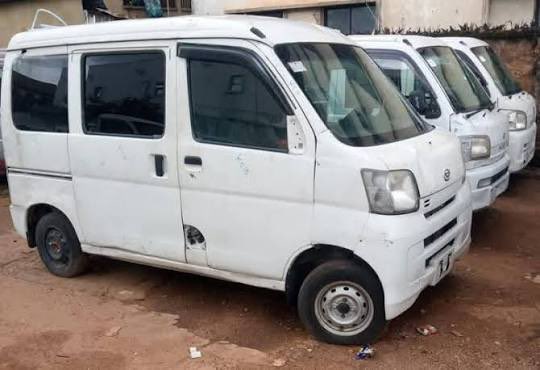
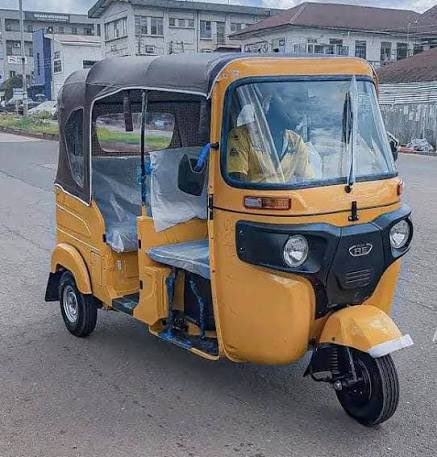
As a young boy trying to make it out the trenches, when you make your first few millions , there’s going to be that person you listen to that will advice you to get any of this or both and give it to someone to drive for you on hire purchase or weekly account , do everything possible to cut the person off
There’s no shorter route to going back to square one than this , take this advice from someone who’s been there before
1
33
Apr 14
The official campaigns for the 2027 elections will soon kick off nationwide.
Take 1 minute and ponder on these hard facts!
1. No face cap 🧢 can cover your hunger for 4 years.
2. No T-Shirt can protect you from insecurity for 4 years.
3. 5kg rice cannot help your belly for 4 years.
4. 1 litre of groundnut oil cannot sustain your kitchen for 4 years.
5. 4 yards of Ankara cannot cover poverty for 4 years.
6. If someone offers you 10k for campaign or voting, ask yourself this question.
How much do they give to their children as pocket money per month?
7. Remember, your 10k is for 4 years and it is once and for all.
8. Think about your value. Think about your voice. Think about your future. You are also human and you must not die on the crumbs table!
9. Politicians are not more Nigerian than you are. The power is in your hands.
10. If the best candidate does not have the chance to win, waste your vote on him without a second thought.
11. It is better to live a fulfilled life than voting for your own problems.
It is the best thing to do. You have a chance to speak in the future.
12. Remember you are not suffering as a Yoruba, Hausa, Igbo, Nupe, Igala,Tiv or Jukun but as a Nigerian. Reject all ethnical cards that are unfavourable to your future.
13. They will visit you during campaign but you will never see them again until the next campaign.
14. Work for an accountable candidate.
15. Election is local but politics is international.
The outcome of election will not only affect you, it affects all Nigerians irrespective of where they are.
16. Think about the character and integrity of your candidate.
17. Don't submit yourself as campaign thug, the children of politicians are enjoying abroad. They don't go out with knife 🔪, gun 🔫 or charms. Their lives are very important to their parents.
Be Wise!
Be Smart!
Be Thoughtful!
Be Focused!
GOD BLESS NIGERIA!!!
Please, share with many people!!!
13
Apr 13
If You Chop Addynamo & IreportersTV Money in 2010s, You No Small For Naija Blogging Industry Oo😃
1
15
Apr 11
My rich senior partner in his late 60’s was sharing some financial advice with me this afternoon and said “saving money without investing and reinvesting it yearly, will render you poor on the long term, no matter how much you save.”
I asked him what he meant by that as our society promotes a very strong savings culture and he began to explain.
He said in the 70’s to 80’s many of them who were civil servants then saved up large amounts of money to build their personal houses after serving the country for 30 to 35 years.
He said their targets were to save between N1M to N10M, build a small 2/3 bedroom home, get a car and then retire well.
He said as the years went by and several governments came into power, they watched all of that money lose their value and became almost worthless right inside the banks. Those who were very prudent with their money and saved up hundreds of thousands that could have afforded them a nice car, a good house and a good life are nowhere to be found today.
He said they were too scared to put all of that money into different investments and yet watched all of it crumble before them. Back then $1 was almost the same as N1. But today, even if you have N10M today, you cannot buy a land, start and finish the foundation with it.
His only saving grace was that he started building early. And the houses he built with less than N10M then are worth a lot more today. In fact only the lands on which they were built are worth over 5 to 10X that figure.
The takeaway is this: saving is good. But if you’re saving for just savings alone, without actively putting that money to work and produce more money for you, a day will come when that money in your bank will be worth less than sh!t.
Savings is good. But save to invest, don’t just save and have your money in the bank alone. Let your money continue to produce more money for you. Don’t just have it packed up in the bank unless it’s money saved for emergencies like sickness, auto fixings and so on.
This is the wisdom he shared with me today and I thought it wise to share with you all.
What do you think?
28
Apr 11
After training some of us on drone piloting tell me why Boko haram should be gaining upper hands? Tell me why Nigeria government cannot release funds to purchase advanced drones arms and Amunition.?
We are just holding it back not to let the cat out but if the cat can comfortably allow the rat to keep damaging things in the house, we will let it out.
If you talk they will tell you Nigeria govt will come for you ,and I'm asking who are the government without the police the Army the Dss or any other security agencies ? They are nobody we can't keep quiet and allow these guys to mess our country up.
Once it's a common Nigerian, they will quote the law for you , once it's the elites the law becomes flexible.
Nigeria govt should tell us why boko haram are still in Sambisa forest a land that is enough to feed Nigerians for years without no hustle .
It's not as if our men are not gallant.
During my training with the British (BMat) every 5 mins the British will give us a break to the extent our own instructors became angry but those British soldiers told them it's not all about physical training but technical training and how to shoot on target and maneuver obstacles because most of the times you don't have close contact with your enemies, that words still sink in me after 8 eight years till today.
Nigerians how many of the children of our senators are in the police, Army and Other Arm forces I want to know or do you guys think if they value those Agencies, the poor man pikin will be able to join? You only see them send their kids abroad and after school bring them back and give them one political appointment.
Initially Seyi Tinubu was insignificant nobody knows him until his father rigged and came into power, seyi has been stressed ,I said it if your father had done well ,you don't need to be stressing yourself ,they will mess up and go for damage control, buying Nigerians with money and appointment.#highlights #highlight #Endbadgovt #IgboAmaka #Very #YouthAwakening #everyone
29
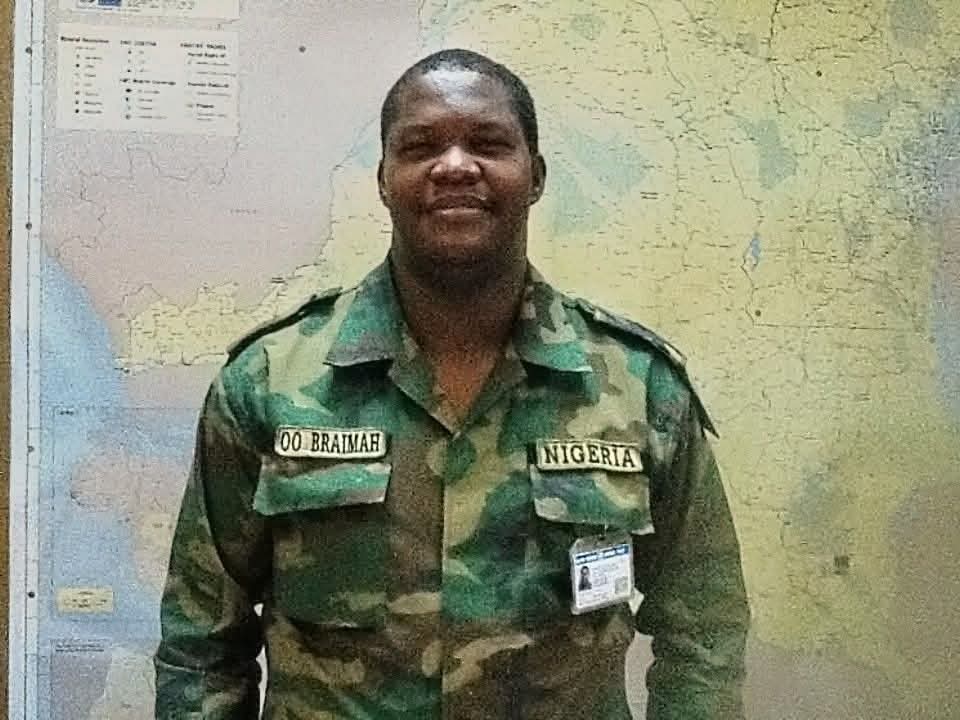
THE FINAL BETRAYAL OF A RED NECK?™
The humid air of Benisheikh felt heavy yesterday, not with rain, but with the silence of a trap. Brigadier General Oseni Braimah stood in the center of the 29 Task Force Brigade’s perimeter, his thumb tracing the jagged edge of a radio that hadn’t caught a clear signal in three days.
He had surely sent five memos to Abuja in a month. He’d asked for the T-72 tanks promised in the quarterly budget and the thermal optics needed to see through the encroaching Sahel dust. After all the general in his youth was trained in the annals of red house aka octopus house..where being on point was a religion? Sharp thinking was necessary to survive and being resourceful was mandatory.
But alas, The replies from the High Command via the buffoons in the villa were always the same: “Resources are being deployed. Maintain your position.” But Braimah knew where the resources were. He had seen the photos of the new mansions in Lakeview, Abuja, owned by men who had never heard a shot fired in anger. He knew the “superior firepower” touted in the morning press releases was sitting in a shipping container in Lagos, held up by a kickback dispute between greedy politically inclined morons and the compromised analogue generals who have become their partners in crime and corruption.
“General,” his adjutant whispered, pointing toward the tree line. “The scouts didn’t return.” how could they have returned? They had already been betrayed by some rehabilitated sons and daughters of Satan with the blessing of the NSA and his clowns in control of the nations security apparatus a long time ago.
Braimah reached for his rifle. It was a decades-old weapon, the ubiquitous AK 47? its barrel worn smooth. He knew the political will to end this war didn't exist; a forever war was too profitable for the men/agbayas in flowing agbadas, multi million naira watches and their paramilitary gang members in well starched khakis who the general answered to. If the insurgency died, the "security votes"—those unvetted billions—would vanish. After all, the dirty, stinky, drug addled vermin known as Boko Haram are the prodigal sons of some of the hierarchy as well as the politicians. These boys are cash in the bank as it is and so must be protected and supplied more than the military itself.
Then, the darkness erupted.
The terrorists didn't come with swords; they came with brand-new technicals and night-vision goggles—gear better than anything Braimah’s men possessed. The General sprinted toward the front trench, shouting orders that were drowned out by the screams of boys holding jammed rifles.
He picked up a Light Machine Gun from a fallen soldier, but after three bursts, it seized.
The procurement officers had bought "refurbished" ammunition that was actually decades-old surplus. “Request air support!” Braimah roared over the thunder of RPGs.
“The jets are grounded in Maiduguri, sir!” the comms officer yelled back, tears streaking his dusty face. “They say there’s no fuel budget cleared for night Sorties!”
Braimah looked at the sky, vast and empty. No air support? No night time drones? It wasn't the enemy that had defeated him. It was the ink on the diverted contracts and the shrugs in the air-conditioned boardrooms of the capital. He stood tall, a silhouette of defiance against the muzzle flashes. He was a lion led by sheep, a guardian sold for a percentage. As the perimeter collapsed, he didn't retreat. He fired his sidearm until the slide locked back. By then the scene must have looked like a scorched earth with bodies strewn across each other, blood and dust mixing with bullets and shrapnel as the constant staccato of gunfire mixed with Islamic chants by the evil killers of his colleagues rent the air, getting closer, and closer by the mili second?
The last thing Oseni Braimah felt wasn't the sting of the bullet, but the "cold weight of a betrayal that started a thousand miles away from the battlefield in an air conditioned.....👇
1
1
46
... suite in the villa and freezing office in the MOD." The desire to gaze upon the faces of his beautiful wife and kids once more must have driven him to jump into the last remaining MRAP vehicle in order to save himself and the wounded left alive to try to salvage their dire situation and protect us the citizens who slept underneath the covers while simultaneously living in order to fight another day?
But alas....it wasn't meant to be..."oga the MRAP has no fuel and the engine is faulty?" What manner of government allows a red neck to be in charge of a command with such a logistical nightmare? The Nigerian government of course. Better to turn our brightest and bravest into sitting ducks in borno for the bandits as long as the allowances can be exchanged in zone 4 for dollars but not sense!
The next morning, the DHQ would release a statement praising his "heroism" and "the military's successful repelling of the attack." The mansions in Abuja would remain quiet, their walls thick enough to drown out the sound of the desert wind while also buck passing in order to avoid any form of official scrutiny. Maybe tomorrow morning the mong from bourdillion would hurriedly fly into an airfield in Maiduguri for 10 minutes to extol the virtues of my red house brother and his fallen comrades in arms as he did in jos? He would make his usual regurgitated speech about "never again or we will crush these bandits?" He may also demand that they bring omos twin brother and his grieving wife and kids for a photo op? To show that he cares? Typical.
Mr President f**k you, your high command and your useless Boko Haram trainee ministers and the safari suit wearing boy scout from kaduna . You have all sacrificed an innocent man's life and that of his brave platoon with your incompetence, blinding stupidity and lack of political will to face this menace head on. Nigerians are now on par with somalians as regards to insecurity and it is all happening under your bleary-eyed watch.
The betrayal of all the remaining red necks and their subordinates rests on your shoulders. May all of you responsible for the current state of this nations capitulation choke on your wealth and die off in penury after being haunted by the visions of all those who have been sent to the upper room by your inaction greed and lack of foresight.
As for "Le deux, tallest, Omo bee and the general?".....I wish you a peaceful journey
I will see you when it's my turn . Rest in peace......Salute.
["The final betrayal of a red neck" is a semi biographical epitaph written by me based on the events of the last 24 hours of oseni braimahs life, a dedication to his bravery and that of his men, the current inefficiency affecting our nations military offensive against terrorists in nigeria, the debilitating federal corruption as well as our 32 year association via our journey through the hallowed halls of CSSKD"]
© God of words productions. 2026
27
BREAKING: Iran says it will withdraw from the US ceasefire agreement if Israel continues to violate it by attacking Lebanon, according to Tasnim citing an informed source.
1
32
...Tinibu Na Tsaka Mai Wuya...
Shima Kansa Tinibu Akwai Babban Kalubale a Gabansa Bayaso Ya Koma Da Kashim Shetima Amma Idan Yay Hakan Zai Samu Mummunar Matsala. Idan Ya Koma Dashi Kuma Zai Hadu Da Fushin Gwamnantin Donald Trump, A Bangare Guda Kuma Talakawa Sun Fusata Sunajin Haushin Sa Duk Wani Cikakken Mai Hankali Bazai Zabeshi Ba Shiyasa Yake Ta Kokararin Karya Jamiyyun Adawa Masu Karfi Sabo Neman Hanyar Da Ba Sai Anyi Zabe Ba Kawai Ya Cigaba Da Mulki. Idan Anyi Zabe Yasan Bazai Ci ba Kuma Idan Yay Magudi Kasa Zata Iya Ya Mutsewa Ya Ubangiji Kai Mana Maganin Azzalumar Gwamnantin Zalunci Ta Tinibu...
1
19
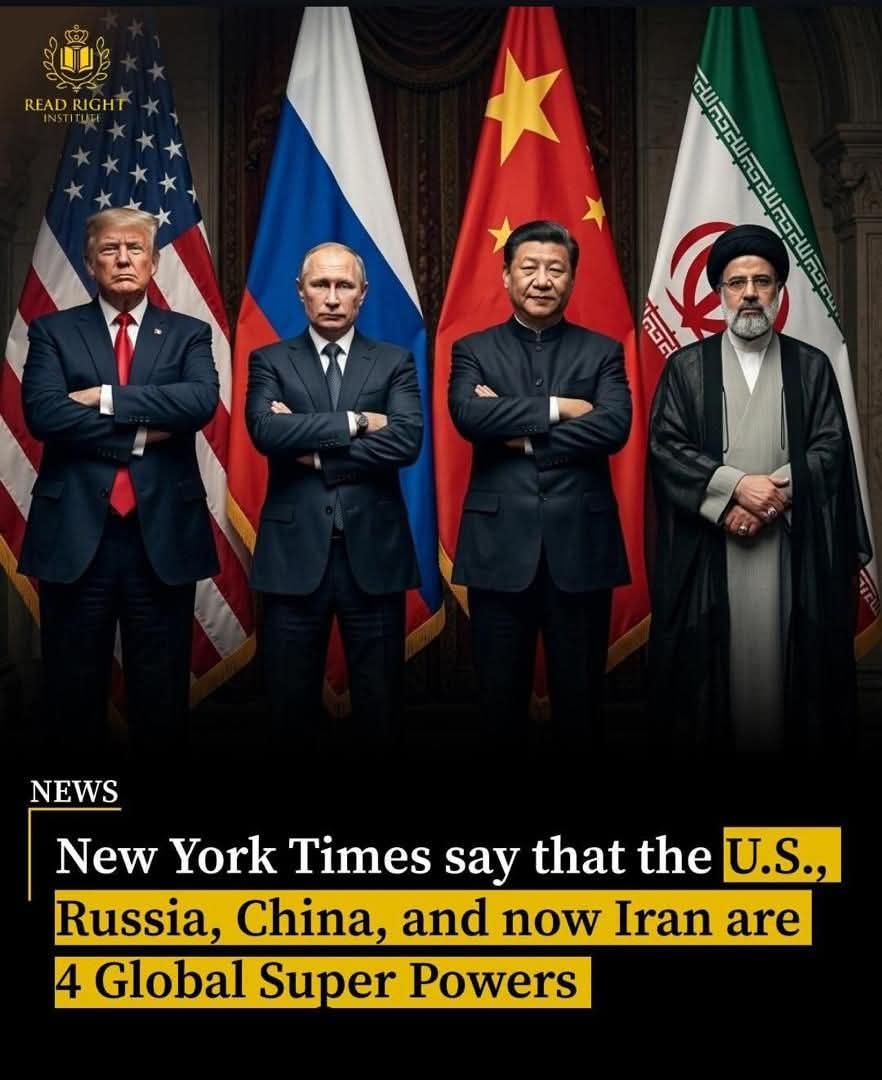
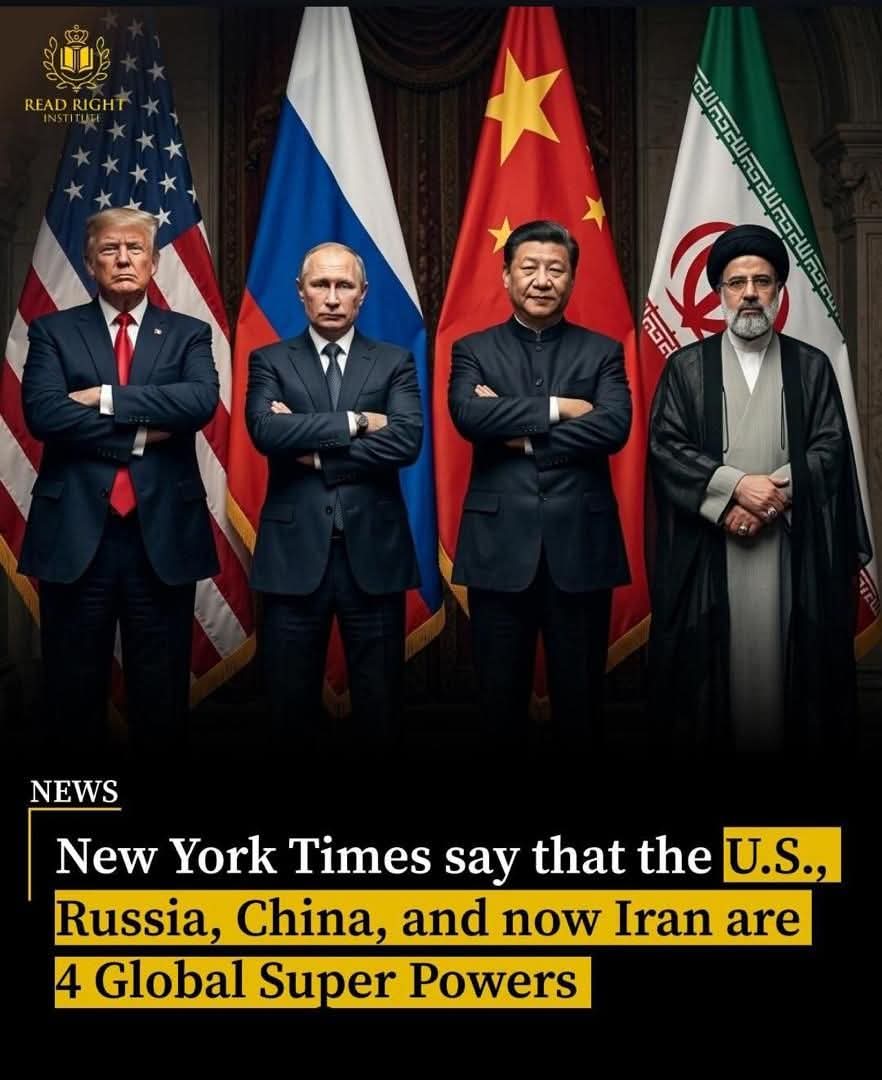
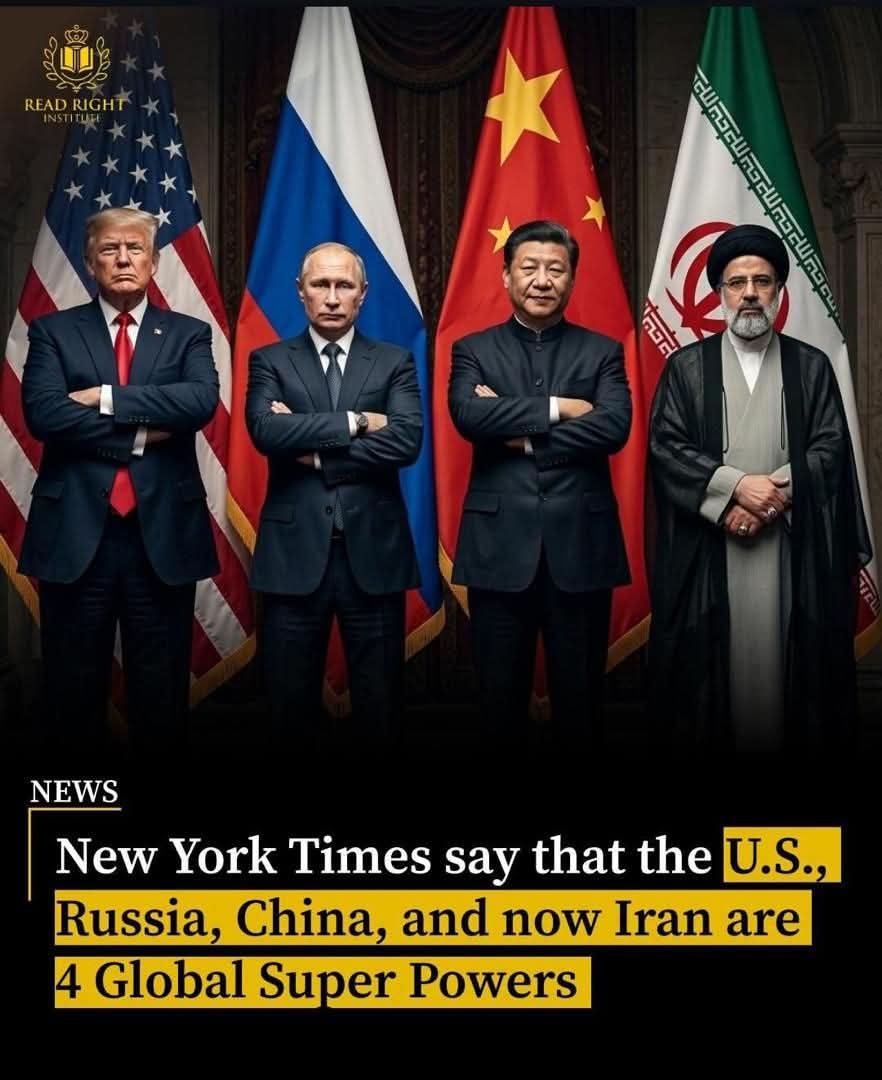
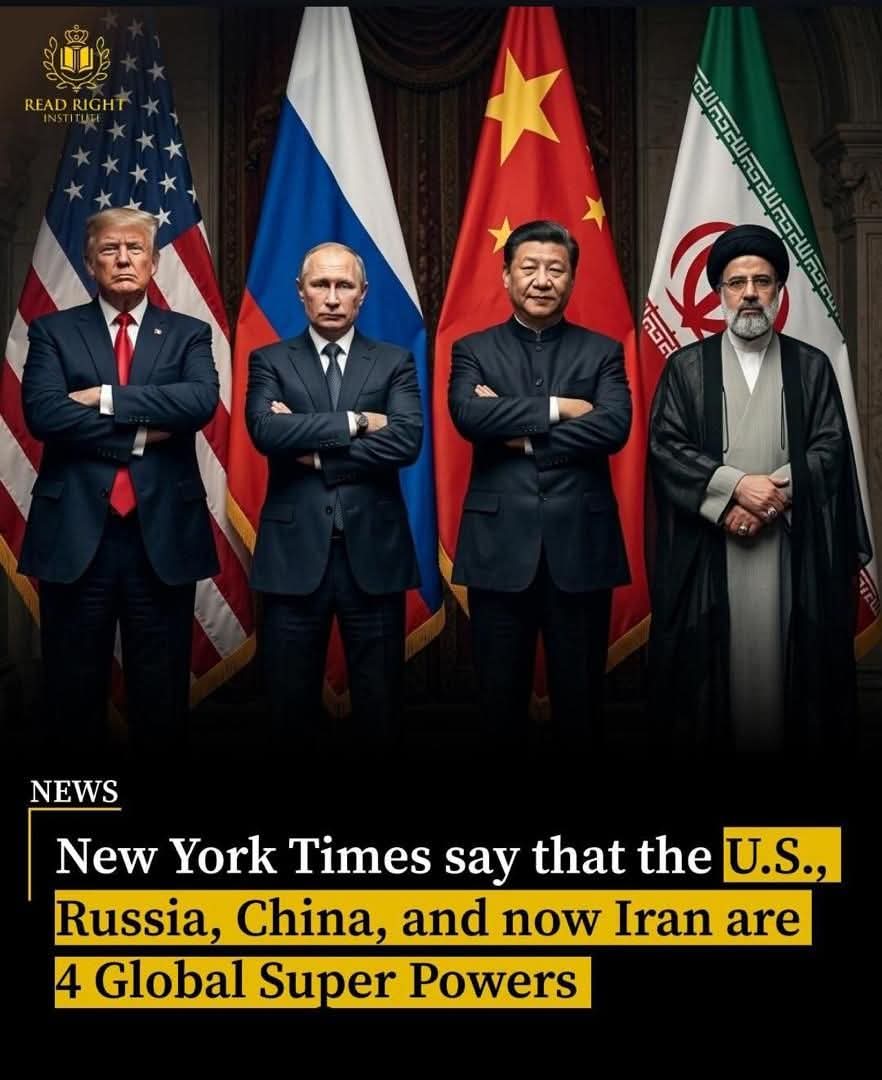
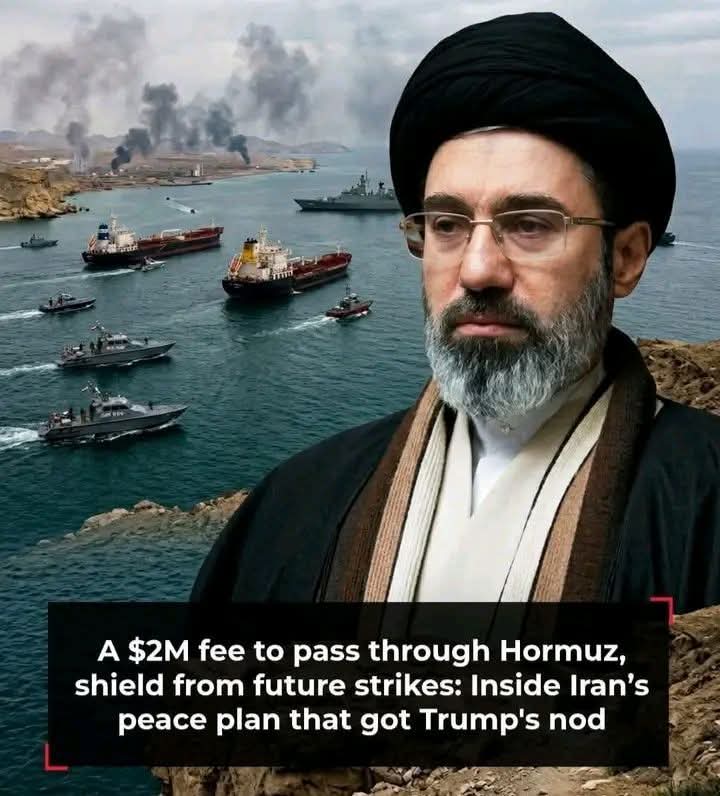
History will record that Iran, despite siege, despite pressure, despite hostile alliances, chose confrontation over submission, and consequently pronouncing its presence in the global map and forging itself into an unbreakable force.
Regardless of your opinions about it, it remains an example of a nation that stood firm in its decisions and paid the price for its stances, but in the process, it became a prominent player in the regional and global power dynamics.
The implication is that it will not be looked down again by any country, and it will not be attacked unprovoked by any country without enormous preparations. Its leaders will also be remembered in history as among the most courageous and resilient in the face of challenges.
I deeply respect Iran. It's one of the excellent examples of what a country achieves when it refuses to compromise self-respect.
1
19
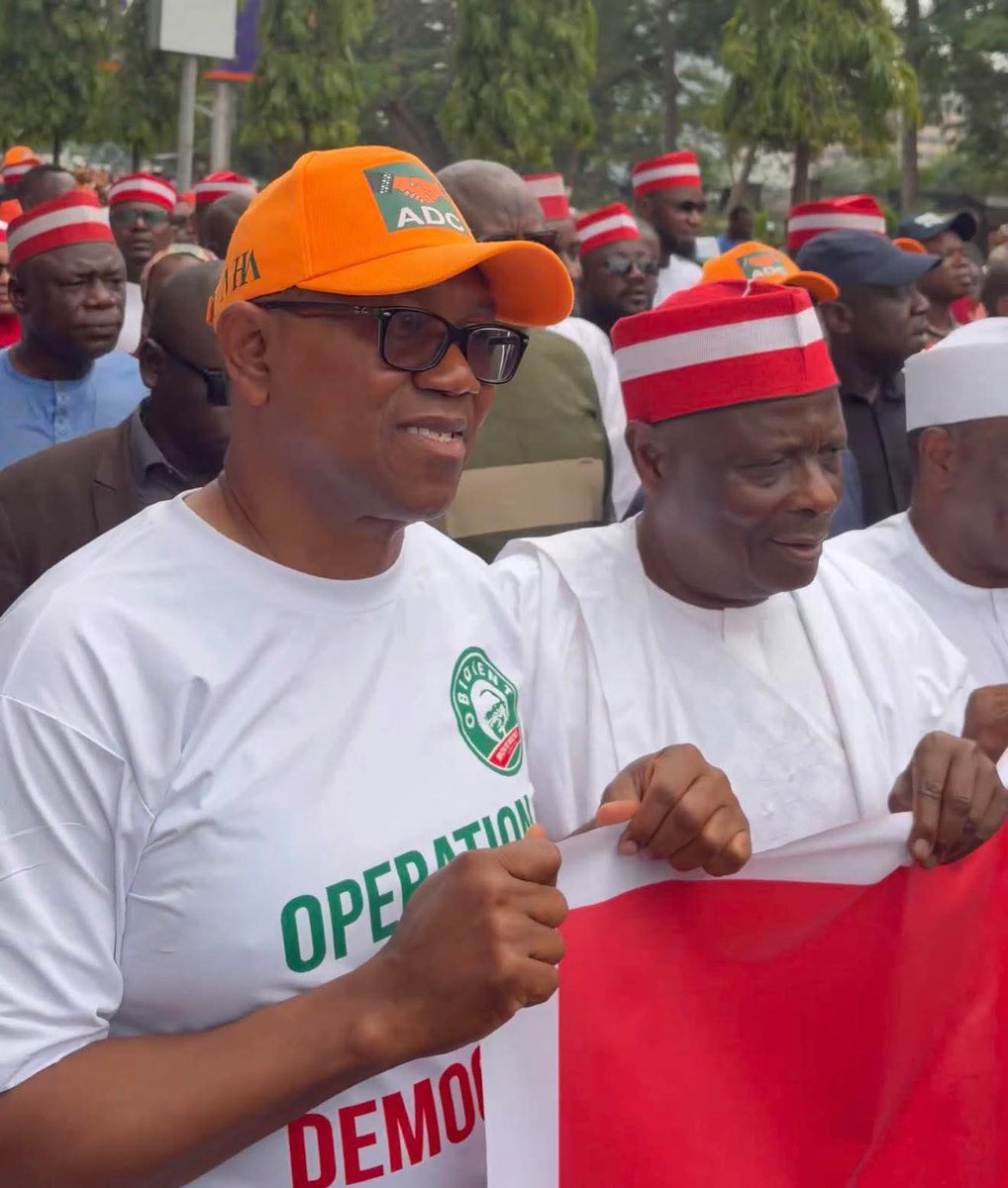
The protest going on in Abuja is long overdue. Finally the opposition are taking bold steps.
I have seen Atiku. PO. Kwankwaso, Amaechi. And almost all the ADC leaders. Let the world know that there’s a threat to democracy in Nigeria.
Nigerians must be allowed to democratically decide who becomes their leaders. This is the single most paramount right.
@atiku @PeterObi @KwankwasoRM @ChibuikeAmaechi
16