
Bending the curve on ecological overshoot. Global alliance shifting public policy, public narratives and mindsets. @GirlPlanetEarth @GirlPlanetEA @BarnardPhoebe
Joined October 2021
- Tweets 1,316
- Following 2,241
- Followers 1,078
- Likes 2,592
185 Photos and videos






Pinned Tweet

24 May 2024
Creating a compassionate and ecologically sustainable world. #StablePlanet Alliance.
3
9
200
17 Dec 2024
Sounds like a plan to us too.
12 Dec 2024

NEW EPISODE ⚡️ @brhodes on "climate populism": can populist right-wing outrage over climate action be redirected towards exposing the planet-destroying exploits of the oil and gas industry? 🔥🔥🔥
Now that sounds like a plan.
🎧 bit.ly/3VzxRTd
1
47
8 Sep 2024
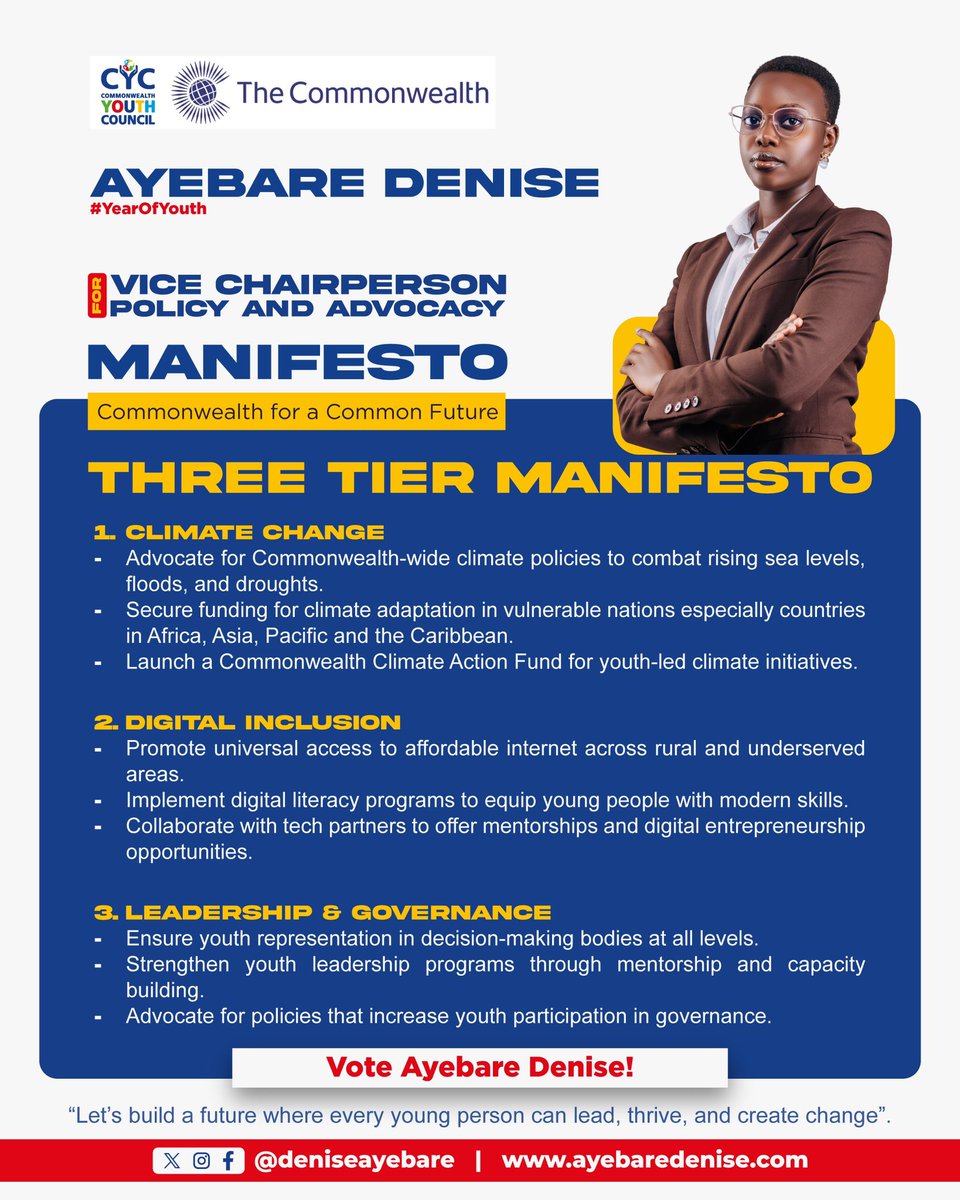
Wonderful to see the amazing @AyebareDenise truly going from strength to powerful-integrity strength! Congratulations Denise on a winning manifesto to empower society and youth.
8 Sep 2024

And if you know me, you already know #climatechange is at the heart of my manifesto!
Along with digital inclusion and leadership & governance, I’m ready to tackle the big issues.
What else would you expect from an award-winning speaker and climate activist?
#AyebareForCYC
1
4
8
402
13 Aug 2024
This is what governments must, first and foremost, do. Protect from harm. That's why we have them.
12 Aug 2024

Big oil is running a massive misinformation campaign to slow the pace of renewables, says the UN.
We need our governments to have the courage to stand up to these bullies and protect what we love.
theguardian.com/environment/…
1
54
13 Aug 2024
The world doesn't have to be this way. We can change it. And we are changing it. Join us and pursue your own contribution to this massive social change.
Thank you @AntonioGuterres 🧡🌿🦋
12 Aug 2024

My message to young people worldwide:
Do not accept that what we have today is inevitable.
Do not accept that you cannot transform things.
If we want to change the world, we need to unite, mobilize, and fight for a better future for all.
un.org/en/summit-of-the-futu…
#OurCommonFuture
70
Stable Planet Alliance retweeted

13 Aug 2024
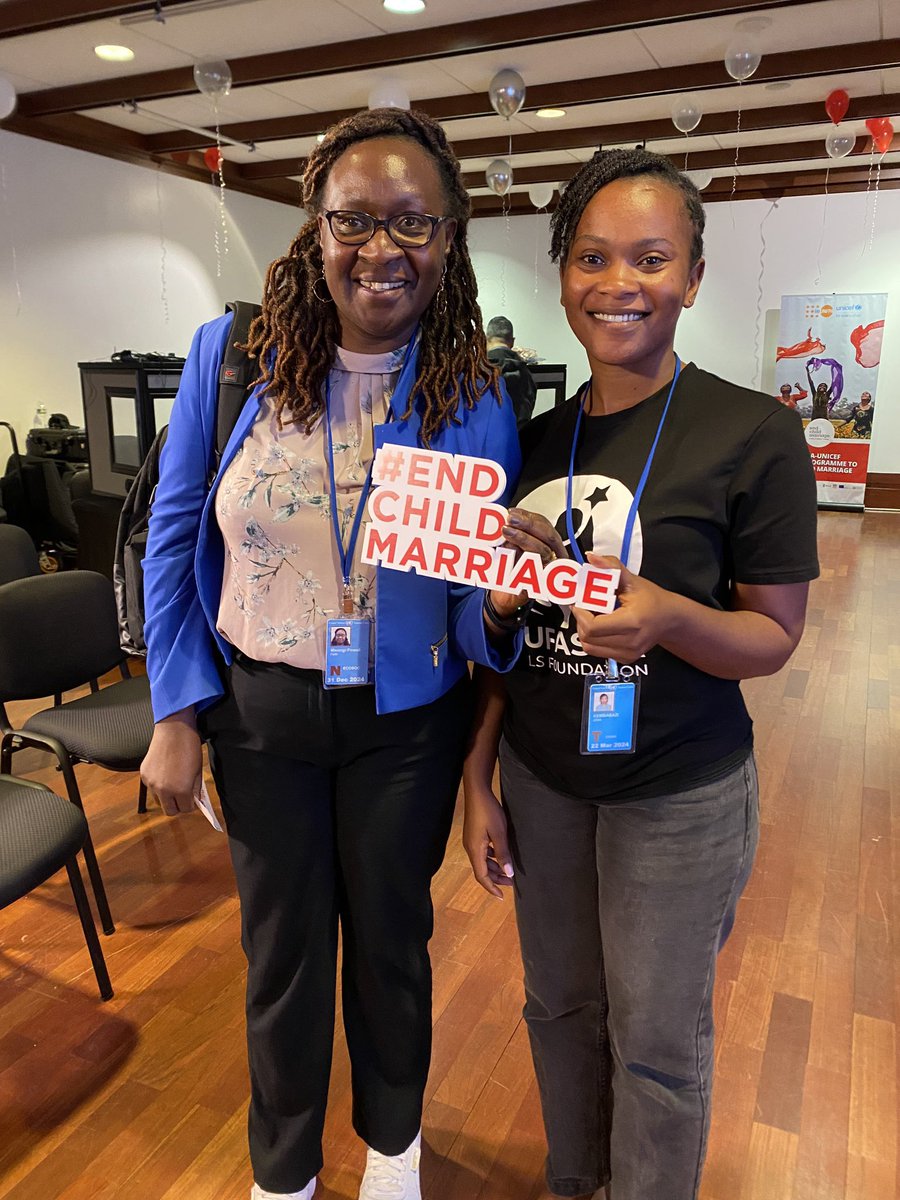
Child Marriage statistics are beyond just numbers, they are childhoods,lives, dreams and futures being stolen.
Girls futures matter, and it is our responsibility to support and empower them to realize their fullest potential.
#EndChildMarriage
#EmpoweringGirls
18
29
841
10 Aug 2024
One of our fabulous storytellers in @GirlPlanetEarth, a brilliant changemaker and inspiring speaker, @AyebareDenise of Uganda. Thank you Denise!
@GirlplanetEA @PLANETucker @PamPence4 @OASISSahel @PEA_Initiative @josh_mirondo @joan_kem
1
5
7
671
Stable Planet Alliance retweeted
30 Jul 2024
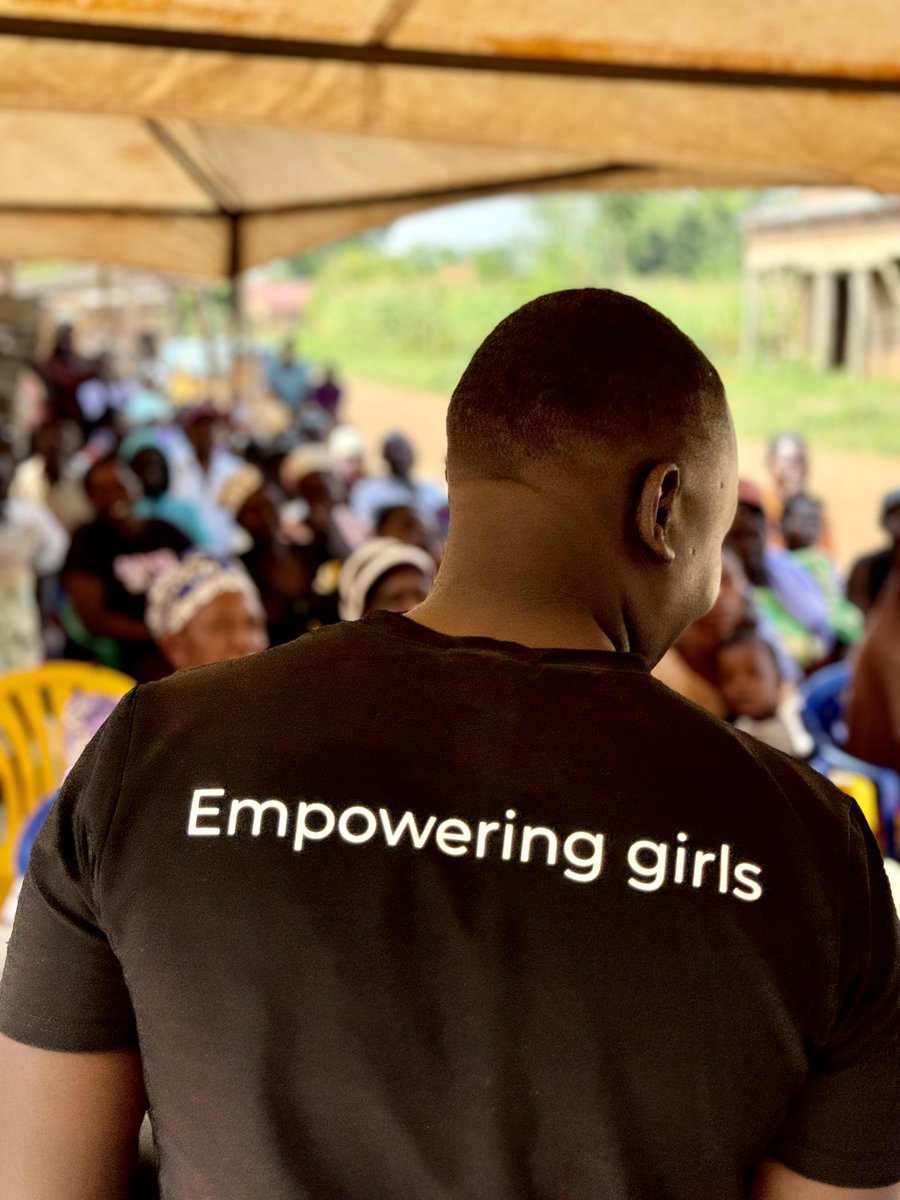
Through our community-led initiatives,girl-led campaigns,adolescent safe spaces,advocating & supporting girls education,working with educators and parents,we are on a mission to #endchildmarriage and build a generation of empowered girls
Visit our website gufashagirls.org
19
51
770
29 Jul 2024
Until you see the videos of #JasperWildfires you might not fully get it.
28 Jul 2024

CLIMATE CRISIS: Huge, fast-moving wildfires have destroyed up to half of the historic Canadian town of Jasper. Entire streets have been levelled by the blazes in Alberta province, with video showing smouldering rubble where homes once stood.
38
25 Jul 2024
We need to be asking tough questions, but having gentle conversations. Veganism does get easier for most people as their gut microbiomes flourish and the food starts to taste incredibly delicious.
24 Jul 2024

In short, yes:
"A fully vegan world would require 75 percent less agricultural land in total than the world we live in today" goodmenproject.com/featured-…
38
25 Jul 2024
Our planet. It's full of an almost magical degree of exquisite #coevolution that helps regulate our climate, planet, and all life on Earth. And we need that help right now, as everything is at stake.
38
19 Jun 2024
It's time to remember that humility suits us and our world a lot better than arrogance.
1
3
142
19 Jun 2024
Imagine a world. There are so many of us thinking almost exactly this way. So let's make it happen.
27 May 2024

An Ecocentric Second Age of Enlightenment
Five Tenets for a Livable Future
The Age of Enlightenment, spanning the late 17th to the early 19th centuries, was a pivotal period in human history characterized by a profound transformation in thought, culture, and society. Intellectuals and philosophers such as Immanuel Kant, Voltaire, and John Locke championed reason, individualism, and empirical science, laying the groundwork for modern democratic societies, scientific advancements, and human rights. This era fostered a spirit of inquiry and skepticism, encouraging people to question established norms and authorities, ultimately leading to significant political and social revolutions, including the American and French Revolutions.
However, despite the monumental changes achieved during the first Age of Enlightenment, contemporary society faces unprecedented challenges that the Enlightenment thinkers could scarcely have imagined. The industrial civilization that emerged from Enlightenment principles has led to environmental degradation, social inequalities, and a disconnect from the natural world. These issues compel us to reconsider the Enlightenment's legacy, integrating biocentrism, the rights of nature, bottom-up democratic self-organization, feminism, and a cooperative economy. This new Enlightenment would address the consequences of industrial civilization, offering a pathway towards a truly sustainable and just future for humanity and the planet. 1/2

1
2
69
19 Jun 2024
Congratulations @IPBES and Prof Costanza! So deeply and richly deserved in these times of dispiriting #biodiversityloss and #planetaryemergency.
2
3
1,645
14 Jun 2024
This is bleak, predictable, inhumane and terrible for the future of Afghanistan - Afghan teenage girls on forced marriage and pregnancy and life without school theguardian.com/global-devel…
1
35
6 Jun 2024
Happy birthday Joan! - a real trailblazer. Out of sadness comes transformative change. Thank you for working to keep young girls out of transactional marriages so they can achieve their dreams, continue their studies.@PopnBalance @Josh_Mirondo @GirlplanetEA @PEA_Initiative
6 Jun 2024

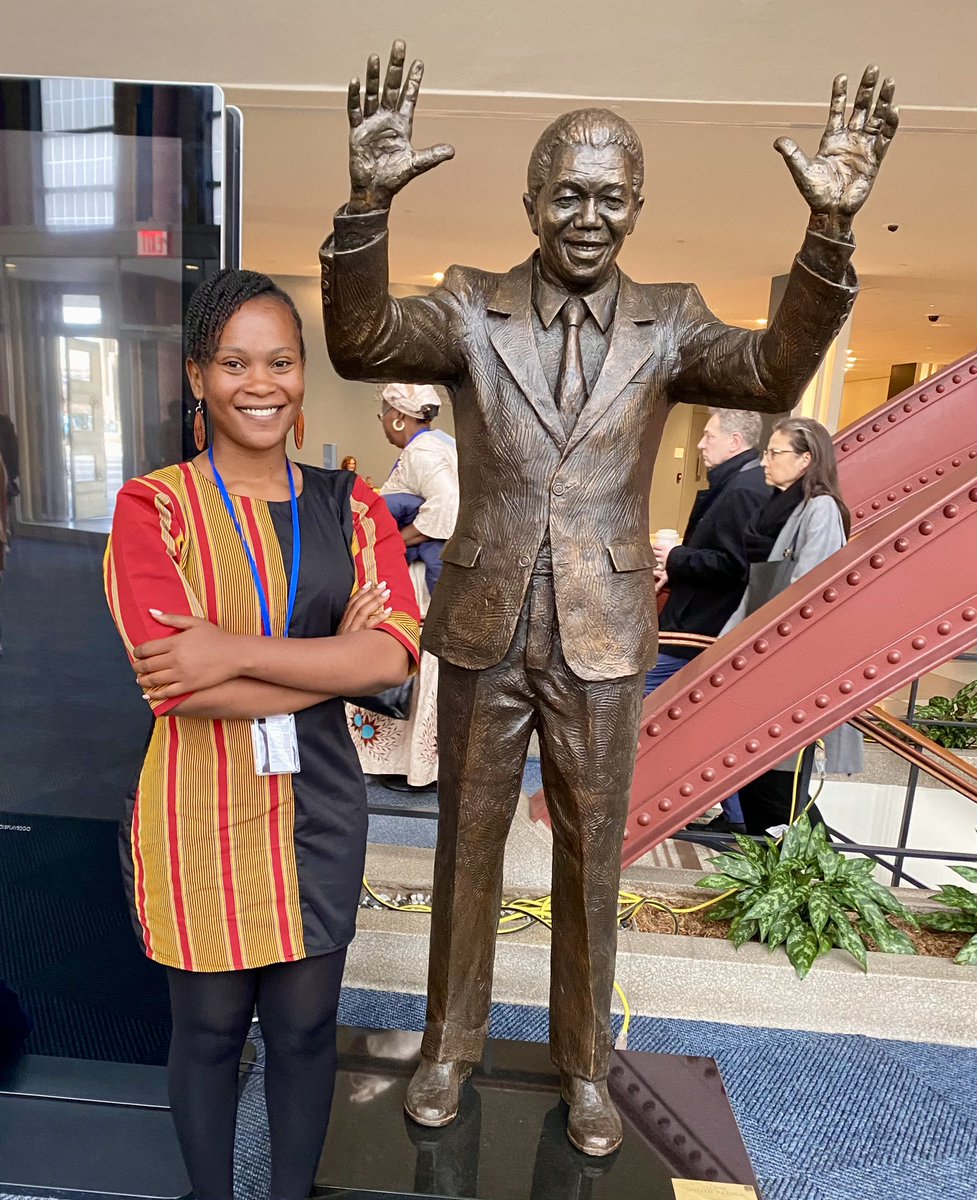
Today is my birthday🎉, I turn 25.
I am grateful, humbled and honoured to be alive today. God has been faithful to me. I thank him for his continuous grace and mercy.
And, I thought of re-introducing myself today because I have made new amazing connections here.
2
4
235
Stable Planet Alliance retweeted

4 Jun 2024
My friend Nandita Bajaj @PopnBalance explains “How Patriarchal Pronatalism Dominates the Conversation About the Human Future.” counterpunch.org/2024/06/04/…
2
5
10
679
4 Jun 2024
PopnBalance always on the mark for society and the planet. Thank you Nandita.
4 Jun 2024
"It’s time to reject pronatalist ideologies that treat women’s wombs as cogs in the growth machine. We need to get off the growth treadmill, get past population denialism, and work for a future that has both fewer human beings and less consumption." counterpunch.org/2024/06/04/…
2
37
Stable Planet Alliance retweeted

4 Jun 2024
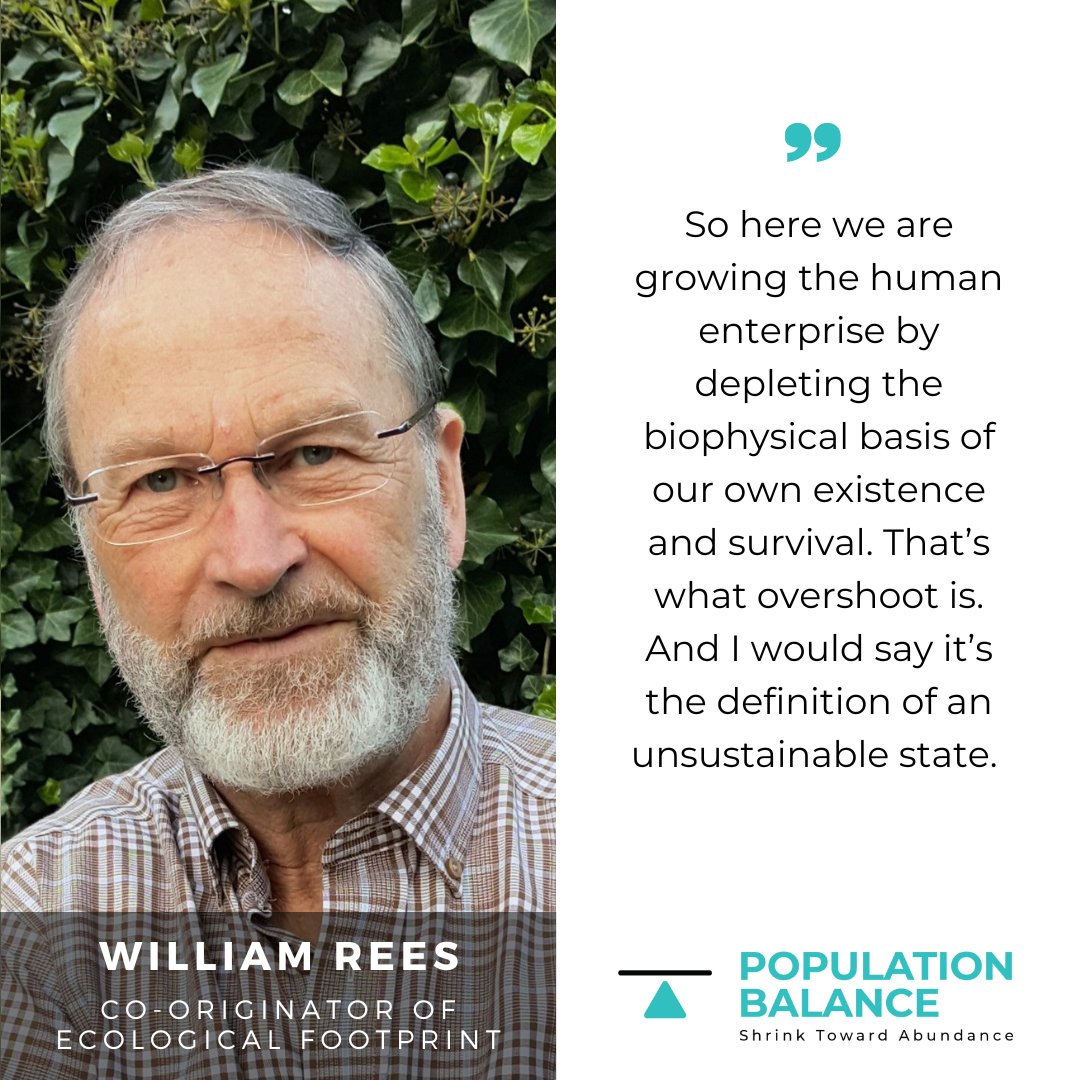
Bill Rees, co-originator of ecological footprint analysis, unpacks how we came to our perilous state of overshoot, and how we get out of it by Changing the Story of Human Exceptionalism. Check out his brilliant podcast episode populationbalance.org/podcas…
4
10
231
4 Jun 2024
A most wonderful storyteller too, on our global women's platform @GirlPlanetEarth! Congratulations @bisola_bamidele. girlplanet.earth
4 Jun 2024

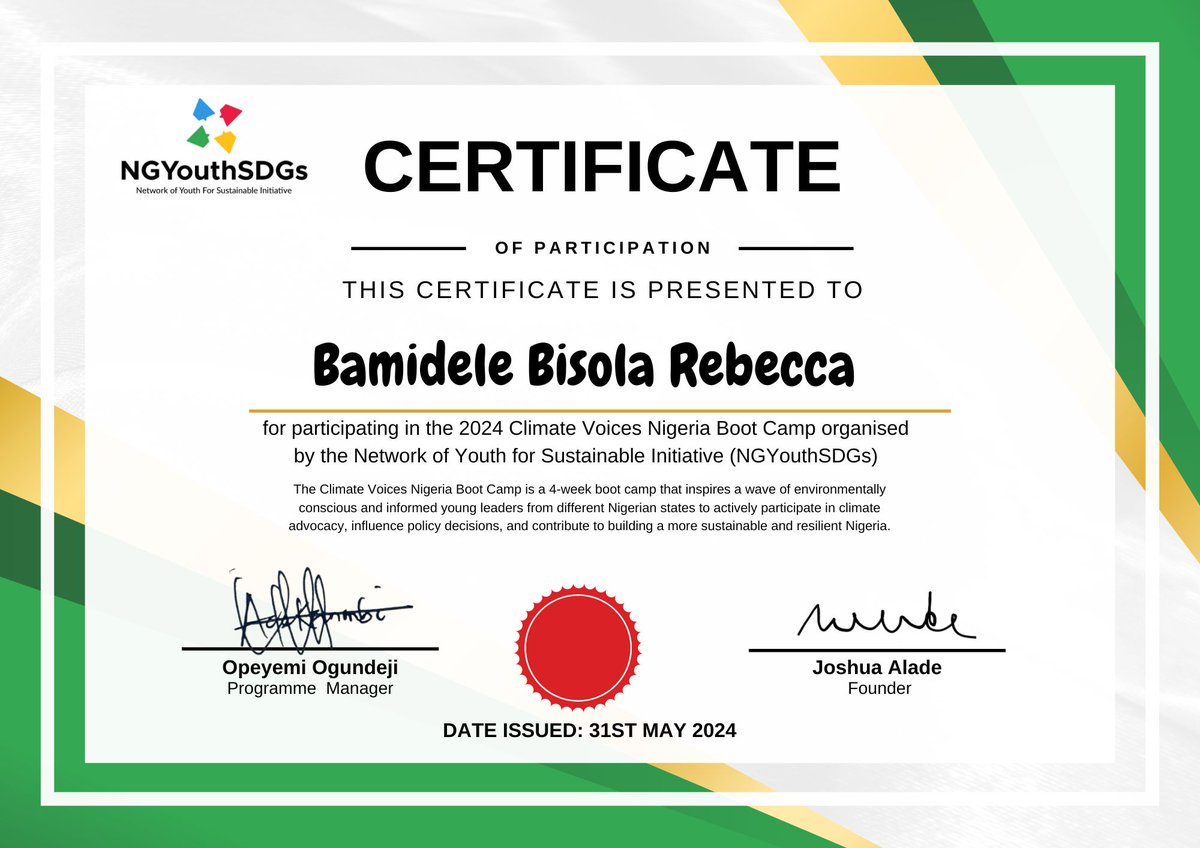
Congratulations to me for graduating amongst the 81 students out of 500 who complete the Climate Voices NG bootcamp training through @NGYouthSDGs It was a swell time and I am glad I came out equipped and ready to take climate actions anytime any day!
Cheers!

1
1
46
4 Jun 2024
Proud of you, GFF and @joan_kem and @Floramujaasi ! ❤️
4 Jun 2024

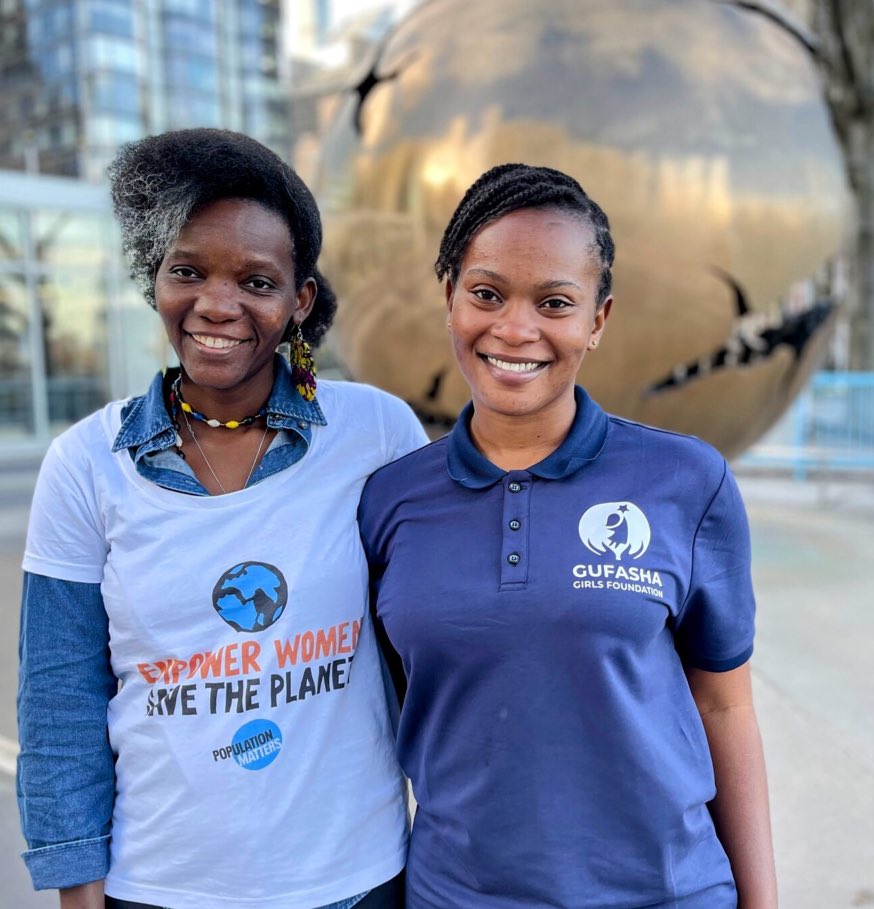
Feminist activists & youth-led organizations play a critical role in shaping the future of gender equality by working at the frontline in their communities.
In this blog, we highlight our participation in this year’s #CSW at the @UN headquarters: gufashagirls.org/gufasha-gir…

1
3
5
811