
Joined March 2022
- Tweets 157
- Following 5
- Followers 329
- Likes 49
42 Photos and videos

May 28
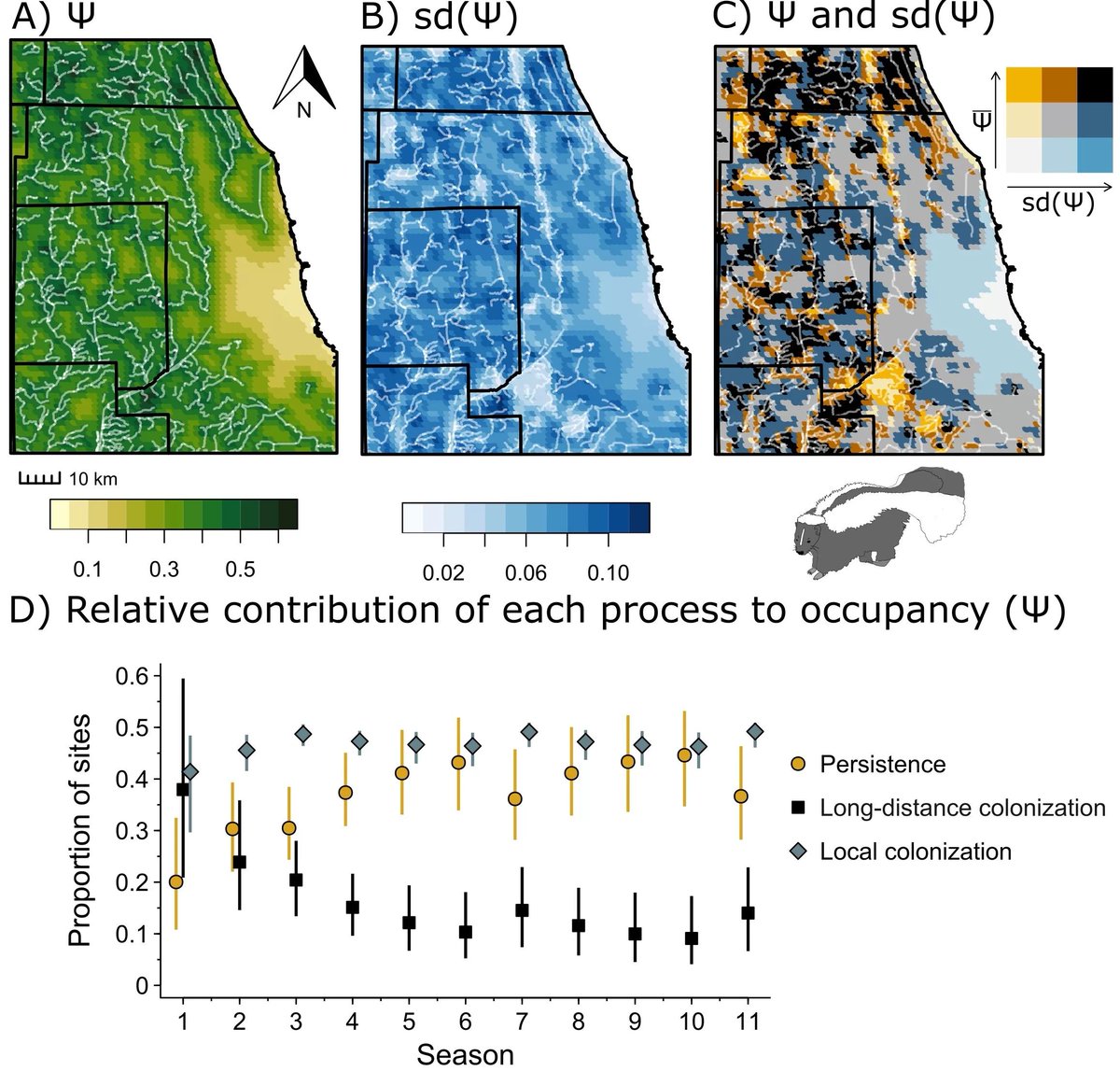
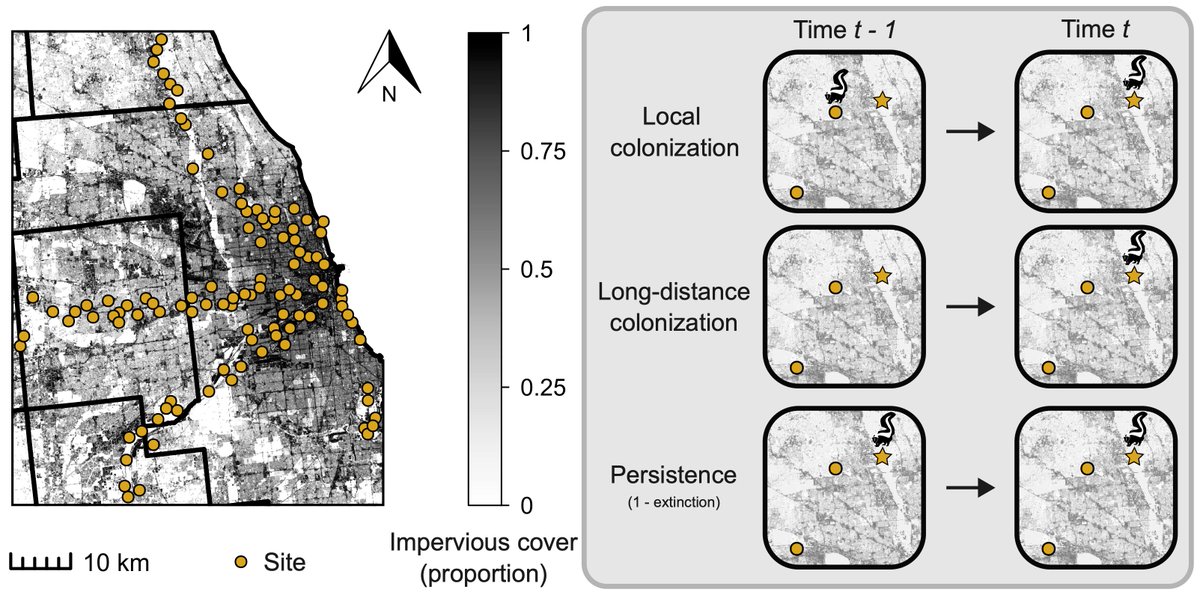
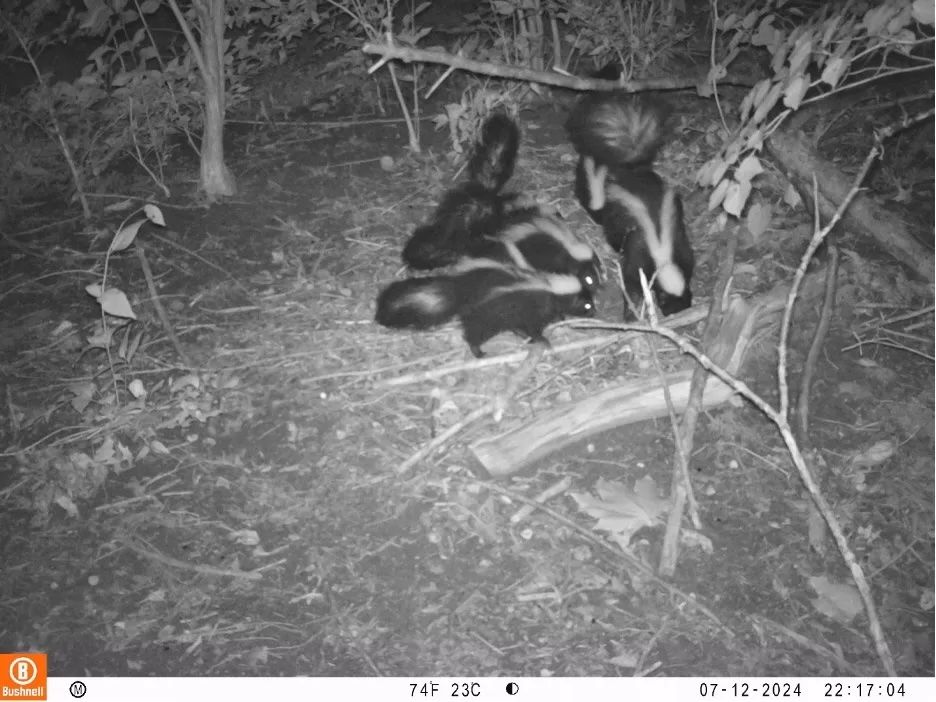
1,500% more photos. Zero added scientific insight.
New research by Jody Tucker from @usfs_rmrs and colleagues analyzed >1 million camera trap photos and found that more data isn't always better.
#CameraTraps #Ecology #WildlifeResearch
doi.org/10.60102/stacks-2600…
93
4 Sep 2025
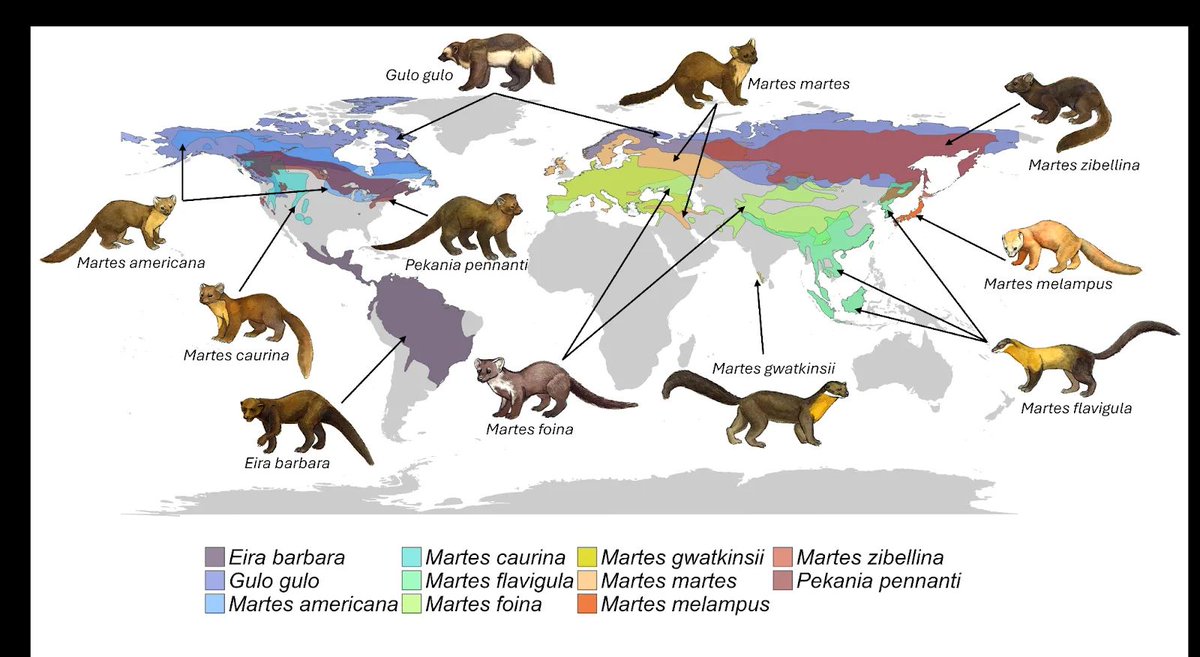
Did you see the new research in @StacksJournal from the @MartesGroup that found 10 of 11 Guloninae species (weasels, martens, wolverines, etc.) are threatened by climate change?
doi.org/10.60102/stacks-2500…
58
27 Aug 2025
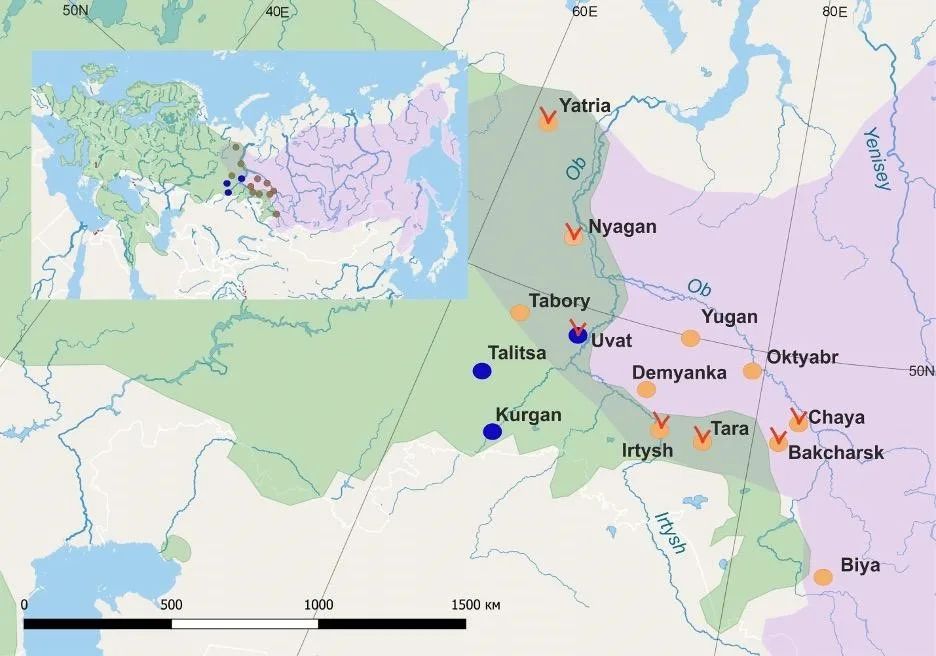
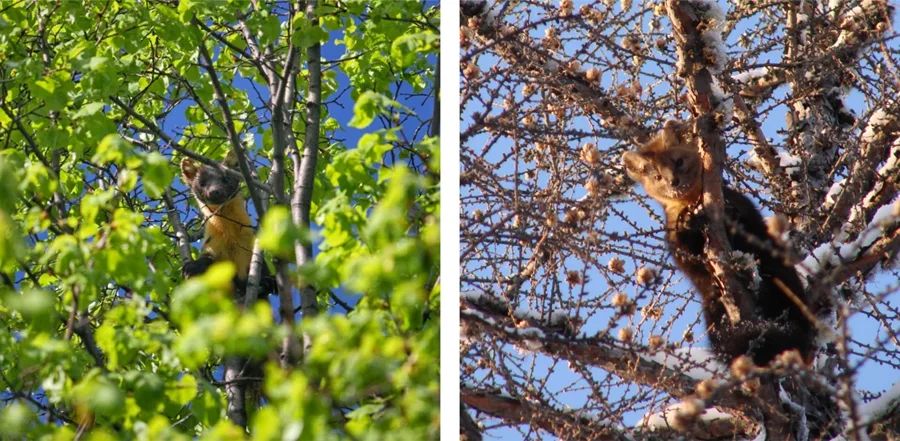
Did you see the new research in @stacksjournal from @MartesGroup that revealed pine martens & sables in Siberia may be hybridizing more often than we thought?
Using microsatellites, researchers found that nearly 20% of individuals were actually hybrids.
doi.org/10.60102/stacks-2500…
1
59
25 Aug 2025
✨ Did you know @StacksJournal partners with organizations to create collaborative & engaging Special Issues?
They’re an affordable and #OpenAccess way to share your community’s research — & we just partnered with 2 more orgs to put some together!
stacksjournal.org/special-is…
50
21 Aug 2025
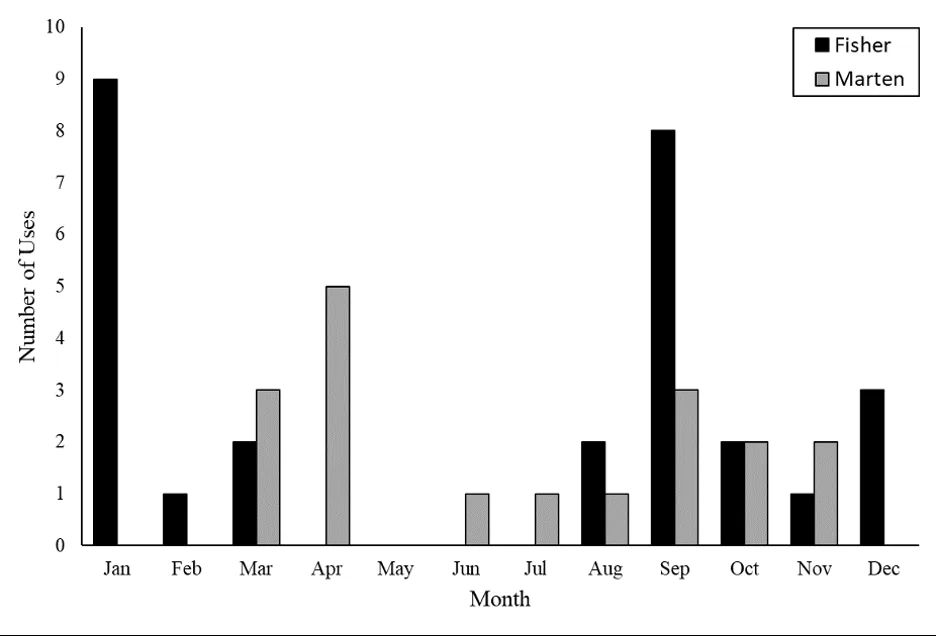
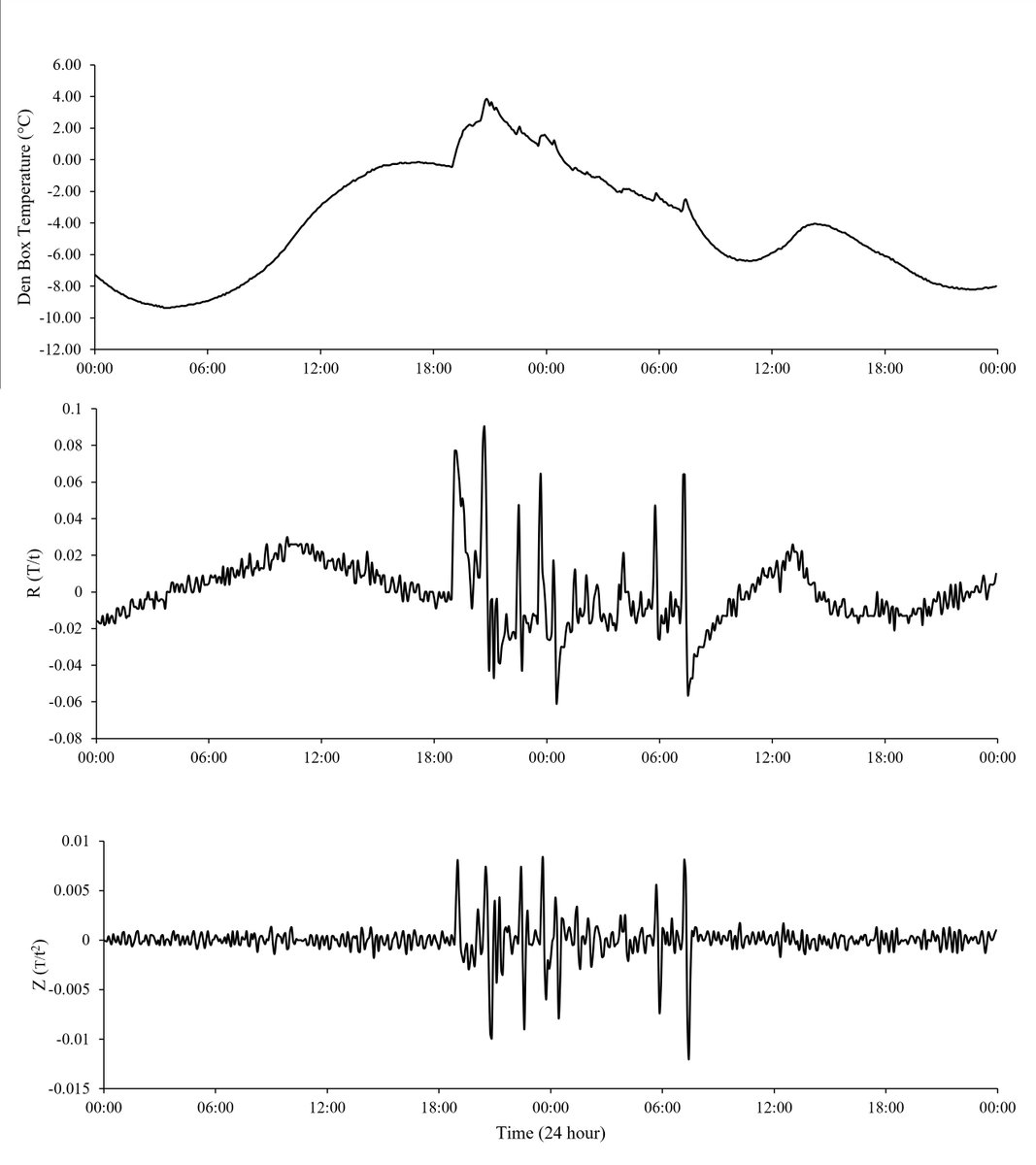
New research experiments with a low-cost way to monitor den-box use by martens & fishers – temperature loggers
By analyzing the rate of temperature change, researchers identified every fisher & marten den visit—and even distinguished the two species!
doi.org/10.60102/stacks-2500…
1
3
144
19 Aug 2025
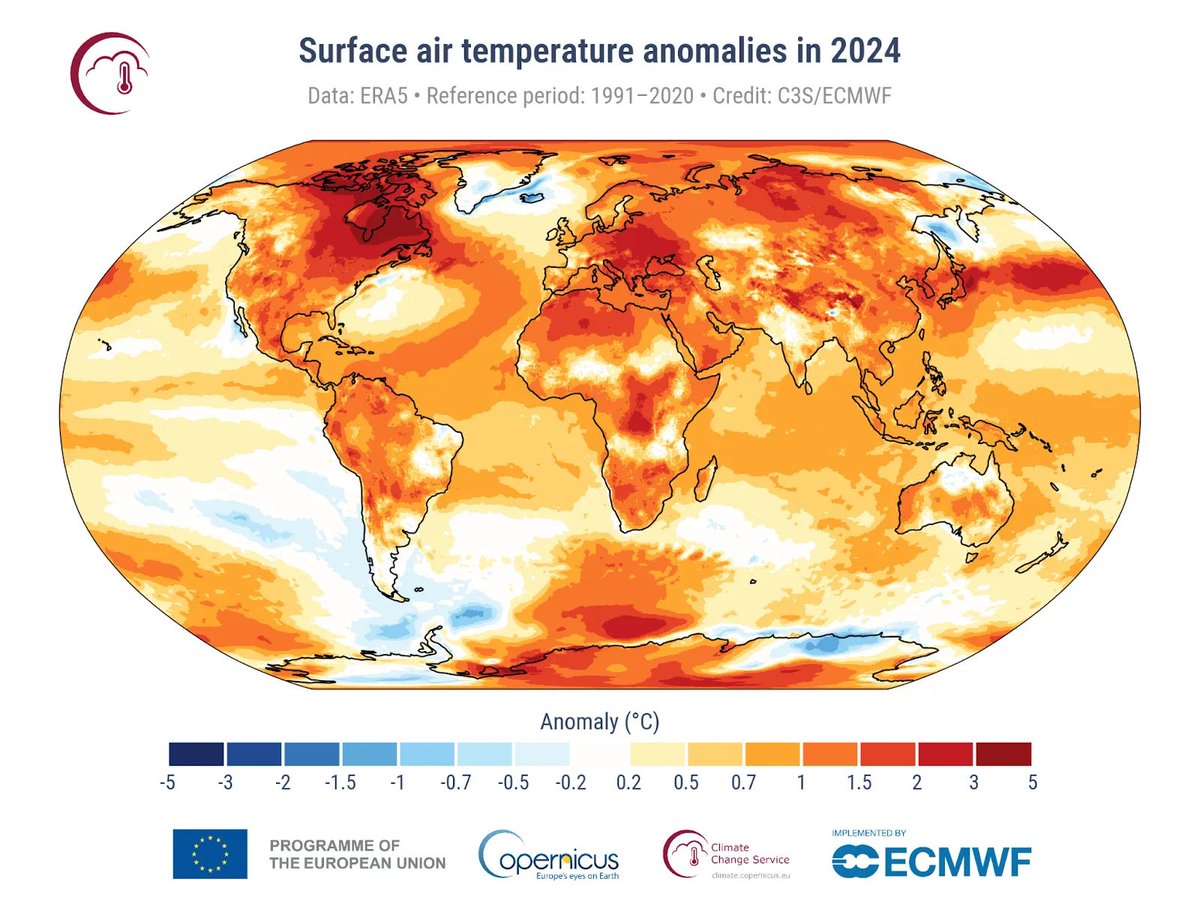
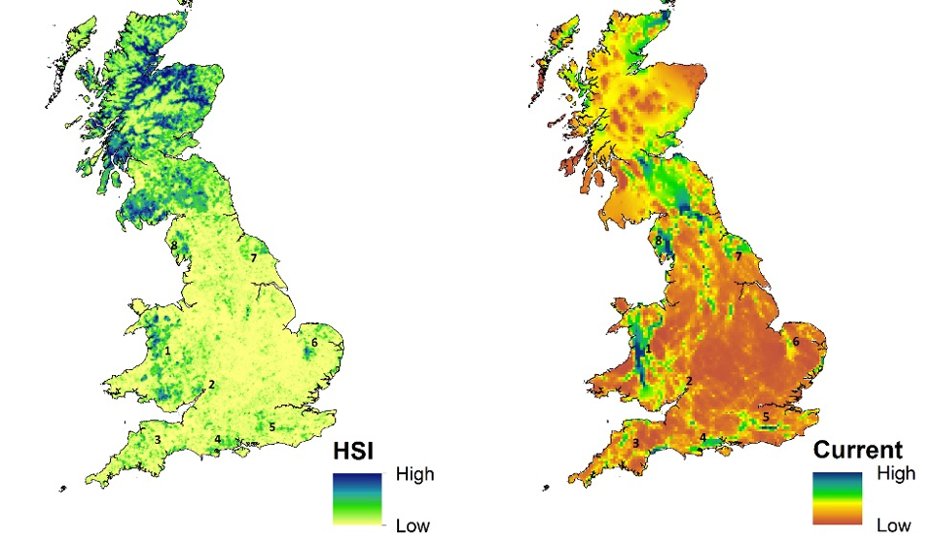
The pine marten, fisher, wolverine, & similar species are facing more than habitat loss — they also occupy environments threatened by climate change.
New peer-reviewed research in @stacksjournal assesses the future of the Guloninae across the globe. The outlook is rough.
A 🧵
1
39
19 Aug 2025
But there’s hope!
Successful mitigation strategies include:
⇶ Landscape-scale forest connectivity
🌳 Climate-aligned reforestation
🦊 Better integration of wildlife into carbon policies
1
31
19 Aug 2025
You can read the full article in @stacksjournal at the link below. It's one of the latest articles from @MartesGroup's Special Issue.
It’s #OpenAccess and went through our new model of peer review that is ethical and transparent.
🧪🦊🌍
🔗 doi.org/10.60102/stacks-2500…
24
14 Aug 2025
📣 Just published: Three new articles in the Special Issue from @MartesGroup.
With contributions from leading researchers across Europe, Asia, and North America, this is quickly becoming a comprehensive & important collection.
#Martes #Ecology
stacksjournal.org/martes-spe…
42
24 Jul 2025
💡 What if monitoring wildlife was automatic and could even differentiate among species?
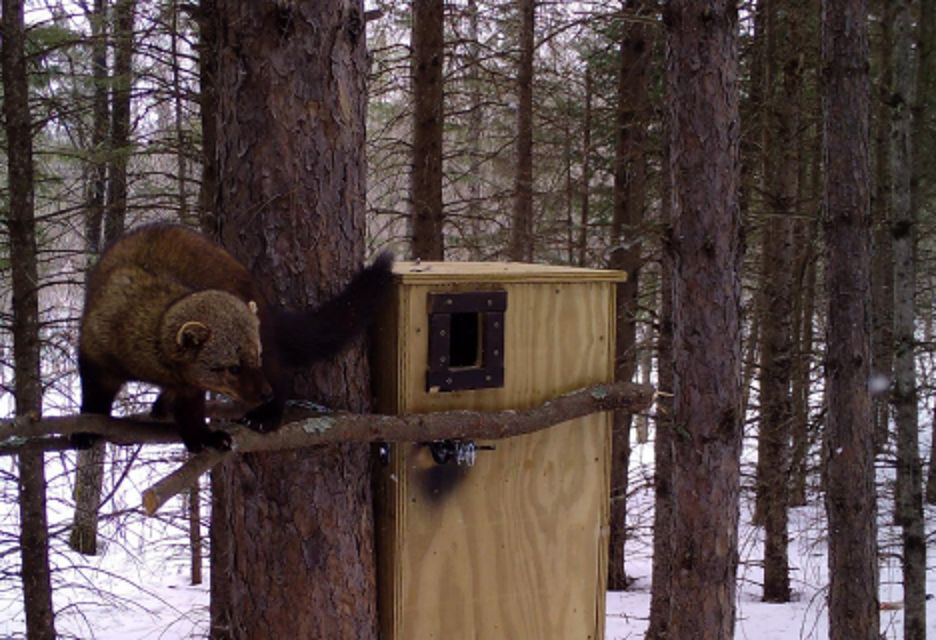
New research in @StacksJournal shows a novel idea: using the rate of temperature change in den boxes to track martens, fishers, and even sometimes squirrels.
A 🧵
#WildlifeConservation
ALT A fisher standing outside of a fisher den box in a red pine forest during the day in winter.
1
37
24 Jul 2025
This new technique could be really helpful for other non-invasive monitoring because it is:
💰 Cost-effective: Only one temperature logger needed
🦊 Efficient: Detects when animals are inside, not just nearby
📈 Scalable: Automatable—ideal for long-term monitoring
4/
ALT Histogram showing the number of uses detected by fishers and martens for each month of the year. Fishers uses are shown in black bars while marten uses are shown in gray bars.
1
17
24 Jul 2025
You can read the full article in @StacksJournal at the link below -- it's the latest installment from the @MartesGroup Special Issue.
It’s #OpenAccess and went through our new model of peer review that is streamlined and ethical.
5/5
🔗 doi.org/10.60102/stacks-2500…
17
17 Jul 2025
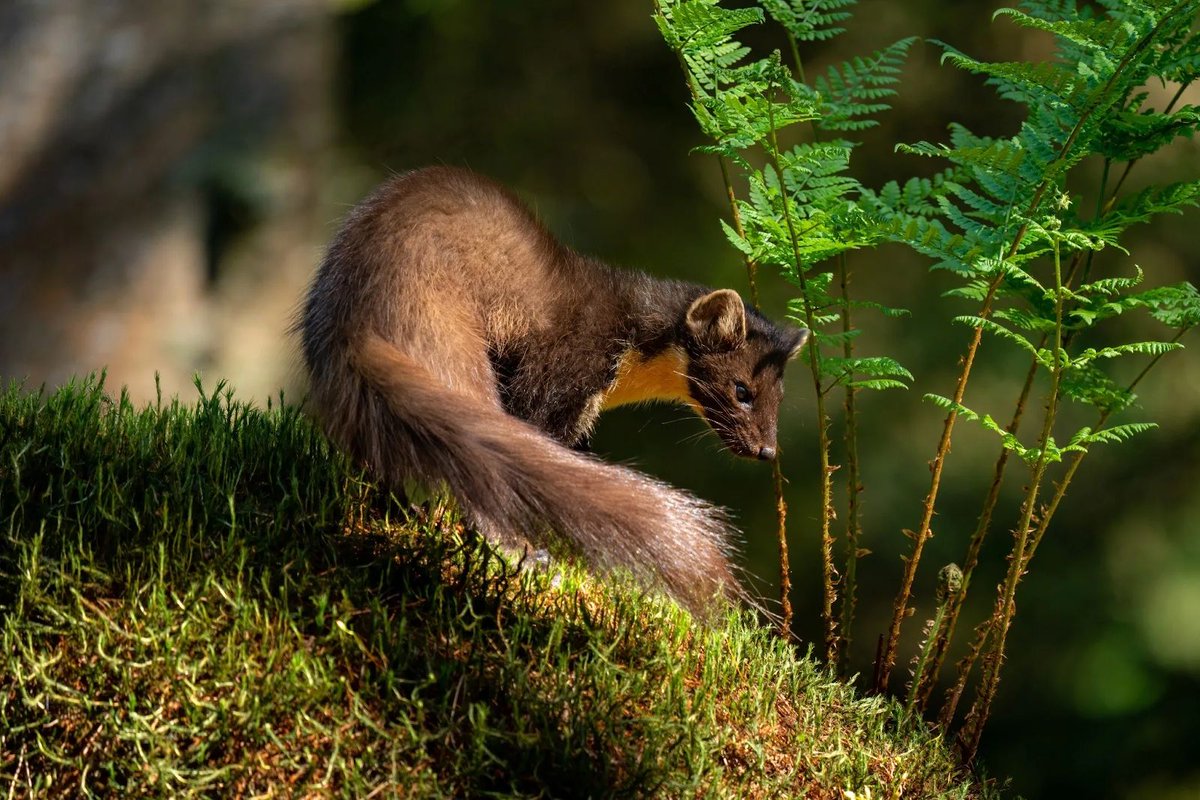
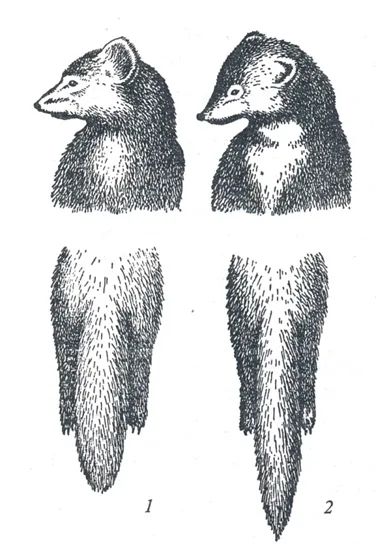
Do you think you can always tell a sable from a pine marten just by looking at it? 👀
In the Ural forests, it may be harder than you think.
New research reveals how genetic tools can uncover surprising levels of hybridization in the wild.
🧬🦊🌍🧪
A🧵
1
34
17 Jul 2025
Why does this matter?
Because how we define species has real consequences and can lead to:
🧩 Misidentification
📉 Misguided conservation
🧪 Missed ecological complexity
This work deepens our understanding of interspecies gene flow in wild mustelids.
4/
1
21
17 Jul 2025
You can read the full article and learn more in @stacksjournal at the link below.
It's part of the Special Issue from the Martes Working Group, #OpenAccess, and went through our new model of peer review that is streamlined and ethical.
5/5
🔗 doi.org/10.60102/stacks-2500…
22