Space industry analyst and consultant: strategy, partnerships & ecosystem development. #SpacePartnerships

Joined September 2009
1,064 Photos and videos
Pinned Tweet
10 Dec 2025
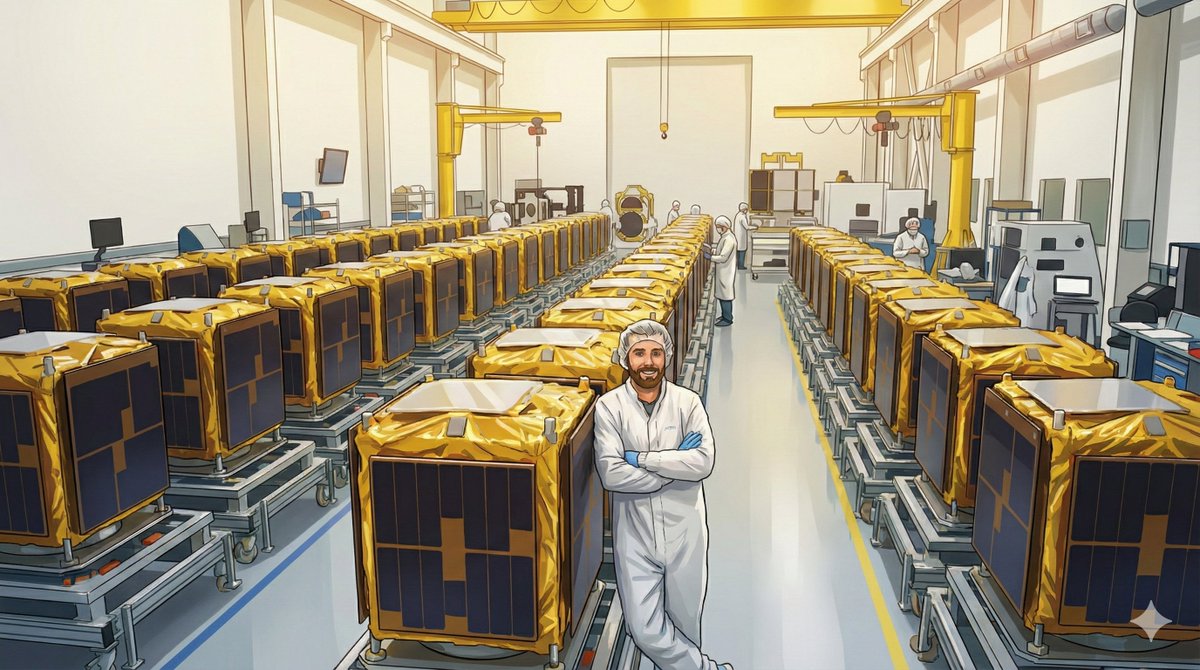
Cost reduction in satellite manufacturing is not getting enough attention, and it's changing the economics of space. linkedin.com/posts/stanshull…
3
609
Stan Shull retweeted
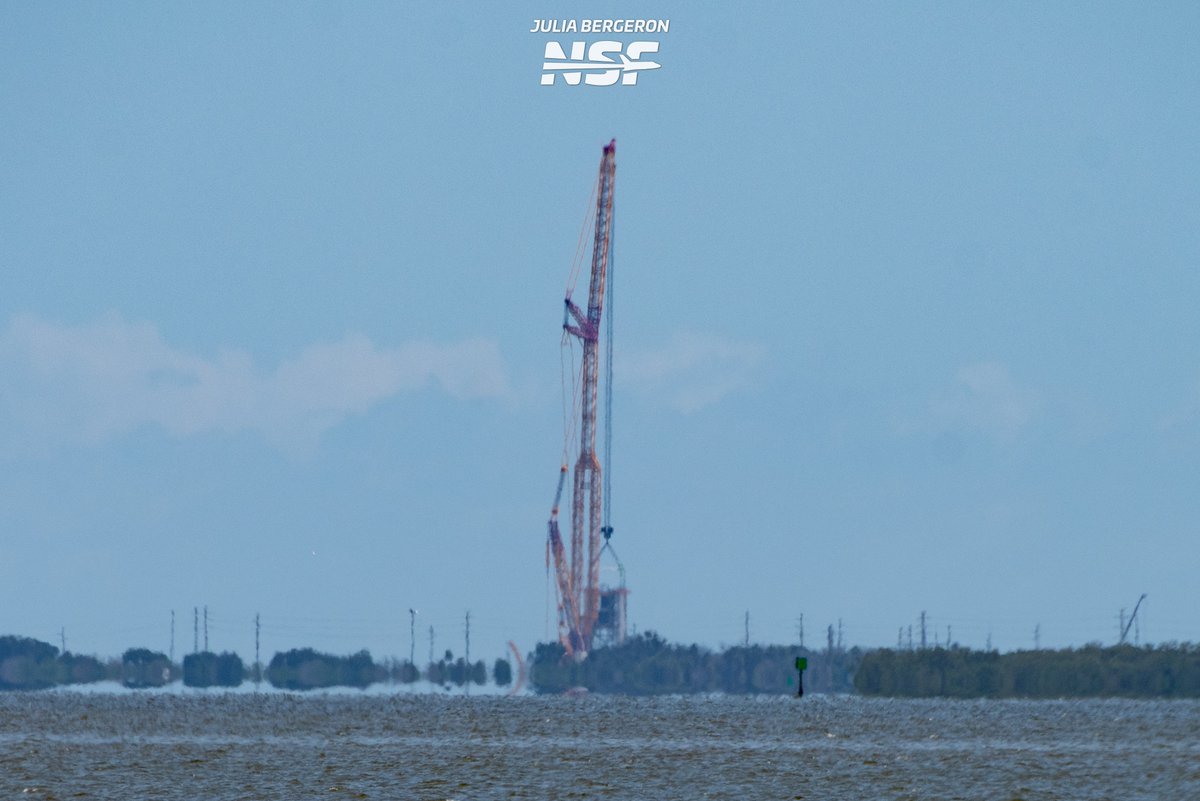
37A tower stack is underway. The growth of the Cape skyline continues… exciting times!
The LR13000 crane is officially active lifting the first of nine modules for the first Starship tower at Launch Complex 37. Does this pad have an official name yet @TurkeyBeaver 📷 @NASASpaceflight nsf.live/spacecoast
17
98
1,266
63,890
Stan Shull retweeted
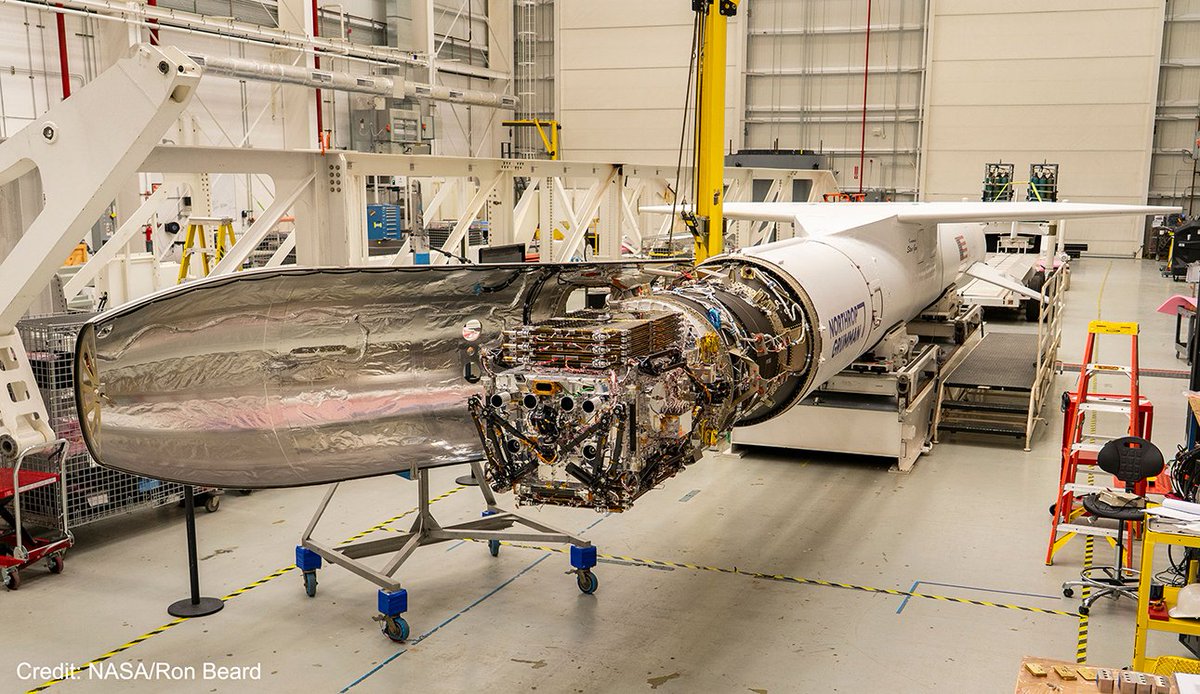
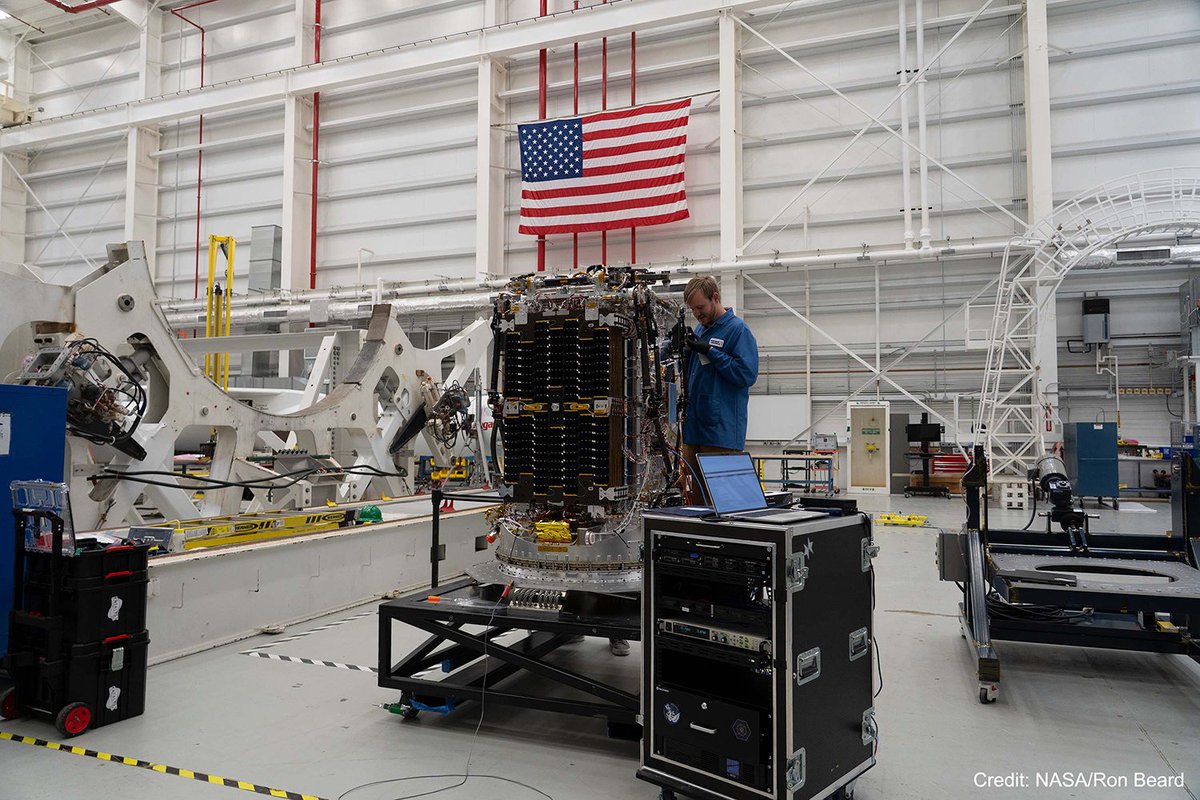
LINK, Katalyst Space’s robotic servicing spacecraft, has been integrated into a Northrop Grumman Pegasus XL rocket at @NASAWallops. Later this month, it'll launch from Kwajalein Atoll and rendezvous with our Swift telescope to attempt an orbital boost. go.nasa.gov/4eDXoU3
13
96
558
38,258
Stan Shull retweeted
Replying to @NASAAdmin
Thanks for the well thought out additions. Always great to have such a measured response, free of drama, and clear!
5
3
398
10,163
Stan Shull retweeted
Starting with some energy, and my inability to write brief updates, I am just extremely proud of the NASA crew, our industry, and our international partners. We are getting into a rhythm here at NASA. Earlier this year, setbacks put the Artemis II rocket back in the VAB for repairs, and we determined it was necessary to add another mission, Artemis III in 2027. Since then, we have unveiled the Ignition plans to build a Moon Base and nuclear-powered spaceships, launched a highly successful mission around the Moon, brought the crew home safely, and now watched the torch pass to Artemis III. There will be no shortage of major milestones to celebrate in the months ahead as we build the Moon Base and launch the Nancy Grace Roman telescope. I am beyond proud of the team and all the momentum and excitement around the space program. I do want to take this moment to address two of the questions I have been seeing since the crew announcement. Why are there no women assigned to Artemis III? I have seen reactions ranging from disappointment to outrage. I have personally been to space twice with 50% female crews. My closest advisors and some of the smartest engineers I know are women. In our latest NASA leadership organization, nearly 50% of the Center Directors and Mission Directorate leadership are women. The last astronaut candidate class selected under this Administration was majority female because they were the best of the best, including one astronaut I previously went to space with. In a world with so much controversy, I hope this can be a moment where we celebrate the astronauts selected, respect the integrity of the process, and recognize the extraordinary depth of talent across the entire corps. The crew selection does not involve any political appointees. The Astronaut Office assigns the crew that gives the mission the best chance of meeting its objectives, taking into account many factors, including the background and expertise of the astronauts, such as test pilot experience, development work on specific programs, and availability. For example, those raising this concern may not be aware of the pipeline of crews already preparing to launch to the Space Station, or those who have been undergoing lunar-specific training that would be a better fit for a future surface mission. The Artemis III astronauts are experienced, qualified, and deserve to be celebrated for the mission they have been assigned, just as the crews that follow will be celebrated when their time comes. We have an extraordinary astronaut corps, and every mission and every crew is part of a larger campaign to get America back to the Moon and to build the future we all dreamed about as children. What are the objectives for Artemis III if both landers will not be fully ready? Coming off a highly successful lunar mission like Artemis II, it is not surprising that the bar is set high for Artemis III. I think it is important to understand how difficult and dangerous it is to land astronauts on the Moon. We have not done it in a very long time, and we want to draw from a past playbook for success. That means getting into a cadence of launching, learning, and rolling improvements into the next mission. First and foremost, it is imperative for SLS to be flying with some frequency for operational currency and, honestly, safety. Earlier this year, it was very clear across NASA leadership that an additional mission was necessary in 2027. It is also imperative to gain interoperability data from rendezvous and docking with landers in Earth orbit. We do not need those landers that are still in development to be fully capable and certified for landing on the Moon on Artemis III, but we do need to test certain systems and controllability. Not to mention, we are moving quickly into a future where we do not require a single rocket to bring everything necessary for a mission to space, and as such, gaining experience with multi-launch campaigns and on-orbit assembly is directionally correct. The Blue Origin test lander for Artemis III will incorporate many of the most important systems and subsystems that have not previously been operated by the provider, including ECLSS in a crew cabin, and other avionics. With SpaceX, they have demonstrated many of those capabilities continuously on Crew Dragon, but other controllability tests are important based on the negative-X axis acceleration that will be necessary when Starship undertakes the TLI burn to the Moon with a docked Orion. After Artemis III, we will learn a lot and roll in further improvements, be that hardware, software, or procedural updates, as both providers undertake end-to-end uncrewed demonstrations to the surface in 2028, in advance of Artemis IV, where NASA astronauts will finally complete the grand return to the Moon. As I said in my remarks yesterday, when Gene Cernan left the lunar surface on Apollo 17, he said, “We leave as we came, and, God willing, we shall return, with peace and hope for all mankind.” We are returning, and we are doing so with the fire carried forward from Apollo, the lessons learned from Artemis II, the crew of Artemis III, and all those who will follow. NASA will send the very best crews for the right missions. If the composition of our astronaut corps and our latest class of candidates says anything, it is that we have exactly the talent required to get the job done. Godspeed Artemis III, and all those who will follow.
173
669
5,117
377,584
Stan Shull retweeted
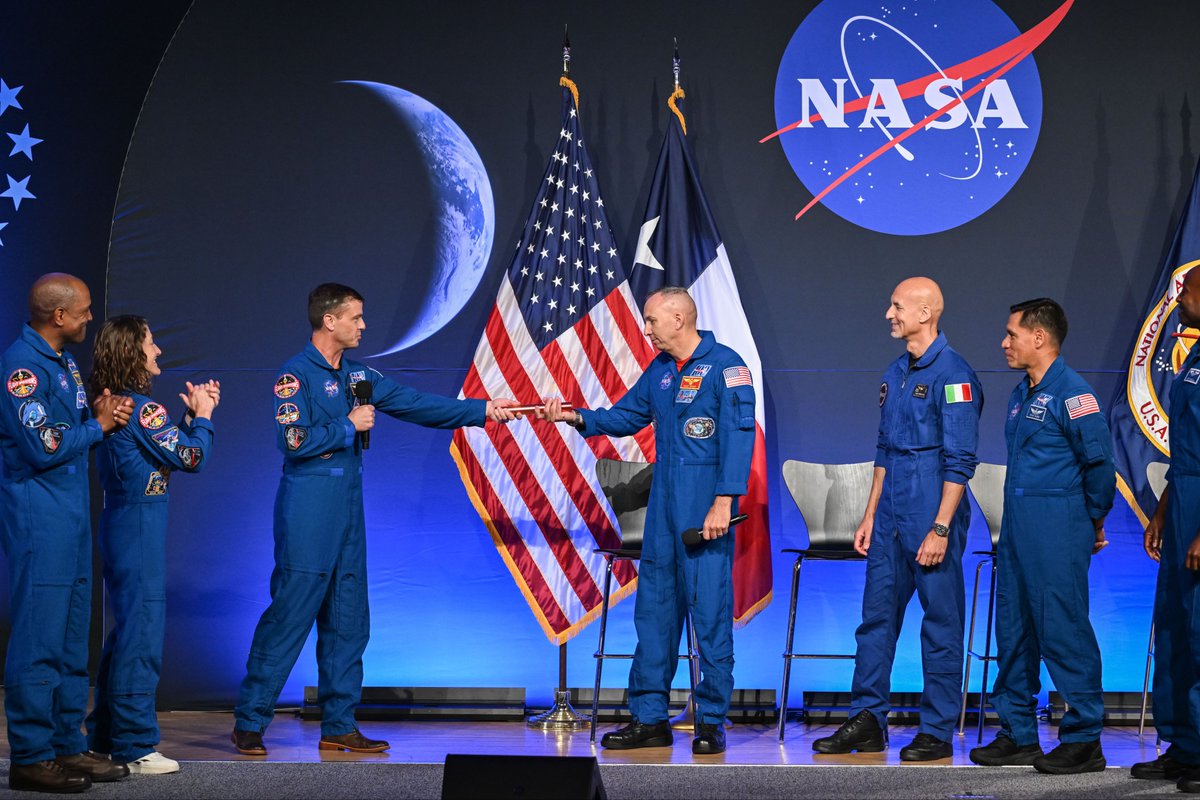
I was excited for today…excited to cheer on the Agency and my friends as we named the Artemis III crew. What I didn’t expect was the feeling of complete, unbridled happiness in my soul as @Astro_Jeremy (from afar), @Astro_Christina, @AstroVicGlover and I ceremonially handed our baton to the next crew. We did it, and we did it well. @AstroKomrade, @astro_luca, Frank Rubio, @Astro_AndreD — you have the controls!! You will do it, and I know you will do it well. Godspeed, Artemis III
57
535
5,609
90,303
Stan Shull retweeted
Jun 8
Watch @ElonMusk provide a technical update on SpaceX’s capability to manufacture, launch, and operate AI satellites at scale → spacexipo.com
1,381
3,107
18,020
25,073,501
real-time satellite intelligence powers Ukraine's drone strikes, speeds up kill chain, per @WSJ "images go directly from the satellite to the soldier’s tablet, phone or laptop in as little as 15 minutes" wsj.com/world/europe/real-ti…
1
1
60
Stan Shull retweeted
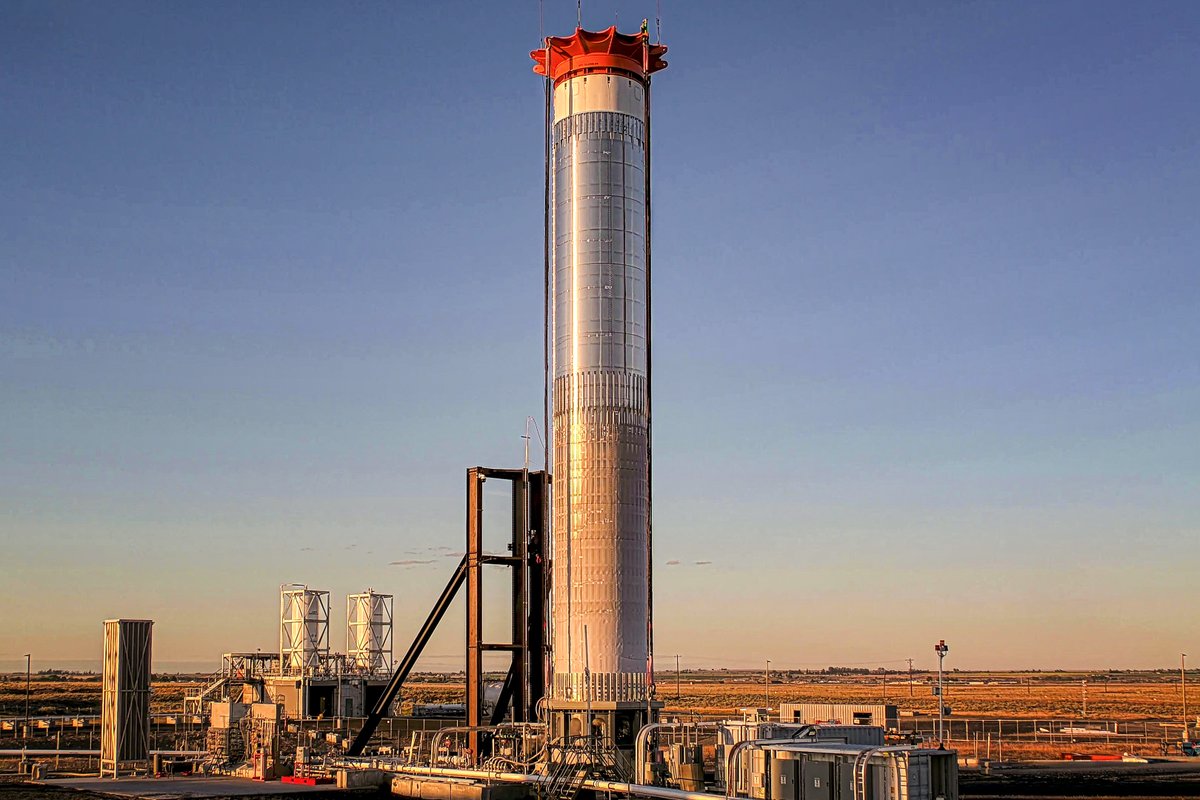
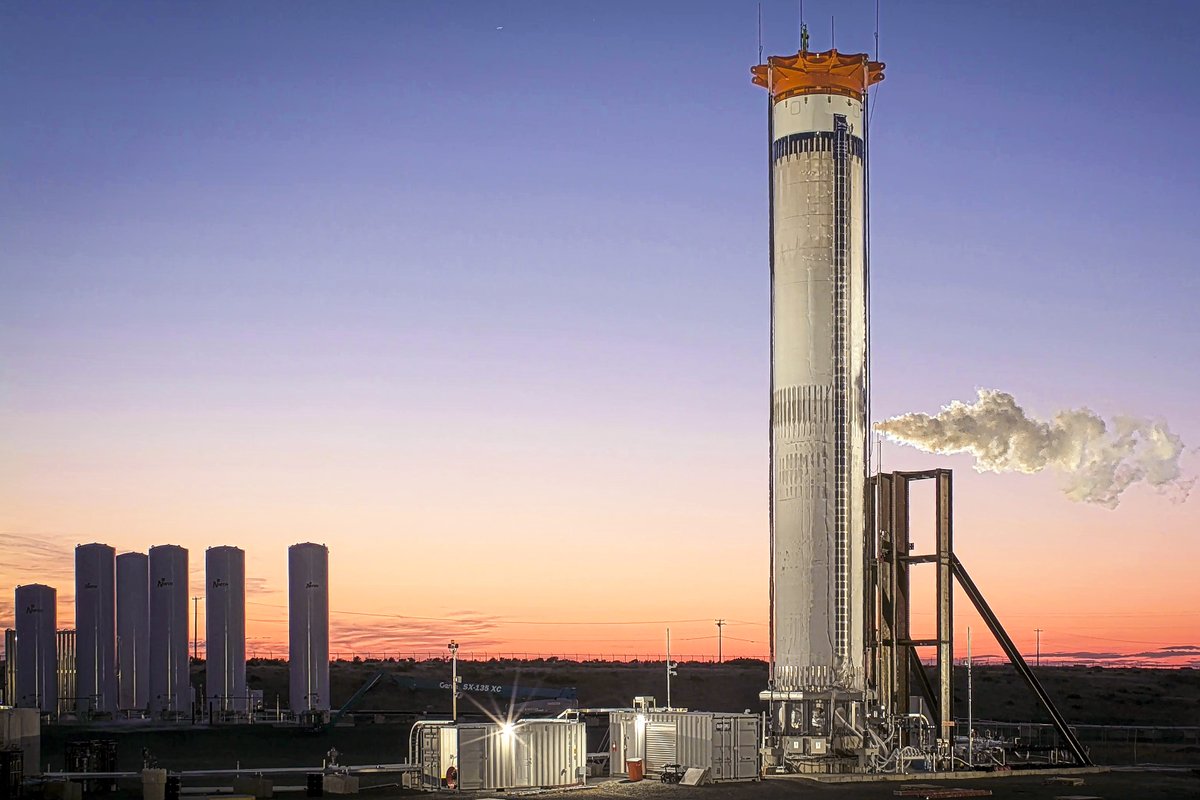
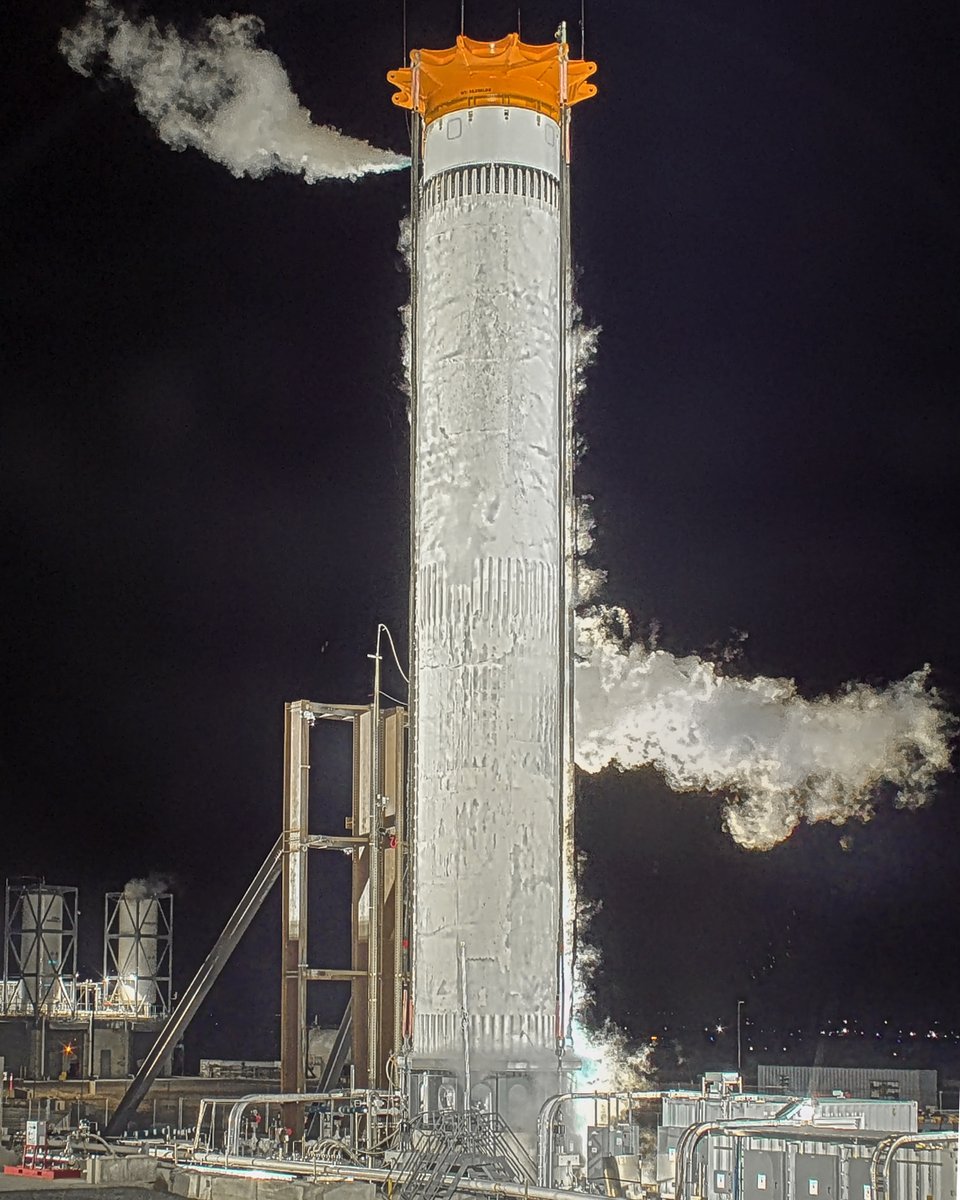
Big tank. Big tests. Big milestone. Nova Stage 1 proto-qualification is complete. 46 structural objectives verified, plus key fluid systems, avionics, software, ground systems, and ops demos. (More detail in our linked blog post.) This is where new rockets often find the hard stuff; Nova (and the Stoke team) handled it. Our local partners at the @PORTOFMOSESLAKE , the Grant County Sheriff's Office and Public Works department, plus our vendor Norco made sure we had the support we needed every step of the way. Ad Astra.✨ stokespace.com/nova-stage-1-…
40
267
2,199
142,591
Stan Shull retweeted
Fantastic!
Jun 8
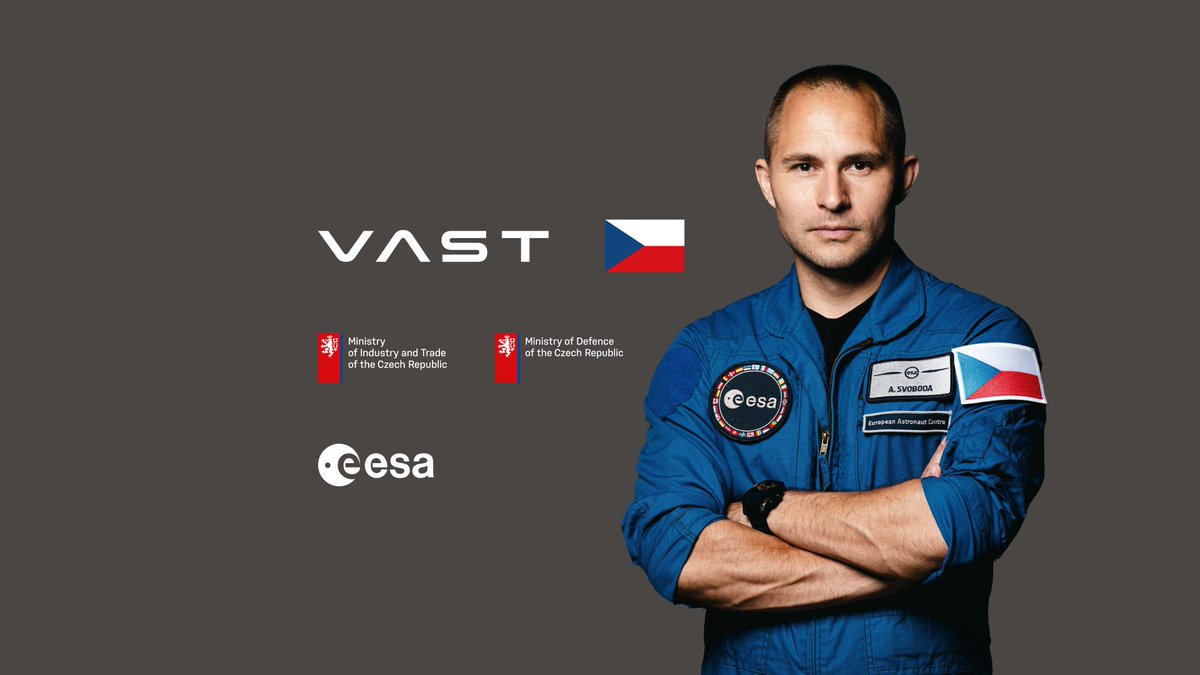
Vast and @esa, on behalf of the Czech Republic, have signed an agreement for a private astronaut mission to the International Space Station in partnership with @NASA. @astro_ales is slated to serve as mission pilot & is expected to become the first Czech astronaut to visit the station. @SpaceX’s Falcon 9 will launch Dragon and the crew to the @Space_Station no earlier than 2027 🇨🇿 vastspace.com/updates/czech-…
1
3
29
1,582
Stan Shull retweeted
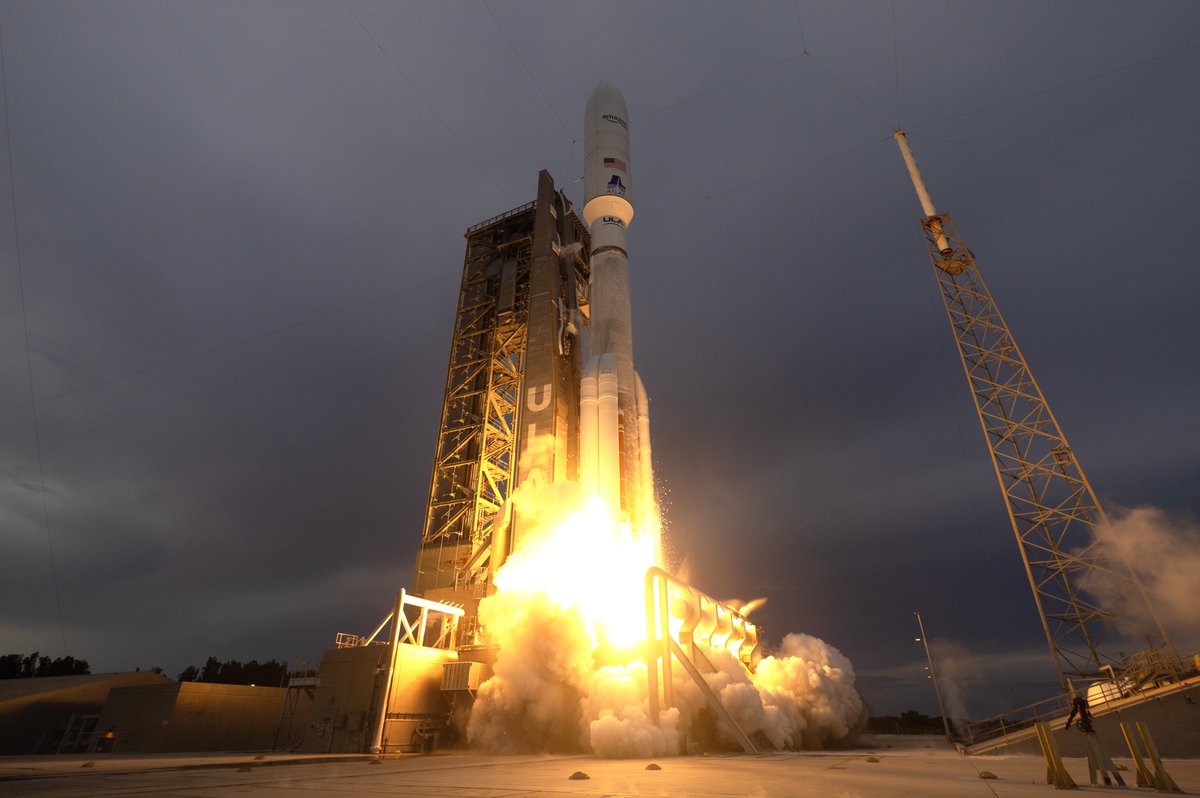
BREAKING: @AmazonLeo has been granted an extension to their deployment timeline requirements, to maintain priority on their comms bands. "Amazon Leo has represented that it will fail to meet the 50% milestone required in section 25.164(b)(1) of the Commission’s rules.", said the @FCC. Previously, Leo was required to have launched 50% of their 3,232 first gen sats (1,618) by July 30, 2026. To date, they've launched just over 300. Leo still must deploy 100% of the constellation by July 30, 2029. 📷 @ULAlaunch
45
69
593
76,050
Stan Shull retweeted
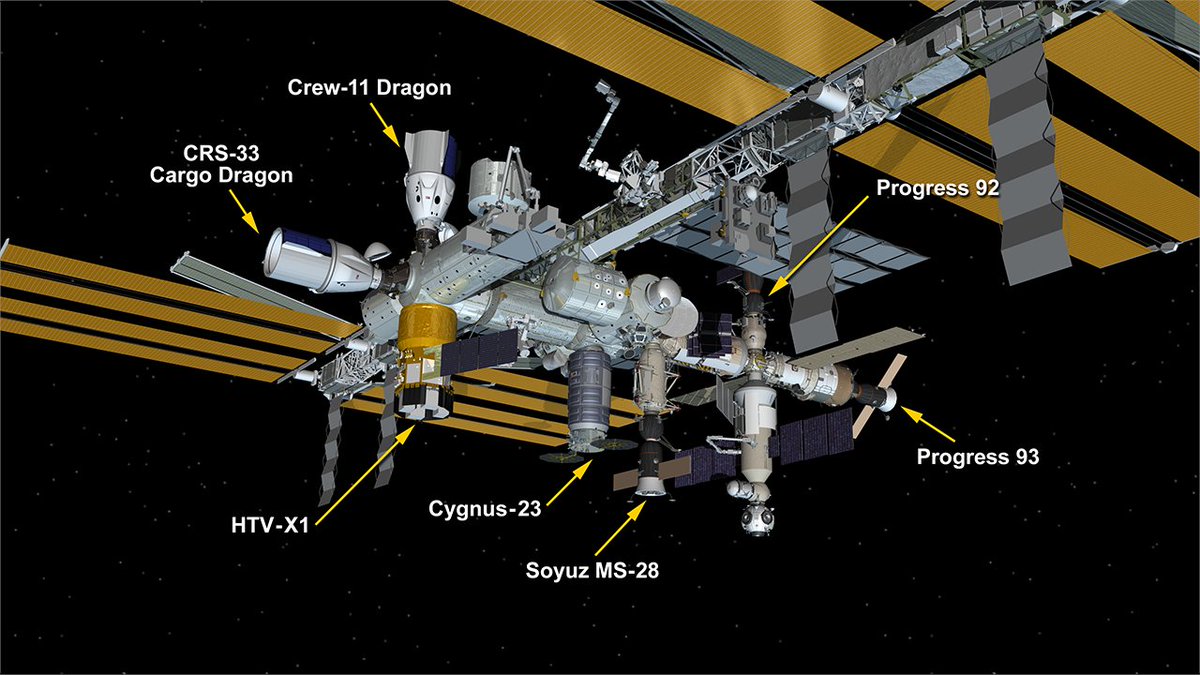
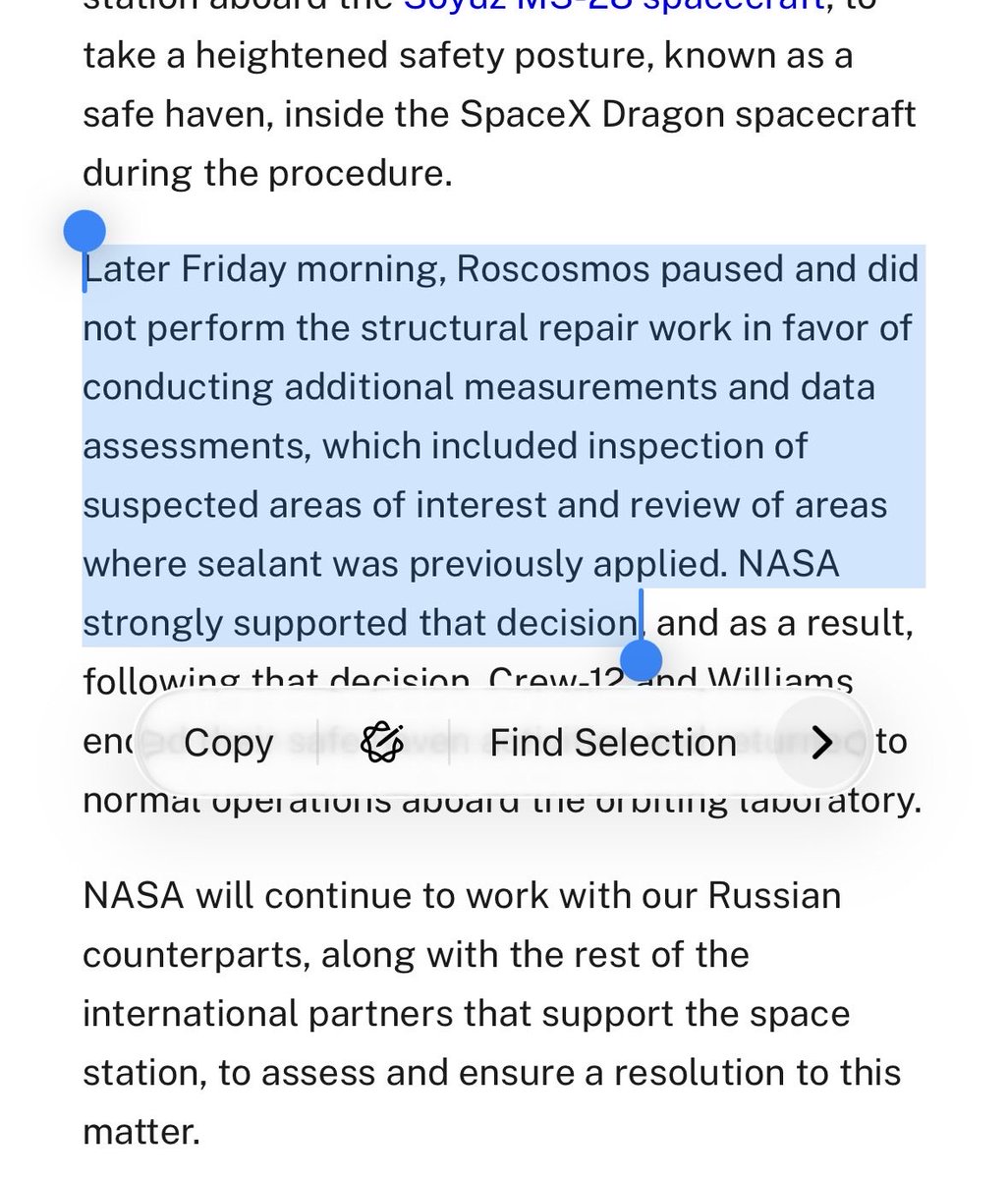
NASA says it “strongly” supported the Russian decision to wait on ISS leak repairs, which forced crews to temporarily evacuate station to their capsules. Always interesting trying to read btwn the lines of these carefully worded releases and note the use of words like strongly.
3
14
98
6,864
Stan Shull retweeted
The Zvezda service module transfer tunnel, known as PrK, has suffered from cracks and leaks for some time, and has been mitigated by Roscosmos as much as possible to date. The cracks have always been a concern that NASA watches very closely. NASA and Roscosmos have been working to determine the root cause of the cracks, and Roscosmos manages the issue through operational mitigation measures and periodic partial-repair efforts.

Following new leaks, Roscosmos has elected to proceed with a more extensive repair operation on Friday, June 5. Out of an abundance of caution, NASA has directed all four of the agency's SpaceX Crew-12 members and NASA astronaut Chris Williams to assume an elevated safety posture in the Dragon spacecraft while the repair is underway.

We continue to work with our Russian counterparts, along with the rest of the international community that supports the space station, to arrive at a more permanent resolution.
91
455
2,797
525,151
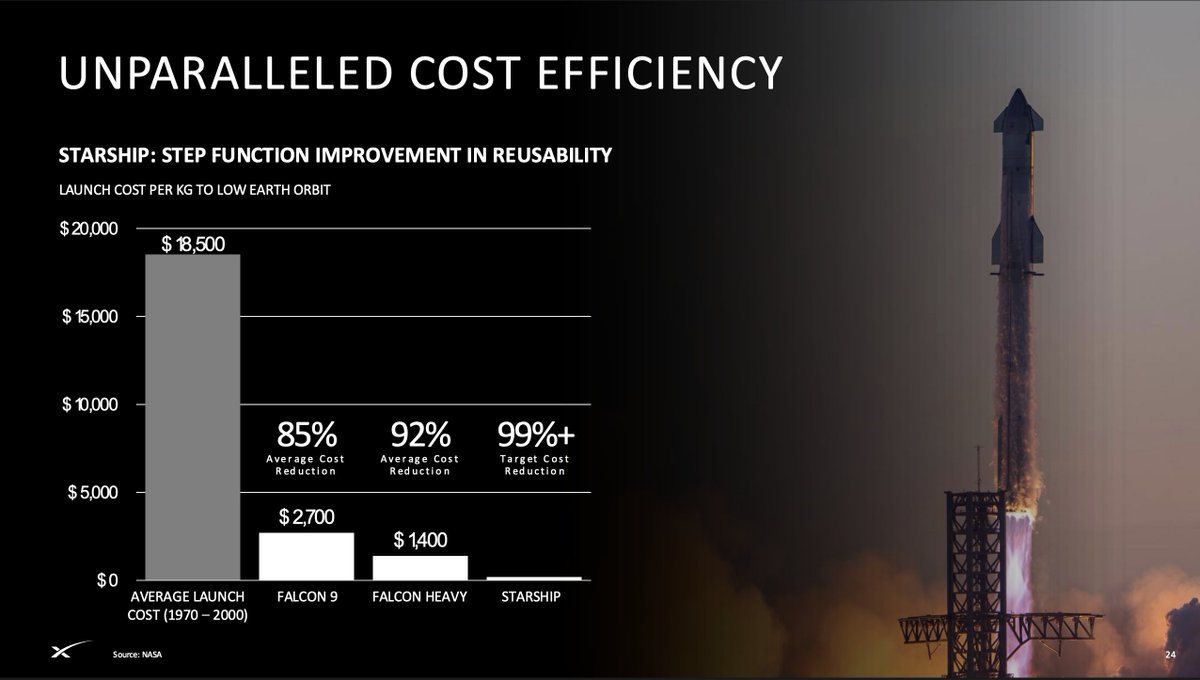
It's likely nowhere near $2,700/kg, at least for SpaceX's customers. Average payload for customers on F9 is around 5,000kg. At ~$70M launch price, that comes to $14,000/kg.
SpaceX’s literally destroyed the cost to orbit so much even you can afford the ticket to ride on it in the future - For decades, launch cost to low Earth orbit was roughly $18,500 per kg - Falcon 9 brought that down to around $2,700 per kg - Falcon Heavy pushed it closer to $1,400 per kg ➝ Now Starship is targeting a 99% cost reduction When the cost of reaching orbit falls by orders of magnitude, space stops being a rare government program and starts becoming industrial infrastructure Starlink, orbital manufacturing, lunar cargo, AI compute, and Mars all depend on one thing: getting cost to orbit as close to zero as possible That is why Starship matters so much....It is not just a bigger rocket It is the cost reset that opens the next economic frontier
3
1
5
506
Stan Shull retweeted
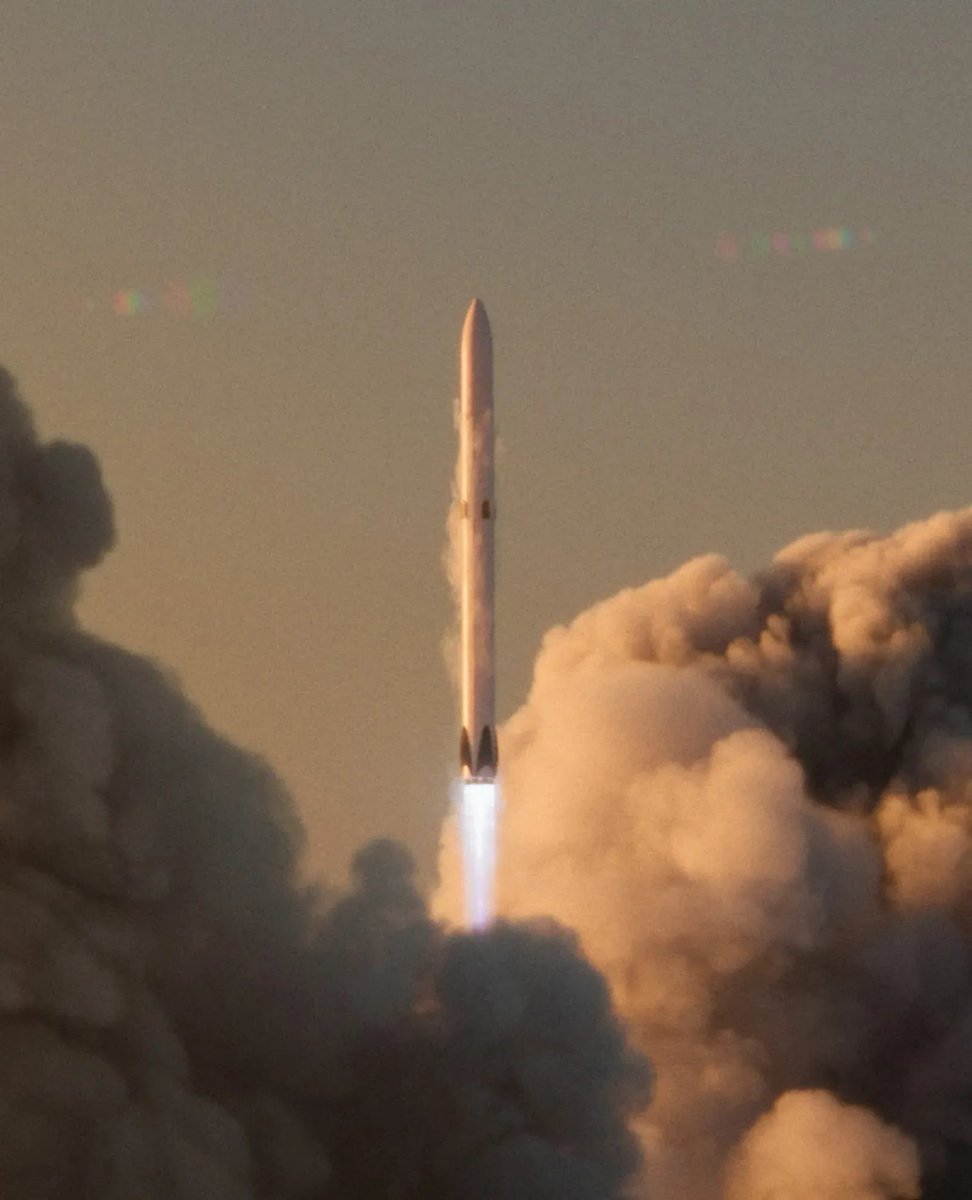
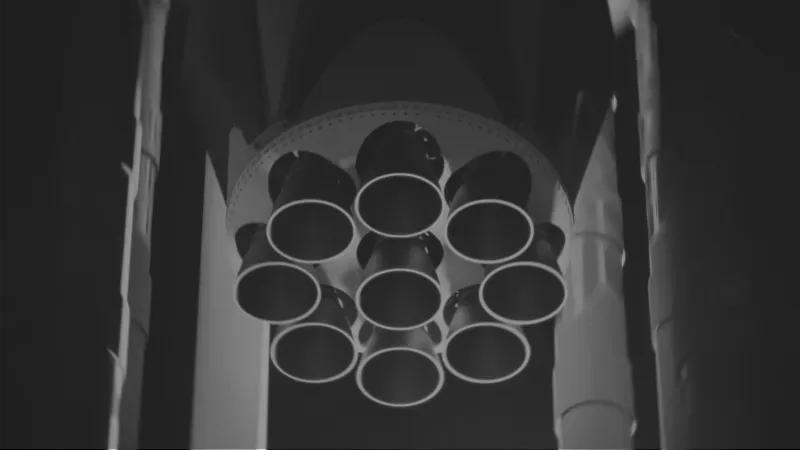
Europe's The Exploration Company (TEC) is teasing a new, reusable, Heavy-lift launch vehicle called Yrene. It looks like it may sit between Falcon 9 and Falcon Heavy in terms of first stage performance, powered by 9x Bio-methane/Liquid Oxygen "Storm" engines. More information is expected to be revealed on June 10th. 📷 The Exploration Company
37
76
869
71,189
Stan Shull retweeted
Day 110, orbit 1705 — We put water, we shampoo, we rinse, then we let it air dry… On paper, there isn’t much difference between washing your hair in space or on Earth! In reality… 🎥 @ESA / @NASA #εpsilon • @esaspaceflight@Space_Station@NASAJohnson
31
166
1,084
18,420
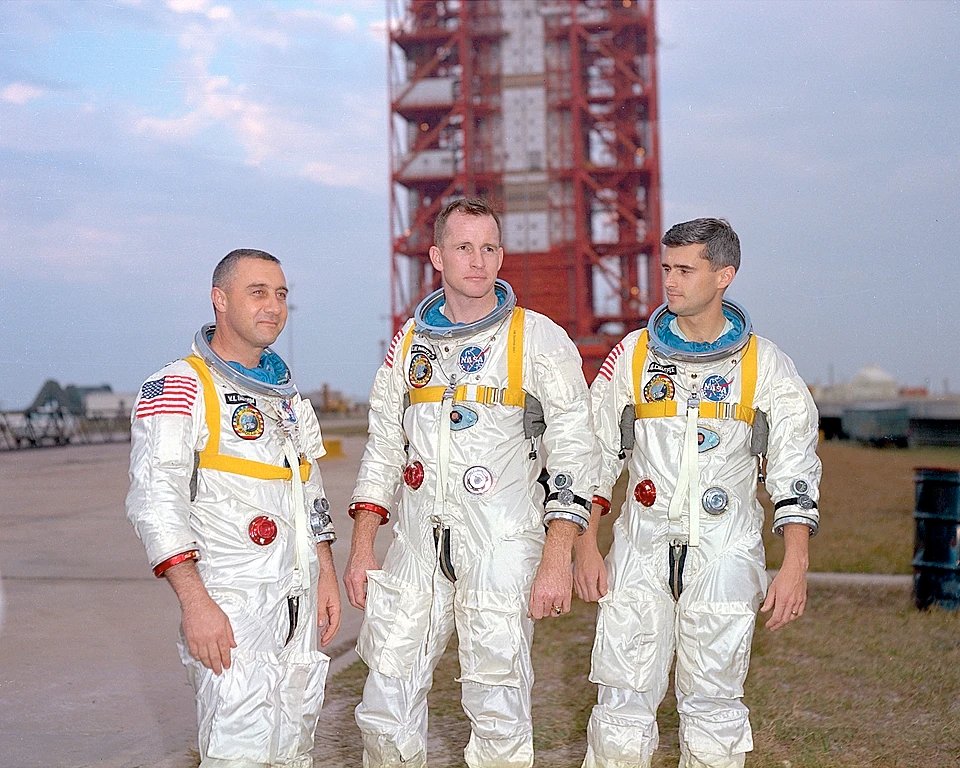
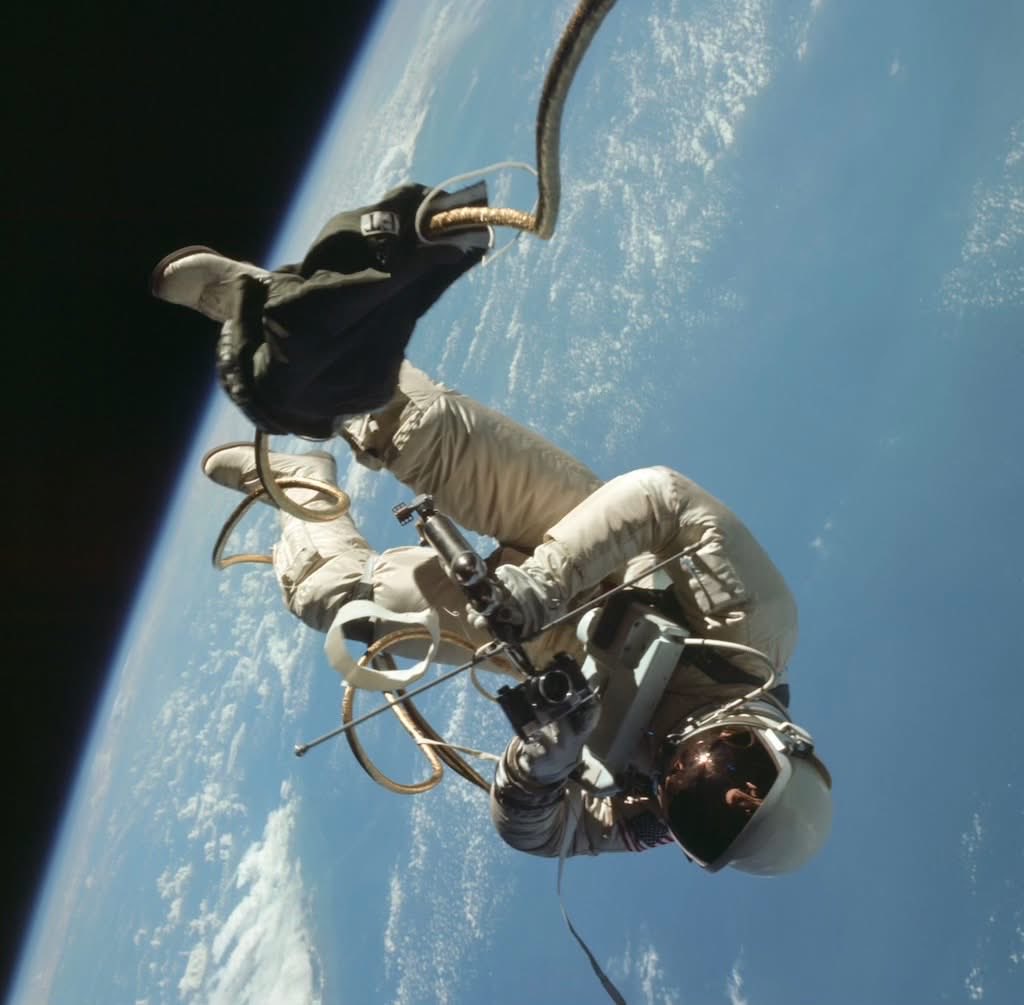
Ed White became the first American to perform a spacewalk today in 1965. As the first, no one was sure what being outside of your spacecraft, traveling at such an incredibly high speed would feel like. White described the experience as very natural with no sensation of falling. In fact, he said he felt like 'a million dollars' Having done six myself, much longer than Mr. White's, I can concur!
2
3
26
576
Stan Shull retweeted
A Falcon 9 rocket exploded on a launch pad as part of a static fire test in Florida ten years ago. What can Blue Origin learn from this? arstechnica.com/space/2026/0…
109
64
943
116,638
Stan Shull retweeted
Some LC-36 updates. Now that we’ve had access to the pad and integration facility we can share a bit of good news. The propellant farm, oxygen, liquid hydrogen and LNG tanks are all in good shape. This is good luck because these are very long lead items. The water tower is also good. The big support tower is damaged, but it can be repaired in place rather than torn down and replaced. The booster “Never Tell Me The Odds” and the three GS-2s that were onsite in the integration facility also look good. I’ve seen some speculation that we might move directly to the 9x4 configuration, but we won’t do that. Rate manufacturing of 7x2 is going well, and we’re going to continue that at pace as planned and store the stages for use. In addition, we had already been working for some time on eliminating our transporter-erector in favor of an alternative vertical conop, and we’ll now go directly to that; so we don’t need a new transporter-erector. We will fly again before the end of this year. Gradatim Ferociter.
643
1,417
11,968
1,622,949
Stan Shull retweeted
The implications of New Glenn’s failure are probably worse than you think. I dig in here to some of the most serious concerns. arstechnica.com/space/2026/0…
91
256
1,940
231,142