
Stand Together is a philanthropic community driving solutions on dozens of issues, including education, health care, and bridging partisan divides.
Joined April 2018
- Tweets 4,001
- Following 472
- Followers 45,600
- Likes 2,117
1,186 Photos and videos







Pinned Tweet

Mar 27
We're one quarter into 2026. Across the country, thousands of organizations are working to solve problems most big institutions haven't been able to figure out. Progress is coming from the bottom up. Here's proof. 🧵
2
3
9
1,487
Jun 12
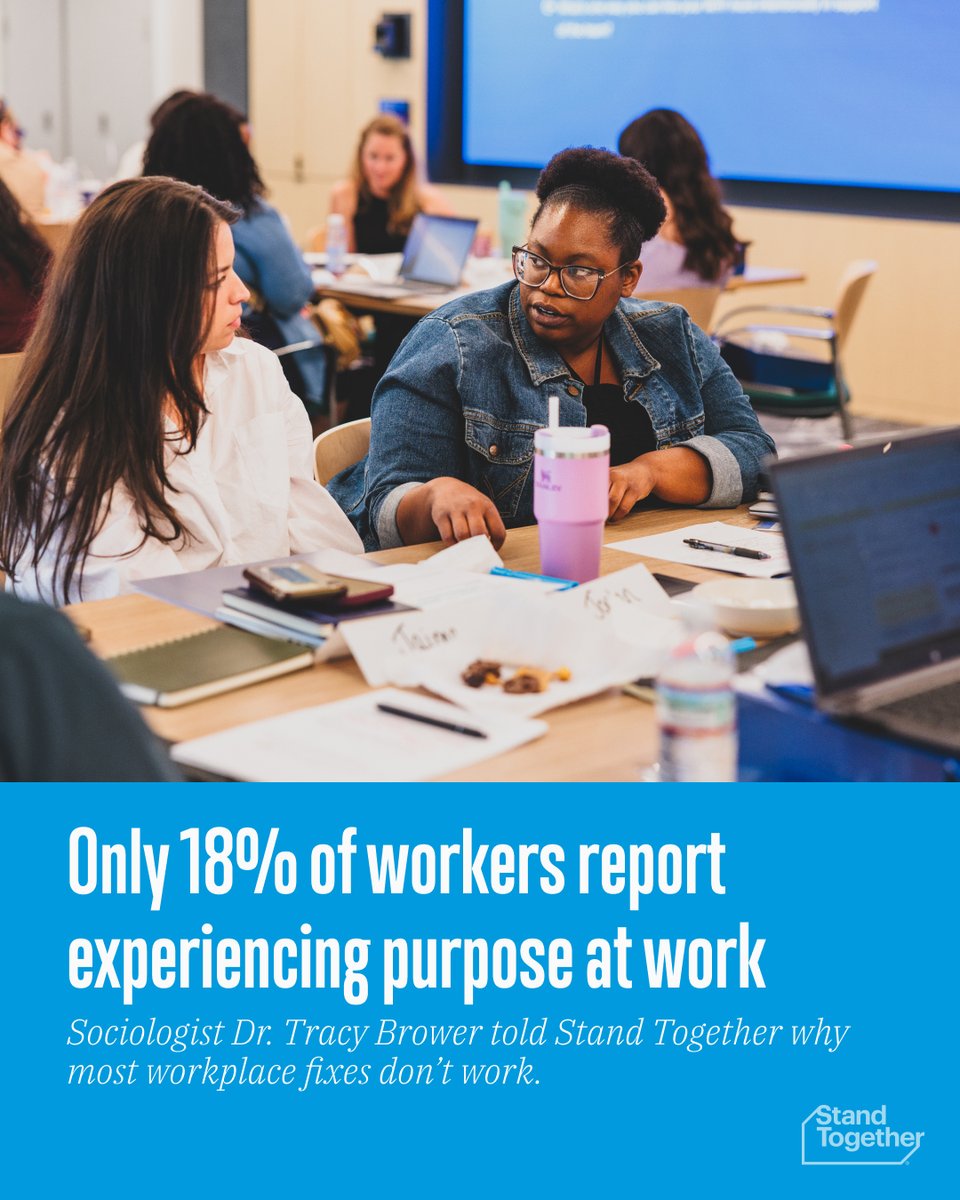
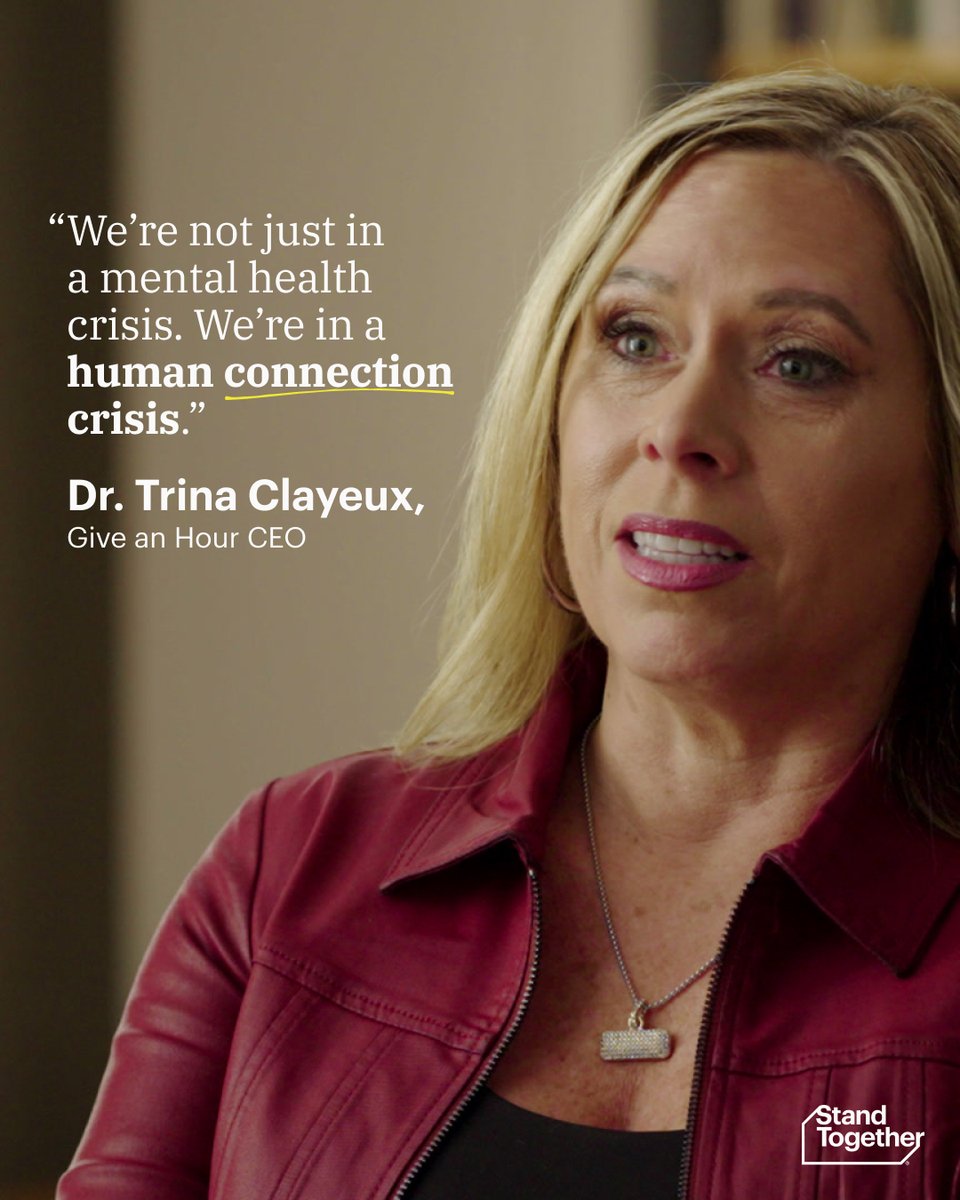
Loneliness costs companies $13,300 per employee. Sociologist Dr. @tracybrower10 told Stand Together why human connection has become a business imperative. 🧵
2
1
2
493
Jun 12
The fix isn't a pizza party. The companies getting ahead are building connection into the flow of work itself. Human-ology paired a remote-first culture with consistent check-ins and in-person time. The result was double-digit growth and stronger margins.
1
63
Jun 12
"The future of work isn't less work — it's making work more human." — Tracy Brower, PhD #FutureOfWork #Leadership standtogether.org/stories/fu…
65
Jun 12
Burnout is usually blamed on long hours. But Brower says the real driver is that work has stopped feeling human. People feel distanced from the impact of their work and from each other. In the pursuit of efficiency, we stripped out the interpersonal elements that give work meaning.
1
78
Jun 11
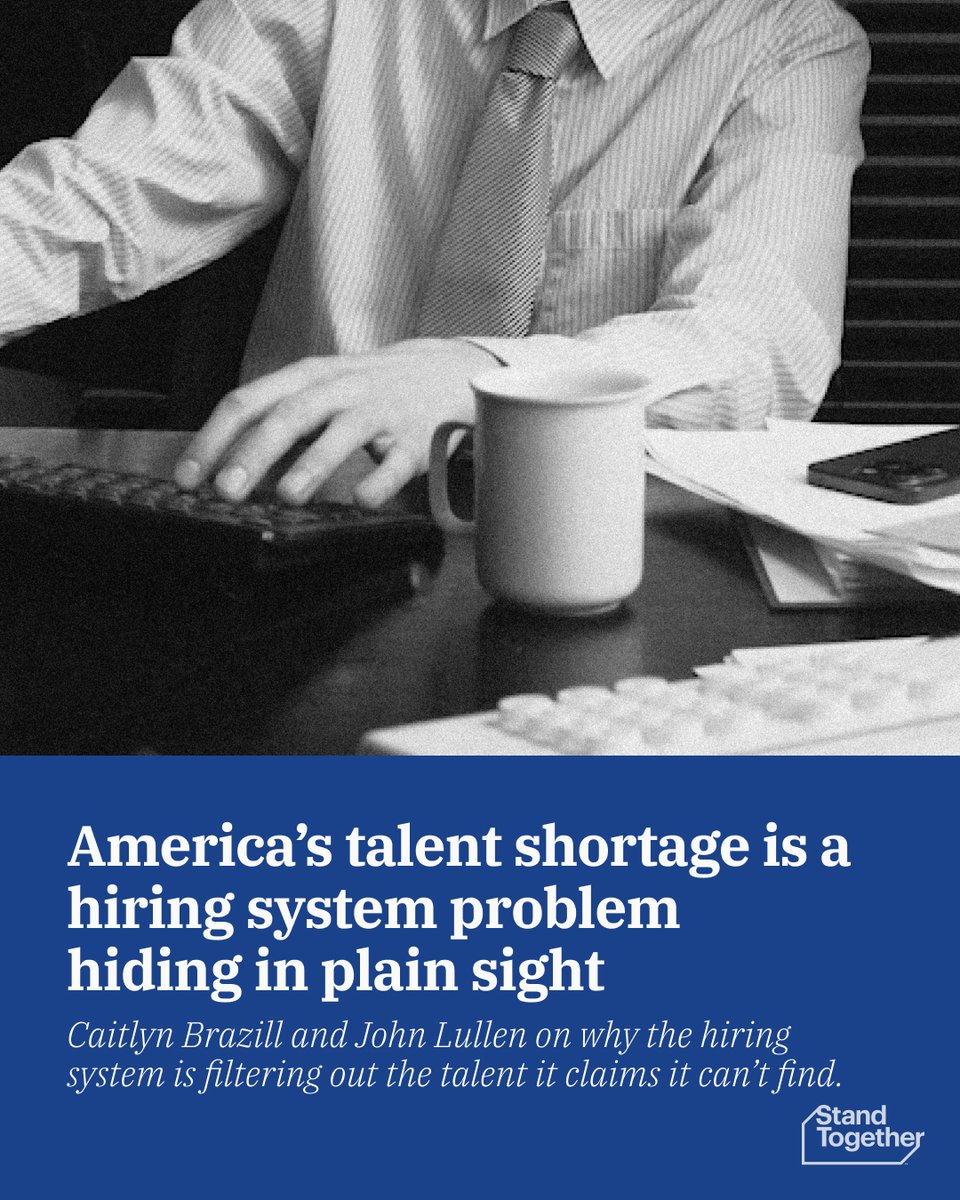
America doesn't have a talent shortage. @TEKsystems and @PerScholas on why the hiring system is filtering out the workers it claims it can't find, with Caitlyn Brazill and John Lullen. 🧵
1
2
3
366
Jun 11
The results: 85% of PerScholas learners graduate. 80% of graduates move into employment, most within 90 days. TEKsystems has hired more than 1,500 graduates through the partnership.
1
59
Jun 11
"There needs to be a shift from role-based hiring to skills-based hiring and from traditional ways of thinking to nontraditional ways of thinking." — John Lullen, @TEKsystems bit.ly/4usKTAk
58
Jun 9
Every time a new technology entered music, the industry called it a menace. @abundanceinst Senior Fellow @johnachardin says the pattern reveals less about protecting art than about protecting who controls access to it.
3
3
10
2,152
Jun 8
Data center jobs grew 30%, but companies kept saying they couldn't find talent. @TEKsystems and @PerScholas found the real problem: talent isn't scarce, it's overlooked. Train people for 8 weeks, and suddenly the "shortage" disappears.
1
3
244
Jun 5
Companies are competing for the same credentialed candidates while a larger, untapped talent pool sits on the other side of the degree requirement. That's the problem @TEKsystems and @PerScholas set out to fix:
3
6
300
Jun 3
Degree requirements are a faulty hiring signal that overlook millions of capable workers. @TEKsystems and @PerScholas proved there's a better way: free, employer-led tech training that gets people job-ready in as little as 12 weeks. So far they’ve hired over 1,500 through this pipeline — and it’s one that any company can build:
2
164
Jun 2
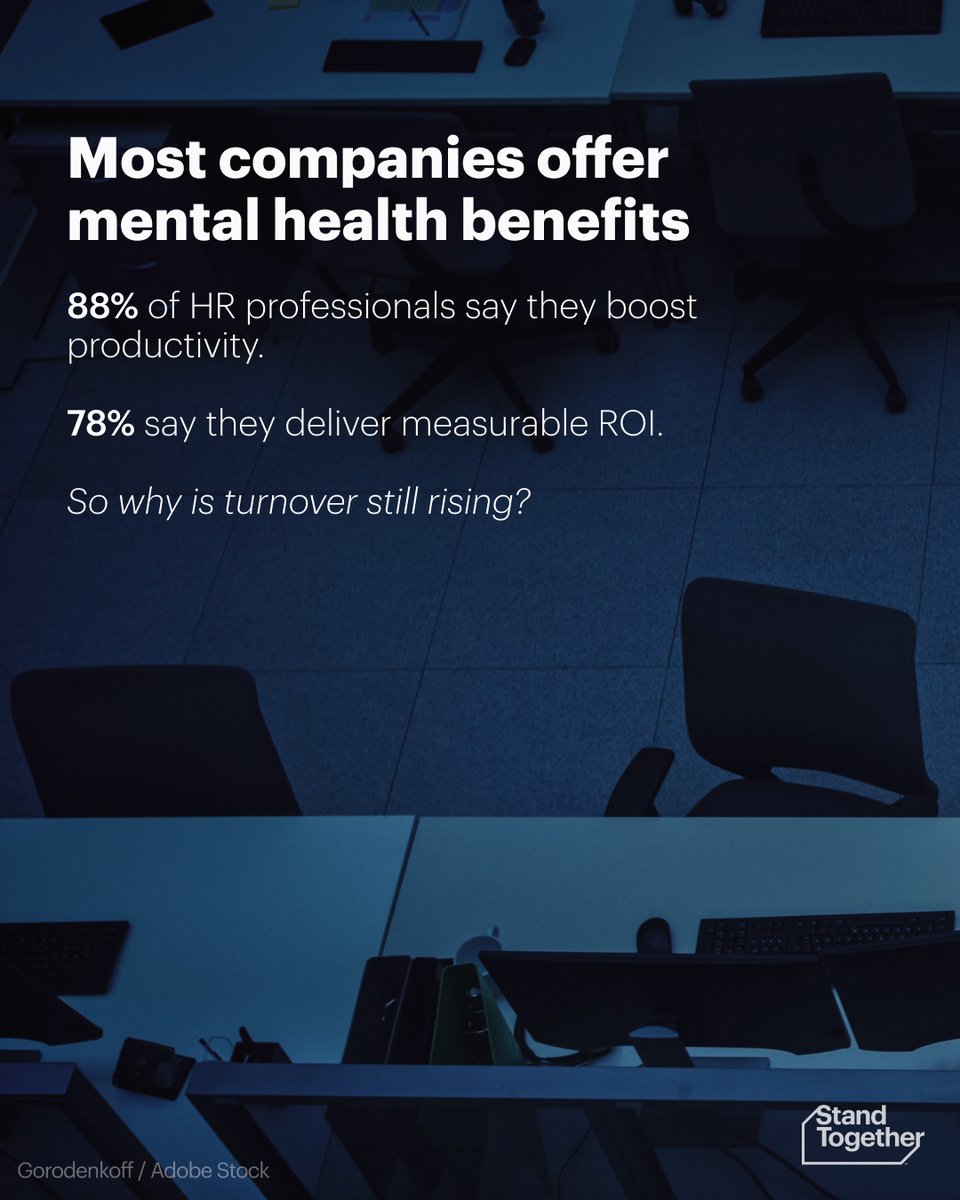
Replacing a single employee can cost employers up to 200% of their annual salary. Most companies treat that as a talent problem. A growing number are finding out it's actually a mental health problem and one they never looked for. 🧵
1
1
3
579
Jun 2
.@Hilton took a different route. Focus groups revealed employees weren't just stressed about work. They were quietly managing eldercare for parents and neighbors. Hilton built a caregiver concierge service around that finding. 60% of users reported avoiding missed work as a result.
1
2
64
Jun 2
The most important shift isn't adding another benefit, but understanding what employees actually need. Kiewit and Hilton show what's possible when companies treat mental health as a core business strategy: bit.ly/4dKNZuD
2
66