Joined January 2020
- Tweets 870
- Following 329
- Followers 3,052
- Likes 3,824
150 Photos and videos







Pinned Tweet

31 Jul 2025
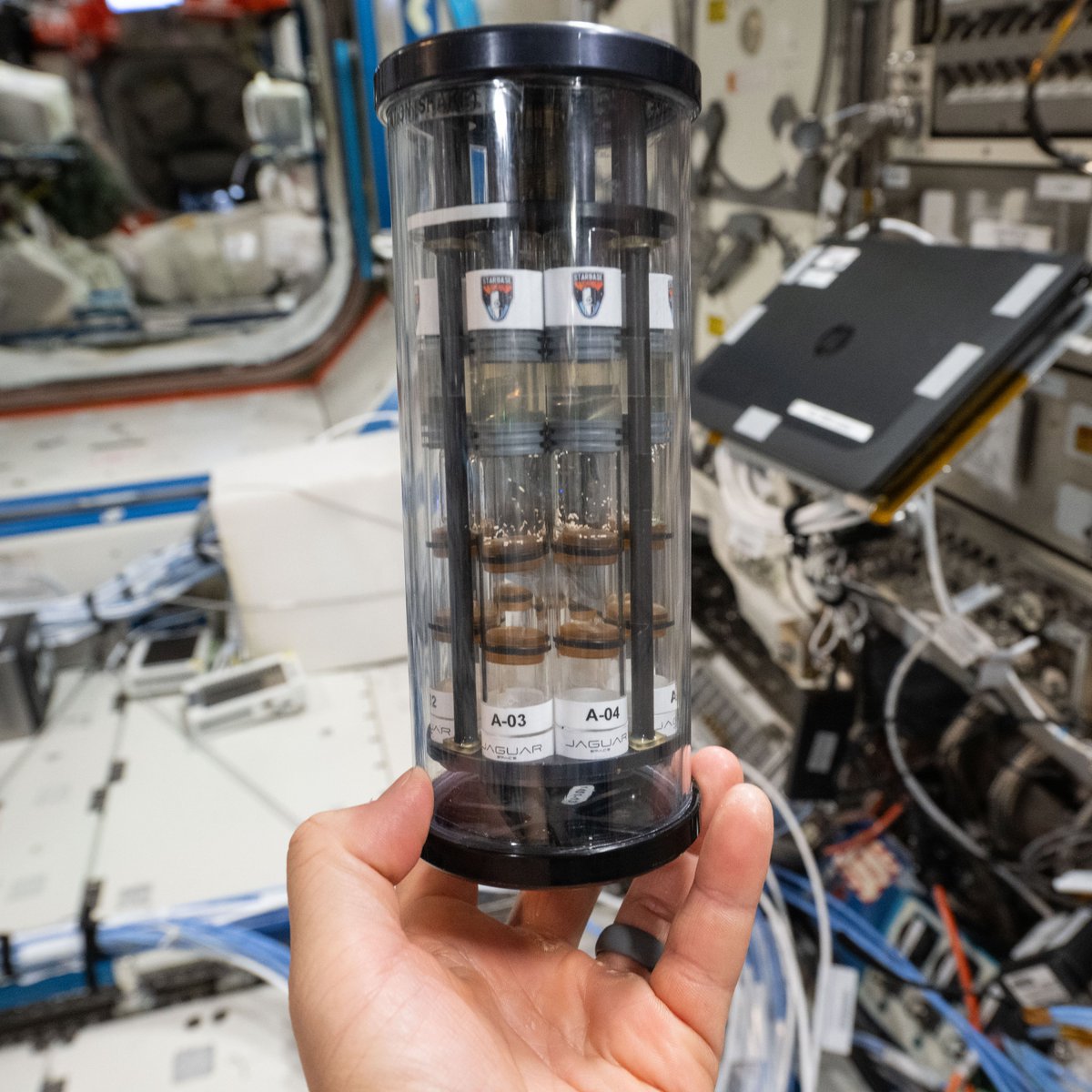
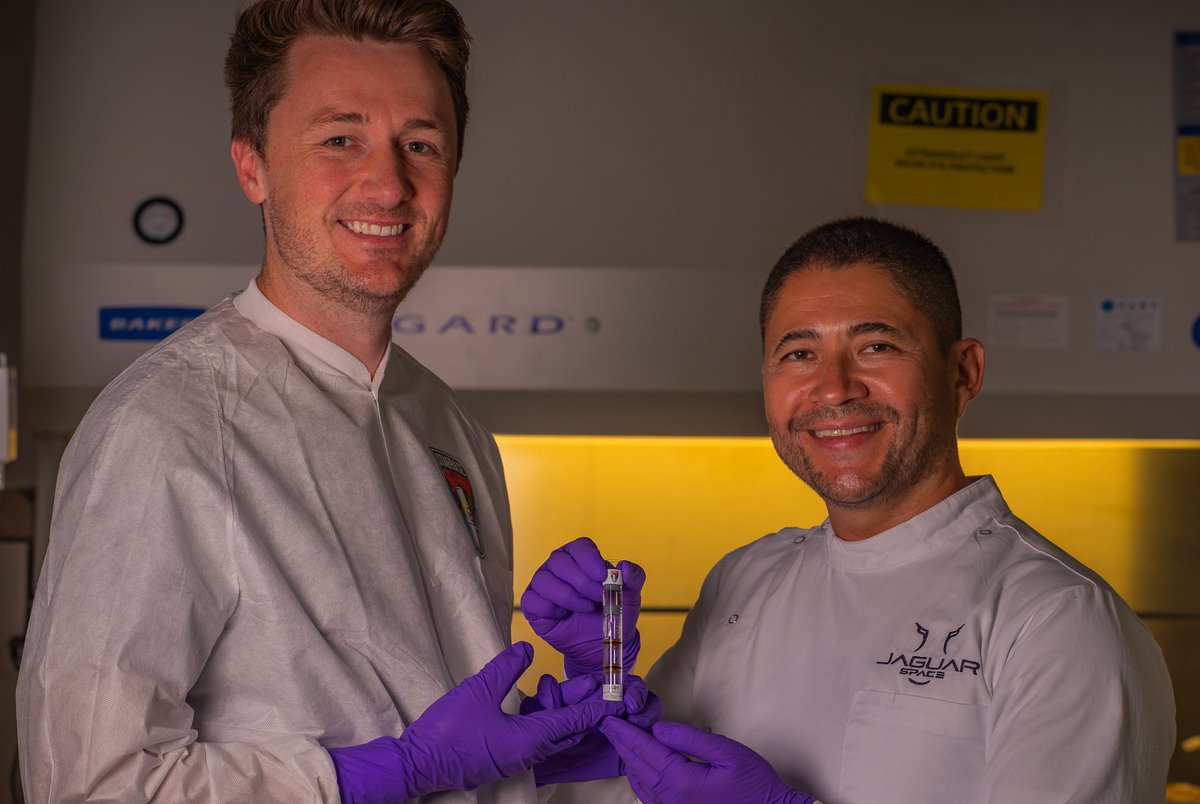
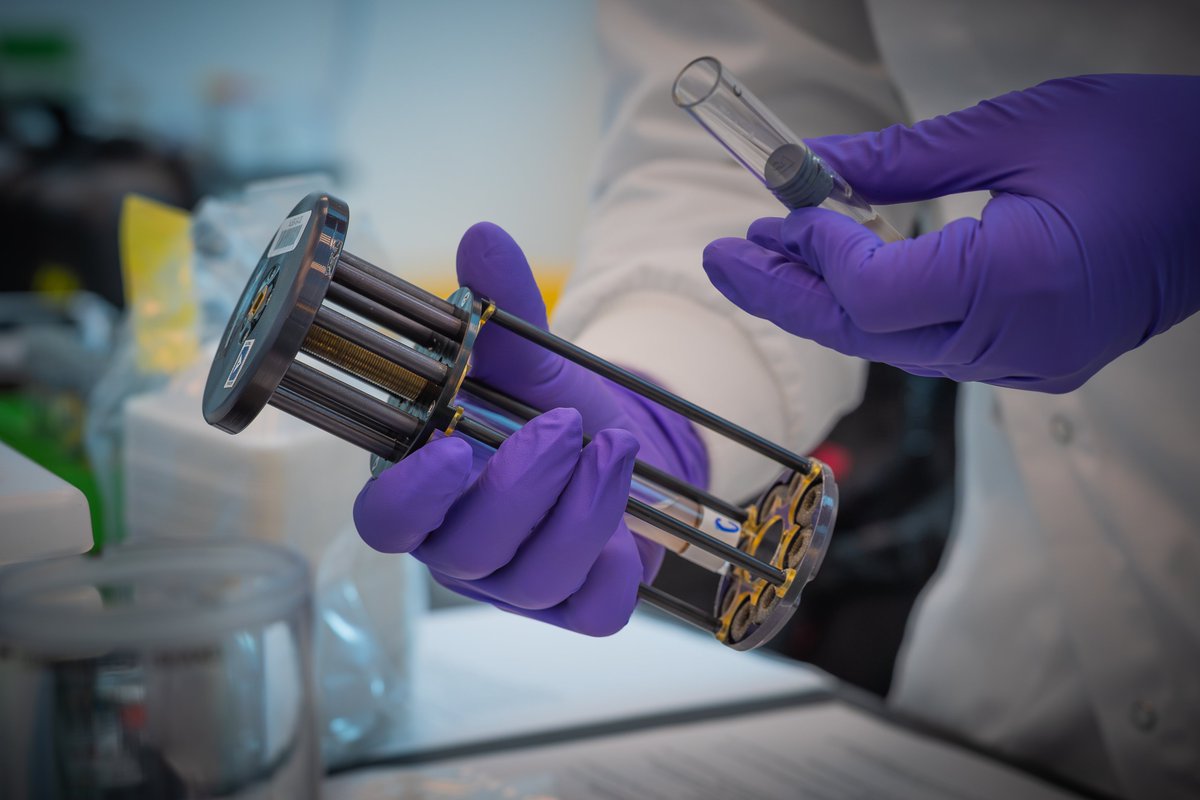
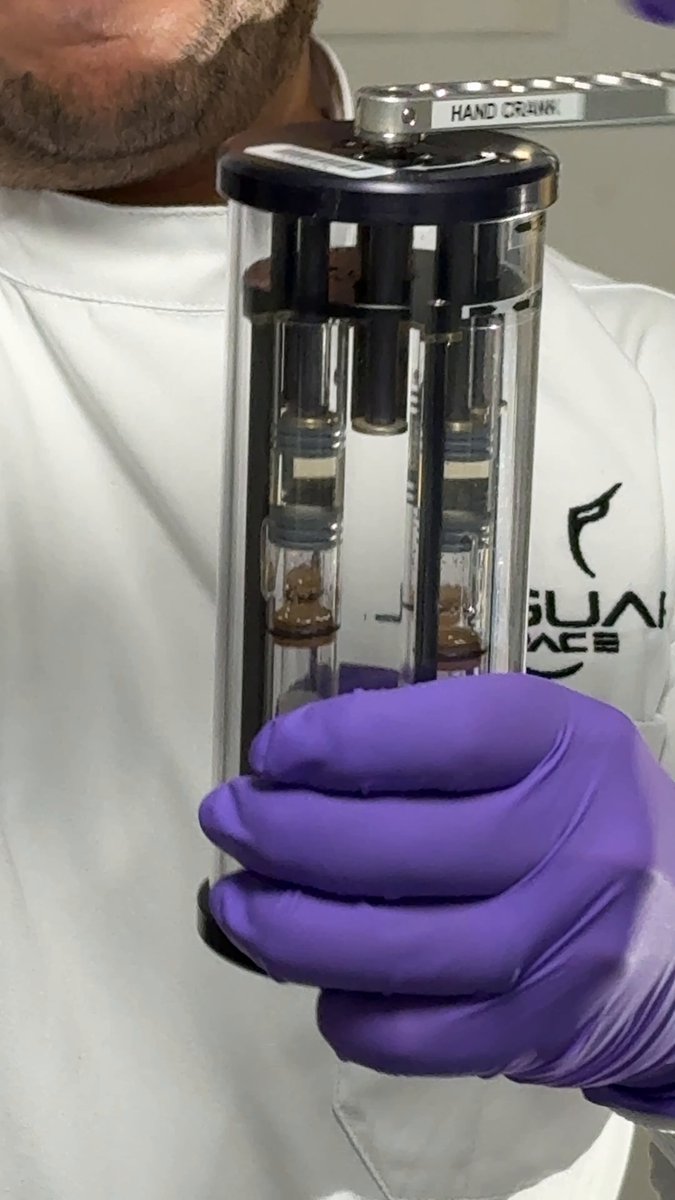
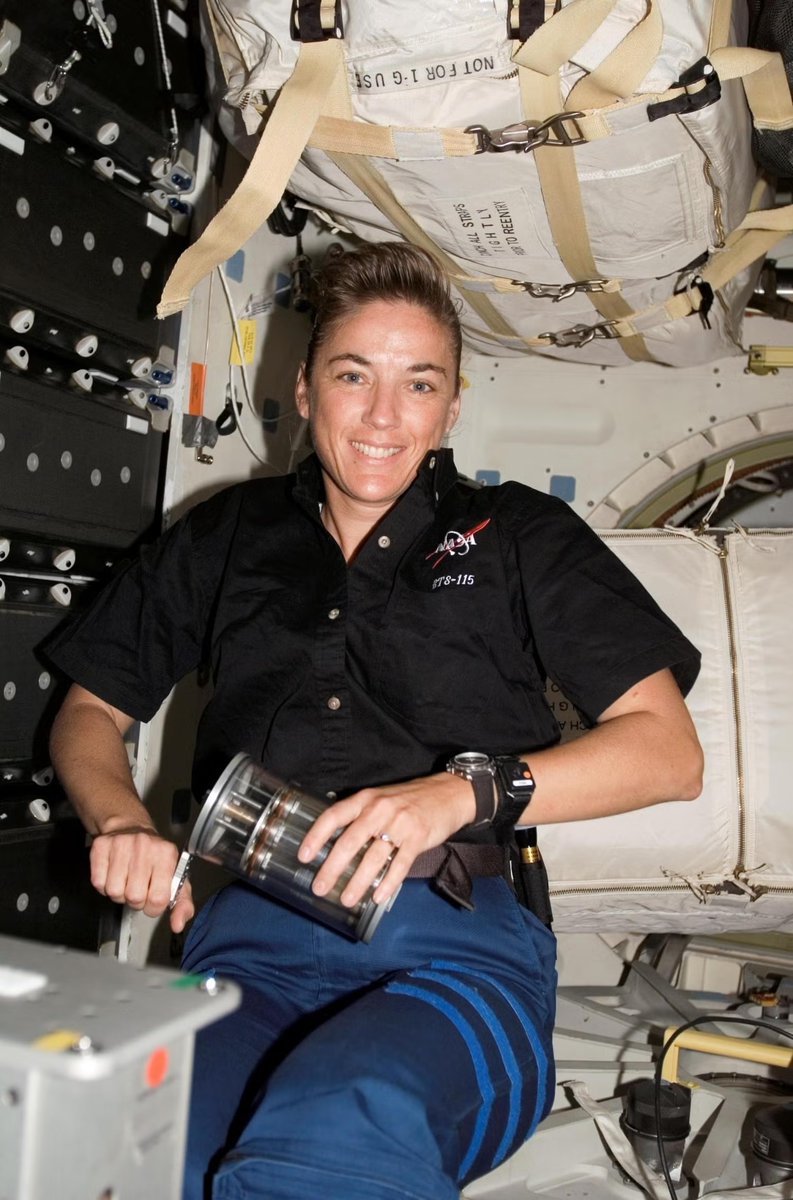
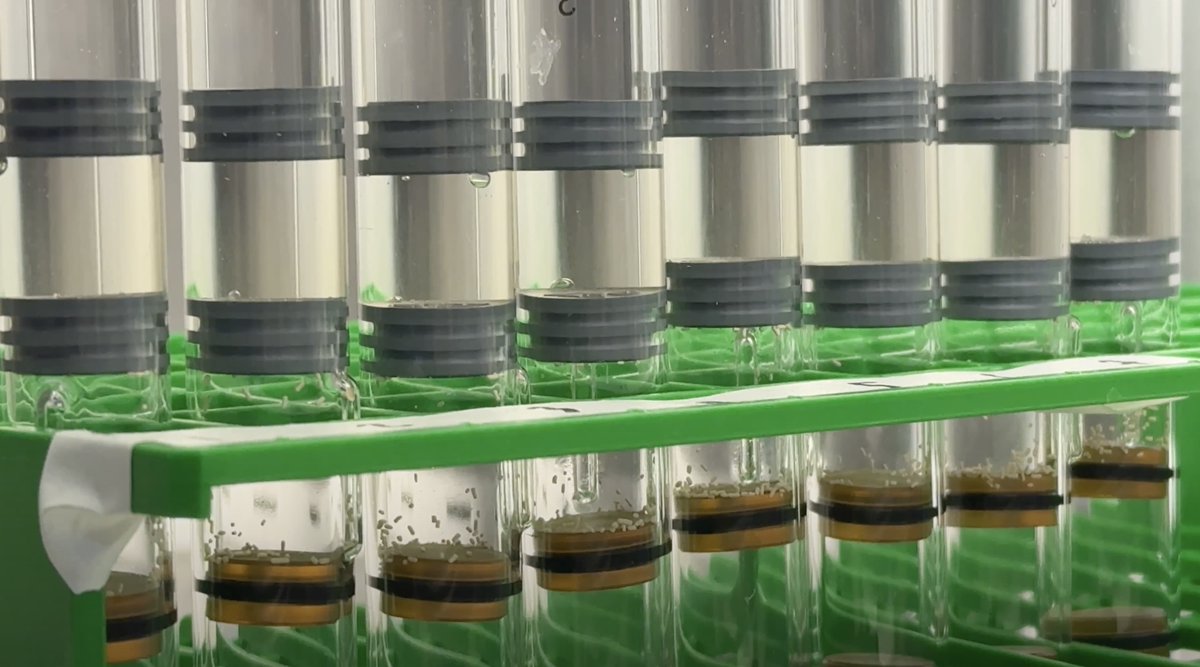
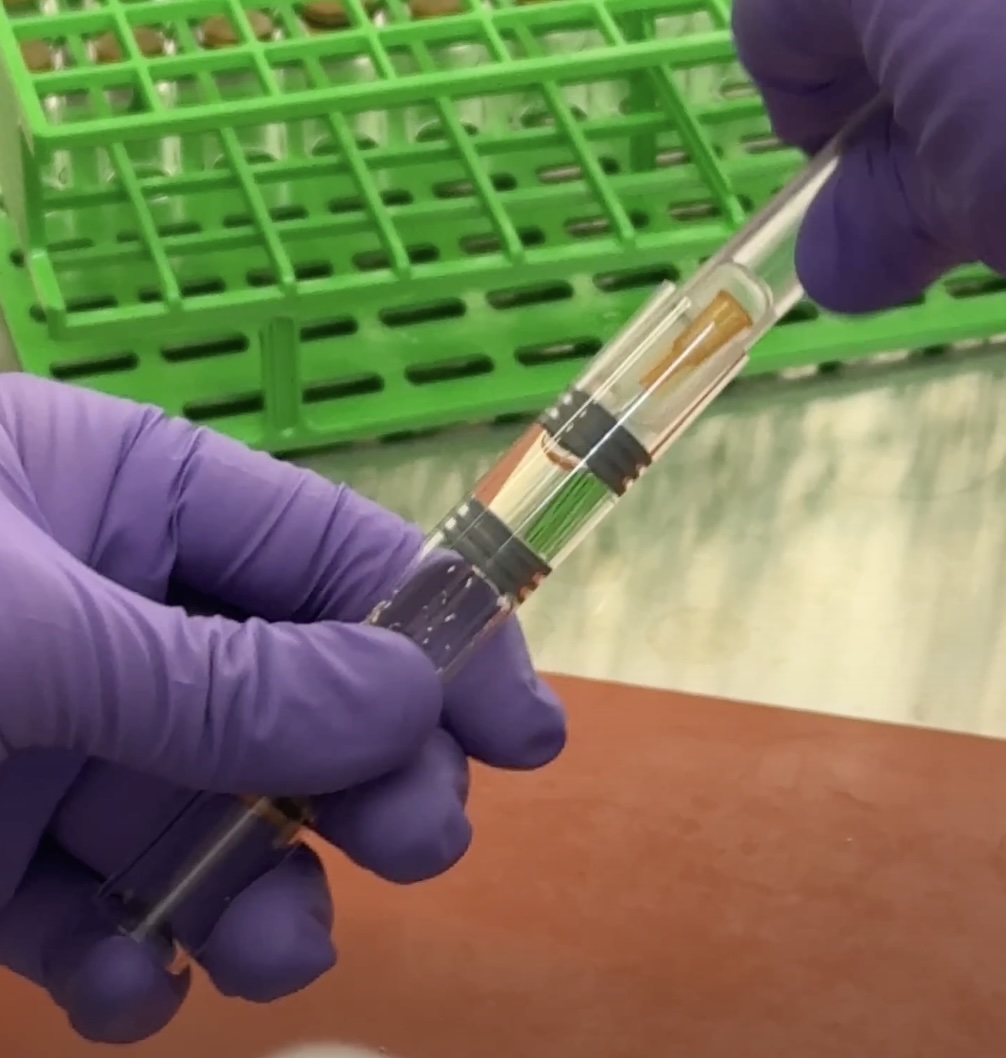
Our second Crew-11 payload is even crazier -- we will be making the first-ever beer in space!
The goal is to study the effects of microgravity and radiation on fermentation.
The experiment is called "MicroBrew-1".
(You may have seen our recent post about crops in Martian soil, but this is different!)
🧵 Thread: (1/9)
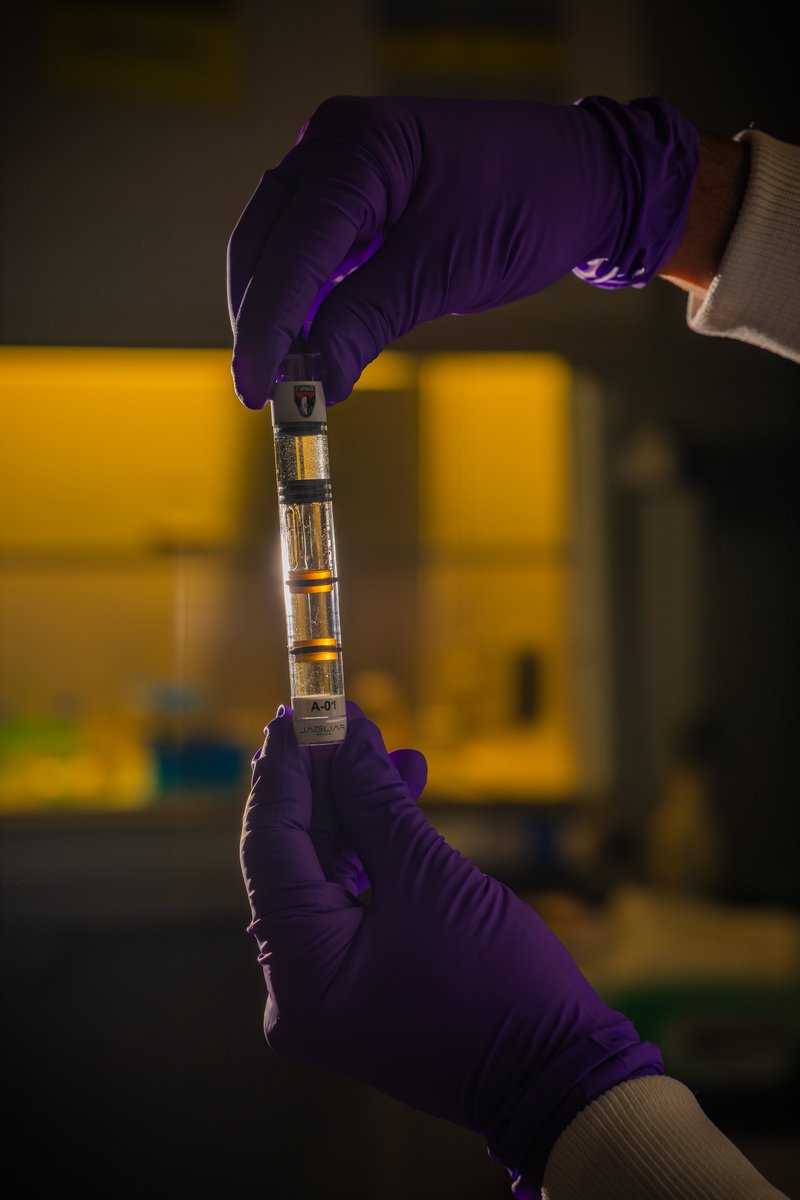
ALT A test tube filled with wort and yeast that will ferment the first beer in space. Credit: Jaguar Space/Ivan Castro Guatemala
27
44
380
27,843
Jun 12
You’re doing it wrong
Jun 12

I can’t drink SpaceX
15
515
Jun 12
Timeless investing advice that has held true for over 15 years in the public markets (and much longer in private markets). More relevant than ever on the day of SpaceX's IPO
6
303
May 26
It’s wild how far TechCrunch has fallen. They used to be such a trusted publication for tech news…
May 26

Starship’s path to reusability looks murky after SpaceX’s S-1 techcrunch.com/2026/05/26/st…
20
1,347
May 22
Unreal views. Not sure how anyone could argue that this isn't the coolest company on Earth.

2
24
441
May 22
happy flight 12 attempt #2 day to those who celebrate!
Watch Starship's twelfth flight test x.com/i/broadcasts/1pKkOykQR…
2
2
50
1,813
May 21
Let us know if you need any in-flight brews, @satofishi! 🍻
Fram2’s Mission Commander @satofishi is set to fly aboard Starship’s first interplanetary human spaceflight mission → spacex.com/updates#first-sta…
1
33
2,412
May 21
happy flight 12 day to those who celebrate!
Watch Starship's twelfth flight test x.com/i/broadcasts/1YxNrZwwo…
2
10
69
5,475
Apr 24
Some insanely cool footage in here. The world needs more SpaceX documentaries!
Three years since the first flight of Starship, the next generation is here. New ship. New booster. New engines. New pad and new test site. SpaceX engineers are working to solve one of the most difficult engineering challenges in history: developing a fully, rapidly reusable rocket
4
2
72
1,105
Mar 24
inject this directly into my veins
Mar 24

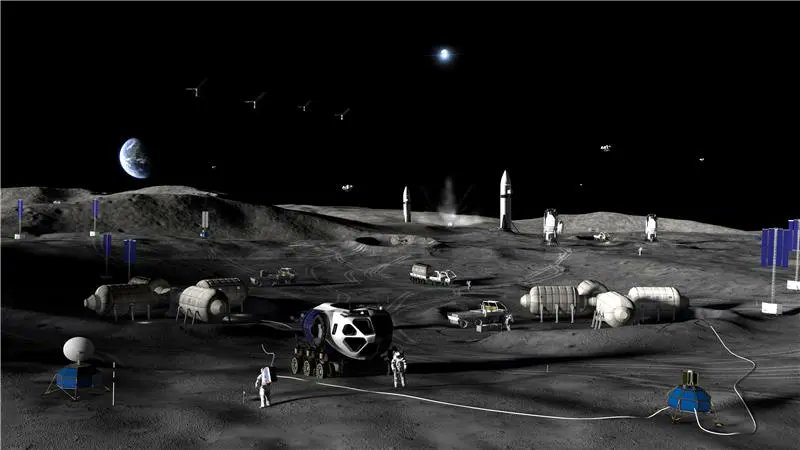
NEWS: NASA Administrator Jared Isaacman announced today a $20 billion plan to build a permanent U.S. base on the Moon over the next 7 years. NASA is cancelling plans to deploy a space station in lunar orbit.
“NASA is committed to achieving the near‑impossible once again, to return to the Moon before the end of President Trump’s term, build a Moon base, establish an enduring presence, and do the other things needed to ensure American leadership in space. The clock is running in this great‑power competition, and success or failure will be measured in months, not years. If we concentrate NASA’s extraordinary resources on the objectives of the National Space Policy, clear away needless obstacles that impede progress, and unleash the workforce and industrial might of our nation and partners, then returning to the Moon and building a base will seem pale in comparison to what we will be capable of accomplishing in the years ahead.”
The plan:
Phase One: Build, Test, Learn
NASA shifts from bespoke, infrequent missions to a repeatable, modular approach. Through CLPS (Commercial Lunar Payload Services) deliveries and the LTV (Lunar Terrain Vehicle) program, the agency will increase the tempo of lunar activity, sending rovers, instruments, and technology demonstrations that advance mobility, power generation (including radioisotope heater units and radioisotope thermoelectric generators), communications, navigation, surface operations, and a wide range of scientific investigations.
Phase Two: Establish Early Infrastructure
With lessons from early missions in hand, NASA moves toward semi‑habitable infrastructure and regular logistics. This phase supports recurring astronaut operations on the surface and incorporates major international contributions, including JAXA’s (Japan Aerospace Exploration Agency) pressurized rover, and potentially other partner scientific payloads, rovers, and infrastructure/transportation capabilities.
Phase Three: Enable Long‑Duration Human Presence
As cargo‑capable human landing systems (HLS) come online, NASA will deliver heavier infrastructure needed for a continuous human foothold on the Moon, marking the transition from periodic expeditions to a permanent lunar base. This will include ASI’s (Italian Space Agency) Multi-purpose Habitats (MPH), CSA’s (Canadian Space Agency) Lunar Utility Vehicle, and opportun.
1
2
64
2,528
Mar 22
This is a very big deal

3
61
2,153
It would take Amazon centuries to deploy this constellation so they assume it would take centuries for anyone else too
Mar 8

Amazon claims it would take “centuries” to deploy this 1M constellation. For context, we’ve spent months diving into physics backed estimates for what these sats will probably look like.
All that work culminated in this article: research.33fg.com/analysis/t…
Elon has indicated publicly that this and previous analysis we’ve done on this topic is at least directionally accurate.
I’m sure it will not be exact, but better than most other publicly available resources.
Our numbers suggest that early versions (3-5 years) of these satellites would produce 50kw-100kw/ton with room to improve into the 150-200kw/ton range
Assuming starship V3 gets 100T to LEO (and never improves), the 100GWs is the goal not just a hard 1M satellites, the power density never improves (it will),
Then the launches required for this goal is between 10,000-20,000 based on our power density estimates (conservative)
The only way Amazon is even close to correct with its “centuries” claim is if launch regulations never allow more than 100 launches of starship per year, and all the metrics above don’t improve.
Starship is already approved for ~120 launches out of Florida. This does not count Starbase or any other locations for future Starship launches.
More launch sites, better mass to orbit, and better power density dramatically reduce these launch numbers.
An improvement in all 3 (highly likely) over the next decade drives this timeline down to <10 years.
The centuries claim is misleading and likely purposefully using old historical numbers to help with their petition.
Interestingly it’s one of the only claims without a citation.
2
1
31
1,304
Feb 27
hypothetical question...say we wanted to change the law so that NASA administrator term lengths worked the same as the Supreme Court (e.g. serve until you choose to retire), how would one go about that? PURELY hypothetical of course

President Trump gave the world the Artemis Program, and NASA and our partners have the plan to deliver. We will standardize architecture where possible, add missions and accelerate flight rate, execute in an evolutionary way, and safely return American astronauts to the Moon, this time to stay.
This is the NASA that once changed the world. This is the NASA that will do it again.
3
16
802
Feb 15
What Elon is saying here seems to be fairly misunderstood in all of the current discourse around SpaceX’s shift from Mars to the Moon.
If (when) AI inference in space matures as a market, it will be orders of magnitude larger than Starlink, which is already one of the best businesses of all time. SpaceX will have a massive monetary and technological competitive advantage over the rest of the industry which will all flow into Mars.
The short term shift to focus on the Moon (plus AI satellites, mass driver, etc) will make the long term Mars plans much more feasible.
To be clear, we are still going to do Mars. I don’t think this change affects the time to a Mars city being self-growing by more than 5 years and it might turn out to accelerate Mars.
5
6
100
5,643
Guess we’ve gotta be the first beer on the Moon too
For those unaware, SpaceX has already shifted focus to building a self-growing city on the Moon, as we can potentially achieve that in less than 10 years, whereas Mars would take 20 years.
The mission of SpaceX remains the same: extend consciousness and life as we know it to the stars.
It is only possible to travel to Mars when the planets align every 26 months (six month trip time), whereas we can launch to the Moon every 10 days (2 day trip time). This means we can iterate much faster to complete a Moon city than a Mars city.
That said, SpaceX will also strive to build a Mars city and begin doing so in about 5 to 7 years, but the overriding priority is securing the future of civilization and the Moon is faster.
19
16
520
13,220
"We wanted flying cars, instead we got 140 characters" hits a lil different after SpaceX has merged with the frontier AI lab that started as Twitter
2
17
638
Maybe 140 characters will give us flying cars after all...
11
394
Greatest merger in human history...SO FAR
Feb 2

SpaceX and xAI is possibly the greatest merger in human history.
1
2
51
2,274
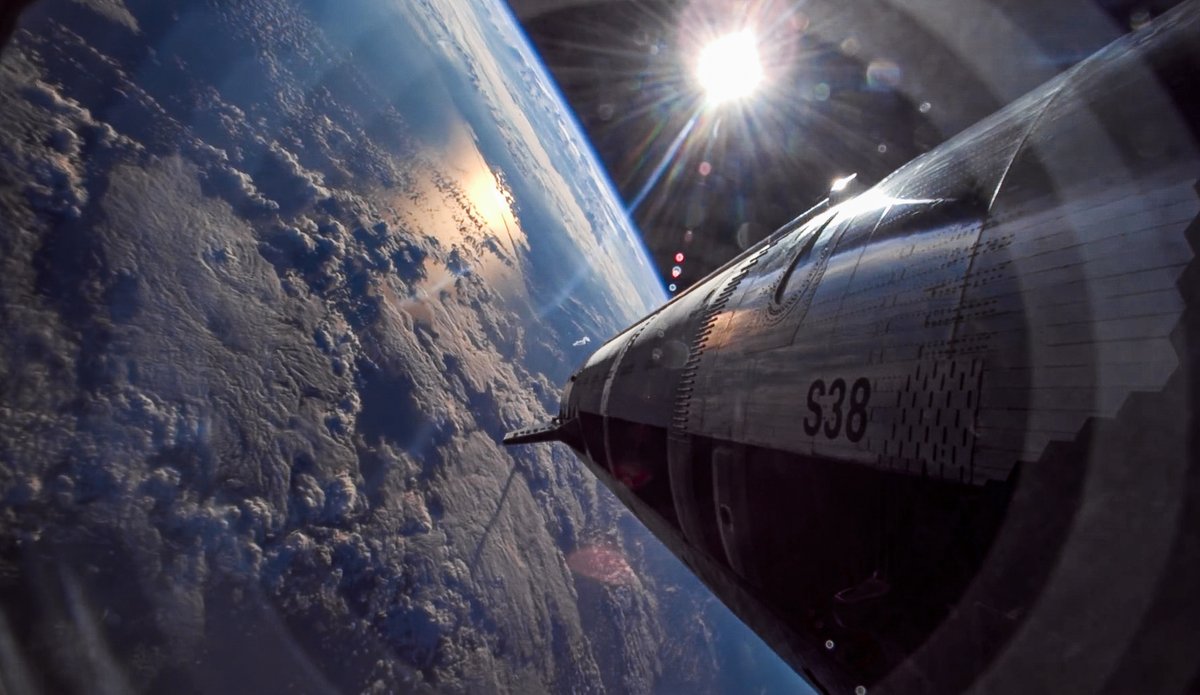
Easily the coolest acquisition announcement blog post in human history
SpaceX has acquired xAI, forming one of the most ambitious, vertically integrated innovation engines on (and off) Earth → spacex.com/updates#xai-joins…
2
2
69
3,044
Jan 31
Jan 31
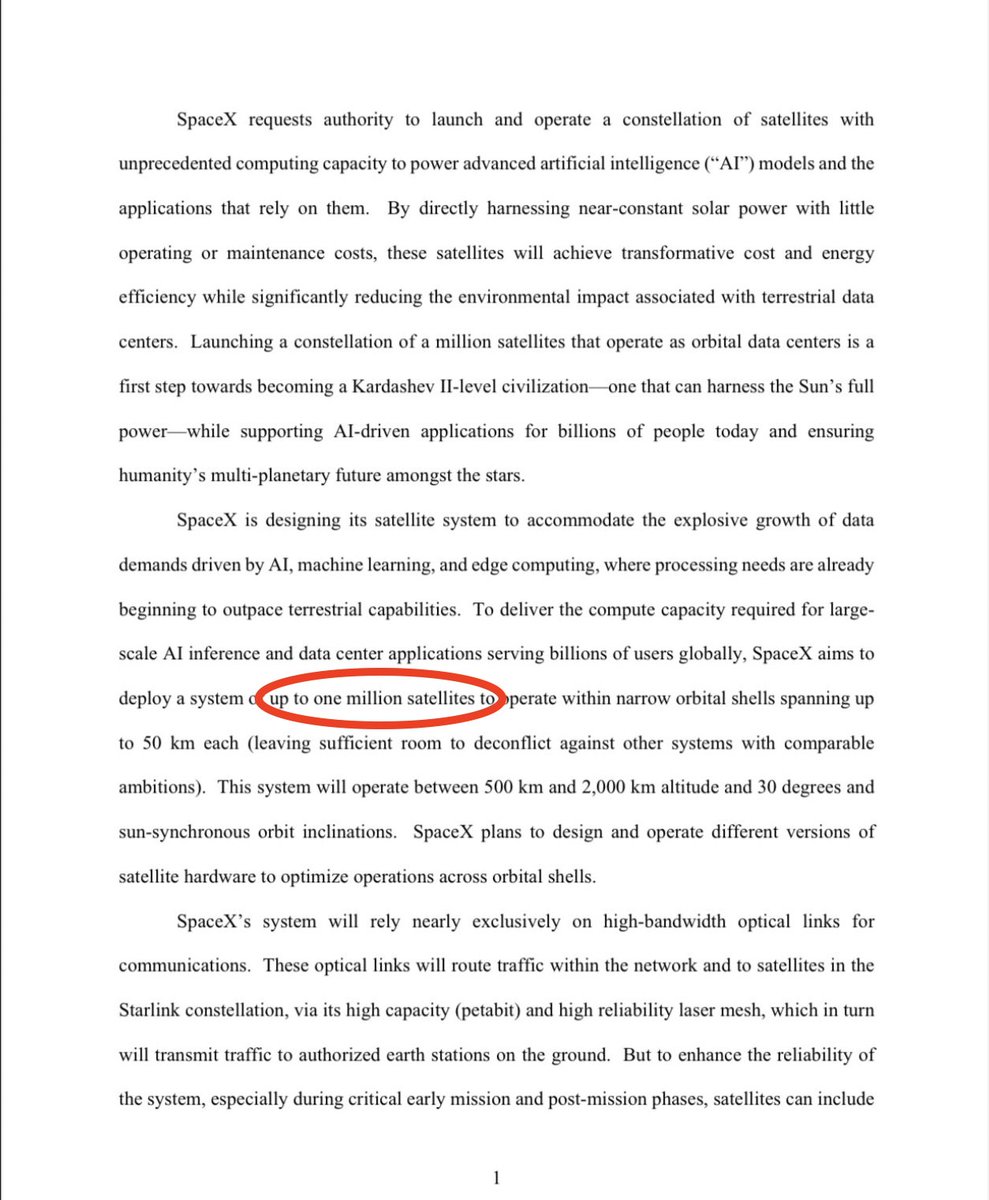
SpaceX is seriously going for 100GW of "AI Inference" from 1M satellite constellation in SSO, presumably at 100kW per satellite.
No weekend for the space data center crowd...
3
4
38
8,034
Jan 21
Honored to be an @AstroAwardsLive sponsor for the 3rd year in a row. Huge shoutout to @Erdayastronaut, @marylizbender, and the whole team for the insane amount of hard work they put into planning everything! This is definitely one of the best space industry events of the year.

And we absolutely couldn't do this show without the help of some amazing sponsors. An event like this costs WAY more money than I've ever had and these sponsors make it possible to produce such an amazing show. Thank you @stoke_space, @SpaceX, Poggipolini, @Astrolab_Space, @FloatGlobe, @StarbaseBrewing, @FireflySpace , @voyagertech_ , @reflectorbital, Swift, Guinn Partners, Foley, No Coast, @IcelandEclipse &
@boomsupersonic
5
48
6,474