
Music Alliance Management Corportation (Founder & President) - Managing Music Artists throughout the World with Tailor-Made Career Strategies for Success.
Joined February 2024
- Tweets 21,386
- Following 493
- Followers 8,150
- Likes 98,678
1,338 Photos and videos
Jason Lancaster | Mind & Music Consulting retweeted

NEW EPISODE - Karmic Woof Podcast Ep. 24: The Awareness Factor (Where Suffering is Optional)
youtu.be/UhTtBv0NH1Y?si=2CNH… via @YouTube
What if the real reason you keep hitting the same barriers is that you’ve been living on autopilot — with your habitual self quietly running the show?
In this week’s edition of 'Habit Chat' (Episode 24), join hosts Starbuck Jones & Jason Lancaster as we get honest about what we’ve personally observed in our own lives as Bon students.
We dive deep into the importance of staying in our awareness 24/7, especially while observing our own habits in real time.
We explore how to remain in the moment when 'change' is on the horizon, when chaos hits, and when barriers (or obstacles) appear that challenge us to push through for the best possible outcome.
We ask the powerful question: “Do you really want the thing you say you want?” and examine what that truly means from an awareness perspective versus the mind’s filtered version of reality (neurochemicals and all).
You’ll hear us break down two versions of self — the pure awareness version and the habitual self (the version you see when you look in the mirror of your mind, full of distortions and old programming) loaded with habits, anchors, beliefs, and filters — and which self is actually controlling your mind.
What we uncover is eye-opening: we are the ones creating our own obstacles in life (it starts in the mind), and suffering is optional once we learn to step back into our awarenesses and consciously navigate from the observer.
If you’ve ever felt stuck, frustrated by recurring habitual patterns, or sensed that something deeper is possible, this episode will feel validating, clarifying, and genuinely empowering.
Tune in for raw, real conversation, Bon-inspired insights, and practical tools to strengthen your awarenesses and start living more intelligently.
youtu.be/UhTtBv0NH1Y?si=2CNH… via @YouTube
1
2
248
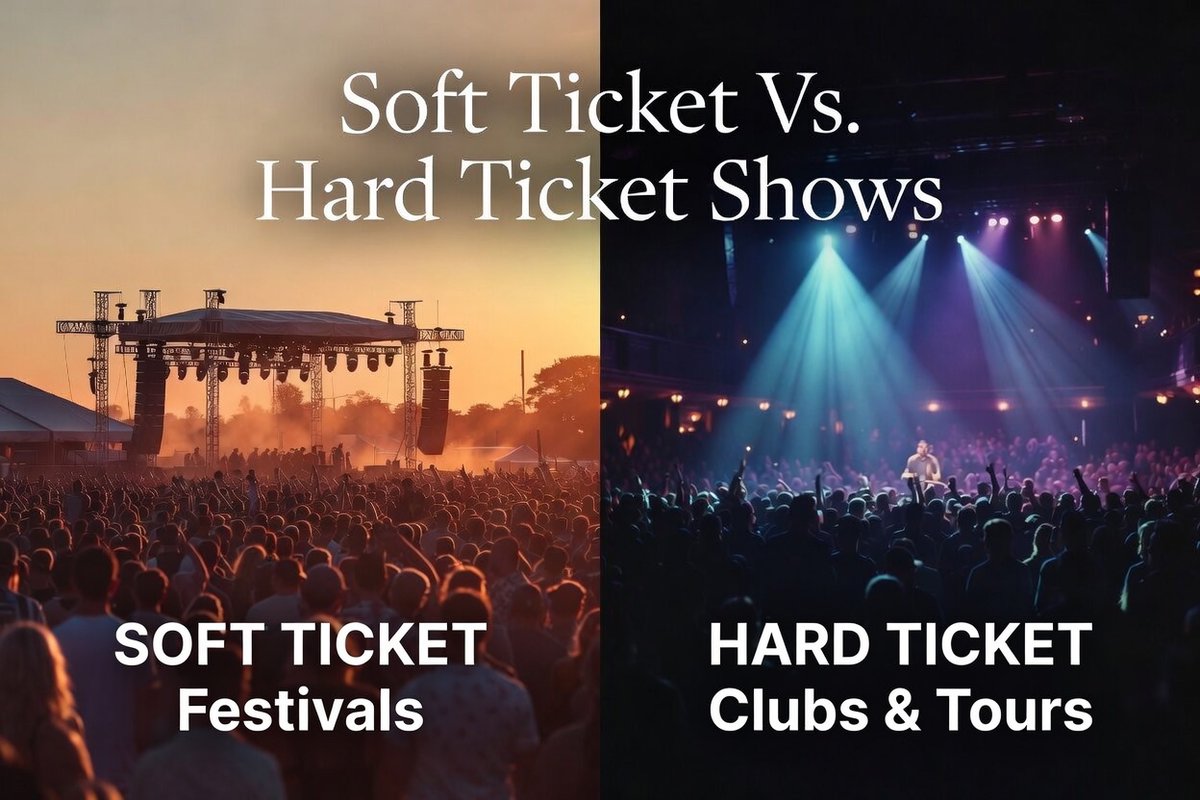
Soft Ticket Shows (Festivals) – Prioritize them for discovery and fan-building.
Festivals are almost always soft-ticket shows. That means the audience is there for the whole event, not just you. They’re fantastic for reaching new fans and getting great exposure — but there’s usually no backend from ticket sales.
What pros do:
- Treat festivals as marketing spend (with a solid guarantee to cover costs).
- Negotiate the highest flat fee possible. Come with data: recent ticket sales, streaming numbers, routing costs. Many acts leave thousands on the table by saying yes to the first offer.
- Use the slot to capture emails/socials, sell merch, and film content.
Many artists assume “big crowd = big money,” but in soft-ticket festivals that’s rarely true — your pay is the guarantee, not a percentage of ticket sales. That’s why negotiating upfront and treating the show as fan-growth marketing makes such a big difference.
Hard Ticket Shows (Clubs, Theaters, Your Own Tours) are where you really build your career and income. These prove your draw and give you solid data like “We sold 350 tickets in this city last time” — which makes future festival offers even stronger.
The winning approach many artists use:
Use festivals for fan growth and hard-ticket shows for revenue and momentum. Let the exposure from one feed the sales in the other.
It’s all about building a healthy balance that works for where you are right now. The artists who thrive long-term treat soft-ticket as marketing spend (with a guarantee to cover costs) and hard-ticket as the business model.
The two work together like a well-oiled machine.
3
54
I think most would agree that streaming alone is a terrible primary income strategy for almost everyone in the music world.
Even though it’s true, I wanted to break down what that actually looks like: "Most artists need hundreds of thousands to millions of streams per month just to approach minimum wage."
Here’s the reality using Spotify’s typical payout:
- Average payout: $0.003 – $0.005 per stream (most indies see ~$0.004).
- US federal minimum wage (~$1,256/month): Requires roughly 300,000 – 350,000 streams per month (314,000/month to be exact).
- More reliable minimum wage (after fees, taxes, splits): ~500,000 streams per month.
- Modest living wage ($2,000–$4,000/month): 500,000 – 1,000,000 streams per month.
1,000,000 streams = $4,000 @ $0.004 per stream.
The harsh truth:
- Only about top 0.5%–1% of artists on Spotify consistently hit the minimum wage threshold from streaming alone.
- Just ~0.1% (roughly 12,000 out of 11 million artists on Spotify) reach 1M monthly streams.
Streaming alone is brutal. But that’s actually the good news.
It forces us to become better business people, better marketers, and better artists.
The indie artists who are quietly winning right now aren’t hoping for virality — they’re deliberately building real systems and multiple revenue streams (playlisting strategy, sync licensing, fan funding, merch, teaching, live shows, etc.).
Solutions exist. They’re just not as glamorous as the fantasy.
And that’s exactly why they work.
On a side note: Who gets the higher payouts (~$0.005 per stream or more) on Spotify?
- Artists with most of their listeners in high-value countries — especially the United States, United Kingdom, Canada, Australia, Germany, Norway, Sweden, South Korea, etc.
These markets pay significantly more (often $0.0045 – $0.007 per stream) due to higher Premium subscription prices and stronger ad revenue. Norway, Denmark, and Iceland pay the best.
- Artists whose fans are mostly on Spotify Premium (paid subscribers) rather than the free/ad-supported tier. Premium streams contribute far more to the royalty pool.
- Indie artists on good distribution deals who keep a high percentage of royalties (e.g. DistroKid, TuneCore, CD Baby, or direct independent deals) instead of heavy major-label splits.
- Artists with strong playlist placement in official or high-engagement playlists, which tends to attract better (more engaged / Premium) listeners and improves overall earnings.
Conversely, streams from lower-value markets like India, Brazil, parts of Southeast Asia, and similar regions often pay as low as $0.001 or less.
13
182
Today's gardening lesson brought to you by experience. Excess nitrogen creates imbalances, especially for beets, radishes, turnips, and carrots.
More is not always better. In this case it's worse.
Plants need nitrogen to grow green leaves and stems. And it works a little too well, but too much will take away from the roots. Not good for root crops. The result: All tops, no bottoms.
Fortunately, this experience taught me how to alter the soil's pH to my desired outcome through this experiment along with this important lesson of the day.
After all, no one wants radishes in skinny jeans.
And since life experiences are mirrors (enter Bon training), this begs the question:
Where else in our lives are we applying a 'more is better' mindset, thinking it will give us what we want, only to create unintended imbalances somewhere else?
OR this question: Where else is our collective 'more is better' mindset creating imbalance in the wider world?
That's an even more valuable question.
After all, life is always showing us the mirror in every moment.
One thing I've learned about gardening is the fact that plants are similar to the human body in the sense of 'energy flow'. They work similarly.
Strangely enough, it's our habits (actually it's the mind, but we use the mind to create habits) through conditioning that determines how our energy flows.
It really is the same lesson in the garden as we 'condition' plants to yield a crop to sustain human life. We do the same with the human body.
We do so by working with the plant's flow of energy. Strangely enough, we so often neglect the same practice with our own bodies and create imbalance (illness).
These are the types of things we discuss on the Karmic Woof Podcast.
6
47
Every artist possesses a unique core frequency—a natural resonance that deeply connects with fans who align with the same energy. This is why finding YOUR audience, instead of aimlessly chasing any crowd, is absolutely essential to success.
It’s this distinct frequency set, your personal "muse" I'll call it, that makes your music unforgettable and magnetically draws listeners to your sound.
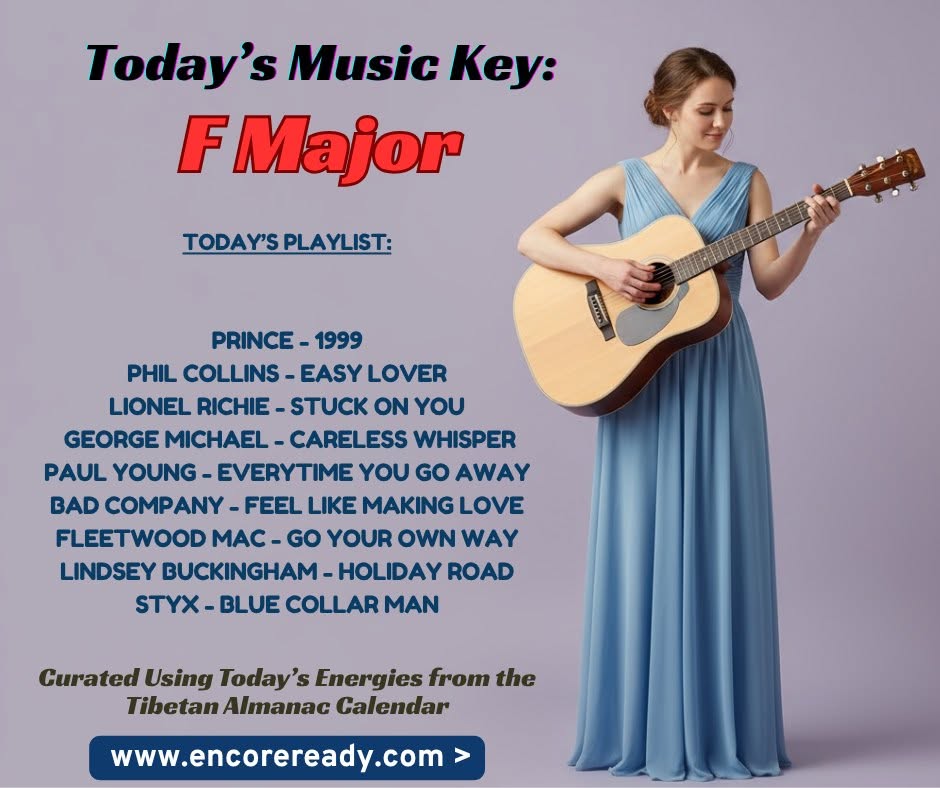
Take The Beatles, for instance—their collective core resonance harmonized seamlessly with the key of F Major. When they wrote songs in this key, it appeared to unlock their full creative potential, dramatically enhancing their chances of crafting chart-topping hits.
Similarly, Queen, Phil Collins, Hall & Oates, and Fleetwood Mac produced hit after hit in this particular key, as it naturally aligns with their core frequencies, amplifying their musical impact on their core audience.
6
60
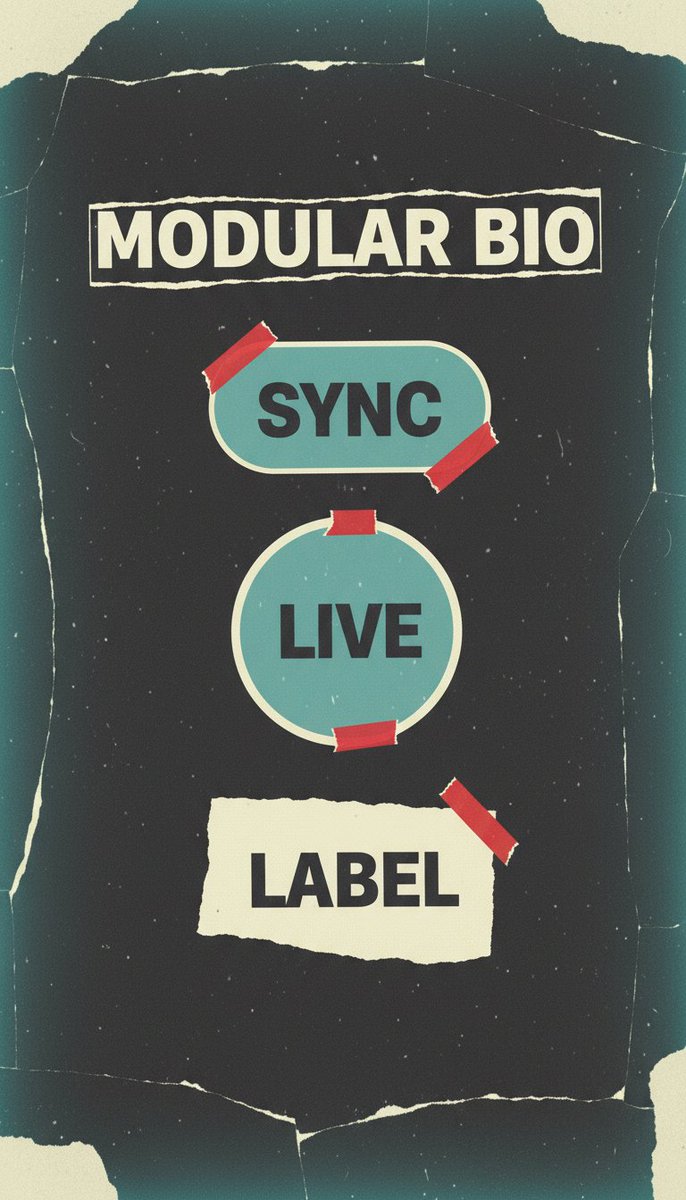
Hey indies — one thing I’ve noticed that seems to help a lot: many of us send the same long bio everywhere and then wonder why we get weak or no responses from festival bookers, promoters, or labels.
Those people are all looking for slightly different things. The artists who get stronger replies often keep 2–3 short modular versions ready — one focused on emotional story (great for sync), one on live energy (great for festivals and bookers), and one on artistic vision (good for labels).
You can gently mix and match pieces depending on who you’re reaching out to. It feels more personal to the reader and often leads to better responses.
2
44
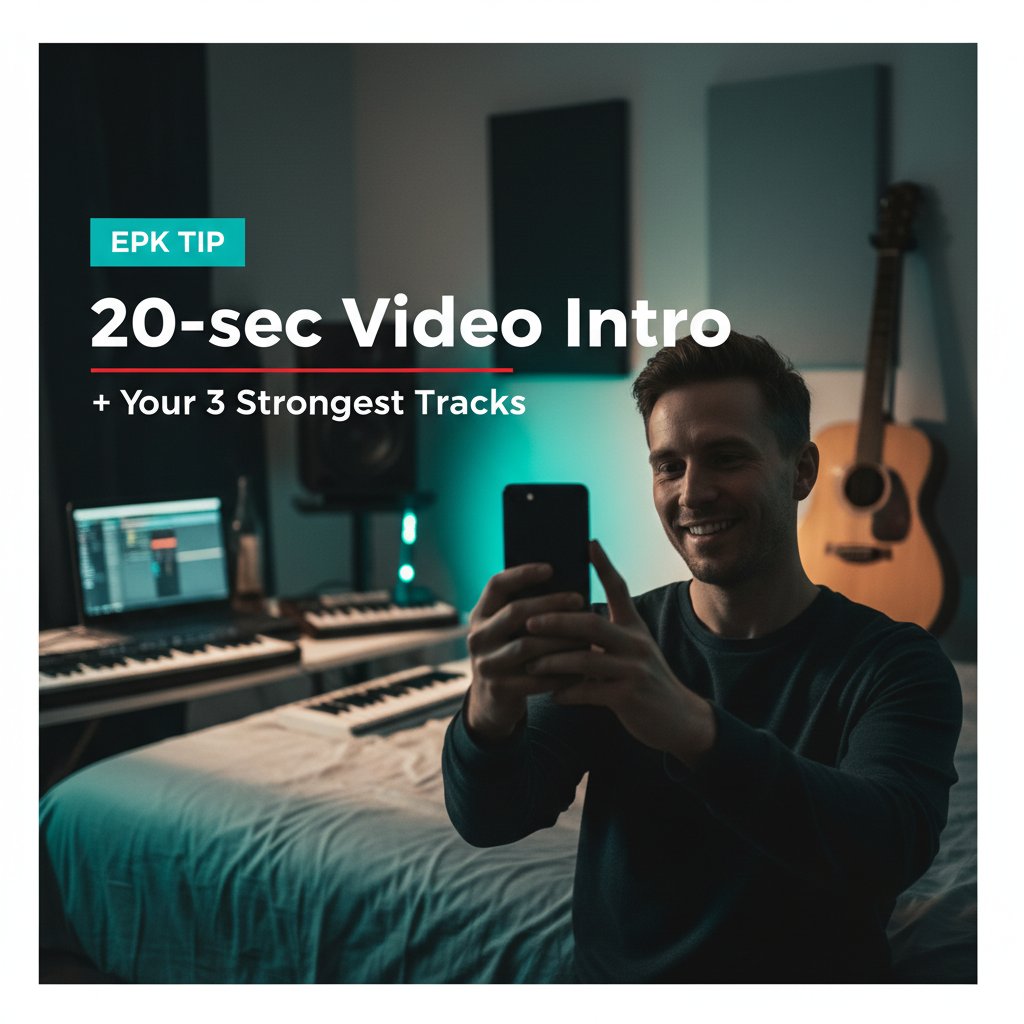
Hey indies — one small EPK change I’ve seen help a lot especially for those just starting out: many of us spend hours on long, detailed EPKs that end up getting ignored by festival bookers, promoters, labels, and sync supervisors.
Switching to a quick 20-second warm video intro (just talking naturally to the camera like you’re speaking to one person) plus only your 3 strongest tracks makes it feel so much more human and relatable.
It seems to get better responses because it respects their time.
An observed tip that works well:
Keep the video warm and personal — like you’re talking to just one person, not doing a sales pitch.
Intro example: "Hi, I’m [Your Artist Name]. I make honest [genre] music about real life struggles and small victories. These three songs show where I’m at right now. Hope they connect with you.”
3
28
Deep within every artist, there’s a unique core frequency—a secret resonance, humming quietly, waiting to be unleashed. It’s not just a sound; it’s a magnetic force, a pulse that calls out to the exact fans destined to feel your music in their bones.
When you incorporate this frequency into your music, something magical happens: the right audience will discover you as if drawn by an invisible thread—skipping the usual struggles and turning listeners into devoted fans.
This is why chasing just any crowd leads only to frustration but discovering YOUR core audience—the ones who vibrate at your wavelength—changes everything.
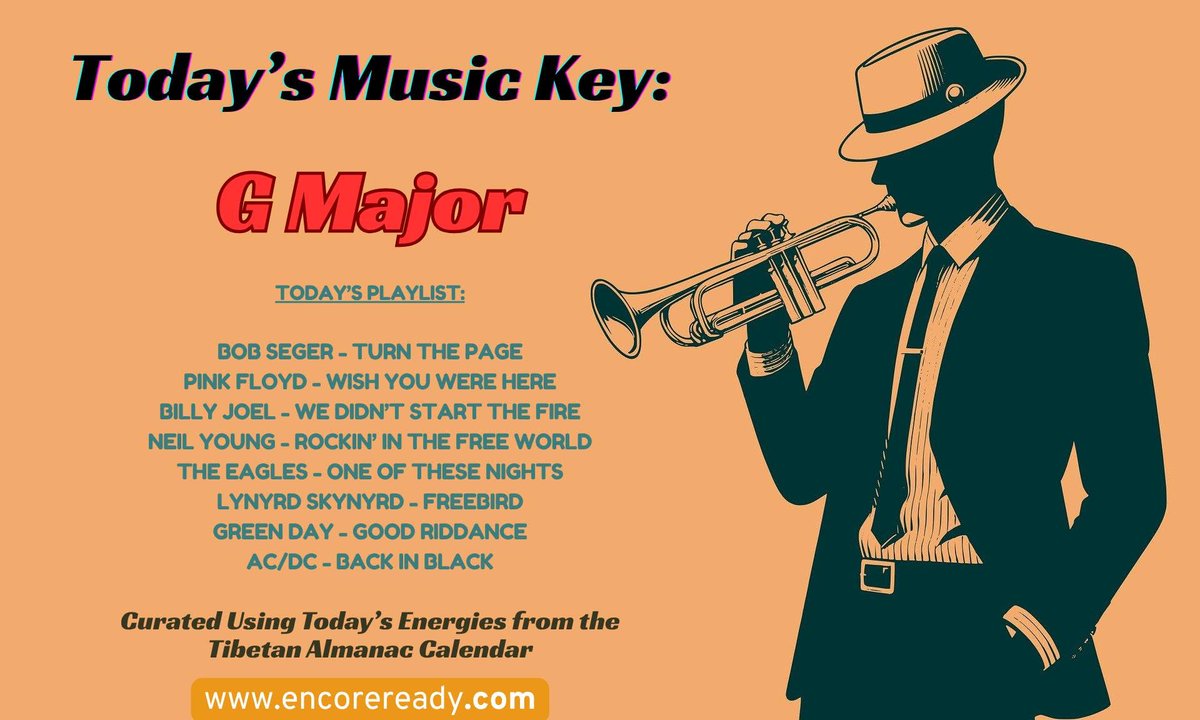
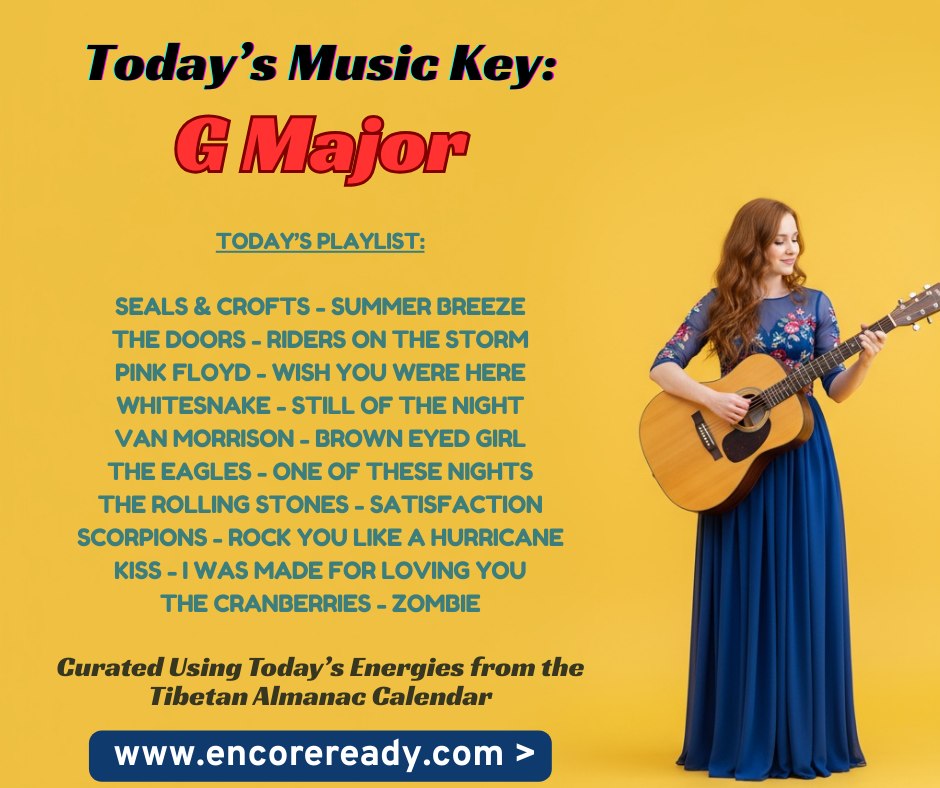
Lynyrd Skynyrd didn’t just play music—they tapped into their collective core frequency, resonating effortlessly with the key of G Major. Every time they wrote in this key, their creativity surged, and chart-topping hits seemed to flow as if by magic.
Pink Floyd, The Eagles, Green Day, and Metallica each discovered their sweet spot in the key of G Major—tapping into their core frequency. When they played from this place of resonance magic, hit after hit followed, and the world couldn’t help but listen, captivated by the magic they created.
3
80
Every artist possesses a unique core frequency—a natural resonance that deeply connects with fans who align with the same energy. This is why finding YOUR audience, instead of aimlessly chasing any crowd, is absolutely essential to success.
It’s this distinct frequency set, your personal "muse" I'll call it, that makes your music unforgettable and magnetically draws listeners to your sound.
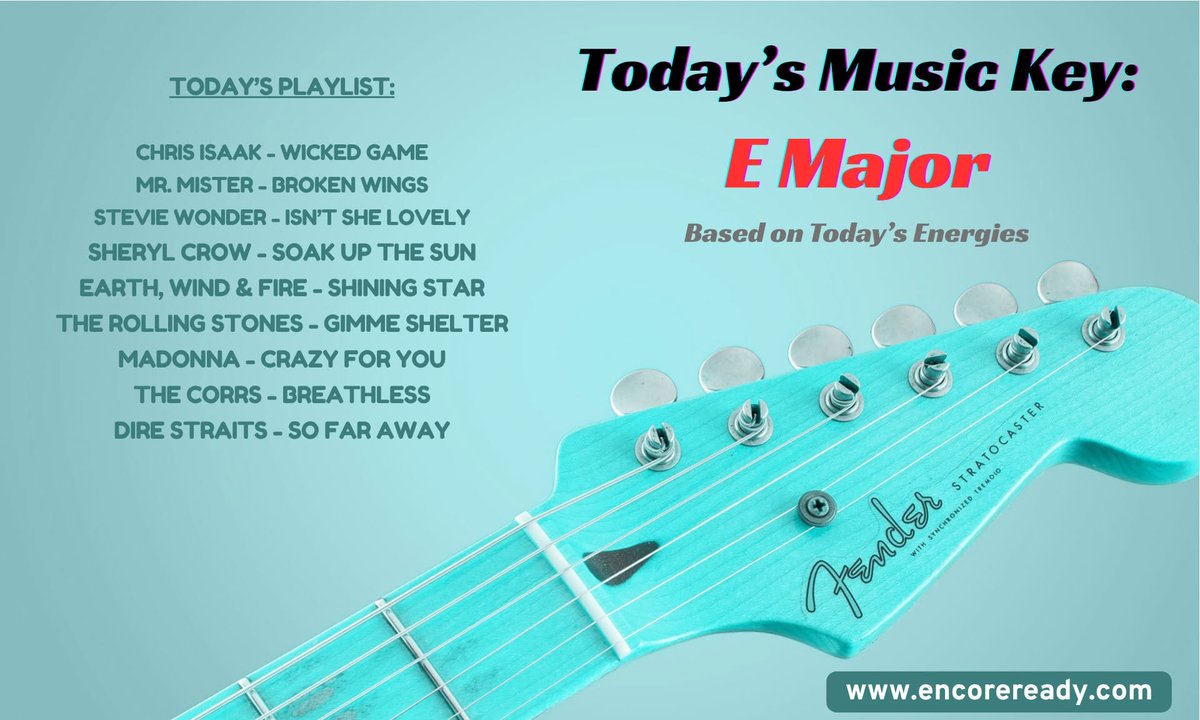
Take Lana Del Rey, for example—her natural core resonance aligns beautifully with the key of E Major. When she creates music in this key, it seems to unlock her full potential, significantly increasing the chances of producing a chart-topping hit.
Similarly, The Rolling Stones, Bruce Springsteen, John Mayer, and R.E.M produced hit after hit in this particular key, as it naturally aligns with their core frequencies, amplifying their musical impact on their core audience.
6
94
Is your EPK costing you gigs, festival slots, and sync deals in 2026?
Your sound is real. Your story matters.
But your EPK is still getting ghosted by festival bookers, promoters, and sync supervisors who decide in 30 seconds or less.
You’re not alone — and it’s not your music that’s the problem.
This no-fluff 2026 blueprint shows you exactly how to build a razor-sharp, scroll-stopping EPK that cuts through the noise. Professional structure. Magnetic storytelling. First-impression psychology that actually works in today’s oversaturated industry.
Stop disappearing into the void. Start landing the stages, festivals, and sync deals your music deserves.
→ Grab the updated guide here: payhip.com/b/0Aoqj
#IndieArtist #IndieArtist #diymusician #EPK #musicindustry2026
3
76
Today's Healing Soundscape - Listen While You Heal.
youtu.be/ooz8JZq7CZQ?si=v1w9… via @YouTube
9
221
Every artist possesses a unique core frequency—a natural resonance that deeply connects with fans who align with the same energy. This is why finding YOUR audience, instead of aimlessly chasing any crowd, is absolutely essential to success.
It’s this distinct frequency set, your personal "muse" I'll call it, that makes your music unforgettable and magnetically draws listeners to your sound.
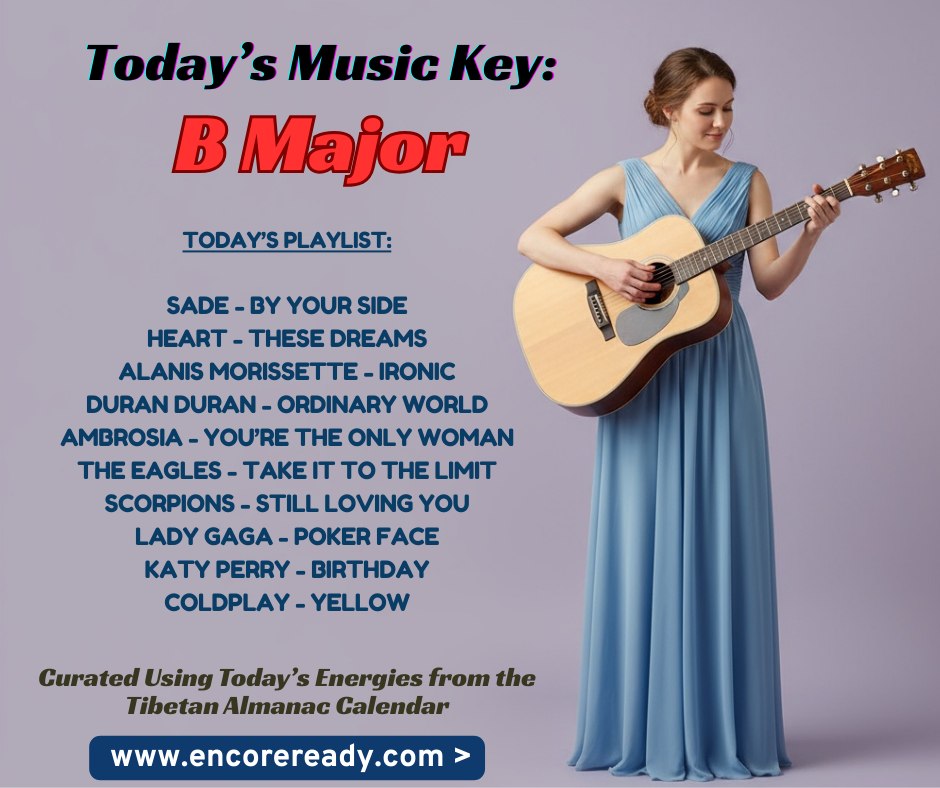
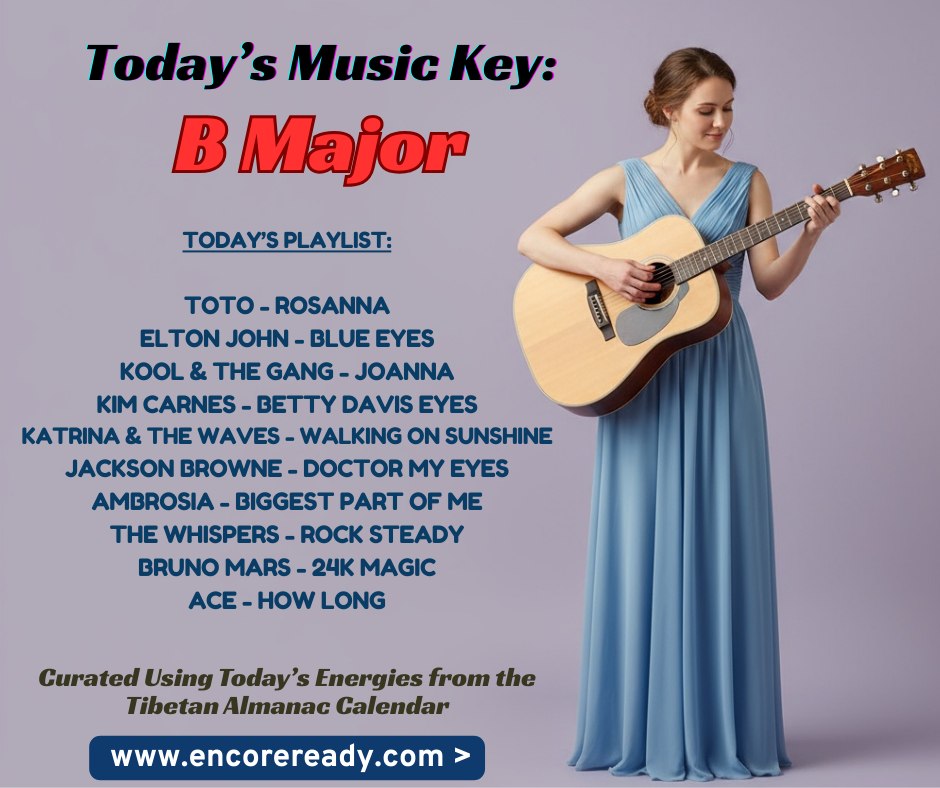
Take Tina Turner, for example—her natural core resonance aligned beautifully with the key of B Major. When she created music in this key, it seemed to unlock her full potential, significantly increasing the chances of producing a chart-topping hit.
Similarly, Guns N' Roses, Backstreet Boys, and Bruce Springsteen produced hit after hit in this particular key, as it naturally aligned with their core frequencies, amplifying their musical impact on their core audience.
14
116
Jason Lancaster | Mind & Music Consulting retweeted
Is your EPK costing you gigs, festival slots, and sync deals in 2026?
Your sound is real. Your story matters.
But your EPK is still getting ghosted by festival bookers, promoters, and sync supervisors who decide in 30 seconds or less.
You’re not alone — and it’s not your music that’s the problem.
This no-fluff 2026 blueprint shows you exactly how to build a razor-sharp, scroll-stopping EPK that cuts through the noise. Professional structure. Magnetic storytelling. First-impression psychology that actually works in today’s oversaturated industry.
Stop disappearing into the void. Start landing the stages, festivals, and sync deals your music deserves.
→ Grab the updated guide here: payhip.com/b/0Aoqj
#IndieArtist #IndieArtist #diymusician #EPK #musicindustry2026
1
12
153
Today's Healing Soundscape - Listen While You Heal.
youtu.be/WNdeVVWpblE?si=x6UX… via @YouTube
2
10
222
Deep within every artist, there’s a unique core frequency—a secret resonance, humming quietly, waiting to be unleashed. It’s not just a sound; it’s a magnetic force, a pulse that calls out to the exact fans destined to feel your music in their bones.
When you incorporate this frequency into your music, something magical happens: the right audience will discover you as if drawn by an invisible thread—skipping the usual struggles and turning listeners into devoted fans.
This is why chasing just any crowd leads only to frustration but discovering YOUR core audience—the ones who vibrate at your wavelength—changes everything.
Lynyrd Skynyrd didn’t just play music—they tapped into their collective core frequency, resonating effortlessly with the key of G Major. Every time they wrote in this key, their creativity surged, and chart-topping hits seemed to flow as if by magic.
Pink Floyd, The Eagles, Green Day, and Metallica each discovered their sweet spot in the key of G Major—tapping into their core frequency. When they played from this place of resonance magic, hit after hit followed, and the world couldn’t help but listen, captivated by the magic they created.
1
12
104