The #1 Podcast for the Medtech Industry Hosted by @omarmkhateeb
Joined December 2021
- Tweets 1,165
- Following 3
- Followers 243
- Likes 209
950 Photos and videos
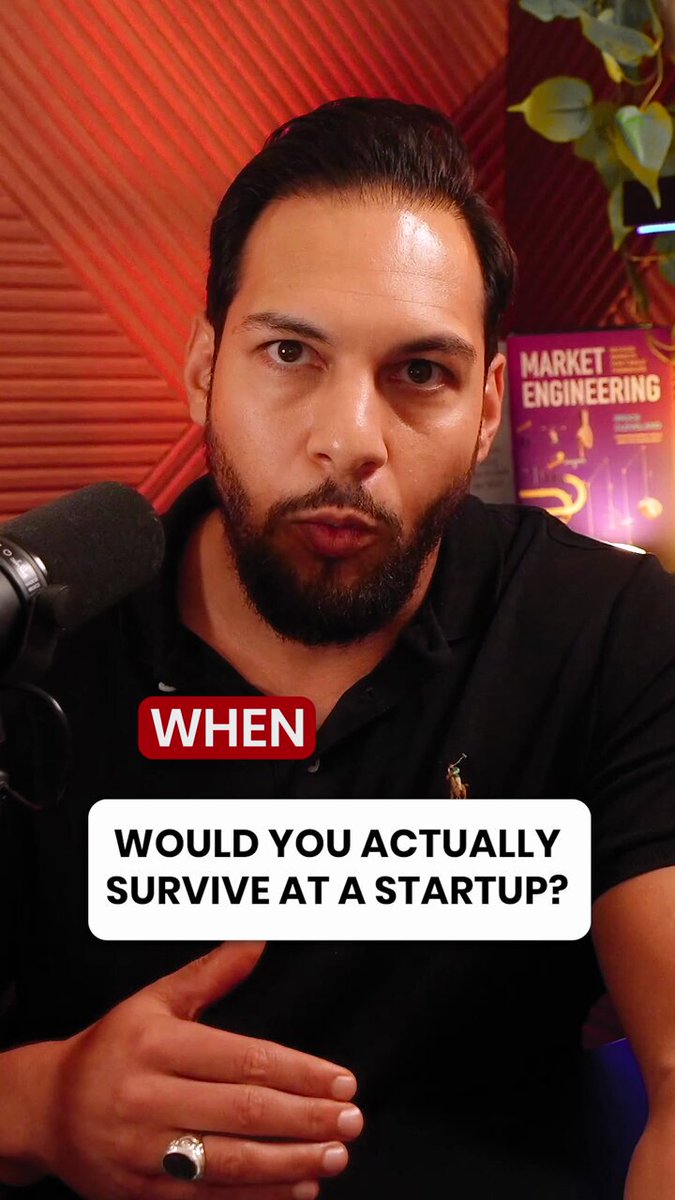
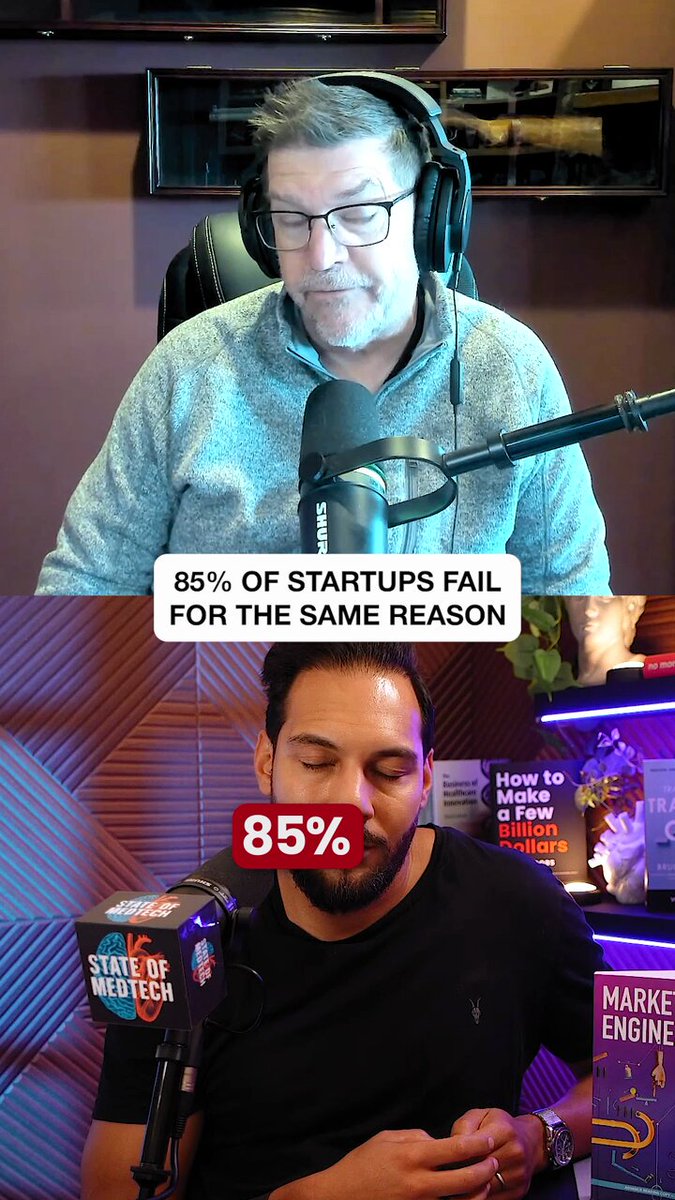






Most People Join Startups for the Wrong Reasons!
Watch the full episode here:
x.com/OmarMKhateeb/status/20…
Jun 10

Should You Quit Your Job for a Startup? The Psychology of Startups vs Corporations Through the Barbarians to Bureaucrats Framework
Most people answer that question by looking at compensation, titles, equity, prestige, or company size.
I think they are asking the wrong question.
This solo episode I explores the Barbarians to Bureaucrats framework and why career success often depends on matching your psychology to the stage of the organization you are helping build.
I discuss why some professionals thrive in ambiguity while others excel in structured environments, why startups and corporations require completely different operating styles, how organizational mass influences decision making, and why understanding where you belong on the curve can transform the trajectory of your career.
The goal is not deciding whether startups are better than corporations.The goal is understanding where you perform at your highest level.
For operators, founders, executives, and ambitious professionals, this conversation offers a practical framework for making better career decisions and finding the environment where you can create your greatest impact.
Episode Breakdown
00:00 Why Your Next Career Move Might Be Wrong
00:01 Intro The Career Question Everyone Asks
02:00 Barbarians to Bureaucrats Framework Explained
04:15 Corporate Life Cycles and Personality Fit
06:35 Prophet, Barbarian, Builder, and Bureaucrat
08:45 Why Some People Thrive in Startups
11:10 The Physics of Company Growth
13:40 Why Large Companies Move Slower
16:05 Process vs Innovation
18:20 Startup Chaos vs Corporate Structure
20:30 Are You a Startup Person or a Corporate Person?
22:15 Why Bureaucracy Exists
23:50 The Biggest Career Mistake Professionals Make
25:10 Finding the Right Stage of Company Growth
26:30 How to Evaluate Your Next Opportunity
27:45 The Intuitive Surgical Lesson
28:35 Where Do You Belong on the Curve?
29:00 Final Thoughts on Career Growth
22
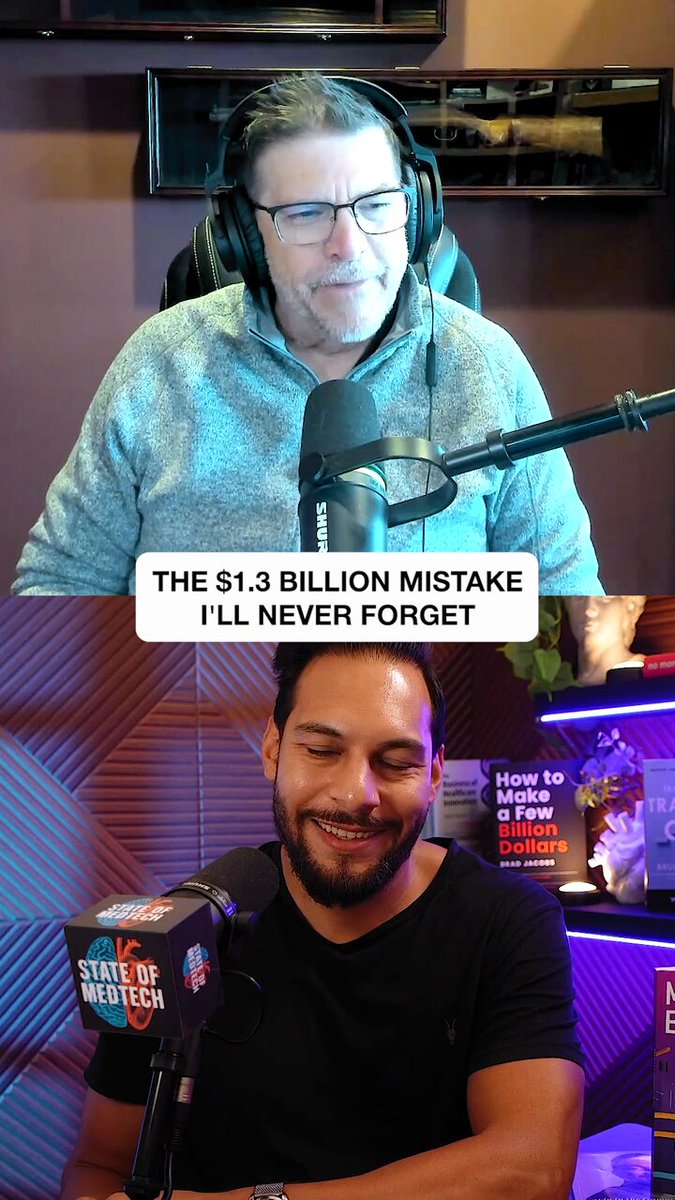
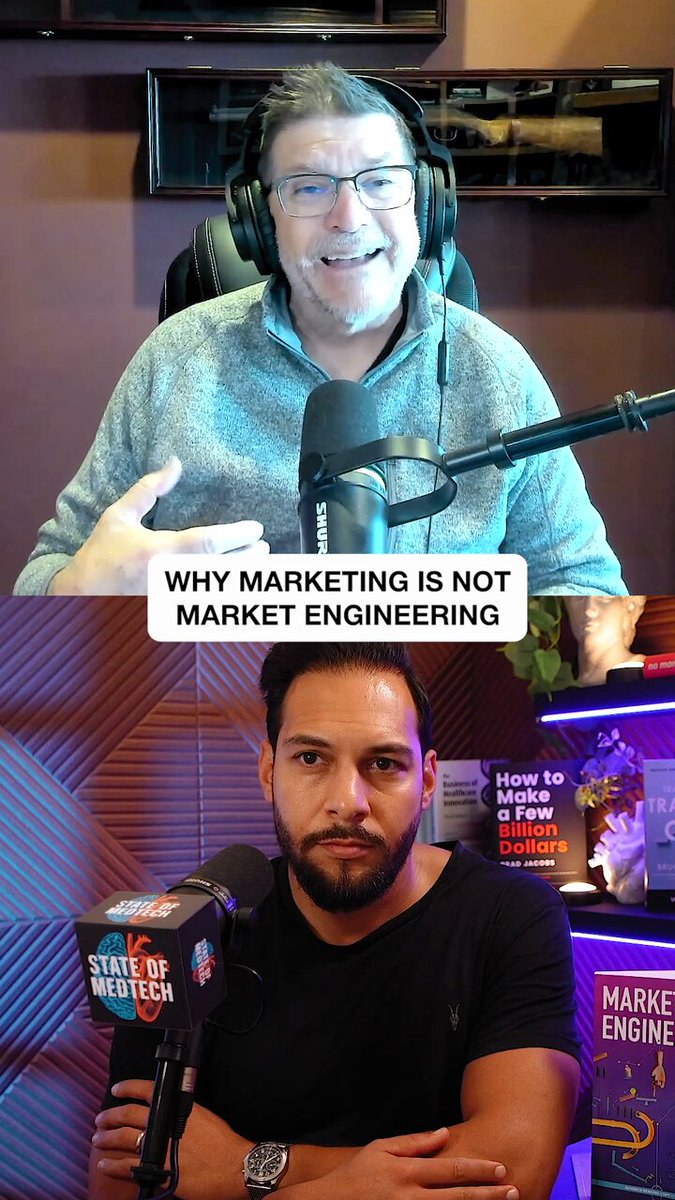
The Market Engineering Mistake Costing Startups Millions!
Watch the full episode here:
x.com/OmarMKhateeb/status/20…
Jun 8
How Category Leaders Engineer Markets and Capture Outsized Value.
Most companies focus on building products.Category leaders focus on building markets.
Bruce Cleveland, Chief Executive Officer of Traction Gap Partners, sat down with me for a deep discussion on market engineering, category creation, thought leadership, and the strategic disciplines that separate market leaders from market participants.
We explored why category leaders capture a disproportionate share of industry value, how companies engineer demand before scaling sales, why thought leadership should be driven by the CEO, and why product innovation alone rarely creates sustainable market leadership.
One of the most important ideas from the conversation is simple.
Markets do not build themselves.
The companies that shape categories, define the rules, and influence how buyers think often create significantly more value than the companies focused solely on product execution.
For founders, investors, operators, and executives, this episode provides actionable insights on shaping demand, establishing category leadership, and creating lasting competitive advantage.
Episode Breakdown:
00:00 The $1.3 Billion Mistake and Lessons From Silicon Valley
01:54 Intro Bruce Cleveland's Background
04:37 @Oracle , @Apple , and Siebel Systems
08:50 Building Category-Defining Companies
12:35 Why Most Startups Fail
15:49 Market Problems vs Sales Problems
18:54 The Story Behind Traction Gap
22:26 Why Bruce Wrote Market Engineering
23:48 What is Market Engineering?
27:26 The Five Pillars of Market Engineering
30:45 Category Design, Messaging, and Storytelling
34:41 Why Great Products Still Fail
36:31 Market Engineering vs Demand Generation
39:27 Early Signals That a Market Is Forming
42:00 Why Market Engineering is the CEO's Job
44:59 Thought Leadership in MedTech
46:18 The Three Core Market Engineering Artifacts
49:04 Building a Category Others Want to Join
52:40 Category Leadership and Competitive Advantage
54:27 Why Early Adopters Matter
57:12 Creating a Single Source of Truth
01:00:20 AI, Search, and the Future of Market Visibility
01:03:50 AI-Powered Market Engineering Tools
01:06:46 Aligning Teams Around a Market Strategy
01:09:15 Final Thoughts on Market Leadership
01:11:00 Outro
19
Why Revenue Teams Win When Everyone Follows the Same Playbook!
Watch the full episode here:
x.com/OmarMKhateeb/status/20…
Jun 1
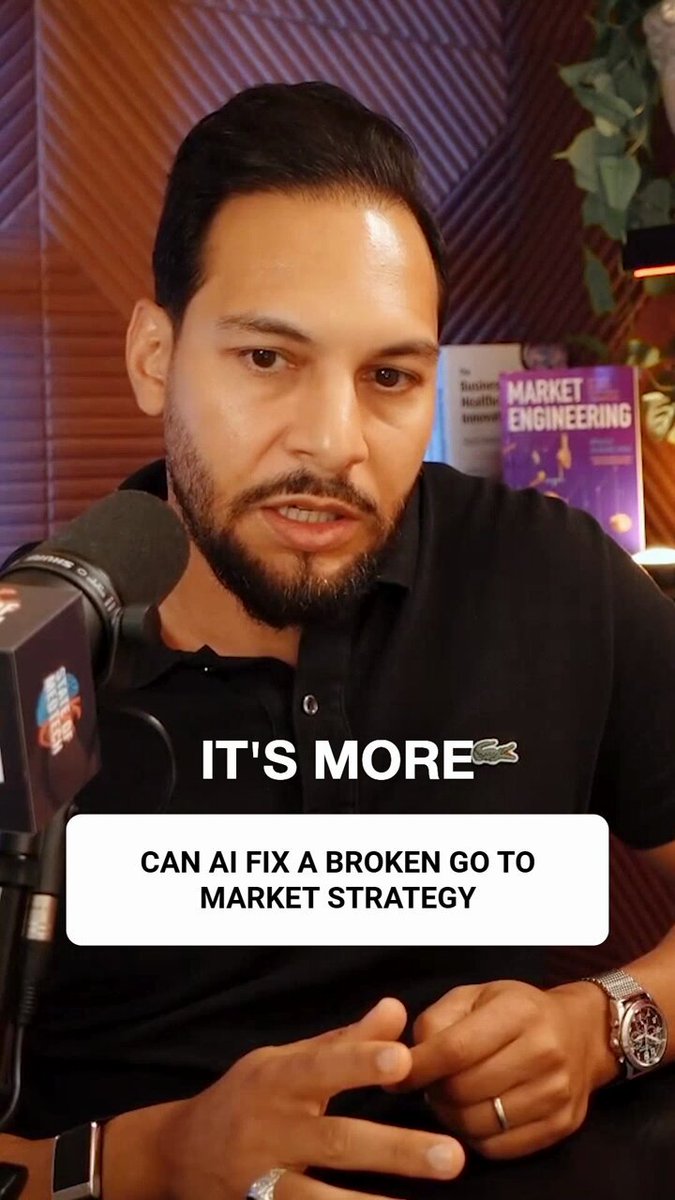
Why Most Go-To-Market Strategies Fail in the AI Era and What Apollo.io’s CEO Says Elite Companies Do Differently
Most companies still chase growth through more campaigns, more sales hires, and more software layered onto broken systems.
I sat down with Matt Curl, Chief Executive Officer at Apollo.io, for a sharp conversation on why modern go to market strategy now depends on unified execution across sales, marketing, operations, customer intelligence, automation, and AI native workflows.
Matt breaks down how Apollo.io scaled into one of the leading AI native go to market platforms while explaining why durable market leadership rarely comes from product strength alone. Distribution, positioning, execution speed, and customer understanding increasingly determine which companies dominate categories.
The conversation also explores account based marketing, AI driven personalization, MedTech commercialization, physician adoption behavior, and why elite companies shape market perception before competitors fully recognize the shift happening around them.
One of the strongest insights from the episode focuses on how AI amplifies operational strengths and weaknesses at the same time. Fragmented systems create faster chaos. Strategic alignment creates faster growth.Exceptional companies no longer treat go to market as isolated activity.
They build intelligent commercial systems designed to compound execution, positioning, customer intelligence, and revenue growth at scale.
Episode Breakdown:
00:00 Why the First 10 Sales Don’t Matter
00:40 Intro Matt Curl, CEO of Apollo.io
02:01 What Apollo Does and Why It Matters
03:14 What is Go-To-Market (GTM)?
05:18 The Four Pillars of Modern GTM
08:25 Why Only a Few Thousand Companies Do GTM Well
09:50 COVID, AI, and the Evolution of GTM
11:01 Why the Best Product Doesn't Always Win
13:10 Market Engineering vs Sales Problems
16:25 Why Data is the Oxygen of GTM
18:00 Simple Data Signals That Improve Conversion
19:28 Advanced Data Intelligence Explained
21:18 Category, Messaging, Narrative, and GTM
22:06 Product-Market Fit vs Messaging Failures
24:53 AI and the Future of Personalized GTM
28:01 Apollo’s Category and Market Positioning
30:04 ABM Explained the Right Way
31:42 MedTech, Early Adopters, and Market Selection
34:43 Why Messaging Determines Adoption
36:18 Product-Market Fit vs Market-Product Fit
39:21 How to Find Early Adopters
41:48 What MedTech Gets Wrong About GTM
44:42 Why Relationships Aren’t a Scalable Moat
45:54 The Difference Between 10 Sales and 10,000 Sales
46:36 Why AI Can’t Fix Broken Fundamentals
48:59 The Real Metric That Matters
50:46 The One Trait Shared by Great GTM Teams
51:57 Who Should Own Go-To-Market?
53:18 Why Data-Driven Leaders Win
54:22 Building a Unified GTM System
56:10 Why Winning Customers Creates Winning Companies
58:05 Final GTM Advice for Founders and CEOs
59:29 Outro
10
Bruce Cleveland's Framework for Building Winning Companies!
Watch the full episode here:
x.com/OmarMKhateeb/status/20…
Jun 8
How Category Leaders Engineer Markets and Capture Outsized Value.
Most companies focus on building products.Category leaders focus on building markets.
Bruce Cleveland, Chief Executive Officer of Traction Gap Partners, sat down with me for a deep discussion on market engineering, category creation, thought leadership, and the strategic disciplines that separate market leaders from market participants.
We explored why category leaders capture a disproportionate share of industry value, how companies engineer demand before scaling sales, why thought leadership should be driven by the CEO, and why product innovation alone rarely creates sustainable market leadership.
One of the most important ideas from the conversation is simple.
Markets do not build themselves.
The companies that shape categories, define the rules, and influence how buyers think often create significantly more value than the companies focused solely on product execution.
For founders, investors, operators, and executives, this episode provides actionable insights on shaping demand, establishing category leadership, and creating lasting competitive advantage.
Episode Breakdown:
00:00 The $1.3 Billion Mistake and Lessons From Silicon Valley
01:54 Intro Bruce Cleveland's Background
04:37 @Oracle , @Apple , and Siebel Systems
08:50 Building Category-Defining Companies
12:35 Why Most Startups Fail
15:49 Market Problems vs Sales Problems
18:54 The Story Behind Traction Gap
22:26 Why Bruce Wrote Market Engineering
23:48 What is Market Engineering?
27:26 The Five Pillars of Market Engineering
30:45 Category Design, Messaging, and Storytelling
34:41 Why Great Products Still Fail
36:31 Market Engineering vs Demand Generation
39:27 Early Signals That a Market Is Forming
42:00 Why Market Engineering is the CEO's Job
44:59 Thought Leadership in MedTech
46:18 The Three Core Market Engineering Artifacts
49:04 Building a Category Others Want to Join
52:40 Category Leadership and Competitive Advantage
54:27 Why Early Adopters Matter
57:12 Creating a Single Source of Truth
01:00:20 AI, Search, and the Future of Market Visibility
01:03:50 AI-Powered Market Engineering Tools
01:06:46 Aligning Teams Around a Market Strategy
01:09:15 Final Thoughts on Market Leadership
01:11:00 Outro
13
Why Go-To-Market Fundamentals Matter More Than AI!
Watch the full episode here:
x.com/OmarMKhateeb/status/20…
Jun 1
Why Most Go-To-Market Strategies Fail in the AI Era and What Apollo.io’s CEO Says Elite Companies Do Differently
Most companies still chase growth through more campaigns, more sales hires, and more software layered onto broken systems.
I sat down with Matt Curl, Chief Executive Officer at Apollo.io, for a sharp conversation on why modern go to market strategy now depends on unified execution across sales, marketing, operations, customer intelligence, automation, and AI native workflows.
Matt breaks down how Apollo.io scaled into one of the leading AI native go to market platforms while explaining why durable market leadership rarely comes from product strength alone. Distribution, positioning, execution speed, and customer understanding increasingly determine which companies dominate categories.
The conversation also explores account based marketing, AI driven personalization, MedTech commercialization, physician adoption behavior, and why elite companies shape market perception before competitors fully recognize the shift happening around them.
One of the strongest insights from the episode focuses on how AI amplifies operational strengths and weaknesses at the same time. Fragmented systems create faster chaos. Strategic alignment creates faster growth.Exceptional companies no longer treat go to market as isolated activity.
They build intelligent commercial systems designed to compound execution, positioning, customer intelligence, and revenue growth at scale.
Episode Breakdown:
00:00 Why the First 10 Sales Don’t Matter
00:40 Intro Matt Curl, CEO of Apollo.io
02:01 What Apollo Does and Why It Matters
03:14 What is Go-To-Market (GTM)?
05:18 The Four Pillars of Modern GTM
08:25 Why Only a Few Thousand Companies Do GTM Well
09:50 COVID, AI, and the Evolution of GTM
11:01 Why the Best Product Doesn't Always Win
13:10 Market Engineering vs Sales Problems
16:25 Why Data is the Oxygen of GTM
18:00 Simple Data Signals That Improve Conversion
19:28 Advanced Data Intelligence Explained
21:18 Category, Messaging, Narrative, and GTM
22:06 Product-Market Fit vs Messaging Failures
24:53 AI and the Future of Personalized GTM
28:01 Apollo’s Category and Market Positioning
30:04 ABM Explained the Right Way
31:42 MedTech, Early Adopters, and Market Selection
34:43 Why Messaging Determines Adoption
36:18 Product-Market Fit vs Market-Product Fit
39:21 How to Find Early Adopters
41:48 What MedTech Gets Wrong About GTM
44:42 Why Relationships Aren’t a Scalable Moat
45:54 The Difference Between 10 Sales and 10,000 Sales
46:36 Why AI Can’t Fix Broken Fundamentals
48:59 The Real Metric That Matters
50:46 The One Trait Shared by Great GTM Teams
51:57 Who Should Own Go-To-Market?
53:18 Why Data-Driven Leaders Win
54:22 Building a Unified GTM System
56:10 Why Winning Customers Creates Winning Companies
58:05 Final GTM Advice for Founders and CEOs
59:29 Outro
14
Why Healthcare Is Still One of the Biggest Markets in the World!
Watch the full episode here:
x.com/OmarMKhateeb/status/20…
Jun 3
This Month in MedTech: Boston Scientific’s $1.5B Bet and the Rise of Focused Strategics.
Nicholas Talamantes, Sr. Director at (@lsintelligence) Life Science Intelligence, joined me for a deep dive into Q1 earnings, MedTech M&A, strategic focus, and the market signals shaping the next phase of healthcare innovation.
We covered (@bostonsci) Boston Scientific’s $1.5B structural heart bet, the rise of focused strategics, J&J’s Atraverse acquisition, Medtronic’s renewed deal activity, Roche’s expansion into AI-powered pathology, ResMed’s move beyond sleep apnea, and the growing use of option-based deal structures across MedTech.
One of the clearest themes from the episode is that focus is being rewarded.
Companies with concentrated portfolios are delivering stronger growth, while larger platforms continue divesting, acquiring, and repositioning around their highest-value opportunities.
The conversation also explores why commercial proof is becoming the most important trigger for acquisitions, how strategics are approaching risk differently, and what recent earnings reveal about the future direction of MedTech.
For founders, investors, operators, and healthcare leaders, this episode offers a sharp look at where capital, competition, innovation, and market momentum are moving next.
Episode Breakdown
00:00 Why Focused MedTech Companies Are Winning
00:02 Intro This Month in MedTech
02:03 Q1 Earnings Overview and Market Trends
03:54 AI Hype vs Healthcare Revenue Reality
05:40 What Q1 Earnings Tell Us About MedTech
07:36 Why Focus Beats Diversification
08:55 Edwards Lifesciences' Strong Quarter
10:14 Intuitive Surgical's Growth Engine
11:01 Insulet’s 34% Growth Story
12:52 Why Insulet’s Stock Fell Anyway
16:52 Lessons From Public Market Reactions
18:25 @bostonsci Boston Scientific’s Mixed Quarter
21:22 Stryker’s Cyberattack and Growth Outlook
23:39 @Medtronic's Return to Aggressive M&A
24:53 J&J’s Cardiovascular Growth Strategy
25:39 Abbott’s Cardiovascular Momentum
26:12 Why Cardiovascular Is Dominating MedTech
29:01 Key Takeaways From Q1 Earnings
30:43 Boston Scientific’s $1.5B Structural Heart Bet
31:48 Boston’s Third Attempt at TAVR
34:18 What Makes the Mirus Valve Different?
36:24 Minority Stakes vs Full Acquisitions
37:47 J&J Acquires Atraverse Medical
39:20 The Team Behind Farapulse Strikes Again
41:08 Why Repeat Founders Matter in MedTech
43:20 @AtraverseInc Atraverse Clinical Results Explained
44:57 Where EP Innovation Is Heading Next
47:53 Is MedTech Entering an M&A Boom?
48:53 ResMed Acquires Noctrix Health
49:40 Artivion Buys Endospan
50:34 Roche Acquires PathAI
51:43 Medtronic Acquires SPR Therapeutics
53:17 M&A Trends and Strategic Optionality
55:38 Why More Acquisitions May Be Coming
57:58 The Rise of Option-Based Deal Structures
01:00:35 Speed Round: Notable Funding Deals
01:01:00 Butterfly Medical $21M Series C
01:02:27 SonoMind $23.5M Series A
01:03:45 Aidoc Raises $150M
01:05:30 Illuminant Surgical $8.4M Seed
01:08:06 Perimeter Medical $10.5M Financing
01:10:15 AI, Cancer Care, and Clinical Impact
01:13:05 Biggest Lessons From May 2026
01:17:10 Final Thoughts on Focus, Growth, and M&A
01:22:00 Outro
15
The Real Reason Great Products Struggle to Gain Adoption!
Watch the full episode here:
x.com/OmarMKhateeb/status/20…
Jun 8
How Category Leaders Engineer Markets and Capture Outsized Value.
Most companies focus on building products.Category leaders focus on building markets.
Bruce Cleveland, Chief Executive Officer of Traction Gap Partners, sat down with me for a deep discussion on market engineering, category creation, thought leadership, and the strategic disciplines that separate market leaders from market participants.
We explored why category leaders capture a disproportionate share of industry value, how companies engineer demand before scaling sales, why thought leadership should be driven by the CEO, and why product innovation alone rarely creates sustainable market leadership.
One of the most important ideas from the conversation is simple.
Markets do not build themselves.
The companies that shape categories, define the rules, and influence how buyers think often create significantly more value than the companies focused solely on product execution.
For founders, investors, operators, and executives, this episode provides actionable insights on shaping demand, establishing category leadership, and creating lasting competitive advantage.
Episode Breakdown:
00:00 The $1.3 Billion Mistake and Lessons From Silicon Valley
01:54 Intro Bruce Cleveland's Background
04:37 @Oracle , @Apple , and Siebel Systems
08:50 Building Category-Defining Companies
12:35 Why Most Startups Fail
15:49 Market Problems vs Sales Problems
18:54 The Story Behind Traction Gap
22:26 Why Bruce Wrote Market Engineering
23:48 What is Market Engineering?
27:26 The Five Pillars of Market Engineering
30:45 Category Design, Messaging, and Storytelling
34:41 Why Great Products Still Fail
36:31 Market Engineering vs Demand Generation
39:27 Early Signals That a Market Is Forming
42:00 Why Market Engineering is the CEO's Job
44:59 Thought Leadership in MedTech
46:18 The Three Core Market Engineering Artifacts
49:04 Building a Category Others Want to Join
52:40 Category Leadership and Competitive Advantage
54:27 Why Early Adopters Matter
57:12 Creating a Single Source of Truth
01:00:20 AI, Search, and the Future of Market Visibility
01:03:50 AI-Powered Market Engineering Tools
01:06:46 Aligning Teams Around a Market Strategy
01:09:15 Final Thoughts on Market Leadership
01:11:00 Outro
15
The Career Advantage Nobody Talks About in Early Stage Companies!
Watch the full episode here:
x.com/OmarMKhateeb/status/20…
Jun 10
Should You Quit Your Job for a Startup? The Psychology of Startups vs Corporations Through the Barbarians to Bureaucrats Framework
Most people answer that question by looking at compensation, titles, equity, prestige, or company size.
I think they are asking the wrong question.
This solo episode I explores the Barbarians to Bureaucrats framework and why career success often depends on matching your psychology to the stage of the organization you are helping build.
I discuss why some professionals thrive in ambiguity while others excel in structured environments, why startups and corporations require completely different operating styles, how organizational mass influences decision making, and why understanding where you belong on the curve can transform the trajectory of your career.
The goal is not deciding whether startups are better than corporations.The goal is understanding where you perform at your highest level.
For operators, founders, executives, and ambitious professionals, this conversation offers a practical framework for making better career decisions and finding the environment where you can create your greatest impact.
Episode Breakdown
00:00 Why Your Next Career Move Might Be Wrong
00:01 Intro The Career Question Everyone Asks
02:00 Barbarians to Bureaucrats Framework Explained
04:15 Corporate Life Cycles and Personality Fit
06:35 Prophet, Barbarian, Builder, and Bureaucrat
08:45 Why Some People Thrive in Startups
11:10 The Physics of Company Growth
13:40 Why Large Companies Move Slower
16:05 Process vs Innovation
18:20 Startup Chaos vs Corporate Structure
20:30 Are You a Startup Person or a Corporate Person?
22:15 Why Bureaucracy Exists
23:50 The Biggest Career Mistake Professionals Make
25:10 Finding the Right Stage of Company Growth
26:30 How to Evaluate Your Next Opportunity
27:45 The Intuitive Surgical Lesson
28:35 Where Do You Belong on the Curve?
29:00 Final Thoughts on Career Growth
13
The Biggest Career Mistake Has Nothing to Do With the Company!
Watch the full episode here:
x.com/OmarMKhateeb/status/20…
Jun 10
Should You Quit Your Job for a Startup? The Psychology of Startups vs Corporations Through the Barbarians to Bureaucrats Framework
Most people answer that question by looking at compensation, titles, equity, prestige, or company size.
I think they are asking the wrong question.
This solo episode I explores the Barbarians to Bureaucrats framework and why career success often depends on matching your psychology to the stage of the organization you are helping build.
I discuss why some professionals thrive in ambiguity while others excel in structured environments, why startups and corporations require completely different operating styles, how organizational mass influences decision making, and why understanding where you belong on the curve can transform the trajectory of your career.
The goal is not deciding whether startups are better than corporations.The goal is understanding where you perform at your highest level.
For operators, founders, executives, and ambitious professionals, this conversation offers a practical framework for making better career decisions and finding the environment where you can create your greatest impact.
Episode Breakdown
00:00 Why Your Next Career Move Might Be Wrong
00:01 Intro The Career Question Everyone Asks
02:00 Barbarians to Bureaucrats Framework Explained
04:15 Corporate Life Cycles and Personality Fit
06:35 Prophet, Barbarian, Builder, and Bureaucrat
08:45 Why Some People Thrive in Startups
11:10 The Physics of Company Growth
13:40 Why Large Companies Move Slower
16:05 Process vs Innovation
18:20 Startup Chaos vs Corporate Structure
20:30 Are You a Startup Person or a Corporate Person?
22:15 Why Bureaucracy Exists
23:50 The Biggest Career Mistake Professionals Make
25:10 Finding the Right Stage of Company Growth
26:30 How to Evaluate Your Next Opportunity
27:45 The Intuitive Surgical Lesson
28:35 Where Do You Belong on the Curve?
29:00 Final Thoughts on Career Growth
27
Why Great CEOs Control the Narrative Before the Discussion!
Watch the full episode here:
x.com/OmarMKhateeb/status/20…
May 27
How the Elephant Slide Helps Healthtech and MedTech Leaders Create Better Board Meetings, Stronger Investor Alignment, and Clearer Strategic Direction.
Most MedTech board meetings overload people with updates but fail to explain what the updates actually mean.
I recently broke down the Elephant Slide framework and why I believe it is one of the most important communication tools a MedTech CEO can learn.
The conversation explores why clinical milestones, financing, commercialization, regulatory timelines, and cash runway cannot be discussed separately in MedTech. Everything is connected. A trial delay changes financing conversations. Commercial traction shapes investor confidence. Market belief impacts adoption long before scale happens.
I also discuss why investor anxiety often comes from missing context instead of bad news itself, and why the strongest CEOs control narrative before the boardroom starts building its own version of the story.
One of the biggest leadership lessons from this episode is simple:Great CEOs do not just present information.
They bring investors, operators, and board members onto the same page around what matters most.
For founders, investors, operators, and MedTech leaders, this is a sharp conversation on boardroom strategy, fundraising psychology, commercialization, and narrative control inside complex healthcare companies.
Episode Breakdown
00:00 Why Board Meetings Go Wrong
00:36 What is an Elephant Slide?
00:57 Intro Why This Matters for CEOs
01:13 Why You Should Watch This Episode
01:14 The Origin of the Elephant Slide
02:30 Why Most Board Decks Fail
04:00 The Real Problem in Board Meetings
05:40 Why CEOs Must Control the Narrative
06:30 The Blind Men and the Elephant Story
08:10 Why Board Members Get Confused
09:25 The Fictional “Neo” MedTech Example
10:15 Why Data Alone Creates Anxiety
11:17 What Board Members Are Really Thinking
14:32 The “Bottom Line First” Framework
16:00 Why Context Matters More Than Updates
17:30 How Enrollment Delays Affect Financing
18:45 Market Engineering and Board Communication
20:00 Why FDA Clearance Isn’t Enough
21:00 The Most Important Slide in Every Board Deck
22:10 Strategy vs Operations vs Housekeeping
23:00 Why Great CEOs Control the Narrative
23:58 Final Advice for Your Next Board Meeting
24:40 Outro Subscribe
25:18 End
5
The Messaging Lesson Every CEO Should Learn From Steve Jobs!
Watch the full episode here:
x.com/OmarMKhateeb/status/20…
Jun 8
How Category Leaders Engineer Markets and Capture Outsized Value.
Most companies focus on building products.Category leaders focus on building markets.
Bruce Cleveland, Chief Executive Officer of Traction Gap Partners, sat down with me for a deep discussion on market engineering, category creation, thought leadership, and the strategic disciplines that separate market leaders from market participants.
We explored why category leaders capture a disproportionate share of industry value, how companies engineer demand before scaling sales, why thought leadership should be driven by the CEO, and why product innovation alone rarely creates sustainable market leadership.
One of the most important ideas from the conversation is simple.
Markets do not build themselves.
The companies that shape categories, define the rules, and influence how buyers think often create significantly more value than the companies focused solely on product execution.
For founders, investors, operators, and executives, this episode provides actionable insights on shaping demand, establishing category leadership, and creating lasting competitive advantage.
Episode Breakdown:
00:00 The $1.3 Billion Mistake and Lessons From Silicon Valley
01:54 Intro Bruce Cleveland's Background
04:37 @Oracle , @Apple , and Siebel Systems
08:50 Building Category-Defining Companies
12:35 Why Most Startups Fail
15:49 Market Problems vs Sales Problems
18:54 The Story Behind Traction Gap
22:26 Why Bruce Wrote Market Engineering
23:48 What is Market Engineering?
27:26 The Five Pillars of Market Engineering
30:45 Category Design, Messaging, and Storytelling
34:41 Why Great Products Still Fail
36:31 Market Engineering vs Demand Generation
39:27 Early Signals That a Market Is Forming
42:00 Why Market Engineering is the CEO's Job
44:59 Thought Leadership in MedTech
46:18 The Three Core Market Engineering Artifacts
49:04 Building a Category Others Want to Join
52:40 Category Leadership and Competitive Advantage
54:27 Why Early Adopters Matter
57:12 Creating a Single Source of Truth
01:00:20 AI, Search, and the Future of Market Visibility
01:03:50 AI-Powered Market Engineering Tools
01:06:46 Aligning Teams Around a Market Strategy
01:09:15 Final Thoughts on Market Leadership
01:11:00 Outro
1
14
Why Clear Messaging Is the Foundation of Product Market Fit!
Watch the full episode here:
x.com/OmarMKhateeb/status/20…
Jun 1
Why Most Go-To-Market Strategies Fail in the AI Era and What Apollo.io’s CEO Says Elite Companies Do Differently
Most companies still chase growth through more campaigns, more sales hires, and more software layered onto broken systems.
I sat down with Matt Curl, Chief Executive Officer at Apollo.io, for a sharp conversation on why modern go to market strategy now depends on unified execution across sales, marketing, operations, customer intelligence, automation, and AI native workflows.
Matt breaks down how Apollo.io scaled into one of the leading AI native go to market platforms while explaining why durable market leadership rarely comes from product strength alone. Distribution, positioning, execution speed, and customer understanding increasingly determine which companies dominate categories.
The conversation also explores account based marketing, AI driven personalization, MedTech commercialization, physician adoption behavior, and why elite companies shape market perception before competitors fully recognize the shift happening around them.
One of the strongest insights from the episode focuses on how AI amplifies operational strengths and weaknesses at the same time. Fragmented systems create faster chaos. Strategic alignment creates faster growth.Exceptional companies no longer treat go to market as isolated activity.
They build intelligent commercial systems designed to compound execution, positioning, customer intelligence, and revenue growth at scale.
Episode Breakdown:
00:00 Why the First 10 Sales Don’t Matter
00:40 Intro Matt Curl, CEO of Apollo.io
02:01 What Apollo Does and Why It Matters
03:14 What is Go-To-Market (GTM)?
05:18 The Four Pillars of Modern GTM
08:25 Why Only a Few Thousand Companies Do GTM Well
09:50 COVID, AI, and the Evolution of GTM
11:01 Why the Best Product Doesn't Always Win
13:10 Market Engineering vs Sales Problems
16:25 Why Data is the Oxygen of GTM
18:00 Simple Data Signals That Improve Conversion
19:28 Advanced Data Intelligence Explained
21:18 Category, Messaging, Narrative, and GTM
22:06 Product-Market Fit vs Messaging Failures
24:53 AI and the Future of Personalized GTM
28:01 Apollo’s Category and Market Positioning
30:04 ABM Explained the Right Way
31:42 MedTech, Early Adopters, and Market Selection
34:43 Why Messaging Determines Adoption
36:18 Product-Market Fit vs Market-Product Fit
39:21 How to Find Early Adopters
41:48 What MedTech Gets Wrong About GTM
44:42 Why Relationships Aren’t a Scalable Moat
45:54 The Difference Between 10 Sales and 10,000 Sales
46:36 Why AI Can’t Fix Broken Fundamentals
48:59 The Real Metric That Matters
50:46 The One Trait Shared by Great GTM Teams
51:57 Who Should Own Go-To-Market?
53:18 Why Data-Driven Leaders Win
54:22 Building a Unified GTM System
56:10 Why Winning Customers Creates Winning Companies
58:05 Final GTM Advice for Founders and CEOs
59:29 Outro
1
84
The MedTech Founder Playbook More People Should Study!
Watch the full episode here:
x.com/OmarMKhateeb/status/20…
Jun 3
This Month in MedTech: Boston Scientific’s $1.5B Bet and the Rise of Focused Strategics.
Nicholas Talamantes, Sr. Director at (@lsintelligence) Life Science Intelligence, joined me for a deep dive into Q1 earnings, MedTech M&A, strategic focus, and the market signals shaping the next phase of healthcare innovation.
We covered (@bostonsci) Boston Scientific’s $1.5B structural heart bet, the rise of focused strategics, J&J’s Atraverse acquisition, Medtronic’s renewed deal activity, Roche’s expansion into AI-powered pathology, ResMed’s move beyond sleep apnea, and the growing use of option-based deal structures across MedTech.
One of the clearest themes from the episode is that focus is being rewarded.
Companies with concentrated portfolios are delivering stronger growth, while larger platforms continue divesting, acquiring, and repositioning around their highest-value opportunities.
The conversation also explores why commercial proof is becoming the most important trigger for acquisitions, how strategics are approaching risk differently, and what recent earnings reveal about the future direction of MedTech.
For founders, investors, operators, and healthcare leaders, this episode offers a sharp look at where capital, competition, innovation, and market momentum are moving next.
Episode Breakdown
00:00 Why Focused MedTech Companies Are Winning
00:02 Intro This Month in MedTech
02:03 Q1 Earnings Overview and Market Trends
03:54 AI Hype vs Healthcare Revenue Reality
05:40 What Q1 Earnings Tell Us About MedTech
07:36 Why Focus Beats Diversification
08:55 Edwards Lifesciences' Strong Quarter
10:14 Intuitive Surgical's Growth Engine
11:01 Insulet’s 34% Growth Story
12:52 Why Insulet’s Stock Fell Anyway
16:52 Lessons From Public Market Reactions
18:25 @bostonsci Boston Scientific’s Mixed Quarter
21:22 Stryker’s Cyberattack and Growth Outlook
23:39 @Medtronic's Return to Aggressive M&A
24:53 J&J’s Cardiovascular Growth Strategy
25:39 Abbott’s Cardiovascular Momentum
26:12 Why Cardiovascular Is Dominating MedTech
29:01 Key Takeaways From Q1 Earnings
30:43 Boston Scientific’s $1.5B Structural Heart Bet
31:48 Boston’s Third Attempt at TAVR
34:18 What Makes the Mirus Valve Different?
36:24 Minority Stakes vs Full Acquisitions
37:47 J&J Acquires Atraverse Medical
39:20 The Team Behind Farapulse Strikes Again
41:08 Why Repeat Founders Matter in MedTech
43:20 @AtraverseInc Atraverse Clinical Results Explained
44:57 Where EP Innovation Is Heading Next
47:53 Is MedTech Entering an M&A Boom?
48:53 ResMed Acquires Noctrix Health
49:40 Artivion Buys Endospan
50:34 Roche Acquires PathAI
51:43 Medtronic Acquires SPR Therapeutics
53:17 M&A Trends and Strategic Optionality
55:38 Why More Acquisitions May Be Coming
57:58 The Rise of Option-Based Deal Structures
01:00:35 Speed Round: Notable Funding Deals
01:01:00 Butterfly Medical $21M Series C
01:02:27 SonoMind $23.5M Series A
01:03:45 Aidoc Raises $150M
01:05:30 Illuminant Surgical $8.4M Seed
01:08:06 Perimeter Medical $10.5M Financing
01:10:15 AI, Cancer Care, and Clinical Impact
01:13:05 Biggest Lessons From May 2026
01:17:10 Final Thoughts on Focus, Growth, and M&A
01:22:00 Outro
1
174
The Difference Between Companies That Use Data and Those That Don't!
Watch the full episode here:
x.com/OmarMKhateeb/status/20…
Jun 1
Why Most Go-To-Market Strategies Fail in the AI Era and What Apollo.io’s CEO Says Elite Companies Do Differently
Most companies still chase growth through more campaigns, more sales hires, and more software layered onto broken systems.
I sat down with Matt Curl, Chief Executive Officer at Apollo.io, for a sharp conversation on why modern go to market strategy now depends on unified execution across sales, marketing, operations, customer intelligence, automation, and AI native workflows.
Matt breaks down how Apollo.io scaled into one of the leading AI native go to market platforms while explaining why durable market leadership rarely comes from product strength alone. Distribution, positioning, execution speed, and customer understanding increasingly determine which companies dominate categories.
The conversation also explores account based marketing, AI driven personalization, MedTech commercialization, physician adoption behavior, and why elite companies shape market perception before competitors fully recognize the shift happening around them.
One of the strongest insights from the episode focuses on how AI amplifies operational strengths and weaknesses at the same time. Fragmented systems create faster chaos. Strategic alignment creates faster growth.Exceptional companies no longer treat go to market as isolated activity.
They build intelligent commercial systems designed to compound execution, positioning, customer intelligence, and revenue growth at scale.
Episode Breakdown:
00:00 Why the First 10 Sales Don’t Matter
00:40 Intro Matt Curl, CEO of Apollo.io
02:01 What Apollo Does and Why It Matters
03:14 What is Go-To-Market (GTM)?
05:18 The Four Pillars of Modern GTM
08:25 Why Only a Few Thousand Companies Do GTM Well
09:50 COVID, AI, and the Evolution of GTM
11:01 Why the Best Product Doesn't Always Win
13:10 Market Engineering vs Sales Problems
16:25 Why Data is the Oxygen of GTM
18:00 Simple Data Signals That Improve Conversion
19:28 Advanced Data Intelligence Explained
21:18 Category, Messaging, Narrative, and GTM
22:06 Product-Market Fit vs Messaging Failures
24:53 AI and the Future of Personalized GTM
28:01 Apollo’s Category and Market Positioning
30:04 ABM Explained the Right Way
31:42 MedTech, Early Adopters, and Market Selection
34:43 Why Messaging Determines Adoption
36:18 Product-Market Fit vs Market-Product Fit
39:21 How to Find Early Adopters
41:48 What MedTech Gets Wrong About GTM
44:42 Why Relationships Aren’t a Scalable Moat
45:54 The Difference Between 10 Sales and 10,000 Sales
46:36 Why AI Can’t Fix Broken Fundamentals
48:59 The Real Metric That Matters
50:46 The One Trait Shared by Great GTM Teams
51:57 Who Should Own Go-To-Market?
53:18 Why Data-Driven Leaders Win
54:22 Building a Unified GTM System
56:10 Why Winning Customers Creates Winning Companies
58:05 Final GTM Advice for Founders and CEOs
59:29 Outro
16
Why Every Startup CEO Needs an Elephant Slide!
Watch the full episode here:
x.com/OmarMKhateeb/status/20…
May 27
How the Elephant Slide Helps Healthtech and MedTech Leaders Create Better Board Meetings, Stronger Investor Alignment, and Clearer Strategic Direction.
Most MedTech board meetings overload people with updates but fail to explain what the updates actually mean.
I recently broke down the Elephant Slide framework and why I believe it is one of the most important communication tools a MedTech CEO can learn.
The conversation explores why clinical milestones, financing, commercialization, regulatory timelines, and cash runway cannot be discussed separately in MedTech. Everything is connected. A trial delay changes financing conversations. Commercial traction shapes investor confidence. Market belief impacts adoption long before scale happens.
I also discuss why investor anxiety often comes from missing context instead of bad news itself, and why the strongest CEOs control narrative before the boardroom starts building its own version of the story.
One of the biggest leadership lessons from this episode is simple:Great CEOs do not just present information.
They bring investors, operators, and board members onto the same page around what matters most.
For founders, investors, operators, and MedTech leaders, this is a sharp conversation on boardroom strategy, fundraising psychology, commercialization, and narrative control inside complex healthcare companies.
Episode Breakdown
00:00 Why Board Meetings Go Wrong
00:36 What is an Elephant Slide?
00:57 Intro Why This Matters for CEOs
01:13 Why You Should Watch This Episode
01:14 The Origin of the Elephant Slide
02:30 Why Most Board Decks Fail
04:00 The Real Problem in Board Meetings
05:40 Why CEOs Must Control the Narrative
06:30 The Blind Men and the Elephant Story
08:10 Why Board Members Get Confused
09:25 The Fictional “Neo” MedTech Example
10:15 Why Data Alone Creates Anxiety
11:17 What Board Members Are Really Thinking
14:32 The “Bottom Line First” Framework
16:00 Why Context Matters More Than Updates
17:30 How Enrollment Delays Affect Financing
18:45 Market Engineering and Board Communication
20:00 Why FDA Clearance Isn’t Enough
21:00 The Most Important Slide in Every Board Deck
22:10 Strategy vs Operations vs Housekeeping
23:00 Why Great CEOs Control the Narrative
23:58 Final Advice for Your Next Board Meeting
24:40 Outro Subscribe
25:18 End
11
Why Boston Scientific Made a $1.5 Billion Bet on Structural Heart!
Watch the full episode here:
x.com/OmarMKhateeb/status/20…
Jun 3
This Month in MedTech: Boston Scientific’s $1.5B Bet and the Rise of Focused Strategics.
Nicholas Talamantes, Sr. Director at (@lsintelligence) Life Science Intelligence, joined me for a deep dive into Q1 earnings, MedTech M&A, strategic focus, and the market signals shaping the next phase of healthcare innovation.
We covered (@bostonsci) Boston Scientific’s $1.5B structural heart bet, the rise of focused strategics, J&J’s Atraverse acquisition, Medtronic’s renewed deal activity, Roche’s expansion into AI-powered pathology, ResMed’s move beyond sleep apnea, and the growing use of option-based deal structures across MedTech.
One of the clearest themes from the episode is that focus is being rewarded.
Companies with concentrated portfolios are delivering stronger growth, while larger platforms continue divesting, acquiring, and repositioning around their highest-value opportunities.
The conversation also explores why commercial proof is becoming the most important trigger for acquisitions, how strategics are approaching risk differently, and what recent earnings reveal about the future direction of MedTech.
For founders, investors, operators, and healthcare leaders, this episode offers a sharp look at where capital, competition, innovation, and market momentum are moving next.
Episode Breakdown
00:00 Why Focused MedTech Companies Are Winning
00:02 Intro This Month in MedTech
02:03 Q1 Earnings Overview and Market Trends
03:54 AI Hype vs Healthcare Revenue Reality
05:40 What Q1 Earnings Tell Us About MedTech
07:36 Why Focus Beats Diversification
08:55 Edwards Lifesciences' Strong Quarter
10:14 Intuitive Surgical's Growth Engine
11:01 Insulet’s 34% Growth Story
12:52 Why Insulet’s Stock Fell Anyway
16:52 Lessons From Public Market Reactions
18:25 @bostonsci Boston Scientific’s Mixed Quarter
21:22 Stryker’s Cyberattack and Growth Outlook
23:39 @Medtronic's Return to Aggressive M&A
24:53 J&J’s Cardiovascular Growth Strategy
25:39 Abbott’s Cardiovascular Momentum
26:12 Why Cardiovascular Is Dominating MedTech
29:01 Key Takeaways From Q1 Earnings
30:43 Boston Scientific’s $1.5B Structural Heart Bet
31:48 Boston’s Third Attempt at TAVR
34:18 What Makes the Mirus Valve Different?
36:24 Minority Stakes vs Full Acquisitions
37:47 J&J Acquires Atraverse Medical
39:20 The Team Behind Farapulse Strikes Again
41:08 Why Repeat Founders Matter in MedTech
43:20 @AtraverseInc Atraverse Clinical Results Explained
44:57 Where EP Innovation Is Heading Next
47:53 Is MedTech Entering an M&A Boom?
48:53 ResMed Acquires Noctrix Health
49:40 Artivion Buys Endospan
50:34 Roche Acquires PathAI
51:43 Medtronic Acquires SPR Therapeutics
53:17 M&A Trends and Strategic Optionality
55:38 Why More Acquisitions May Be Coming
57:58 The Rise of Option-Based Deal Structures
01:00:35 Speed Round: Notable Funding Deals
01:01:00 Butterfly Medical $21M Series C
01:02:27 SonoMind $23.5M Series A
01:03:45 Aidoc Raises $150M
01:05:30 Illuminant Surgical $8.4M Seed
01:08:06 Perimeter Medical $10.5M Financing
01:10:15 AI, Cancer Care, and Clinical Impact
01:13:05 Biggest Lessons From May 2026
01:17:10 Final Thoughts on Focus, Growth, and M&A
01:22:00 Outro
62
The Hardest Part of an Acquisition Happens After the Deal Closes!
Watch the full episode here:
x.com/OmarMKhateeb/status/20…
Jun 3
This Month in MedTech: Boston Scientific’s $1.5B Bet and the Rise of Focused Strategics.
Nicholas Talamantes, Sr. Director at (@lsintelligence) Life Science Intelligence, joined me for a deep dive into Q1 earnings, MedTech M&A, strategic focus, and the market signals shaping the next phase of healthcare innovation.
We covered (@bostonsci) Boston Scientific’s $1.5B structural heart bet, the rise of focused strategics, J&J’s Atraverse acquisition, Medtronic’s renewed deal activity, Roche’s expansion into AI-powered pathology, ResMed’s move beyond sleep apnea, and the growing use of option-based deal structures across MedTech.
One of the clearest themes from the episode is that focus is being rewarded.
Companies with concentrated portfolios are delivering stronger growth, while larger platforms continue divesting, acquiring, and repositioning around their highest-value opportunities.
The conversation also explores why commercial proof is becoming the most important trigger for acquisitions, how strategics are approaching risk differently, and what recent earnings reveal about the future direction of MedTech.
For founders, investors, operators, and healthcare leaders, this episode offers a sharp look at where capital, competition, innovation, and market momentum are moving next.
Episode Breakdown
00:00 Why Focused MedTech Companies Are Winning
00:02 Intro This Month in MedTech
02:03 Q1 Earnings Overview and Market Trends
03:54 AI Hype vs Healthcare Revenue Reality
05:40 What Q1 Earnings Tell Us About MedTech
07:36 Why Focus Beats Diversification
08:55 Edwards Lifesciences' Strong Quarter
10:14 Intuitive Surgical's Growth Engine
11:01 Insulet’s 34% Growth Story
12:52 Why Insulet’s Stock Fell Anyway
16:52 Lessons From Public Market Reactions
18:25 @bostonsci Boston Scientific’s Mixed Quarter
21:22 Stryker’s Cyberattack and Growth Outlook
23:39 @Medtronic's Return to Aggressive M&A
24:53 J&J’s Cardiovascular Growth Strategy
25:39 Abbott’s Cardiovascular Momentum
26:12 Why Cardiovascular Is Dominating MedTech
29:01 Key Takeaways From Q1 Earnings
30:43 Boston Scientific’s $1.5B Structural Heart Bet
31:48 Boston’s Third Attempt at TAVR
34:18 What Makes the Mirus Valve Different?
36:24 Minority Stakes vs Full Acquisitions
37:47 J&J Acquires Atraverse Medical
39:20 The Team Behind Farapulse Strikes Again
41:08 Why Repeat Founders Matter in MedTech
43:20 @AtraverseInc Atraverse Clinical Results Explained
44:57 Where EP Innovation Is Heading Next
47:53 Is MedTech Entering an M&A Boom?
48:53 ResMed Acquires Noctrix Health
49:40 Artivion Buys Endospan
50:34 Roche Acquires PathAI
51:43 Medtronic Acquires SPR Therapeutics
53:17 M&A Trends and Strategic Optionality
55:38 Why More Acquisitions May Be Coming
57:58 The Rise of Option-Based Deal Structures
01:00:35 Speed Round: Notable Funding Deals
01:01:00 Butterfly Medical $21M Series C
01:02:27 SonoMind $23.5M Series A
01:03:45 Aidoc Raises $150M
01:05:30 Illuminant Surgical $8.4M Seed
01:08:06 Perimeter Medical $10.5M Financing
01:10:15 AI, Cancer Care, and Clinical Impact
01:13:05 Biggest Lessons From May 2026
01:17:10 Final Thoughts on Focus, Growth, and M&A
01:22:00 Outro
28
The Biggest Lesson Entrepreneurs Can Learn From Elon Musk!
Watch the full episode here:
x.com/OmarMKhateeb/status/20…
Mar 30
The Book of Elon: Exploring Elon Musk’s Most Useful Ideas with Author Eric Jorgenson.
In this episode, Omar Khateeb welcomes @EricJorgenson, CEO at @scribemediaco and author of The Book of Elon, for a deep conversation on ideas, authorship, and innovation.
Eric discusses how he curated (@elonmusk) Elon Musk’s most important thinking into a book designed to help founders, engineers, and builders better understand first principles thinking and mission driven leadership. They also explore the evolving role of publishing, why timeless ideas deserve better curation, and how books can become intellectual assets that shape industries.
For founders, creators, and thinkers interested in the intersection of entrepreneurship and writing, this episode offers valuable insight into how powerful ideas become lasting books.
Episode Breakdown:
00:00 Introduction and Why Focus Matters More Than Time
01:42 The Real Problem Founders Face
04:10 First Principles Thinking Explained
07:28 How Elon Musk Approaches Problems Differently
10:52 Why Most People Work on the Wrong Things
14:20 The Power of Clarity in Decision Making
17:05 Turning Ideas Into Actionable Systems
20:12 What Separates Builders From Thinkers
23:40 Writing as a Tool for Clear Thinking
27:18 How The Book of Elon Was Created
30:05 Curating Ideas That Actually Matter
33:22 Why Most Content Lacks Depth
36:40 The Role of Mission Driven Thinking
40:15 How Great Founders Stay Focused
43:30 The Tradeoff Between Speed and Quality
47:05 Lessons From Elon Musk’s Execution Style
50:28 Why Constraints Create Better Outcomes
54:10 The Importance of Long Term Thinking
57:42 Building Products That Actually Matter
01:01:10 Advice for Founders and Builders
01:04:35 The Future of Publishing and Ideas
01:08:00 How to Think Better and Build Smarter
01:11:20 Final Thoughts and Key Takeaways
1
87
Why Focused MedTech Companies Are Winning in 2026!
Watch the full episode here:
x.com/OmarMKhateeb/status/20…
Jun 3
This Month in MedTech: Boston Scientific’s $1.5B Bet and the Rise of Focused Strategics.
Nicholas Talamantes, Sr. Director at (@lsintelligence) Life Science Intelligence, joined me for a deep dive into Q1 earnings, MedTech M&A, strategic focus, and the market signals shaping the next phase of healthcare innovation.
We covered (@bostonsci) Boston Scientific’s $1.5B structural heart bet, the rise of focused strategics, J&J’s Atraverse acquisition, Medtronic’s renewed deal activity, Roche’s expansion into AI-powered pathology, ResMed’s move beyond sleep apnea, and the growing use of option-based deal structures across MedTech.
One of the clearest themes from the episode is that focus is being rewarded.
Companies with concentrated portfolios are delivering stronger growth, while larger platforms continue divesting, acquiring, and repositioning around their highest-value opportunities.
The conversation also explores why commercial proof is becoming the most important trigger for acquisitions, how strategics are approaching risk differently, and what recent earnings reveal about the future direction of MedTech.
For founders, investors, operators, and healthcare leaders, this episode offers a sharp look at where capital, competition, innovation, and market momentum are moving next.
Episode Breakdown
00:00 Why Focused MedTech Companies Are Winning
00:02 Intro This Month in MedTech
02:03 Q1 Earnings Overview and Market Trends
03:54 AI Hype vs Healthcare Revenue Reality
05:40 What Q1 Earnings Tell Us About MedTech
07:36 Why Focus Beats Diversification
08:55 Edwards Lifesciences' Strong Quarter
10:14 Intuitive Surgical's Growth Engine
11:01 Insulet’s 34% Growth Story
12:52 Why Insulet’s Stock Fell Anyway
16:52 Lessons From Public Market Reactions
18:25 @bostonsci Boston Scientific’s Mixed Quarter
21:22 Stryker’s Cyberattack and Growth Outlook
23:39 @Medtronic's Return to Aggressive M&A
24:53 J&J’s Cardiovascular Growth Strategy
25:39 Abbott’s Cardiovascular Momentum
26:12 Why Cardiovascular Is Dominating MedTech
29:01 Key Takeaways From Q1 Earnings
30:43 Boston Scientific’s $1.5B Structural Heart Bet
31:48 Boston’s Third Attempt at TAVR
34:18 What Makes the Mirus Valve Different?
36:24 Minority Stakes vs Full Acquisitions
37:47 J&J Acquires Atraverse Medical
39:20 The Team Behind Farapulse Strikes Again
41:08 Why Repeat Founders Matter in MedTech
43:20 @AtraverseInc Atraverse Clinical Results Explained
44:57 Where EP Innovation Is Heading Next
47:53 Is MedTech Entering an M&A Boom?
48:53 ResMed Acquires Noctrix Health
49:40 Artivion Buys Endospan
50:34 Roche Acquires PathAI
51:43 Medtronic Acquires SPR Therapeutics
53:17 M&A Trends and Strategic Optionality
55:38 Why More Acquisitions May Be Coming
57:58 The Rise of Option-Based Deal Structures
01:00:35 Speed Round: Notable Funding Deals
01:01:00 Butterfly Medical $21M Series C
01:02:27 SonoMind $23.5M Series A
01:03:45 Aidoc Raises $150M
01:05:30 Illuminant Surgical $8.4M Seed
01:08:06 Perimeter Medical $10.5M Financing
01:10:15 AI, Cancer Care, and Clinical Impact
01:13:05 Biggest Lessons From May 2026
01:17:10 Final Thoughts on Focus, Growth, and M&A
01:22:00 Outro
13
Most Companies Skip the First Step of Modern Go-To-Market!
Watch the full episode here:
x.com/OmarMKhateeb/status/20…
Jun 1
Why Most Go-To-Market Strategies Fail in the AI Era and What Apollo.io’s CEO Says Elite Companies Do Differently
Most companies still chase growth through more campaigns, more sales hires, and more software layered onto broken systems.
I sat down with Matt Curl, Chief Executive Officer at Apollo.io, for a sharp conversation on why modern go to market strategy now depends on unified execution across sales, marketing, operations, customer intelligence, automation, and AI native workflows.
Matt breaks down how Apollo.io scaled into one of the leading AI native go to market platforms while explaining why durable market leadership rarely comes from product strength alone. Distribution, positioning, execution speed, and customer understanding increasingly determine which companies dominate categories.
The conversation also explores account based marketing, AI driven personalization, MedTech commercialization, physician adoption behavior, and why elite companies shape market perception before competitors fully recognize the shift happening around them.
One of the strongest insights from the episode focuses on how AI amplifies operational strengths and weaknesses at the same time. Fragmented systems create faster chaos. Strategic alignment creates faster growth.Exceptional companies no longer treat go to market as isolated activity.
They build intelligent commercial systems designed to compound execution, positioning, customer intelligence, and revenue growth at scale.
Episode Breakdown:
00:00 Why the First 10 Sales Don’t Matter
00:40 Intro Matt Curl, CEO of Apollo.io
02:01 What Apollo Does and Why It Matters
03:14 What is Go-To-Market (GTM)?
05:18 The Four Pillars of Modern GTM
08:25 Why Only a Few Thousand Companies Do GTM Well
09:50 COVID, AI, and the Evolution of GTM
11:01 Why the Best Product Doesn't Always Win
13:10 Market Engineering vs Sales Problems
16:25 Why Data is the Oxygen of GTM
18:00 Simple Data Signals That Improve Conversion
19:28 Advanced Data Intelligence Explained
21:18 Category, Messaging, Narrative, and GTM
22:06 Product-Market Fit vs Messaging Failures
24:53 AI and the Future of Personalized GTM
28:01 Apollo’s Category and Market Positioning
30:04 ABM Explained the Right Way
31:42 MedTech, Early Adopters, and Market Selection
34:43 Why Messaging Determines Adoption
36:18 Product-Market Fit vs Market-Product Fit
39:21 How to Find Early Adopters
41:48 What MedTech Gets Wrong About GTM
44:42 Why Relationships Aren’t a Scalable Moat
45:54 The Difference Between 10 Sales and 10,000 Sales
46:36 Why AI Can’t Fix Broken Fundamentals
48:59 The Real Metric That Matters
50:46 The One Trait Shared by Great GTM Teams
51:57 Who Should Own Go-To-Market?
53:18 Why Data-Driven Leaders Win
54:22 Building a Unified GTM System
56:10 Why Winning Customers Creates Winning Companies
58:05 Final GTM Advice for Founders and CEOs
59:29 Outro
10