
⚽Uncovering soccer’s secrets with sharp stats & vibrant visuals | Passionate about revealing game trends to thrill fans of the beautiful game! #SoccerStats
Joined December 2018
- Tweets 132
- Following 72
- Followers 16
- Likes 162
78 Photos and videos












Apr 29
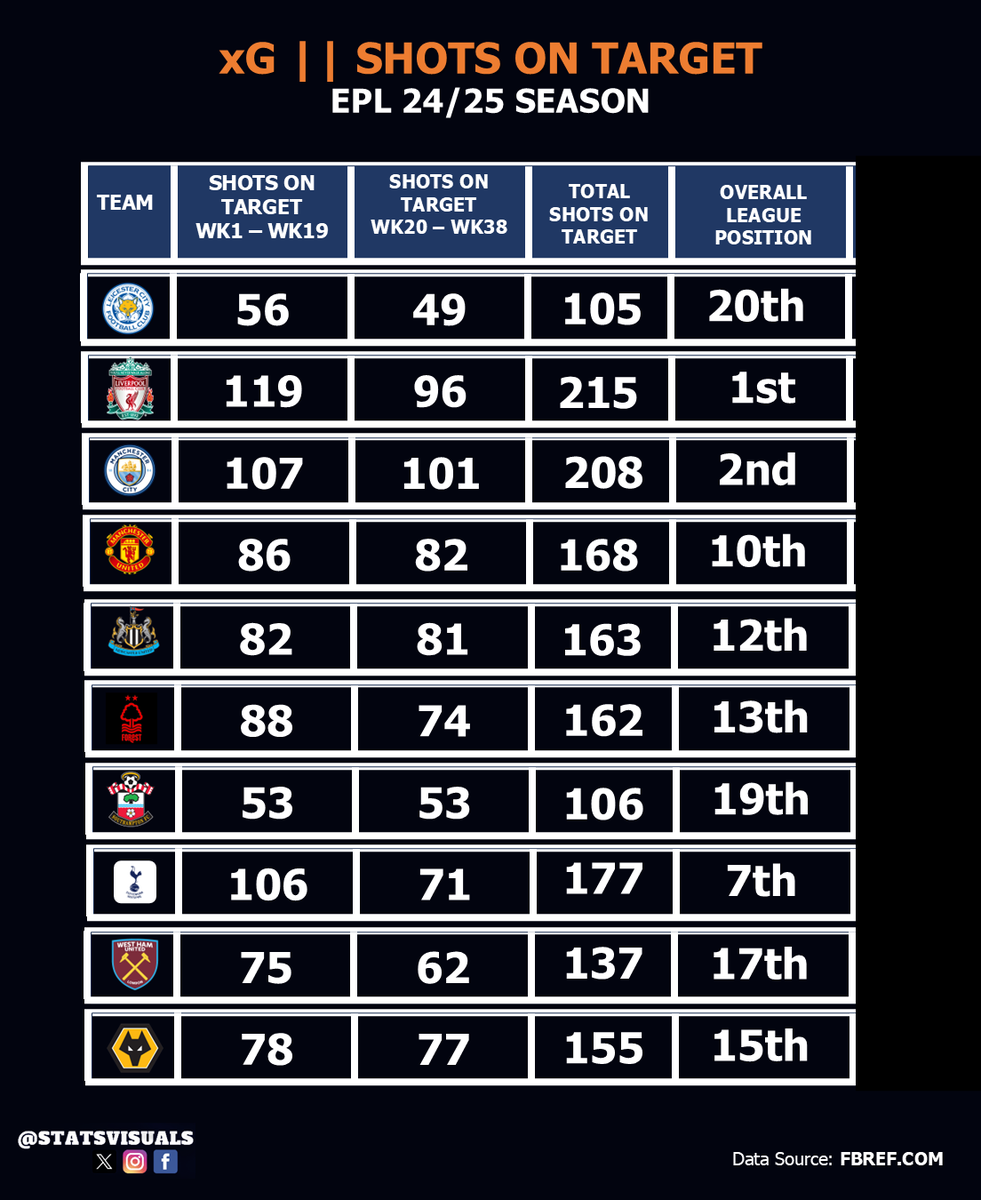
This is nice and worth looking at in detail.👍
Apr 28

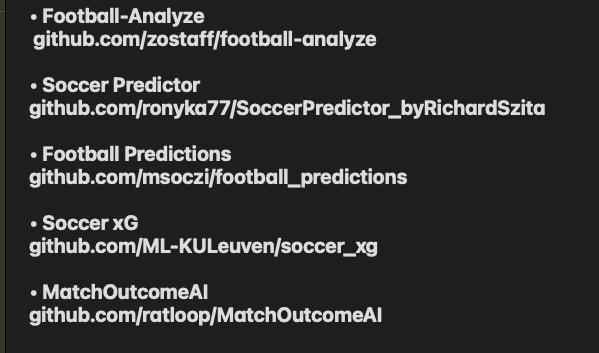
TOP GITHUB REPOS TO REPLACE YOUR FOOTBALL ANALYTIC NEEDS FOR THE FIFA WORLD CUP
* Football-Analyze
github.com/zostaff/football-…
* Soccer Predictor
github.com/ronyka77/SoccerPr…
* Football Predictions
github.com/msoczi/football_p…
* Soccer xG
github.com/ML-KULeuven/socce…
* MatchOutcomeAI
github.com/ratloop/MatchOutc…
BOOKMARK IT FOR LATER.
24
Apr 22
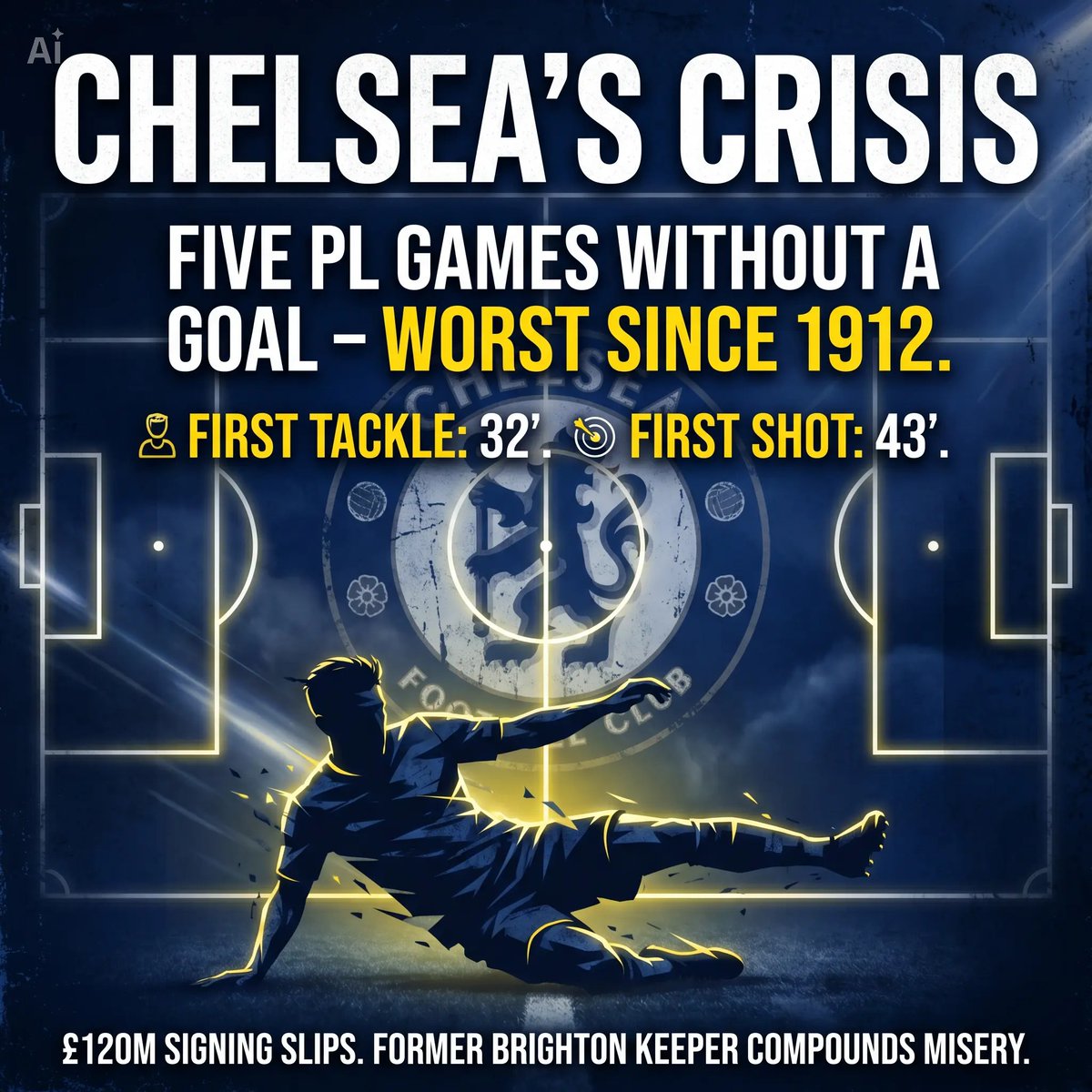
114 years of history... for all the wrong reasons.
#BHACHE #Premier League #ChelseaFC #BrightonHoveAlbion #FootballAnalysis #CFC #BHAFC #LiamRosenior
80
Apr 1
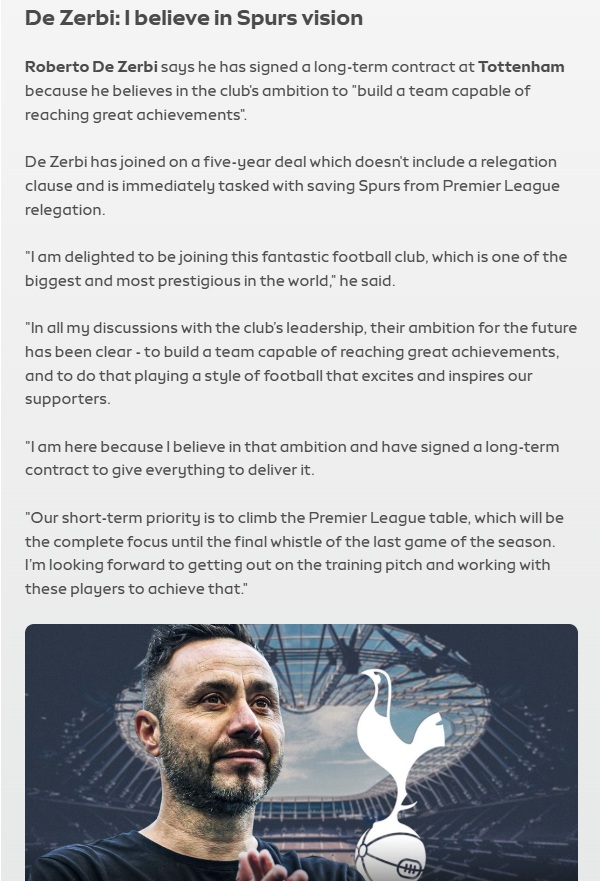
Fingers crossed, drama unfolding...🤠

De Zerbi with another big vision for Spurs, what will the reality be? Hope it wont be another sad ending ?🙄
13
Mar 6
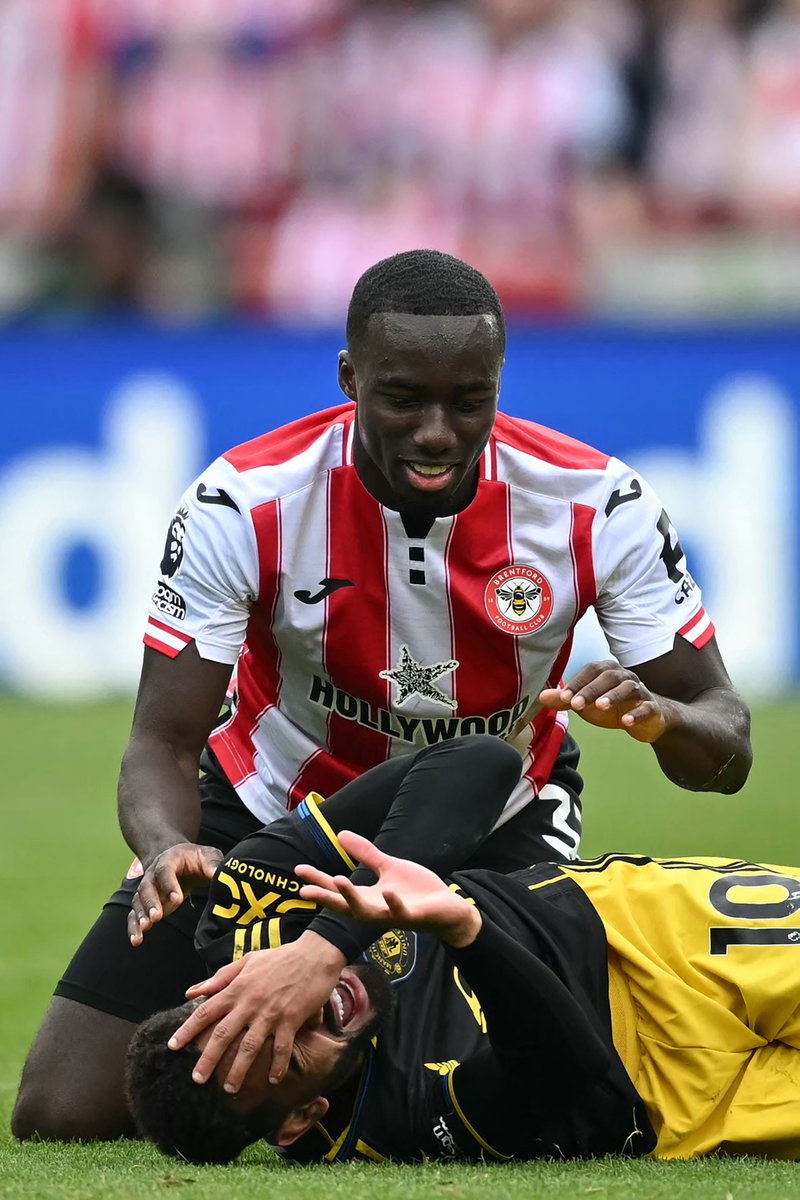
Interesting, their successful dribble rate will give more insight to this stats🤔.
Mar 6

Successful dribbles in the Premier League this season:
41 - Michael Kayode 🕺
38 - Pedro Neto
37 - Hugo Ekitiké
37 - Matheus Cunha
36 - Rayan Cherki
34 - Florian Wirtz
33 - Amad Diallo
32 - Morgan Rogers
17
Mar 3
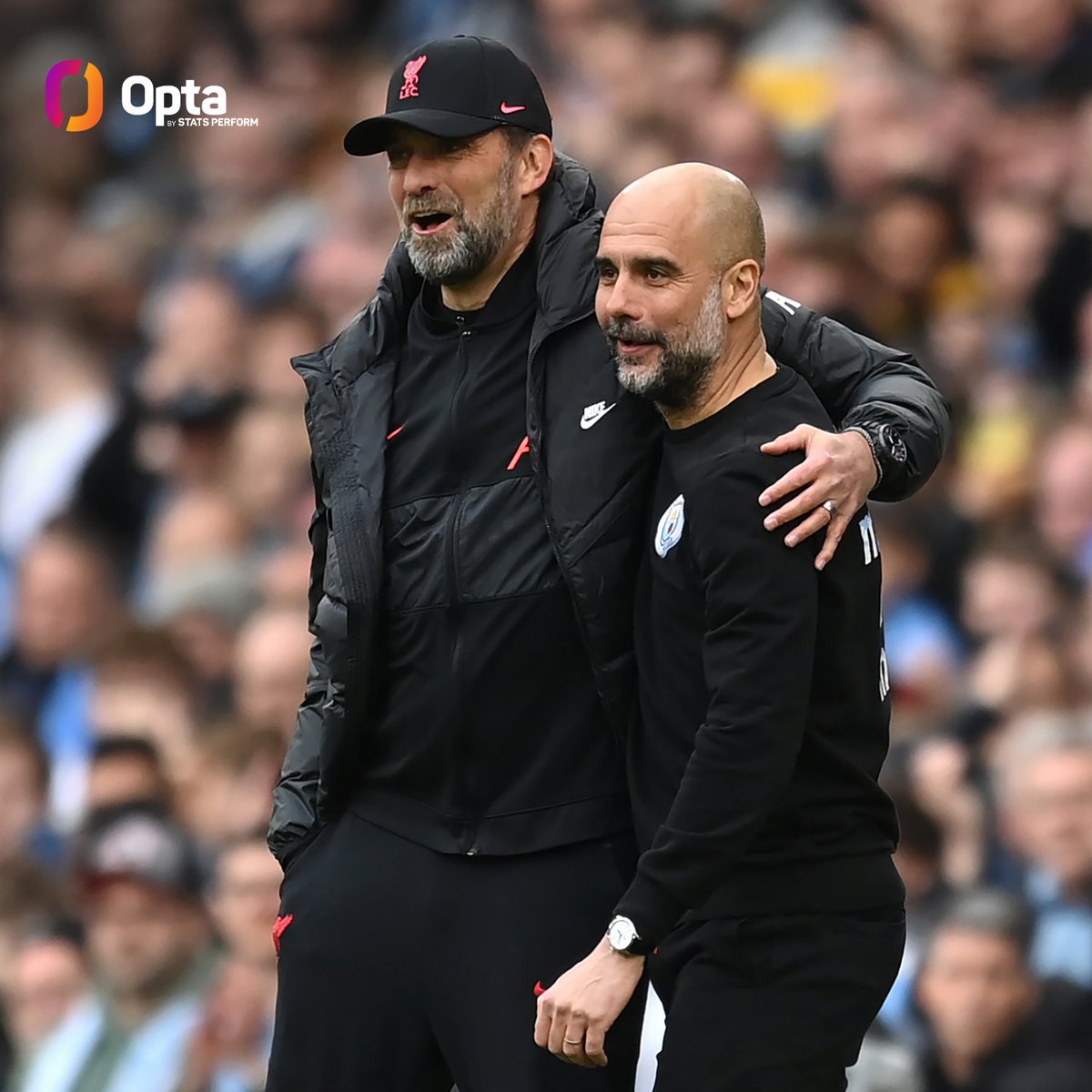
Pep said the game has changed...fingers pointing to Arsenal 🤠 for this change.

3 - There were more goals scored from corners in Arsenal 2-1 Chelsea (3) than there were in every Premier League meeting between Guardiola's Man City and Klopp's Liverpool combined (2 in 16 games). 43 of the 46 non-penalty goals in those games were from open play. Halcyon.
6
StatsVisuals retweeted

Feb 12
Let me tell you something I am sure you didnt know about Brentford. They have not sacked a coach in the last 11 years and their last 4 coaches have been internally recruited.
Do you doubt me? Here you go
1) Lee Carsley (interim, September–November 2015) — Stepped up from managing the Development Squad to steady the ship after Marinus Dijkhuizen's sacking; his brief caretaker stint paved the way for a more permanent internal shift, embodying Brentford's preference for promoting from within rather than panicking with outsiders.
2) Dean Smith (November 2015–October 2018) — was promoted after Carsley's interim role; he delivered three consecutive top-10 Championship finishes, building a foundation of stability before leaving for Aston Villa. Of course, this is yet another example of Brentford trusting club insiders over external hires.
3) Thomas Frank (October 2018–June 2025) — Elevated from assistant head coach under Smith; he masterminded Brentford's long-awaited promotion to the Premier League in 2021 via the play-off final, then kept them competitive in the top flight for years—proving internal promotions can lead to sustained success.
4) Keith Andrews (June 2025–present) — The latest in the chain: promoted from set-piece coach (joined July 2024) after Frank's move to Tottenham; with no prior head coach experience, his seamless transition keeps the data-driven culture intact, making Brentford's last four head coaches.
This internal recruitment strategy extends beyond coaching to the entire club structure, making Brentford one of the best-run in the world. Owner Matthew Benham's data-driven philosophy—scouting 85,000 players globally, narrowing to undervalued gems via a rigorous seven-stage process—ensures buys are low, sells high, and fits tactical needs perfectly. Coaches like Frank (and now Andrews) are deeply involved in final decisions, blending analytics with on-pitch insight for seamless integration.Promoting from within minimizes disruption: Andrews already knew the philosophy, players, and culture after a year as set-piece specialist. This continuity; avoiding rebuilds that plague bigger clubs; fuels consistent overperformance on modest budgets. When utilised properly, such recruitment isn't just efficient; it's a competitive edge that turns mid-table minnows into sustained threats, proving brains beat big spending every time.
In my books, they are one of the best run clubs in the world.

It ends level.
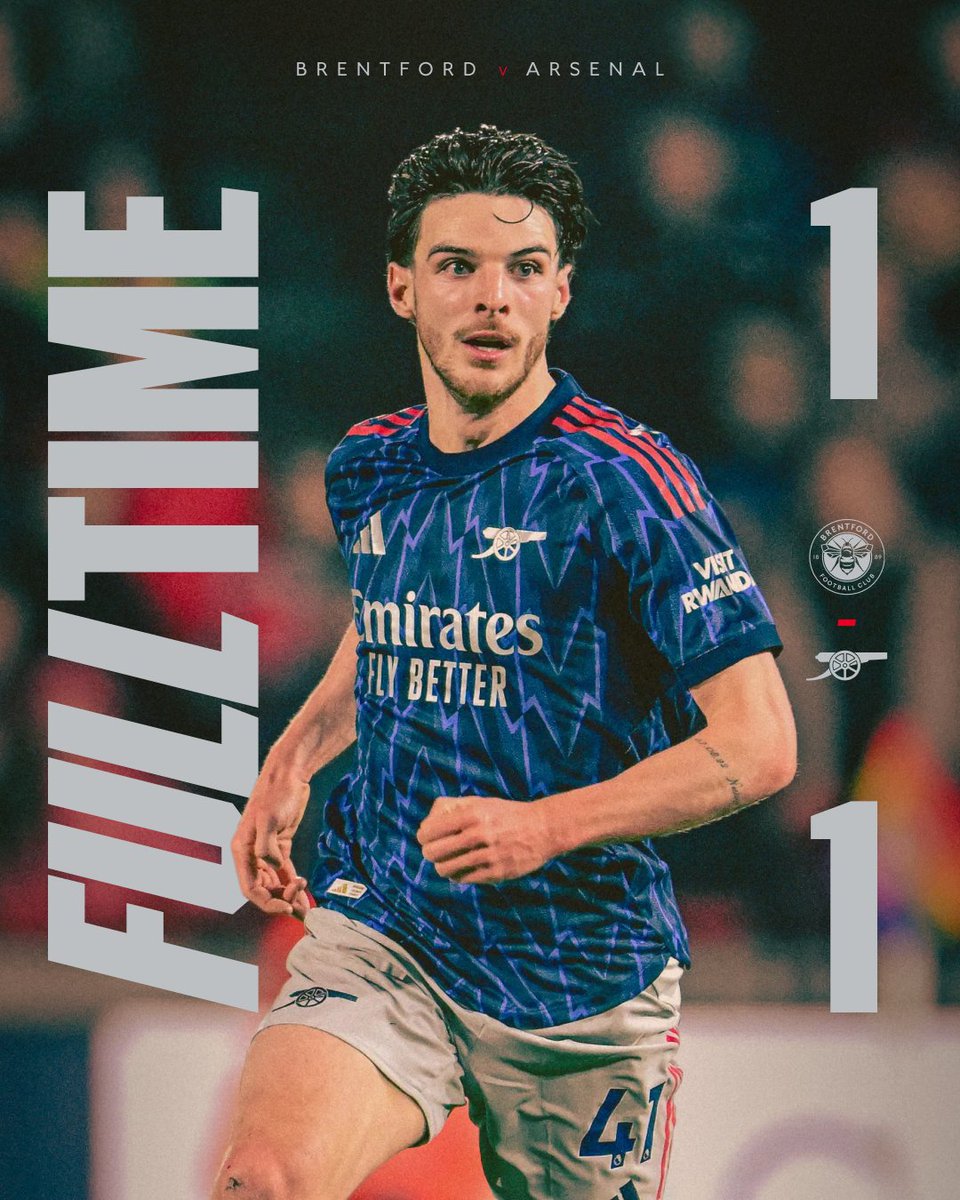
ALT A full-time graphic showing the 1-1 scoreline with an image of Declan Rice.
65
527
6,242
1,294,247
StatsVisuals retweeted

Feb 5
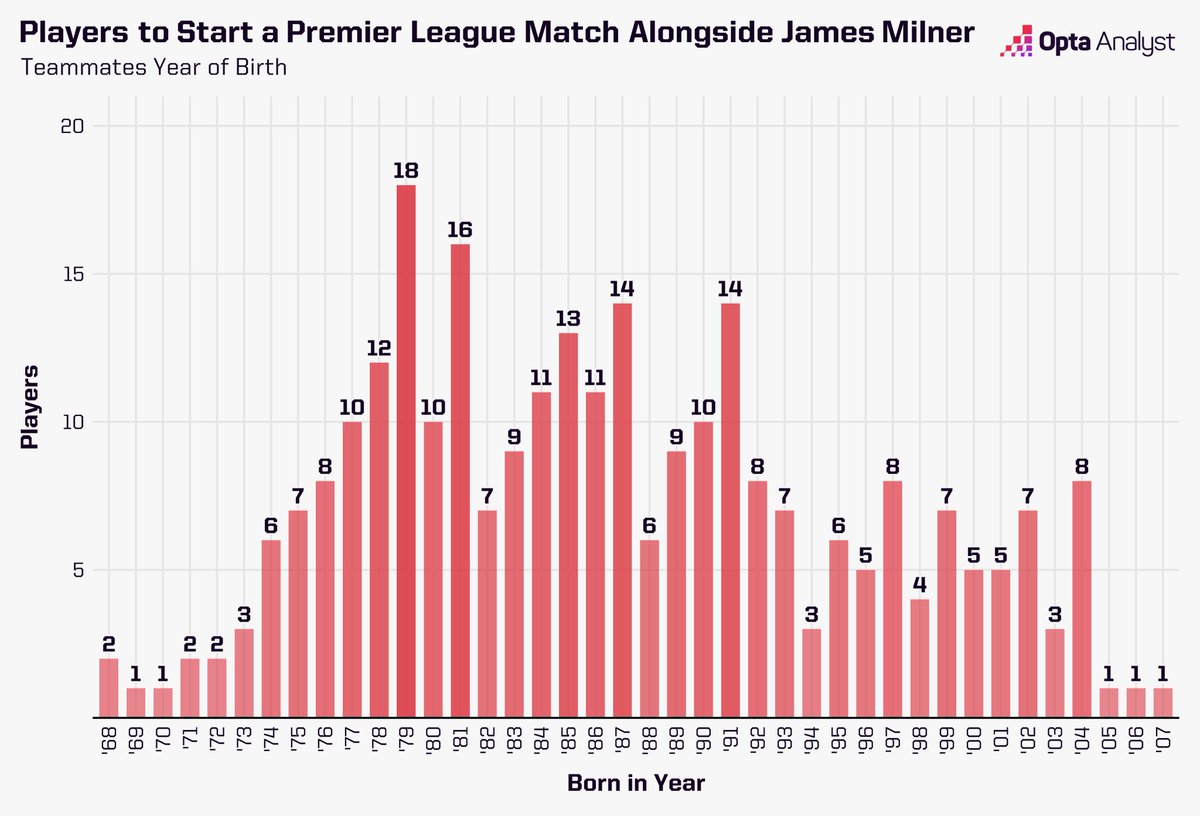
Did you know that 49% of players to ever play a Premier League game have played in a game either alongside or against James Milner?
He's had 281 different teammates in a Premier League game, playing alongside players born in every year from 1968 to 2007.
24
228
1,770
148,431
Feb 3
Liverpool creating more chances that Man United who have had the most shots per game - 16.0
Feb 2
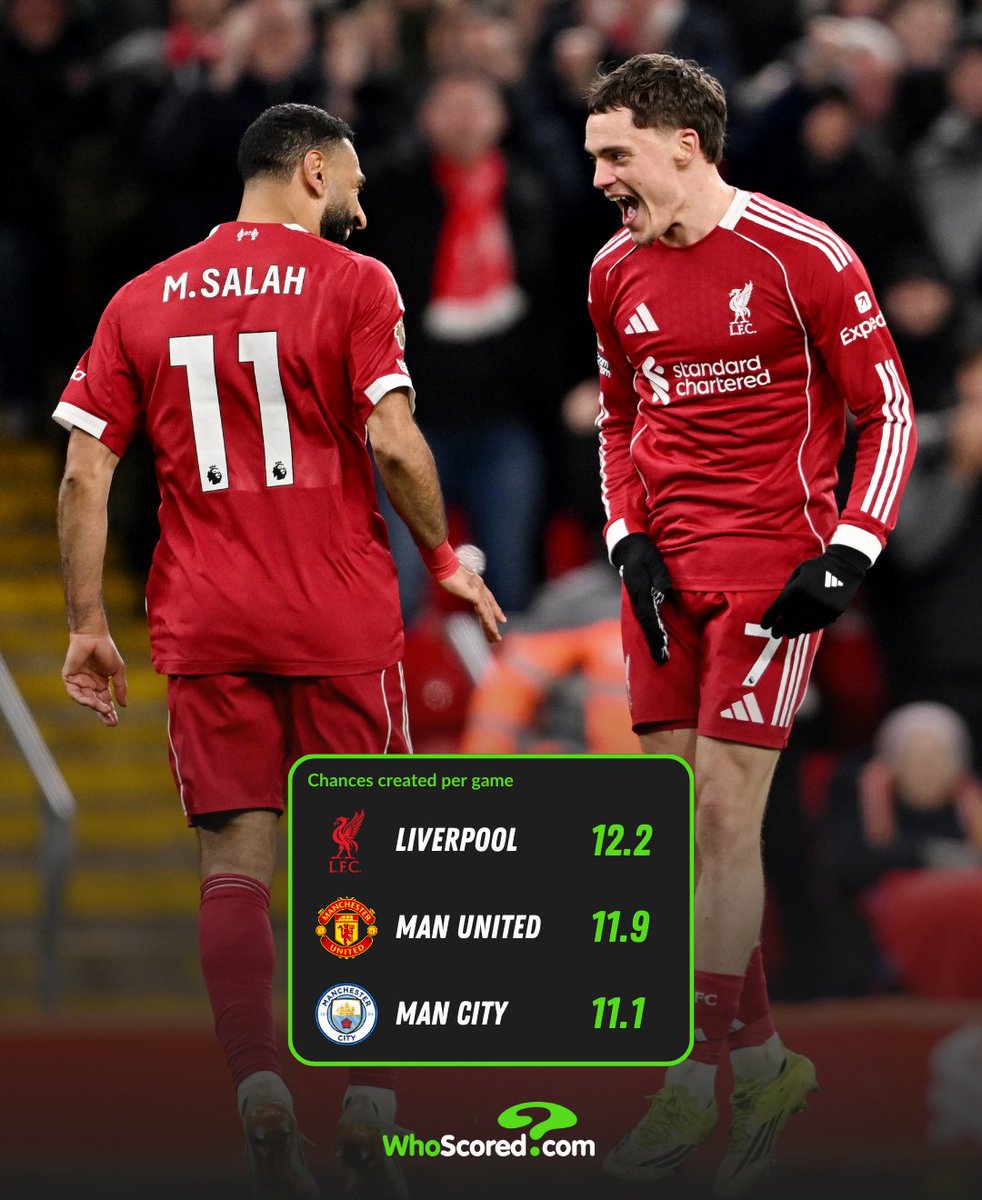
Liverpool have created more chances per game (12.2) than any other Premier League side this season. 🪄
🥇 12.2 - Liverpool
🥈 11.9 - Manchester United
🥉 11.1 - Manchester City
1
21
Feb 3
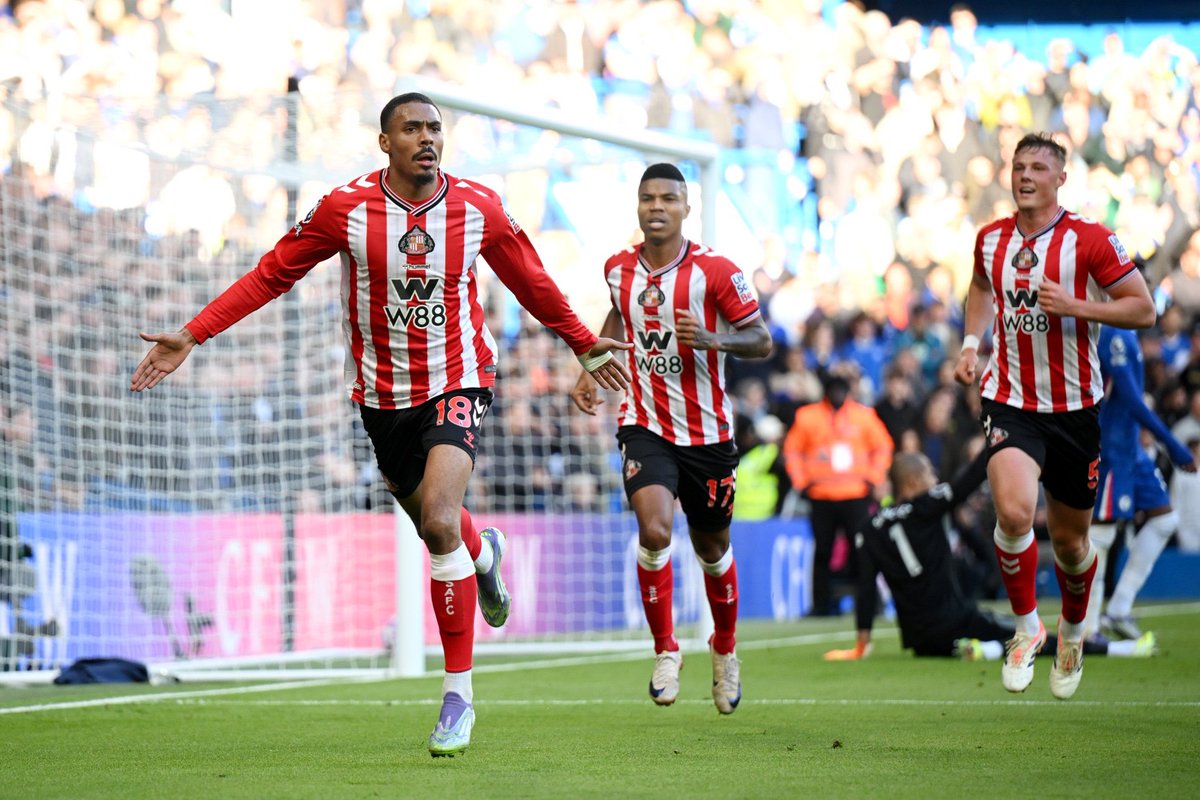
Amazing run for a newly promoted team👏
2
4
Feb 3
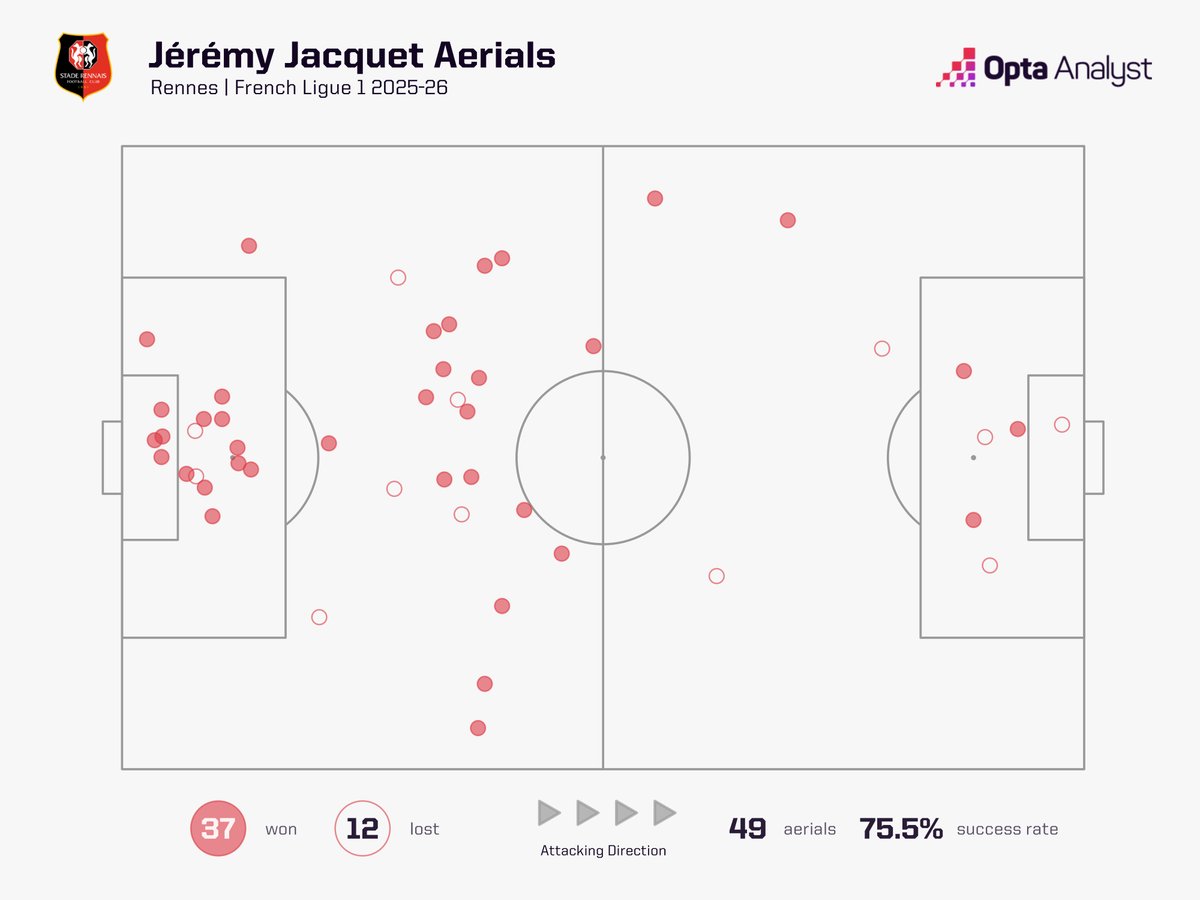
Jeremy Jacquet looking like a talent in the making✍️
Feb 2

Virgil van Dijk (77.3%) and Ibrahima Konaté (73.3%) have the best aerial duel success rate of all Premier League players this season (min. 30 contested).
Jérémy Jacquet has won 75.5% of his aerial duels in Ligue 1 this season, the most of any player in the French top flight.
1
61
Feb 3
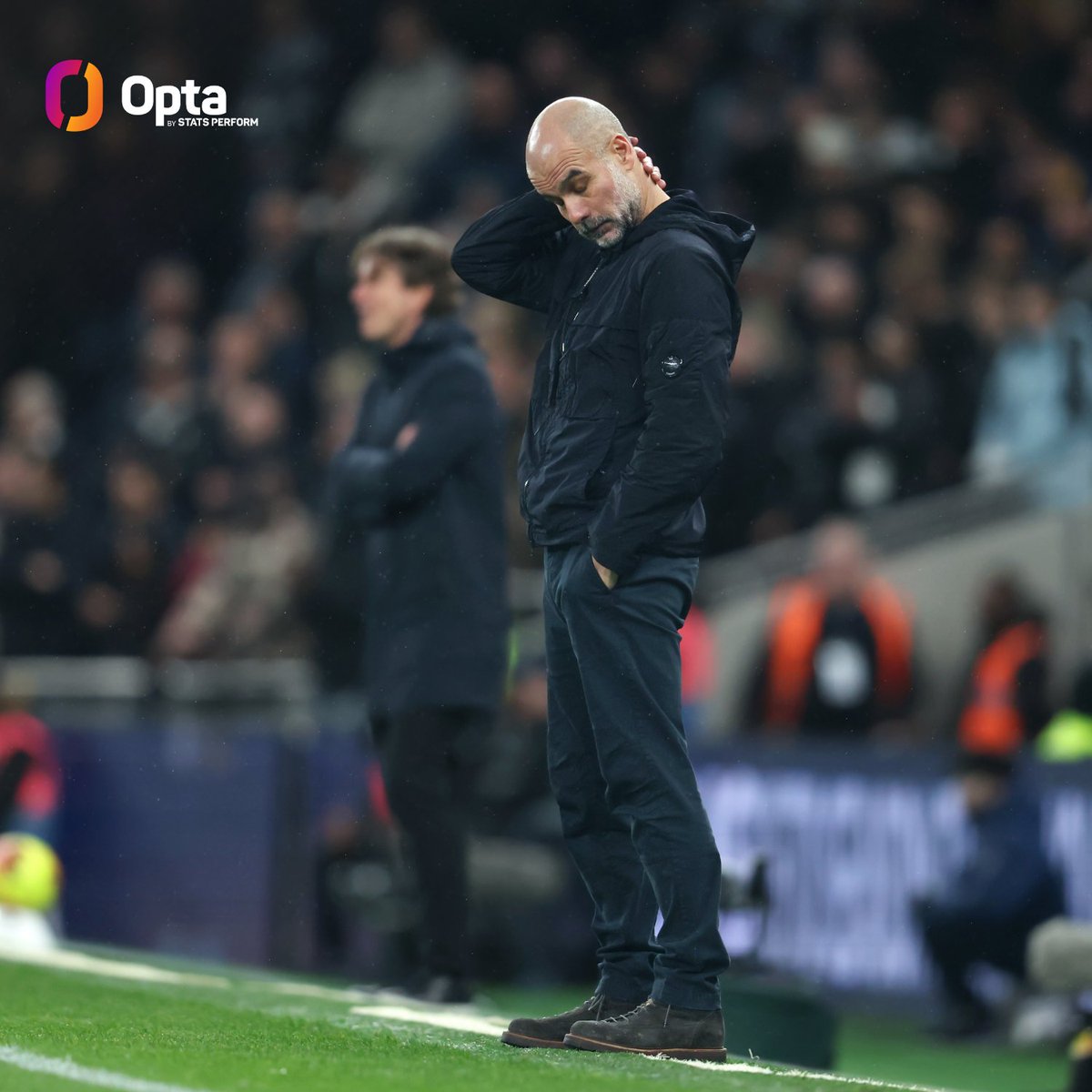
Unfortunately, this is a game of two halves🙄
6 - Manchester City's Premier League goal difference in the first and second halves of games in 2026:
6 (6 goals, 0 conceded) - First Half
-6 (0 goals, 6 conceded) - Second Half
Puzzling.
1
12
15 Dec 2025
SHOCK NOV STAT: Bournemouth & Forest Fire More Shots Than MAN CITY!
Amazing, Bournemouth and Nottingham Forest topped the league with 64 total Shots On Goal each in November! Man City followed closely. Check out the video for more Nov stats.
#AFCB #NFFC #MCFC #ManCity #PremierLeague #Football #ManUtd
1
474
29 Nov 2025
OCT EPL STATS - ATTACKING PRESS MASTERS:
Do you know the teams winning the Ball Highest Up? Brighton, Wolves, and Brentford are setting the standard for high-risk, high-reward pressing! Brighton led the way with 14 tackles in the attacking third in the month of Oct.
#MCILEE #BREBUR #SUNBOU #EPL #HighPress
1
86
26 Nov 2025
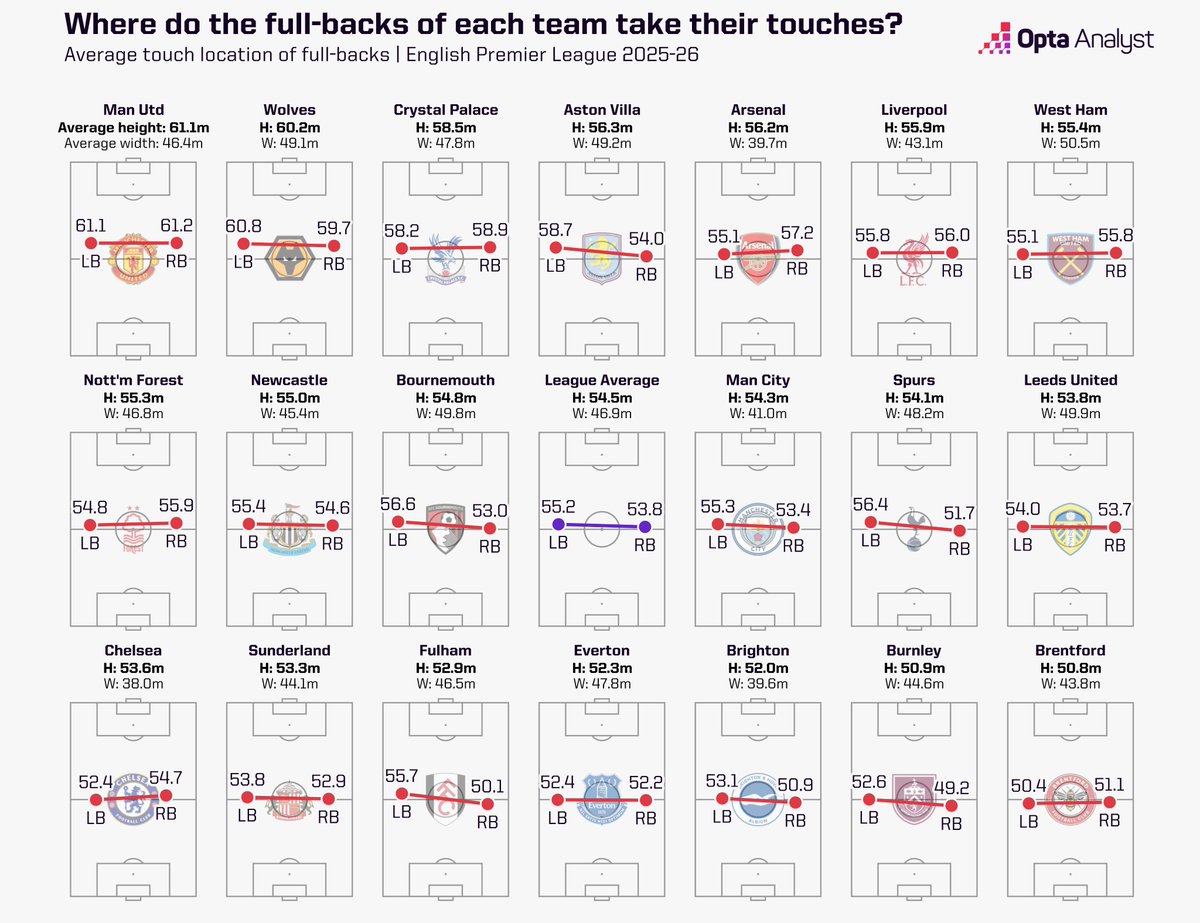
It is not a surprise, Amorin's style of play and formation suits this setup 👀
26 Nov 2025
Manchester United's wing-backs touch the ball the furthest up the pitch of any full-back pairing in the Premier League:
1
74
21 Nov 2025
Cesc Fabregas is doing very well and making Como a club to reckon with in the Serie A👍
21 Nov 2025
𝐂𝐨𝐦𝐨: 𝐌𝐚𝐤𝐢𝐧𝐠 𝐖𝐚𝐯𝐞𝐬
The presence of wealthy owners can't be ignored, but that shouldn't diminish Cesc Fàbregas' job.
After a promising first season back in Serie A, Como are now threatening to mix it with the big boys.
✍️@LukeBissett0: theanalyst.com/articles/cesc…

29
30 Oct 2025
Very interesting 👍
30 Oct 2025

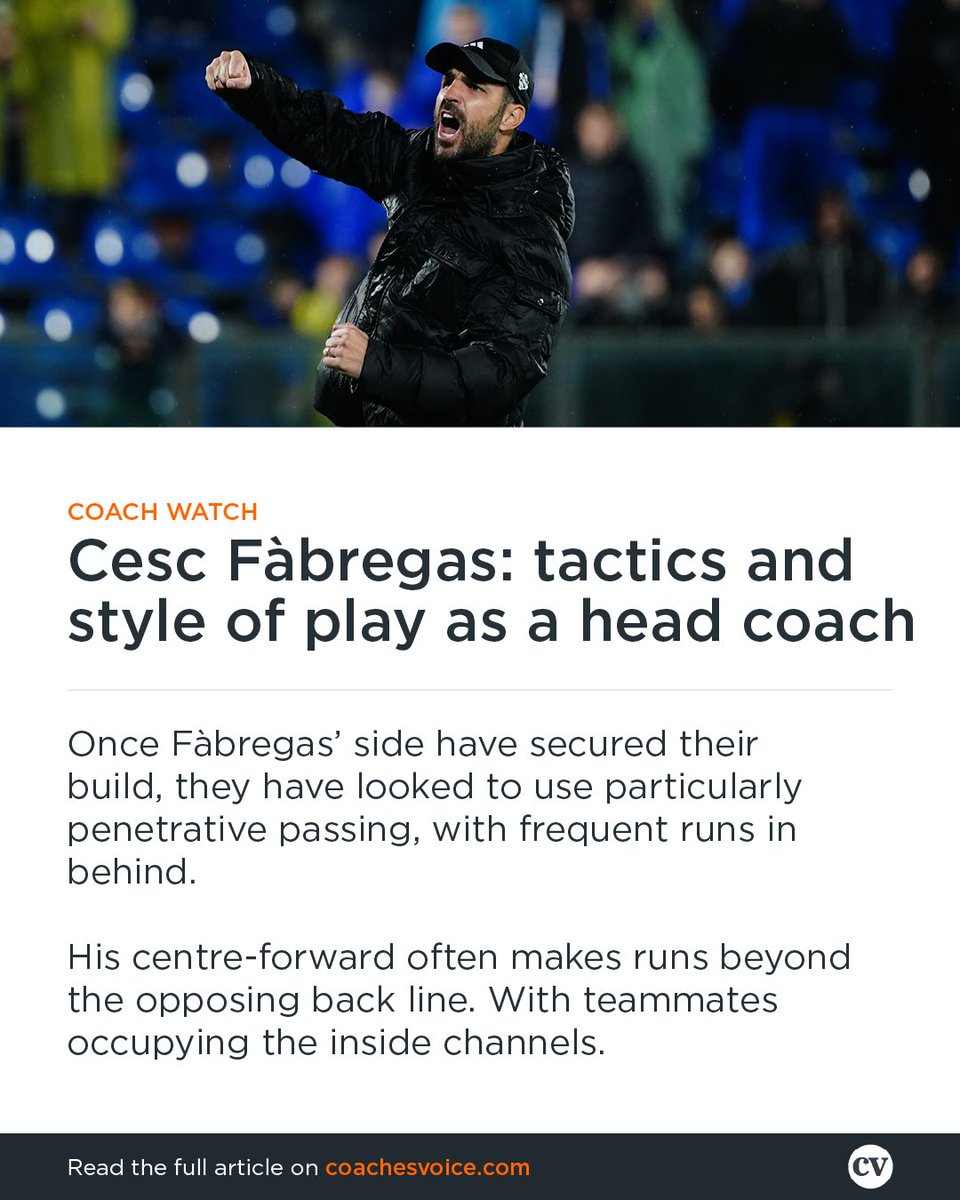
🚨 NEW CONTENT
• Structured build-up with rotations
• Penetrative attacking play
• Flexible positional overloads
• Aggressive 4-4-2 defensive pressing
We have analysed Cesc Fàbregas' innovative tactics at Como... 🇪🇸🔵
Read our full analysis via the link below... 👇
11
28 Oct 2025
This is a disaster...🙆♂️💀
28 Oct 2025

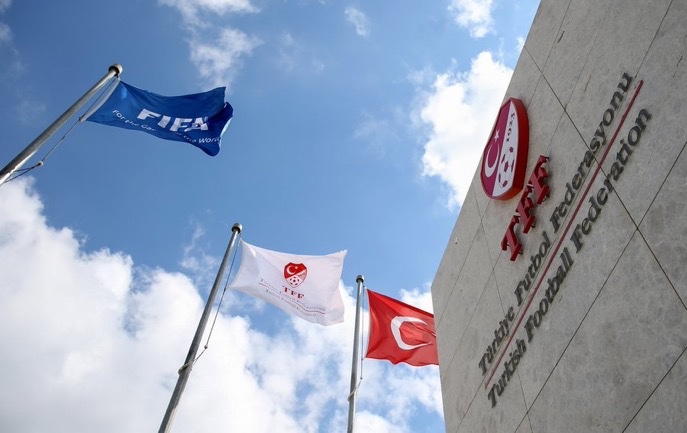
🚨 𝗢𝗙𝗙𝗜𝗖𝗜𝗔𝗟: A massive betting scandal has hit Turkish football:
• 571 active referees are registered in professional leagues.
• 371 have betting accounts.
• 152 are actively placing bets.
• 1 referee alone made 18,227 bets.
• 42 referees each bet on more than 1,000 football matches.

31
StatsVisuals retweeted
18 Oct 2025
EPL SEPTEMBER STATS UNLOCKED!
From Liverpool’s relentless attack to City’s laser-sharp accuracy — September was all about power, precision, and pressure in the Premier League 💥
Arsenal and Palace weren’t far behind either 👀
Who’s your pick for the most dangerous frontline this month?
#PremierLeague #EPLStats #FootballVisuals #SoccerInsights #StatsVisuals #BallondOr #NFO_CHE #MCI_EVE #CRY_BOU #BHA_NEW
1
1
52