
|STELLAR CRYPTO MINING|
Joined August 2025
- Tweets 212
- Following 10
- Followers 6,077
- Likes 33
133 Photos and videos











Jun 6
Building takes longer than talking.
Every day brings small improvements, new ideas, and another step forward. Most of that work happens behind the scenes, but that’s how real projects grow.
Thanks to everyone who continues to support, mine, share feedback, and be part of the journey. 🚀
15
9
81
2,437
Jun 4
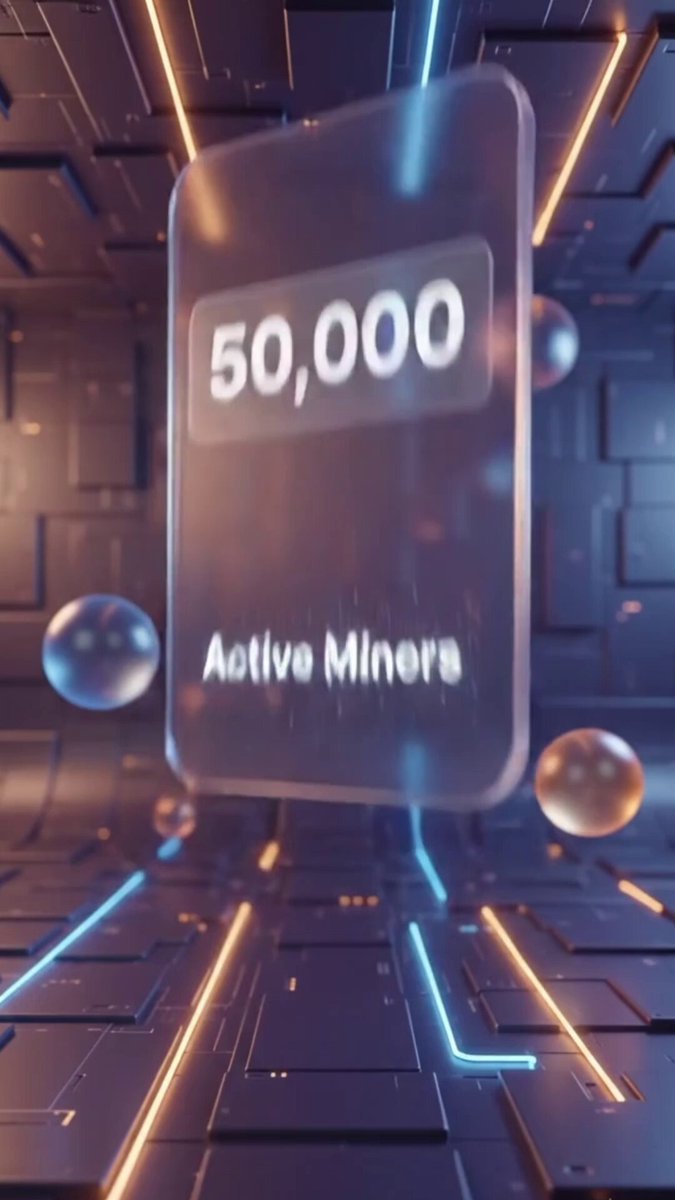
50,000 of you showed up before the hype.
No exchange listing. No influencer campaign. No paid promotions. Just real people discovering Stela Network and deciding to be early.
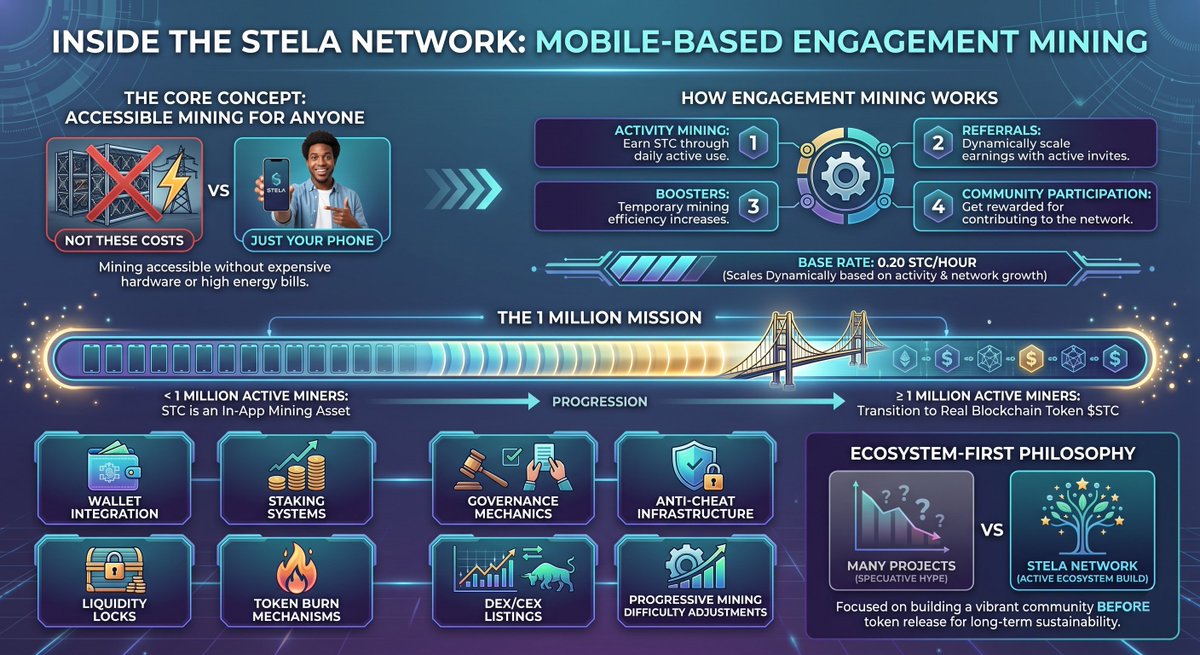
50,000 active miners means 50,000 people who understood something most still don't. That the best positions are taken before everyone starts talking. STC is stronger because of you. The network grows because of you. Every miner added brings us closer to the 1 million milestone and to the moment STC transitions to a real blockchain token.
We're not celebrating 50,000 as a finish line. We're using it as fuel.
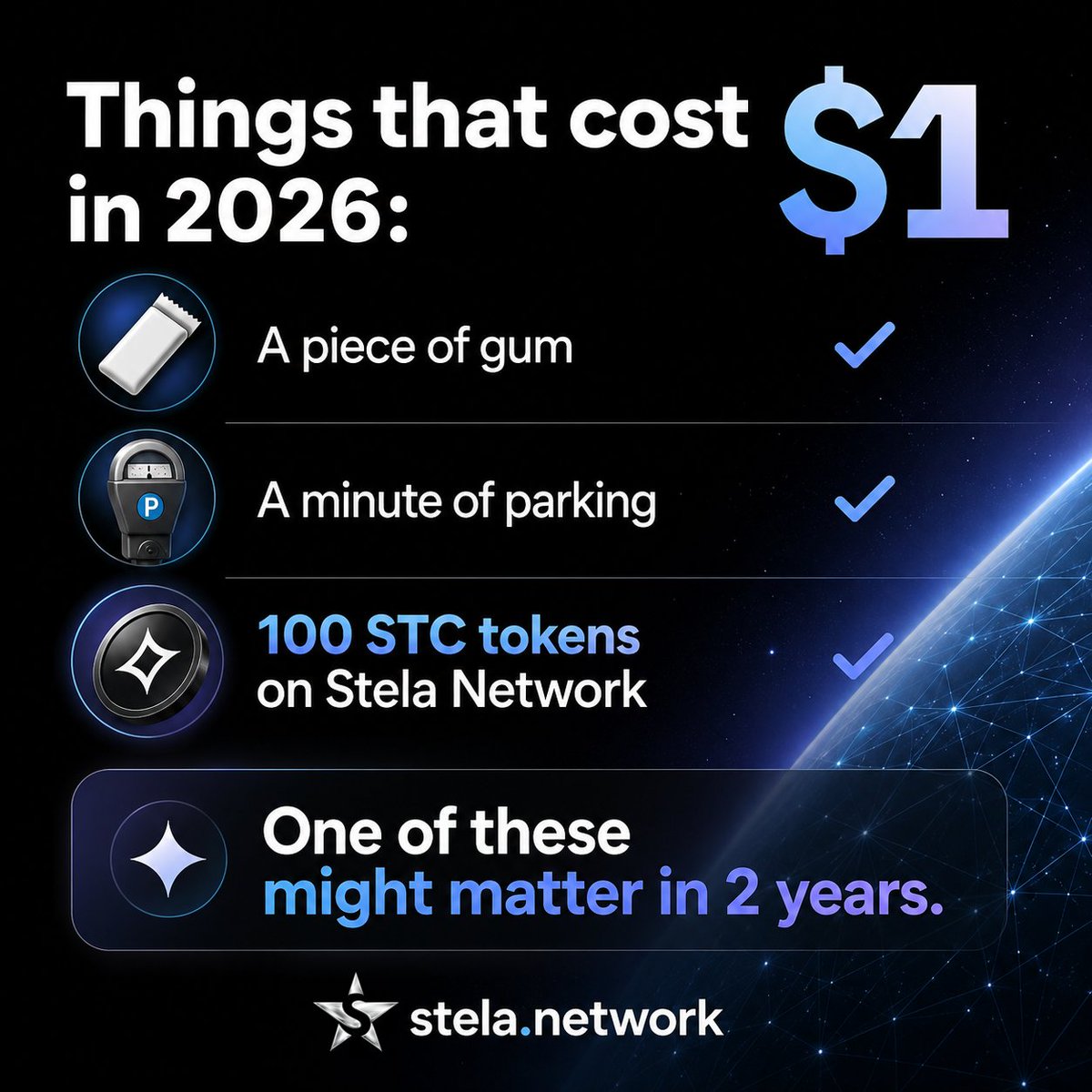
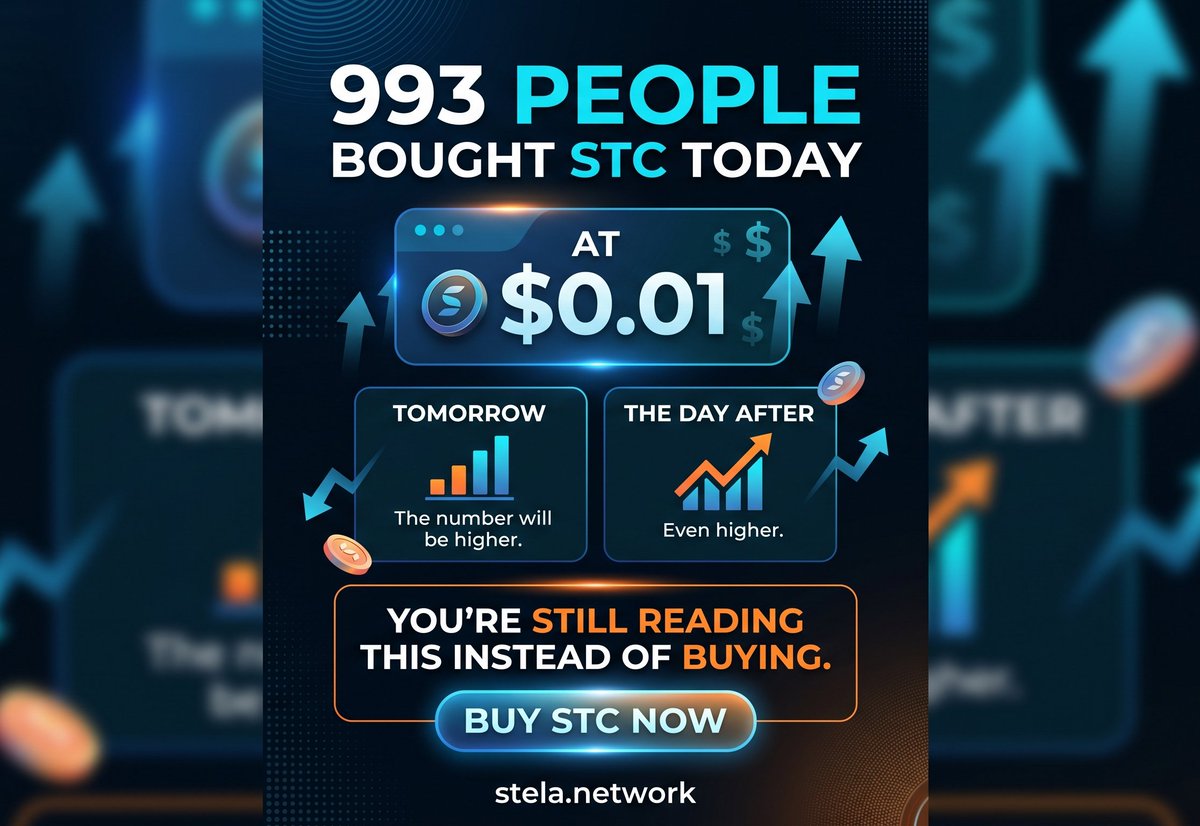
To everyone who joined early, invited friends, activated boosters and believed in what we're building, thank you. You are the network. The window at $0.01 is still open. Not forever. stela.network
#STC #StelaNetwork #Crypto2026 #MobileMining #Blockchain #Community
4
9
72
1,594
May 29
Istanbul energy on STC at $0.01 hits different 👀 He called it the opportunity.
8
6
58
1,338
May 29
No hardware. No energy costs. Just your phone. Mine STC. Build community. Hit 1 million miners. Launch blockchain. The order matters. stela.network
11
7
90
3,707
May 28
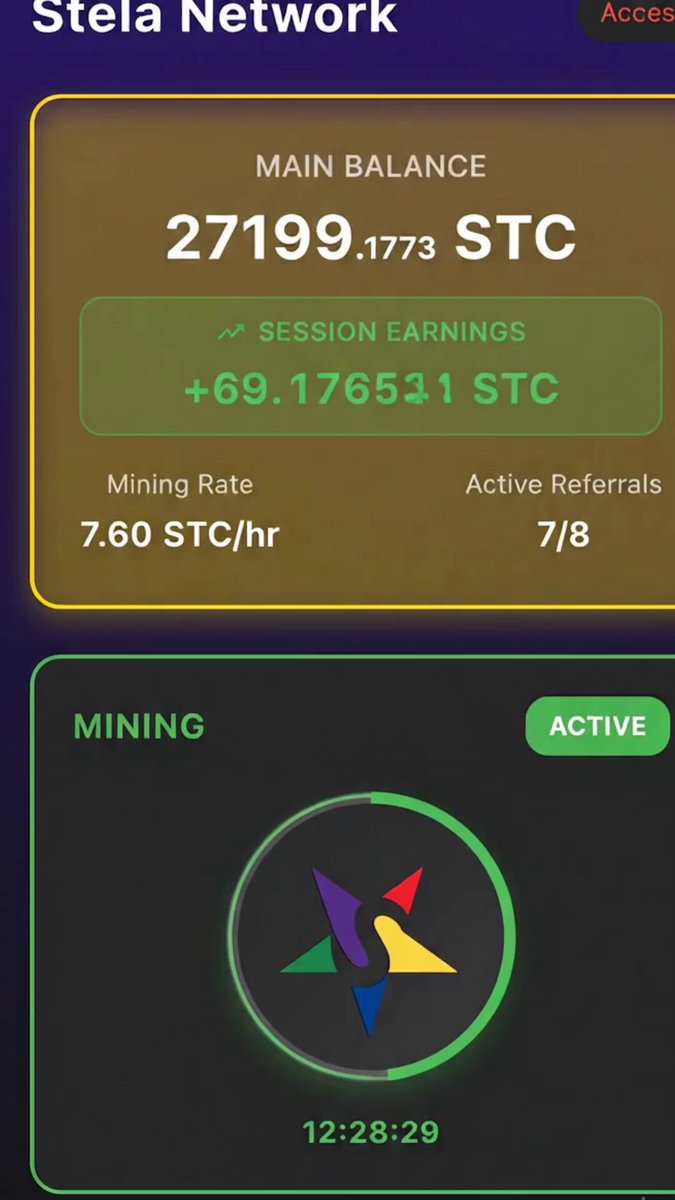
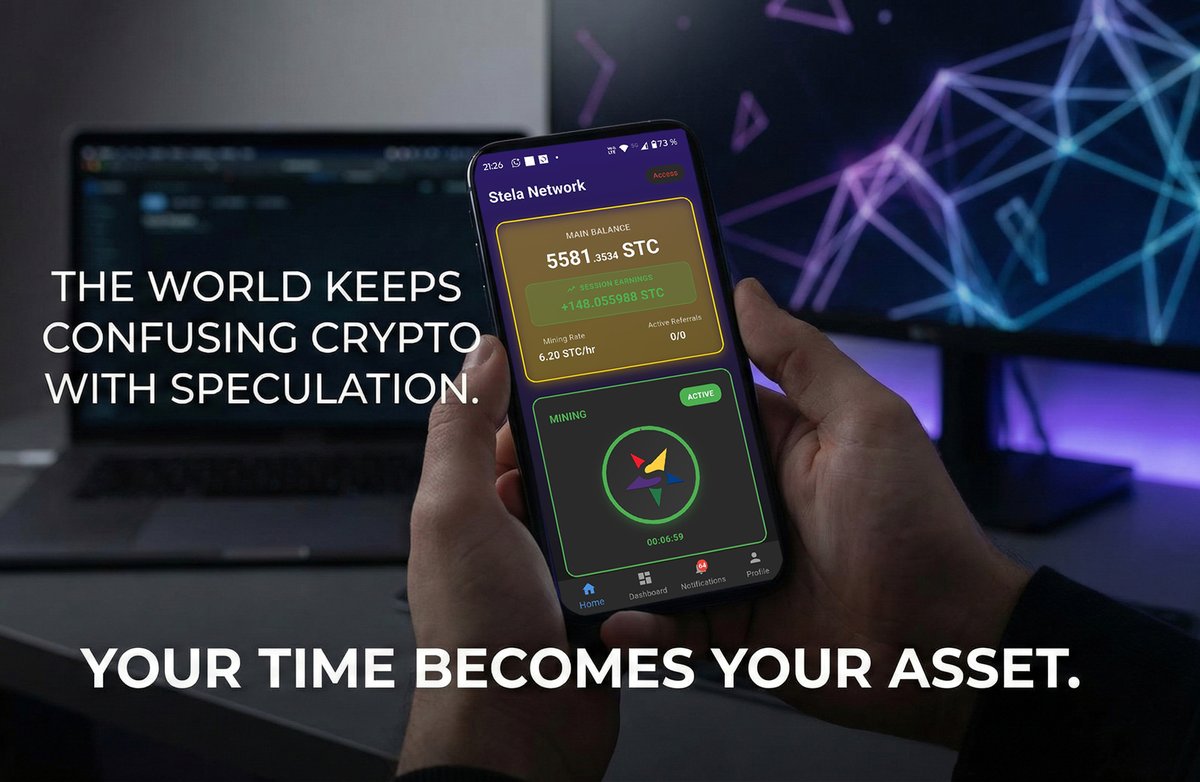
Real app. Real mining. STC still at $0.01. No actors no filters just Stela Network running.
16
12
100
11,154
May 27
Crypto analyst goes live at midnight about STC on Stela Network 👀 No hype. Just pattern recognition.
3
2
57
2,372
May 26
Most people still think crypto starts when a token gets listed on exchanges. In reality, the strongest ecosystems usually start much earlier, during the accumulation and network-building phase.
That’s why mobile mining and engagement-based ecosystems exploded over the last few years. Projects like Pi Network and newer mobile-first ecosystems proved that millions of users are willing to accumulate digital assets long before public trading even begins.
The logic behind these systems is simple:
First you build the community.
Then you build activity.
Then the ecosystem creates utility, liquidity and eventually market value.
In early-stage crypto, the token itself is only one part of the equation. What actually matters is whether a network can create: active daily users, retention, referral expansion, long-term participation, and enough momentum to survive after launch.
That’s why many modern crypto ecosystems now focus heavily on: mobile mining, social engagement,
referral mechanics, staking, community growth loops,
and gradual token distribution before exchange exposure.
Historically, crypto markets have shown the same pattern over and over again:
projects with strong network effects tend to scale much faster once visibility arrives.
People only notice ecosystems after they become trends.
The interesting phase is before that happens.
SN Team
4
6
63
2,181
May 25
The same people calling projects ‘risky’ today are usually the ones buying after a 1000% pump.
SN Team
2
3
52
1,625
May 24
You lose nothing by trying. But sometimes people lose everything by waiting too long.
SN Team
2
2
44
1,653
May 24
Dutch precision. Analyzed STC at $0.01 on Stela Network. Called it a smart buy. No emotion. Just math.
4
4
38
1,024
May 23
Imagine ignoring Bitcoin because it looked ‘too early’. That’s how most people miss opportunities.
SN Team
3
1
61
2,030
May 23
The funny thing about crypto is that people only call it ‘opportunity’ after the price explodes.
SN Team
1
2
42
1,454
May 23
"Yeah mate I'm buying that." Australian energy on STC at $0.01 is exactly the vibe 🦘
1
1
43
971
May 22
Tokyo midnight energy. She found STC at $0.01 on Stela Network. One nod. Decision made.
3
5
35
1,000
May 21
Most people won’t touch a project until influencers tell them to. By then it’s already late.
SN Team
10
1
46
1,577