Assistant Professor @TempleCIS | YDC @WorldDesignOrg | Organizer @Design4SD | #HCI & #edu & #NLP Tackling Philly's hardest problems via community-driven design

Joined June 2010
11 Photos and videos
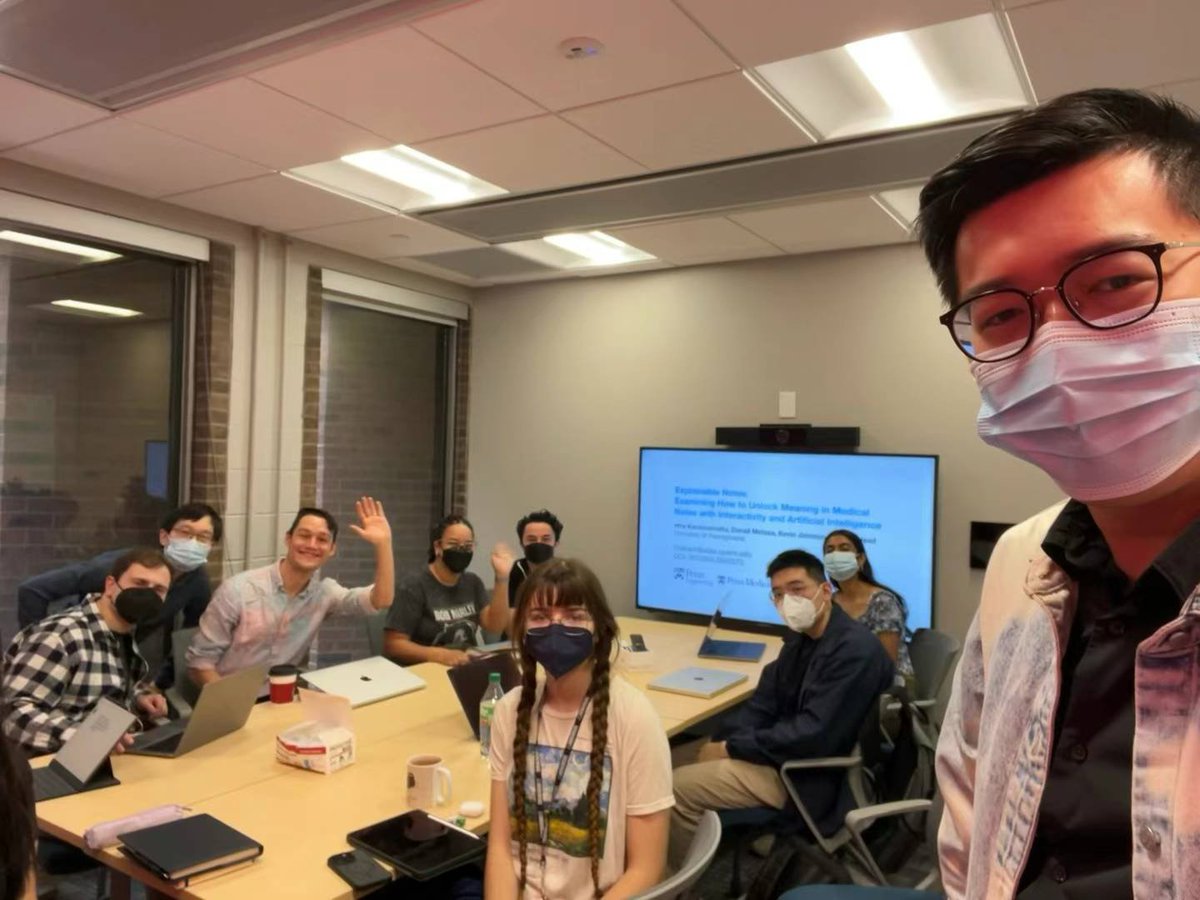
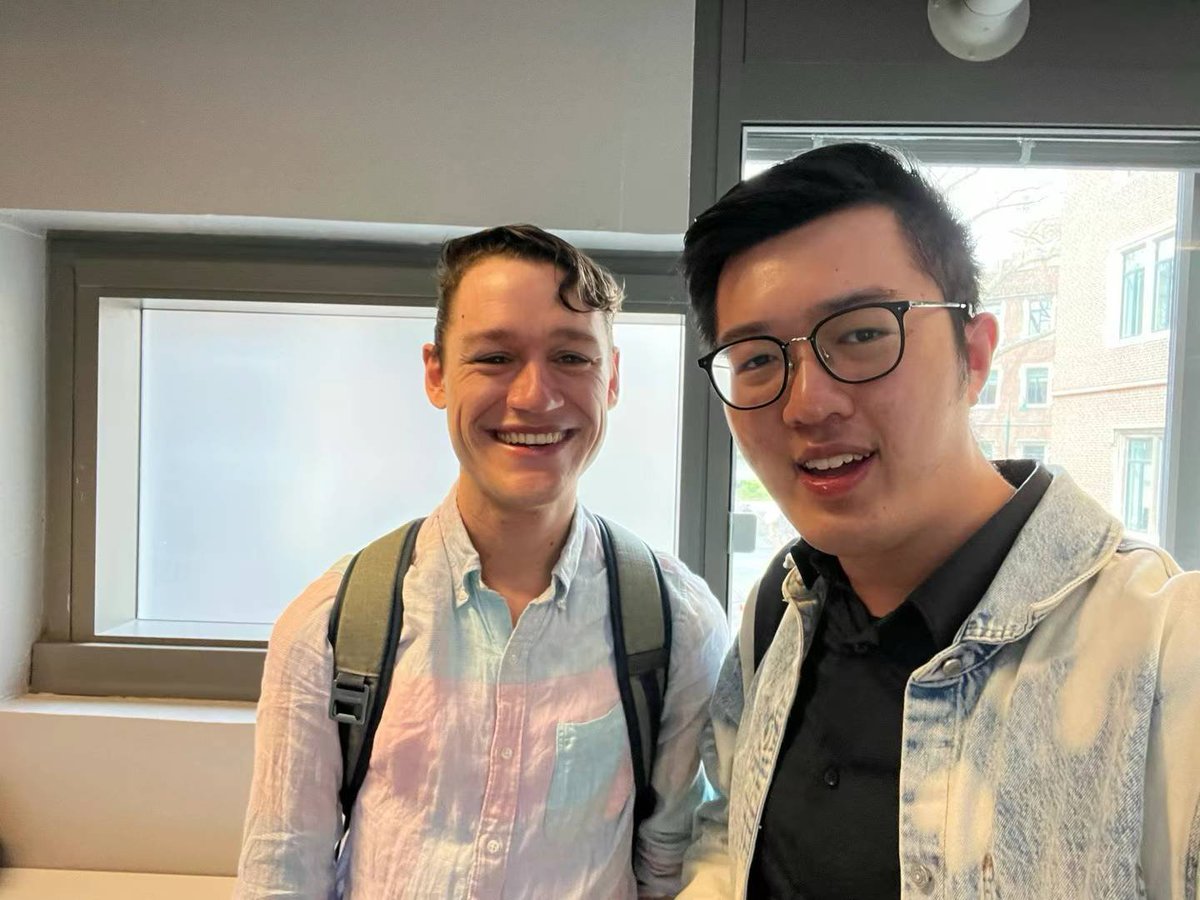
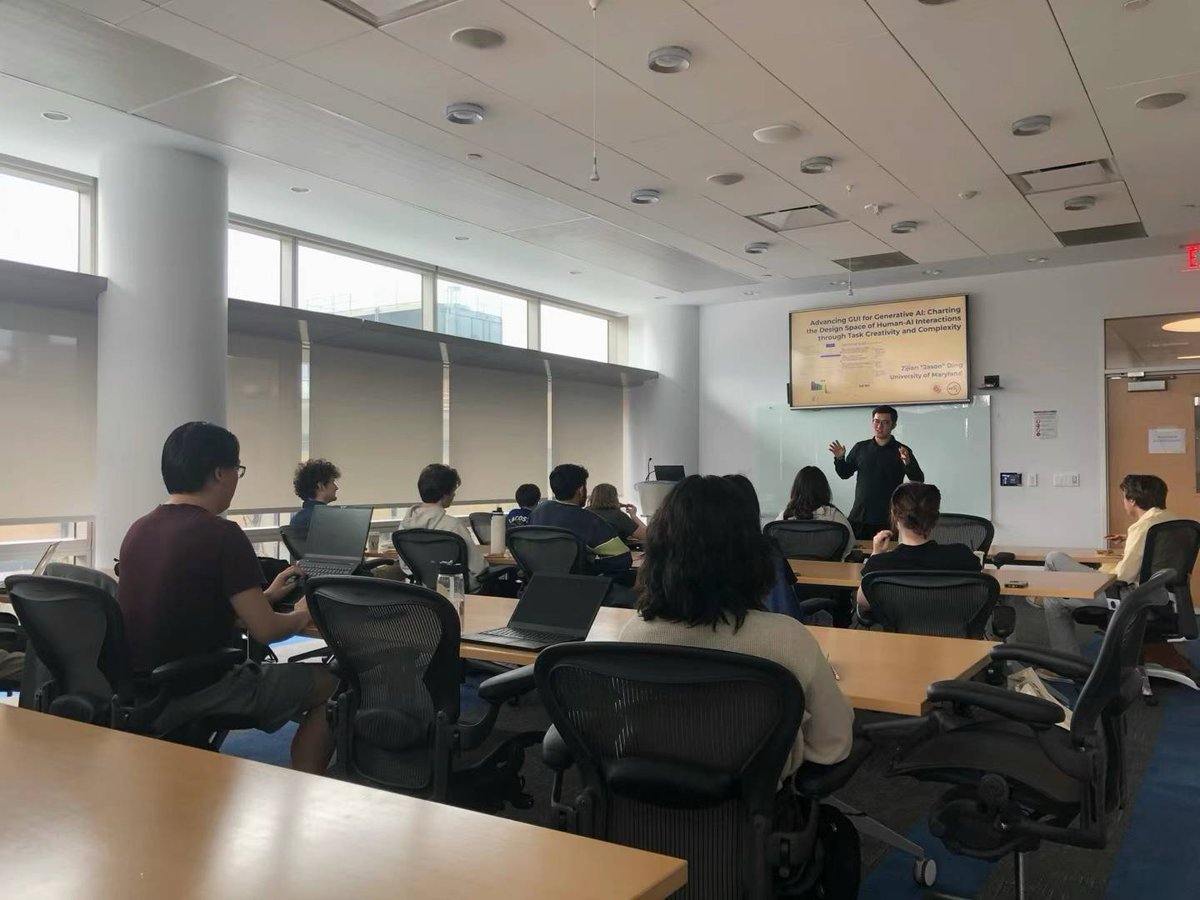
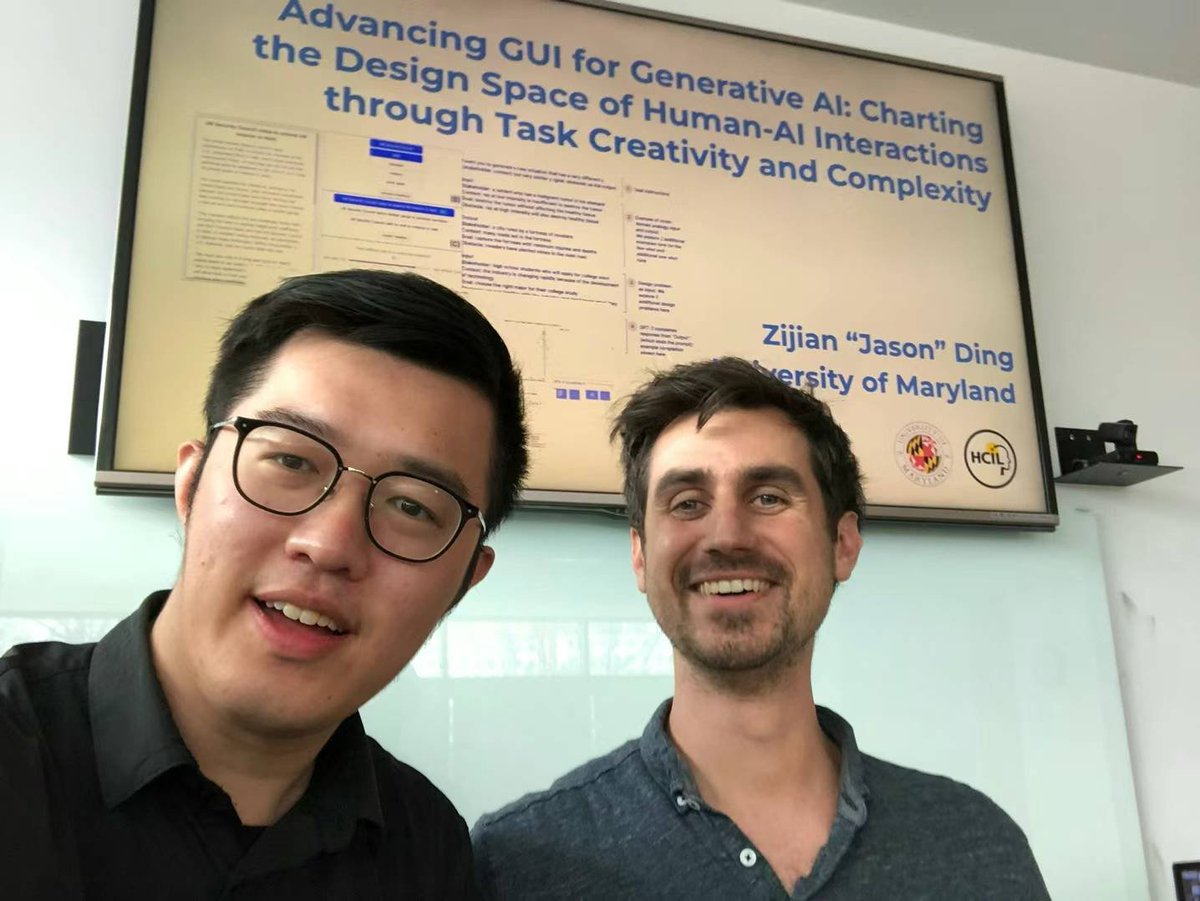
It’s an incredible feeling to have one of my first advisees (and good friend) come to visit my lab. The students were inspired and I was so proud. Today was a great day 🤩
An amazing day! Kicked it off at @PennHCI meeting in the morning, then headed over to @TempleHCI to give a talk in the afternoon. Big thanks to @drewmikehead and @Stephen_MacNeil for having me!!
1
8
1,314
Stephen MacNeil retweeted
An amazing day! Kicked it off at @PennHCI meeting in the morning, then headed over to @TempleHCI to give a talk in the afternoon. Big thanks to @drewmikehead and @Stephen_MacNeil for having me!!
1
2
28
3,923
Stephen MacNeil retweeted
How are computing students shifting their help-seeking strategies in response to LLMs and Generative AI tools (ChatGPT and Github CoPilot)? Our upcoming #ACE2024 paper shares insights from surveys and interviews with computing students. researchgate.net/publication…
1
3
697
Stephen MacNeil retweeted
SIGCSE discussions are heating up: LLMs threaten traditional assessment. To address this concern, some have adopted visual programming problems. In our new paper, GPT-4V solved 96.7% of visually represented problems. Is it time for #ungrading yet? researchgate.net/publication…
6
7
1,579
Stop chatting with a black box! Swing by our #uist2023 demo about making LLM memory management more explainable and interactive!
28 Oct 2023
Stop chatting to a black box ! We developed Memory Sandbox: see, control, and steer how the conversational agent “sees” the conversation. Checkout our demo at #UIST23 Memory Sandbox: Transparent and Interactive Memory Management for Conversational Agents youtu.be/e7BUSoNeuww?si=Ad_Q…
1
6
882
Stephen MacNeil retweeted
Interested in large language models and their potential applications in computing education? I’m looking for a (fully-funded) PhD student to study how novices use LLMs and how LLMs can be used to create educational resources @CSAalto. Find out more & apply aalto.fi/en/open-positions/p…

14
22
2,663
Stephen MacNeil retweeted
📢 My first co-authored demo paper explores providing users with capabilities to oversee and control how large language models, like #ChatGPT, perceive and retain conversational context. Less breakdown, more steering. 📄 Read the paper here: arxiv.org/abs/2308.01542
1
1
3
279
Had the privilege of working with my wonderful colleague (and former student) Jason Ding on paper that was awarded an honorable mention at C&C. Check it out, it is worth a read!
Wrapped up my paper presentation at @acm_cc just in time to catch my shuttle to work :) A truly enriching experience! If you are curious about the potential role of Large Language Models in creativity, do check out our video presentation -> youtube.com/watch?v=C9hU-roB… 😁
1
5
468
Our grandmother is trying to leave Ukraine. Please share info and resources about traveling from Odesa to Chișinău in DMs 🙏
1
1
231
I just included a positionality statement in my review! I’ve never seen such a statement in a review, but I thought it was important to be transparent about a bias I have against a specific design method. Would this be a useful criteria to require for future reviews? 🤔
1
9
1,260
To be clear, I did try to mitigate this bias as much as possible in my review, and it was a great paper.
172
Stephen MacNeil retweeted
It feels like we're at a critical moment for AI and civil society. There's a real possibility that the last 5 years of (hard fought albeit still inadequate) improvements in responsible AI release practices will be obliterated.
3
31
119
33,256
Stephen MacNeil retweeted
20 Jan 2023
Paid study opportunity: We are looking to chat with folks who share personal photos on online social media platforms. The focus of the interview will be on privacy-enhancing and anti-surveillance technologies for such photos. More here: b.gatech.edu/3wfTlY7 RTs appreciated!
1
9
16
4,192
Stephen MacNeil retweeted
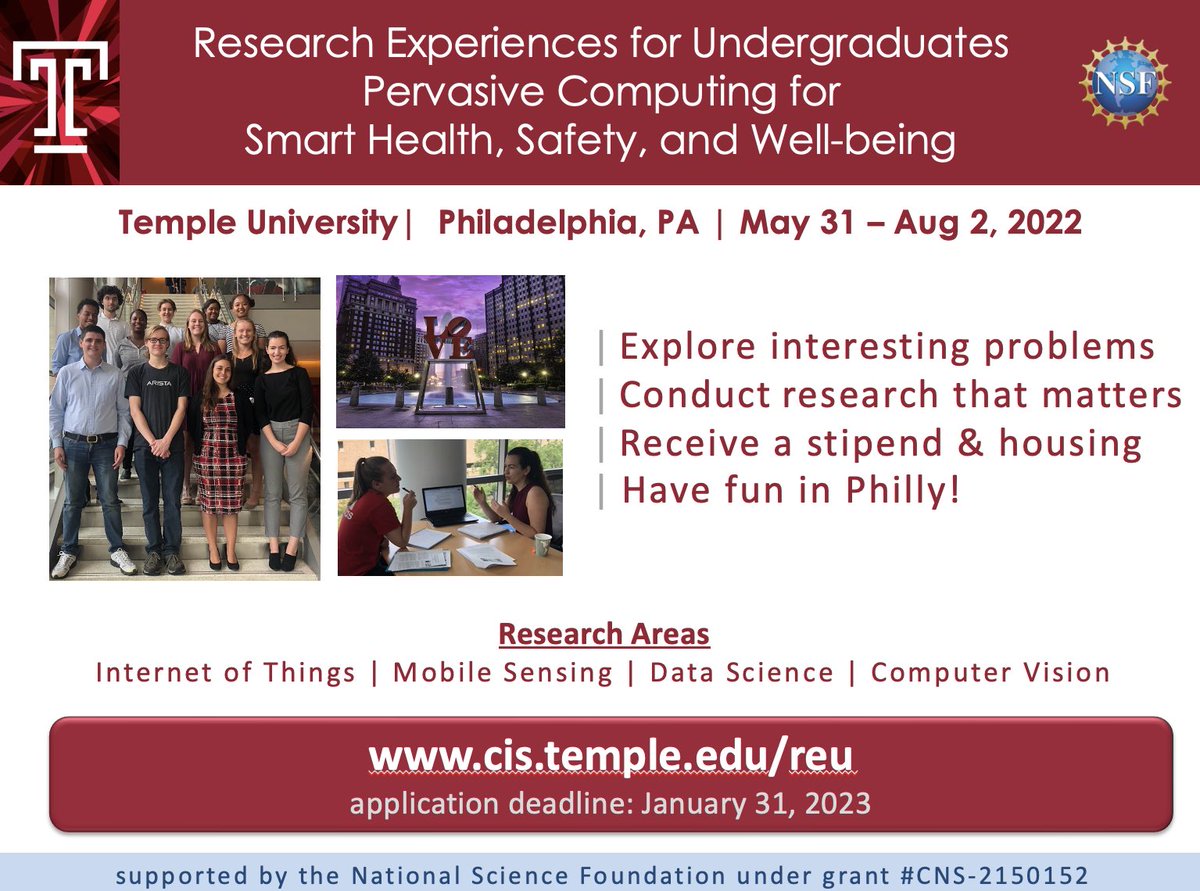
We’re looking for summer undergrad research interns! Our REU Site on Pervasive Computing for Smart Health, Safety, & Well-being offers a 9 wk research experience at Temple Univ in Philadelphia. Students receive $6500 housing. Apply by 1/31: cis.temple.edu/~reu/.
1
5
6
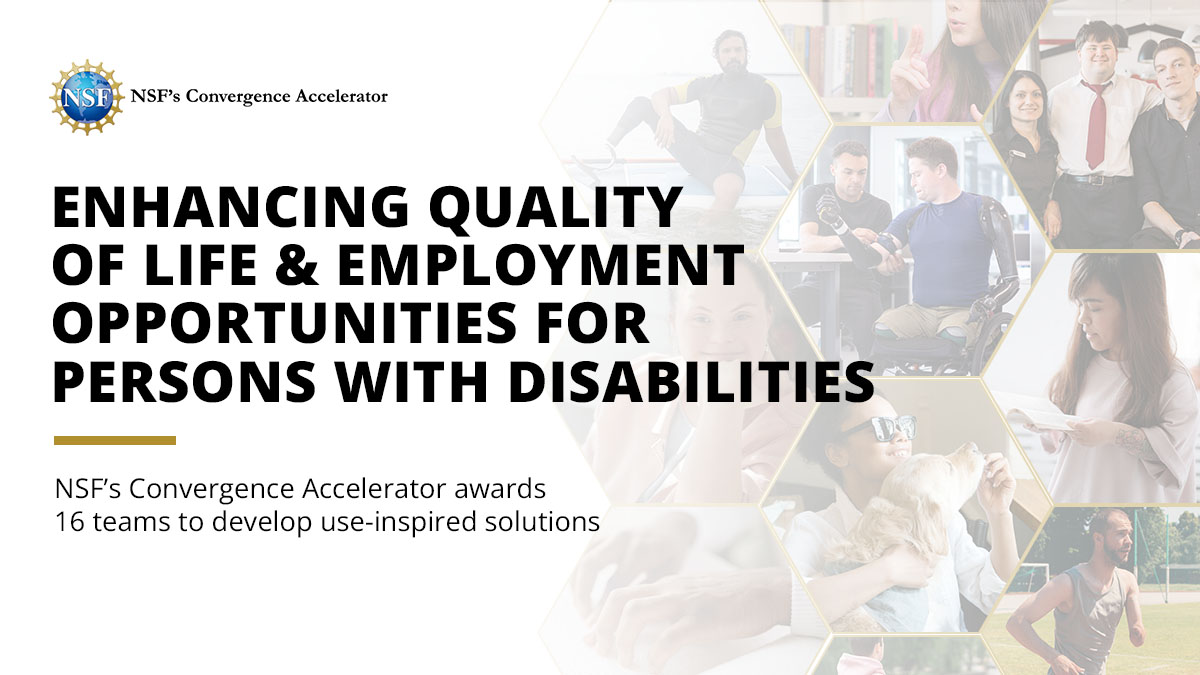
I am thrilled that our proposal to investigate AI-enabled communication devices for non-verbal speakers was funded! All 16 teams have such inspiring projects, it should make for an exciting NSF Convergence Accelerator cohort.
.@NSF is investing $12 million for 16 teams to develop use-inspired solutions to enhance the quality of life and employment opportunities for persons with disabilities. Details: bit.ly/3UV1OcU
3
2
14
What an honor to have our work featured by @DataSciNews! LLMs will likely have a big impact on education and our team is committed to ensuring that the impact is a positive one.
Replying to @DataSciNews
"Experiences from Using Code Explanations Generated by Large Language Models in a Web Software Development E-Book" Stephen MacNeil (@Stephen_MacNeil) and co-authors share their experiences generating multiple code explanation types using LLMs and integrating them 9/18
1
1
5
Stephen MacNeil retweeted
Hiya! I'm a #CIFellow postdoc at UPenn, and I'm on the faculty job market this year! I do human-centered #AI with a focus on language technologies/#NLProc. I've worked on automated story generation (think AI #DnD dungeon master), speech processing, and improving #AAC apps.
4
23
85
Stephen MacNeil retweeted
We are hiring at Tableau Research! Looking for early/fresh grads to come join our team! Areas include applied ML/NLP/AI, and HCI in the space of visual analytics and data visualization. salesforce.wd1.myworkdayjobs… #Tableau #research

3
78
213
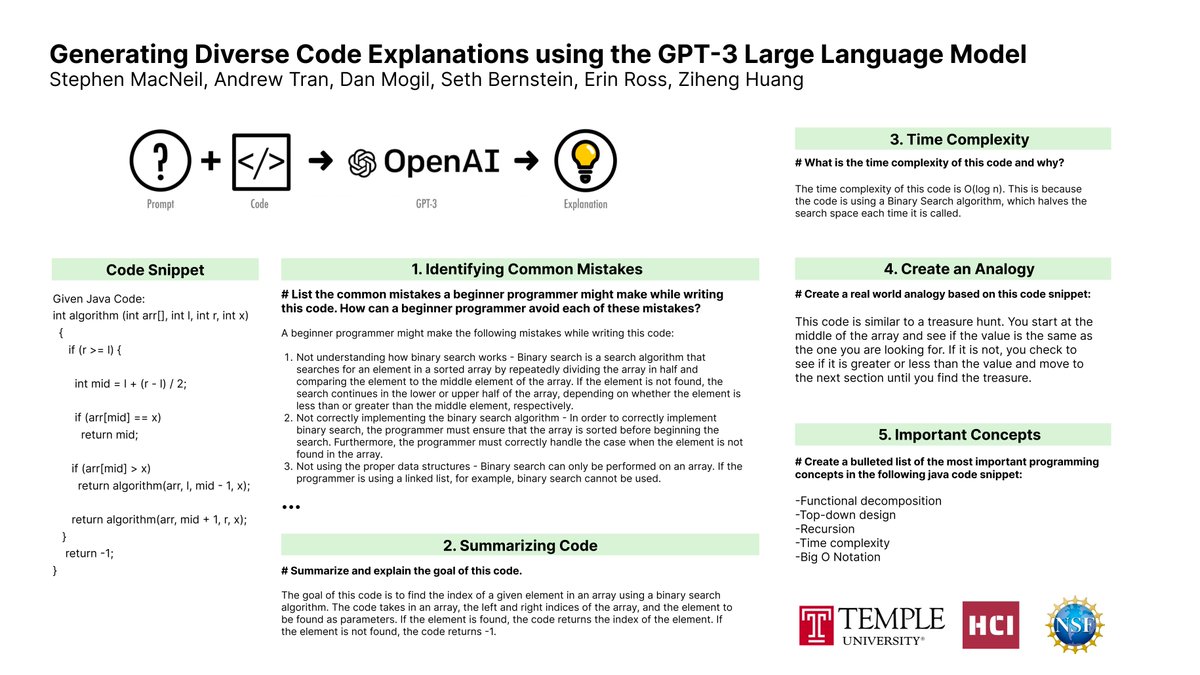
Really enjoyed presenting our lab's first poster at #ICER2022! Wish I could be in Lugano, Switzerland, but the hybrid format was great for this stay-at-home dad. TY, organizers 🙏 Generating Diverse Code Explanations using the GPT-3 Large Language Model doi.org/10.1145/3501709.3544…
2
1
24
Along with a team of undergraduate researchers, we were able to generate 6 distinct explanation types: 1) line-by-line, 2) high-level summaries, 3) common misconceptions, 4) generating analogies, 5) fixing and explaining bugs, and 6) listing the relevant programming concepts
2