
Veteran leader in Facility Management, Former E-5 US Army 7th Special Forces Group Airborne (non tabed). Lifelong learner from Chicago Tech, University of Iowa.
Joined July 2025
- Tweets 759
- Following 44
- Followers 458
- Likes 1,319
2 Photos and videos

Do something

1
23

Jun 11
The punishment for this offense fits the crime.
Jun 11

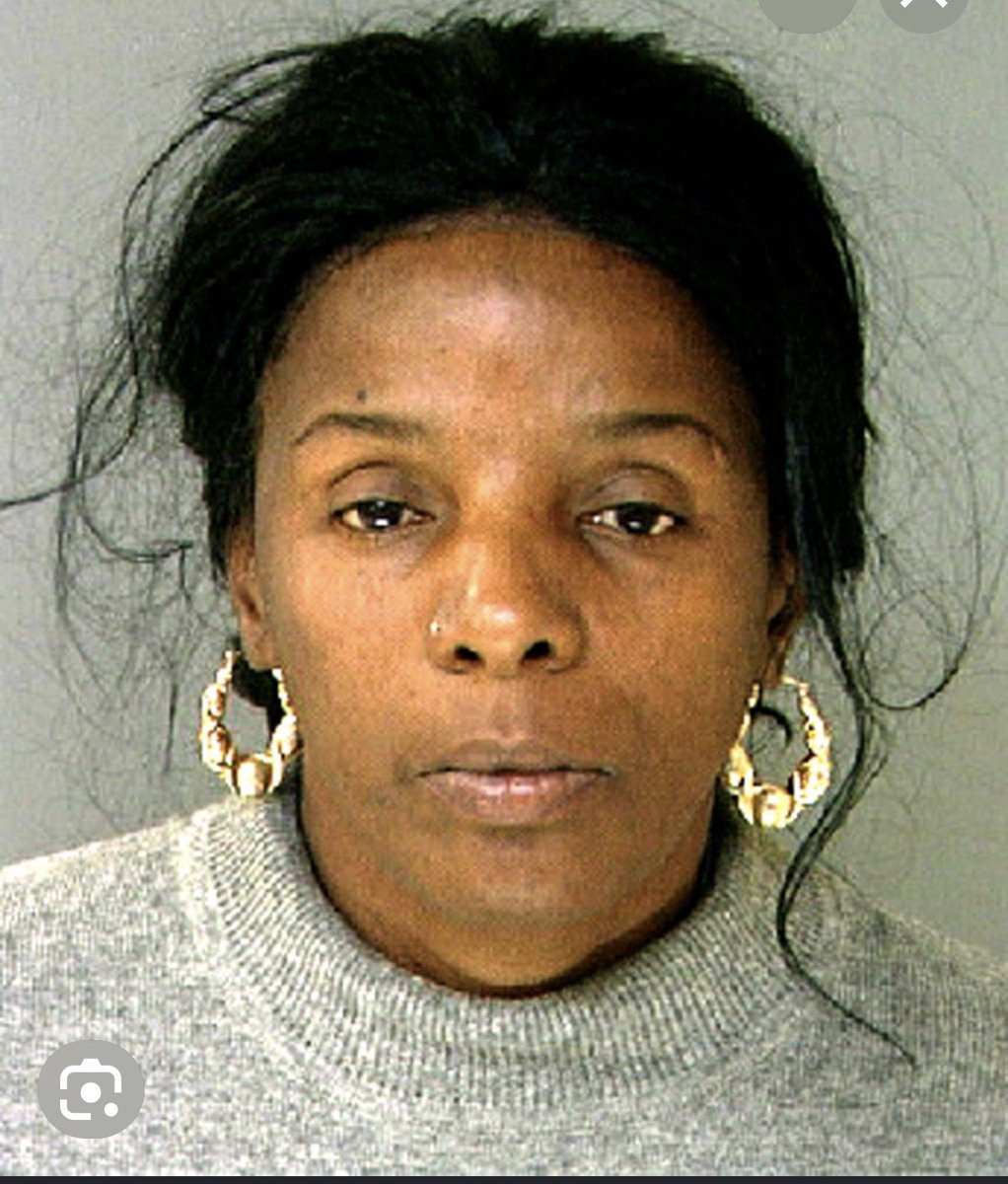
Woman Who Held Disabled Adults Captive in Subhuman Conditions Sentenced to Life Plus 80 Years in Prison. All her victims were black. Kept her victims for their social security checks from 2001-2011. Where was the outrage??? BLM ?
3
91
Steven Plotz retweeted

Jun 10
@nikitabier @elonmusk @premium @support the Taliban has told its followers to mass report my account, you have the opportunity to flag a large percentage of terrorist accounts if you pay attention on the back end. Or you can keep letting terrorist manipulate this platform.
16
199
1,088
10,369
Jun 10
The increasing frequency of violent incidents is deeply concerning and demands immediate attention. It is essential to understand the underlying causes and implement effective measures to address and prevent further occurrences.

There is an ENDLESS supply of videos like this...why do you suppose that is? 🤨🫣
A simple trip to the cafe isn't even safe anymore!
This generation is lacking something.
5
80
Jun 9
Here is what you can do when confronted with this situation:
Immediate Legal Protections
1. Right to Access Workplace
You have a legal right to enter your place of employment if you are authorized to be there.
Protestors cannot physically obstruct entrances or intimidate employees; doing so may violate local trespass, harassment, or disorderly conduct laws.
2. Employer’s Duty
Your employer has a duty to provide a safe work environment under OSHA and state safety laws.
They can request police assistance to clear access routes or protect employees from harassment.
If the employer fails to act, you can document the incident and file a safety complaint with OSHA or your state labor department.
3. Law Enforcement
If protestors block entry or threaten you, call local law enforcement.
Police can enforce trespassing, obstruction, or harassment statutes.
Peaceful protest is protected, but interference with business operations or employee access is not.

Protestor: “You’ve got no right to run me over; you’ve got no badge, no one is coming to protect you.”
Overheard as the third vehicle obstruction incident of the night occurs outside Delaney Hall.
2
14
282
Jun 9
Well Played


5
70
Jun 9
Keep reposting this insane ballot image!

2
31
Jun 8
Please repost — sometimes repetition is the only way to break through. The more consistently a message is shared, the harder it becomes to overlook.

Once voting is this fraudulent, they can get whatever outcome they want, making a sham of democracy
1
32
Jun 6
I’m tired of every political side bending the truth. It shouldn’t take a fact‑checker and a magnifying glass just to understand what’s real. America deserves honesty, clarity, and leaders who respect voters enough to tell the truth. The solution isn’t to silence politicians. It’s to arm voters with clarity.
12
109
Jun 6
Finally, something to celebrate!

1
9
186
Jun 6
Yes
Jun 4

Yes!
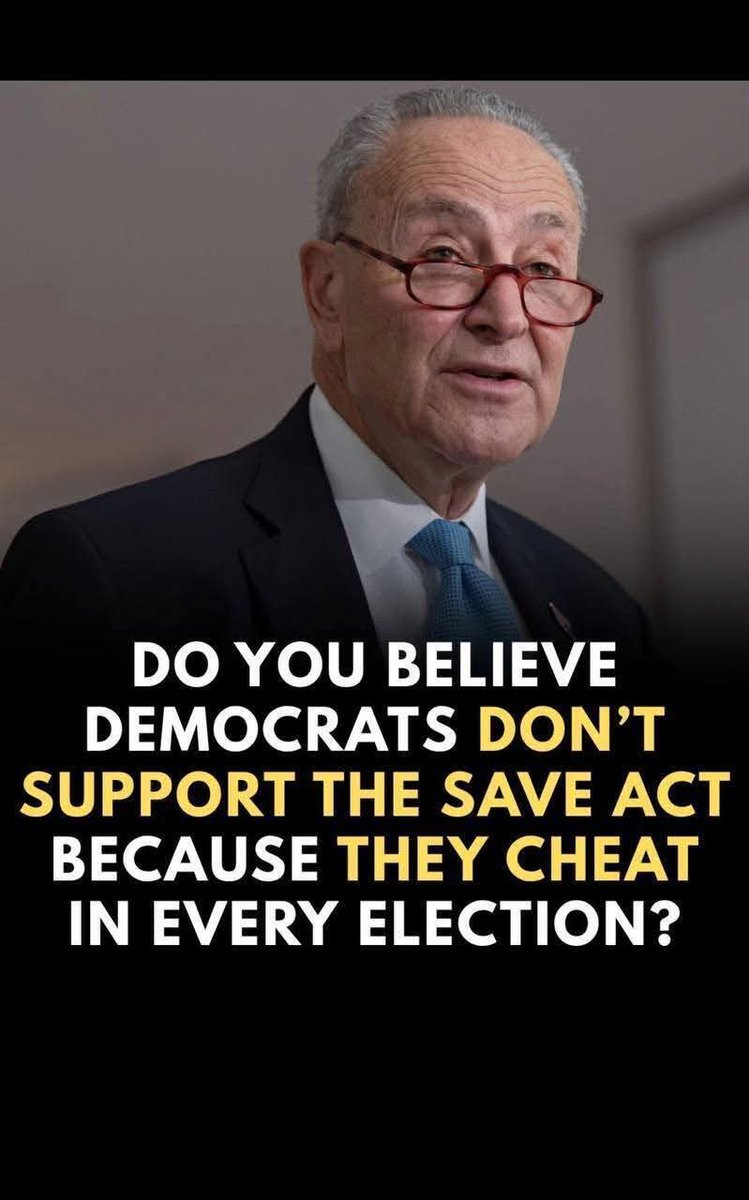
They imported illegals and used them as their voting base.
This is WHY we NEED to Pass the Save America Act!!
Our gop leadership failed us.
11
88
Steven Plotz retweeted

Jun 5
Islamic preacher: “When Muslims become the majority in the West in the next 40 years, non‑Muslims will have to convert, pay the jizya, or be killed, because Sharia will rule.”
Is the message clear, or do they need to spell it out?
537
3,947
7,073
155,060
Steven Plotz retweeted

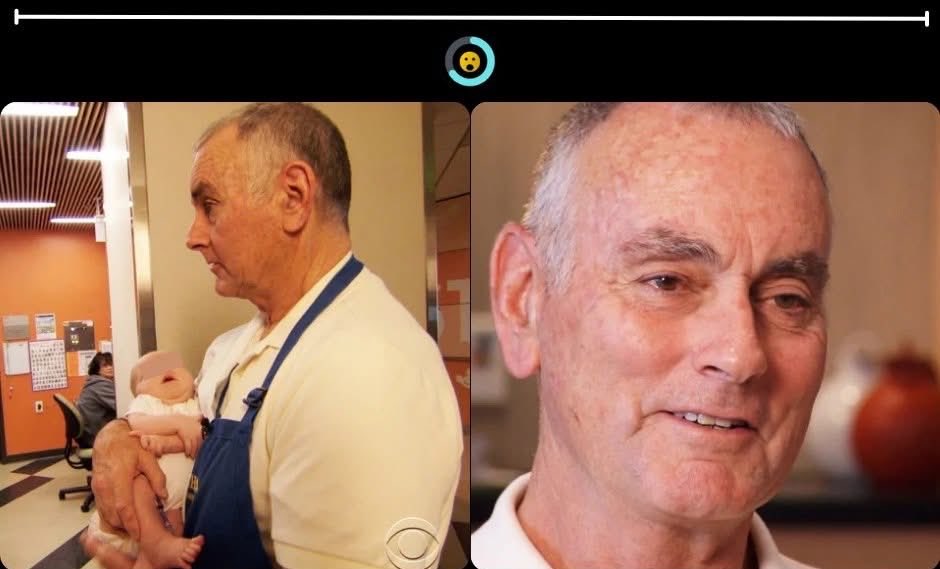
For 20 years, students at a strict Catholic school in Los Angeles feared their calculus teacher.
Then they discovered where he spent three nights every week.
His name was Jim O’Connor.
Former Navy veteran.
Math teacher.
Relentlessly demanding in the classroom.
At St. Francis High School, students knew him as the teacher who never accepted excuses.
Discipline mattered.
Effort mattered.
Precision mattered.
Nobody would have described him as soft.
Then one day in 1989, a friend asked Jim to donate blood at Children’s Hospital Los Angeles.
He had Type O-negative blood — the universal donor type.
He gave once.
Then he kept coming back.
Over time, hospital staff noticed something else about him.
After donating blood, Jim would stay.
He learned about a small volunteer group that cared for infants who were sick, abandoned, withdrawing from drugs, or simply alone for long stretches of time.
Babies who needed to be held.
So Jim signed up.
Three days a week.
For 20 years.
After finishing work at school, he’d drive to the hospital, walk into the neonatal ward, pick up whichever baby needed comfort most, and quietly rock them to sleep.
He fed them.
Walked the halls with them late at night.
Sang softly to them.
Held them against his chest for hours.
Nurses said he could calm even the fussiest infants.
And he never told anyone at school.
Not coworkers.
Not students.
Nobody.
For two decades, the toughest teacher on campus spent his evenings comforting fragile newborns in dark hospital rooms.
Then a group of students organizing a blood drive visited the hospital.
The moment they mentioned St. Francis High School, hospital staff lit up.
“Do you know Jim O’Connor?”
The students were confused.
Then they saw the plaque listing the hospital’s top blood donors.
At the very top was their calculus teacher’s name.
Jim O’Connor had donated 72 gallons of blood.
And volunteered with infants for 20 years without ever mentioning it.
When reporters later asked why he kept it secret for so long, Jim looked genuinely confused by the question.
“I wasn’t hiding it,” he said.
“I just didn’t think it was anybody else’s business.”
That’s probably why the story still moves people.
Because real kindness rarely announces itself.
Sometimes the people who seem hardest on the outside are carrying the softest hearts in complete silence.
And sometimes the most extraordinary things a person does are the things they never felt the need to tell anyone about.
65
851
3,603
51,317
May 23
Remember......We are the sum total of what we have been exposed to. Every experience, conversation, challenge, and relationship shapes our perspective and character. This is what makes each of us profoundly unique—no two paths are ever identical. In recognizing this, we’re reminded of a simple but powerful truth: treat everyone as you would like to be treated. Every person we encounter carries their own story, their own accumulated wisdom, and their own lessons. Each interaction is an opportunity to learn, to grow, and to offer respect. In a world that can often feel divided, let us approach one another with empathy and openness. After all, we are all works in progress—shaped by our exposures, yet connected through our shared humanity.
1
18
221