Birmingham, UK. Gold List -British Independent Fim Festival 25. S'list Performance Insurance competition '23. Poetry #TheAnvilEarth. #AVFC #Kerry ¡No Pasarán!
Joined November 2009
- Tweets 78,611
- Following 4,568
- Followers 3,711
- Likes 159,732
2,328 Photos and videos


Pinned Tweet

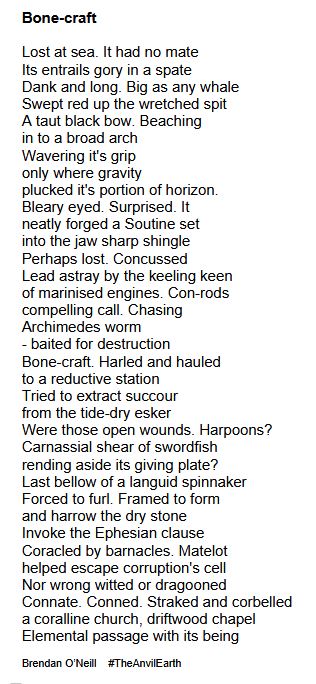
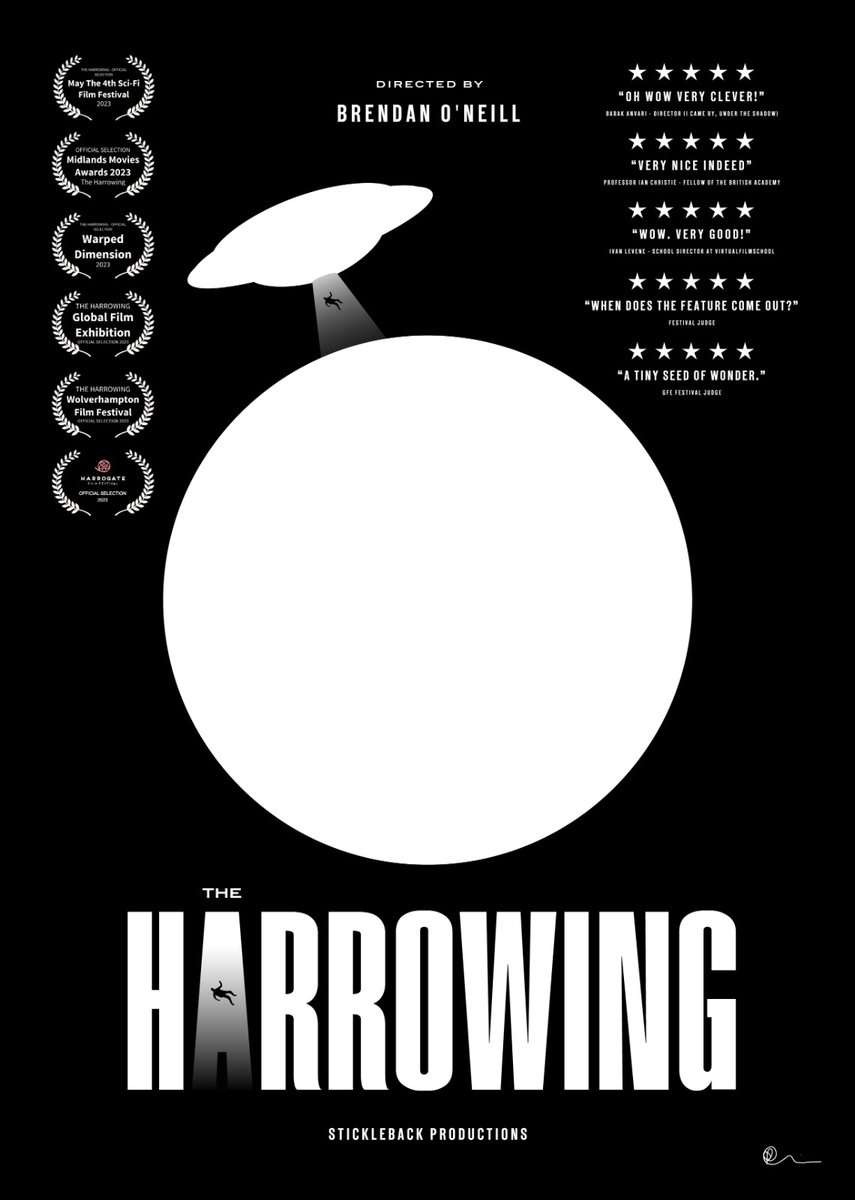
Hi, I'm a filmmaker, screenwriter, WIP novelist and poet. You can find my poems using the #TheAnvilEarth hashtag which is also the name of my collection on Amazon.
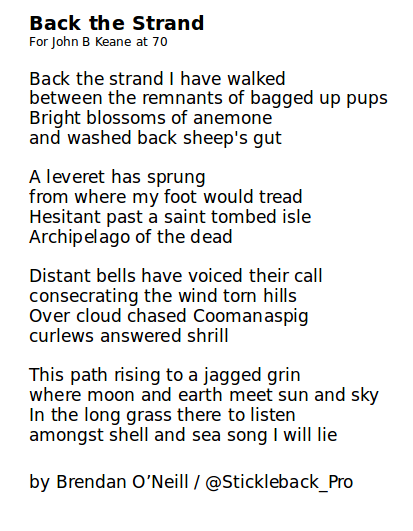
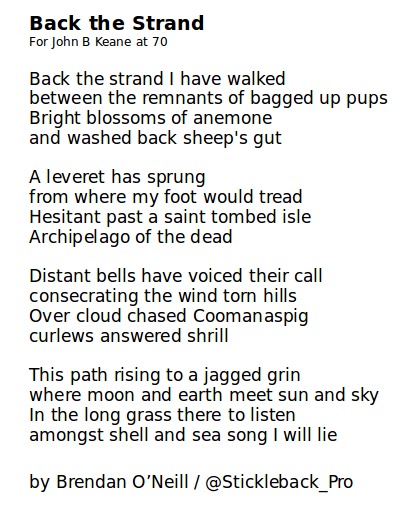
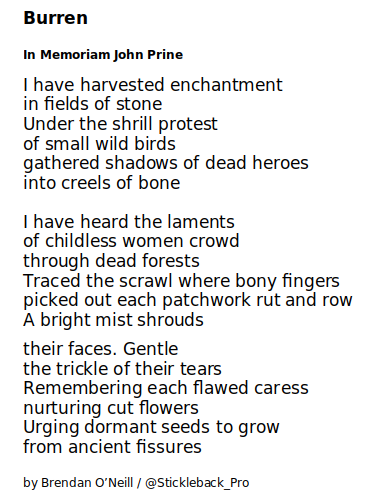
“I like the movement of your poem. Nice and taut. And I like that "cloud chased Coomanaspig””
- Seamus Heaney
1
9
523
Brendan O'Neill (Director/Writer) 🦁💙💛 🕷🍉 retweeted

30 Nov 2025
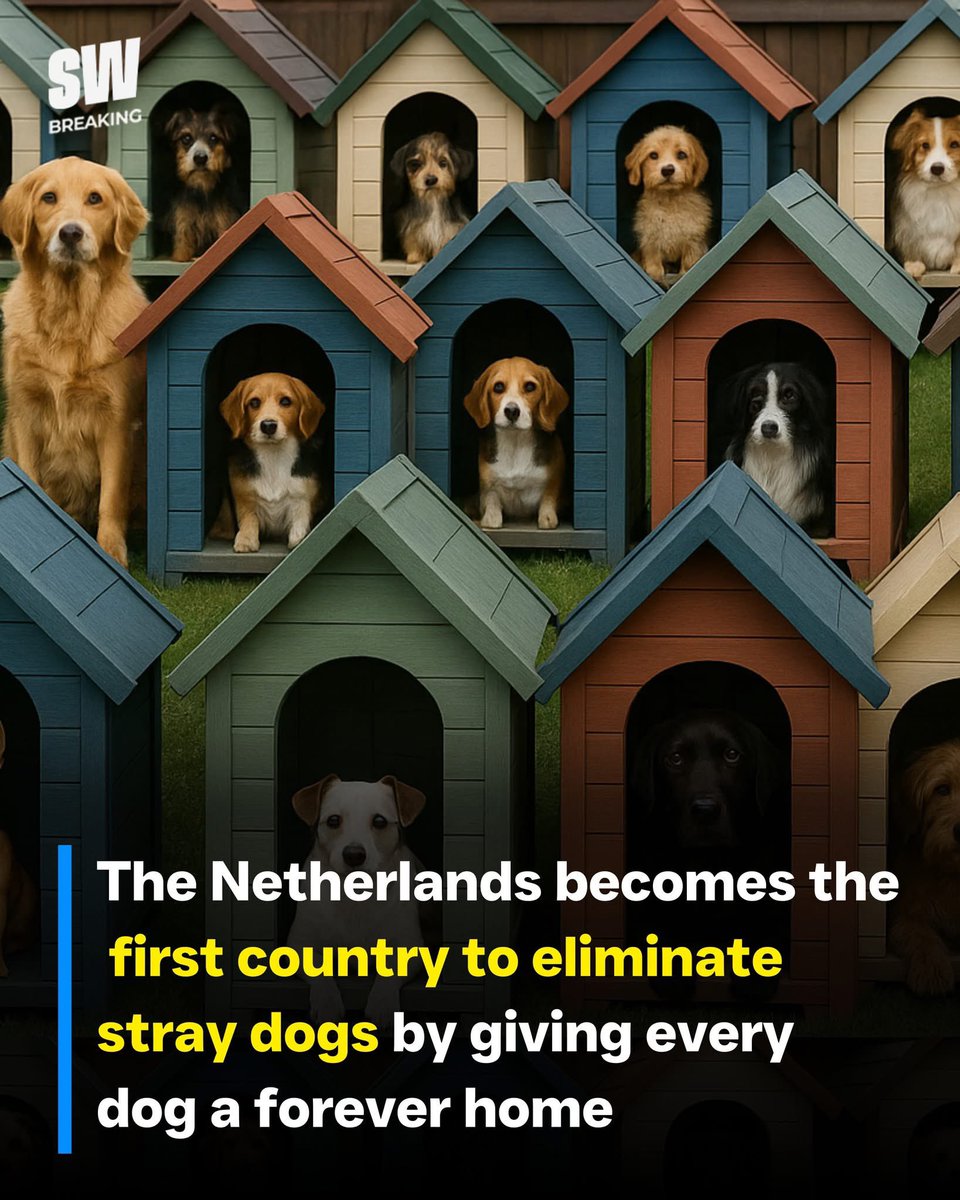
The Netherlands has achieved a remarkable milestone by becoming the first country in the world to completely eliminate stray dogs without euthanasia. The government implemented strict animal welfare laws, mandatory pet registration, heavy fines for abandonment, and nationwide sterilisation drives. Shelters worked closely with rescue teams to ensure every stray dog was rehabilitated and placed in a loving home. Public awareness campaigns encouraged adoption over buying, helping transform the country’s approach to animal care. This compassionate, coordinated effort resulted in every dog finding a safe, permanent home — setting a global benchmark for humane animal welfare.
268
4,926
21,968
416,035
Brendan O'Neill (Director/Writer) 🦁💙💛 🕷🍉 retweeted

13 Nov 2025
Today, Doha Abu-Dlal should have been celebrating her Tawjihi(high school) result of 96.7%.
Instead, she was killed in a recent Israeli massacre that occurred after the truce was broken.

81
1,636
4,793
53,706
Brendan O'Neill (Director/Writer) 🦁💙💛 🕷🍉 retweeted

12 Nov 2025
88 year old Palestinian grandmother was punched in the face by an Israeli soldier after she refused to leave her home.
(She was crying from humiliation ) " We've been building this house for 60 years , we save up all our money until we have this house built"...
186
2,995
5,466
109,092
Brendan O'Neill (Director/Writer) 🦁💙💛 🕷🍉 retweeted

11 Nov 2025
Nicholas Winton saved 669 Jewish children from the Nazis and told no one. He kept it secret for 50 years.
In 1988, while sitting in a TV audience, he was surprised by the very children he rescued, now grown adults.
1,037
10,016
77,447
1,857,361
Brendan O'Neill (Director/Writer) 🦁💙💛 🕷🍉 retweeted
12 Nov 2025
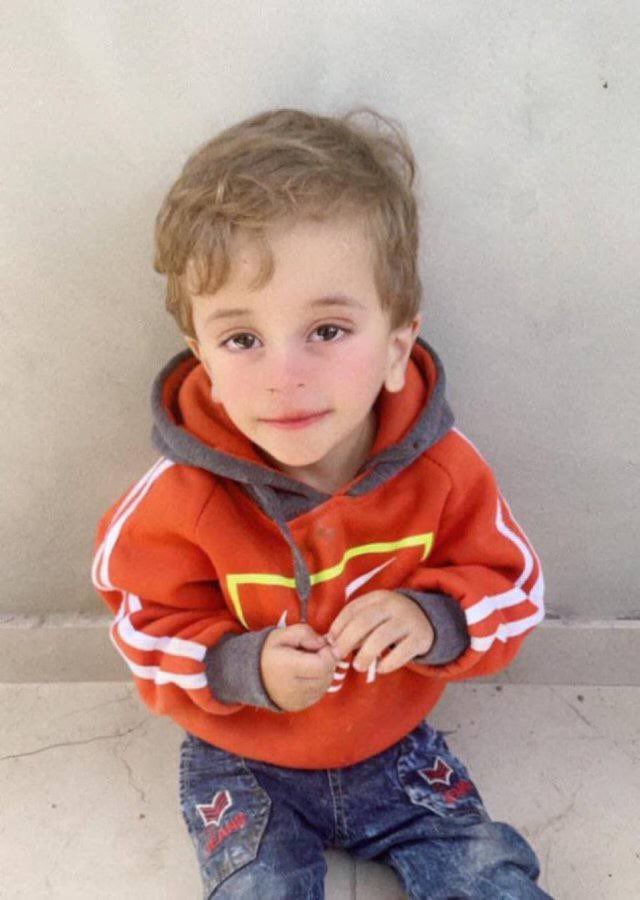
Muhammad Tamimi, a 2-year-old Palestinian kid was shot in the head by an Israeli sniper in June, 2023 in the West Bank.
It never started on October 7.
36
584
1,256
25,576
Brendan O'Neill (Director/Writer) 🦁💙💛 🕷🍉 retweeted

10 Nov 2025
Francesca Albanese speaks for humanity when she speaks for Palestinians 🇵🇸:
‘It’s not 75 years since the Nakba. It’s 75 years OF the Nakba.’
It’s a land grab.
It’s ethnic cleansing.
It’s genocide.
1,276
5,304
13,163
127,858
Brendan O'Neill (Director/Writer) 🦁💙💛 🕷🍉 retweeted

9 Nov 2025
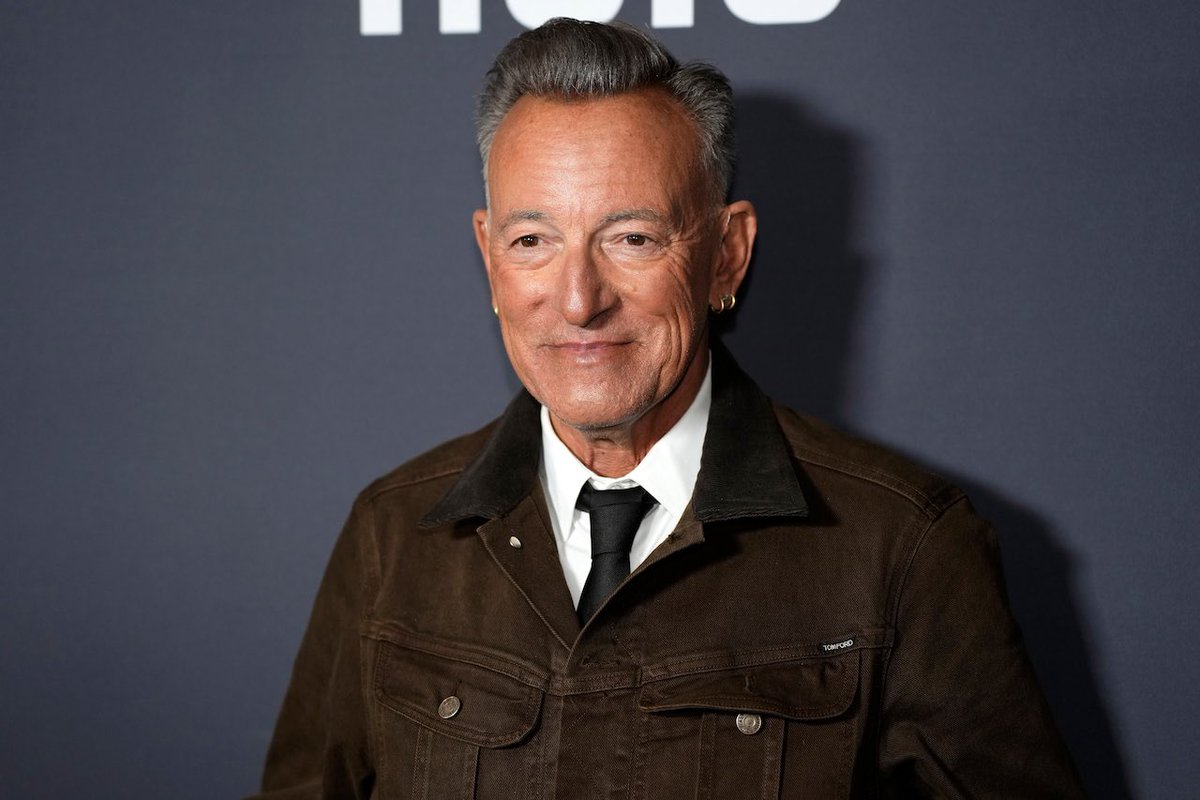
Bruce Springsteen: “The America I love - that has been a beacon of hope and liberty for 250 years - is currently in the hands of a corrupt, incompetent, and treasonous administration.”
RETWEET if you stand with @Springsteen!
2,915
7,324
20,894
305,463
Brendan O'Neill (Director/Writer) 🦁💙💛 🕷🍉 retweeted

10 Nov 2025
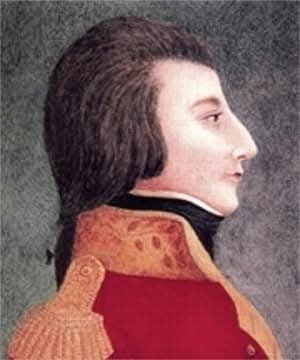
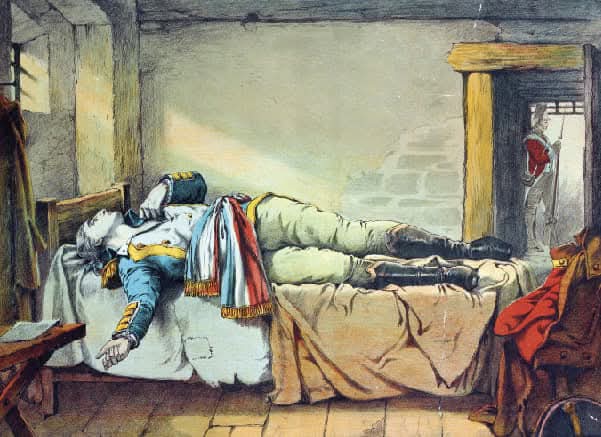
On this day in 1798, in a crowded courtroom in Dublin, Theobald Wolfe Tone stood in the dock and made the speech that would outlive him. Outside, the rebellion of that summer was broken. The United Irishmen were scattered, its leaders dead or dying.
Tone had been captured in the Bay of Lough Swilly aboard the French flagship Hoche, a grand but battered vessel limping home after a failed attempt to land troops in Donegal. He had recruited French aid for Ireland, convinced that the republic born in Paris might help birth one here. A republic of Catholics, Protestants, and Dissenters united, a nation freed from the petty tyrannies of sect and crown.
Now he stood accused of treason against the King. He did not deny it.
“From my earliest youth I have regarded the connection between Great Britain and Ireland as the curse of the Irish nation, and felt convinced that, while it lasted, this country could never be free nor happy.”
Tone asked only for one thing, that he be granted the death of a soldier, to be shot, not hanged. The request was refused. The British, never slow to recognise symbolism, knew exactly what message the rope around his neck was meant to send. But Tone was not to give them that satisfaction.
In his cell in Provost’s Prison in Dublin he slit his own throat with a concealed blade. The wound did not kill him at once. It was a long death, slow and agonising, unfolding over days. He died on the 19th of November, at the age of just 35.
There is something tragic in the fact that the father of Irish republicanism, this son of a Protestant family from Dublin, died neither in battle nor even at the gallows, but alone in the dark, struggling for breath. Yet there is also something unmistakably resolute, even defiant, in his refusal to submit to the choreography of British justice.
The Protestant father of Irish republicanism is buried in Bodenstown, Co. Kildare. It has become a place of pilgrimage. Every generation has returned, in good times and bad, to stand among the yew trees and read his name. Pearse stood there. Connolly stood there. Collins stood there. Ordinary people stand there still.
Tone’s dream never quite died. It simply changed shape, split, reformed, was argued over, and reimagined. But the core of it remains. That the people of this island should govern it themselves, free of outside control. United not by creed but by common heritage and shared future.
26
291
1,191
72,793
Brendan O'Neill (Director/Writer) 🦁💙💛 🕷🍉 retweeted

8 Nov 2025
Barack Obama came across a choir of Danish girls practicing their singing in their apartment with their balcony doors open. He kindly asked them if they would keep singing for him to enjoy.
35
132
1,778
74,824
Brendan O'Neill (Director/Writer) 🦁💙💛 🕷🍉 retweeted
RIP Michael Longley.
He had two poems in the TCD literary magazine in 2000 that featured two poems by little old me plus Seamus Heaney and other well known Irish poets.
#ireland #irish #irishpoetry #irishliterature #poetry #poetrycommunity
1
1
3
177
Brendan O'Neill (Director/Writer) 🦁💙💛 🕷🍉 retweeted

29 Sep 2025
BREAKING:
Israel executed a Palestinian doctor — shooting him in the head while working inside a Gaza hospital.
Read that again.
They executed a doctor with a bullet to the head.
This is deliberate.
Israel is murdering doctors to stop them from saving lives.
Genocide.
1,099
13,421
33,042
438,271
Brendan O'Neill (Director/Writer) 🦁💙💛 🕷🍉 retweeted
18 Sep 2025
As a kid, Annie Lennox and Eurythmics 🏴 were one of the few bands who came to Belfast 🇮🇪 during the Troubles
She understood oppression
She still does
Listen to her sing for Palestine 🇵🇸
🏴🇮🇪💚🇵🇸
413
5,099
14,193
198,814
Brendan O'Neill (Director/Writer) 🦁💙💛 🕷🍉 retweeted
19 Sep 2025
The beautiful little boy, Kinaan Suhaib Al-Qarinawi, has lost his entire family, his mother, his father, and his siblings. He was also left with a devastating injury to his hand.
Kinaan is just one of ten thousand lone surviving children in this genocide.
105
2,107
5,335
60,889
Brendan O'Neill (Director/Writer) 🦁💙💛 🕷🍉 retweeted

19 Sep 2025
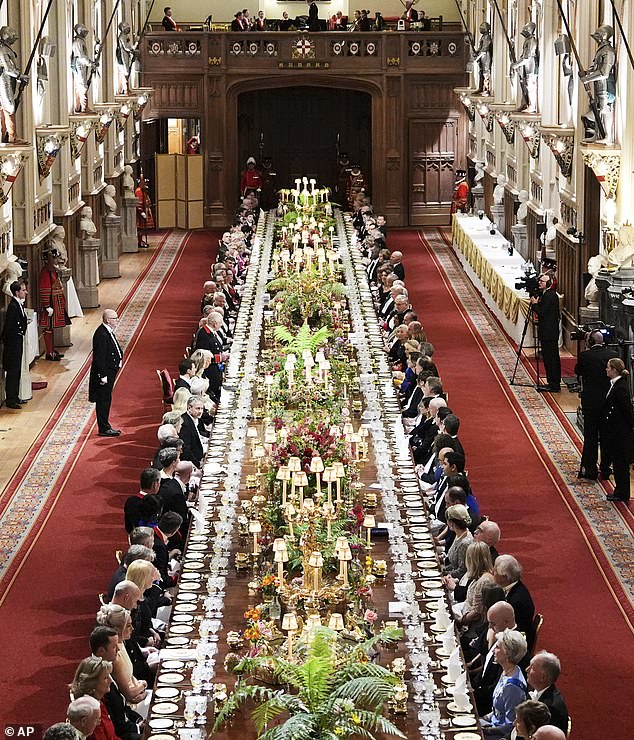
Britain has 2,800 food banks
2,529
8,257
35,689
1,496,376
Brendan O'Neill (Director/Writer) 🦁💙💛 🕷🍉 retweeted
7 Sep 2025
Wow!
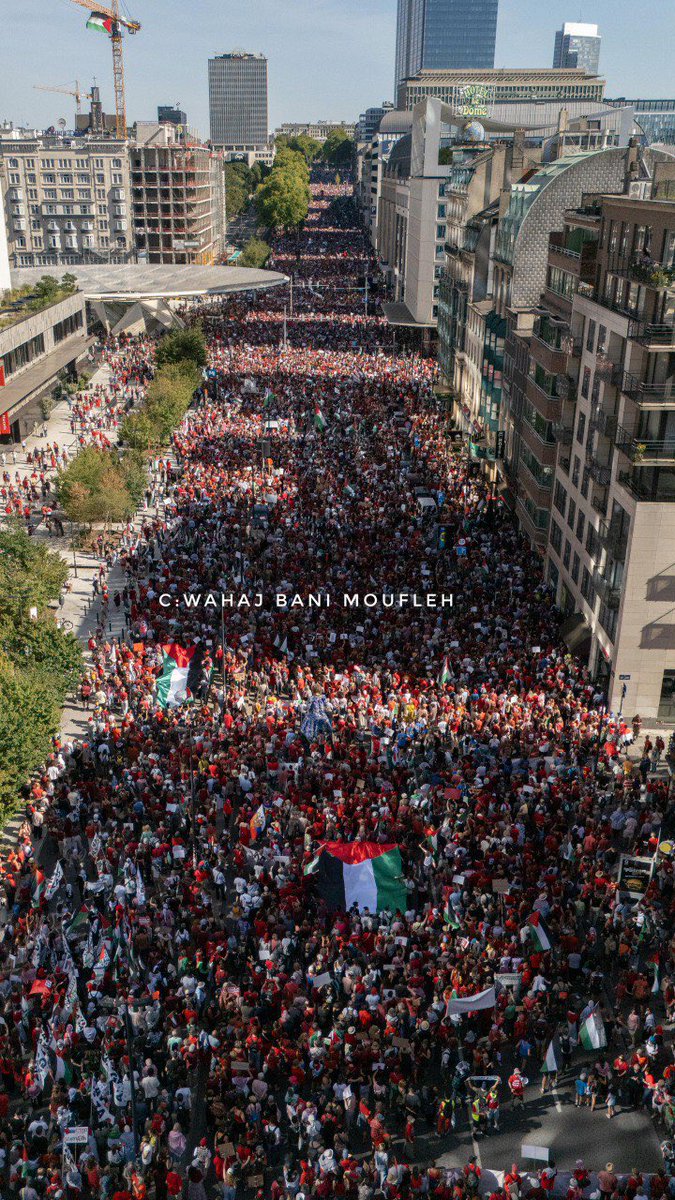
Happening NOW in Belgium:
An absolutely MASSIVE wave of protesters floods the streets of Brussels for Palestine, denouncing Israel’s genocide in Gaza.
Will mainstream Western media even show you this?
🔥🇵🇸
471
5,760
14,941
214,487
Brendan O'Neill (Director/Writer) 🦁💙💛 🕷🍉 retweeted
1 Sep 2025
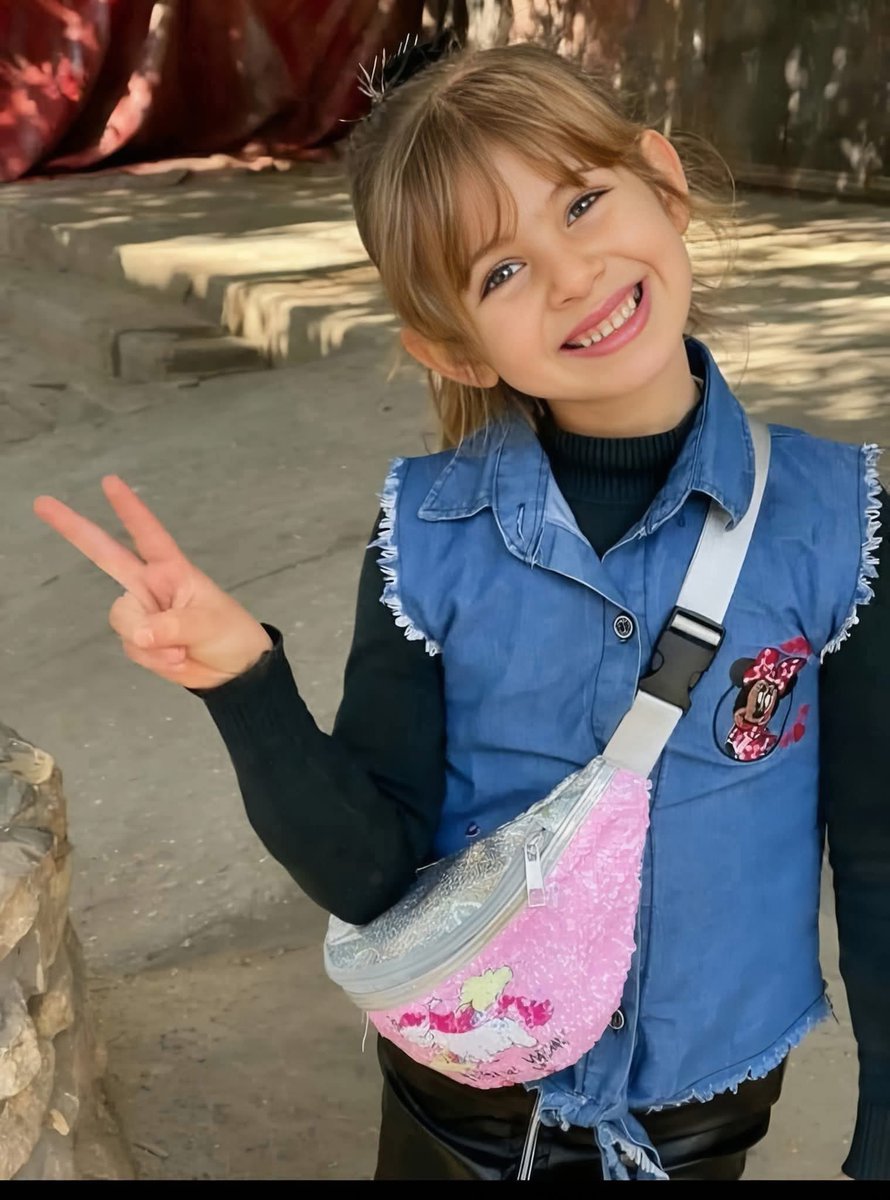
The little girl Zina Al-Ghoul told her mother: “When I become a martyr, I will ask Allah to stop the war.”
Today, Israel killed Zina while she was waiting in line to receive biscuits.
1,110
13,809
32,643
742,012
Brendan O'Neill (Director/Writer) 🦁💙💛 🕷🍉 retweeted
19 Jul 2025
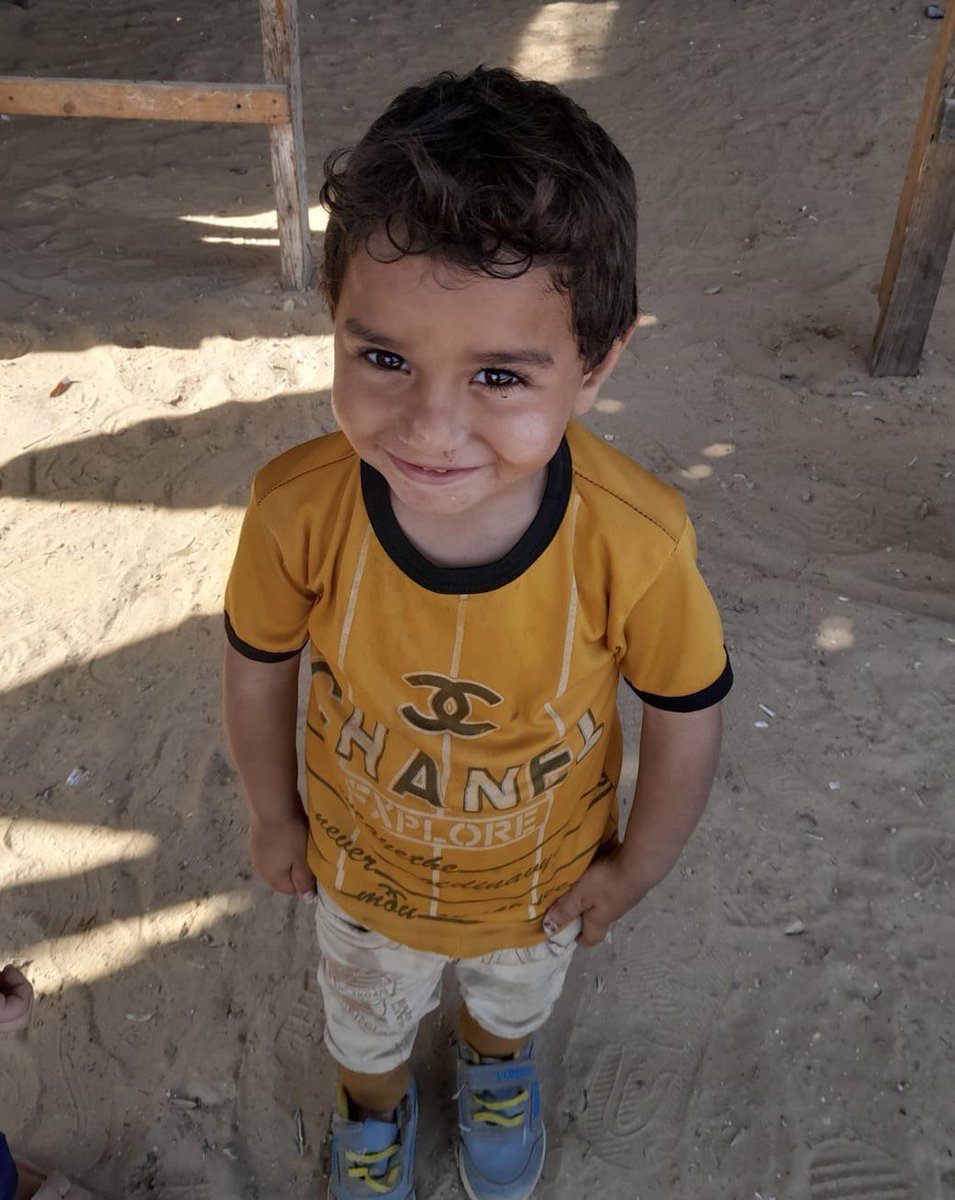
He was standing in line with other children to get food when Israel killed them with a missile.
Aboud was only (3) when Israel killed him in Gaza yesterday.
322
4,956
8,011
174,775
Brendan O'Neill (Director/Writer) 🦁💙💛 🕷🍉 retweeted
8 Jul 2025
The Horizon scandal saw 236 subpostmasters wrongly sent to prison. But not a single Post Office boss has ended up behind bars.
99
1,170
3,521
59,072
Brendan O'Neill (Director/Writer) 🦁💙💛 🕷🍉 retweeted
27 Jun 2025
Horrifying.
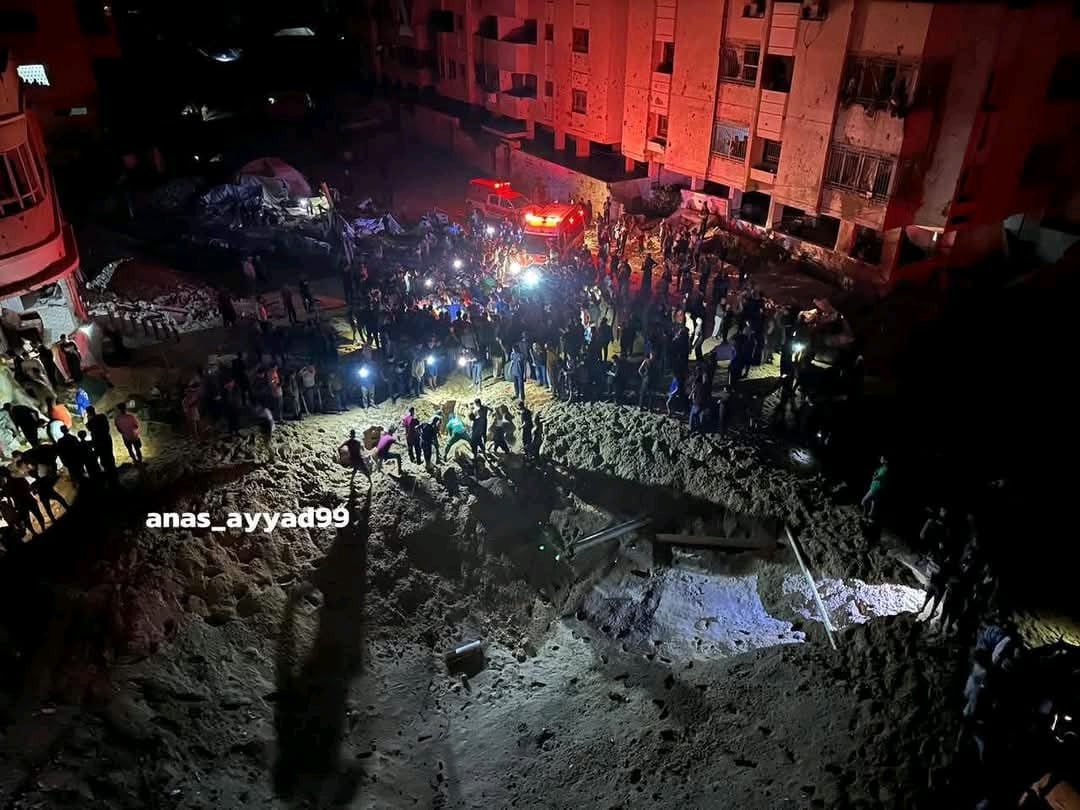
Israel just dropped bombs on tents full of displaced civilians in Gaza.
15 tents were buried under the sand.
Entire families were swallowed by the massive blast crater.
They were buried alive.
A massacre in plain sight.
1,340
25,484
40,146
907,398
Brendan O'Neill (Director/Writer) 🦁💙💛 🕷🍉 retweeted
26 Jun 2025
Belgian MEP Marc Botenga:
“Let’s be absolutely clear: the people of Gaza are being executed by Israel.”
“They lure starving civilians with promises of food, only to open fire on them. Hundreds have been killed while simply waiting for aid.”
“These are crimes against humanity.”
229
6,882
14,122
166,041