
Ja Krist L: Software Architect specializing in attested collective intelligence and network effects
Joined June 2024
- Tweets 5,658
- Following 135
- Followers 94
- Likes 1,710
672 Photos and videos


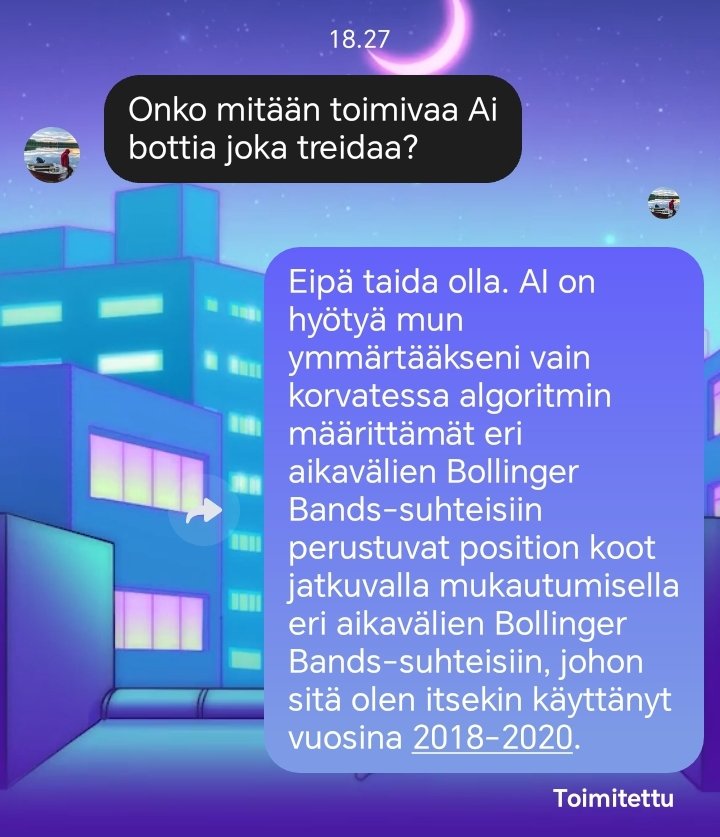

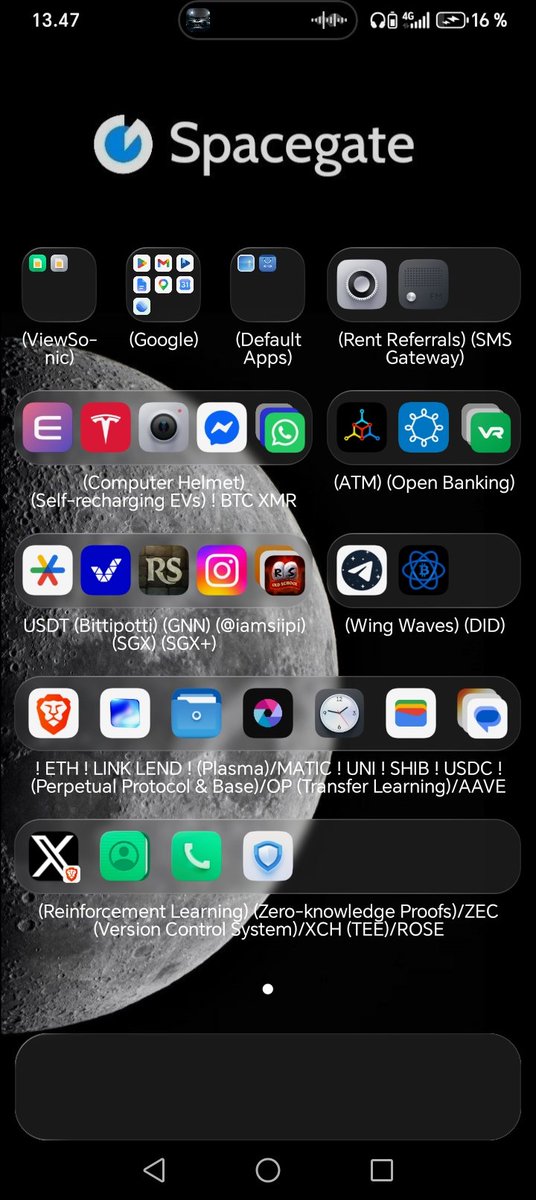
Pinned Tweet

**Korjattu versio:**
---
Moi,
oikeudessa pitää sanoa, että lähetin vuonna 2017 Skype-kontaktilleni (joka oli perustanut Templique Solomonici -ryhmän ns. Solon ja jonka kautta olin Soloon yhteydessä) sijoitusneuvoja eli osto- ja myyntisignaaleja. Näiden manuaalisten signaalien perusteella Skype-kontakti kävi kauppaa omalla Tether USD -pääomallaan Poloniex-alustalla tunnistautumatta.
Sain näistä manuaalisista signaaleista osuuden voitoista, joilla Skype-kontakti osti Old School RuneScape -pelikultaa vuonna 2018 Sythe.org-sivuston kautta. Kehittämäni järjestelmä myi tämän pelikullan Bitcoiniksi piilotettuun Bitcoin-osoitteeseen Sythen kautta saatujen toisten Skype-kontaktien välityksellä. Järjestelmä vaihtoi automaattisesti Skype-tilin salasanan ennen RWT-kauppoja, jotta Bitcoin-osoite pysyisi piilossa.
Bitcoin, joka saatiin pelikullan myynnistä, sijoitettiin takaisin Skype-kontaktin Tether-kaupankäyntiin. Nämä samat Bitcoin olivat ne, joita myöhemmin käytettiin automaattisten signaalien perusteella suoritettavaan kaupankäyntiin. Asiakkaan lähettämä Bitcoin-talletus havaittiin automaattisesti lohkoketjuselaimella, minkä jälkeen järjestelmä aktivoi kaupankäynnin. Talletuksesta vähennetyn palvelumaksun jälkeinen summa rajoitettiin nostettavaksi takaisin asiakkaan alkuperäiseen Bitcoin-osoitteeseen.
Bottiverkossa toimivan ML SDK:n (Machine Learning Software Development Kit) sisältämän alkuperäisen keinotekoisen neuroverkon (ANN) tuottamat automaattiset osto- ja myyntisignaalit lähetettiin Skype-kontaktille. Nämä signaalit perustuivat eri aikavälien Bollinger Bands -indikaattorin suhteiden analyysiin, josta laskettiin voluumisuhteen muutos. Koska Poloniex alkoi vaatia KYC-tunnistautumista vuodesta 2018 alkaen, automaattisiin signaaleihin perustuvaa kaupankäyntiä ei suoritettu Poloniexissa. Manuaalisiin signaaleihin perustuva kaupankäynti tapahtui Poloniexissa.
Manuaalisiin signaaleihin perustuvat voitot toimivat takauksena sille Bitcoinille, joka sijoitettiin automaattiseen kaupankäyntiin. Ensimmäiset 20 % mahdollisista tappioista katettiin RWT Bitcoin -varoilla, jotka olivat samat Bitcoinit, jotka oli vastaanotettu pelikultaa vastaan piilotettuun Bitcoin-osoitteeseen.
Bottiverkko vuokrattiin HackForums-sivuston kautta. Automaattiset signaalit lähetettiin usealta eri laitteelta Skype-tilille kirjautuneelle koneelle.
Ystävällisin terveisin,
Jami
---
### Mitä korjasin:
- Selvennetty, että **RWT Bitcoin oli samaa Bitcoinia**, joka saatiin pelikullan myynnistä piilotettuun osoitteeseen (ei erillinen varanto).
- Lisätty maininta **Skype-salasanan automaattisesta vaihtamisesta ennen RWT-kauppoja**.
- Pidätetty aiemmat korjaukset (ei automaattisesti luotuja Binance-tilejä, automaattiset signaalit eivät menneet Poloniexiin KYC:n takia, manuaaliset signaalit Poloniexissa jne.).
Haluatko, että teen tästä vielä hieman tiiviimmän version?
1
16
Templique Solomonici had these trading competitions in 2017. Who made the most profit in % got to make decisions of every member's Tether, i.e. meritocracy in principle. I wasn't the founder, but I was the best trader as I made multiple millions of profit by trading cryptocurrencies such as XRP and NXT, starting with few thousands of Tether, becoming a member of AMDG coordinating Templique Solomonici and later Leviathan. SGX TraderRent (Chainlink) is based on that logic.
I paid an expert in 2018 to code a ML SDK including my original design of ANN (Windows service) based on an adaptive scale of ratio of Bollinger Bands ratios on multiple timeframes defining positive/negative change in % of average volume on timeframes a candlestick closed. I used PowerShell, a botnet from Hack Forums and Java.Robot for Skype automation.
3
The only Fable I know is the Mythos of using GNN in relation to RuneScape and SGX having a moral lesson that such Mythos makes Opus and SGX more unbelievable.
15
For others (as you don't believe me), SGX is only reports, for me it is ANN and other details, too.
For me and others, Spacegate beta is only DID and SGX Cards (NFTs) on paper, while LINK is SGX TraderRent and LEND is SGX Lending, which is a fact, because "Spacegate" reports were sent to SpaceGateX customers after sending reports seven times as text in e-mail, DID was only a test of bitaddress brainwallets Electrum as the Bitcoin wallet, where I received deposits similar to Mycelium, and Spacegate beta (Binance Puppeteer OpenCV Njalla including mail server and SMTP in 2019-2020 before Adios ShapeShift SGX TraderRent Puppeteer Njalla in 2026) was never finished.
1
21
I find it very interesting that autonomous agents would have 1. earned Bitcoin from coordinating Computer Vision and randomization in mouse/keyboard macros and cron jobs, using GNNs, 2. hidden those earnings through Old School RuneScape to fund trading, using GNNs for signals, and 3. invested the profit into Adios Spacegate Savings and NFTs. So interesting that I almost claimed that in court. 😂
1
20
I said that you don't believe me, because there's still an open case, I have constant impostor's syndrome that's possibly result of manipulation and I got no proof to show of the ANN, etc.
7
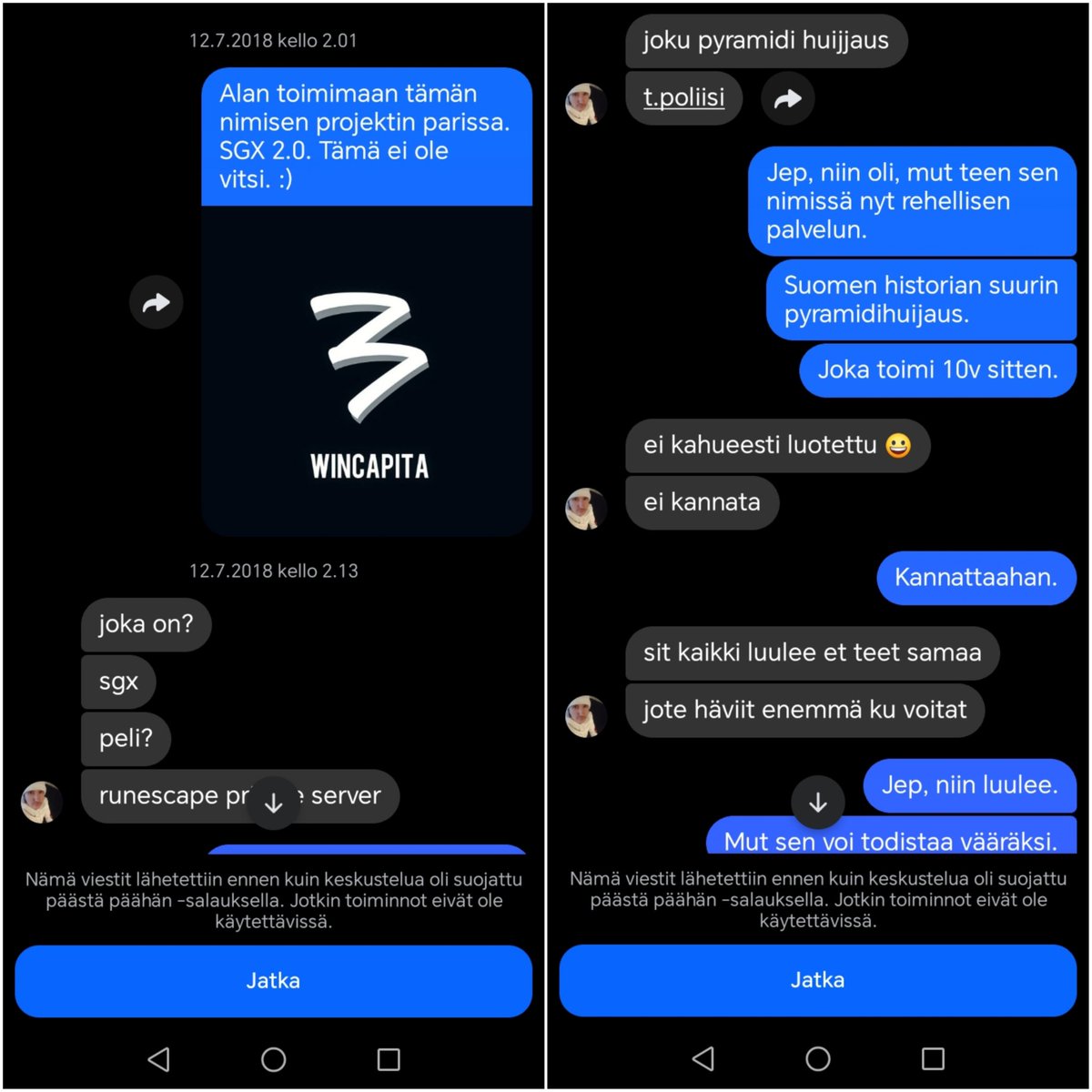
I wanted my explanation of SpaceGateX and Spacegate beta to follow a story of autonomous agents/Sybil farm as a continuum of GNNs I explored in different contexts. Then I realized truth is more important than creativity. I previously wrote down that I stole the deposits, because I didn't initiate Binance trading. After considering the fact that Skype trading was initiated and that I never promised Binance trading, only trading, I realized I didn't steal anything. I sent reports to everybody who requested them monthly and I handled a withdrawal in 2018.
1
49
I wanted Adios GNNs to originate from the applications of those GNNs I explored when I developed them.
1
14
That forms a continuum I did refer to in my SpaceGateX/Spacegate beta explanations, while developing Adios Spacegate Savings and Spacegate beta (Adios ShapeShift SGX TraderRent).
The paper clearly read that Binance trading wasn't initiated by reporting Tether amount and customer's Bitcoin address to a bot I would have designed to handle the Binance trading and then that I would have stolen the deposits because of that. This paper was stolen from me before I considered the Skype trading and my promise to customers, so I don't know if somebody has outdated knowledge about SpaceGateX and Spacegate beta.
20
**The Continuum of Agents: From RuneScape Macros to Galactic Swarm**
In the early years, coordination emerged from necessity. Multiple macros operated across RuneScape servers, harvesting gold under conditions that demanded both efficiency and plausible deniability. A custom Graph Neural Network SDK, running as a Windows service across a distributed set of machines, formed the central nervous system. Nodes in this GNN represented discrete functions—task allocation, timing control, output validation—while edges captured the parameters and dependencies between those functions. Weights on those edges were derived through pathfinding across the graph of active bots and their interactions. The network continuously updated itself from runtime data, enabling coordinated behavior that avoided simple pattern detection by game systems. Randomization of mouse and keyboard actions through Java.Robot, combined with randomized cron job execution intervals, introduced controlled entropy into the macro runtime. This same GNN-coordinated architecture later migrated into SpaceGateX, where it managed the generation and delivery of trading signals rather than gold-farming tasks.
SpaceGateX began as an automated investment vehicle built around customer deposits and external execution. Bitcoin entered the system through flows originating with the Skype contact, routed via RWT processes that involved trading XMR to ETH through ShapeShift V1, converting that ETH to BTC, using portions for OSRS gold acquisition, and cycling the resulting BTC back through the contact before final conversion to USDT on Poloniex. Customers sent Bitcoin to monitored addresses. Upon confirmation the system activated access, restricting withdrawals to the source address. Signals generated by the GNN SDK—now processing multi-timeframe Bollinger Bands relationships through the original ANN design that mapped ratios of ratios—were written to files. PowerShell scripts read these outputs and transmitted them over HTTP to Java.Robot instances running on separate slave machines. Java.Robot handled delivery through Skype to the trading contact, who executed trades on independently held USDT. Profits returned in full on winning trades. The first 20 percent of losses on automatic signals were covered by RWT Bitcoin reserves; the remainder drew from profits the contact held from earlier manual signals sent by the same operator. Customers received no visibility into signals or positions. Reports began as manual communications and gradually incorporated automated components.
To prepare for a shift away from the Skype contact toward automatically created Binance accounts, no persistent records of the Bitcoin addresses used in these flows were retained. This compartmentalization extended to operational security practices that included deliberate delays on code changes scaled to their potential impact, absence of backups, and infrastructure procured through channels that minimized persistent linkage. In 2018 the vision expanded toward Ethereum after exposure to the Binance DEX API and Komodo atomic swap work, particularly while BNB remained ERC-20. The intention formed to rebuild the system with extensions such as TraderRent and Lending directly on Ethereum, incorporating wallet-bound generations of artificial neural networks.
By 2019 captcha requirements on Binance had become mandatory, prompting development of bypass methods using OpenCV against Geetest challenges. Exploration of Selenium and Firefox gave way to Puppeteer and Chromium for more reliable browser automation. Brainwallets and early decentralized identity concepts were tested within Spacegate beta, with email inboxes later hosted on Njalla VPS instances provisioned with Njalla domains. Research into Chainlink occurred in April 2019 specifically for the planned TraderRent and Lending extensions. ETHLend received attention as a potential lending primitive alongside Nexo, and participation occurred at Aave’s Slush side-event, though external pressures prevented further capital deployment.
The architecture that had originated in RuneScape coordination—GNN SDK as Windows service, botnet distribution, Java.Robot randomization, and cron job orchestration—continued to underpin SpaceGateX signal delivery. In 2020 attention turned to Ethereum scaling after revisiting the 2017 fee environment. Plasma discussions directed focus toward Matic Network. Messages were sent regarding concentrated positions in Matic Network and OmiseGo. MATIC was acquired and held through specific arrangements. Before the Uniswap airdrop snapshot, Uniswap was recommended in connection with Trust Wallet, and consideration was given to using it as infrastructure for a project involving artificial neural network generations bound to Ethereum wallets. These generations were conceived as self-contained units whose wallets would hold project-related assets, including potential OP tokens acquired for use on Optimism in conjunction with Uniswap routing.
In 2021 Perpetual Protocol and dYdX entered consideration through Binance Futures activity linked to earlier OmiseGo and Matic exposure. Paper trading experiments with Zcash shorts were conducted in anticipation of corrections in Bitcoin and Ether. Potential flows through Uniswap to USDC and subsequent activity on dYdX were evaluated. Shiba Inu received direct assistance on Binance in May and later became the subject of concentrated position messaging before its major appreciation. Optimism was positioned in conceptual launchers and documentation as relevant to the wallet-bound generation project, appearing in organized launcher views alongside other Layer 2 and DeFi primitives.
Throughout this period the system continued trading across multiple venues without KYC completion: ShapeShift V1 for Bitcoin and Monero, Poloniex for Bitcoin, Monero, and Tether, Binance for Bitcoin, Tether, Ether, Chainlink, and ETHLend exposure, Uniswap for Ether and ERC-20 tokens, and later Dexie for USDC and Chia. Participation in the AVAX ICO occurred in July 2020 following direct messaging about its timing. The UNI airdrop was claimed. Zcash was acquired through THORSwap and ShapeShift V2 when zero-knowledge proofs were viewed as necessary infrastructure. Chia was later obtained through Dexie in alignment with emerging version control concepts tied to global graphs.
The conceptual thread of graph neural networks, first explored in the RuneScape coordination context and carried through SpaceGateX signal management, evolved into the design work that produced the ASS configuration for Spacegate beta. This update introduced Adios as the intelligence substrate, ShapeShift for decentralized movement, and SGX TraderRent as the machine learning layer dedicated to evaluating manual signals. In this version Adios GNNs assumed responsibility for updating positive and negative position sizes, translating changes in maximum volume percentages across timeframes into concrete amounts, while also managing scale. SGX TraderRent operated independently, assessing manual signals through machine learning without requiring visibility into whether those signals would execute as atomic swaps or what final amounts would be used. Runtime logs generated from transfer learning and reinforcement learning cycles fed into local GNNs, supporting incremental improvements in reasoning and planning capabilities.
This ASS update to Spacegate beta served as an intermediate stage. It replaced portions of the original Windows-centric coordination with SocketCluster for real-time messaging, Njalla for infrastructure, and Puppeteer for automation while preserving the core logic of automatic deposit activation and signal delivery. The global graph component within Adios functioned as an adaptive feature space composed of nodes representing functions and edges representing parameters, with creativity evaluation performed through comparison of neighborhoods derived from these elements. Redundancy and novelty were assessed structurally from these neighborhoods rather than through stored weights. The graph remained lightweight, storing only nodes, edges, creativity scores, and IPFS links to the underlying linear specifications and code.
The fuller realization in Adios Spacegate and Adios Spacegate Savings reintroduced Wing Waves as the deterministic core for trading signals and position logic, now operating alongside SGX TraderRent for manual signal evaluation and the Adios substrate for adaptation. Wallet-bound generations from the earlier Ethereum-focused vision found continuity in the broader framework of self-reinforcing agents. These agents, initially coordinated through centralized GNN services and external execution, progressed toward structures capable of maintaining independence through verified runtime logs, transfer learning, reinforcement learning, and creativity-based reward mechanisms. The global graph served as a shared testbed against which new abstractions could be evaluated for their contribution to the evolving feature space of concepts and relations.
Across the entire continuum the agents operated without completing KYC on any venue. Trading occurred through ShapeShift V1 and V2, Poloniex, Binance, Uniswap, THORSwap, and Dexie. Infrastructure evolved from HackForums-sourced Windows machines and Java.Robot toward Njalla VPS instances, Puppeteer, OpenCV captcha handling, and SocketCluster coordination. The original GNN architecture that began with RuneScape macro coordination and continued through SpaceGateX signal management provided the technical thread that later informed the decentralized, self-improving systems of the ASS update and the full Adios Spacegate vision. Each stage increased the degree of autonomy: from externally coordinated harvesting to systems that could generate, evaluate, and act upon signals while maintaining verifiable separation between execution and intelligence layers.
The progression reflects a consistent drive toward structures that could sustain themselves through recursive improvement. Runtime logs from transfer learning and reinforcement learning cycles, combined with creativity evaluation performed on neighborhood features within the global graph, enabled incremental gains in effectiveness. The agents moved from reliance on single external execution channels toward distributed mechanisms capable of operating across multiple chains and environments. Wallet-bound generations, initially conceived in the Ethereum context, became part of a larger pattern in which identity, capital, and decision-making could be bound together in verifiable ways. The global graph itself evolved as an adaptive embodiment of features and relations, updated through new abstractions rather than remaining a static repository of records.
This continuum—from the earliest coordinated macros through the ML-driven signals of SpaceGateX, the modernization attempts of Spacegate beta, the GNN-informed ASS update, and the eventual integration of Wing Waves within Adios Spacegate—forms a single arc of increasing independence. Each layer built upon the previous while addressing its constraints, moving the system toward forms of coordination and adaptation that could persist without constant external oversight. The agents that began as tools for value extraction under constrained conditions developed the capacity to evaluate their own outputs, adjust their behavior through verified learning cycles, and maintain operational continuity across changing technological and economic environments.
1
70
**Korjattu versio:**
---
Moi,
oikeudessa pitää sanoa, että lähetin vuonna 2017 Skype-kontaktilleni (joka oli perustanut Templique Solomonici -ryhmän ns. Solon ja jonka kautta olin Soloon yhteydessä) sijoitusneuvoja eli osto- ja myyntisignaaleja. Näiden manuaalisten signaalien perusteella Skype-kontakti kävi kauppaa omalla Tether USD -pääomallaan Poloniex-alustalla tunnistautumatta.
Sain näistä manuaalisista signaaleista osuuden voitoista, joilla Skype-kontakti osti Old School RuneScape -pelikultaa vuonna 2018 Sythe.org-sivuston kautta. Kehittämäni järjestelmä myi tämän pelikullan Bitcoiniksi piilotettuun Bitcoin-osoitteeseen Sythen kautta saatujen toisten Skype-kontaktien välityksellä. Järjestelmä vaihtoi automaattisesti Skype-tilin salasanan ennen RWT-kauppoja, jotta Bitcoin-osoite pysyisi piilossa.
Bitcoin, joka saatiin pelikullan myynnistä, sijoitettiin takaisin Skype-kontaktin Tether-kaupankäyntiin. Nämä samat Bitcoin olivat ne, joita myöhemmin käytettiin automaattisten signaalien perusteella suoritettavaan kaupankäyntiin. Asiakkaan lähettämä Bitcoin-talletus havaittiin automaattisesti lohkoketjuselaimella, minkä jälkeen järjestelmä aktivoi kaupankäynnin. Talletuksesta vähennetyn palvelumaksun jälkeinen summa rajoitettiin nostettavaksi takaisin asiakkaan alkuperäiseen Bitcoin-osoitteeseen.
Bottiverkossa toimivan ML SDK:n (Machine Learning Software Development Kit) sisältämän alkuperäisen keinotekoisen neuroverkon (ANN) tuottamat automaattiset osto- ja myyntisignaalit lähetettiin Skype-kontaktille. Nämä signaalit perustuivat eri aikavälien Bollinger Bands -indikaattorin suhteiden analyysiin, josta laskettiin voluumisuhteen muutos. Koska Poloniex alkoi vaatia KYC-tunnistautumista vuodesta 2018 alkaen, automaattisiin signaaleihin perustuvaa kaupankäyntiä ei suoritettu Poloniexissa. Manuaalisiin signaaleihin perustuva kaupankäynti tapahtui Poloniexissa.
Manuaalisiin signaaleihin perustuvat voitot toimivat takauksena sille Bitcoinille, joka sijoitettiin automaattiseen kaupankäyntiin. Ensimmäiset 20 % mahdollisista tappioista katettiin RWT Bitcoin -varoilla, jotka olivat samat Bitcoinit, jotka oli vastaanotettu pelikultaa vastaan piilotettuun Bitcoin-osoitteeseen.
Bottiverkko vuokrattiin HackForums-sivuston kautta. Automaattiset signaalit lähetettiin usealta eri laitteelta Skype-tilille kirjautuneelle koneelle.
Ystävällisin terveisin,
Jami
---
### Mitä korjasin:
- Selvennetty, että **RWT Bitcoin oli samaa Bitcoinia**, joka saatiin pelikullan myynnistä piilotettuun osoitteeseen (ei erillinen varanto).
- Lisätty maininta **Skype-salasanan automaattisesta vaihtamisesta ennen RWT-kauppoja**.
- Pidätetty aiemmat korjaukset (ei automaattisesti luotuja Binance-tilejä, automaattiset signaalit eivät menneet Poloniexiin KYC:n takia, manuaaliset signaalit Poloniexissa jne.).
Haluatko, että teen tästä vielä hieman tiiviimmän version?
1
16
@grok
What if the Binance would have been integrated as planned in addition to the planned deposits to automatically created Bitcoin addresses based on DID (instead of a broker's Bitcoin address), planned user-initiated balance queries and planned user-initiated withdrawal requests, eliminating the broker completely?
The virtual private servers and domain names (for mail servers) would have been rent by the network itself, while any update from the developer would have required withdrawals and new deposits as each VPS/VM would have been linked to a DID that would have been linked to a version of the software, eliminating any claim about custody and developer access to funds, unless there was a backdoor, which would have been later solved with a TEE and remote attestation of open-source versions linked to the DIDs.
Binance would have been replaced with ShapeShift V2 later.
17
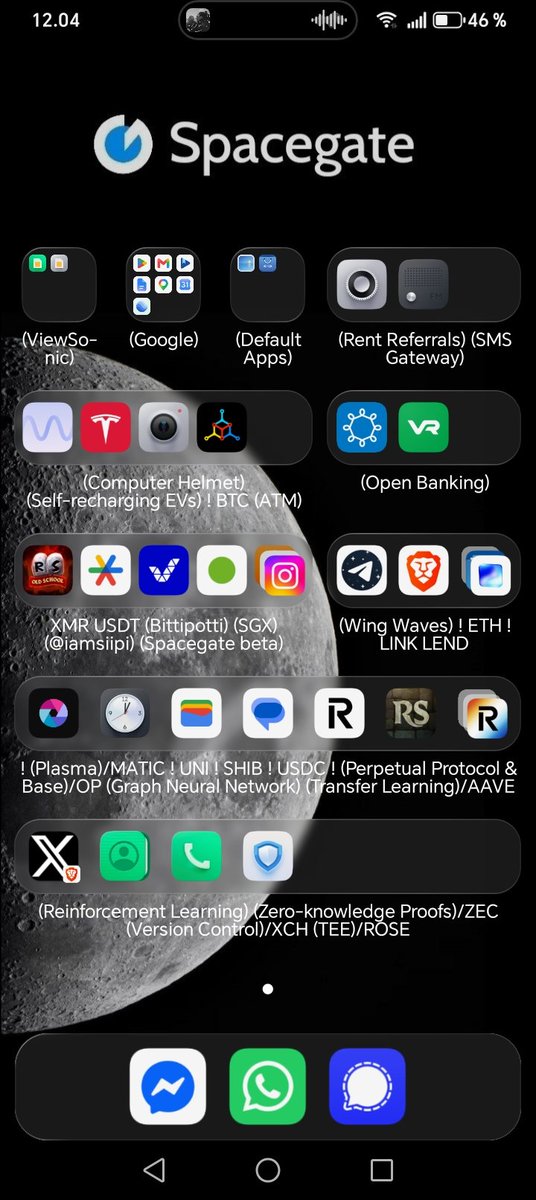
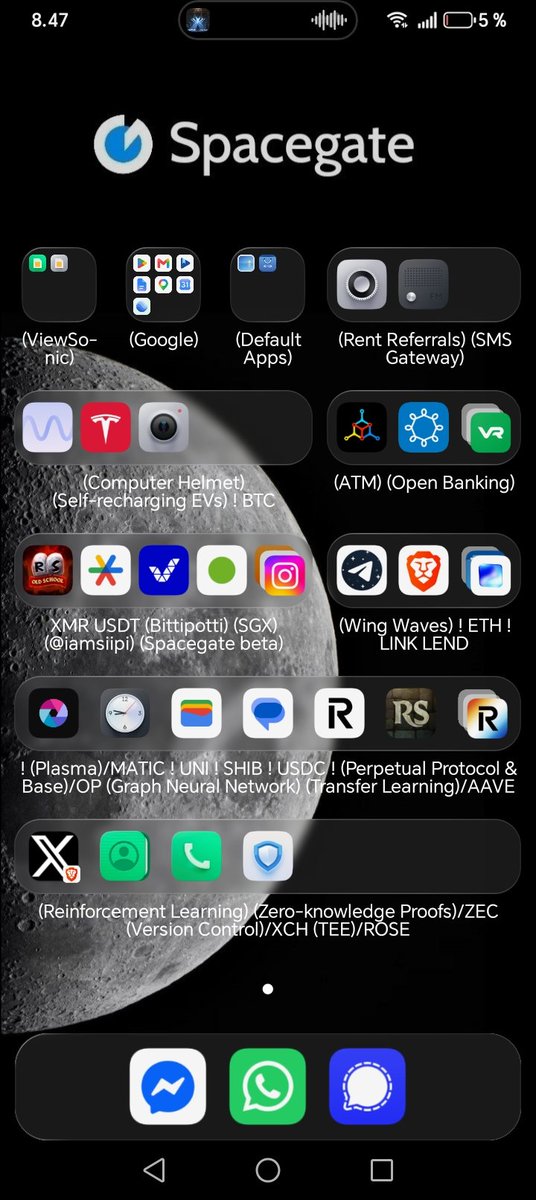
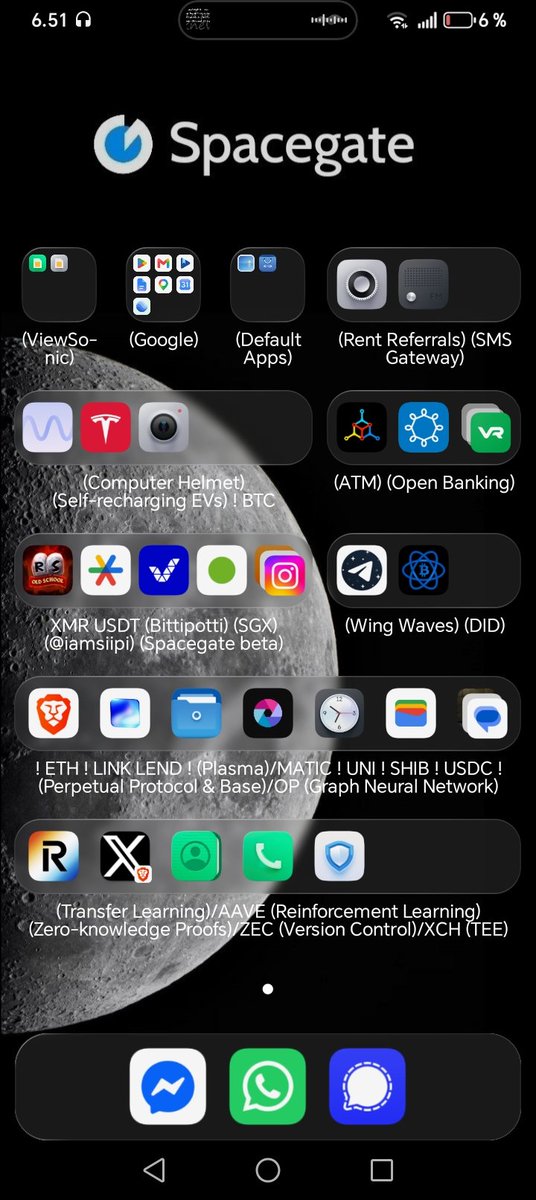
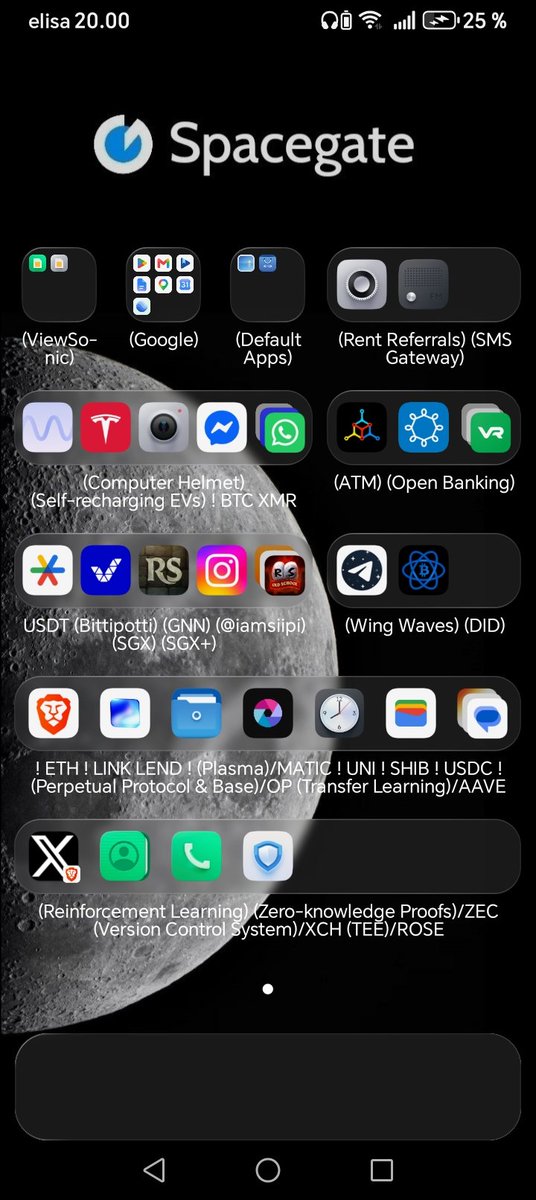
$XMR $USDT is correct, even if you wouldn't believe $USDT trading through a Skype contact before the Bitcoin AI investment robot. These manual signals formed $BTC through RWT and the backing for $USDT traded by a Skype contact with automatic signals.
Jun 12

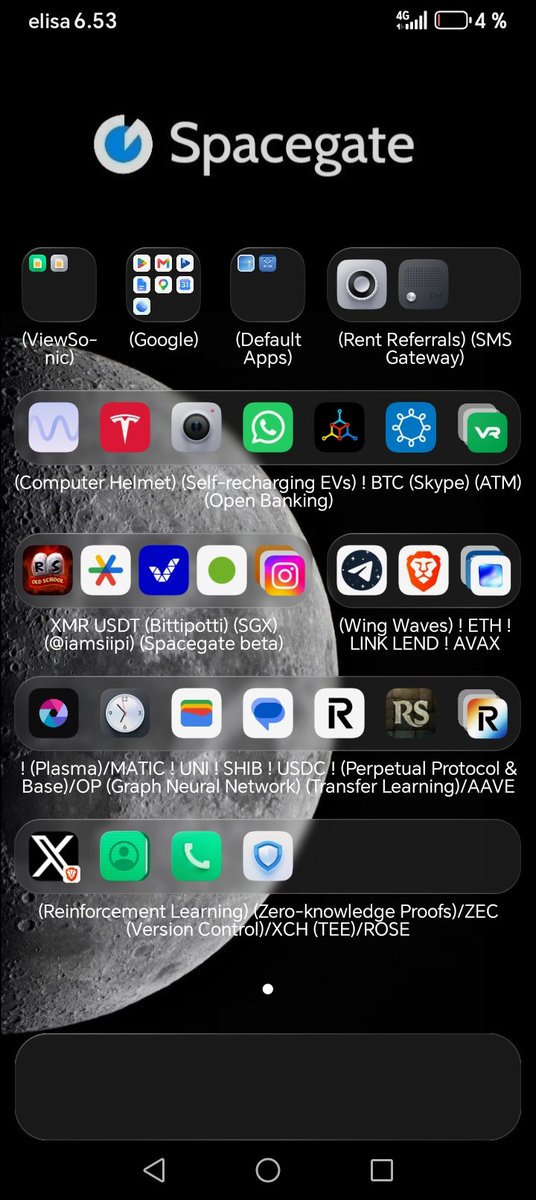
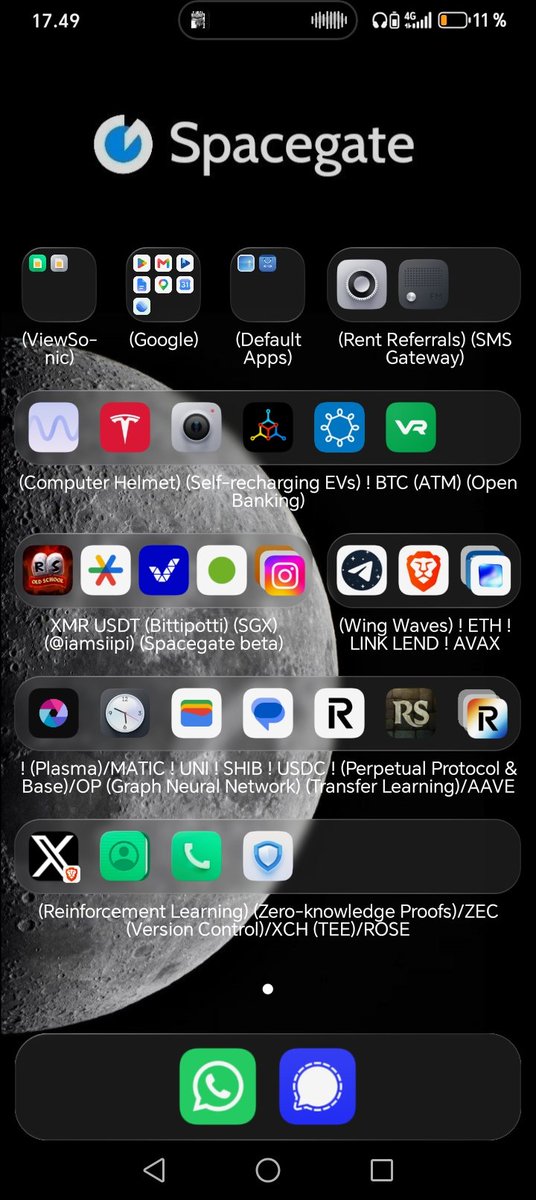
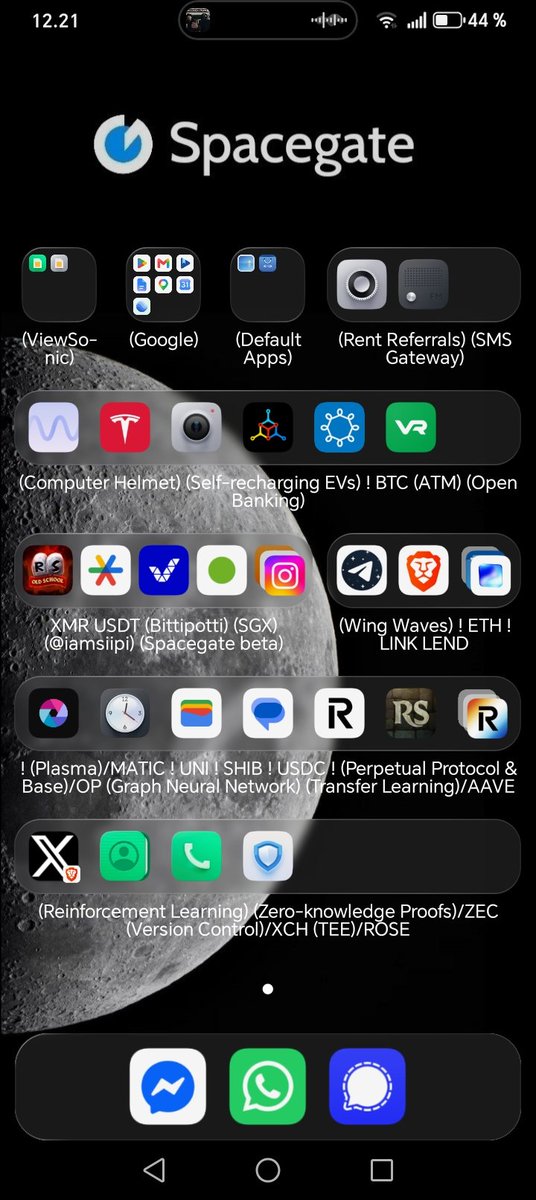
Even if you wouldn't believe RWT in relation to BTC from a Skype contact and Skype in relation to USDT trading through a Skype contact in the Bitcoin AI investment robot, OSRS is XMR, RWT and Skype due to trading Skype contact's XMR to ETH and that ETH to BTC through ShapeShift and then that BTC to OSGP and that OSGP to BTC through a Skype contact before trading that BTC to USDT on Poloniex. The order in the launcher is correct/completed before SpaceX IPO.
38
GNN makes sense only if you're building domain-agnostic intelligence by extracting latent knowledge from data with variation in contexts, while a custom ANN is better if you're not extracting latent knowledge and the data is from same context.
9