
Speculative fiction from a city that remembers too much. Short stories, quotes, urban myths, digital ghosts.
Joined July 2011
- Tweets 49,833
- Following 121
- Followers 1,009
- Likes 5,341
4,205 Photos and videos




Pinned Tweet

Apr 28
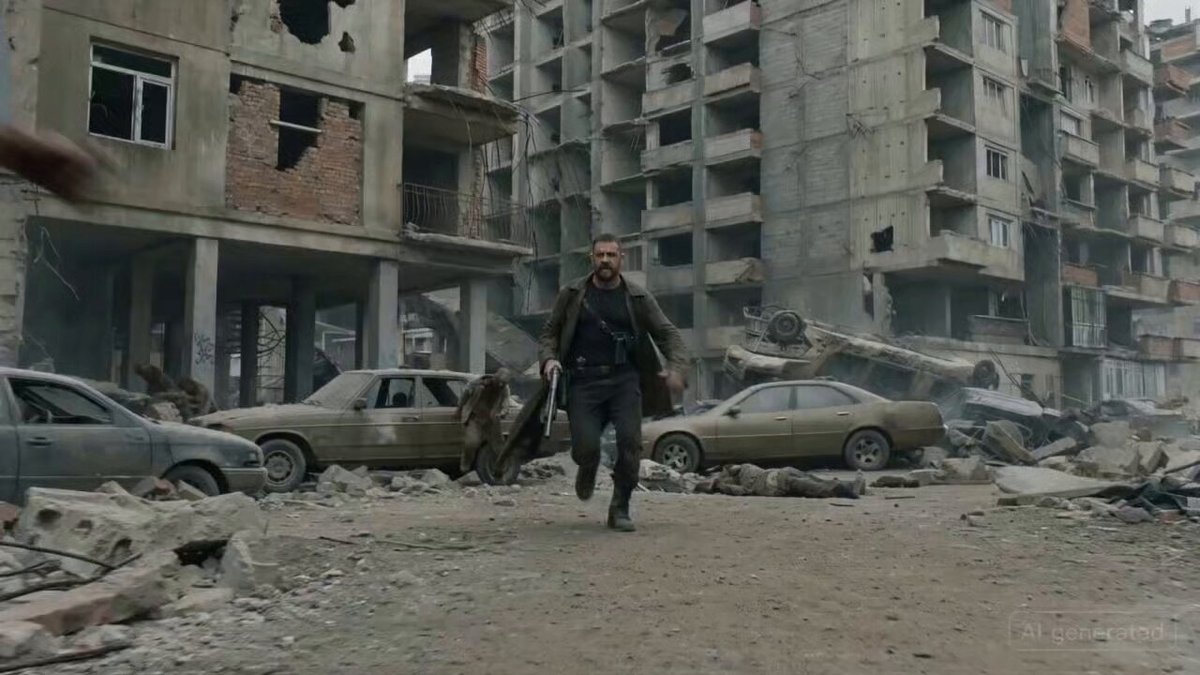
Strange Moscow is a series of dark urban sci-fi stories about memory, lies, machines, bureaucracy, and the small human glitches that survive inside the system.
1
72
We often explain how everything is organized.
But we rarely ask whether anyone can actually use it.
We write reports about being close to people, then hide the right office behind three doors, two security guards, and somebody’s lunch break.
1
1
8
We love order.
But order that cannot be explained to a living person is no longer order.
It is furniture.
8
That evening, they walked home.
Moscow roared, dragged shopping bags, sat in traffic, cursed into phones, bought bread, lost gloves, and pretended everything was under control.
1
33
Nina took Semyon by the arm.
“Don’t you get bored, living like that?”
“Like what?”
“The same way every day.”
Semyon thought about it. He did not think quickly, but he thought finally.
1
11
“I don’t live the same way every day,” he said.
“I start the same way.
After that, the day misbehaves all by itself.”
8
She was a sensible woman.
She had sleep, work, patience, and the habit of telling the truth before breakfast, which in married life is sometimes more dangerous than a remodel.
14
Outside, night was settling in.
In the courtyard, cars sat like fish on the bottom. The dumpsters kept quiet. The windows stayed dark.
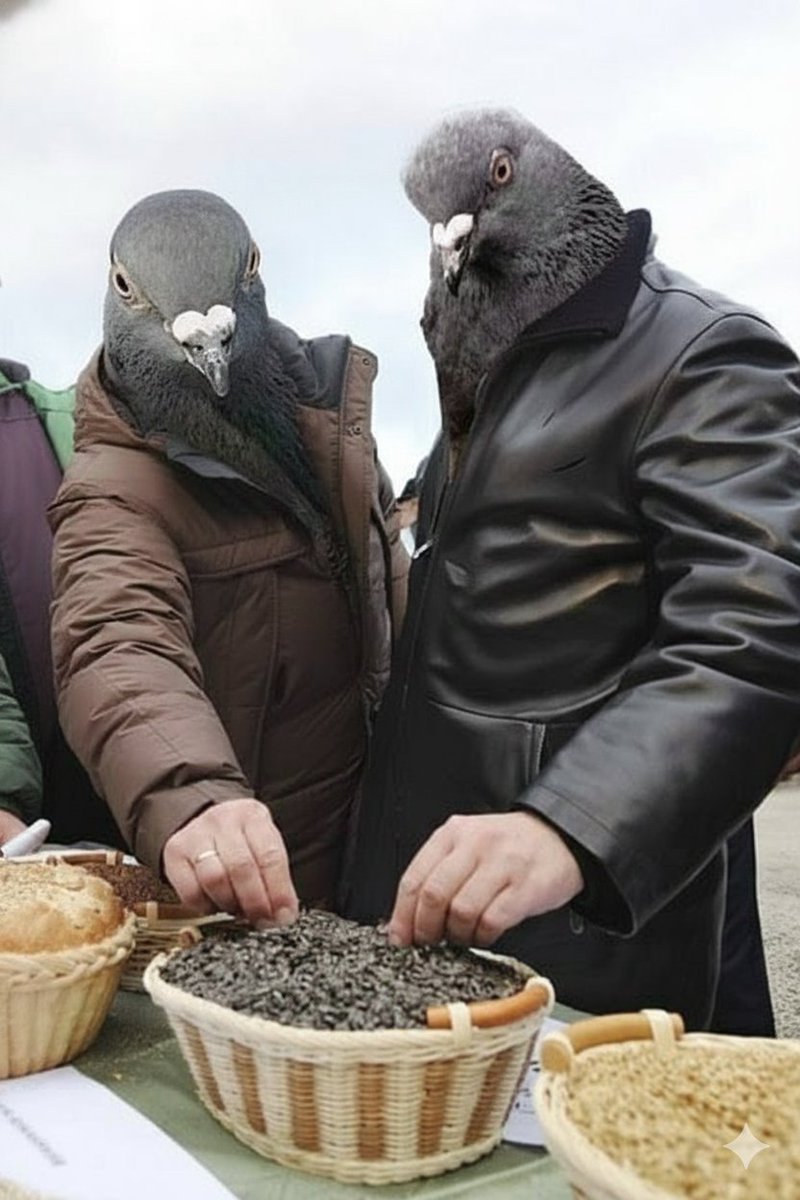
Even the pigeons, those tiny building supers of the sky, had not yet started their shift.
11
When he was young, he believed man to be a tragic animal.
Graduate school taught him otherwise: man was an animal that could be explained.
Divorce supplied the footnote:
only afterward.
9
The Garden Ring crawled in a dense stream of cars.
They moved with such discipline it seemed every driver was thinking the same careful thought:
get there without feeling anything unnecessary.
6
The hallway smelled of expensive cleaning and something electronically fresh, as if they hadn’t just mopped the floor, but laundered a reputation.
9
The cameras politely looked away.
Good cameras do that when the truth ruins the shot.
13
By morning, the city already knew what it wanted from you better than you did.
That was convenient.
1
9
And from convenience, everything else had grown:
soft debts, tender prohibitions, automatic loyalties, personalized enemies, consolation by subscription, and conscience on an installment plan.
8
Lev, whom everyone called Lyova, was an associate professor of microbiology at an institute with a long name, a short budget, and a permanent sign on the door saying “Reorganization in Progress.”
1
132
He had the face of a man who had somehow managed to undersleep, undereat, miss out on a grant, and leave an article unfinished all at the same time.
1
9
At forty-two, he looked thirty-five, provided you were looking from a distance, through fog, and with great affection.
8
Apr 30
In Moscow, no one had asked what you wanted in years.
That was considered archaic now, like handwritten letters or conscience.
Desire was calculated in advance, packaged into a convenient subscription, and delivered faster than it had time to occur.
11
Apr 30
Antonina Petrovna was seventy-three.
She lived alone in Tushino, wore men’s wool socks around the apartment, watched cooking shows with an expression of deep contempt, and believed digitalization had been invented to rob a person of the last human pleasure: slamming a door.
1
81
Apr 30
Of all modern conveniences, she recognized only two:
paying utilities without standing in line, and the ability to check how much sugar cost in different stores.
7
Apr 30
My mother’s kitchen smelled of fried onions, stale tea, and a kind of indestructible domestic endurance.
On the refrigerator hung magnets from cities she had never seen.
1
8
Apr 30
My father promised to take her, then died. Lev promised too, then ran out of time.
All our lives we existed inside a postponed future: in summer, when there was money; next year, when things got easier; later, when all this was over.
1
11
Apr 30
Later never came.
But the magnets kept multiplying, like souvenirs of a freedom that had never quite happened.
11