
We help CEOs build the strategy and leadership required for their next growth curve.
Joined August 2010
- Tweets 288
- Following 214
- Followers 54
- Likes 1
215 Photos and videos

Jun 12
Each of us carries a default lens we use to evaluate a decision. That lens quietly shapes what we notice, what we trust, and what we dismiss. #strategicCEO
Jun 10
A trusted team, cohesive culture, and a room full of people who believe in each other are all great... unless they are working together against good info from the outside: shorturl.at/SR7DU #strategicCEO
1
The drive to execute can become the very thing that holds a business back from its most strategic path. #strategicCEO
3
Many CEOs are great at getting things done. But this do-it-now attitude can often keep leaders from seeing whether or not all that action is action in the right direction: shorturl.at/d5bVO #strategicCEO
1
The biases behind great execution determine not just how you solve problems, but which ones you see. #strategicCEO
3
May 28
As leaders, its easy to fall into time traps — a recurring pattern of activity that pulls you away from more important work.
Naming your time traps, then eliminate them: shorturl.at/g0nzb
6
May 22
Our dominant lens, comprised of our most frequent go-to biases, determines not just how we evaluate problems, but which problems we even register as problems. #strategicCEO
5
May 20
Visionary thinking is a genuine asset — it’s often what built the business.
But the same instinct that scans the horizon makes it harder to stay focused on the ground beneath your feet.
Read on: shorturl.at/kgd5u #strategicCEO
12
May 18
The lens that helped you build your business can eventually narrow what you see. #strategicCEO
2
May 15
Does what you say you deliver still match what the market tells you it receives? If not, it's time to recalibrate. #strategicCEO
2
May 13
One national pizza chain took a look at the gap between what they were promising and what they customers were actually experiencing — and they closed the gap with resounding success: shorturl.at/dDMyb #strategicCEO
5
May 11
Your value proposition isn't a statement. It's a claim. And claims have a shelf life. #strategicCEO
3
Thermostat leadership works differently. It doesn’t ignore the environment. It asks: What does this moment require from me? #strategicCEO
1
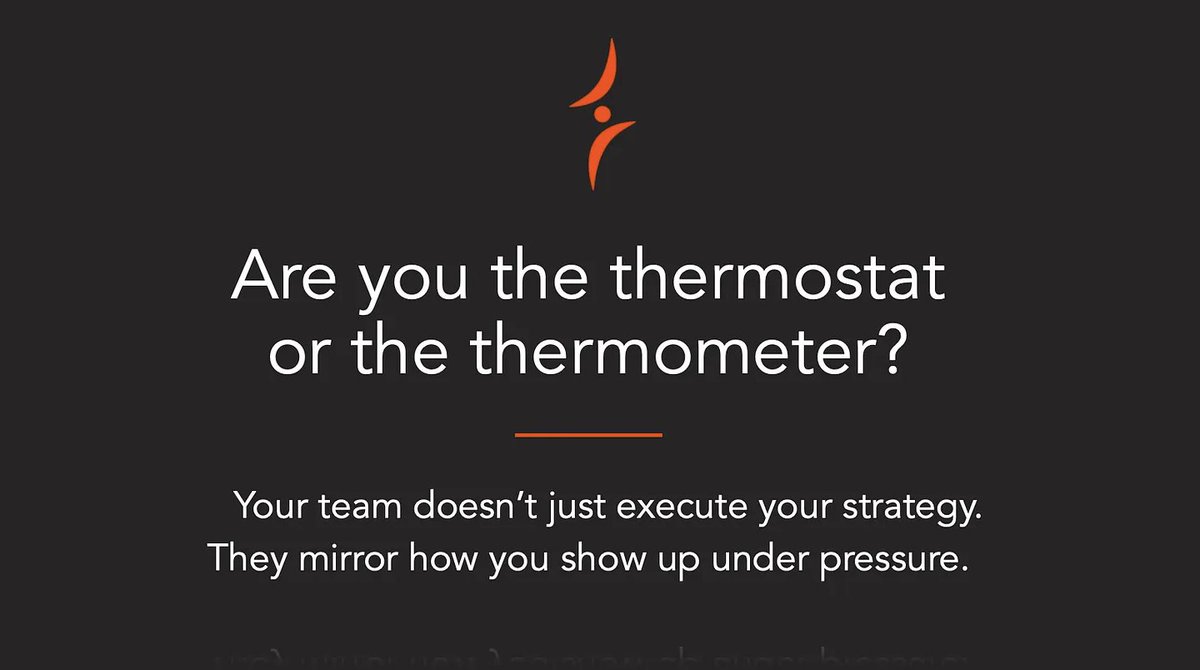
Do you act like a thermostat in your business, or more like a thermometer that swings wildly with each new breeze?
Move from taking the temperature of your business to setting the temperature goal for everyone to work toward: shorturl.at/ZmISN #strategicCEO
4
Your team doesn’t just execute your strategy. They mirror how you show up under pressure. #strategicCEO
3
If you removed urgency as the selection criterion, would your current problem list look the same? #strategicCEO
1
Apr 29
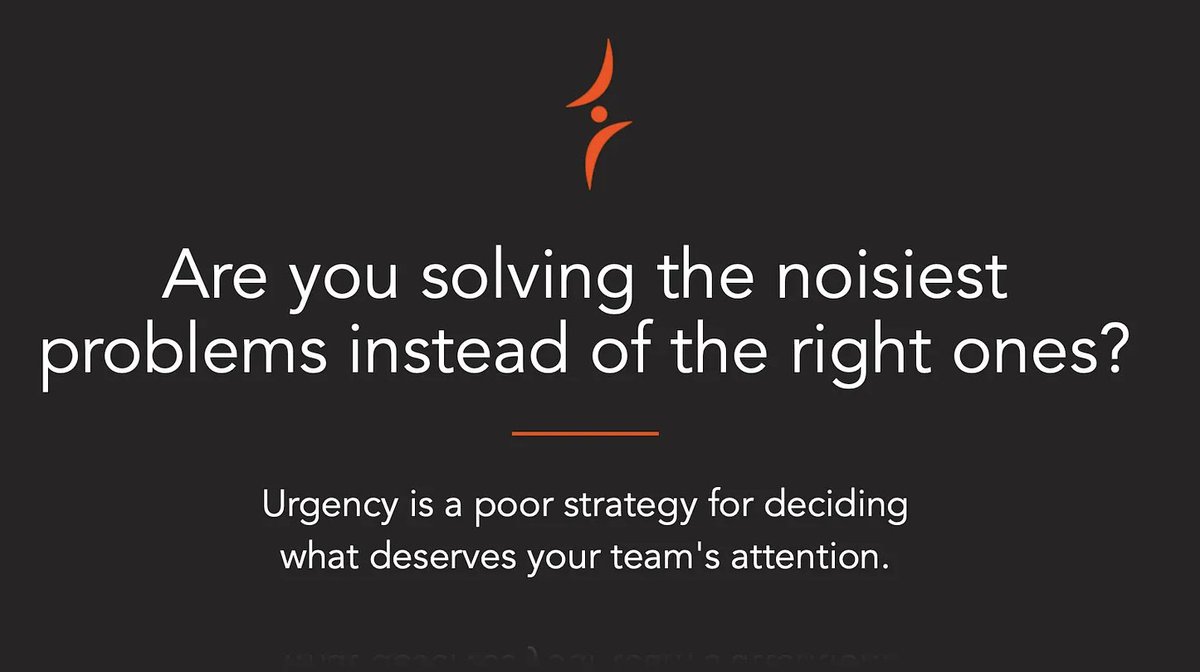
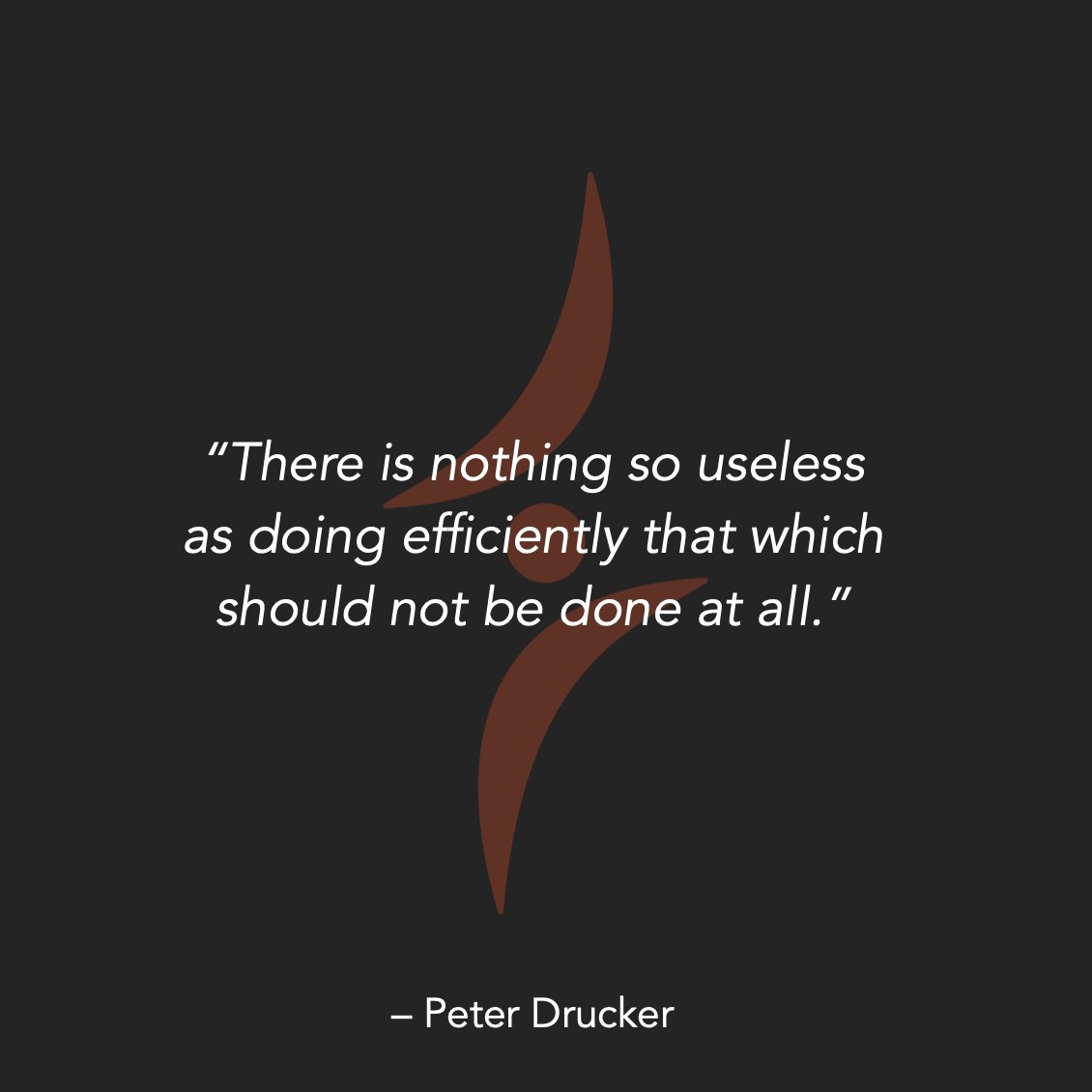
Business leaders are so well versed in solving problems that they rarely even think about *which* problems deserve to be solved in the first place: shorturl.at/kJ92w #strategicCEO
1
Apr 24
If a CEO uses meetings mainly for updates, firefighting, and short-term issues, the organization learns that execution is what matters most. #strategicCEO
1