Joined November 2016
- Tweets 2,203
- Following 586
- Followers 302
- Likes 14,621
198 Photos and videos












mtc933.eth retweeted

3 Apr 2025
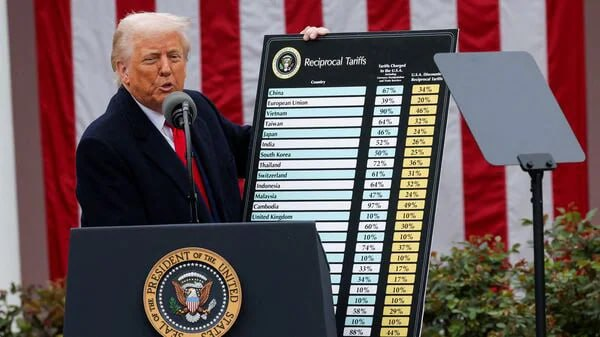
Trump’s new tariffs aren’t a trade tweak—they’re the first move in a full-spectrum reset.
$9.2T in debt matures in 2025. Inflation lingers. Alliances are shifting.
One announcement just set a dozen wheels in motion.
Here’s what’s really happening—and why it matters 🧵
3,688
17,563
84,849
24,502,596
mtc933.eth retweeted

25 Mar 2025
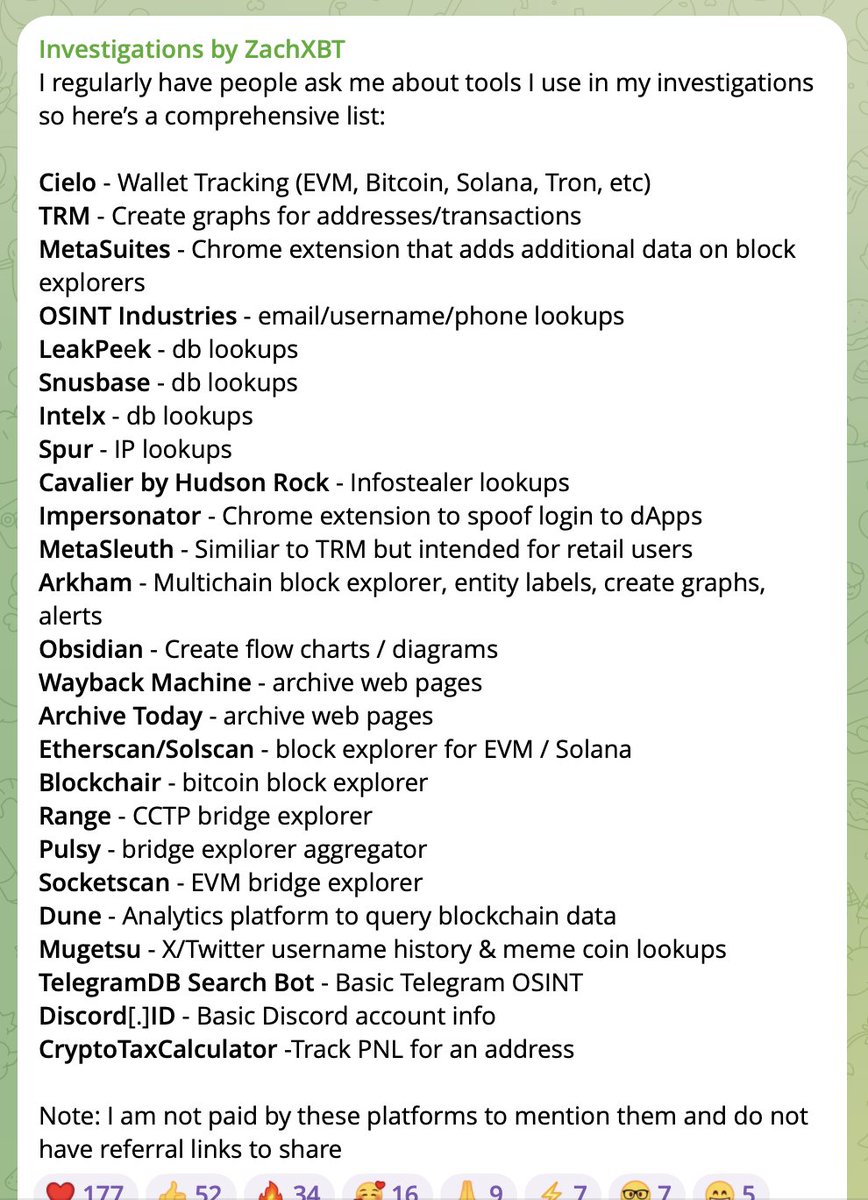
for anyone interested in blockchain analytics and catching onchain crime
@zachxbt just published a huge list of tools he uses
103
522
4,482
500,756
mtc933.eth retweeted

10 Mar 2025
232
150
1,852
211,780

This is the wildest Grok 3 prompt I've ever used
It can literally build you a business in one prompt
Grok will research your audience, their challenges, then give you ideas for apps to build. If you take action on this post you'll have your own business
BOOKMARK THIS
Prompt:
(using DeepSearch mode)
"I am looking to build a business through my X. I have very little programming experience but I want to build an app. Generate a comprehensive business plan for an AI-powered app in [your area of interest], including:
• Market analysis: Uncover key trends and opportunities in your chosen field.
• Target audience identification: Define who your users are and what they need.
• Key challenges faced by the audience: Pinpoint the biggest problems they’re facing.
• Three innovative app ideas: Propose unique solutions that leverage AI (like machine learning, natural language processing, or computer vision) to tackle these challenges in ways no one’s seen before.
• Evaluation and selection: Assess each idea based on market potential, feasibility, and wow-factor, then pick the standout winner.
• Detailed business model and monetization strategy: Map out how your app will make money—think subscriptions, in-app purchases, or AI-driven upsells.
• Launch plan with key milestones: Get a step-by-step roadmap to bring your app to life, from prototype to market domination.
• A marketing campaign I can launch though my X using posts/Spaces/ and livestreams
Then give me a very detailed step by step plan for the software I need to build this plus the skills I need to build this. Make it STUPID simple for me to build this business. Make it built for beginners"
PLUG THIS INTO GROK AND WATCH THE MAGIC HAPPEN
99
157
2,015
248,804
mtc933.eth retweeted

28 Feb 2025
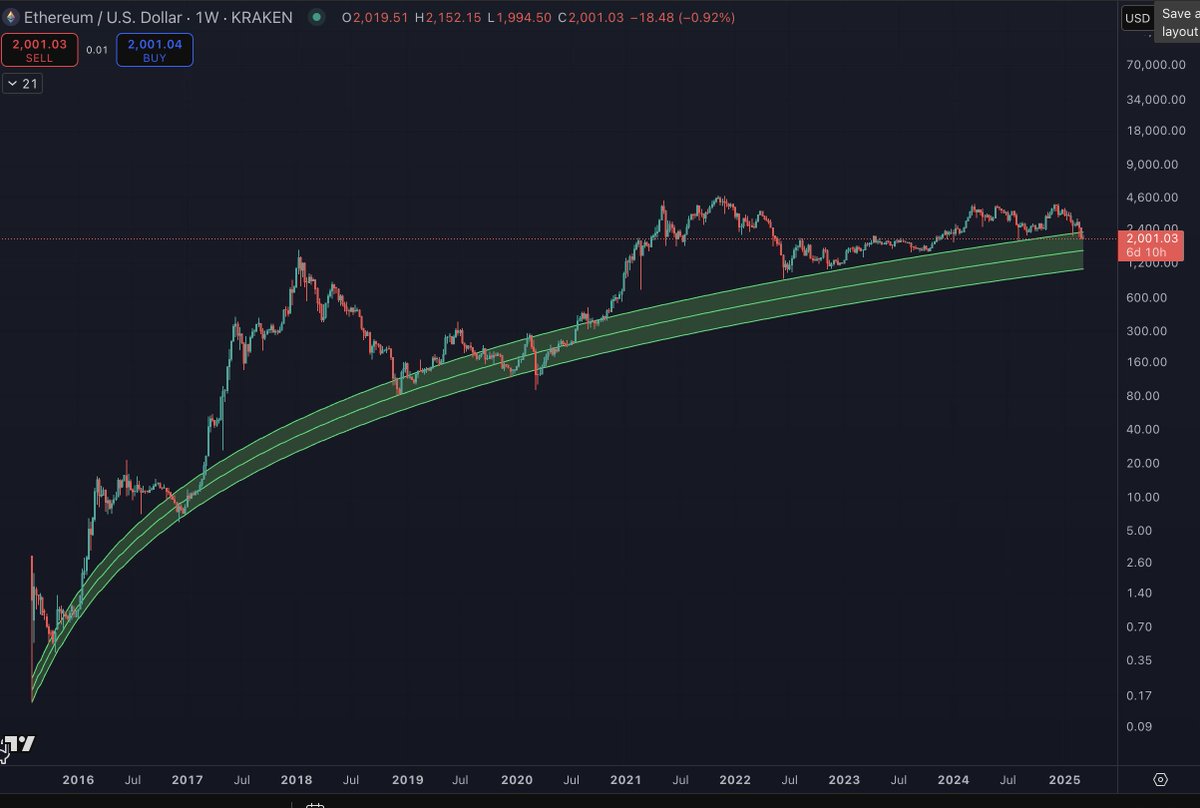
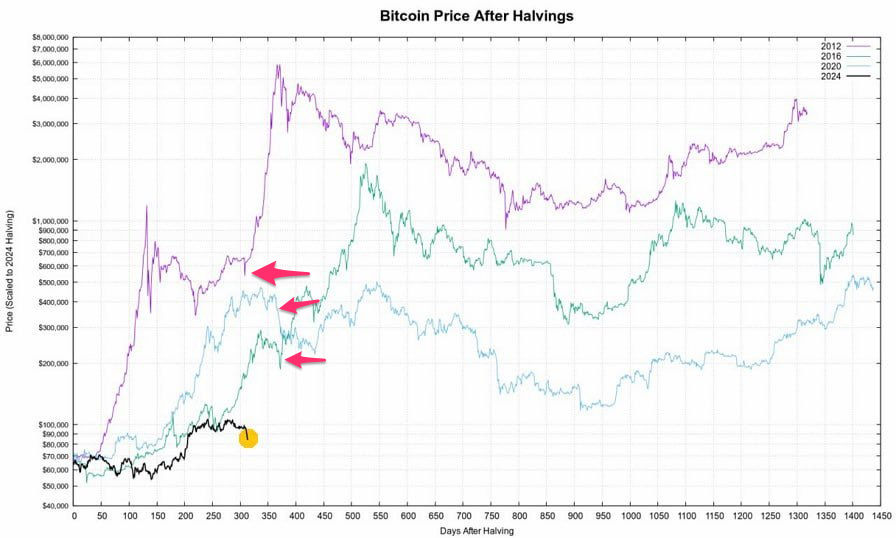
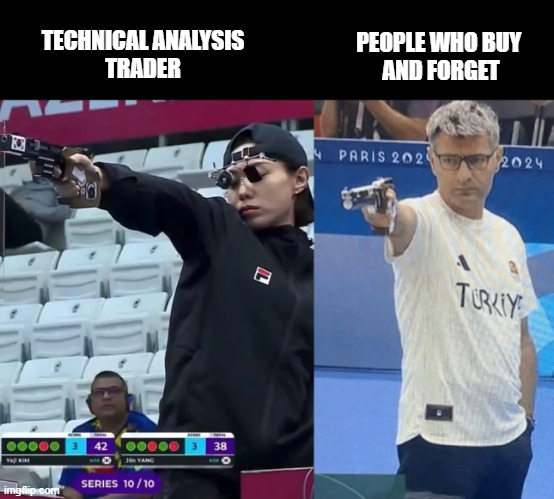
I don't know how to read charts, but ... 😂
1,229
1,193
12,064
781,173
mtc933.eth retweeted
19 Jan 2025
If there is a multiverse, I wonder how many different universes reach the point where this is a sentence people understand
18 Jan 2025

128
158
2,746
247,344
mtc933.eth retweeted

8 Dec 2024
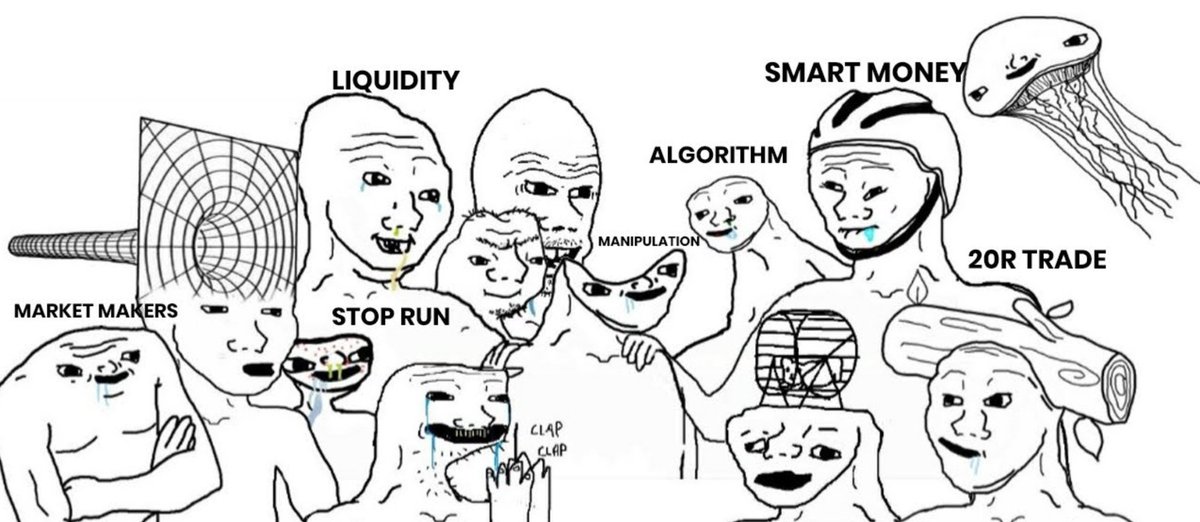
It hit me that most people don’t really understand what’s happening inside the candlesticks;
how gaps are created, why price jumps the way it does, and why it eventually comes back to certain levels.
Alright, let me break this down for you: 👇🧵
How Liquidity Works in the Order Book:
The order book is a "digital ledger" containing buy (bid) and sell (ask) orders placed by traders. These orders are organized by price levels. When price moves, it matches market orders (aggressive trades) against the limit orders sitting in the book. If a large buy order hits, it "eats through" the asks (sell orders) at each price level until it runs out of liquidity, causing the price to jump.
What Happens During a Fast Move:
Liquidity Voids:
If the momentum is strong (like a pump), there are fewer limit orders at certain price levels, or they get consumed faster than new ones can replace them. This leaves "gaps" where little to no trading happens. These gaps are what we call price inefficiencies.
Spread Impact:
When liquidity is thin, the spread between bids and asks widens. This creates a vacuum effect where price moves faster and skips over intermediate levels.
How the Market Fills the Gap
Market Makers’ Role:
Market makers are algorithms or traders that provide liquidity by placing both buy and sell orders. When price moves too far, too fast, market makers step in to stabilize the order book by placing new orders in those gaps.
Arbitrageurs’ Role:
Arbitrage traders look for discrepancies in price across exchanges or assets. They exploit these inefficiencies, buying or selling at the gap levels, which brings more volume and liquidity to those areas.
Self-Correcting Order Flow:
The market has a self-balancing mechanism where traders, algorithms, and institutions naturally refill the order book. Gaps attract activity because they represent an imbalance, more buyers or sellers are drawn to those levels as they try to profit from the inefficiency.
Back-End Infrastructure Mechanics:
Matching Engines:
Every exchange runs on a matching engine, which pairs buy and sell orders. During fast moves, the engine prioritizes market orders (trades executed at the best available price) over limit orders. When market orders dominate, gaps appear because the engine has no orders to match in those zones.
Order Queue Dynamics:
As price "calms down", new orders enter the queue, slowly rebuilding liquidity in the skipped areas. This causes price to naturally drift back and "fill" the inefficiency.
So on the backend, it’s the matching engines, the order book dynamics, and the role of market makers/arbitrageurs that explain why price inefficiencies happen and how they get filled.
It’s all about liquidity imbalance and the system’s natural drive to restore equilibrium.
20
33
236
23,923
mtc933.eth retweeted

6 Aug 2024
Grab a cup of coffee, you won't want to miss this
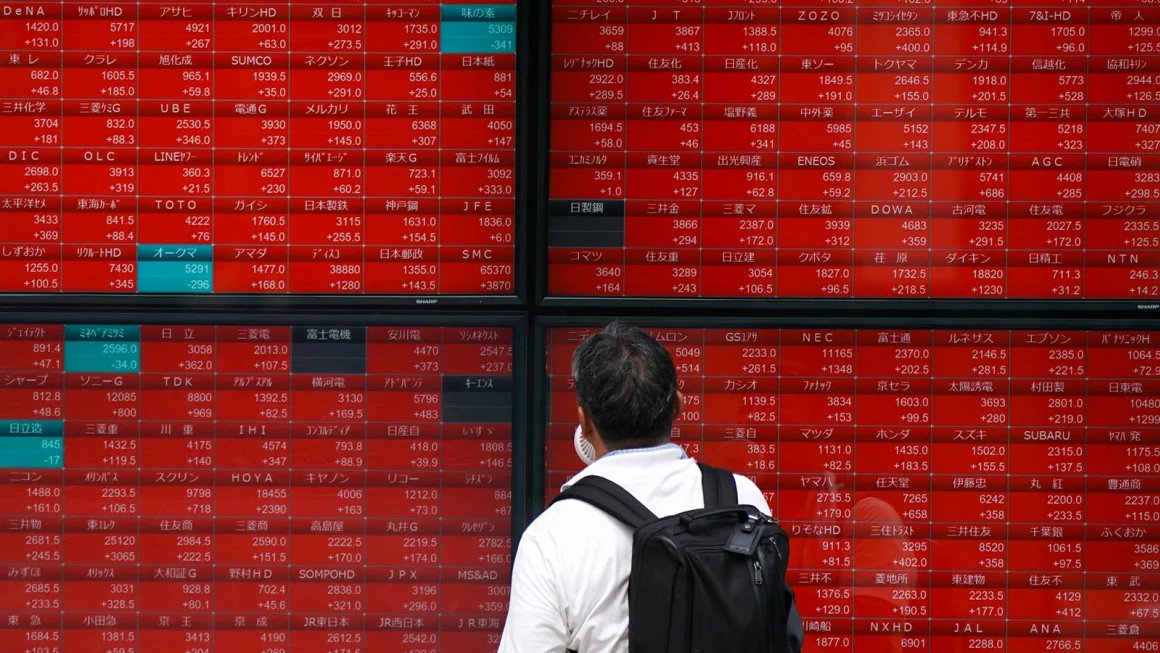
Many are speculating that this week's sell off in the market is due to Bank of Japan's unexpected large interest rate hike which led to a massive unwinding of the yen carry trade
Let's breakdown exactly happened 🧵:
138
1,293
7,737
2,274,996

mtc933.eth retweeted

29 Jul 2024
Just in: US Debt officially passed $35 TRILLION Dollars
Warren Buffett's had an idea on how to fix this
"Any time there's a deficit of 3% of GDP, all sitting members of congress are ineligible for reelection"
142
1,714
12,145
945,175
mtc933.eth retweeted

28 Jun 2024
Trump just released a brutal 95 second ad of Joe Biden's debate lowlights:
4,040
31,057
170,744
25,178,766
mtc933.eth retweeted

27 Jun 2024
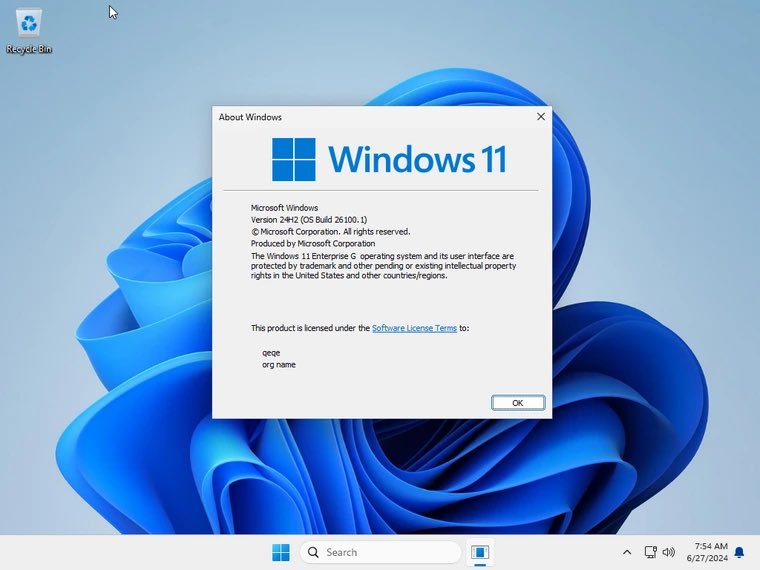
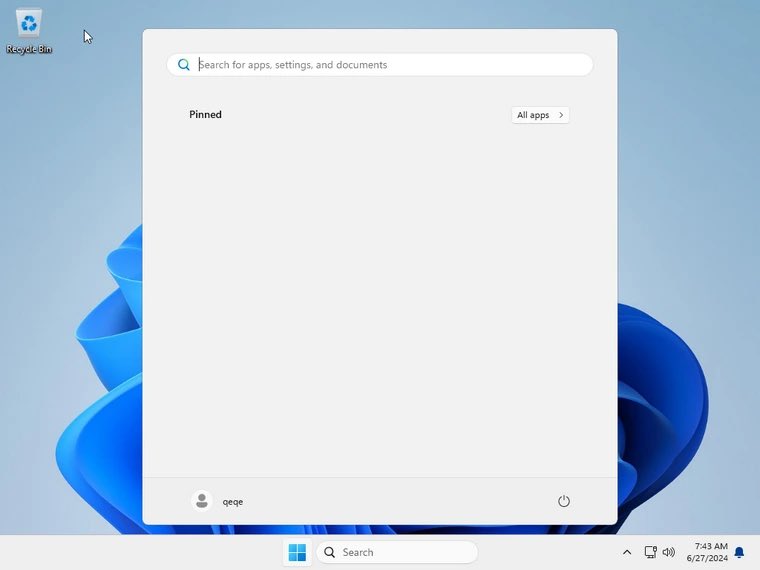
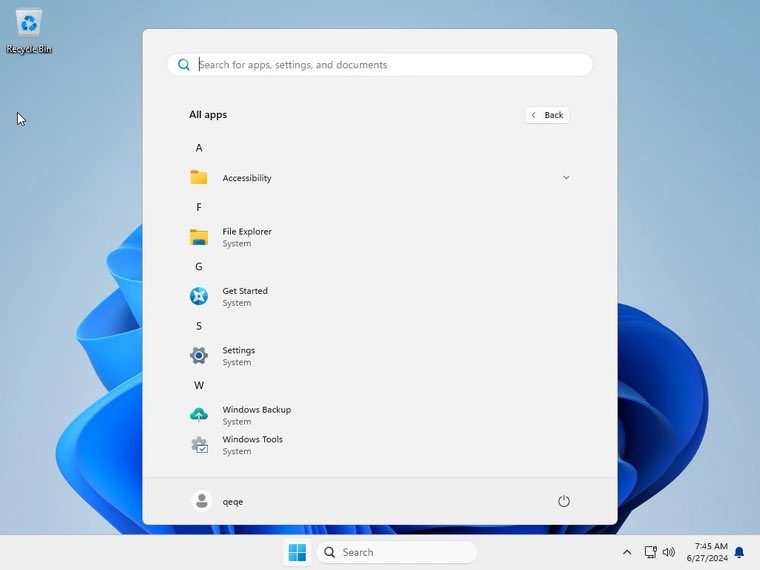
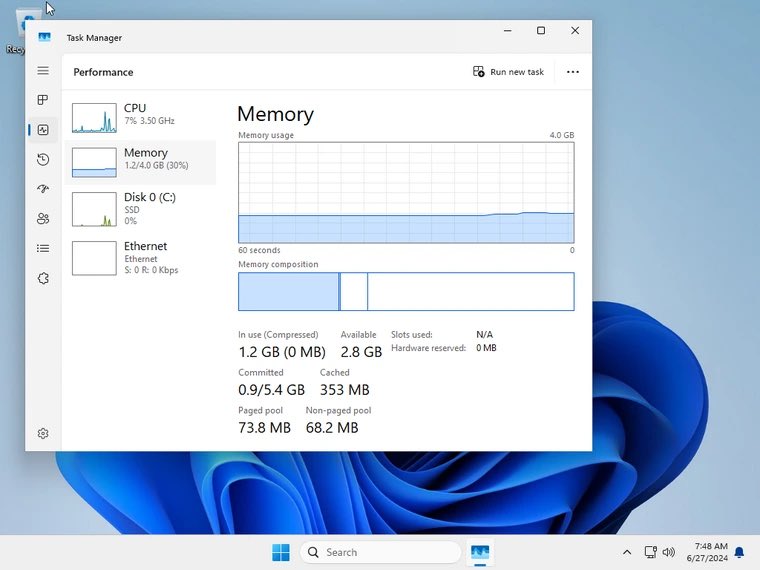
Here is Windows Government edition. Version of Windows maximally debloated by Microsoft, with all telemetry and microsoft apps removed and without restrictions for hardware present in Retail version
300
1,125
16,613
1,333,732
mtc933.eth retweeted

16 Dec 2023
New vid : Comment "1" below. 1 will win a $4500 NEO Tokyo s2. 3 get $500 (Must like follow n share)
The most important thing this bull run is SELLING with MAX profit. This vid will SAVE your gains and show you how get out at the right time.
youtube.com/watch?v=m5jRsCQf…
9,625
4,518
5,375
392,621
mtc933.eth retweeted

27 Oct 2023
How to launch a Memecoin in 30 seconds with Metadrop
Create your own coin in just a few clicks here: metadrop.com/launch
I’ve also joined @metadropmeta to lead biz dev!
Thread to follow with our features!
90
133
657
262,999
mtc933.eth retweeted

12 Dec 2023
Bitcoin slowing down = ALT SEASON
This is where millions are made
Here are my top 10 step by step guides for maxxing your $$$ before Christmas
Let's get this 🍞
391
290
2,306
545,235
mtc933.eth retweeted

13 Dec 2023
Ok guys, comment "IT'S TIME"
One winner will receive an Impostors Genesis Alien (worth $1200)
And One winner will receive 100 $BYTES (worth $1500)
WATCH / LIKE / FOLLOW / SHARE / BELL ON
Just published my 2024 Crypto Portfolio, I cover 38 projects that I'm holding and believe in for this cycle
This is NOT your average YouTube video, it's a 46 minute monster
Context MATTERS here...
- The FED Just announced their war on risk assets is over
- We're coming into an election year halving year...
CRYPTO HAS NEVER HAD THIS GOOD OF A BACKDROP
youtu.be/openhM5Gurs
3,503
2,044
3,568
260,206
mtc933.eth retweeted
30 Nov 2023
New vid : Comment "PRE RICH" below to enter
ONE will win a $1200 Impostors Genesis Alien
MUST LIKE FOLLOW SHARE
This is a complete guide to getting crypto rich, most people will fuck up by expecting it to happen too fast, going all in on too few coins, or simply not having an exit plan
My goal with this video is to be an ULTIMATE GUIDE... to not fucking this up
youtu.be/IJUlc7p65Xk
1,930
1,536
2,292
172,445
mtc933.eth retweeted

23 Nov 2023
The Fastest #Web3 Browser - Decentralized - AdBlock - 100% Privacy - Multichain Wallet 🔥
$CSIX - @trycarbonio
A quick dive to give insight as to why I’m holding $CSIX for the upcoming bull run 🤝
A thread 🧵 (1/8)

20
37
123
31,253
mtc933.eth retweeted
28 Nov 2023
The Gaming Scams Are Back (Short IMPORTANT Thread...Like & Share...Its important)
Last bull run, myself and E pointed out MANY projects that were just thrown together Unity Asset Store assets.
What is this? In short in Unreal/Unity (the two most popular engines) you can buy pre made assets, code, entire games, environments, graphics etc.
For example I could put buy an ENTIRE Fortnite "clone" game template in the store, swap out a few models, import a pre made map and create FULLY playable gameplay vids.
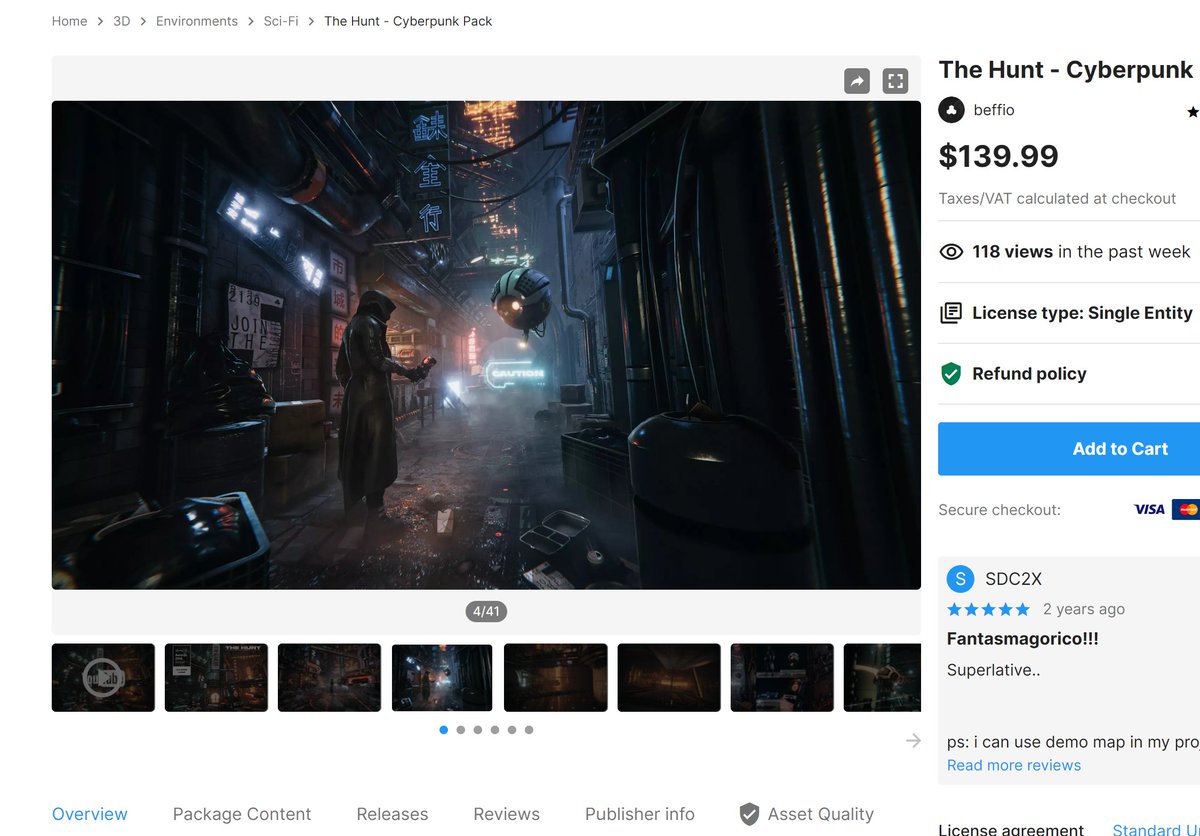
For example the screen below is a cyberpunk template that would let me create Cyberpunk gameplay just like the image below in a few hours.
Using temporary assets or premade code is extremely common. For example in a first person shooter the way the character moves (aka the controller) and the ammo/basic systems are usually pre built.
This is not what I am referring to. I am talking about planting in ENTIRE code/asset packs, mixing them together, then claiming you are making a crypto game.
Below is also a game I developed as a solo dev for fun in 30 days. While its not amazing, you can see just how much can be created by just 1 guy and a PC.
I have unique assets, sound, levels, enemies, weapons, a gameplay loop etc as a hobbyist.
This is why I laugh at a lot of the games that are starting to be pitched to me. They do not even have a working loop or unique assets after raising millions n claiming to be going AAA.
Half the time I can do a quick search and see it's entirely pre-made pre-existing code slapped together garbage.
I pointed this out last year about a project that was ENTIRELY pre made assets, now I hear people cannot exit the coins they bought pre-sale.
Why is this bad?
95% of game investors (and influencers) have no dev experience.
I see people on CT and investors pushing projects that are literally just 2 dude slapping together premade assets.
And then the coins PAMP...usually with really crafty tokenomics that hurt retail investors.
My Point :
Do not under estimate the level of garbage/BS that will not just enter the space, but also be PUSHED by "experts" and shilled.
I am already seeing this start to pop back up, it will get 100x worse in a real bull run.
Learn how games are made or at least learn how to spot crappy development/pre made code being slapped together.
Good looking gameplay is REALLY easy to create. I'm talking 2 hours casually in a afternoon easy.
Be vigilant. There is MASSIVE incentive to create & shill utter dog 💩in gaming.
Those that can't tell the difference will end up as massive bag holders as they should be. This is the pinnacle of not doing research.
145
322
1,563
278,124