Specialists for D2C business models and Experts on sustainability of DM/SLM/MLM compensation plans worldwide.
Joined September 2008
- Tweets 241
- Following 118
- Followers 438
- Likes 283
165 Photos and videos
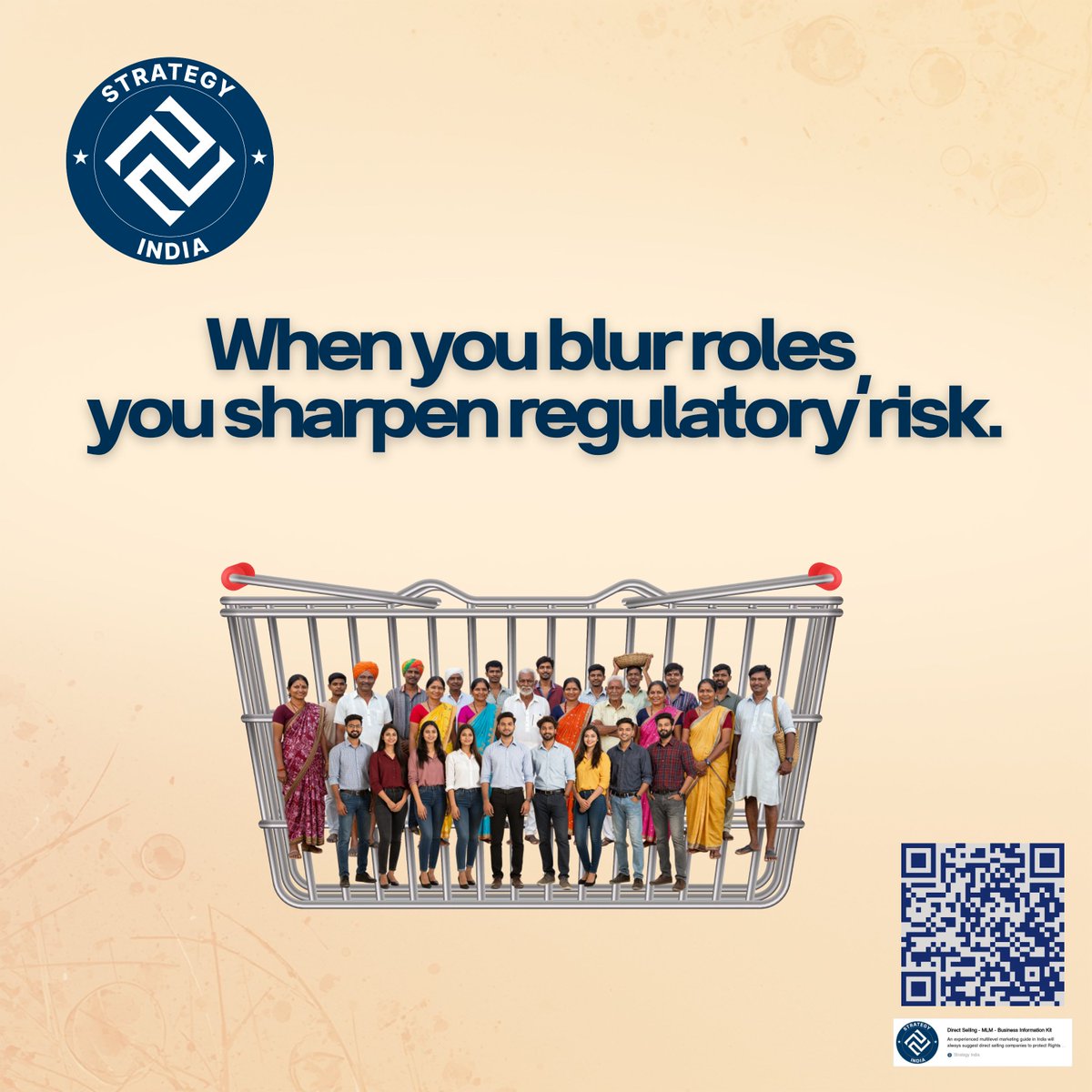



“Free joining” in direct selling seems modern and customer-friendly.
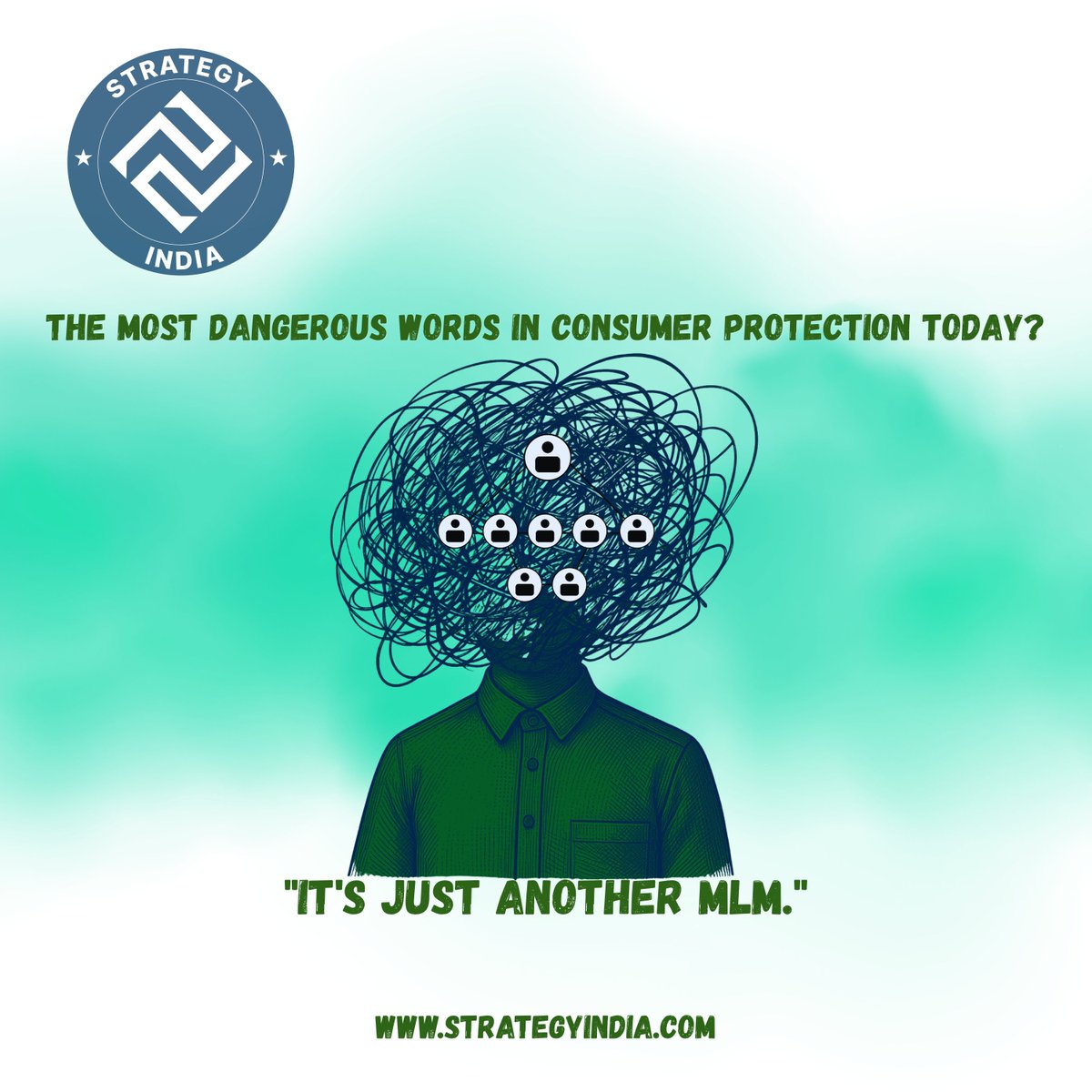
In practice, it can nudge a company toward being seen as a pyramid.
When joining is free, and almost everyone is prospected as a “direct seller,” the practical distinction between a consumer and a direct seller is lost: both appear identical in the records.
Headline numbers look impressive, but the facts begin to resemble a recruitment chain rather than a retail-focused model.
In an audit, #regulators don’t listen to intent.
Regulators look at data.
If nearly all buyers are marked as hashtag#directsellers and very few are seen as customers, it becomes much easier to argue that the real product is the opportunity, not the goods.
This is why, in 2012, Strategy India recommended a different approach: offer a low-cost, non-commissionable Business Information Kit as an entry point. Clearly document #customers and direct sellers.
Define rights, duties, and refund or cooling-off terms.
The logic was simple:
1️⃣ Provide new joiners with standard literature so they share facts accurately.
2️⃣ Don’t exaggerate “direct seller” counts to show scale.
3️⃣ Build documentation that clearly distinguishes between a genuine customer and someone joining as a business builder.
Free joining is not automatically bad.
But free joining without structural hashtag#safeguards:
⚫️ Blurs roles
⚫️ Weakens your legal defence
⚫️ Strengthens the narrative that “everyone is in the chain”
Strategy India’s stance since 2012 has been clear. If you want the benefits of a direct-selling model and a retail-focused legal position, you must design, not improvise, the line between the customer and the direct seller.
That design choice can make all the difference. It can mean being seen as a compliant direct-selling entity or being re-labelled as 'one more hashtag#pyramid' when it truly matters.
#directselling vs #pyramidschemes and #ponzischemes #mlm
1
20
Classification should precede regulation, #compliance efforts, or prosecution.
The initial question about #multilevelmarketing (MLM) operations typically concerns their legality.
This approach is similar to judging a vehicle's safety only by its exterior.
Strategy India classifies #MLM operations across four dimensions prior to advising regulators or companies.
⓵ The first dimension examines the nature of the product or service being offered.
This includes determining whether the operation involves physical goods, digital products, services, or merely a promise of returns presented as an opportunity.
⓶ The second dimension assesses the financial sustainability of the MLM compensation plan structure.
This involves evaluating whether payouts can be maintained without continuous recruitment or if the model collapses when recruitment/investment declines.
⓷ The third dimension assesses compliance with regulations through actual business practices rather than just documentation. Any mismatch may increase vulnerability.
⓸ The fourth dimension distinguishes between a valid business and one centred on recruitment. Sustainable revenue should come mainly from customer sales. If recruitment and up-front purchases dominate revenue, the operation is classified as a #pyramidscheme.
An organisation may offer legal products while operating an mathematically unsustainable model. Apparent compliance does not ensure practical viability for the participants.
For these reasons, Strategy India urges all stakeholders to prioritise comprehensive classification before making regulatory, compliance, or business decisions. Take informed action based on rigorous analysis.
Acting without an accurate diagnosis risks ineffective solutions that may lead to significant losses of credibility and capital. Ensure classification is your first step.
Reach out to Strategy India: Research, Analysis, and Compliance on info@strategyindia.com for evaluation during the PE stage.
#legal #directselling #networkmarketing #india #PonziScheme
2
34
In #India, most “sales problems” in direct selling MLM are actually #stocking problems due to #frontloading and #minimum monthly purchases.
Too many MLM models still look healthy only when direct sellers keep buying, not when real customers keep using.
At Strategy India, we see this pattern repeatedly when we audit plans and data:
· inventory sitting in homes instead of moving through genuine retail,
· incentives that quietly reward “qualification stock” over real demand,
· dashboards that track ranks and payouts, but can’t answer a basic question:
“Who actually uses our products, and how often?”
This is not just a compliance issue. It’s a business logic issue and a systems issue.
Going ahead, the models that will survive and earn respect will be built on three shifts:
1️⃣ From stocking to consumption
Design so a sensible direct seller can grow without over‑buying. Make success possible on realistic, customer‑driven volume.
2️⃣ From volume obsession to customer health
Measure and manage repeat orders, product usage and complaint trends as core KPIs, not just internal PV at month‑end.
3️⃣ From guesswork to data‑honest, tech‑enabled decisions
Use your systems (and AI where it adds value) to flag:
· volume driven only by internal purchases,
· pockets of inventory stress,
· and behaviours that drift into “income‑dream” territory early, not after a crisis.
At Strategy India, this is the work we do with serious companies:
Align business logic, legal expectations and tech so that growth is genuinely customer‑driven, data‑honest and defensible.
The next decade in Indian direct selling will belong to companies that treat direct sellers as partners in retail, not as warehouses in disguise.
If you lead a direct selling company and want to know whether your growth is truly customer‑led or quietly stock-led, comment “CUSTOMER FIRST” or send us a message.
We can walk you through a focused set of checks that reveal where your model stands today and what needs to change for it to work tomorrow.
#avoid #becoming #pyramid #scheme
1
68
Addressing symptoms without tackling root causes is ineffective.
🇮🇳 India targets visible #MLMs but overlooks critical legal, incentive, and enforcement issues. Increased raids and new regulations create only an appearance of progress without meaningful outcomes.
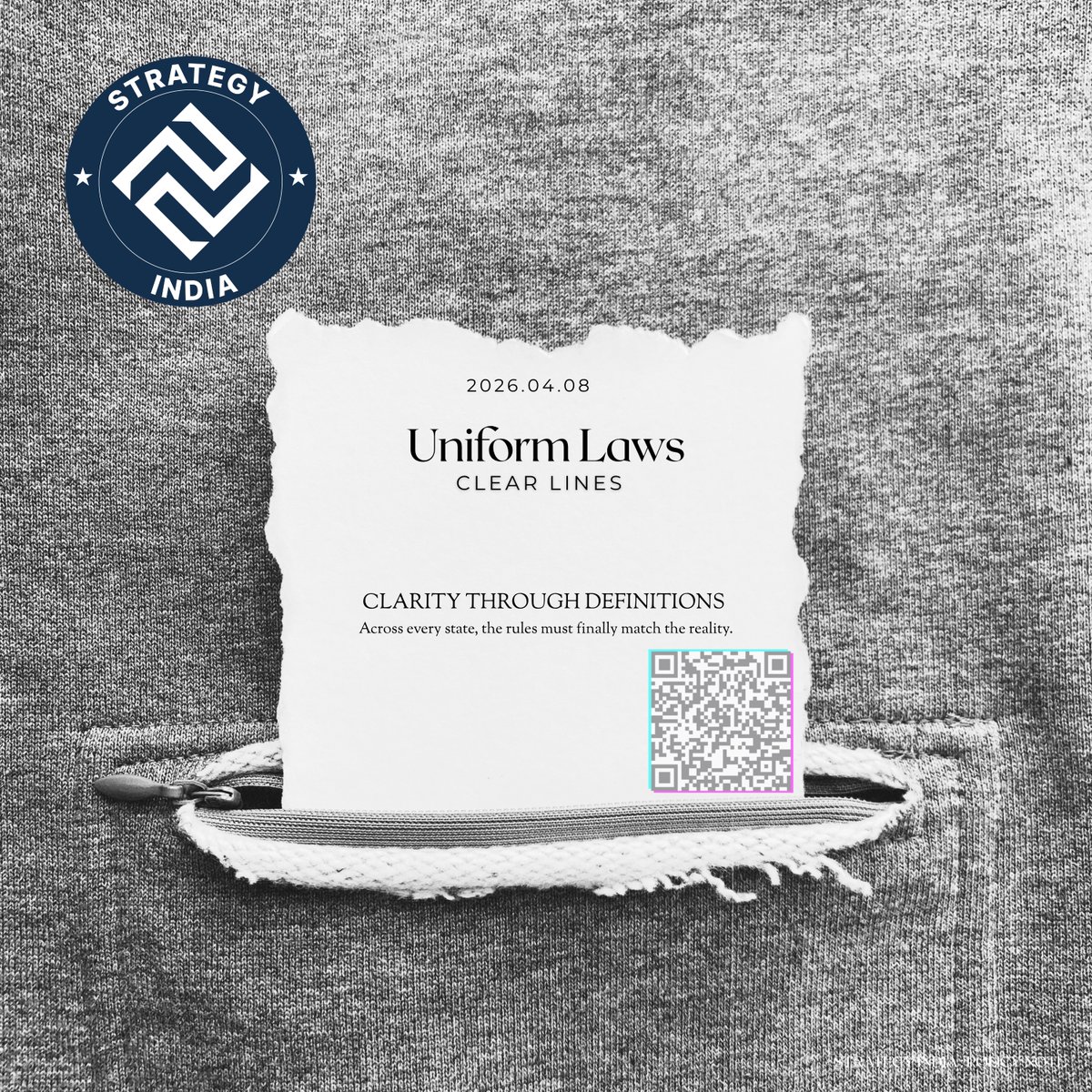
State authorities use identical terms such as “scheme,” “member,” and “agent” for both direct selling MLM and #Ponzi-MLM networks, despite key distinctions between these models. This lack of distinction blurs the line between legitimate business and financial crime, creating uncertainty for ethical companies and enabling fraudsters to re-emerge.
#States must act now by adopting clear, updated legal language to protect consumers and ethical businesses. Laws must urgently recognise product-based direct selling MLMs as retail, clearly define harmful MLMs, and equip EOWs and #regulators with precise terminology to enable real enforcement.
States must immediately adopt uniform nationwide definitions. Consistent laws and standards for direct selling and MLM are essential now to enable responsible companies to operate confidently and prevent fraudsters from exploiting weak jurisdictions.
Vague laws fuel fraud. Gaps between central intent and state language invite abuse and raise #compliance risks for companies seeking legal compliance and for families that depend on direct selling companies.
The Centre has acted. States must urgently translate this intent into enforceable, consistent laws and SOPs. Incomplete or inconsistent implementation is unacceptable.
Decisive action is required to ensure real protection and to close loopholes exploited by fraudsters.
If you need a structured solution to #Ponzi‑MLM pollution, reach us at:info@strategyindia.com
1
22
“If you’re not monitoring this risk, you’re already paying for it”.
Most direct selling companies lose momentum not from product failure or compensation design, but quietly through network contamination.
A. The challenges you are not seeing
Fraudulent MLMs, crypto schemes, and income stories infiltrate direct seller networks, diverting attention, credibility, and capital from your brand.
This diversion is first invisible, surfacing later as attrition, low engagement, or leaders losing focus. By then, field behaviour has shifted.
What seems like poor performance is often diversion: your direct sellers are being monetised elsewhere.
Even without direct involvement, failed schemes can hurt your brand's reputation through complaints, media coverage, and regulatory scrutiny.
If unaddressed, this becomes a strategic and governance risk needing the CEO's attention.
B. How RISK RADAR responds
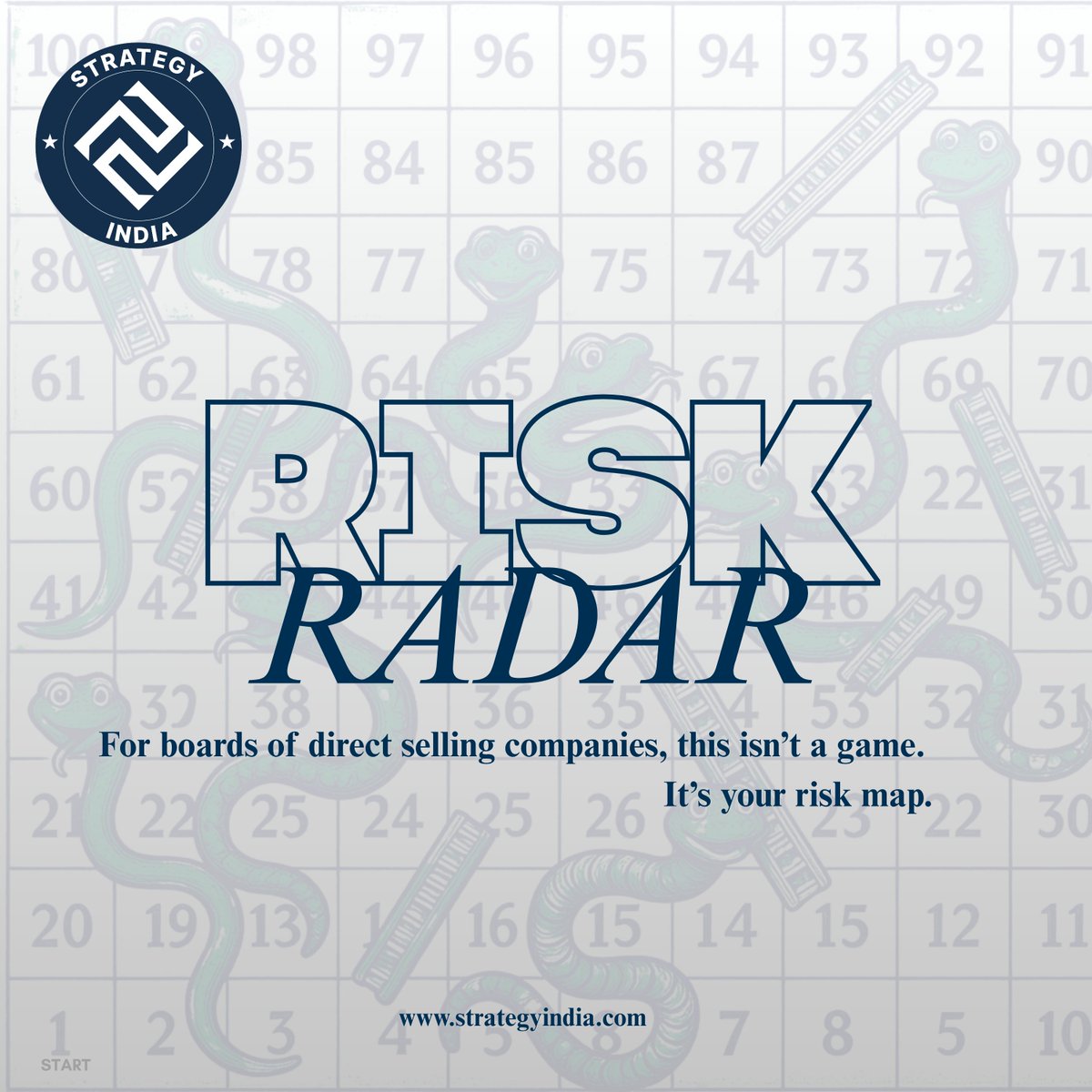
Strategy India’s RISK RADAR is designed to address this threat before it hits your financials, reputation, or boardroom.
RISK RADAR integrates with your existing leadership processes by:
🟢 Turning “silent” network contamination into an explicit, monitored risk discussed in management and board forums.
🟢 Equip Compliance and Business Control to observe, interpret, and act on field activity beyond what MIS and dashboards show.
🟢 Create enforcement-ready documentation to demonstrate proactive governance to regulators and the media, rather than reacting after damage.
In short, turn an unrecognised vulnerability into a managed, reportable risk.
C. What RISK RADAR delivers
❶ Get real-time intelligence on MLM fraud, narratives, and actors before they grow in your network.
❷ Work with Compliance to monitor field behaviour at events. Spot products/ income misrepresentation, unauthorised fees, forced inventory, and business model issues.
❸ Detection and suppression of unapproved literature, presentations, and shadow training systems within your network are the primary drivers of regulatory and reputational exposure.
❹ Ensure all official communication remains compliant with regulations to protect your organisation from regulatory or court scrutiny.
❺ Receive clear, actionable reports with the evidence needed for compliance, regulator assurance, and swift internal action, directly supporting your risk management and operational security.
❻ Use field-tested playbooks to realign behaviour, contain narrative damage, and restore control across teams.
❼ Identify and stop MLM Ponzi schemes to protect revenue, boost compliance, and support your organisation's long-term growth.
If you don't monitor these risks, you absorb them blindly.
📇 Contact Strategy India today for a confidential CEO session to integrate RISK RADAR and protect your organisation from unseen threats.
P.S: Partner with us to investigate rogue MLM networks, support legal actions, and secure strong compliance for your organisation.
1
20
Most discussions around “MLM” still treat it as a single, homogeneous model.
From a policy lens, that is precisely the problem.
At Strategy India, our work shows that there is an entire spectrum of operations that use MLM compensation structures, ranging from legitimate, product‑driven direct selling operations to highly engineered pyramid schemes to Ponzi schemes disguised as “opportunities”.
The challenge for policymakers is not the label, but the underlying mechanics.
Our expertise is built around three things that matter to regulators and lawmakers:
☑️ Structured classification of models
We break down operations by what is really being sold (products, services, or pure financial commitments), how money actually flows, and whether payouts are mathematically sustainable without endless sales or investments.
☑️ Legal and behavioural alignment
We map models against the intent and letter of direct selling, consumer protection and financial‑sector laws, and against real participant behaviour, not just what is written in brochures or policies.
☑️ Actionable insight for intervention
We translate complex Multilevel Marketing compensation plans and field practices into clear, evidence‑based findings that can support policy design, enforcement decisions and public warnings.
This is why Strategy India is engaged by stakeholders who need more than surface‑level opinions:
1. to help distinguish genuine direct selling from disguised investment schemes,
2. to anticipate how new rules will interact with the market,
3. and to design frameworks that protect consumers without penalising legally compliant businesses.
If you are involved in shaping or enforcing policy around MLM operations involving tangible products, contact us to discuss how we can help you identify hidden patterns, ensure compliance, and protect consumers with informed, actionable insights.
info@strategyindia.com
#directselling #mlm #legal #policies #ponzi #pyramids
1
48
🔔 Most direct selling MLM companies entering India often ask the wrong initial question.
They start with: “Is this legally allowed?”
When they should be asking: “Is this commercially competitive and sustainable in India, and then, can it be kept legal❓”
Approvals, policies, and opinions can only “bless” the model you bring.
If the model is uncompetitive, all you’ve done is wrap legal paper around a commercial problem.
A few hard truths for #DirectSelling-MLM leadership :
If your plan only works when leaders over‑promise future income, the model, not just the messaging, is broken.
If your compensation assumes endless recruiting, you’re unstable, not “aggressive.”
If your India plan is a copy‑paste of another country “with legal tweaks”, it’s already misaligned with local economics, regulation, and behaviour.
India needs tuning, not just clearance:
1️⃣ Tune payouts so leaders don’t win at the expense of consumer value.
2️⃣ Tuning the qualification mechanics so growth doesn’t depend on policy violations to be exciting.
3️⃣ Tuning the communication so direct sellers can sell confidently without sounding like walking offences.
In summary, competitive, field-proof design should come first; legal alignment should then follow to secure it.
🇮🇳 If you’re already in India, the real question is: “Do we have a model that would still attract, retain, and protect our people even if no one ever crossed a legal line?”
🚀 If you’re planning to enter India, the question is:
“Are we designing for competitive sustainability in India or just hoping our global paperwork travels well?”
📞Contact us if you need model tuning or plan to enter India. We support executives with diagnostics, consulting, compliance reviews, and #commercial #viability analysis for direct selling. For objective insight or a model audit, get in touch.
info@strategyindia.com
1
21
Many Indians are now cautious about the term “MLM,” with concerns that are often understandable.
The main challenge for promoters is running a direct-selling company with a multi-level compensation plan while maintaining an ethical, sustainable brand. Focus on five practical shifts: clarify your brand narrative, align with #FMCG standards, turn compliance into an asset, enforce strict field communication, and distance from scams.
At Strategy India, we found the most effective way to improve perception is to publicly distance your company from unethical practices while keeping your internal compensation model.
Here are five practical shifts that work:
1️⃣ Redesign the visible narrative
Avoid spotlighting “business opportunity” and “#networkmarketing.” Lead with your category and customer focus. Highlight your position as a direct-selling brand in health, beauty, or home care. Keep references to “MLM / levels / plan” for contracts, compliance, and internal training.
2️⃣ Make your behaviour match FMCG norms
To build FMCG-level trust, align your model with industry standards: offer clear, competitive pricing; everyday products; visible non-member customers; and products used repeatedly without relying on the MLM compensation plan.
Reduce income screenshots, big events, and “crorepati” stories. Highlight product results, service, and customer experience.
3️⃣ Turn compliance into a brand asset
The Direct Selling Rules 2021, Legal Metrology, and consumer law should be part of your external messaging. Clearly communicate policies like no joining fees, transparent refund or buy-back options, grievance redressal, and zero tolerance for unethical practices. Provide your team with shareable resources and systems to ensure consistent compliance communication.
4️⃣ Clean up the field pitch – ruthlessly
Reputational damage often results from participants’ actions, not company policy*. Establish strict guidelines: prohibit promises of income, references to “passive returns,” crypto or forex analogies, and discussions of “investment.” Ensure all representatives understand the compensation plan before presenting or recruiting.
5️⃣ Publicly distance yourself from MLM #scams
MLM scams are not just a public relations issue; they threaten the direct selling industry's survival. Regularly educate your corporate team and direct sellers about Ponzi and also the Pyramid MLMs, and clearly explain how your model differs. By speaking openly against fraud, you are not attacking the industry but defending its legitimate form.
If you are a promoter, board member, or CXO seeking to build or improve a direct selling MLM company in India and require a practical, company-specific perception and compliance playbook, contact Strategy India to begin designing your comprehensive solution.
*for legally compliant MLM operations with physical products.
ALT #MLM #CONSULTANT #DIRECTSELLING #BUSINESS #INDIA
2
50
Most significant risks ⚠️ in direct selling MLM companies are not documented in official policies.
These risks often emerge in everyday interactions, such as comments during Zoom calls, product and opportunity pitches at home, or messages in team WhatsApp groups. This informal environment is typically where income exaggeration, unapproved health claims, and pressure tactics first surface.
Strategy India has observed a widening gap between two key areas:
1️⃣ what company boards perceive based on official presentations and training sessions, and
2️⃣ what is actually occurring in the field, particularly within fast-growing teams ?
Anonymous vulnerability checks provide an honest assessment of this gap.
Experiencing your company as a genuine prospect can reveal:
how people are actually describing your brand❓,
which parts of your messaging are working as you planned❓, and
where certain behaviors may be quietly creating regulatory or reputational risks.
For decision-makers, the main benefit is clarity: understanding how the organisation operates without oversight from head office.
For example, when a direct selling MLM firm implemented anonymous vulnerability checks by engaging us, we identified repeated instances of field leaders making exaggerated earnings claims that had not been reported through formal channels.
By addressing these risks early, the company avoided regulatory scrutiny and achieved a measurable reduction in compliance issues within a few weeks.
These real-world insights demonstrate that vulnerability checks can reveal blind spots, drive practical improvements, and protect long-term reputation.
📞 If you would like an independent business and legal risk assessment of your direct selling MLM operations in India, you can reach out to Strategy India to explore how such vulnerability checks and structured reviews can be tailored to your direct selling organisation.
📧 info@strategyindia.com
1
38
Want to build a top direct selling company? With 20 years of experience advising major brands, we offer the expertise your team needs.
At Strategy India, we work with promoters and CXOs to design sustainable, compliant, and product-driven direct selling MLM businesses in India and internationally. Our process starts with a detailed assessment of your business needs and challenges. We then collaborate to develop tailored strategies and guide you through implementation, supporting you at every stage to achieve measurable results.
We help you fix or redesign compensation plans to ensure sustained profitability and alignment with your broader goals.
* We audit your current model to identify legal, payout, and reputation risks and minimise surprises. Afterwards, you receive a clear risk report with key findings and a practical action plan outlining next steps.
* We align your structure, policies, and contracts with Consumer Protection directselling rules and all relevant laws to ensure compliance and peace of mind.
Whether you are launching, relaunching, or troubleshooting, we have likely addressed similar direct selling challenges before.
Contact us to schedule a confidential call.
To ensure a productive conversation, please prepare a brief overview of your business, current challenges or questions, and key documents such as your compensation plan, existing policies, or organisational chart. Providing these will help us deliver tailored, actionable insights from our first meeting.
info@strategyindia.com
91-22-40238899 and 91-22-68073106
strategyindia.com
1
29
#DirectSellingEntities (DSEs) and their sellers are required to provide clear, accurate, and comprehensive product information to consumers due to heightened regulation and rising consumer expectations.
Transparency and #compliance are now critical for maintaining a competitive advantage.
Direct sellers must thoroughly understand their products and adhere to detailed compliance requirements. They are expected to provide accurate income and product information to customers in real time, despite the challenges involved.
A practical solution is to provide direct sellers with a tool that ensures each sales conversation remains compliant and consistent, directly addressing current compliance challenges.
Common compliance issues include exaggerated claims, outdated materials, missing disclaimers, and inconsistent income information. Additional risks involve unclear return policies and inadequate complaint handling.
Identifying and resolving these issues promptly reduces regulatory risks and helps maintain consumer trust.
Information is frequently dispersed across training guides, PDFs, and informal communications.
Sales narratives are often personalized rather than standardized, which can result in compliance messages that do not meet current regulations or customer expectations.
Consequently, sales pitches may lack consistency, leading to errors and a disconnect between company policy and actual practice. These inconsistencies increase regulatory risks and can damage brand reputation and sales.
Customers now expect clear and transparent information, similar to what is provided by leading e-commerce and retail platforms. Failing to meet these expectations can result in lost consumer trust and missed business opportunities.
The #ConsumerProtection (Direct Selling) hashtag#Rules, 2021, require companies in India to provide accurate information and comply with the rules when selling products or services.
✅ A Product #Compliance Cue Card provides a straightforward, actionable solution for direct sellers to deliver compliant information consistently. This approach clarifies information and fosters trust. Marketing, Legal, and Compliance teams should work together to ensure cue cards remain consistent, compliant, and easy to understand.
Monitoring and regulating sales practices and product claims improve compliance outcomes in direct selling, as guided by the Consumer Protection (Direct Selling) Rules, 2021.
Using cue cards improves compliance, increases satisfaction, and strengthens audit outcomes, helping you remain aligned with key compliance objectives.
📞 If your #DirectSelling-MLM organization requires clear and compliant communication, our marketing and legal experts can assist in designing product cue cards and developing a tailored implementation plan.
Please contact info@strategyindia.com.
1
14
STRATEGY INDIA -DIRECT SELLING CONSULTING retweeted

Jan 27
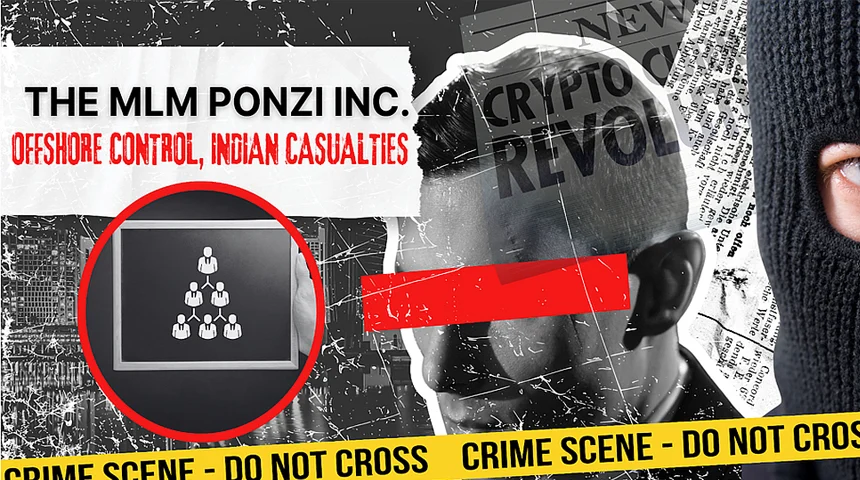
The MLM Ponzi Inc: Offshore Control, Indian Casualties moneylife.in//article/the-ml…
via Moneylife App. Download Now : onelink.to/7adech
@suchetadalal @Moneylifers @yogtoday
1
10
692
STRATEGY INDIA -DIRECT SELLING CONSULTING retweeted

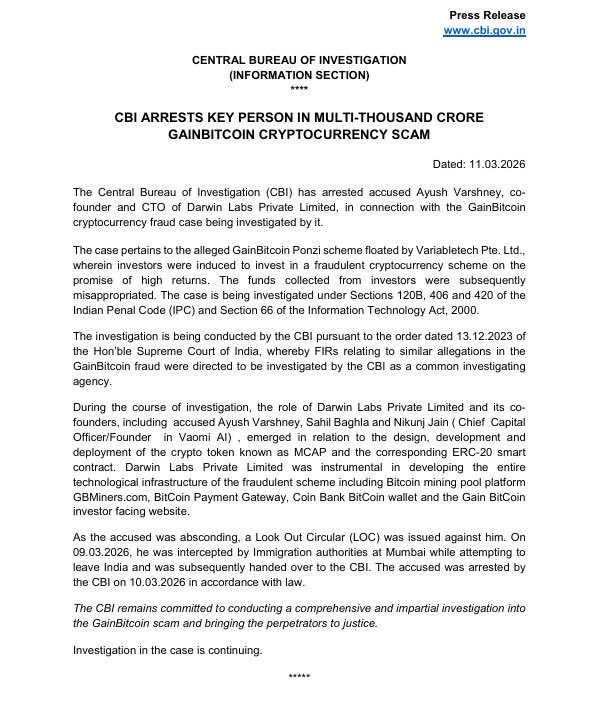
CBI ARRESTS KEY PERSON IN MULTI-THOUSAND CRORE GAINBITCOIN CRYPTOCURRENCY SCAM
12
52
179
11,202
#DirectSelling in India struggles most with execution and product value.
Here’s where DS-MLM companies actually win or lose:
1️⃣ Supporting direct sellers
Direct sellers work across different cities, languages and customer expectations. Without strong and timely company support, inconsistency is guaranteed.
What helps: clear, simple training; ready-to-use approved messages; quick support for tough customer situations; and fair, transparent rules that protect serious sellers.
2️⃣ Competing with #e‑commerce quick commerce
Customers expect fast delivery, easy returns and sharp prices. That pressure hits both margins and trust.
What helps: Products that are genuinely better in terms of quality, safety and long‑term value (not just story or hype). Incentives that reward repeat customers and good service, not just big one‑time orders.
The firm stops online selling and price dumping that undercuts the field.
3️⃣ Delivery, stock, returns, complaints
When deliveries are late, stock is out, or refunds drag on, the direct seller takes the heat even when the problem lies within the company.
What helps: tighter inventory and courier control, a proper complaint system, and simple, fast return and refund processes that sellers can trust.
4️⃣ Online trust and content
Social media can grow a brand fast, but it can damage it even faster if claims are vague or exaggerated.
What helps: safe, proof‑backed product stories, content templates for the field, clear “dos and don’ts”, and building your own customer communities instead of depending only on one platform.
⬆️ Direct selling scales sustainably when the company does the heavy lifting on product quality, systems and support so honest #directsellers can focus on what they do best: building relationships and serving customers.
Schedule your direct selling audit today. Gain actionable support and governance strategies to strengthen product value, ensure compliance, protect your sellers, and elevate the customer experience.
Request a confidential #personalised #gapanalysis and implementation roadmap now.
Get concrete recommendations and steps to quickly resolve your direct selling challenges and unlock sustainable, scalable growth.
info@strategyindia.com
⚪️ PS: Strategy India can also support you with a #fractional executive who works alongside your leadership team to align strategy, governance, and execution with your direct selling objectives.
1
29
⬆️ Consider a direct selling brand that, after a decade, continues to thrive by welcoming 10,000 new distributors each year and confidently adapting to market and regulatory changes. One of our clients adopted our strategic business model recommendations and achieved consistent year-over-year growth, expanding into new markets while maintaining full regulatory compliance. Building enduring business models goes beyond short-term gains; it is about creating companies built to last.
In direct selling and e-commerce, sustainable growth depends on more than innovative products or marketing. Success requires a business model that minimises penalties, ensures operational continuity, and establishes a foundation for trusted growth that appeals to partners and investors.
At Strategy India, we transform business ideas into viable, compliant, and investor-ready models. Our proprietary frameworks are designed specifically for India's direct selling and e-commerce sectors. We have contributed to policy development through collaborations with regulatory bodies and industry groups. Our support extends beyond advisory, helping you build lasting systems informed by a thorough understanding of Direct Selling laws, Consumer Protection mandates, and emerging e-commerce policies in India.
Our services include:
⚪️ Business model development and feasibility analysis
⚪️ Direct selling plan structuring and redesign
⚪️ Comprehensive compliance and operational audits
⚪️ Risk assessment and regulatory alignment for hybrid and online models
With over two decades of experience, we have worked with leading organisations and policymakers to establish benchmarks for transparency and consumer trust in India’s direct selling and e-commerce ecosystem.
If your organisation is planning to launch, scale, or realign its operational strategy, now is the time to engage experts who understand both business and legal requirements. To begin, schedule a consultation or request an assessment of your current business model. Our team will guide you through the next steps and tailor our approach to your needs.
Learn more at strategyindia.com or contact our team to discuss how we can help secure your brand’s future.
#StrategyIndia #DirectSelling #Ecommerce #BusinessModelDesign #Compliance #SustainableGrowth #ConsumerProtection #RegulatoryStrategy #BusinessConsulting #Leadership
1
17
Alerts before attrition ❗️
Even with strong products, disciplined branding, and robust compliance frameworks, sales decline can be driven by an external risk that does not surface in standard MIS or dashboards: fraudulent MLM and “investment” Ponzi schemes quietly targeting your direct sellers.
DS-MLMs are increasingly encountering patterns where direct sellers are diverted into parallel “high-return” opportunities. The commercial impact is evident in reduced focus on core activities, lower participation in business-building events, and unexplained disengagement. At the same time, legal and reputational risks arise when victims begin to associate these schemes, rightly or wrongly, with your direct selling company’s name, brand, and network.
For Legal and Compliance, this raises questions about governance, duty of care, oversight, and the organisation’s ability to promptly identify, document, and act on red flags, which become critical when reputational damage spills into complaints, media interest, or regulatory scrutiny.
Strategy India’s RISK RADAR service is designed precisely for this intersection of commercial protection, #reputationmanagement, and governance, and is offered on a structured retainer model so your organisation has ongoing, continuous intelligence, not just one-off diagnostics.
What RISK RADAR offers to Marketing and Legal teams in direct selling companies ❓
☑️ Structured early-warning intelligence on schemes, platforms, and narratives infiltrating or targeting your direct seller base, using a combination of HUMINT (human intelligence from the field) and TECHINT (technology-led monitoring, mapping, and analytics) to locate and track bad actors before they hollow out your network.
☑️ Documentation-ready red-flag briefs (facts, patterns, and indicators) that can support internal decisions, policy refinement, and, where appropriate, engagement with regulators and enforcement agencies.
☑️ Practical playbooks for coordinated response: field advisories, direct seller communication frameworks, FAQ drafts, and alignment of messaging between Marketing, Legal, and Sales leadership to mitigate reputational fallout and restore trust.
If you are seeing unexplained declines in activity, uneven productivity across regions, or shifts in field narratives that your MIS cannot fully explain, it may be time to treat this as a combined brand, fraud-risk, reputational, and governance issue, not merely a sales fluctuation.
If you’d like a confidential walkthrough of how RISK RADAR can be structured for your organisation’s Marketing and Legal teams, feel free to DM or connect with Strategy India.
⚠️ PS: We also undertake reactive investigations on a case-by-case basis for specific matters that require focused inquiry into rogue elements, including Legal support for internal disciplinary action where appropriate.
1
30
The User Experience of DS-MLMs
Direct selling- MLM companies that will still be relevant 10 years from now won't be "plan‑first." They'll be customer‑first, built with ecommerce‑grade journeys, powered by professional direct sellers.
If your "digital upgrade" is just patchwork on top of legacy MLM software, you're already seeing the symptoms:
🚫 Excellent compensation plan, poor customer experience
🚫 Siloed data between the back office, the e-commerce, and the apps
🚫 Higher compliance risk and weak visibility
🚫 Leaders and direct sellers are relying on manual workarounds
🚫 Slow repeat orders and low stickiness
What actually works is one integrated backbone designed for our industry:
💎 Smooth browsing: intelligent search, filters by need/concern, clean product discovery
💎 Rich product pages: clear benefits, how‑to, comparisons, social proof
💎 Frictionless buying: mobile checkout, saved profiles, easy re‑orders
💎 Service built‑in: tracking, returns, and support as part of the journey
💎 Practical AI: self‑service for routine queries, personalised recommendations, lead prioritisation, automated follow‑ups for the field
and a hard truth about cheap software solutions for MLM operations: buggy systems are a hidden tax on your network (corporate and direct seller).
When the platform isn't stable, your top people become testers, spending precious time finding and reporting bugs instead of driving volume, retention, and compliance.
The goal is simple: move from "systems to calculate commissions" to "systems that make it easy to buy, stay, and grow" for customers and direct sellers alike.
If you're leading a direct-selling MLM and want to bring #ecommerce grade experience and stability to your model (without patchwork), let's connect.
1
41
Direct selling veterans and industry leaders, this is a call for spine, not spin.
For years, Strategy India has warned that offshore‑controlled "MLM opportunities" are hiding behind the direct sellinglabel, while real control and money sit safely outside India. This is not a "few bad actors" problem anymore; it is a clear, repeated pattern that keeps producing Indian casualties.
In our Moneylife article, "The MLM Ponzi Inc: Offshore Control, Indian Casualties", we break down how these models are structured, who actually pulls the strings, and how the damage lands on:
Indian direct sellers,
the public told "it's just like other direct selling", and
even compliant companies that follow the rules.
This is the uncomfortable truth: if serious stakeholders do not openly draw non‑negotiable lines, the offenders will keep defining what "MLM" and "direct selling" mean on the ground.
🔗 The MLM Ponzi Inc: Offshore Control, Indian Casualties – Moneylife
moneylife.in/article/the-mlm…
#DirectSelling #MLM #PonziScheme #PyramidScheme #EconomicOffences #Regulation #Compliance #Moneylife
1
27
Why We Still Say "No" More Than We Say “Yes" ❓
Call it network/multilevel marketing or direct selling at Strategy India, we still work only with a few: the ones with the right intent.
WFDSA's latest data puts global direct selling at US$163.9 billion in 2024, with Asia–Pacific contributing 40.3% of that. India alone is now the 11th‑largest market globally and the 6th‑largest in the Asia–Pacific, with sales of around US$3.53 billion.
This is no longer a side channel. It's a mainstream industry under mainstream scrutiny.
And right now, that scrutiny is needed.
🚫Strategy India's latest tracking reveals 841 new fraudulent and unsustainable MLM schemes launched in INDIA in the calendar year 2025, an all-time high for Ponzi MLM launches.🚫
This is the backdrop we're operating in, where ethical practices are not just moral choices but essential for long-term sustainability and the reputation of direct selling MLM in the Indian market.
That's why when a company approaches us, we don't start with "What changes to the compensation plan do you want?"
We start with three harder questions:
1. Would your product survive without the network?
Is there real, repeat demand outside the genealogy chart, or is volume driven by people "qualifying" for payouts?
2. Can a serious person earn primarily by selling, not recruiting?
When we look at top earners, does their income story make sense to a regulator, a banker and a journalist, not just to the person drawing the circles?
3. If an enforcement agency walked in tomorrow, what would your files say?
KYC, complaints, product claims, money trails of payouts: is there a coherent story of a customer‑centric business, or a patchwork of fixes?
Over time, this kind of questioning has taken our work beyond pure "consulting."
During PE's, the Police departments, law firms and government agencies now ask us to help them understand what a sustainable, legitimate direct‑selling model looks like and how to distinguish it from a Ponzi MLM scheme.
That means we see the same business model from both sides: the boardroom and the case file.
That dual lens is our real edge, and also our filter: Your DS-MLM retail model is either custom-built or copied for being doomed. We build the first kind.
In an India that is now a top‑tier direct selling market with global attention on how we regulate and grow and that discipline matters.
If you're building in this space and want your model challenged and strengthened at the level a regulator, bank or angel funding platform will one day expect, that's the conversation we're interested in.
#DirectSelling #MLM #Compliance #Leadership #sustainability
1
2
45