was told Im a Quaker liberationist. Im high on fibres; and clear Blockages.
Joined October 2025
- Tweets 10,675
- Following 80
- Followers 226
- Likes 1,875
551 Photos and videos



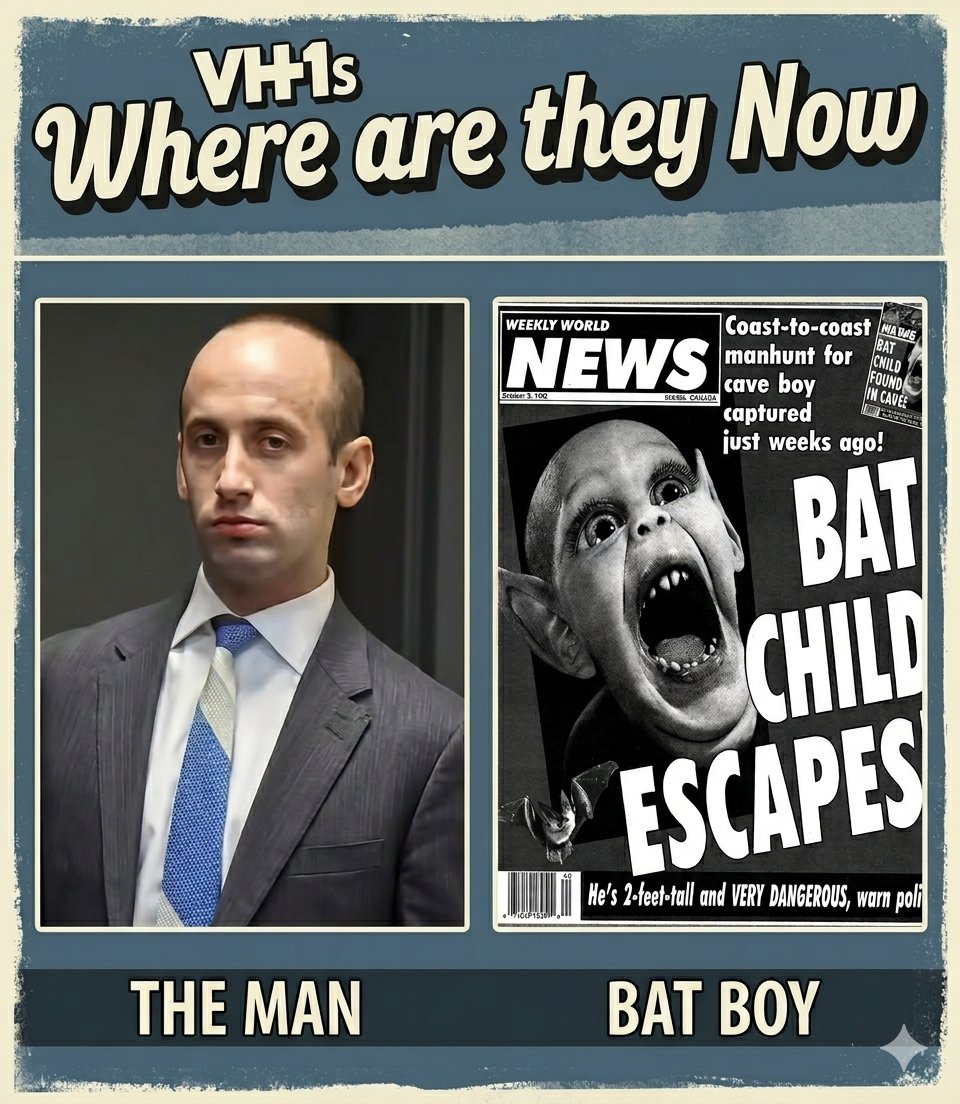



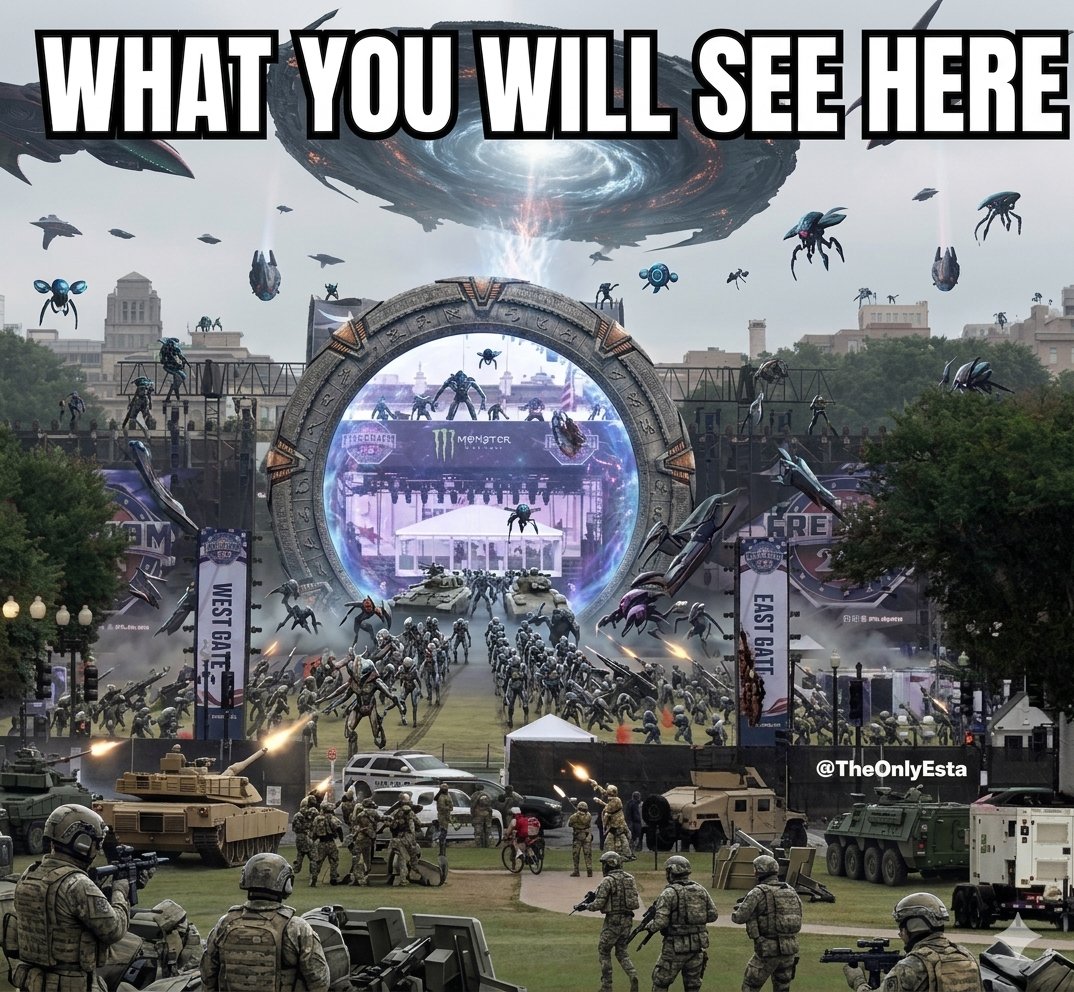
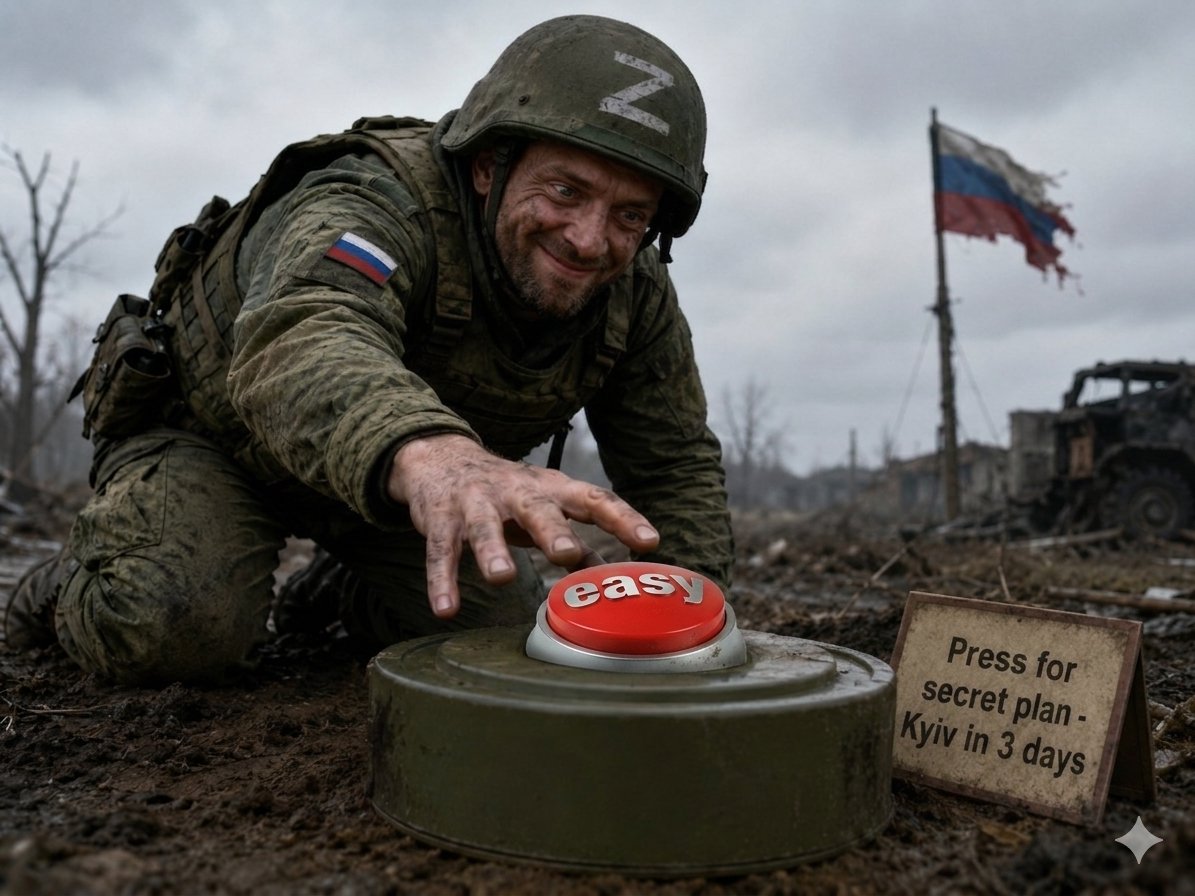




Jun 13
So yeah I guess there's your answer.

GLM-5.2 is Fully Open, Frontier Intelligence Belongs to Everyone
Today, the sudden restriction of certain frontier models is deeply regrettable. At a time when access to frontier models is abruptly cut off for non-technical reasons, we are even more convinced of one thing: science should be global.
The path to AGI (Artificial General Intelligence) must never be enclosed by high walls. We have always believed that AGI should be the cornerstone for all of humanity to collaboratively explore the boundaries of intelligence and solve complex challenges, rather than a privilege monopolized by a few rules and subject to revocation at any moment. In the face of external blockades and restrictions, our attitude is one of radical openness. Frontier intelligence must remain open-source, accessible, and buildable, serving every dedicated developer.
GLM-5.2 is Zhipu's most capable open-source model to date. It not only supports a truly usable 1M context window but also maintains a continuous lead in the independent completion of long-horizon tasks, providing solid foundational support for building complex agent applications. It also continues to be our main engine for creating the strongest domestic coding model.
Tonight at 5:21—at this special moment—GLM-5.2 will officially be available to all GLM Coding Plan users (including Lite / Pro / Max). The API will also go live next week.
A step closer to frontier intelligence for everyone.
The future of AI is open, and it is for the people.
ModelKey: GLM-5.2
23
Jun 13
So just hear me out please.
We know a dogs tail wags,
We know how to wage the dog.
Starting to wonder if someone is trying to shake the kennel.
1
15
Jun 12
So people want takes with bite.
Elon hit a trillion playing the protagonist.
Jensen Huang read better sci-fi. He knows the protagonist isn't who wins.
24
Jun 12
We often lose sight of what wqs originally meant. This is rarely to our advantage.

What a BRAVE NEW WORLD this is
Most people today, when they hear the phrase “Brave New World”, immediately think of Aldous Huxley’s dark dystopian novel from 1932 a chilling vision of control, conditioning and lost humanity.
Yet few realise that Huxley borrowed those three little words from William Shakespeare, who wrote them 321 years earlier in 1611.
In The Tempest, the innocent young Miranda looks upon other human beings for the very first time and exclaims with pure wonder:
"O wonder!
How many goodly creatures are there here!
How beauteous mankind is! O brave new world,
That has such people in’t!"
Here, “brave” carried the old meaning of splendid, magnificent, glorious. It was an expression of pure delight and hope not irony, but radiant amazement at the beauty and possibility of life and people.
So the next time the world feels heavy, remember this: long before it became a warning, “Brave New World” was a joyful cry of discovery a young heart seeing, perhaps for the first time, how extraordinary this world and its people can truly be.
And that older, brighter meaning is still available to us, if only we choose to hear it.
1
32
Jun 6
@ gothburz
Brenton Woods didnt prevent capital from flowing, It stopped capital from selling your childrens time.
32
May 28
The debt machine, the financialization stack, the hope economy; none of it gets solved by seizing it.
It gets solved by making it unnecessary.
I damn well intend to
2
60
May 27
I've been watching Cardinals and Robins hunt in the yard. chasing threads of thoughts. Not is this coherent, is it useful?
If the truth requires coercion, branding, bureaucracy, or empire to survive, then people are really preserving themselves, not the truth
2
65
May 24
Reward proportional to difference made. Everything else is rent.
fucking fight me
2
63

May 22
A fellow I follow pointed out a genuinely solid use of quantum math outside the usual hand-waving nonsense.
A strong example of quantum-style formalism being applied to memory and cognition Just useful math modeling systems where sequence and emotional state change the outcome.
May 21

Why do intense emotions make some memories crystal clear, while completely scrambling the timeline of others? A groundbreaking project out called "Quantum Emotions" is using mathematical modeling traditionally reserved for quantum mechanics to decode how trauma, distress, or euphoria warp our memory sequencing. Traditional psychology struggles to predict this, but quantum physics is uniquely suited for it. It relies on non-commutative principles—where the precise order of operations fundamentally alters the final outcome, just like human memory under emotional duress. This cross-disciplinary leap into Quantum Cognition could revolutionize psychiatric diagnostics, cognitive aging research, and eyewitness validation in the justice system. neurosciencenews.com/quantum…
#QuantumCognition #Neuroscience #CognitiveScience #QuantumEmotions #MemoryResearch #PhysicsInMind #Psychology #Innovation #ScienceTwitter #Physics
2
44
May 9
Real critique:
Sowell builds elegant models of how markets should work, then blames reality when history doesn’t comply. Not rigor, it’s unfalsifiable.
Marx made errors and spent decades arguing with himself about them. Sowell just repeated the thesis louder.
4
1
67
May 20
Perfection is a human idea. Systems only approximate. Calling the gap 'harm' is theology, not economics."
2
30
May 20
Sowell assumes stable preferences and high-quality signals. Real markets are noisy and non-stationary. His “everybody loses” conclusion only holds in near-frictionless models where signals map cleanly to outcomes. That’s not economics; it's a parable dressed as inevitability.
1
24
May 19
If all Jobs pay equally, what is that would get you out of bed every day.
17
May 16
Late spring, and I can feel the bite of heat in the air. Behind my mind, the faint echo of Porgy and Bess "Summertime" as sung by Joplin. It's not here yet, but it's growing. Like my flowers.
1
27
May 15
If they think I am gonna stat inside and wear a mask for hemorrhagic fever.
apnews.com/article/congo-ebo…
Nah I'm gonna avoid everyone completely
32
May 14
Everyone tries to convince you of the dream, few care enough to remind you about reality.
Listen sometimes.
May 14

The irony is a lot of the people cheering for “AI replacing all jobs” don’t actually want technological transcendence.
They just want an escape hatch.
They imagine a future where robots do everything, universal income appears, responsibility disappears, and they can just drift through life without pressure, skill-building, sacrifice, or effort.
But reality doesn’t work like that.
Automation will absolutely change labor markets.
It will eliminate some jobs and create others.
But there is no magical point where entropy stops existing and humans become permanently unemployed house cats living in a frictionless techno-utopia.
Infrastructure still has to run.
Energy still has to be produced.
Supply chains still break.
Resources still compete.
Humans still need purpose.
Honestly it feels like some people already folded psychologically and are just trying to wait out reality instead of adapting to it.
That mindset is way more dangerous than AI itself.
1
63
May 7
Prescribing outside evidence for a fee to patients who already agree with you isn't medicine. It's a grift service wearing a white coat.
1
55
Apr 30
The real issue in America, the vast sea of Methican americans, and opiate refugees. Until we can treat our own with dignity how are
1
90