Downpatrick Races (00); The Down Recorder (04); Market Street & Lamentations (10); Mesopotamia (14); English Street (18); Irish Street (23); Folly Lane (May 26)
Joined July 2013
- Tweets 101
- Following 455
- Followers 177
- Likes 243
43 Photos and videos



Damian Smyth retweeted

Roisín McDonough, Chief Executive of the Arts Council of Northern Ireland, attended a special cultural Tea Art ceremony at the Chinese Consulate General in Belfast this week.
The Tea for Harmony Yaji Cultural Salon is a global Chinese cultural exchange event and it was held in Northern Ireland for the first time. It marked #InternationalTeaDay and included exhibitions on Chinese tea culture, tea art displays, and tastings of Anhui Teas.
Read more: artscouncil-ni.org/news/arts…
@CCGBelfast

5
5
402

Feb 21
Astonishing headline.
Feb 20


1
32
Damian Smyth retweeted

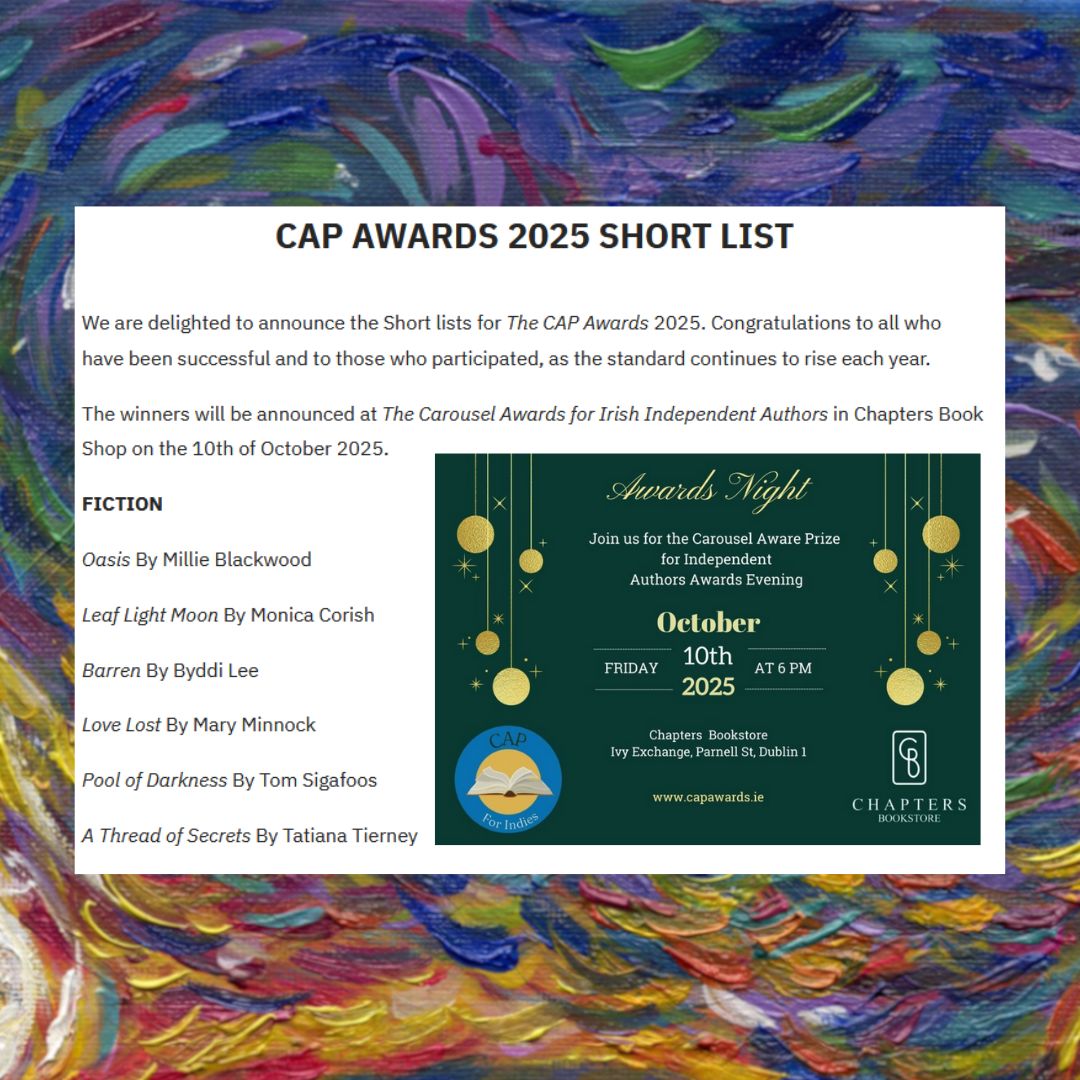
I'm stunned with delight that Barren is on the shortlist for the CAP Awards 2025. Congratulations to the other shortlistees. I'm honoured to be in this with you. We're all winners to get this far!
See you at the Awards Ceremony!
capawards.ie/cap-awards-2025…
8
6
27
1,173
Damian Smyth retweeted

15 Aug 2025
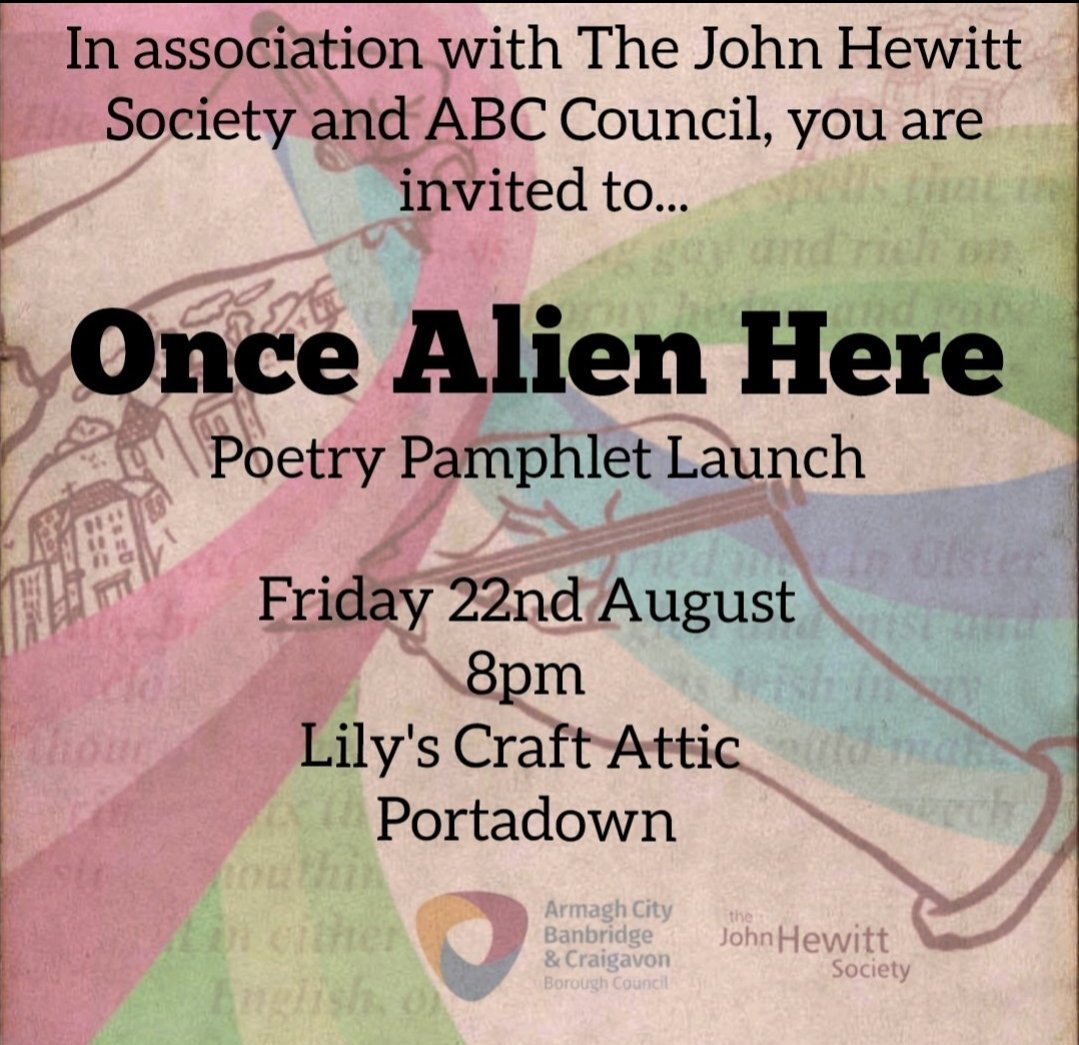
Two upcoming events hosted by @The_JHS...
'Once Alien Here' Launch - PORTADOWN - 22nd August
John Hewitt Birthday Readings - BELFAST - Present in Association with @poetryireland - 27th October
belfastinternationalartsfest…
7
9
1,298
Damian Smyth retweeted

26 Jul 2025
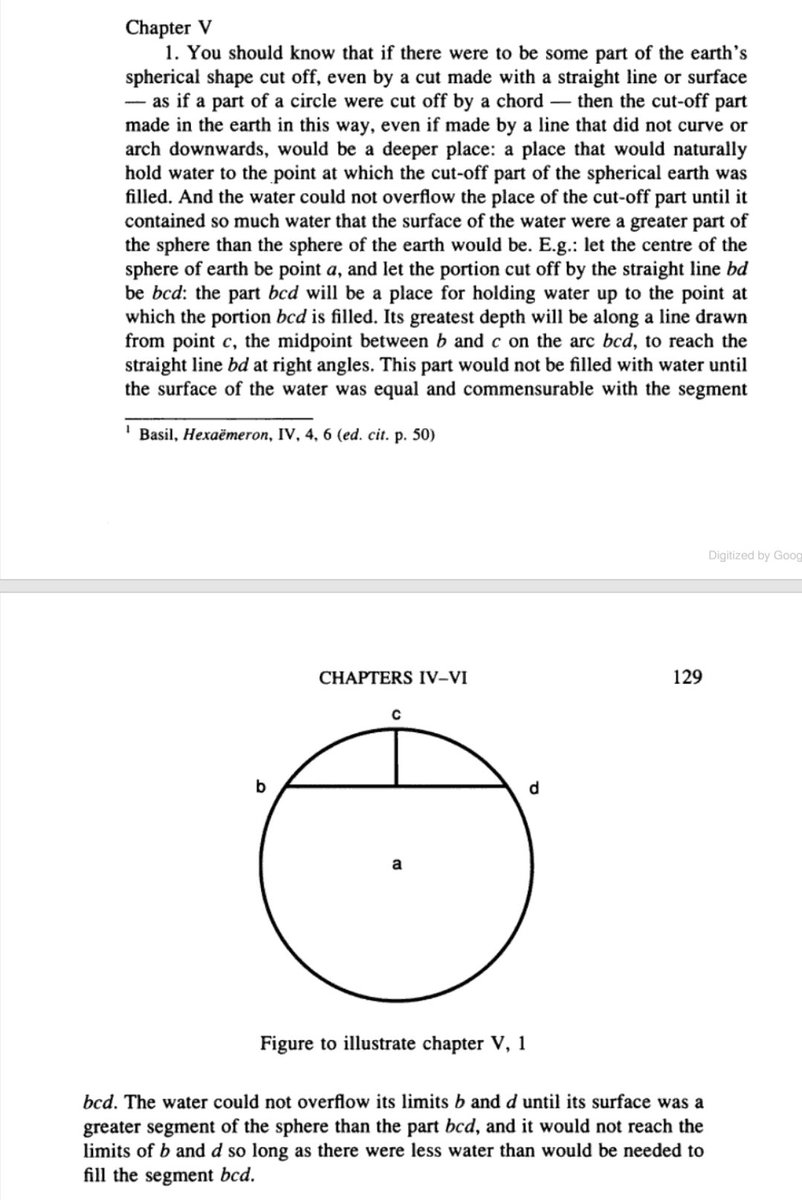
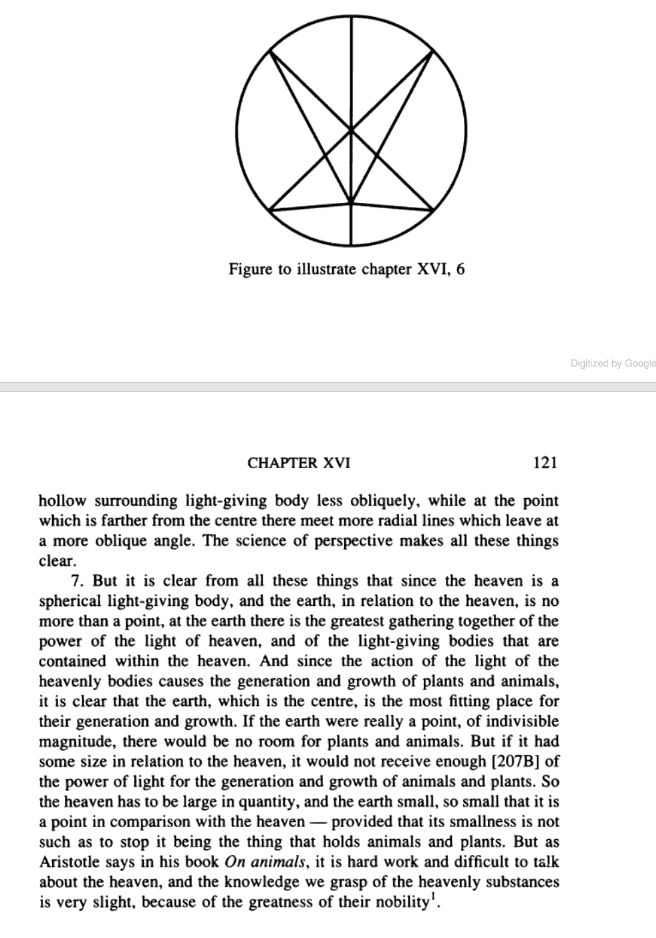
Bishop Robert Grosseteste developed theories of gravity, light, and relativity 600 years before Einstein. And yea, his last name means Big Balls



36
522
5,297
198,670
8 Jul 2025
Amazing allegations. Dreadful, bullying, finger-pointing crap, ascribing political motives to artistic judgement. One ganch can't even thank the @ArtsCouncilNI representatives for turning up, referencing 'army councils'. That you @dcsdcouncil? Stay classy youtube.com/live/bfs5S2Ym-q0…
103
Damian Smyth retweeted

20 Jun 2025
Scruton's conversation with artist Michael Craig-Martin, from the documentary Why Beauty Matters:
Scruton: "When I first entered St. Peter's and confronted Michelangelo's Pieta, for me that was a transforming experience. My life was changed by this. Do you think someone can have the same experience with Duchamp's Urinal or perhaps with your Oak Tree, which after all is a similar thing?"
Craig-Martin: “When I was a teenager and first came upon Duchamp and first came upon the ready-mades I was absolutely stunned in amazement. I don't think people are overwhelmed by a sense of beauty when they see the Urinal. It's not meant to be beautiful. But that doesn't mean there isn't something about it that doesn't captivate the imagination. And I think 'captivate the imagination' is the key to what art seeks to do. Duchamp felt that art had become too interested in technique, too interested in optics. He felt that it had become intellectually and morally corrupt. His reason for making an art work that didn't fit the system was not cynicism. It was in order to say 'I am trying to make an art that denies all of the things that people say art should have because I am trying to say that the central question of art rest somewhere else.'"
Scruton: "I take it that things had to change and Duchamp was trying to change them. But what was he trying to change them to?"
Craig-Martin: "Well, he could never in his wildest dreams have imagined that what would happen. He himself had no idea how central the thing was he had stumbled upon—essentially that a work of art is a work of art because we think of it as such. I also think it is important to say that the notion of beauty has been extended to include things that would not have been thought of—that’s part of the artist's function, to make one see something as beautiful that no one thought was beautiful until now."
Scruton: "Right, like a can of shit?"
Craig-Martin: "Well, I’m not sure it's beautiful—it's not trying to be beautiful. But take as an example Jeff Koons. Some of his works are astoundingly beautiful."
[Shown: Balloon Dog (2003)]
Scruton: "Well, it looks like kitsch to me—with sugar on."
Craig-Martin: "That's the subject of his work, not the substance of his work."
Scruton: "What is the use of this art? What does it help people to do?"
Craig-Martin: "I think, hopefully, it allows people to see the world in which they are living in a way that gives it more meaning to them. And it's not the world of an ideal world of some other world, some better place, but of the here and now, the world that they're in and they're trying to live more at ease in the world in which they are living."
4
12
50
3,911
Damian Smyth retweeted

25 Mar 2025
1
8
48
3,436
20 Mar 2025
What is this garbage I am watching on BBC2 NI? 'St Patrick: Born in Britain, Made in Ireland' contains the line 'where St Patrick landed in Ireland is unknown'. If this is the case, then nothing that follows is verifiable. Nothing. Dreadful stuff.
2
111
Damian Smyth retweeted

18 Mar 2025
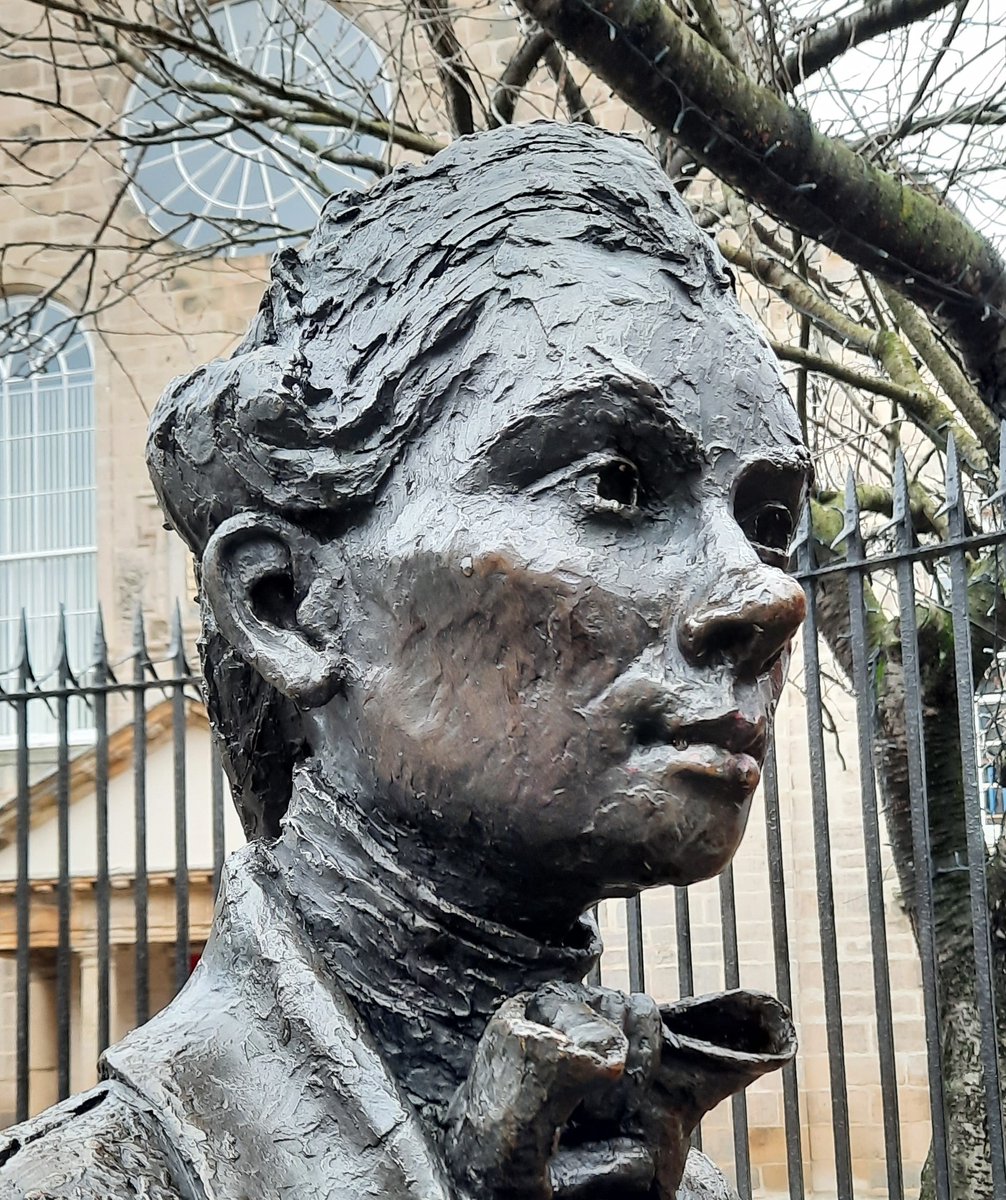
Reminder - Prof Rhona Brown will be giving at talk in Aberdeen today about all things #ProjectFergusson!
11 Mar 2025

Prof Rhona Brown will be giving a talk 'Commemorating and Editing Robert Fergusson at the 250th Anniversary of his Birth' on Tues 18 March 2025, 16:00 - 17:30 at the University of Aberdeen. The event is hybrid, for more details, see the link below:
abdn.ac.uk/riiss/news-events…
2
6
270

16 Mar 2025
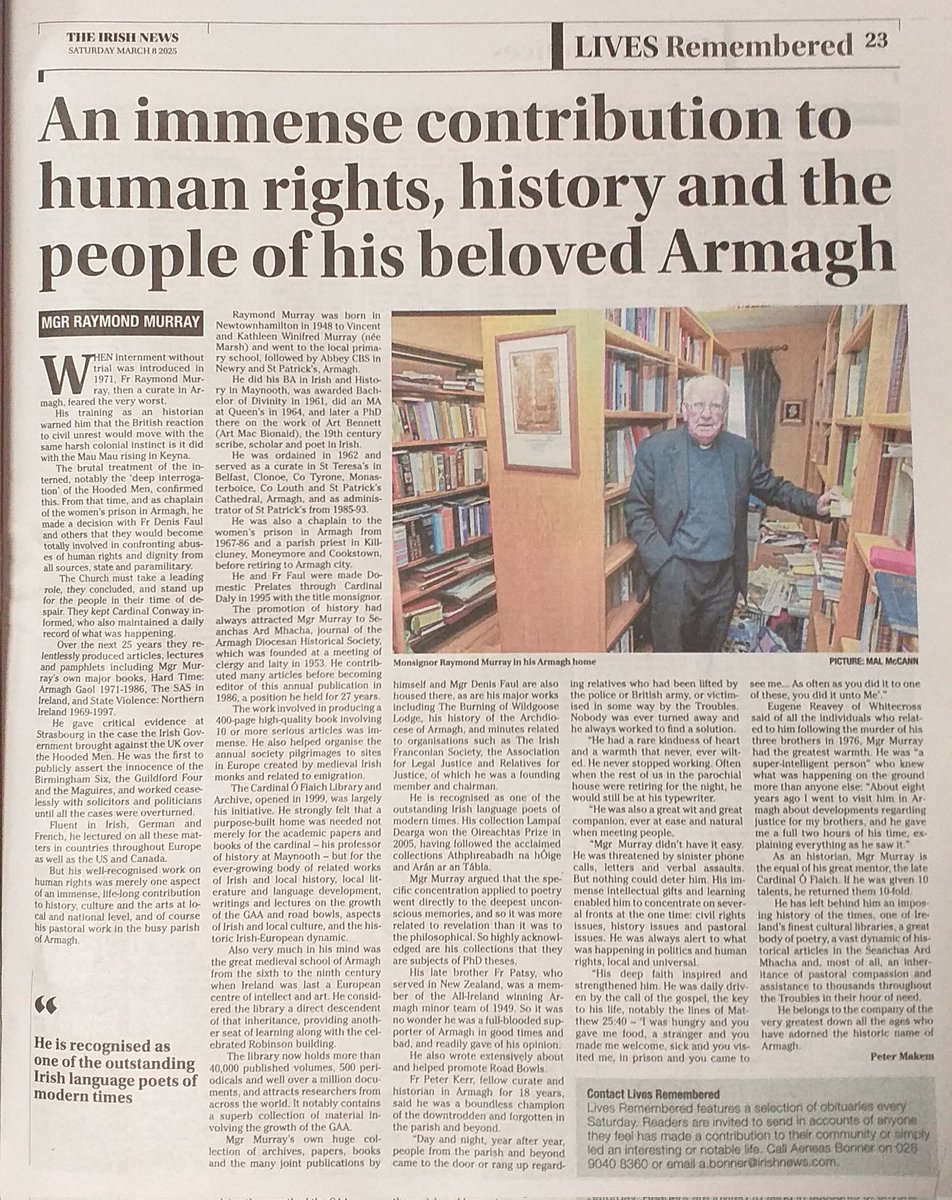
Wonderful obituary in @irish_news of Mgr Raymond Murray (1948-2025), poet, historian, human rights champion, scholar, pastor & confessor
34
Damian Smyth retweeted
21 Jan 2025
To give you all a little extra time, the deadline for submissions to our poetry collection 'Contemporary Responses to Robert Fergusson' has been extended to Friday 28th February 2025!
More information below ⤵️
robert-fergusson.glasgow.ac.…

1
12
18
3,007
Damian Smyth retweeted
28 Feb 2025
🌟SUBMISSIONS CLOSE TODAY!🌟
There's still time to get your poetry submission to us for our collection of poetical responses to Robert Fergusson!
Info at the link below ⤵️
21 Jan 2025
To give you all a little extra time, the deadline for submissions to our poetry collection 'Contemporary Responses to Robert Fergusson' has been extended to Friday 28th February 2025!
More information below ⤵️
robert-fergusson.glasgow.ac.…
5
5
440
Damian Smyth retweeted

16 Feb 2025
The story of Michael O’Sullivan 🥹❤️
A superb interview and a fantastic young man.
If you do one thing today, give it a watch 👇🏼
Credit - @TheHorseIE
132
507
3,630
356,944
Damian Smyth retweeted

28 Dec 2024
1
10
21
2,191
11 Nov 2024
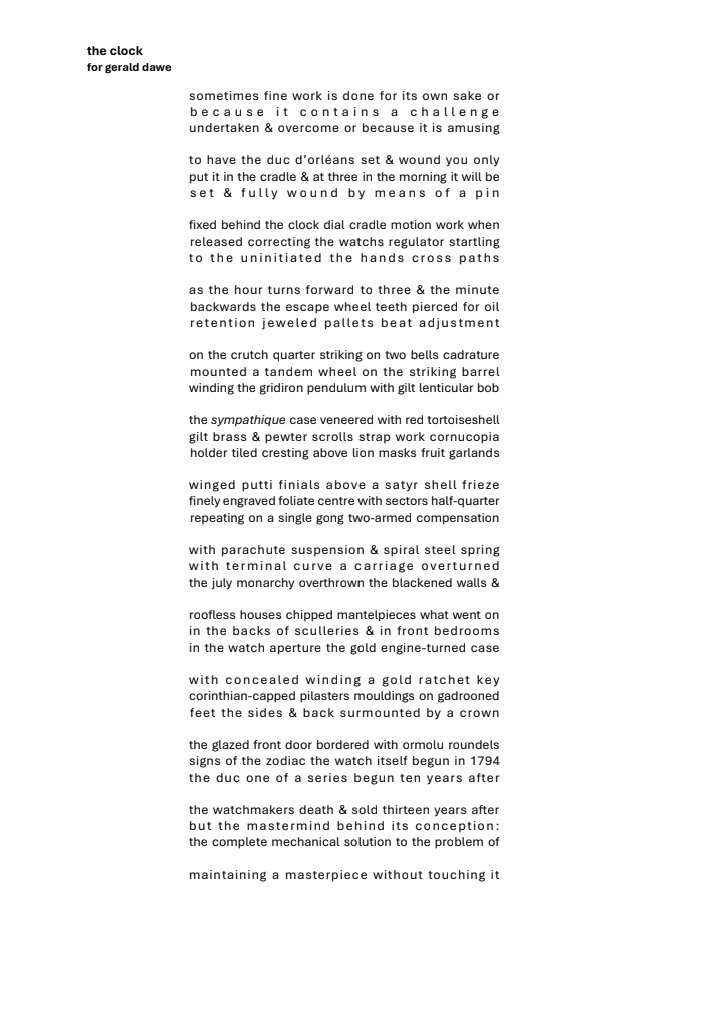
Gerald Dawe 1952-2024 responded to this goofy teenager with the same seriousness as when I was a goofy 60 year old. Chunks of this piece are found in descriptions of the Duc d'Orléans Breguet clock, with thanks to Chartres & Farringdon Gdns..
2
97
Damian Smyth retweeted

15 Sep 2024
Audiobook Love: @SusannahDickey has written a poetry book unlike anything I've listened to before. A true crime tale and a meditation on British society’s relationship with violence against women. To use hip hop terminology, Dickey’s got bars!

1
5
523