
One shall be above many 🍃
Joined March 2025
- Tweets 4,108
- Following 265
- Followers 40
- Likes 38,852
84 Photos and videos











Study retweeted

Roman olive oil workshop in ancient Syedra (Turkey). After harvesting olives they were taken to workshops to be crushed in a stone mill operated by a donkey/workers. Those stones had a gap to leave pits unbroken. Then pressing the mush & in a vat separating oil from other liquids
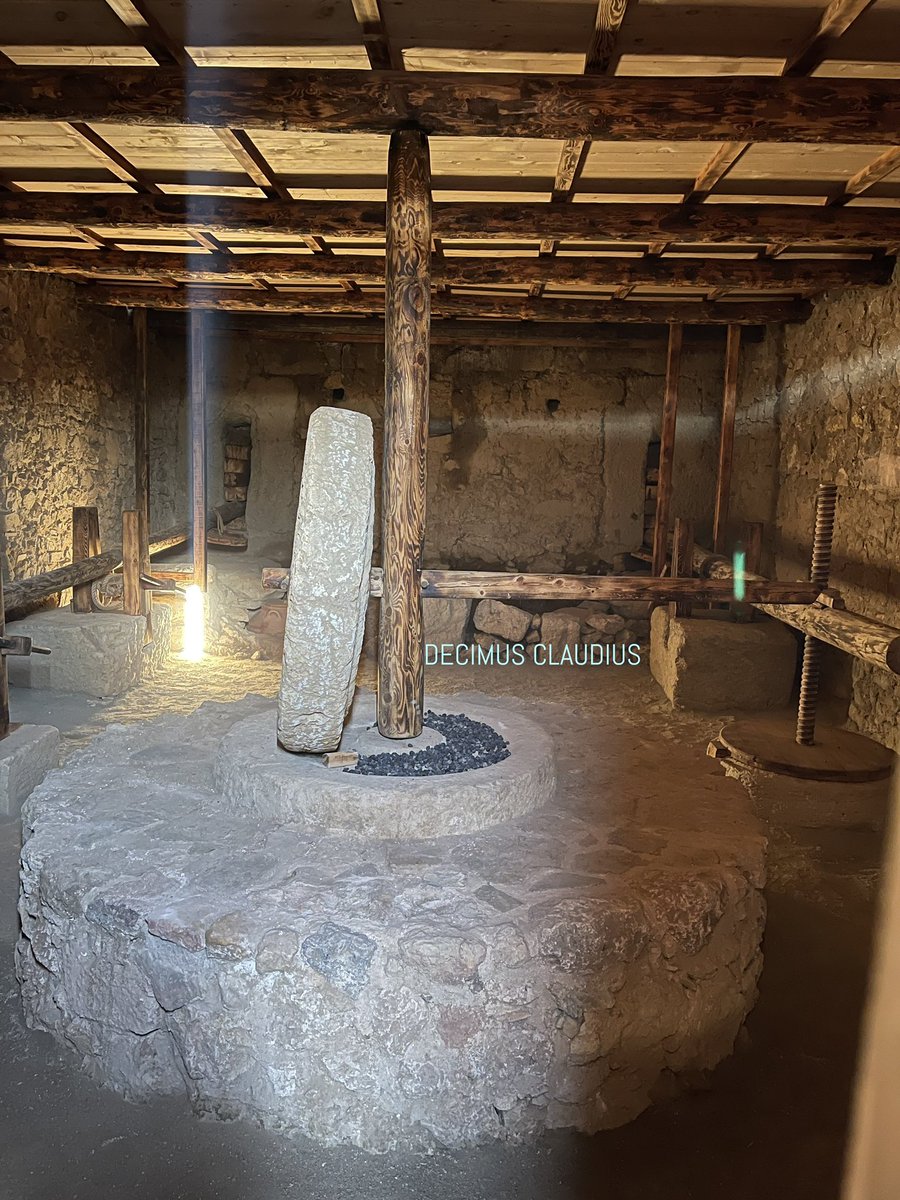
ALT A Roman olive oil workshop with reconstructed equipment in the ancient city of Syedra, not far from Alanya, Turkey. After harvesting the olives they were taken to workshops to be crushed in a stone mill operated by a donkey or workers. Those stones had enough of a gap to leave the pits unbroken. Then came pressing the mush and in a vat separating from other liquids the oil as it rises to the top. Olive oil was essential for numerous ancient mediterranean civilizations and the Romans used it extensively for cooking, fuel for lamps and hygiene (it was lathered and then scraped off the body).
10
35
478






Study retweeted

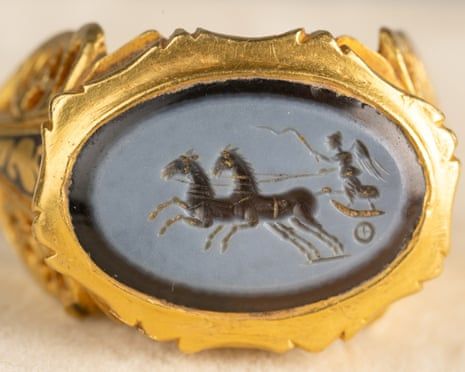
#Somerset detectorist strikes gold with ‘spectacular’ Roman ring find buff.ly/4iJgHHg #History #twitterhistorians
1
40

Study retweeted

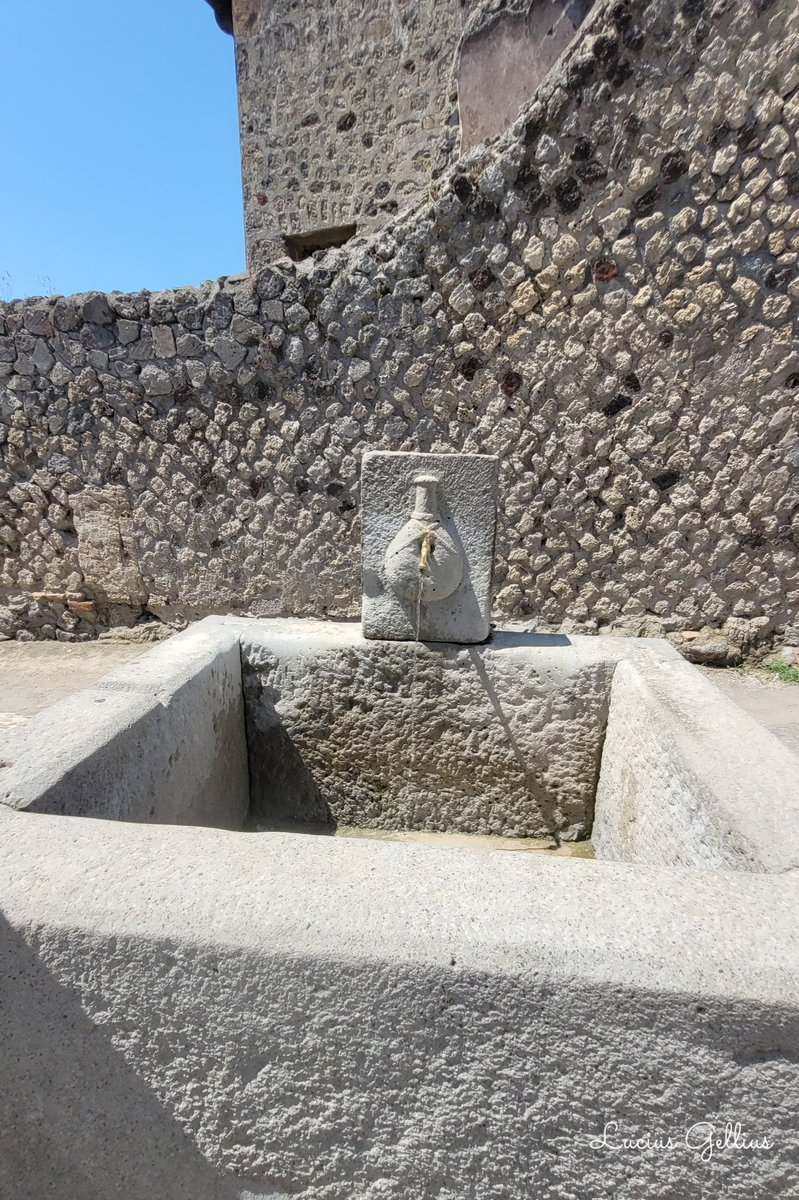
#Pompeï fontaine rafraichissante décorée d'une gourde au détour d'un carrefour où venaient s'approvisionner en eau les voyageurs et la plèbe de la ville qui n'avait pas accès à l'eau courante comme les riches domus.
3
23
169
2,679
Study retweeted

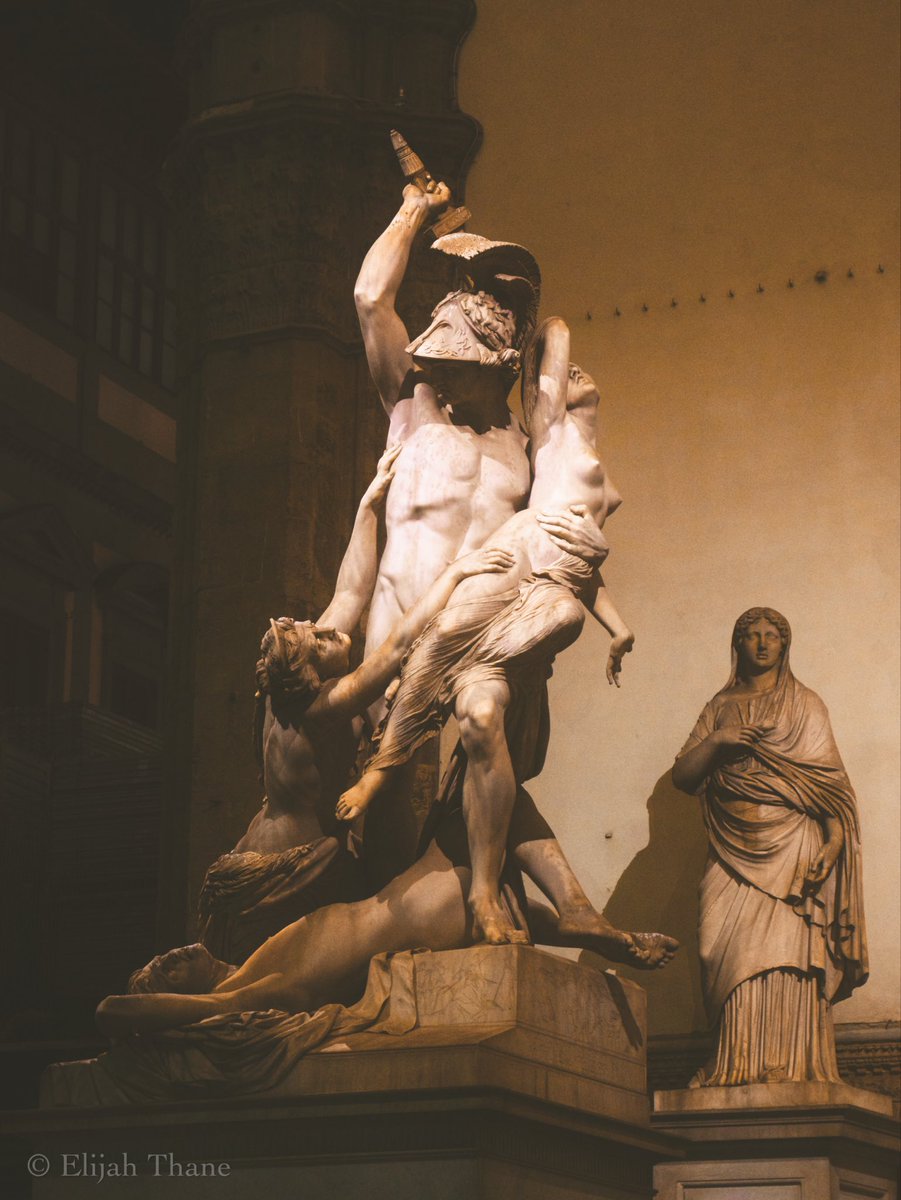
I have an obsession with Italian sculptures.
1
4
31
660
Study retweeted

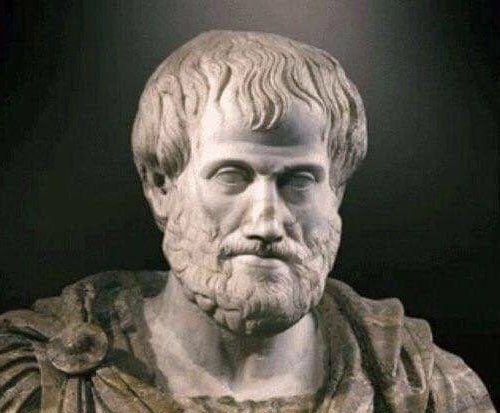
‘Tolerance and apathy are the last virtues of a dying society’
- Aristotle
Community note
This quotation is not from Aristotle. sententiaeantiquae.com/2018/09/29/rac… wist.info/aristotle/54711
75
1,492
4,693
60,471

Study retweeted

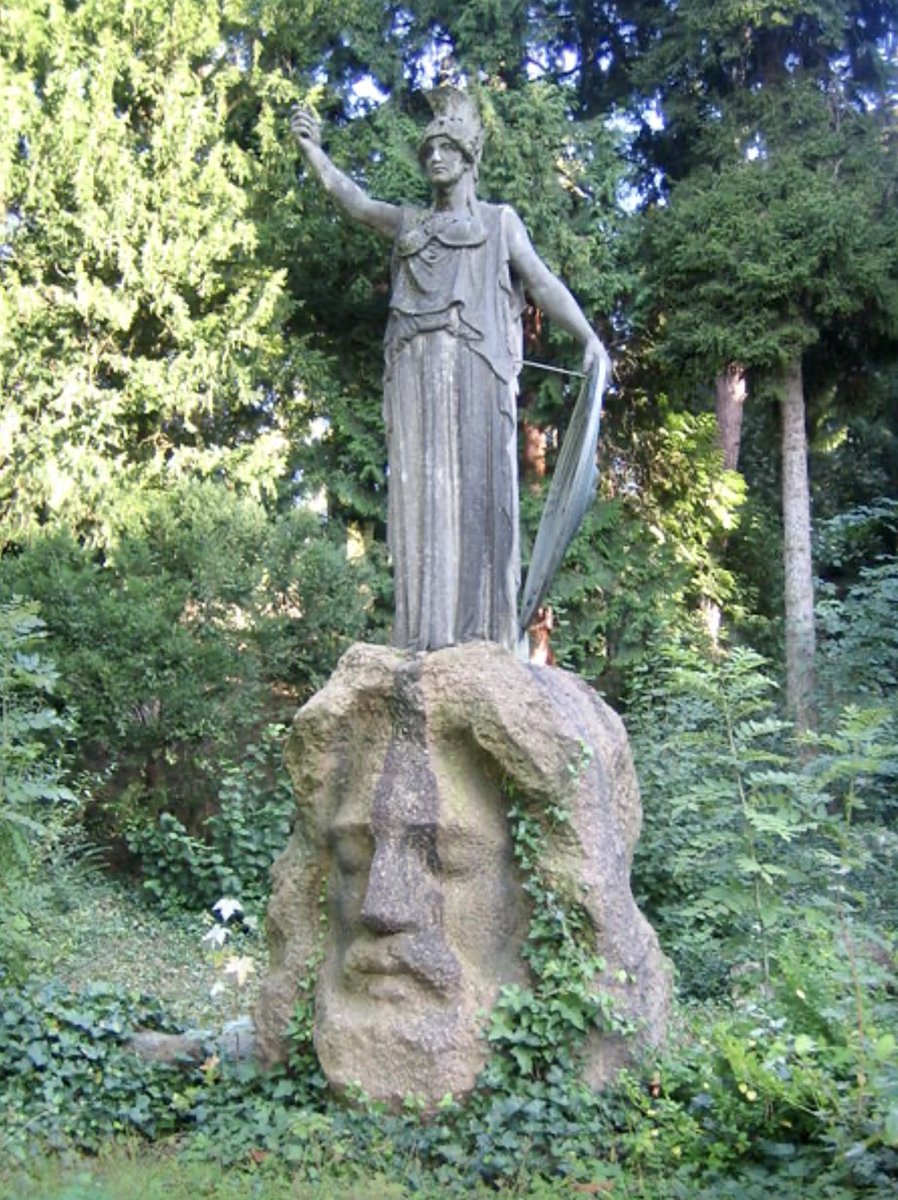
Pallas-Athene-Brunnen, creada por Karl Donndorf en 1911.
La obra ilustra el mito griego del nacimiento de Atenea emergiendo de la cabeza de Zeus.
Se encuentra ubicada en la colina Karlshöhe en Stuttgart, Alemania.
28
101
1,645

Study retweeted

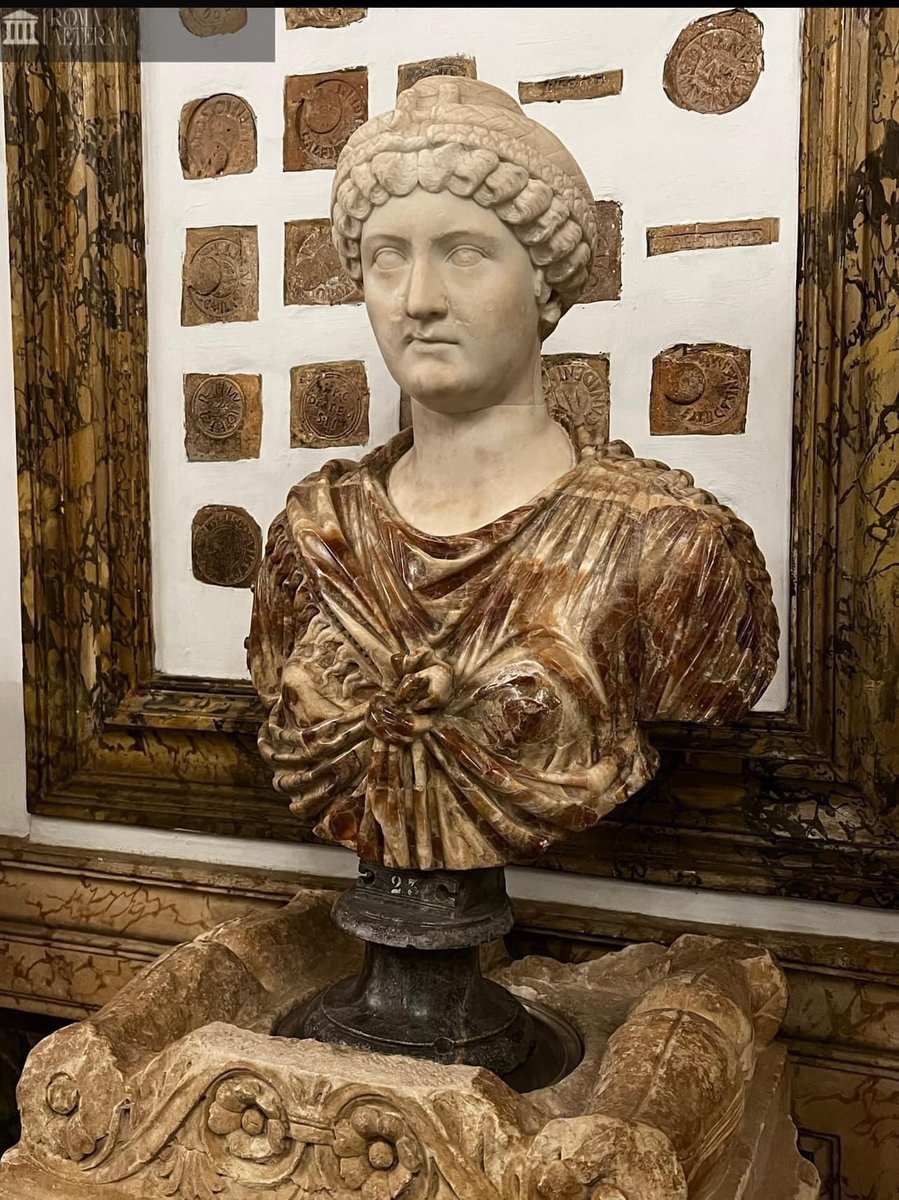
Buste d’une femme (tête en marbre, 140-150 ap. J.-C., et buste en albâtre). La sculpture a fait partie de la collection Albani avant de faire partie des collections des musées capitolins à Rome. #MuseiCapitolini
12
54
780

Study retweeted

Jun 13
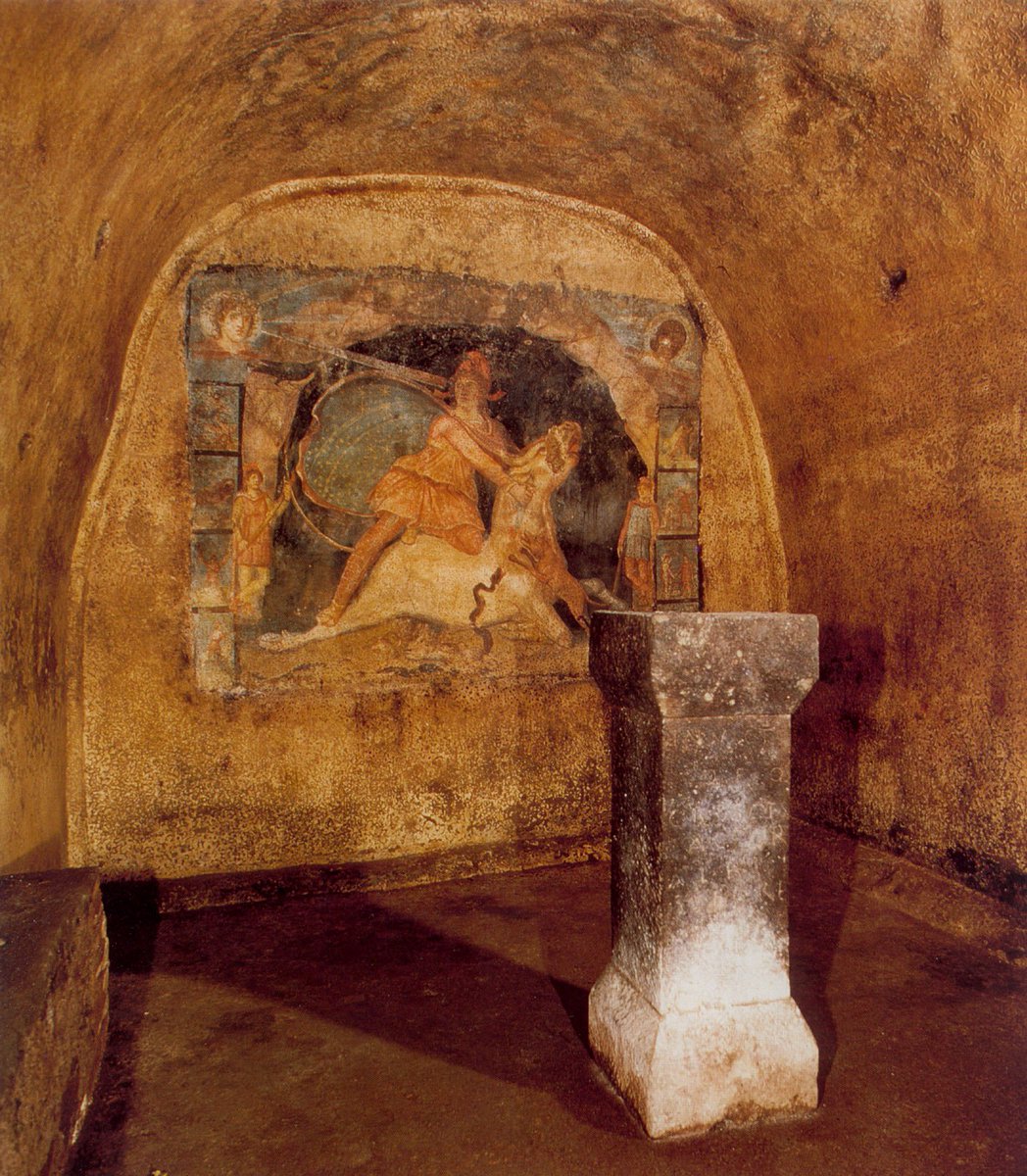
Initiation gives structure to internal change.
1
13
157
2,093
Study retweeted

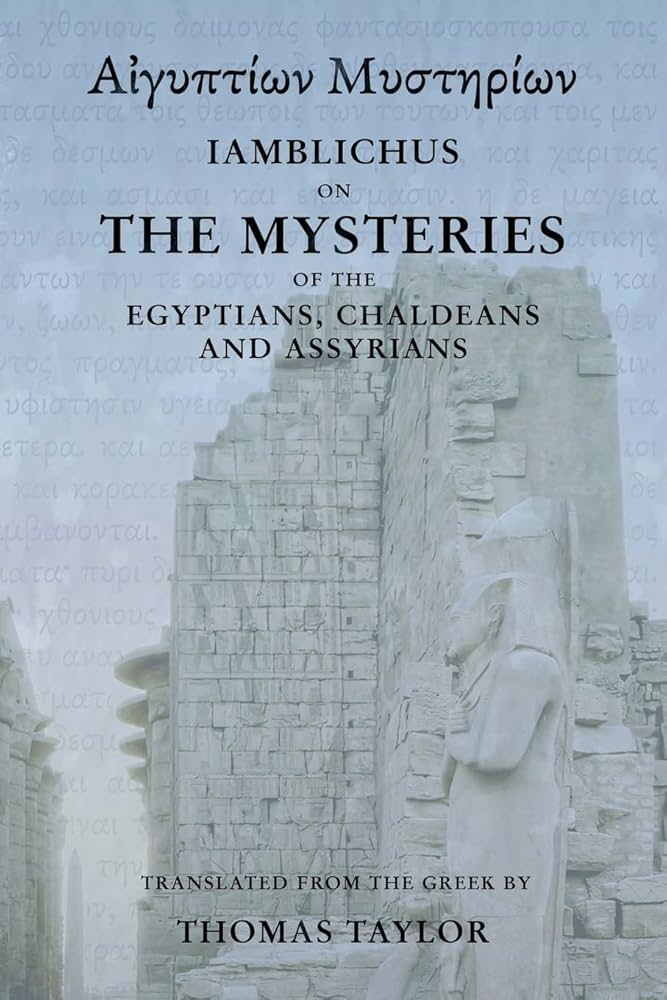

I am influenced by classical philosophy:
the Stoics, Pythagorean, Hermetics and Platonists.
I have love for all these philosophy traditions but I was also bit eclectic kinda like Dio Chrysostom or Maximus of Tyre.
1
1
20
501